Eastern Europe

Eastern Europe & the Balkans blend bold landscapes and layered history with fewer crowds and a more authentic pace of travel.

Discover our featured destinations below.

Best For:

Curious travelers who value depth, authenticity, and fewer crowds.

Best Months:

May–June and September.

Travel Style:

Walkable historic cities, scenic landscapes, and immersive local experiences.

Budget level:

Generally strong value compared to Western Europe.

Albania

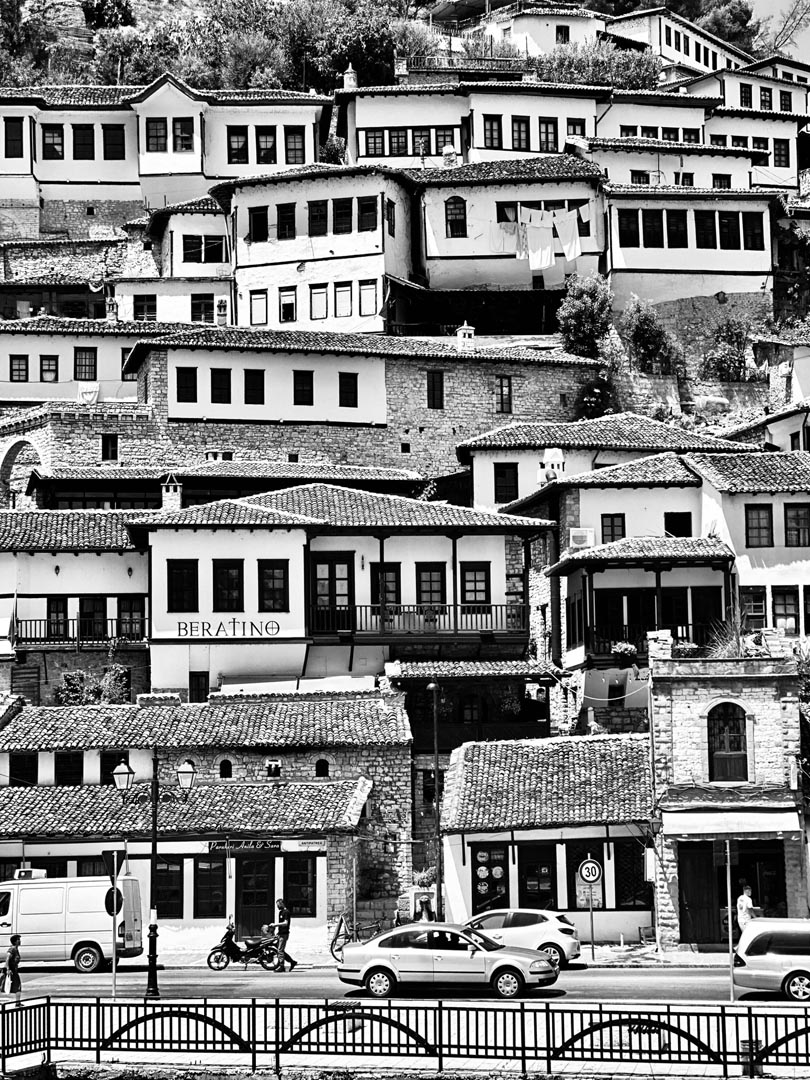
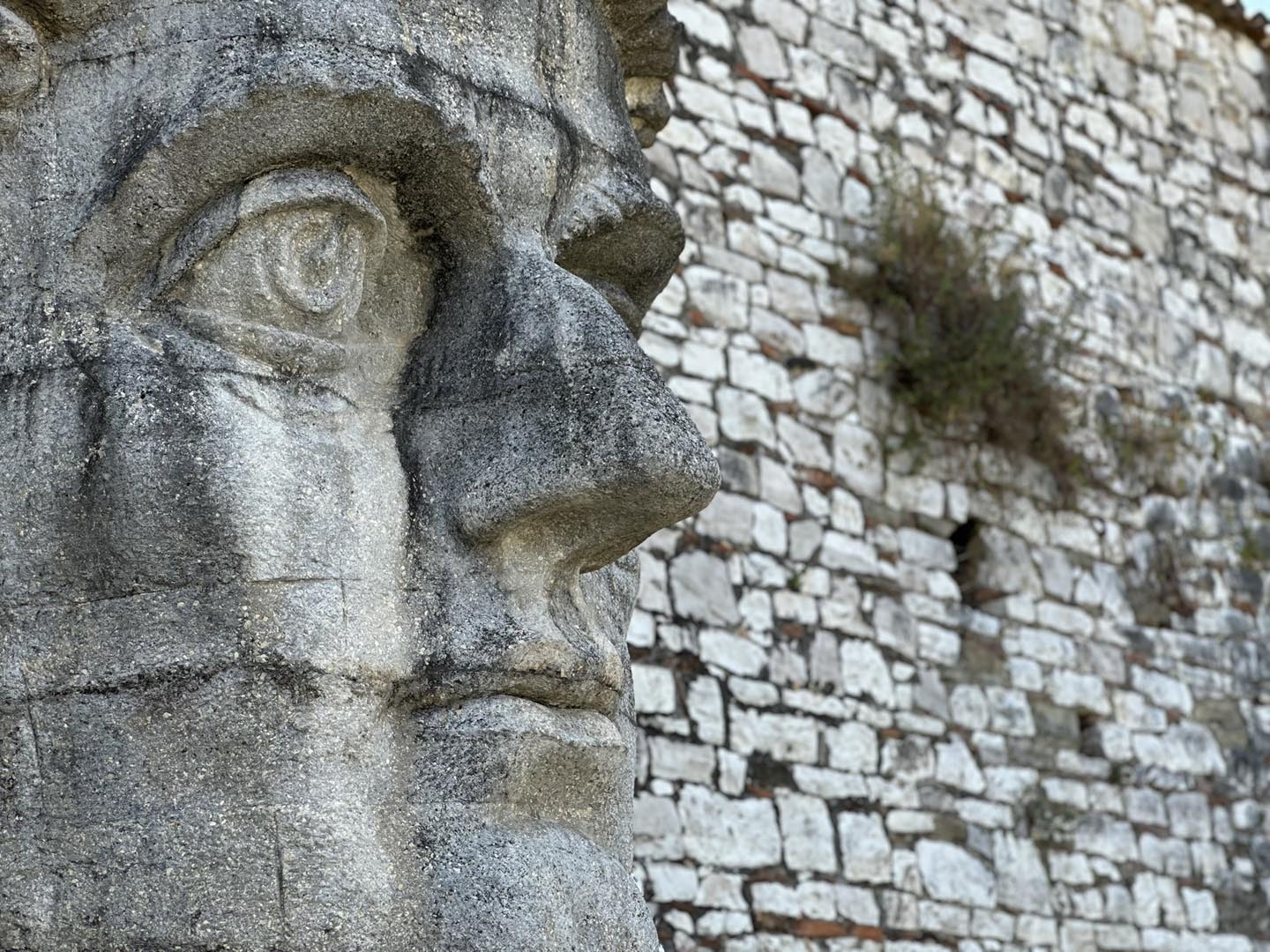
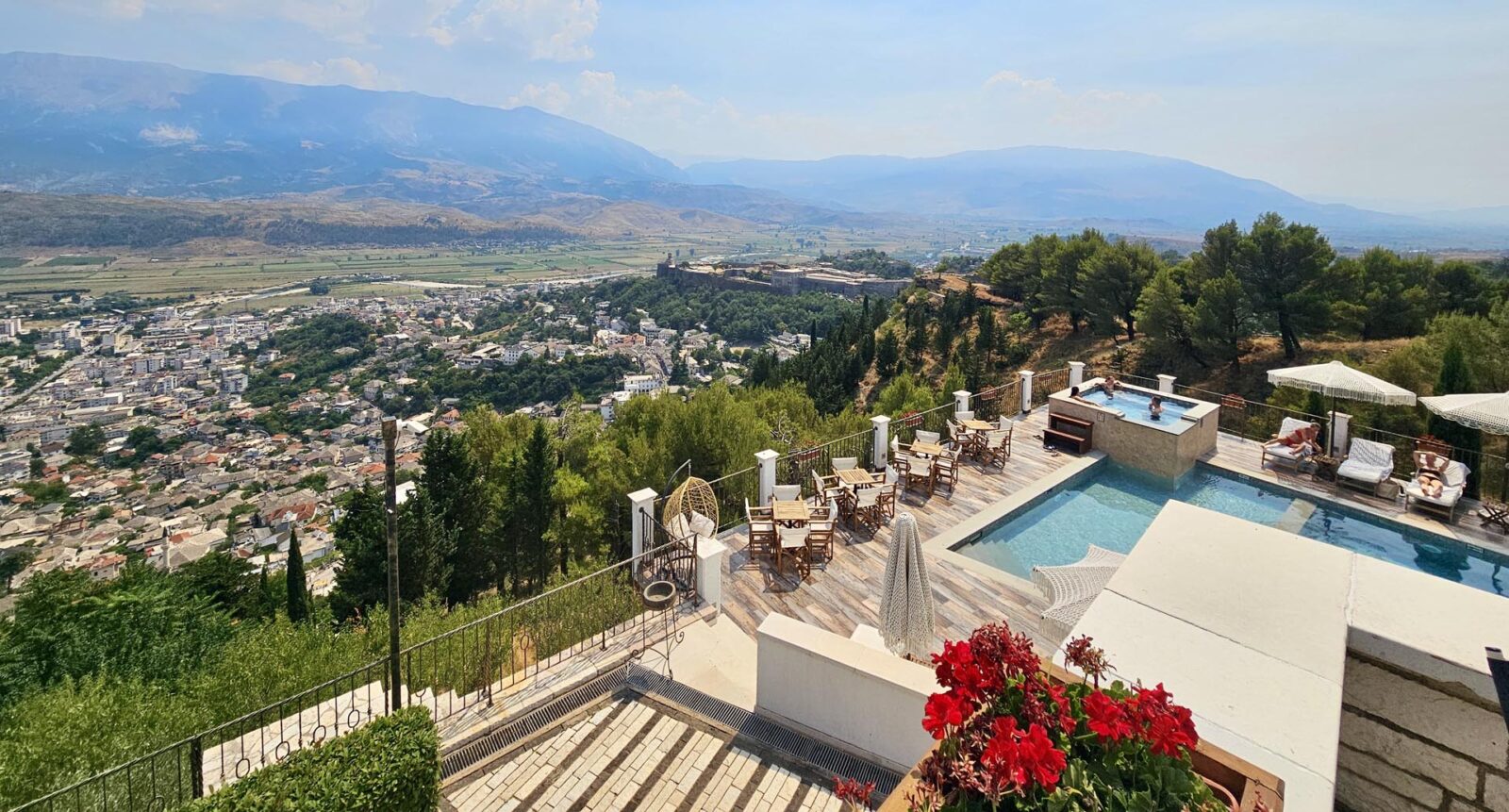
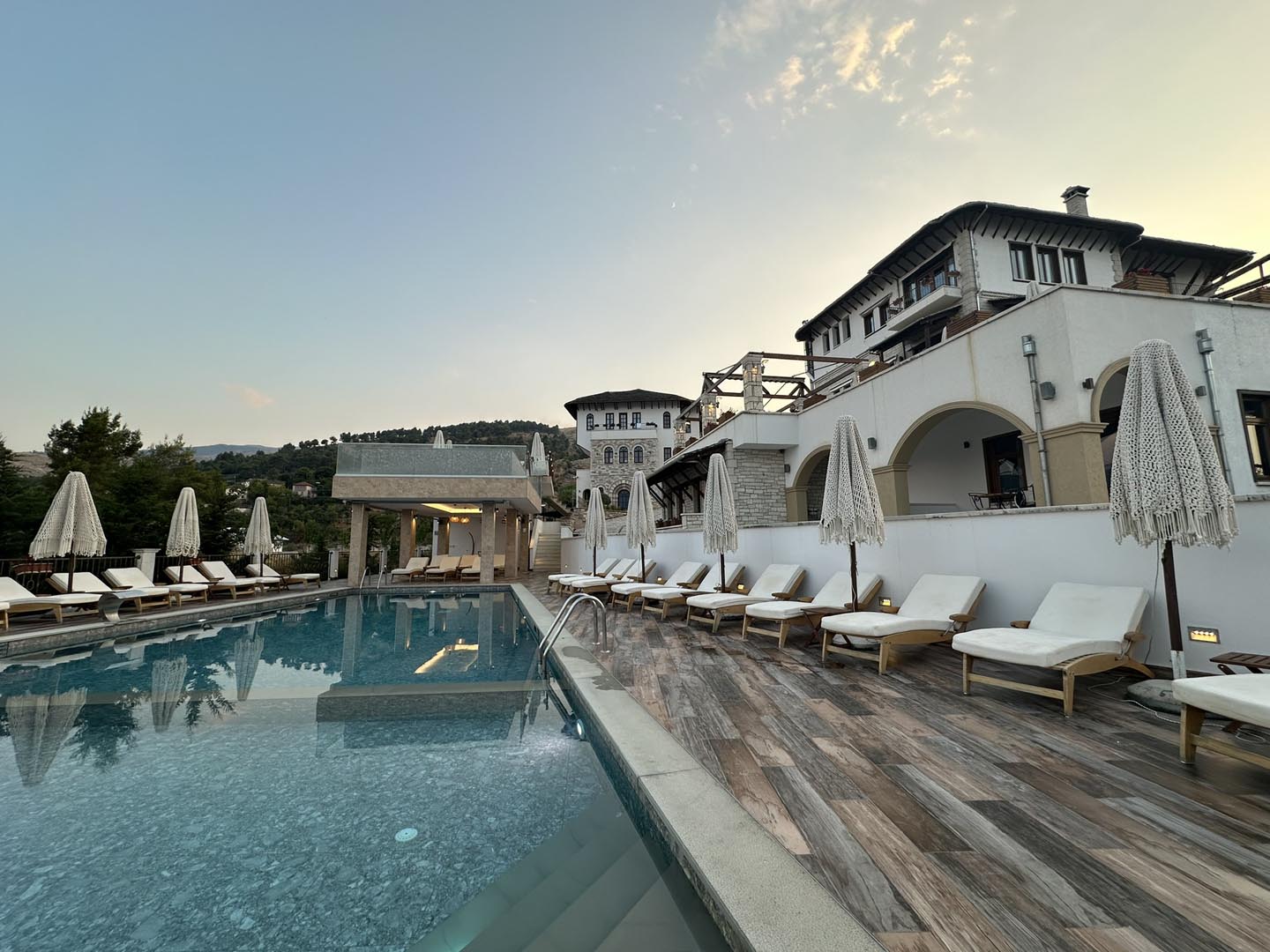
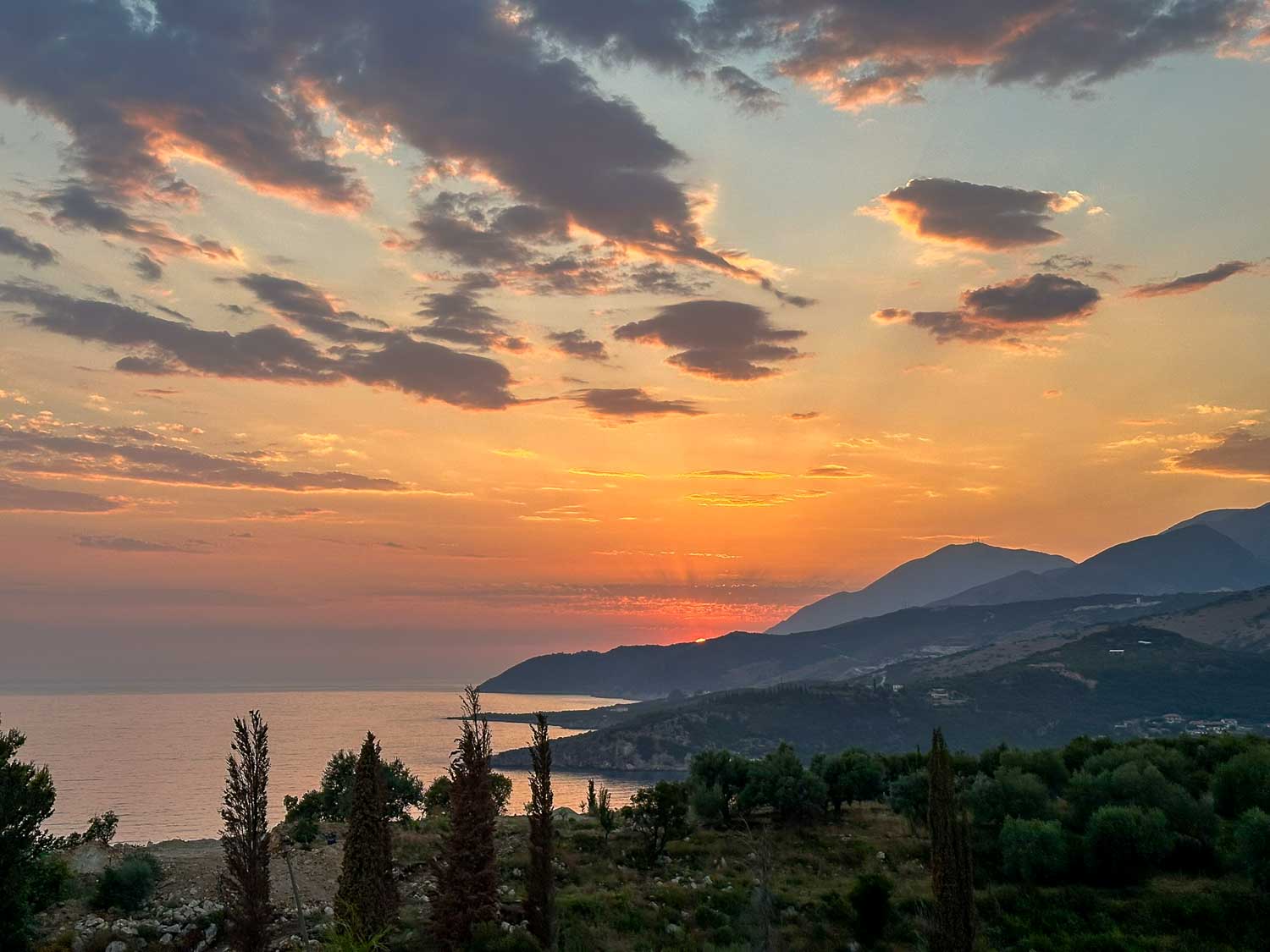
Albania surprises in all the right ways. Shaped by a complex past and dramatic landscapes, it blends stone old towns, rugged mountains, and sun-washed coastline with a pace that feels refreshingly authentic. From UNESCO-listed Berat and Gjirokastër to the beaches of the Albanian Riviera, the country offers a compelling mix of history, culture, and natural beauty. It remains one of Europe’s most intriguing emerging destinations for travelers willing to look beyond the expected.

Explore our in-depth guides below for the destinations and experiences we’ve come to appreciate most.
North macedonia

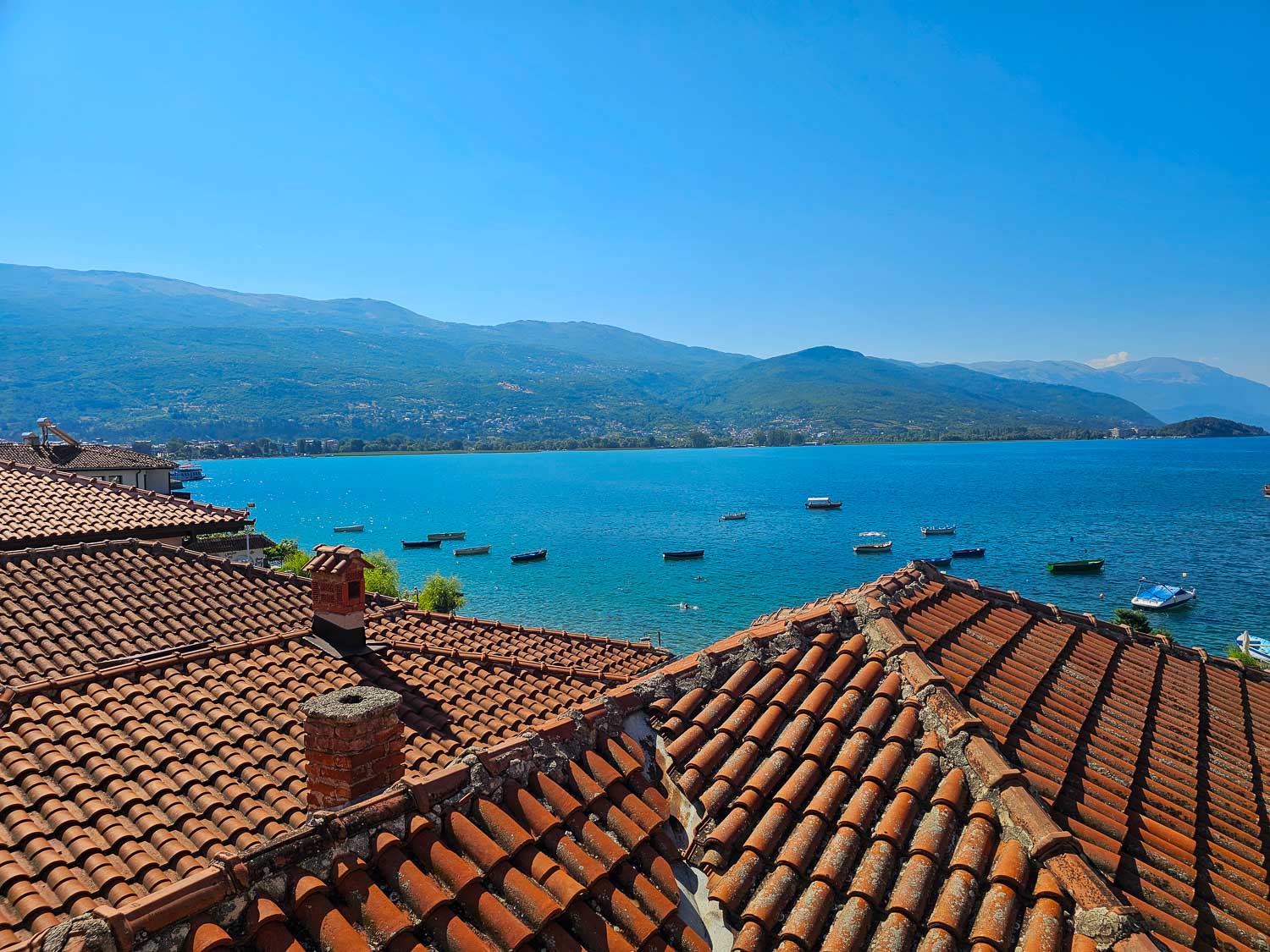
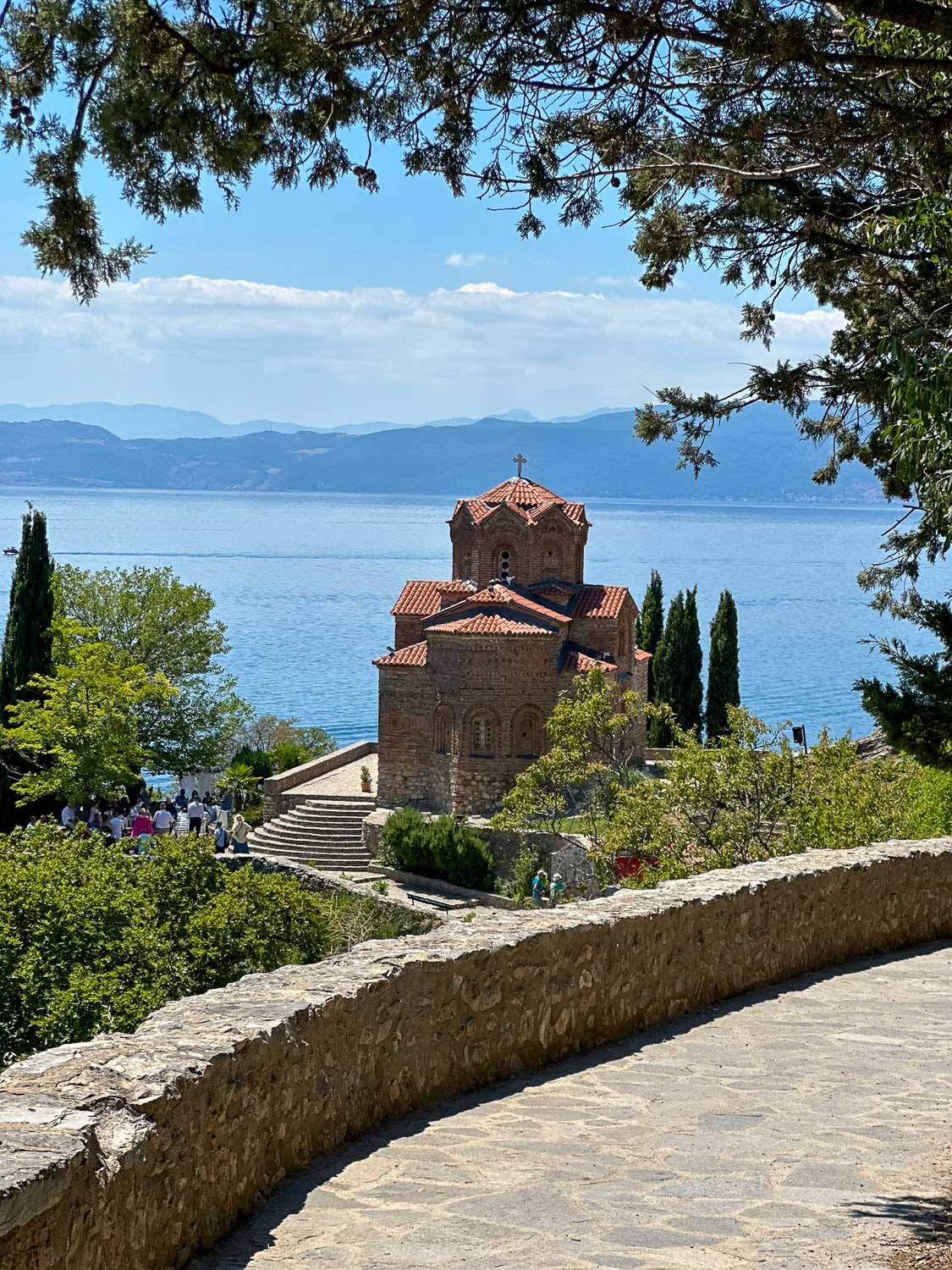
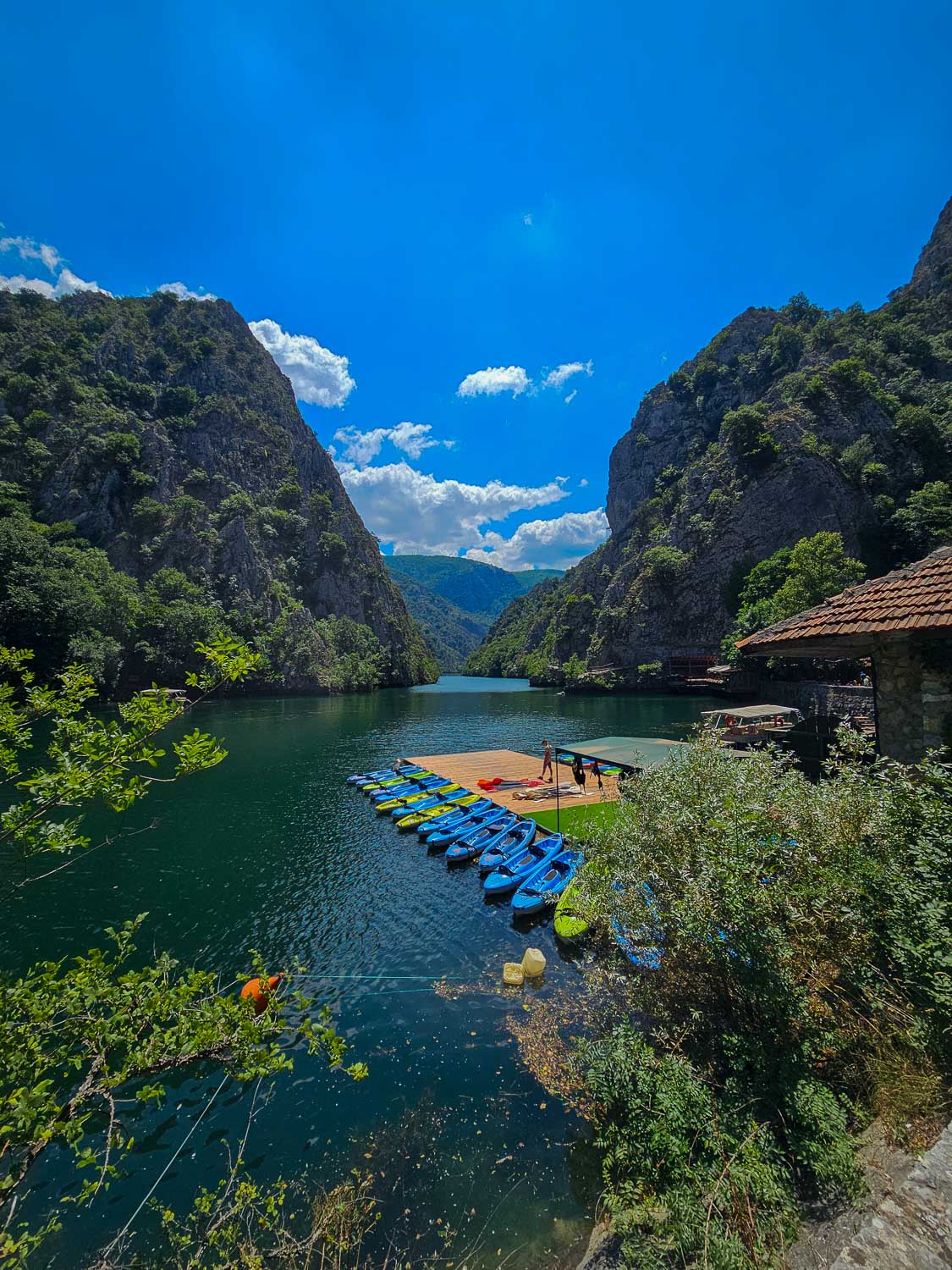
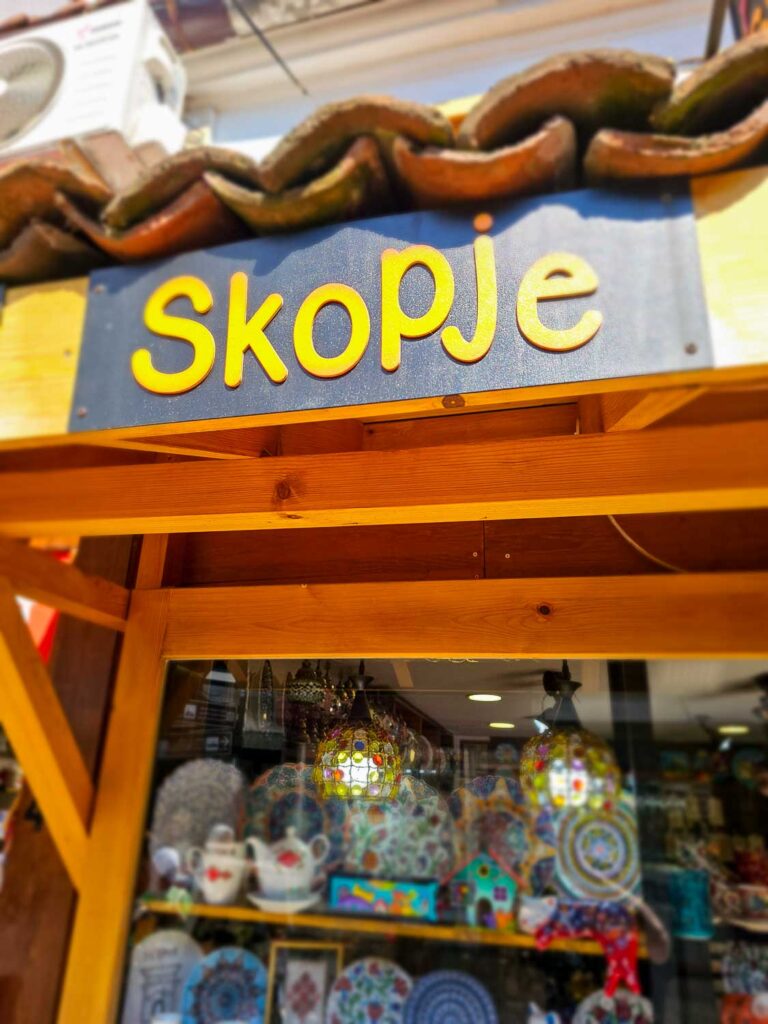
North Macedonia quietly wins you over. Layered history, mountain scenery, and everyday life blend into a destination that feels both grounded and memorable. From the shores of Lake Ohrid to the stone streets of Skopje and the dramatic cliffs of Matka Canyon, the country offers a rich mix of culture and natural beauty. Its cultural depth and scenic landscapes make it a rewarding stop for travelers exploring the wider Balkans.

Explore our in-depth guides below to discover the places we experienced firsthand.
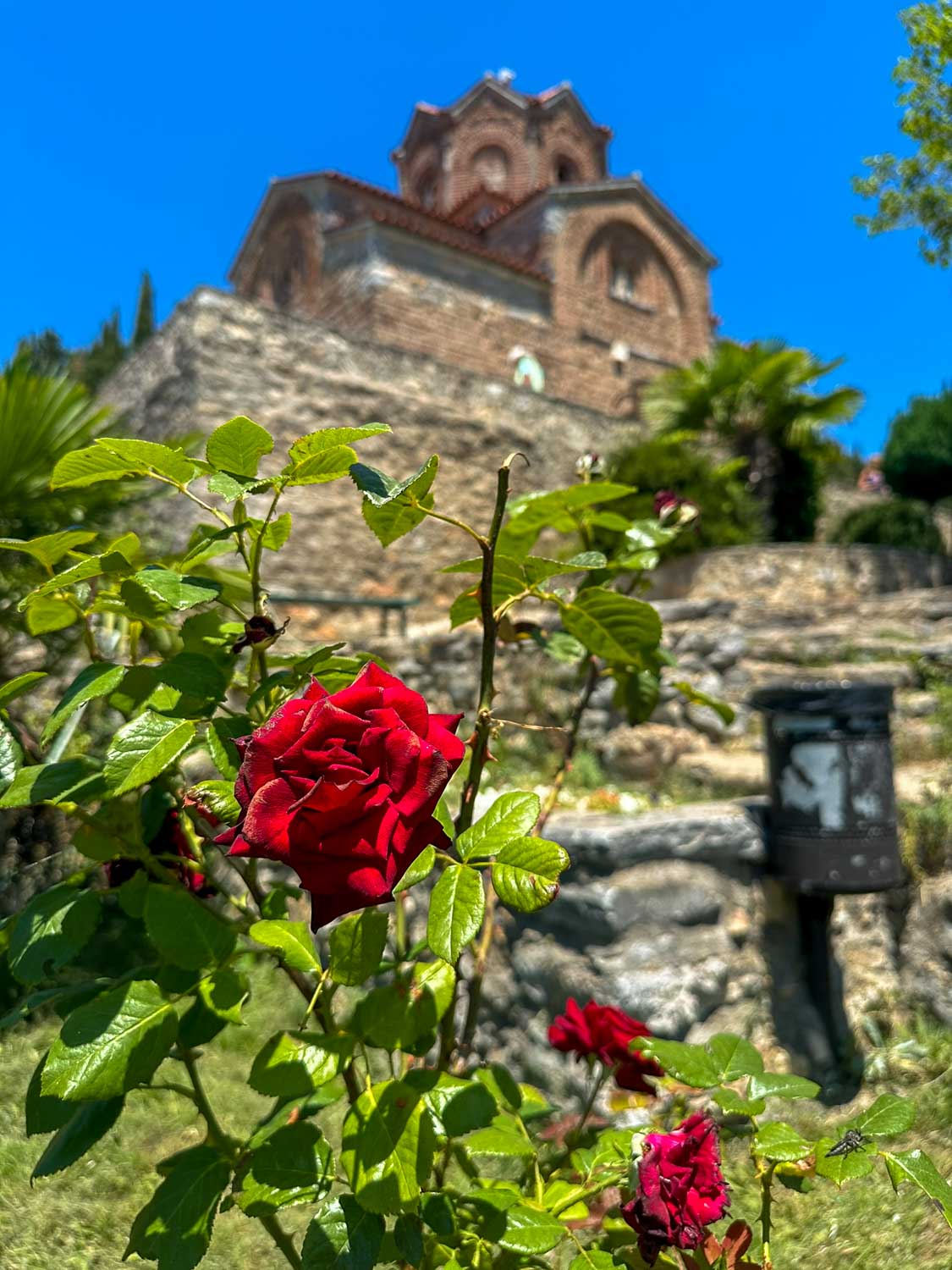
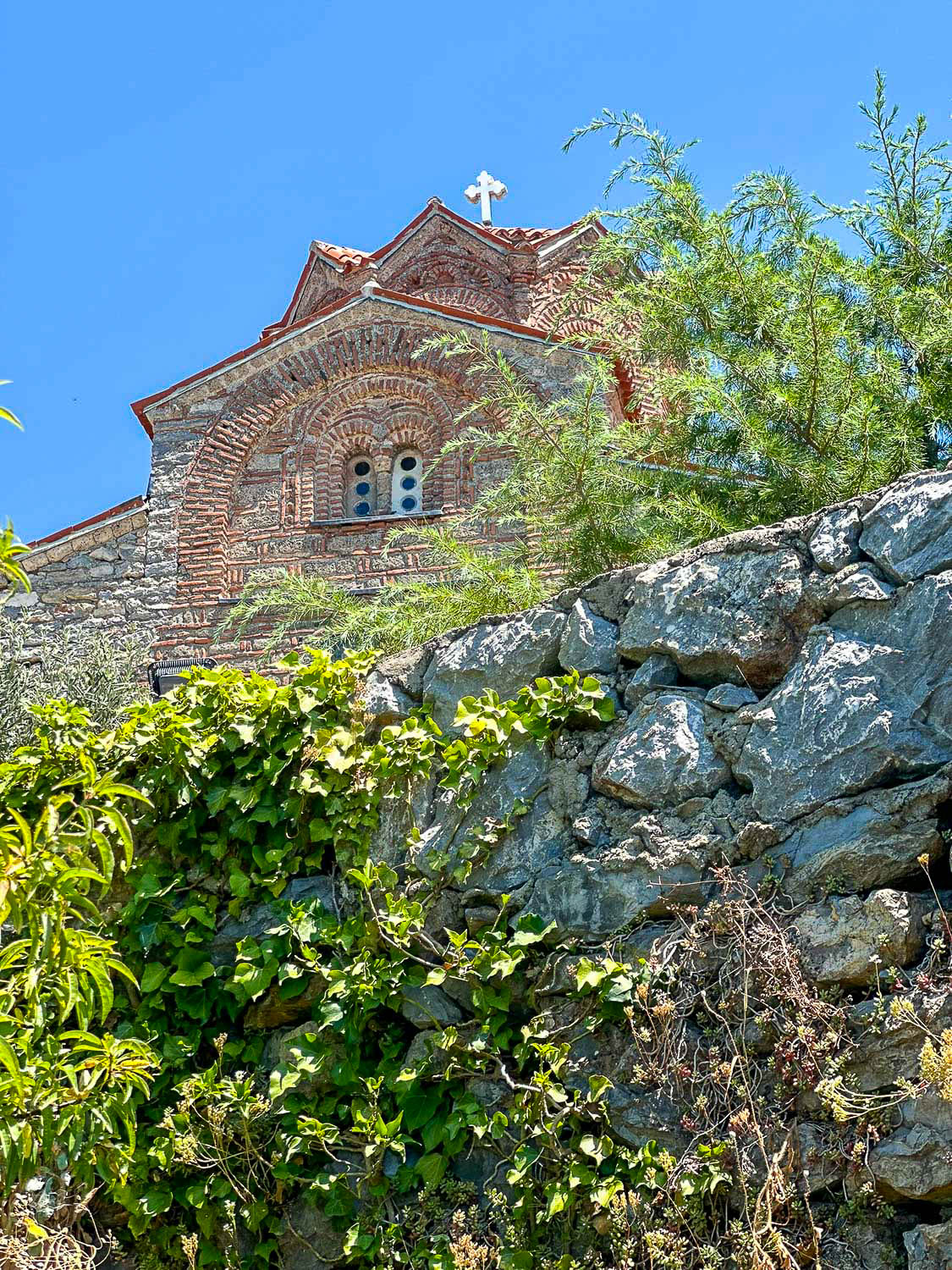
Church of St. John Ohrid, North Macedonia

Eastern Europe FAQs

Yes — most destinations across Eastern Europe and the Balkans are considered safe, including for independent travelers and couples exploring on their own. Violent crime rates are generally low, and many city centers feel relaxed and welcoming. As with anywhere in the world, standard awareness in busy areas and transportation hubs is wise. Smaller towns and historic districts often feel especially comfortable to explore on foot. Travelers who plan thoughtfully and stay informed typically find the region easy and rewarding to navigate.

Late spring (May–June) and early fall (September) typically offer the best overall balance of pleasant weather, manageable crowds, and good value. Summer is lively — particularly along the Adriatic coast and in popular historic cities — but temperatures can be warmer and visitor numbers higher in July and August. Winter brings festive markets in some cities and quieter travel elsewhere, though daylight hours are shorter. Shoulder seasons often provide the most comfortable pace for sightseeing and photography.

Compared to Western Europe, many Eastern European destinations offer strong overall value. Lodging, dining, transportation, and guided tours are often more affordable while still maintaining quality and comfort. Prices vary by country, season, and city, with capital cities and coastal areas generally costing more than smaller towns. Travelers who plan outside peak summer months often find even better value. Overall, the region remains accessible without sacrificing meaningful experiences.

The ideal length depends on your pace and interests. Many travelers spend about a week exploring a single country, focusing on one or two primary cities with a few nearby excursions. Others combine neighboring countries over two or more weeks, especially in the Balkans where borders are close and itineraries flow naturally. Slower travel allows time to linger in historic centers, enjoy local cuisine, and explore scenic landscapes without rushing between highlights. Even shorter visits can be rewarding when thoughtfully planned.

Major cities are typically walkable and well connected by rail or bus, making independent travel straightforward. Trains and regional buses link many capitals and cultural hubs efficiently. However, renting a car can be especially helpful for reaching mountain villages, national parks, coastal stretches, and rural areas where public transportation is less frequent. Road conditions are generally good, though terrain can be mountainous in parts of the Balkans. Your decision will depend on whether you plan to stay urban or venture into the countryside.

English is commonly spoken in tourism-facing businesses, particularly in larger cities, university towns, and coastal destinations. Younger generations often have strong English proficiency, especially in hospitality and service industries. In smaller towns and rural areas, English may be more limited, but locals are typically welcoming and willing to help. Learning a few basic phrases in the local language is always appreciated and can enrich your experience. Communication challenges are rarely a barrier to travel in the region.

Explore More Of Europe

Discover more regions across Europe, each offering its own distinct blend of history, culture, and landscape.
a blue hot air balloon with

Add a single and succinct list item

colorful night view of tsutenkaku tower in

Add a single and succinct list item

a person hikes through the majestic red

Add a single and succinct list item

man sitting on a classic red and

Add a single and succinct list item

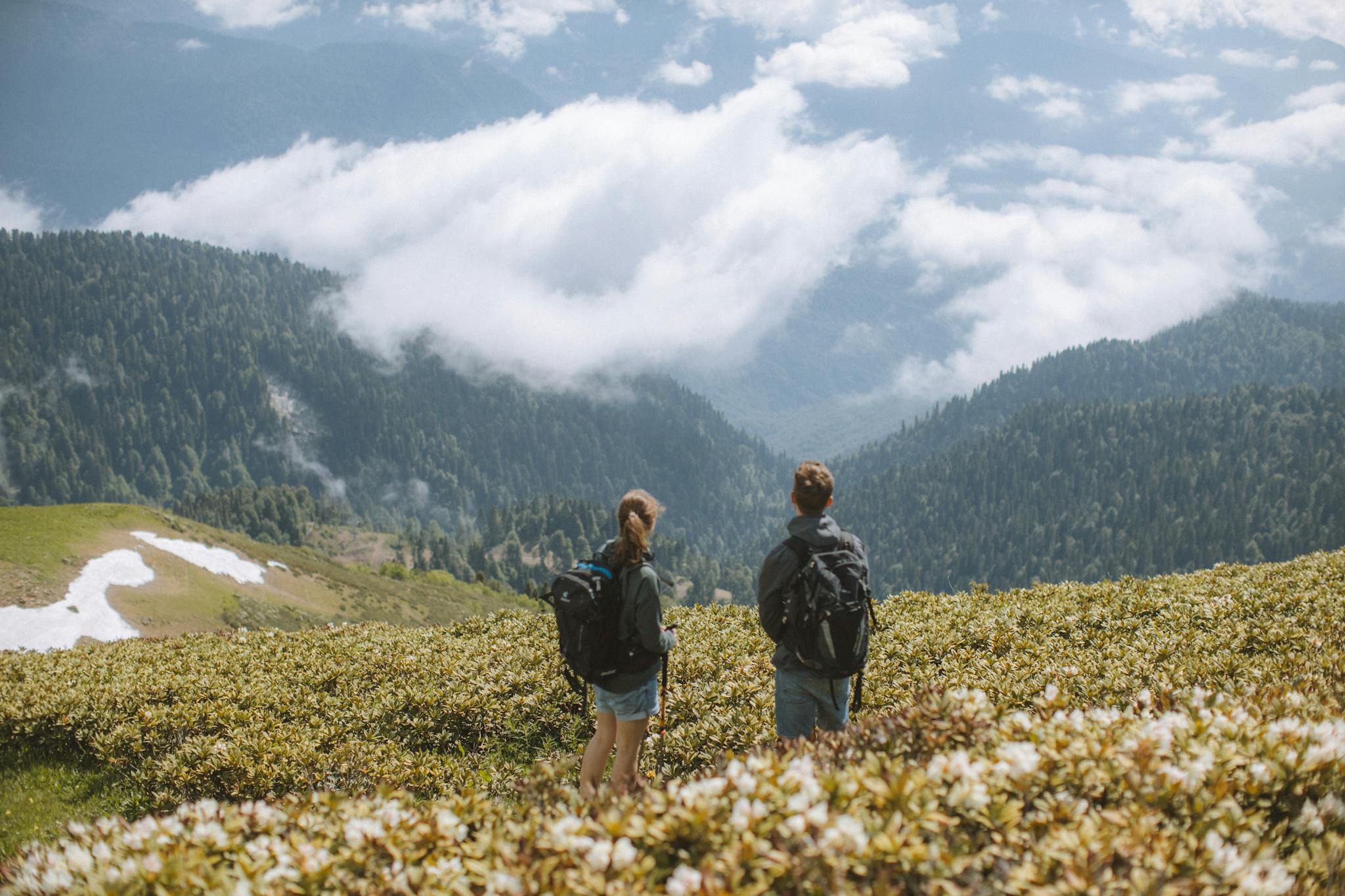
two hikers with backpacks admire a stunning

Add a single and succinct list item

a blue hot air balloon with

Add a single and succinct list item

colorful night view of tsutenkaku tower in

Add a single and succinct list item

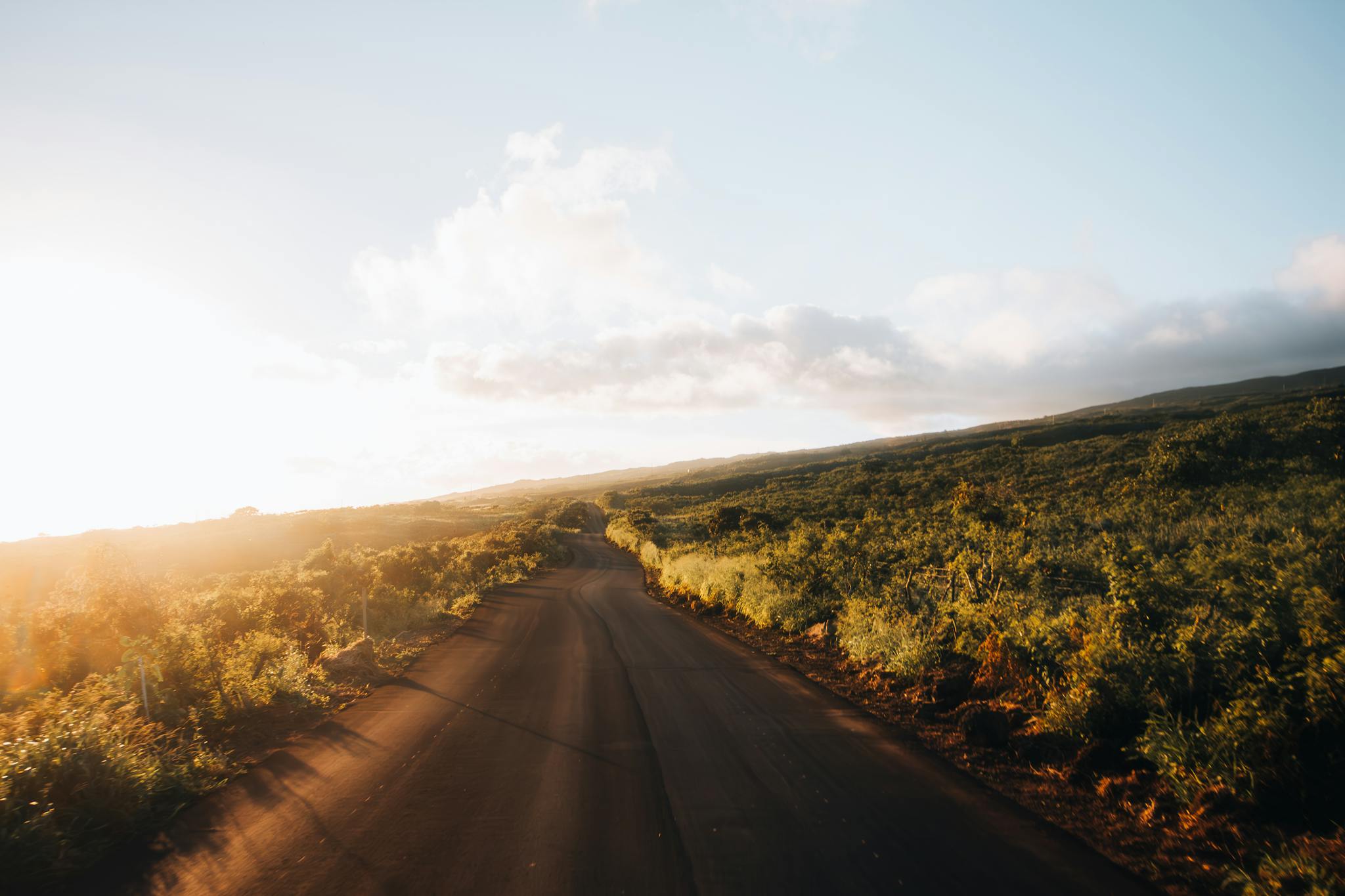
a beautiful road in hawaii with lush

Add a single and succinct list item

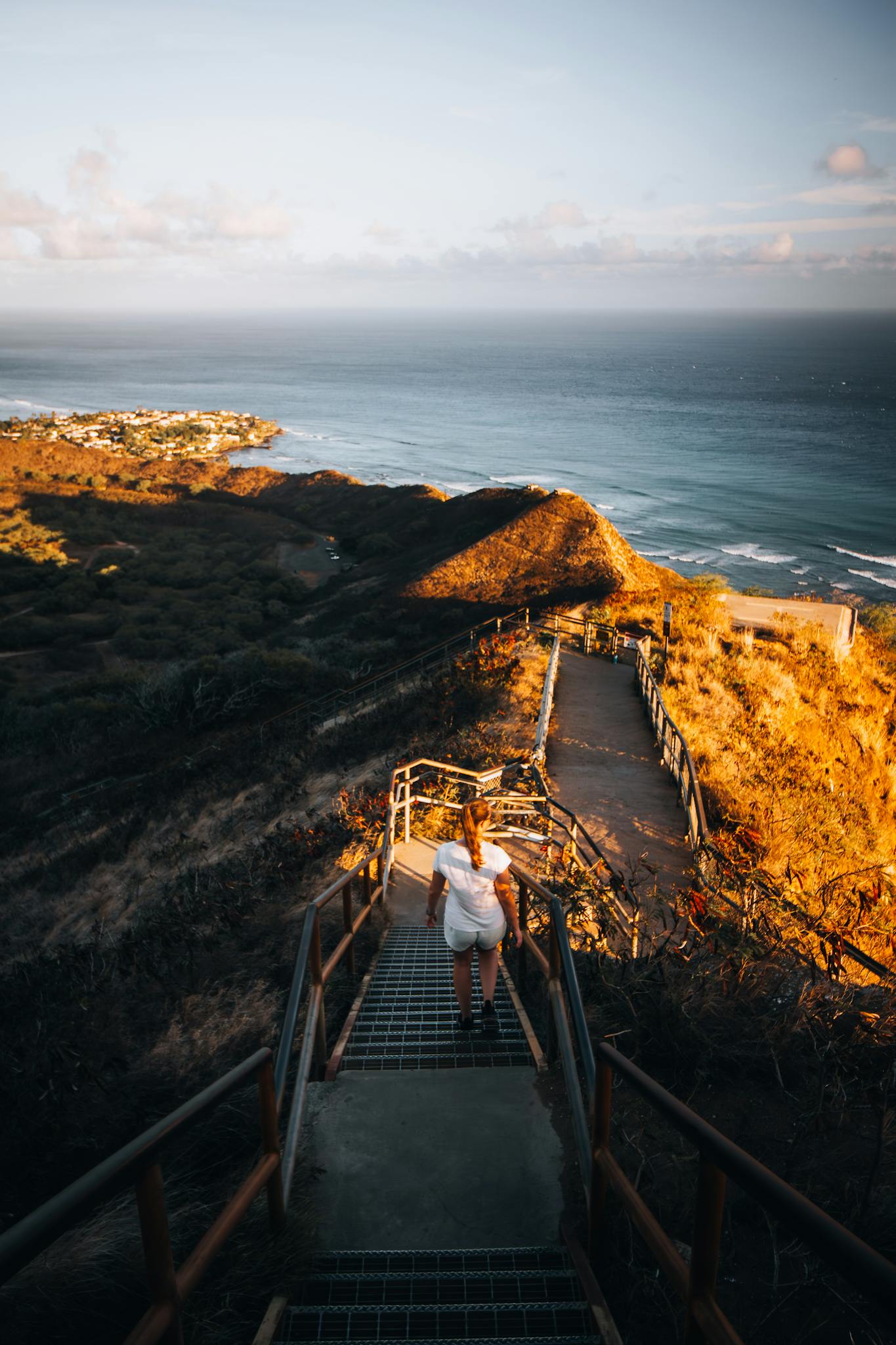
a person walks down a scenic staircase

Add a single and succinct list item