Cuisine of Qatar: A Traditional Culinary Exploration
Some destinations are remembered for their landmarks, others for their landscapes. But when it comes to Qatar, many travelers find themselves most enchanted by the flavors. The cuisine of Qatar is a deep, delicious dive into the rich culinary heritage of the Middle East, seasoned with the traditions of North Africa, the Indian subcontinent, and the Arabian Gulf.
(are you happily drooling yet?)
With Beck’s adventurous spirit chasing bold, not-yet-tested spices, and Mike’s love of comfort food and upscale restaurants, we found ourselves delightfully united by the powerful aromas and heartwarming hospitality found in Qatari kitchens. From large platters of slow-cooked meat, to sweet bites of deep fried dumplings – and pretty much everything in between! – we discovered that the traditional food of Qatar truly embodies the very essence of the country in every dish.
In this article, we’ll walk you through the best of traditional Qatari cuisine, from Asida to Machboos, and from Karak tea to Jallab, as well as cultural customs and regional influences. We hope you’re ready to awaken your taste buds – because Qatar certainly has a (sweet) treat for you!
Quick Tips
Here are some insider tips to help you make the most of your Qatar cuisine experience.
- Machboos is Qatar’s national dish and a must-try for first-time visitors.
- Souq Waqif is one of the best places to sample traditional Qatari food and drinks.
- Karak tea and Arabic coffee are central to Qatari hospitality and daily life.
- Most traditional Qatari meals are designed for sharing and are often served communally.
- Doha offers everything from local cafés and market stalls to luxury fine-dining restaurants.
- Traditional favorites include Harees, Thareed, Madrouba, and Machboos.
- Popular desserts include Luqaimat, Umm Ali, Balaleet, and Khanfaroosh.
- The National Museum of Qatar features exhibits exploring the country’s culinary heritage.
- Fresh seafood plays an important role in many traditional Qatari dishes.
- Qatar’s cuisine reflects influences from the Arabian Gulf, North Africa, Persia, and the Indian subcontinent.
Follow these tips and you’ll be ready to enjoy the Cuisine of Qatar!
Plan Your Trip

Some links below may earn us a small commission at no extra cost to you. We’re truly grateful for your support, as it allows us to continue sharing meaningful travel experiences and practical travel insights with you. Read our full disclosure here.
Best Way To Experience Qatar’s Cuisine
The best way to experience the cuisine of Qatar is through a combination of traditional Qatari dishes, local cafés, Souq Waqif dining, and modern restaurants that showcase both heritage and innovation. Sampling a variety of dishes throughout your trip provides a much deeper understanding of Qatari culture than a single meal ever could.
For first-time visitors, the ideal culinary experience usually includes:
Top Recommended Experiences (At A Glance)
Best Overall Experience:
A guided Doha city tour that combines Souq Waqif, cultural attractions, and opportunities to sample traditional Qatari food.
→ Recommended: Doha Food And Souq Waqif Local Market,
Best For First-Time Visitors:
Includes key cultural highlights such as Souq Waqif, Katara Cultural Village, and The Pearl, providing excellent context for understanding Qatar’s food culture.
→ Recommended: Doha: Guided City Tour with Airport and Hotel Pickup
Best Cultural Experience:
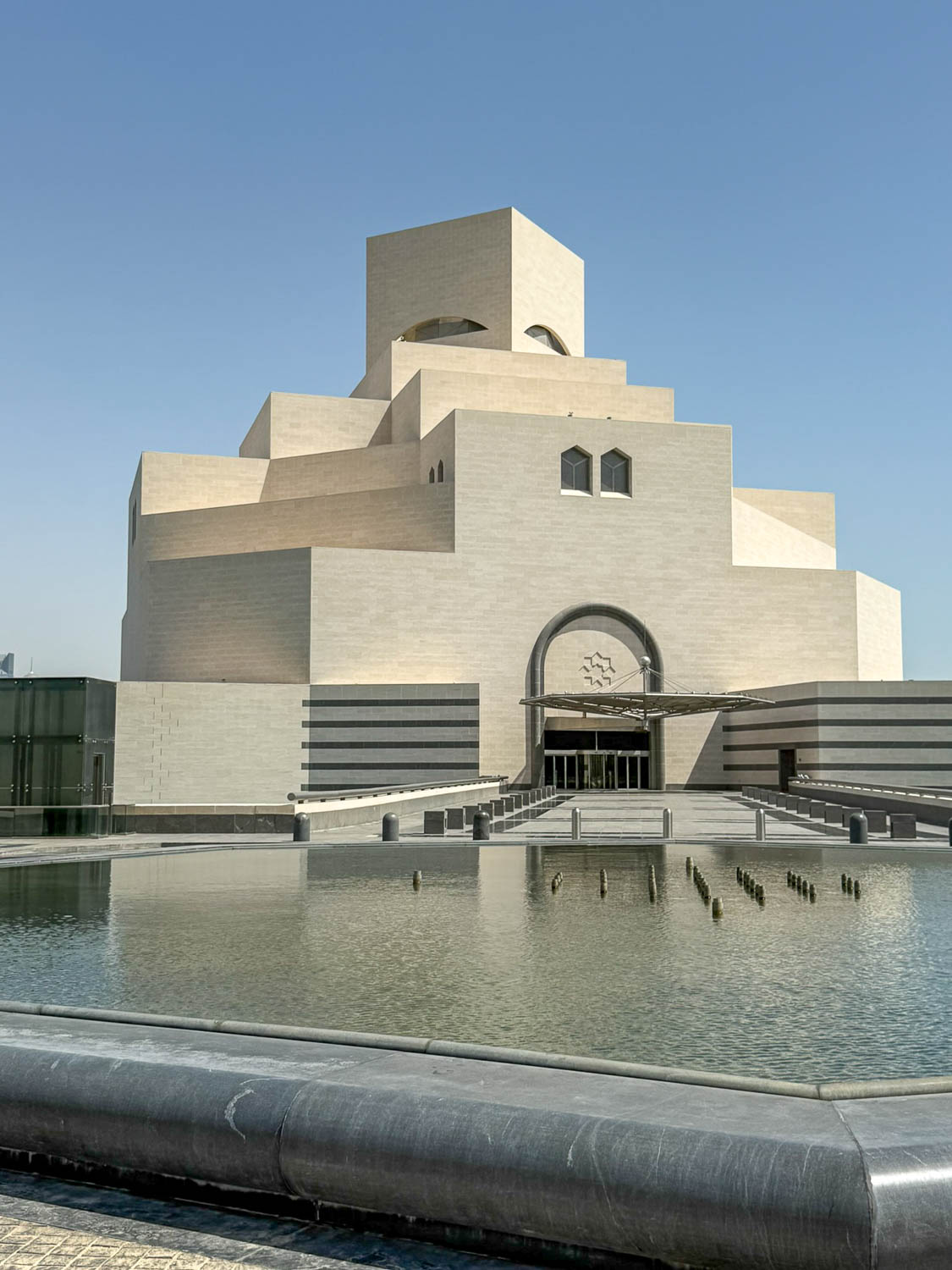
Visit Souq Waqif, the Museum of Islamic Art, Katara Cultural Village, and other major cultural sites that help explain the heritage behind traditional Qatari cuisine.
→ Recommended: 6 Hours Private Full Day Tour in Doha
Best Relaxed Evening:
Combine traditional hospitality, waterfront views, and dining in a uniquely Qatari setting.
→ Recommended: Moonlight Dinner Dhow Cruise
Short On Time? Do This:
Tours & Experiences
Browse additional top-rated tours, city experiences, and cultural activities with things to do in Doha, Qatar.
Travel Essentials
Planning the rest of your trip? These are the platforms we personally use when organizing our travels. For more planning tools, visit our Travel Resources page or browse current promotions on our Travel Deals page.
An Overview of Qatari Cuisine
A Fusion Rooted in History
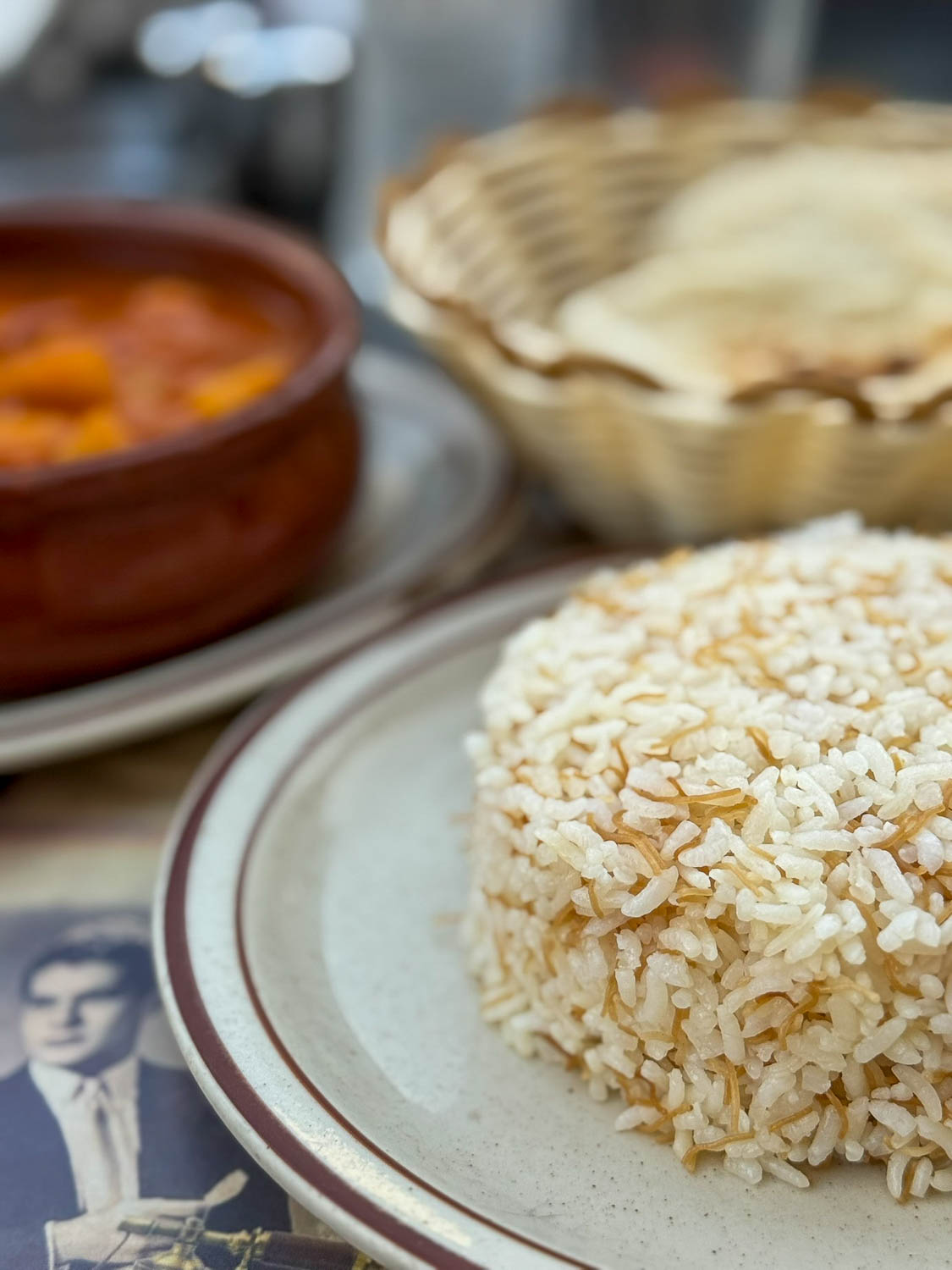
The cuisine of Qatar reflects its strategic location as a trade hub connecting the Middle East, North Africa, and the Indian subcontinent. This crossroad of cultures has given rise to a colorful blend of aromatic spices, traditional ingredients, and authentic Qatari taste.
The Middle Eastern Influence: A Regional Connection
Qatari cuisine is often inseparable from the more general umbrella of Middle Eastern culinary fare. Shared across the Arab world, dishes that include falafel, shawarma, and kebabs have parallels in Qatari food – though with a local twist – and ingredients that include rice, olive oil, cumin, cinnamon, lemon juice, and dates are considered staples.
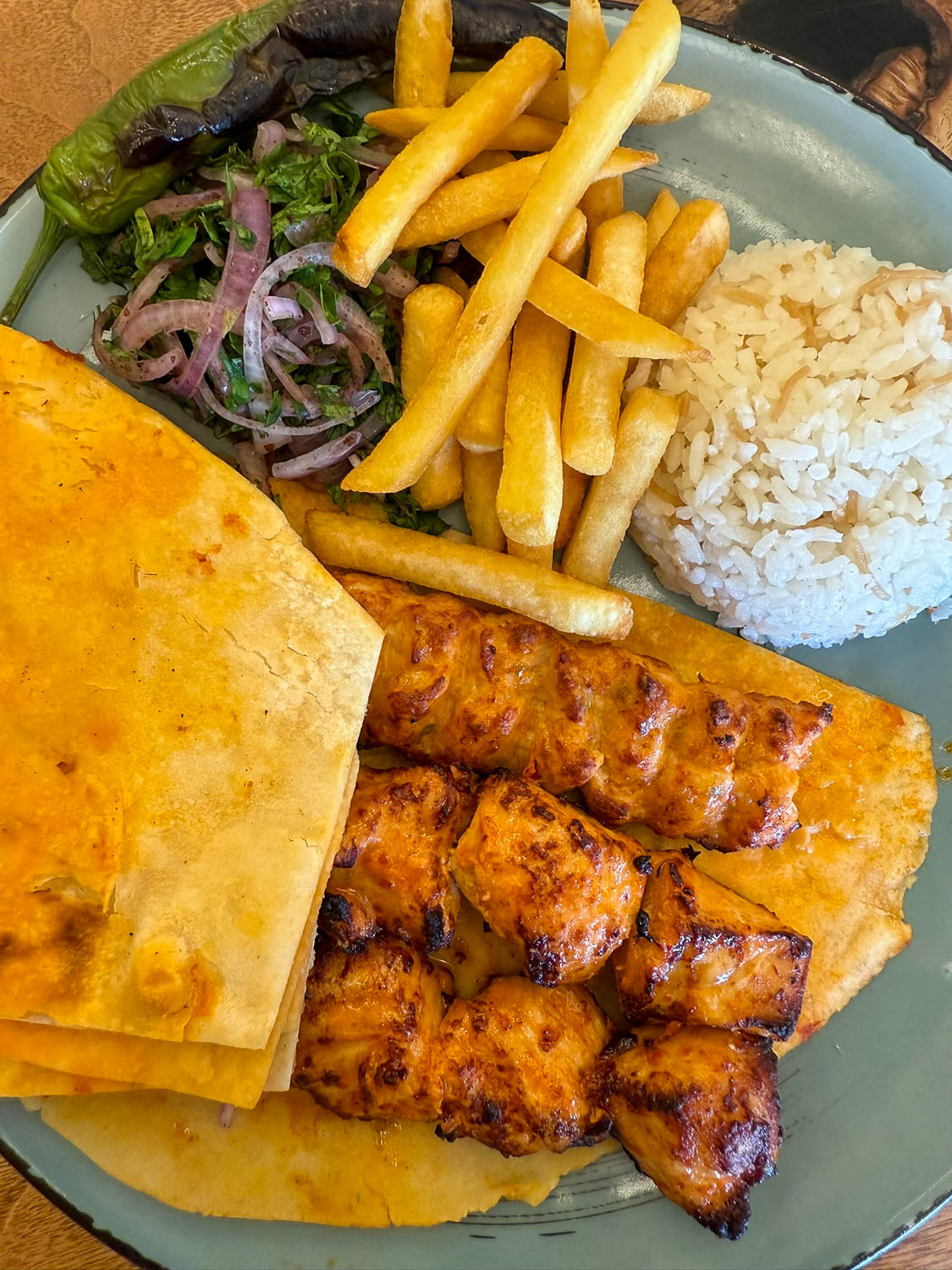
Yet what makes traditional Qatari food distinct is its unique dish interpretations: for example, how ingredients are slow-cooked, seasoned, and traditionally served reflects a style rooted in Qatari culture. Here, even similar dishes across the region have different names, different textures, and different methods of cooking that set them apart.
From fresh seafood pulled straight from the Arabian Gulf, to rice dishes infused with saffron, turmeric, and black pepper, the result is a mouthwatering array of traditional dishes that feel both exotic and comfortingly familiar. Some dishes – Harees, Luqaimat and Thareed – are traditionally served during special occasions (think weddings, Ramadan, and Eid al-Fitr), whilst the majority of others – especially Machboos, rice dishes, seafood and shawarmas – are enjoyed in everyday meals throughout Qatari households and in restaurants frequented by visitors and locals alike.
The Cultural Significance of Qatari Food
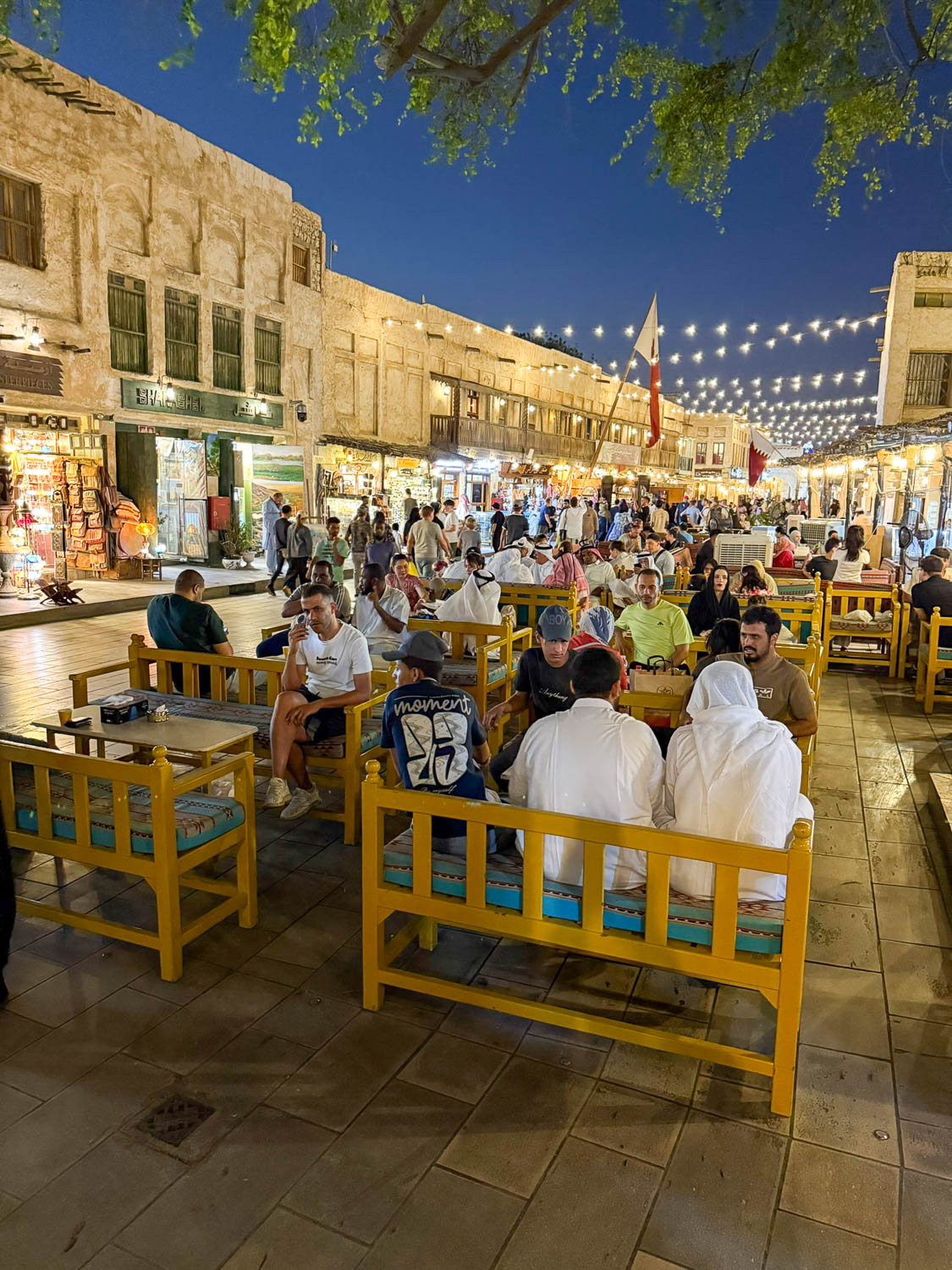
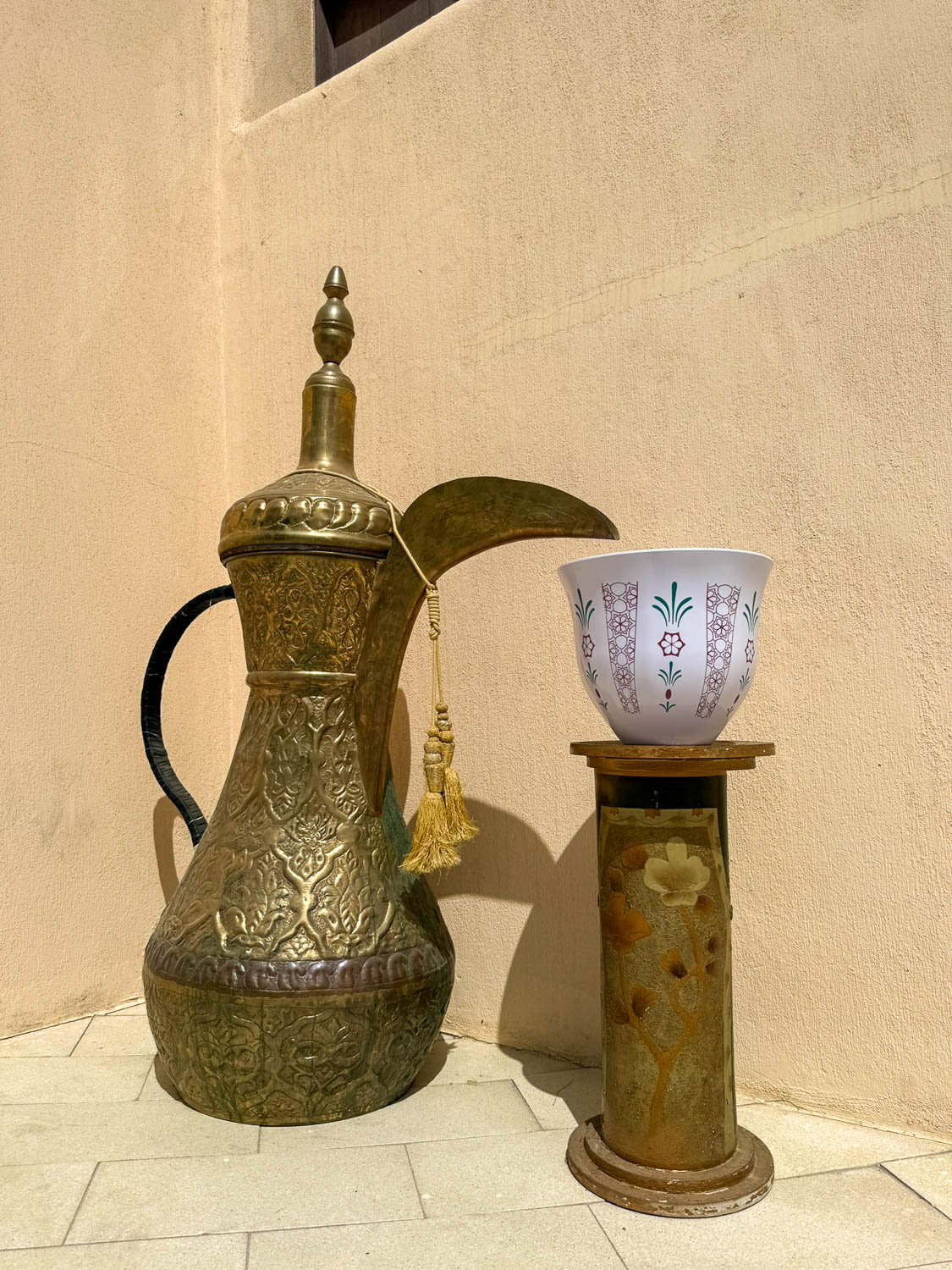
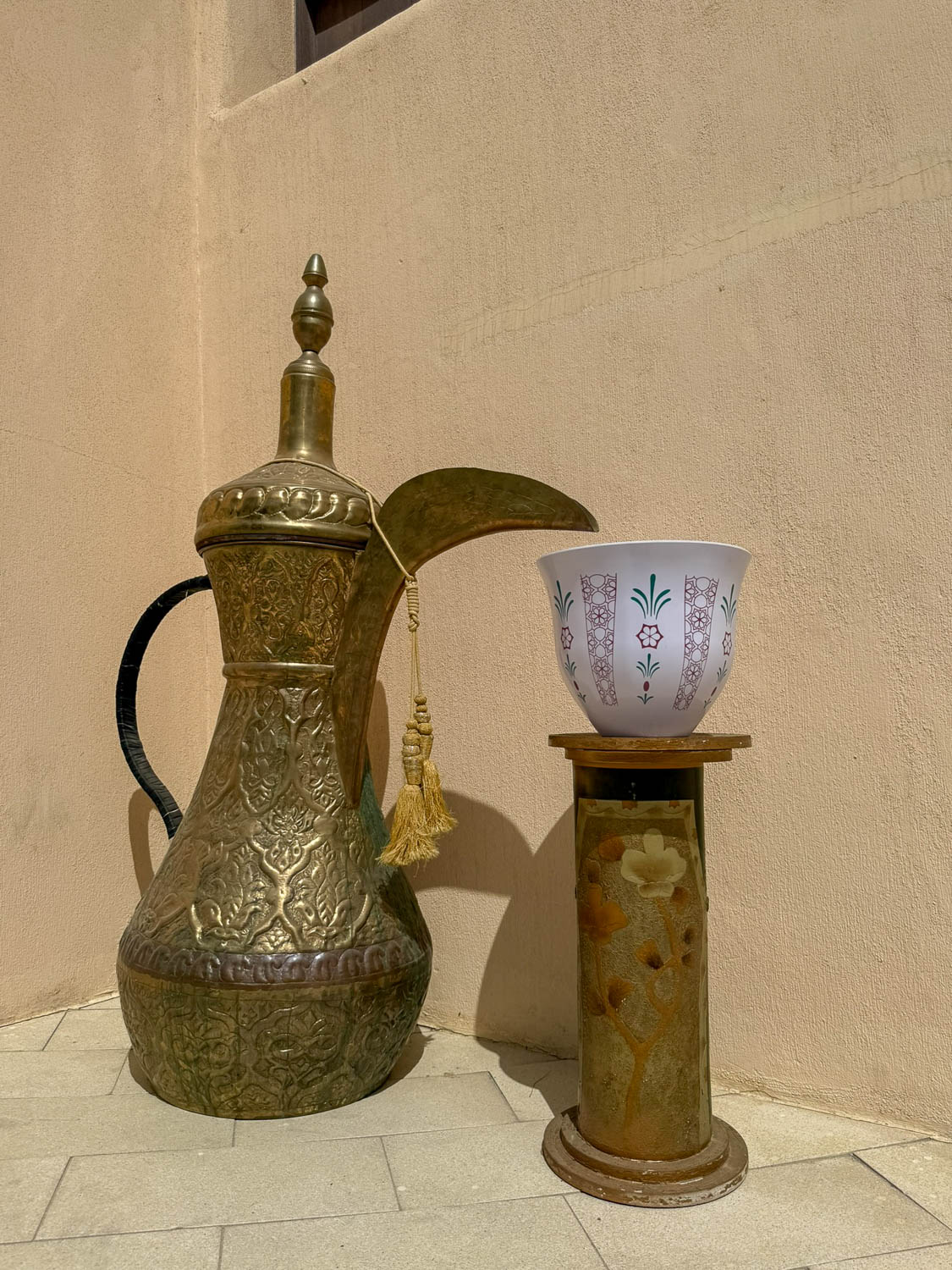
Qatar’s food scene is vibrant, generous, and deeply rooted in hospitality. In Qatari culture, food is never just food — it’s about community. Meals are often communal, with family members gathering around a large platter of rice cooked with tender slow-cooked meat (think Machboos – and we promise we’ll get into more detail about this fabulous national dish in a wee bit). Guests are welcomed with traditional Qatari coffee served from a traditional Arabic coffee pot – a long-spouted dallah – often infused with cardamom and accompanied by sweet dishes like dates or Umm Ali.
These traditions represent more than nourishment for the body — they’re a celebration of togetherness, respect, and heritage. Recipes and culinary traditions are passed down from generation to generation in homes, and through modern culinary icons that include Chef Noof Al Marri, a renowned Qatari chef, consultant and author.
Fun fact. Chef Al Marri’s work, especially with local schools and hospitality programs, is helping keep traditional Qatari cooking methods alive in today’s modern kitchens.
The National Museum of Qatar: Taking A Deep Dive

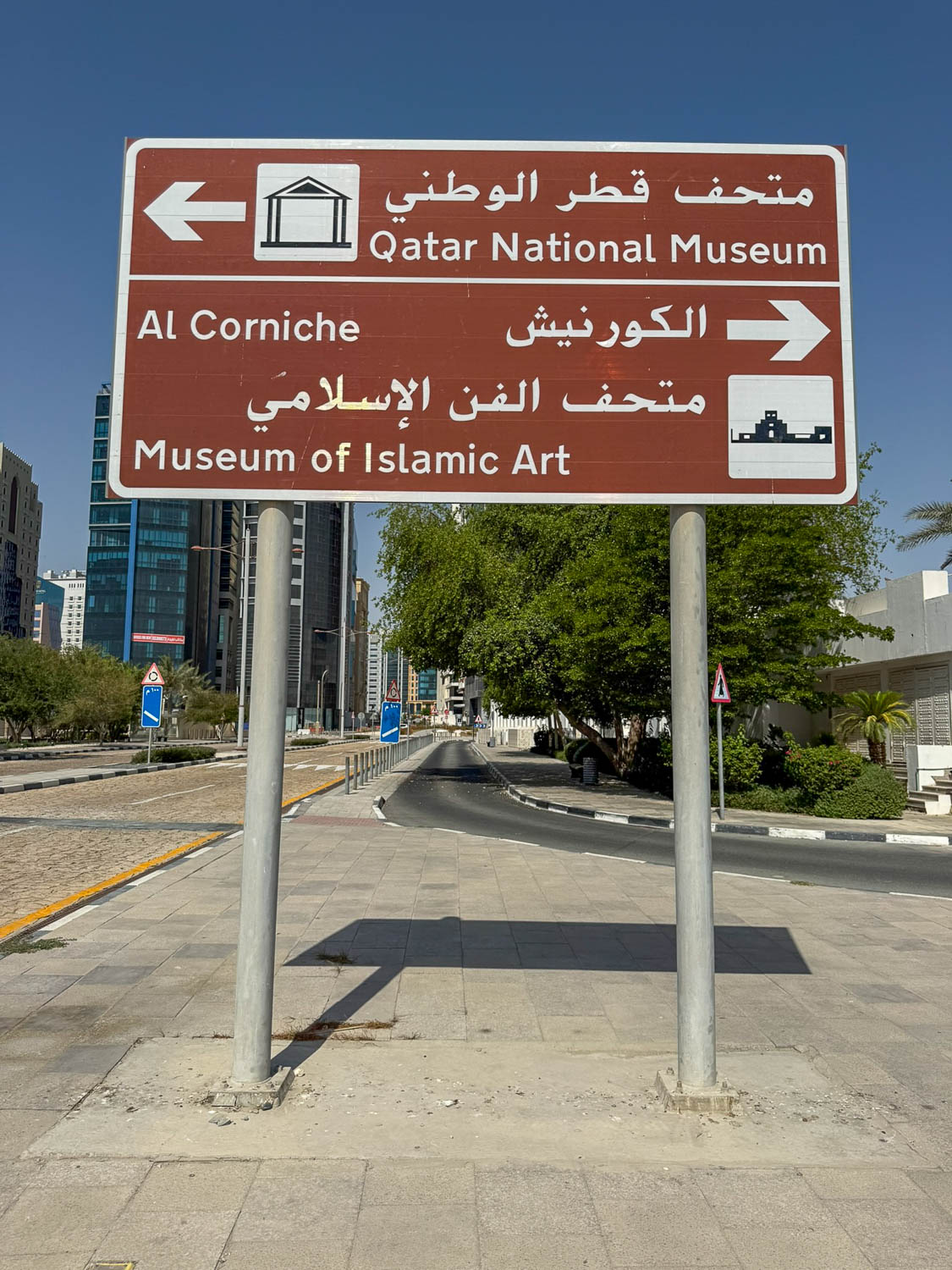
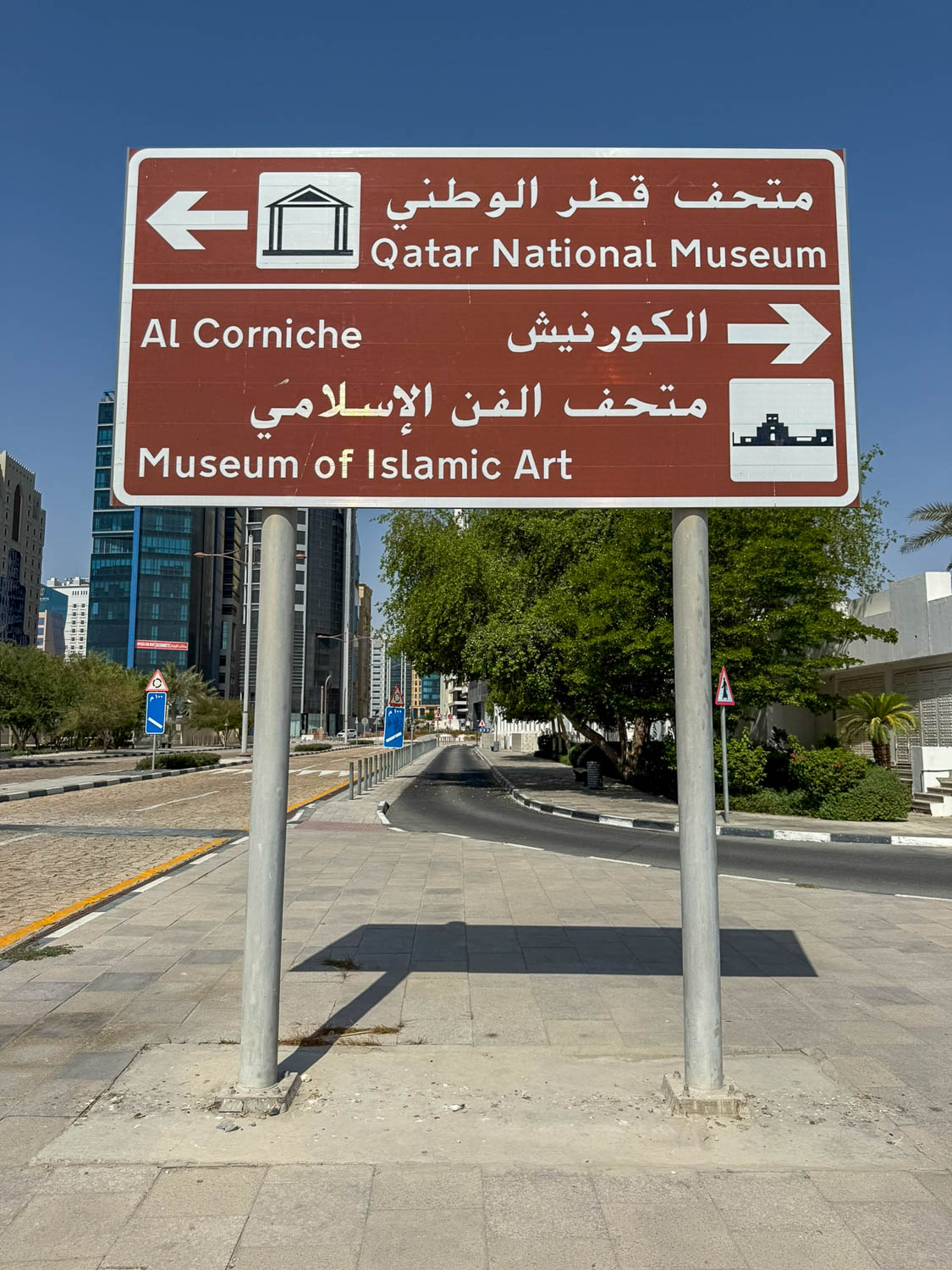
Are you interested in taking a deeper dive into the history of Qatar’s cuisine? The National Museum of Qatar, located on a prominent site along Doha’s Corniche, offers visitors a deliciously immersive exploration of Qatar’s culinary heritage through its “Qatar’s Culinary Journey” exhibitions.
These diverse, colorful displays explore the rich stories behind Qatari food and drink, from traditional ingredients and preparation techniques, to dining rituals and communal customs. Within the museum you can, amongst other things:
- see traditional cooking tools
- participate in culinary workshops
- learn how Qatar’s food culture has evolved from private households to fine dining
Guests are also afforded the opportunity to appreciate various personal stories and community submissions that bring the nation’s food culture to life, whilst one display focuses specifically on traditional desserts — including Luqaimat, Sagoo, Asida, and Khanfaroosh — and another celebrates the flavors of Ramadan. Some exhibits even include recreated home kitchens and short film reels of dishes being prepared over open flame. Sensory elements, like the aromas of coffee and oud, complete the experience, making a visit to the museum a feast not just for the eyes, but for all the senses.
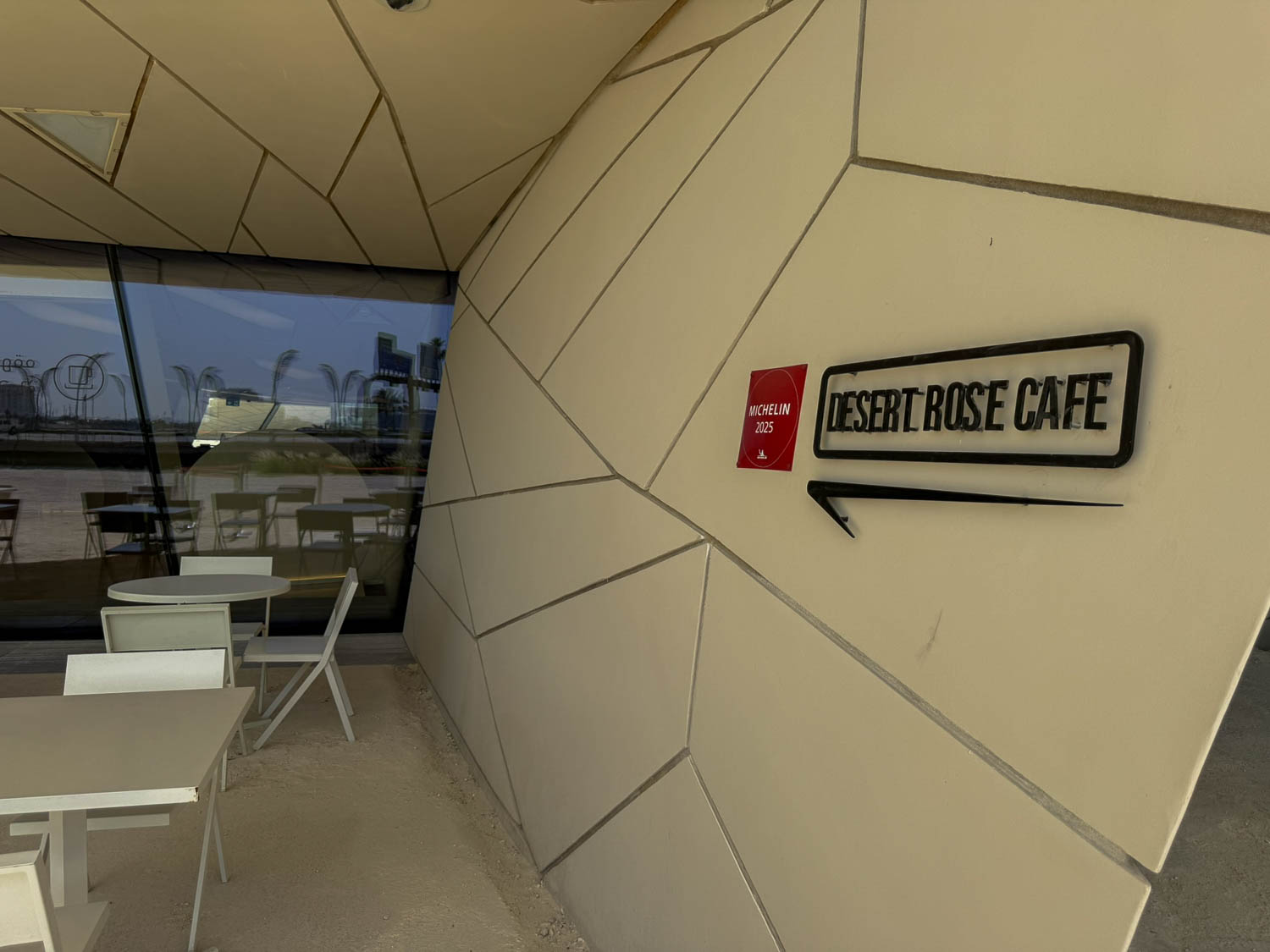
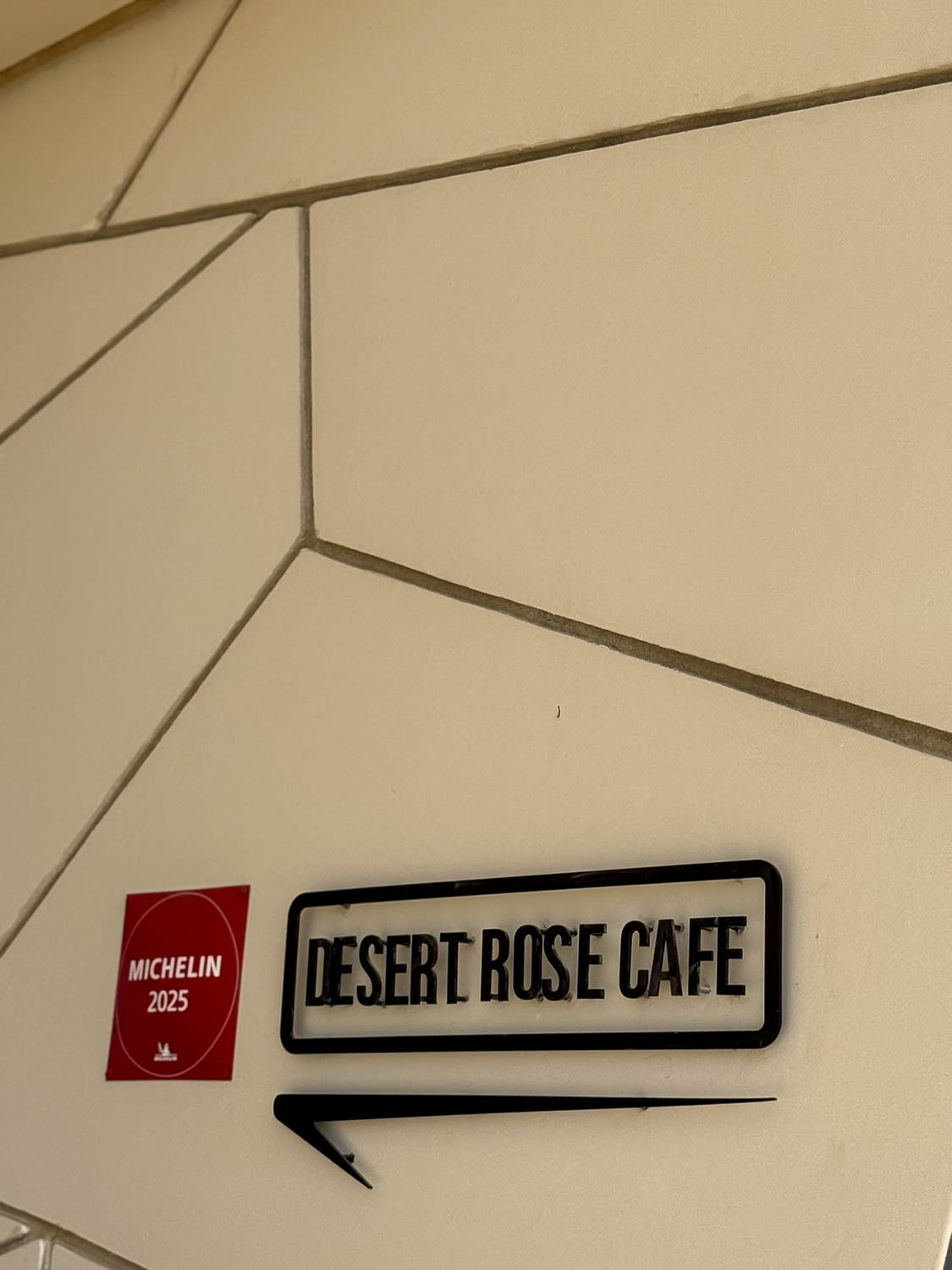
Beyond the exhibits, the museum also allows visitors to taste contemporary Qatari cuisine through its two main dining options, Jiwan restaurant (showcasing dishes crafted from fresh local produce) and the Desert Rose Cafe (led by Chef Noof Al Marri and offering a curated experience of traditional flavors with a modern twist).
If you’re food enthusiasts like us, seeking to better understand how authentic Qatari cuisine reflects a nation’s rich culture, we highly recommend a visit to the National Museum of Qatar to learn more.
Machboos: The National Dish of Qatar
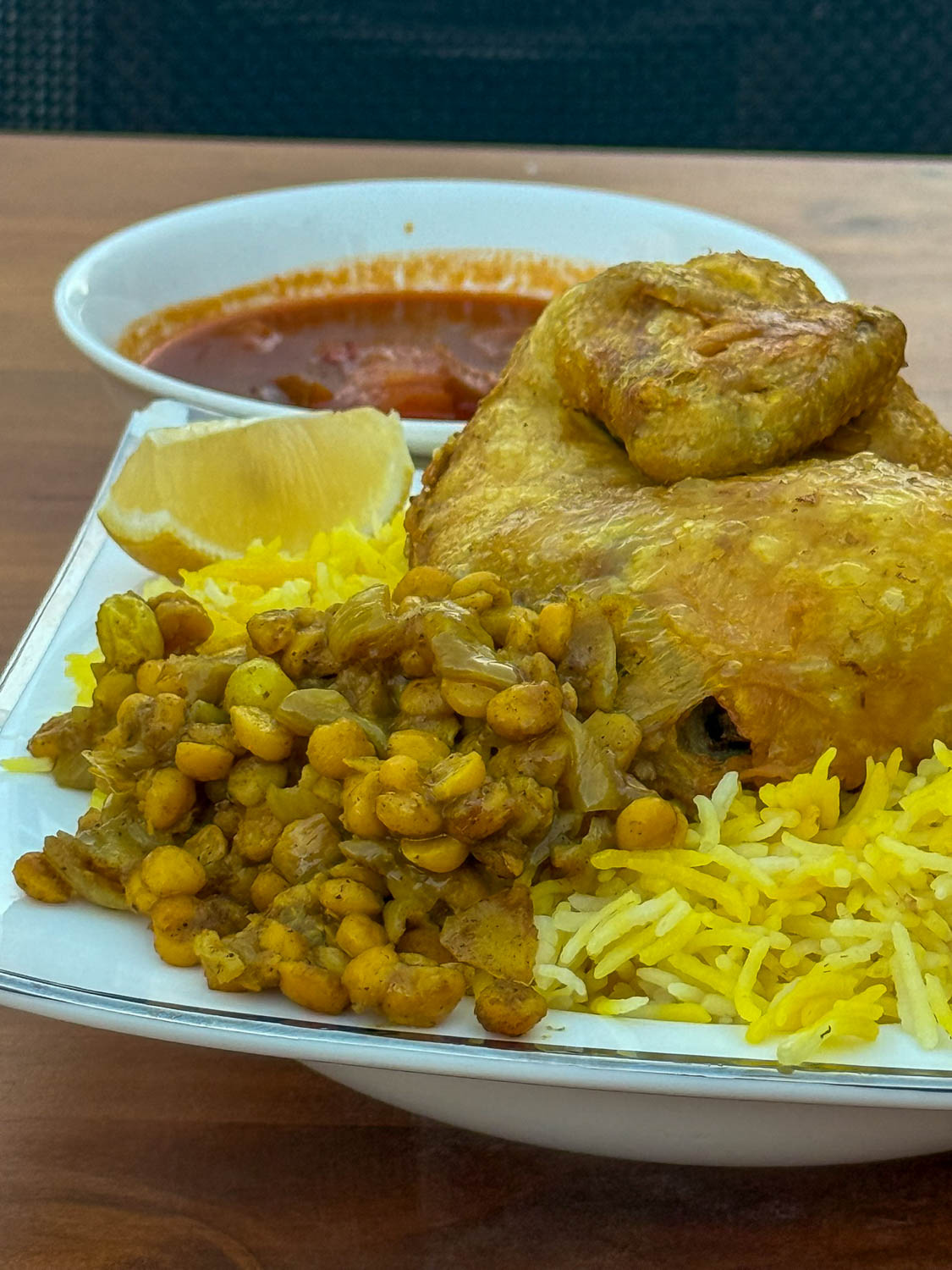
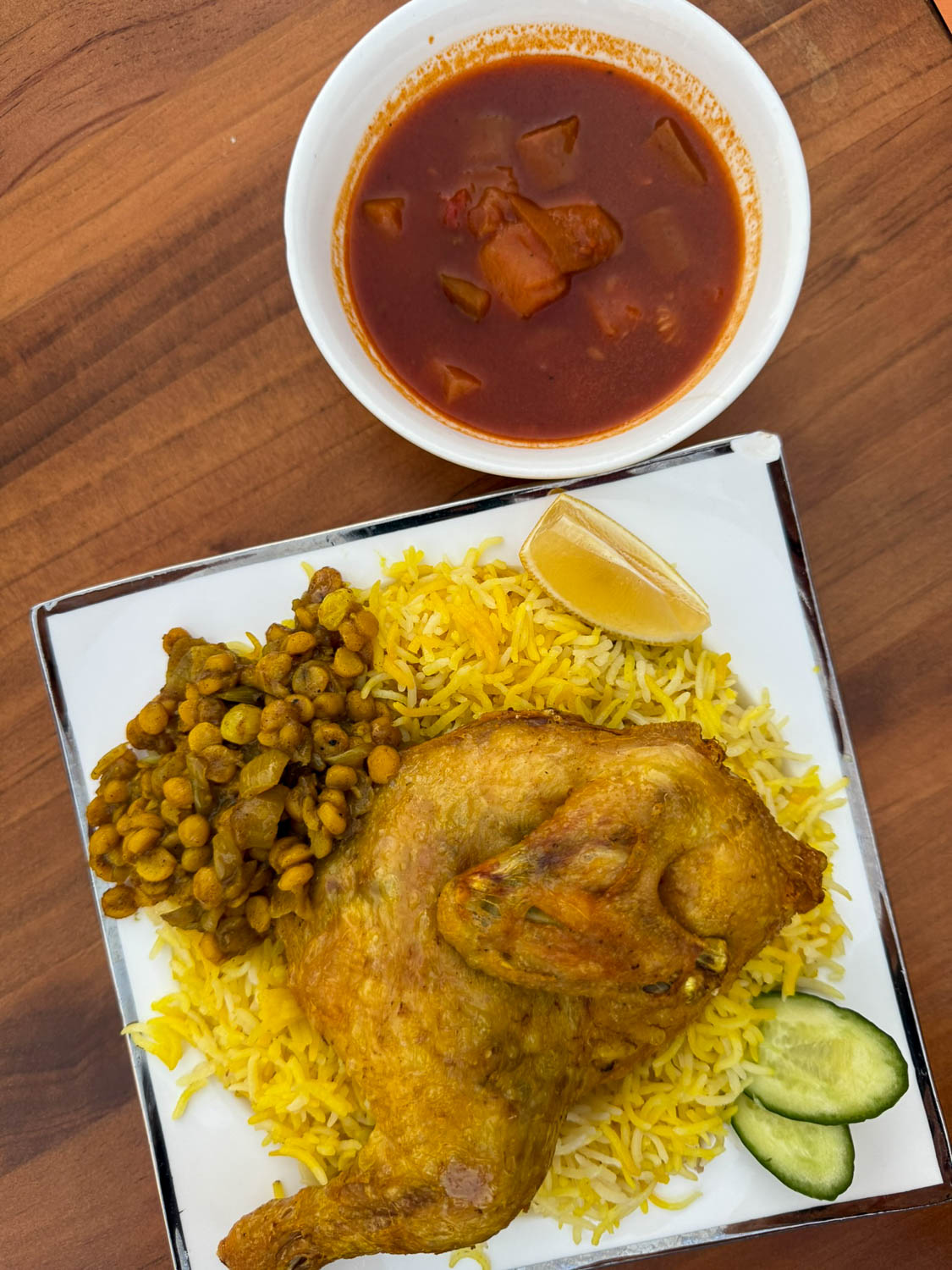
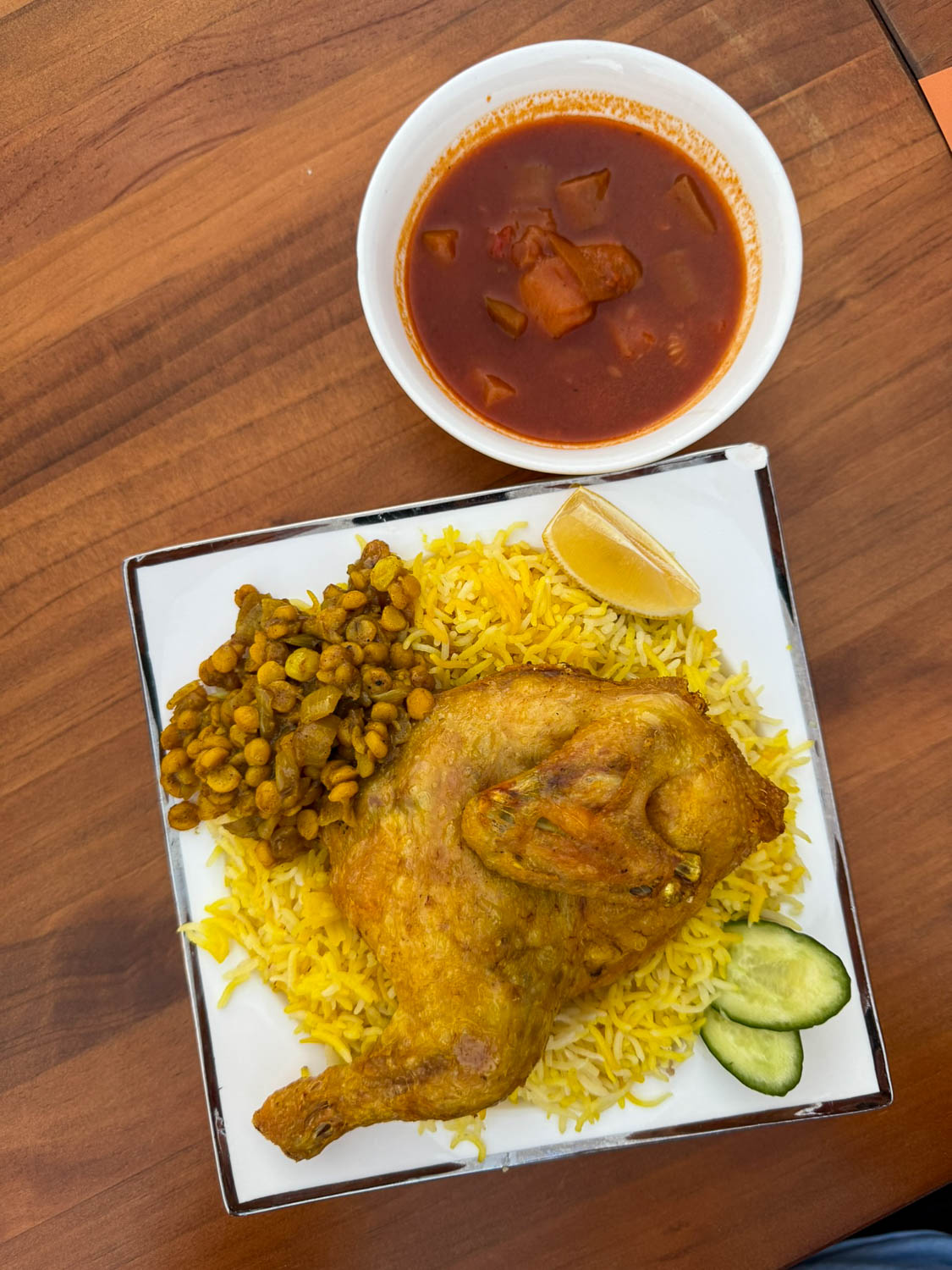
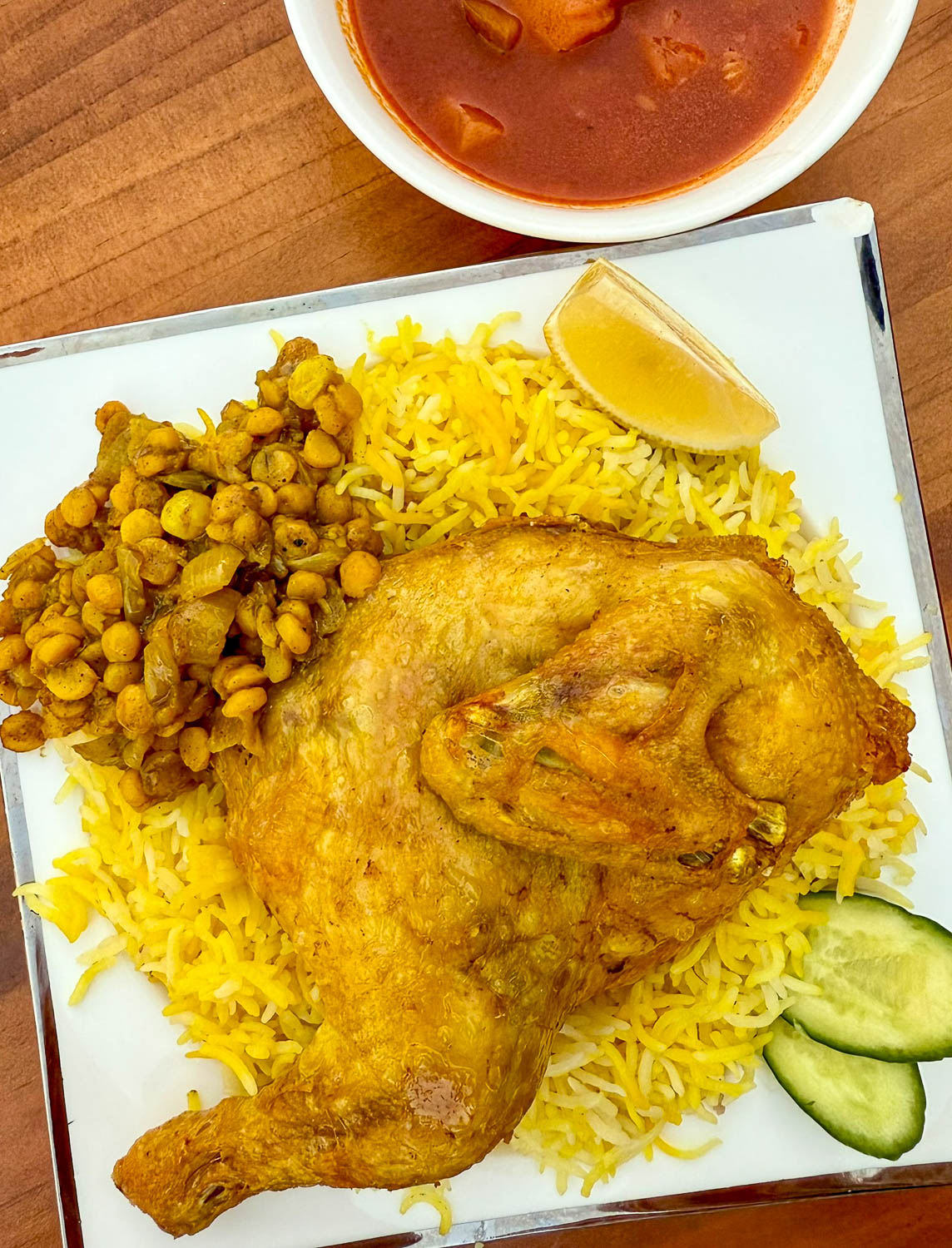
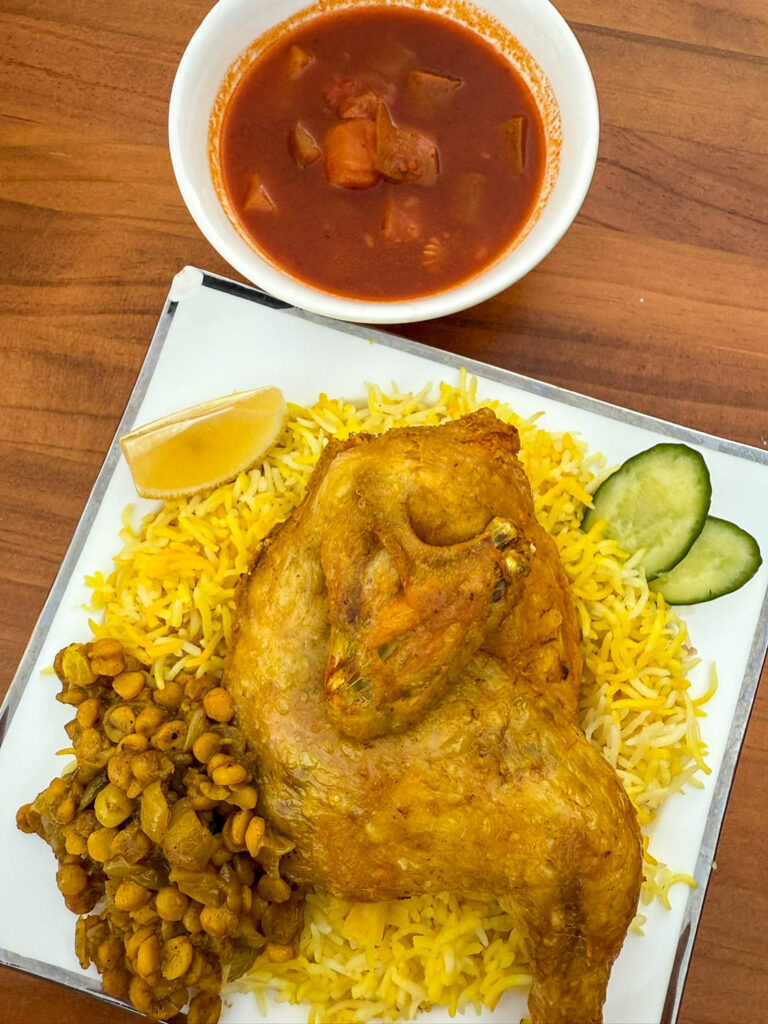
Ask any local what dish best defines the cuisine of Qatar, and you’ll hear one answer: Machboos (you may also see it written as Majboos or Machbous). Known affectionately as the national dish of Qatar (and also of Bahrain), Machboos is a fragrant, spiced rice dish, its rich flavor arising from a blend of aromatic spices that include cardamom, cumin seeds, cloves, cinnamon, and black (dried) lime (loomi). These spices, together with olive oil and tomato paste, infuse the rice and meat — typically chicken, lamb, or fish (tiger shrimp is particularly popular) — during slow-cooking. Machboos is often finished with golden fried onions and a sprinkling of toasted nuts (usually almonds or cashews), adding texture and a touch of sweetness.
Beck fell in love with the layered flavors of Machboos after her first bite, whilst Mike was hooked by the comfort and depth it offered, reminding him of cozy family meals back home. This really is a dish for everyone!
Fun fact. Whilst the core ingredients of Machboos remain consistent, regional and household variations in spices and choice of meat give each version a unique character.
Fun fact. Some Machboos recipes call for fresh lime zest as a substitute for dried lime, giving the dish a tangy brightness.
More than just a meal, Machboos carries deep cultural significance. It is a staple at family gatherings and festive celebrations, embodying the warmth and generosity of Middle Eastern hospitality. Sampling Machboos during your visit is not only a delicious experience, but also a window into the rich culinary heritage of Qatar.
Authentic Machboos by Chef Noof
For those new to Qatari cooking, Machboos is perhaps the best Qatari dish for beginners. It affords the chef (and indeed the diners!) an authentic Qatari taste experience that’s both hearty and approachable, making it an excellent choice for home cooks.
Chef Noof Al Marri, one of Qatar’s most celebrated culinary figures, is well known for her authentic Machboos recipe, in which she uses a signature mix of traditional spices and ingredients to bring out the deepest flavor in the rice and meat. You can find this recipe in Noof’s book “Tastes of Qatar”.
Insider tip. When we visited Doha, the National Museum of Qatar was selling copies of Chef Noof’s cookbook.
Beyond Machboos: Other Popular Qatari Dishes

Main Meals and Side Dishes
Whilst Machboos may well be the showstopper, there are numerous other Qatari dishes that deserve a spot on your plate. Consider sampling (or, like us, devouring with gusto!) one of the following during your visit.
Insider tip. Many of the traditional Qatari dishes listed below are typically eaten on festive occasions or in local Qatari homes, but you’ll also find them dotted throughout menus at Qatari restaurants in Doha.
- Asida. Made from wheat flour and water, and cooked into a smooth, thick porridge, this dish is often served with butter, honey, or date syrup. It’s a comforting staple, commonly enjoyed for breakfast or during festive occasions like Ramadan.
Fun fact. Asida (sometimes written as Aseeda) can be both a dessert and a side dish, depending on how it’s prepared and served.
Insider tip. Would you like to learn more about Asida (Aseeda) (I mean hey, why not, right?)? Check out this fantastic less-than-3-minutes-long video, starring Qatari’s very own Chef Noor Al Marri.
- Harees. A porridge-like dish made from beaten wheat and slow-cooked meat (usually chicken or lamb). Often eaten during the holy month of Ramadan, it’s the ultimate comfort food!
- Kousa Mahshi. Zucchini or squash stuffed with rice, meat and spices, slow-cooked in a tomato sauce. Think of it like a warm hug for a meal.
- Madrouba. A traditional Qatari comfort food made from rice, milk, and spices, often cooked until it reaches a creamy, porridge-like consistency. It’s usually flavored with cardamom and saffron, sometimes enriched with chicken or fish, and is typically enjoyed as a warm, hearty meal at home or during family gatherings.
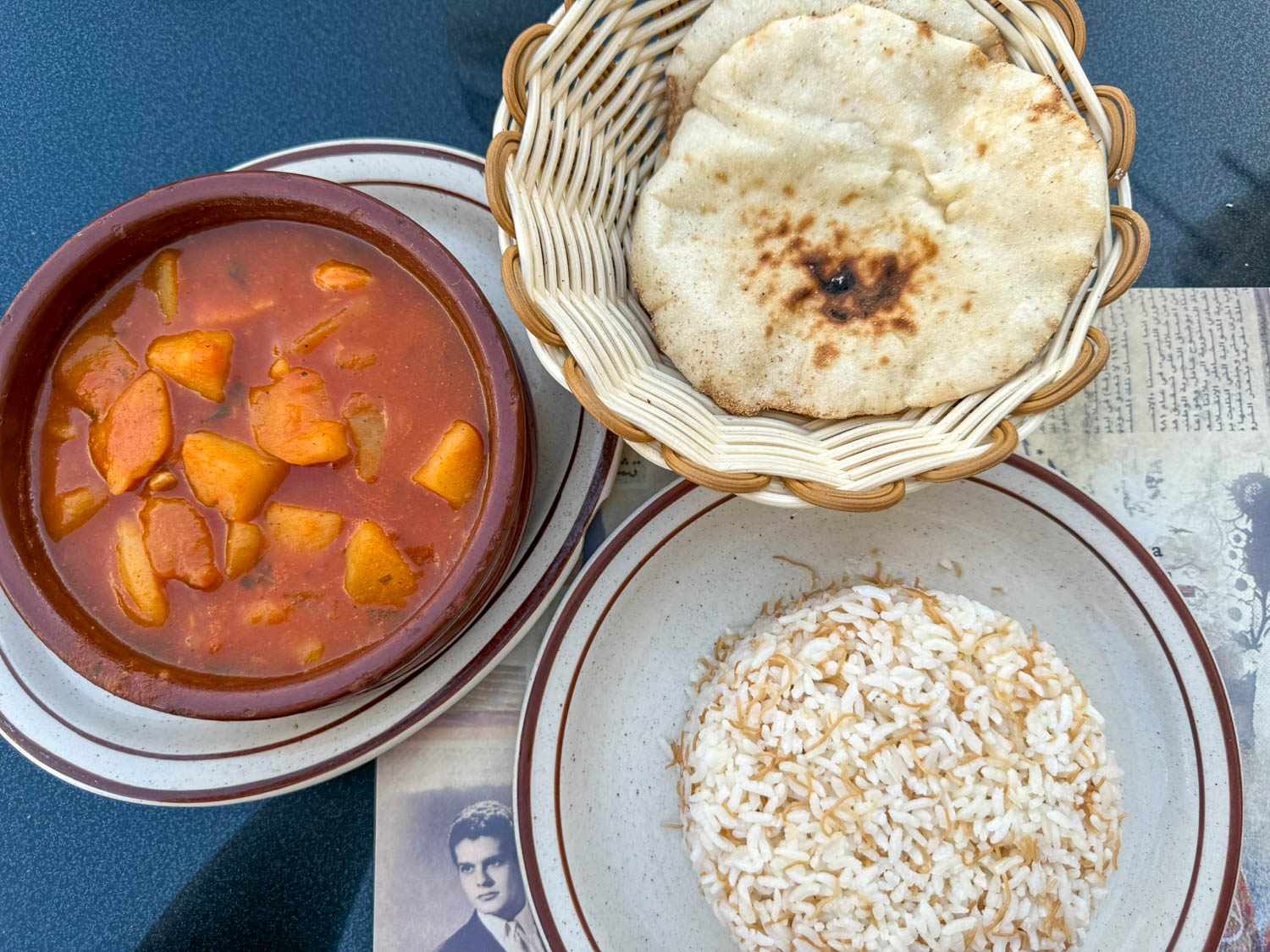
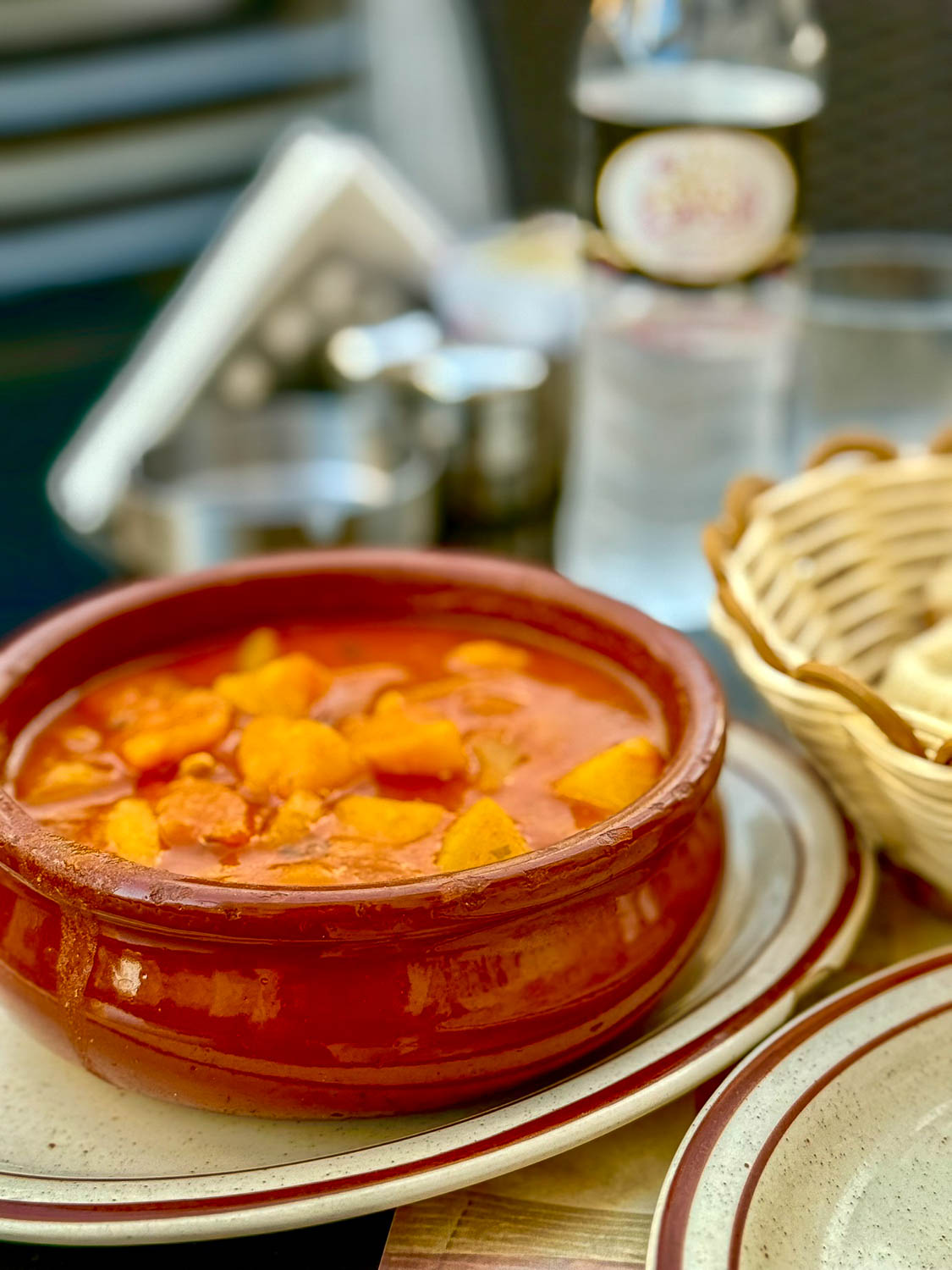
- Thareed. Often compared to a classic Arabic stew, this traditional Qatari dish is made with slow-cooked meat, vegetables, and a flavorful broth. Usually served over pieces of flatbread that soak up the rich juices: hearty and beloved across generations.
- Warak Enab. Stuffed grape/vine leaves filled with a flavorful mix of seasonal vegetables, rice, and herbs (and sometimes meat) — the Qatari version of dolmades. Ideal as a light starter or as a side dish.
Qatari Desserts

Do you have a sweet tooth like Mike? You may wish to sample one of the following traditional Qatari desserts during your time in Qatar, to help satisfy those sugar cravings!
- Balaleet (or “sweet noodles”). A traditional breakfast dish known for its distinctive blend of sweet and savory flavors: vermicelli noodles sweetened with sugar and fragrant spices that include cardamom and saffron, sometimes enhanced with rose water, and traditionally topped with a thin, savory egg omelet (such a contrast, right?).
- Halwa. Not to be confused with the Indian dessert of the same name, this Qatari delicacy is a rich, gelatinous dessert made with starch, sugar, saffron, rosewater, and ghee, often studded with nuts (almonds or pistachios). It’s sweet, fragrant, and slightly chewy – yum!
- Khanfaroosh. Deep-fried (but light) saffron- and cardamon-flavored pastries, often described as a cross between a pancake and a donut. Usually served with coffee. Needless to say, this soon became Mike’s go-to!
- Luqaimat. Deep fried, bite-sized balls of dough, drizzled with date syrup or sugar syrup, and topped with sesame seeds. Crunchy on the outside, fluffy on the inside!
- Sagoo. Another warm, pudding-like dessert, this one made from sago pearls simmered with milk, sugar, and cardamom.
Fun fact. For those, like Beck, who don’t already know, sago pearls are small, round, translucent balls made from the starch of the sago palm: they look and behave a lot like tapioca pearls (which are used in bubble tea), and when cooked, they turn soft and slightly chewy.
- Umm Ali. A warm, comforting bread pudding made from layers of puff pastry (or bread), milk, sugar syrup, and nuts. Baked until it’s golden, Umm Ali provides diners a rich, indulgent flavor.
Popular Qatari Beverages
One of the best ways to experience Qatari culture is not only through its diversity of food, but also through its drinks. Qatar’s beverage culture beautifully reflects both tradition and modernity, and locals take their beverages seriously — drinks here aren’t just about quenching your thirst: they’re about slowing down, sharing time with others, and soaking up traditions that go back generations.
Sweet juices, herbal infusions, and cooling yogurt-based drinks provide relief from the scorching desert heat, whilst cafés across the country add a contemporary twist to old favorites: from the spiced warmth of karak tea to the ceremonial depth of Arabic coffee, drinks in Qatar are as much about hospitality and ritual as they are about refreshment.
Insider tip. Whilst it is legal, alcohol is strictly regulated in Qatar: it’s only available in licensed hotels, bars, and a small number of private outlets with a permit – and it’s never permitted in public spaces. But to be honest, you probably won’t miss it, even if it’s something to which you’re accustomed to having daily (we know Mike sure loves a glass of red wine with dinner!) — Qatar’s non-alcoholic drinks dominate, and are endlessly flavorful and deeply tied to daily life. Indeed, embracing Qatar’s rich array of traditional non-alcoholic drinks will connect you directly to the culture and its warm sense of hospitality.

Let’s check out some of the options you might find on a Qatari menu to help quench your thirst!
- Arabic Coffee (Gahwa/Qahwa). Served in tiny cups and always without sugar, this lightly-roasted coffee is brewed with cardamom (and sometimes saffron). It’s a key part of Qatari hospitality, traditionally accompanied by dates.
- Fresh Juices. From mango to watermelon to pomegranate (and a whole host of other refreshing fruit flavors), juice bars can be found everywhere in Qatar. They’re especially popular during Ramadan evenings, when families break their fast with a cool, hydrating drink.
- Jallab. Sweet, slightly tangy, and beautifully fragrant, this date-and-grape-molasses syrupy drink, combined with rose water, is poured over ice and often topped with pine nuts or raisins. It’s a refreshing treat that feels a bit like dessert in a glass!
- Karak Tea. If you only try one drink in Qatar, make it karak. This strong black tea is simmered with evaporated milk, sugar, and warming spices (often cardamom) – it’s rich and sweet, and you’ll see people sipping it morning, noon, and night.
Insider tip. Roadside stalls sell karak tea for just a few riyals.
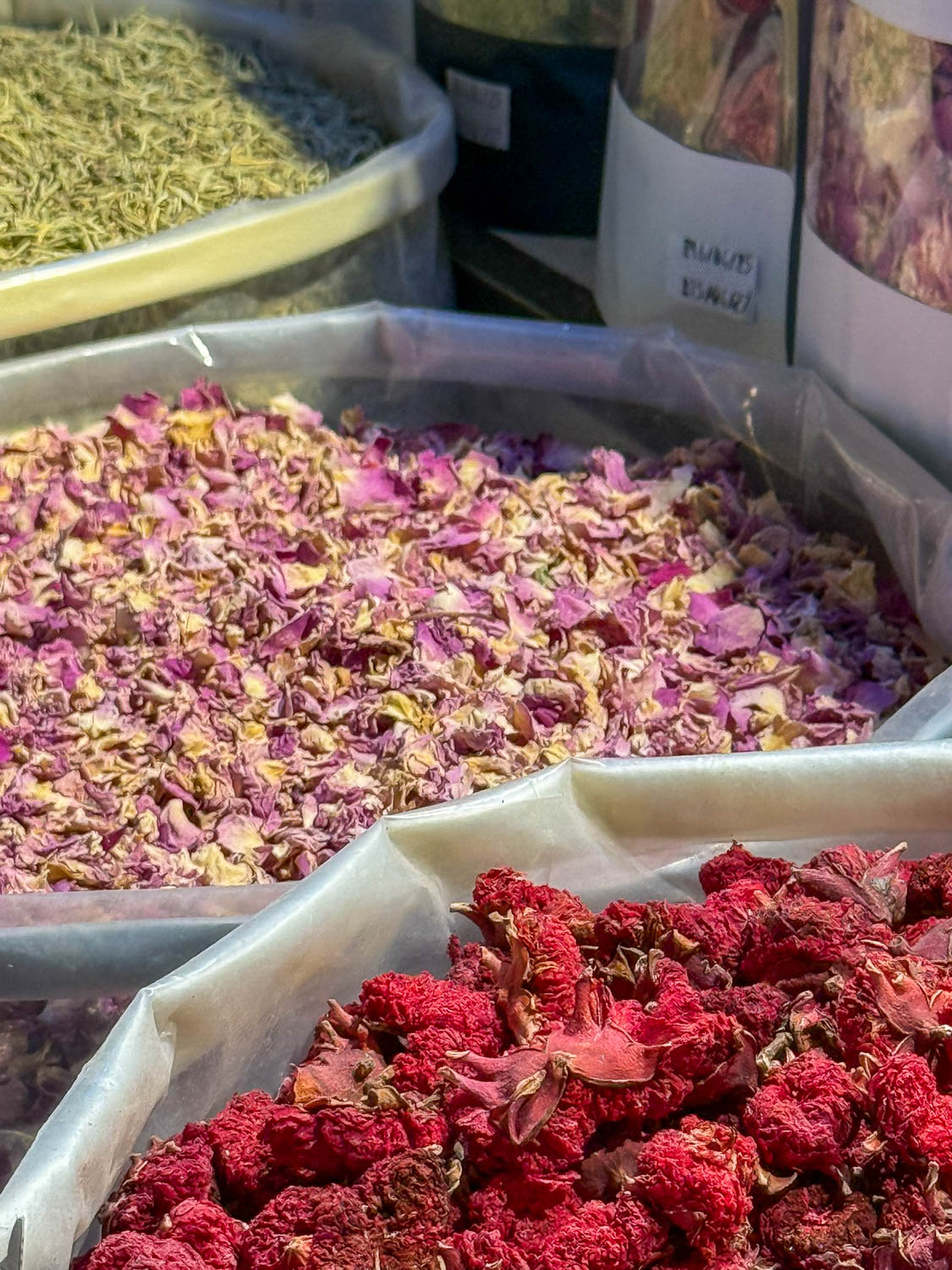
- Karkadeh (Hibiscus Tea). Bright red and naturally tangy, this herbal hibiscus infusion is served hot or cold, depending on the season. Brewed from dried hibiscus petals, an iced karkadeh is one of the most refreshing drinks you can find in Qatar, especially during the scorching summer months.
- Laban. Think of laban as Qatar’s answer to a salty, cooling yogurt smoothie. It’s the perfect counterbalance to help aid digestion when paired with heavier meals or rich, sweet desserts.
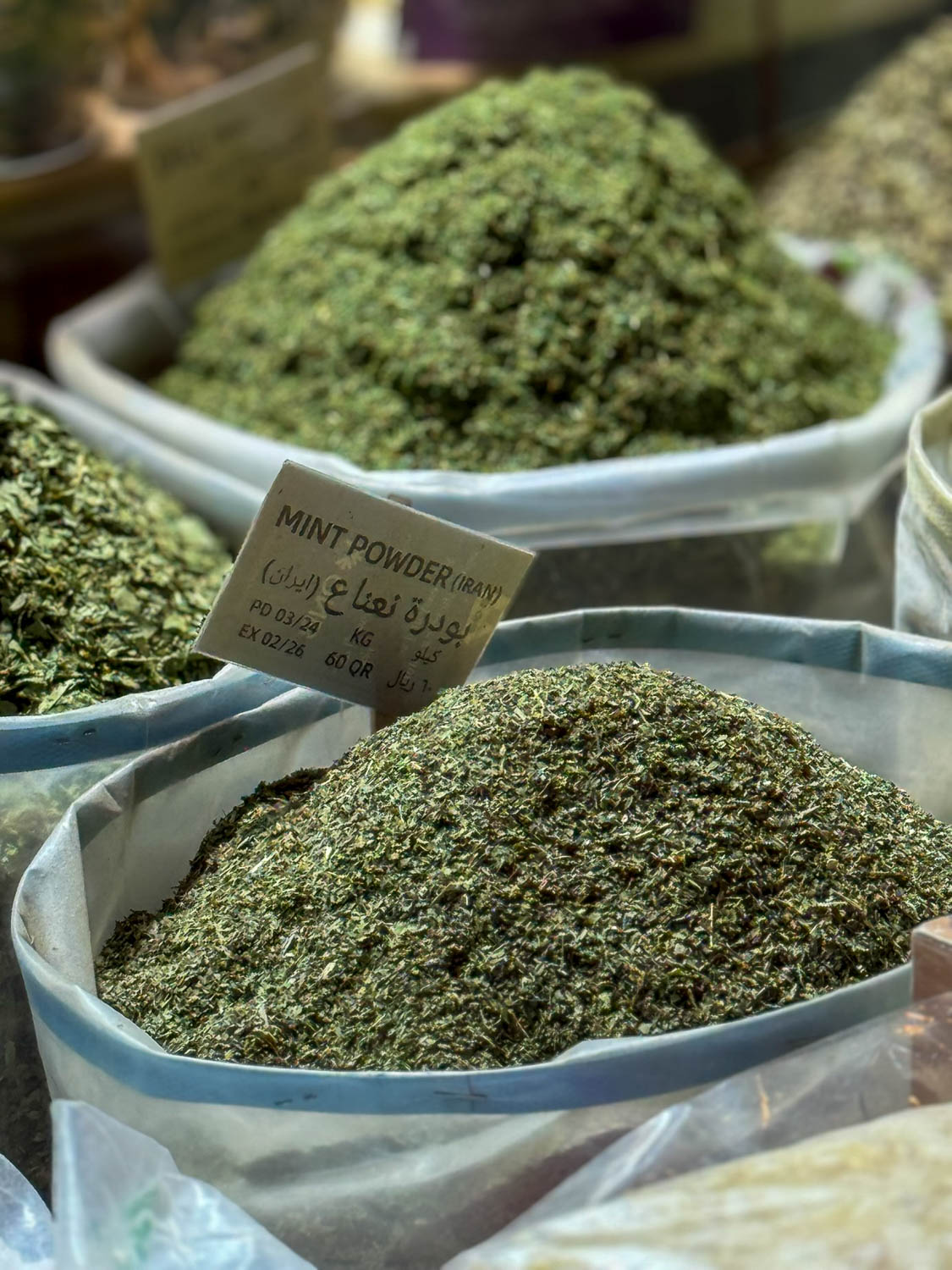
- Mint Lemonade. A zesty, cooling blend of fresh lemon juice and mint, perfect for a “cool off” in Qatar’s warm climate.
- Tamar Hindi (Tamarind Drink). Tangy, sweet, and surprisingly thirst-quenching, this hydrating tamarind- and sugar-based drink is another Ramadan favorite.
Where to Find Qatari Food
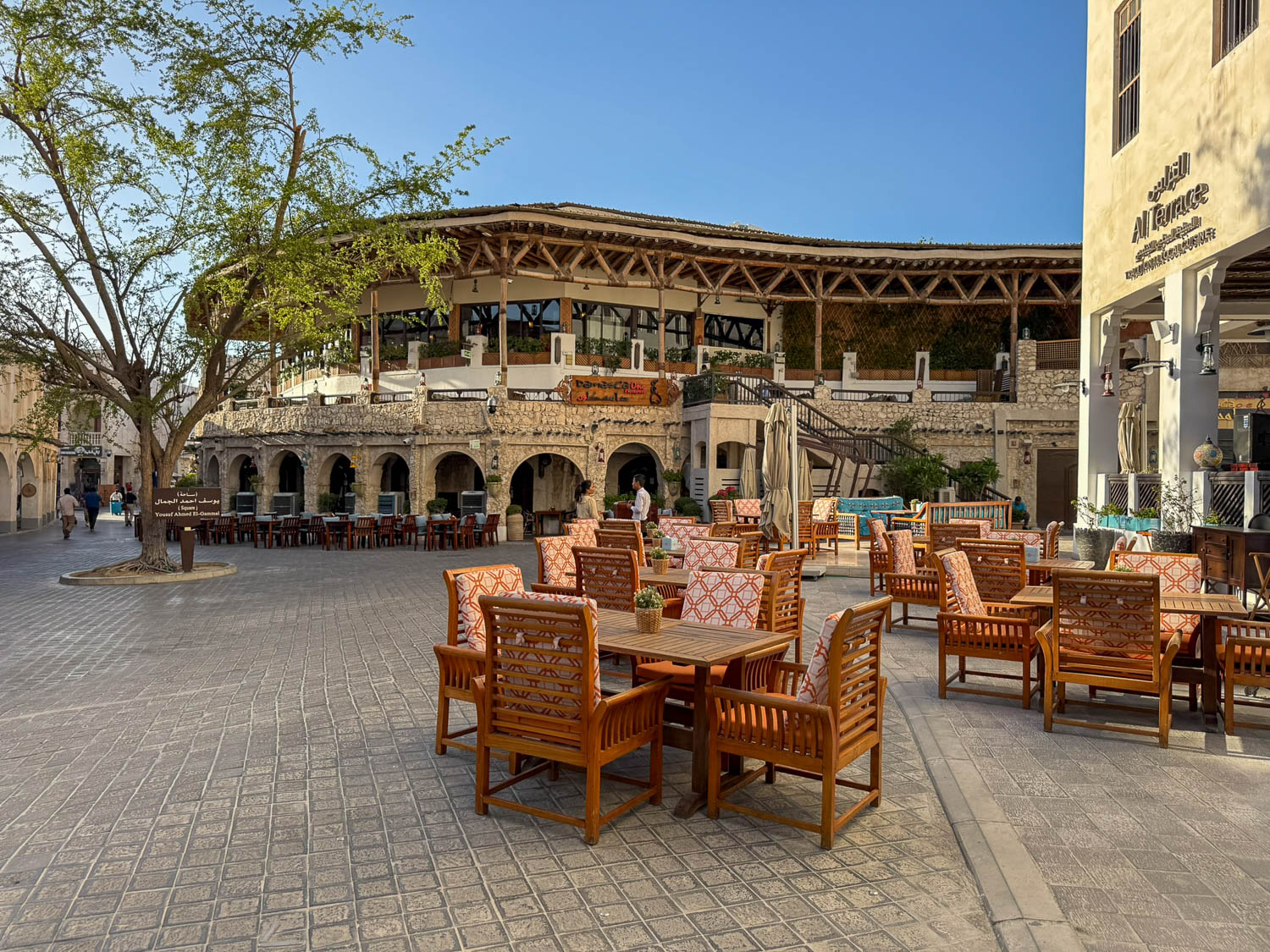
Exploring Souq Waqif
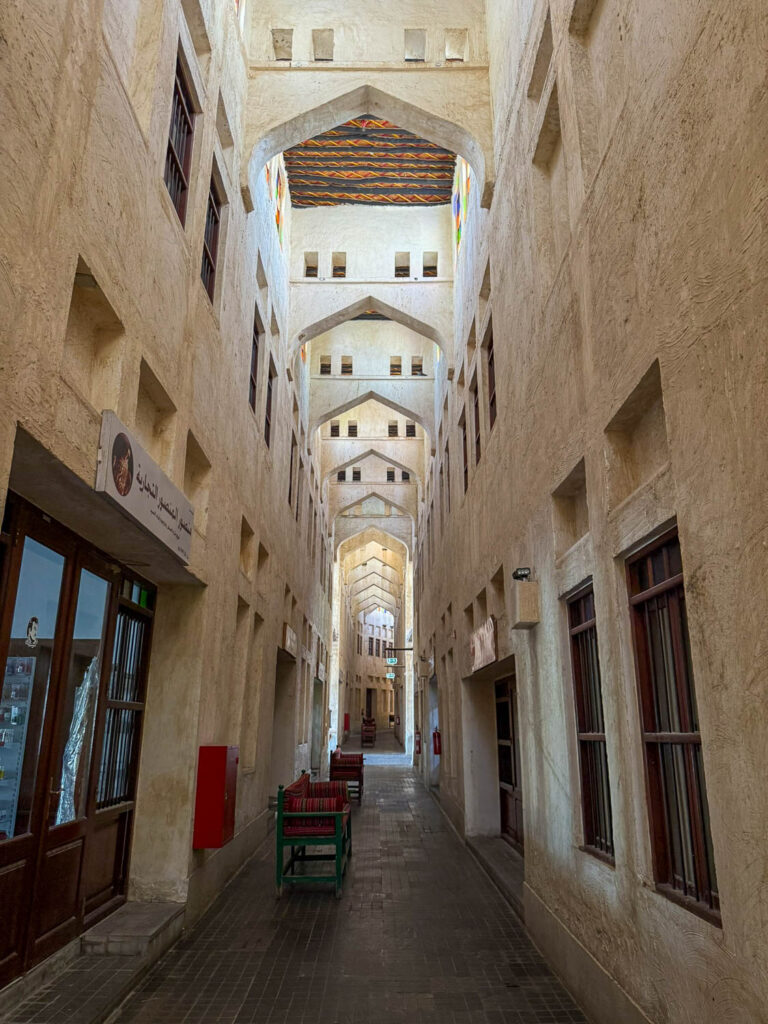
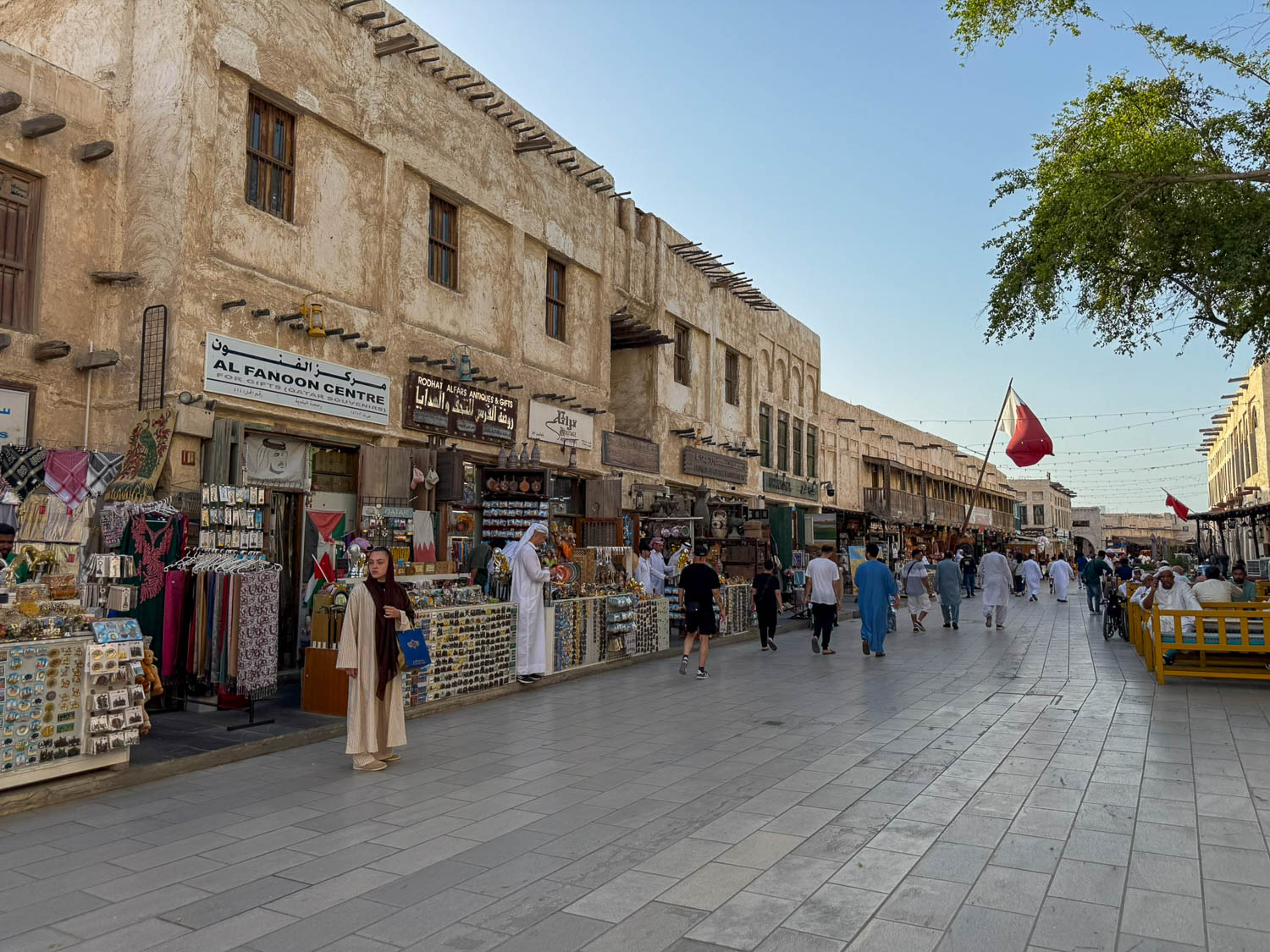
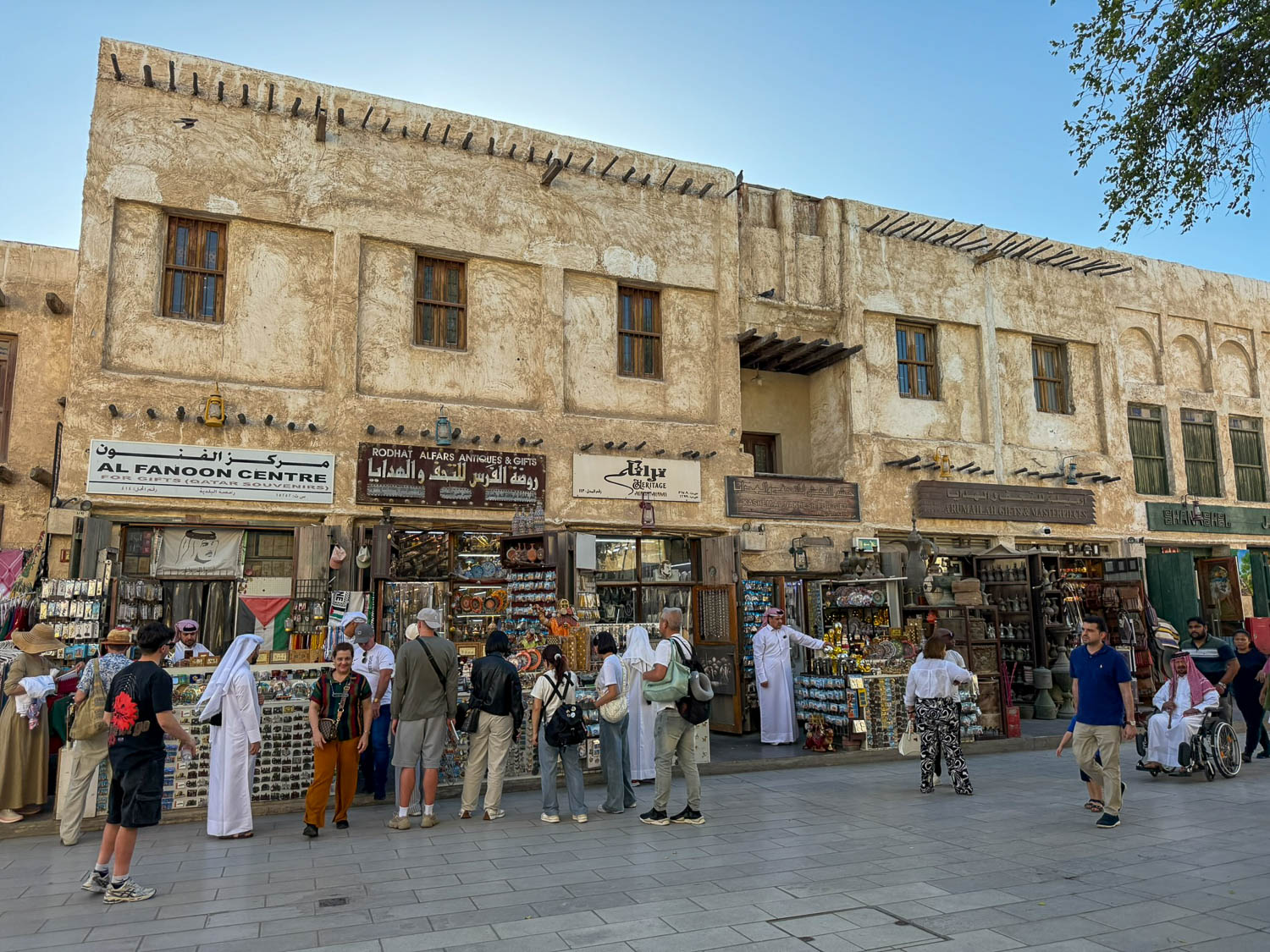
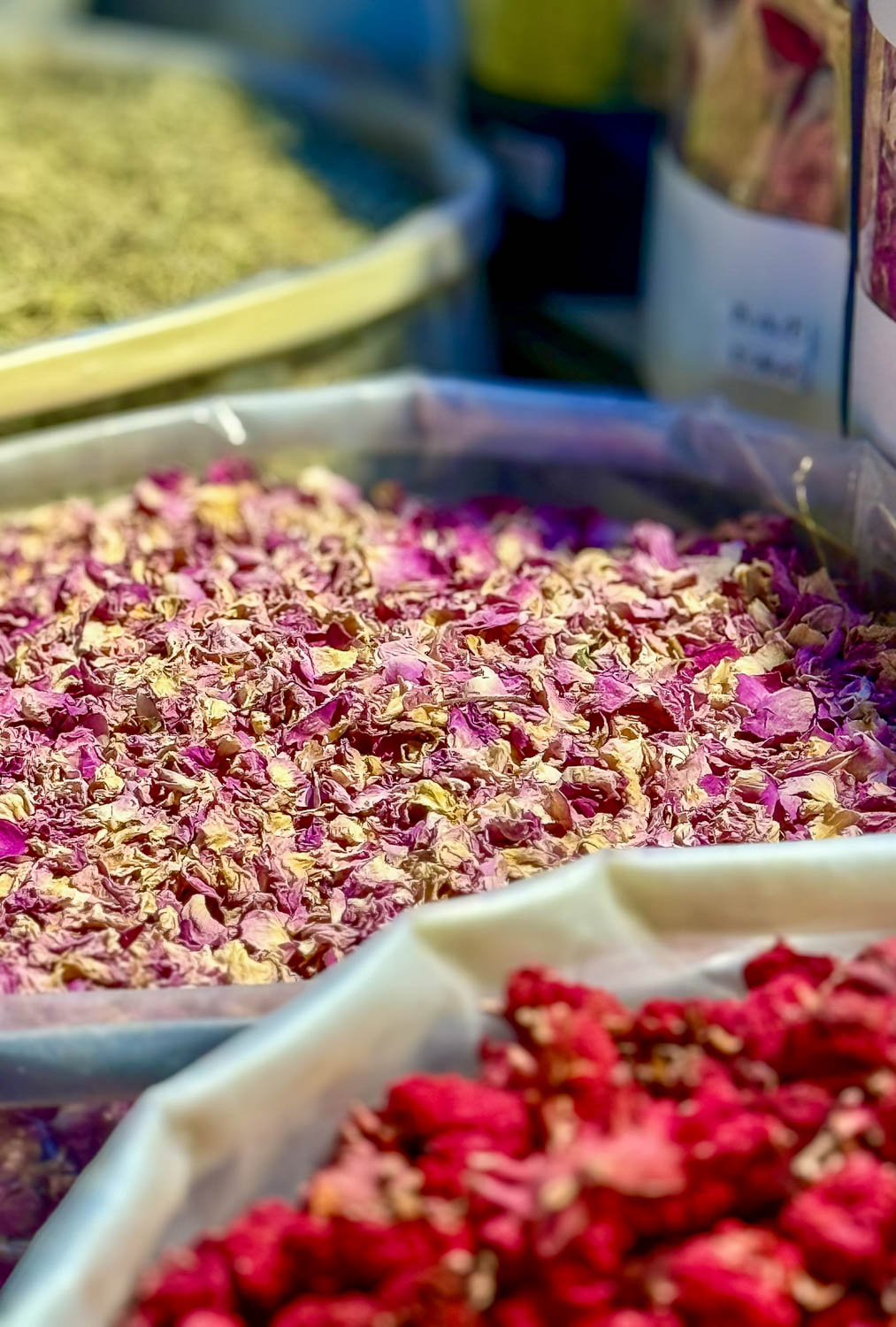
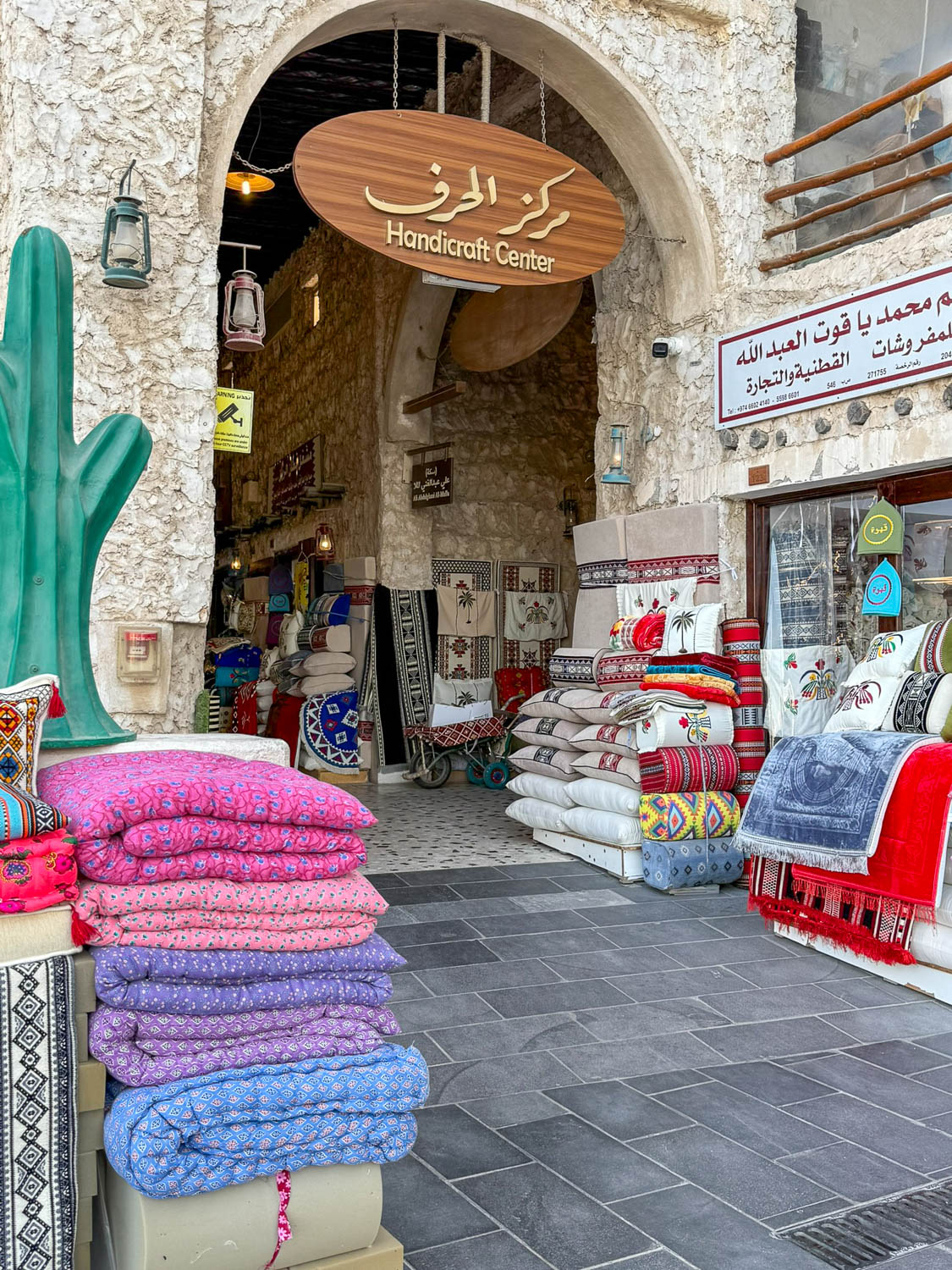
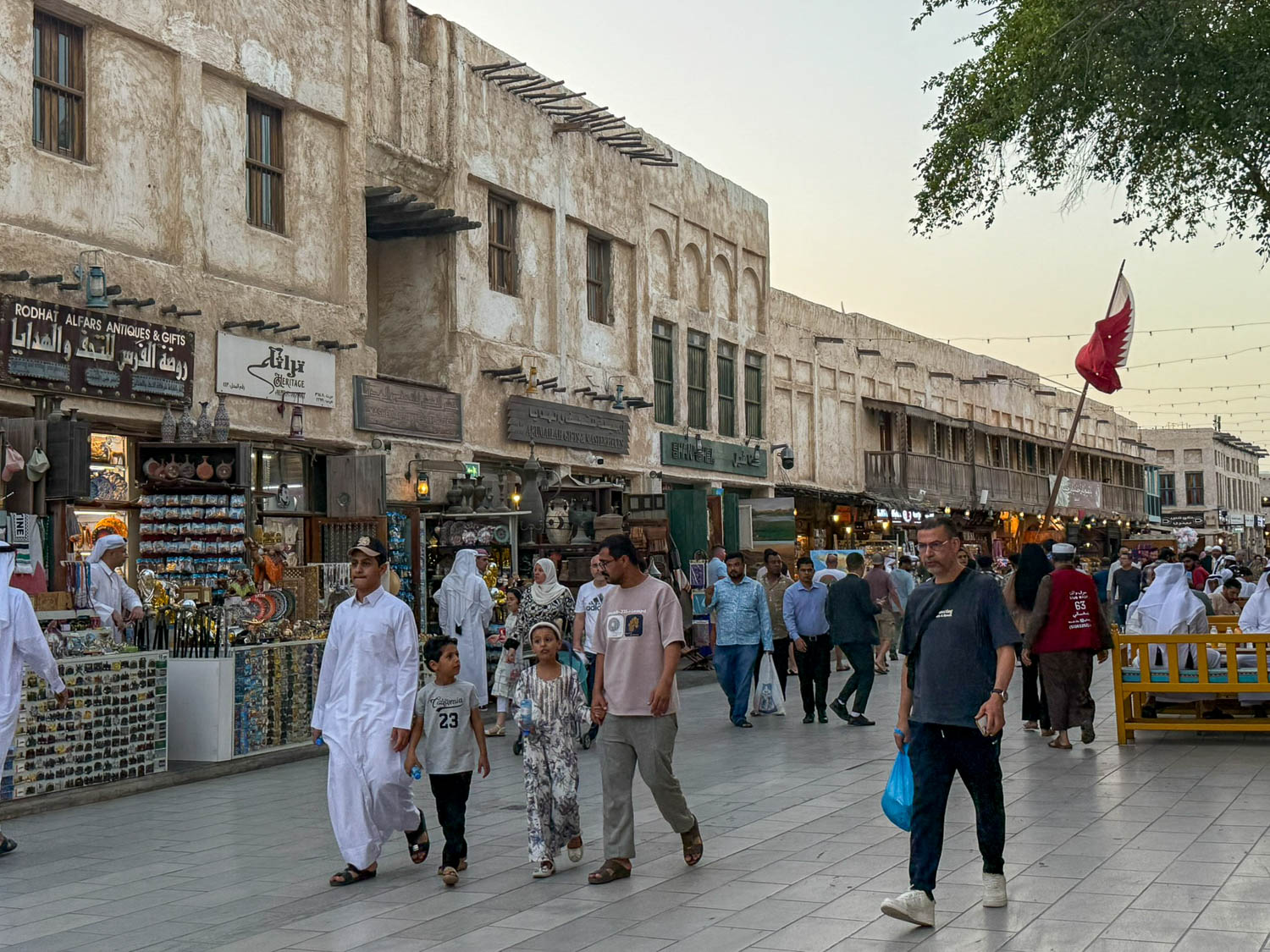
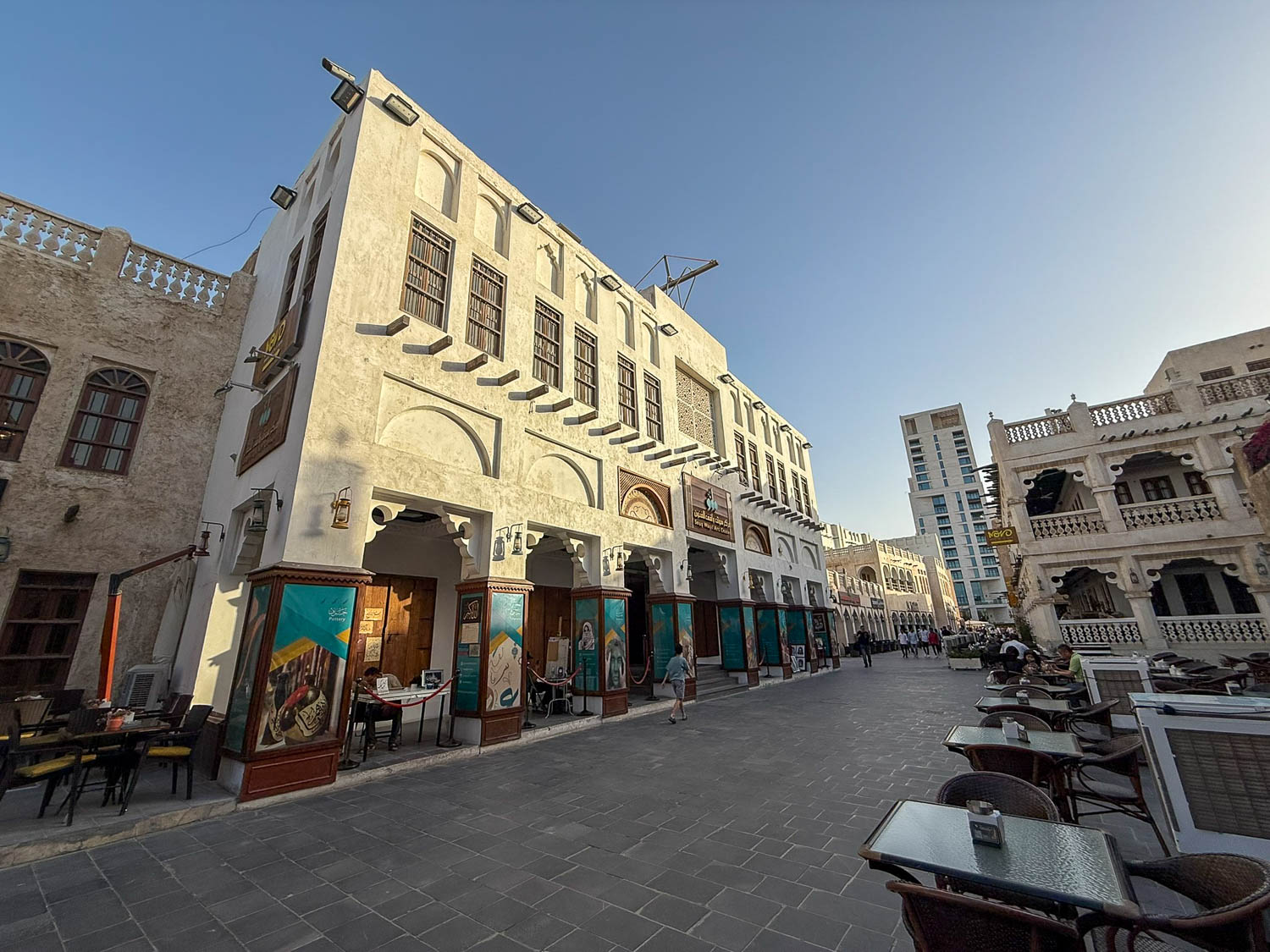
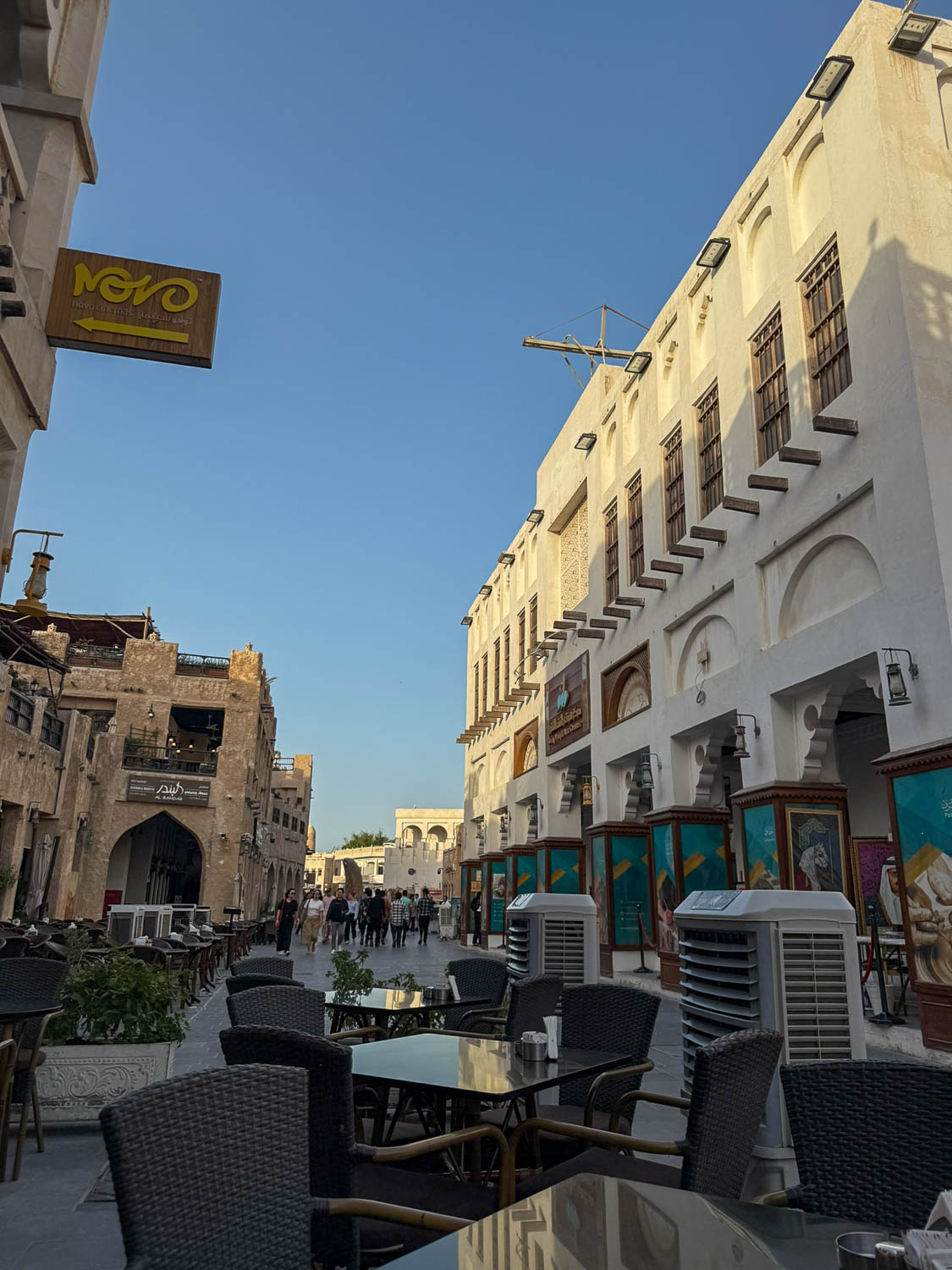
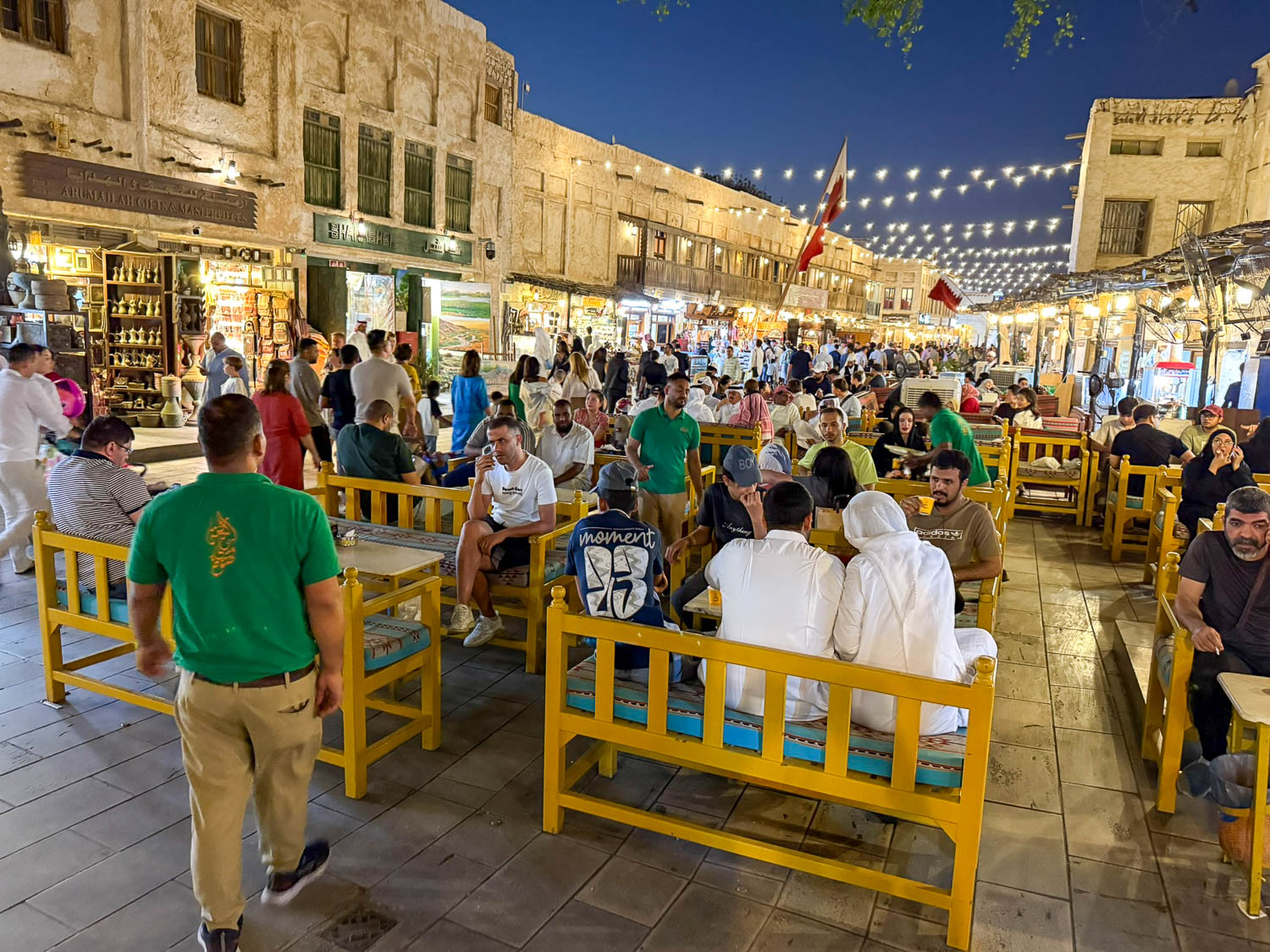
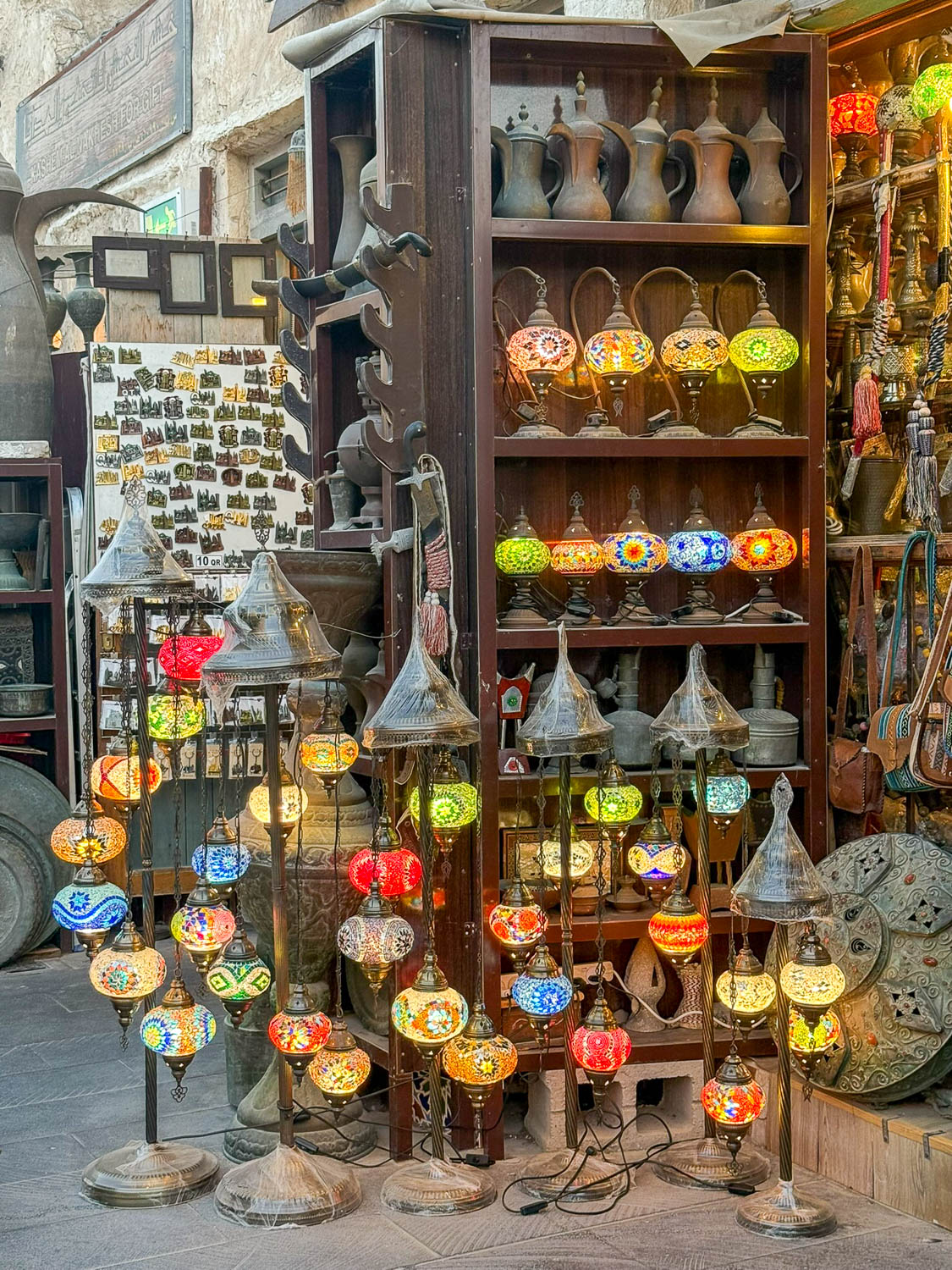
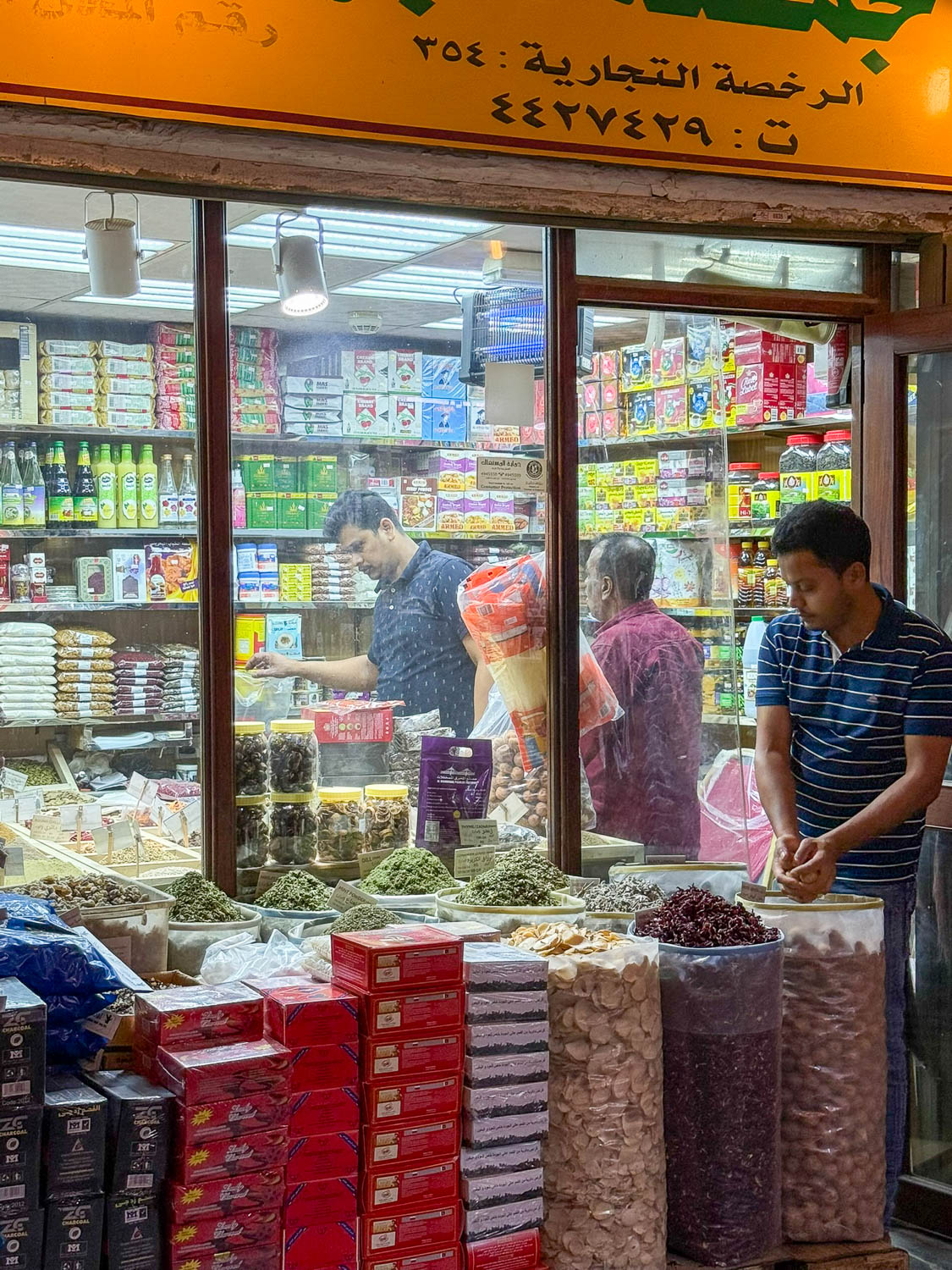
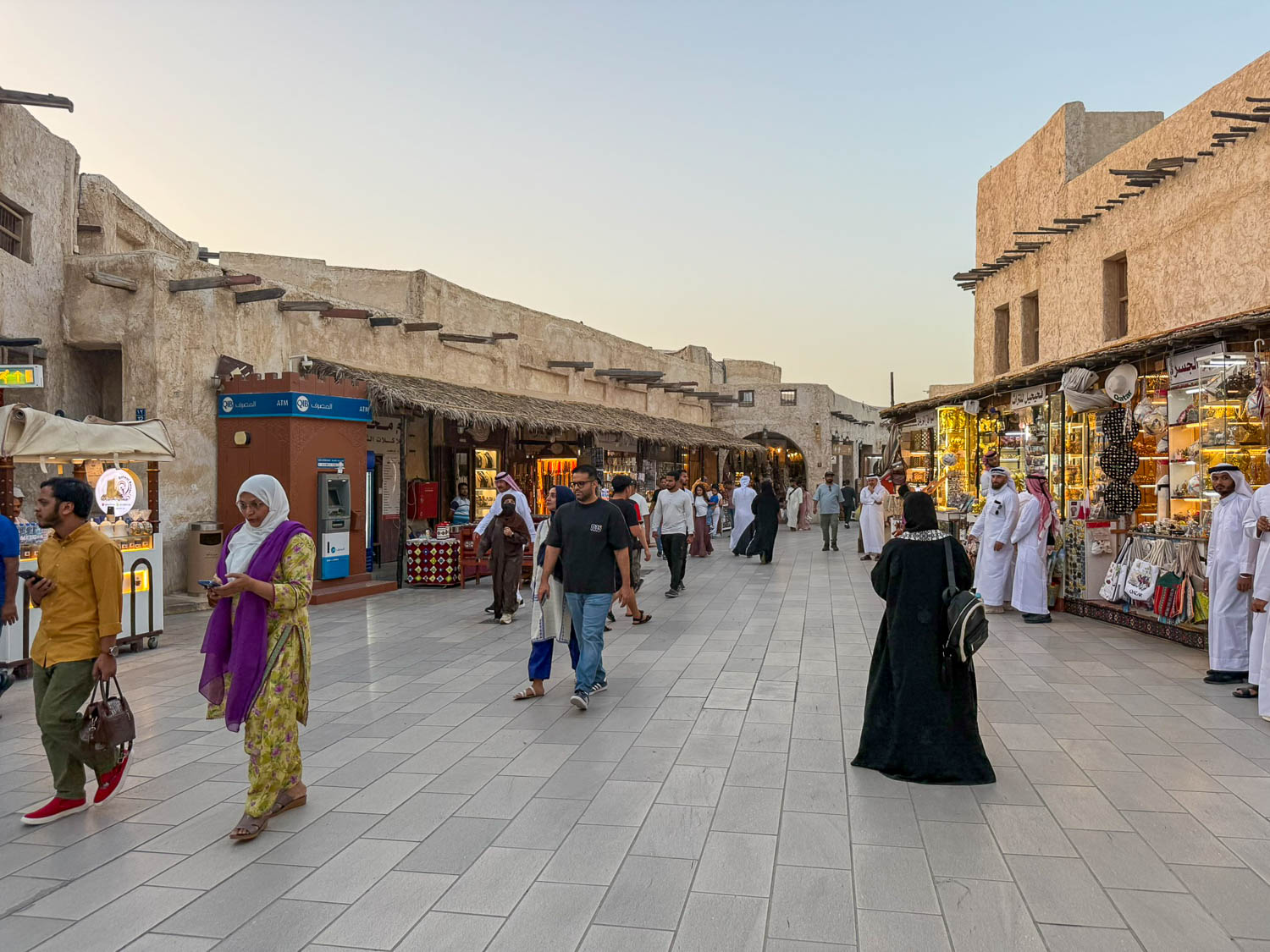
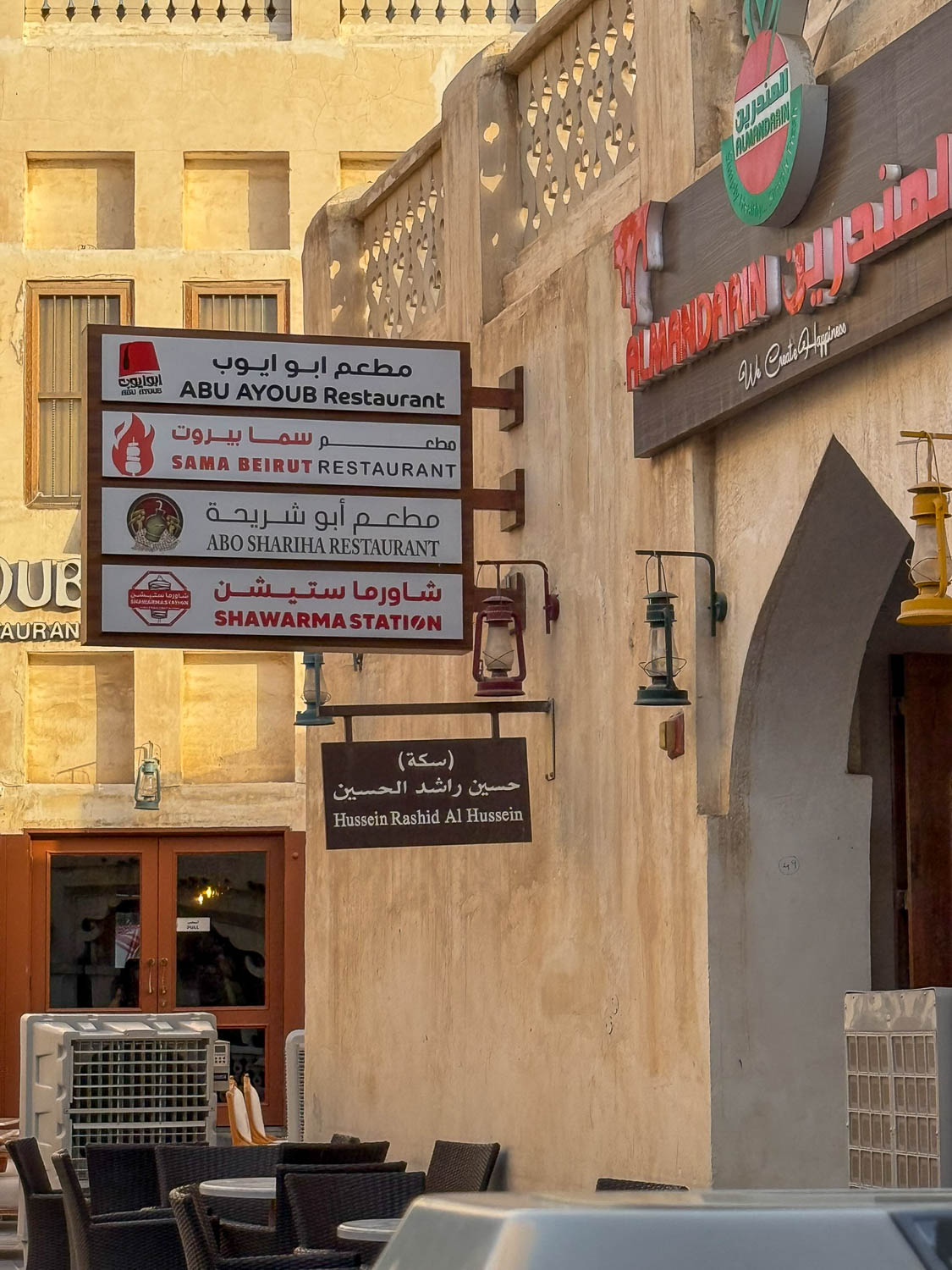
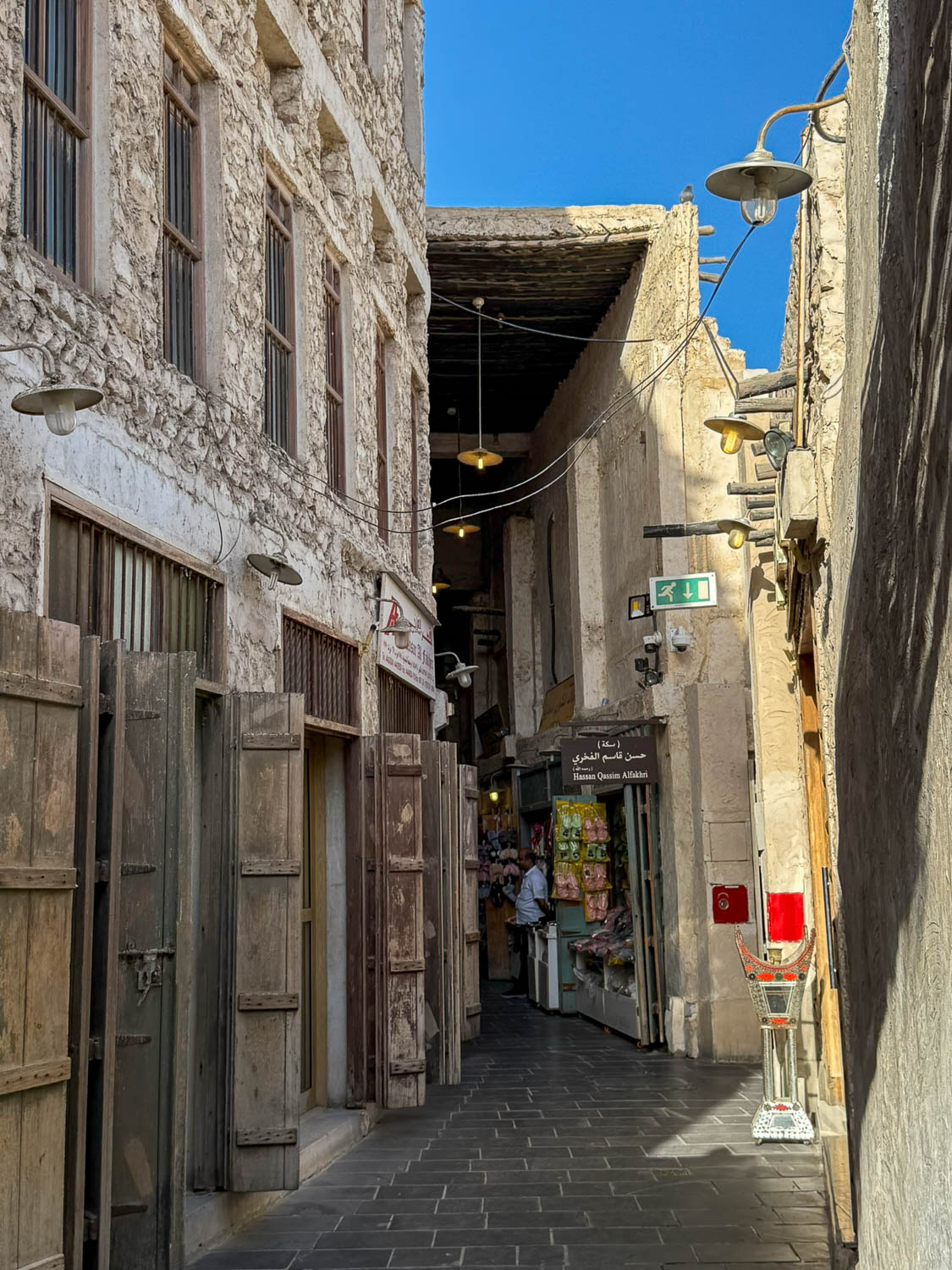
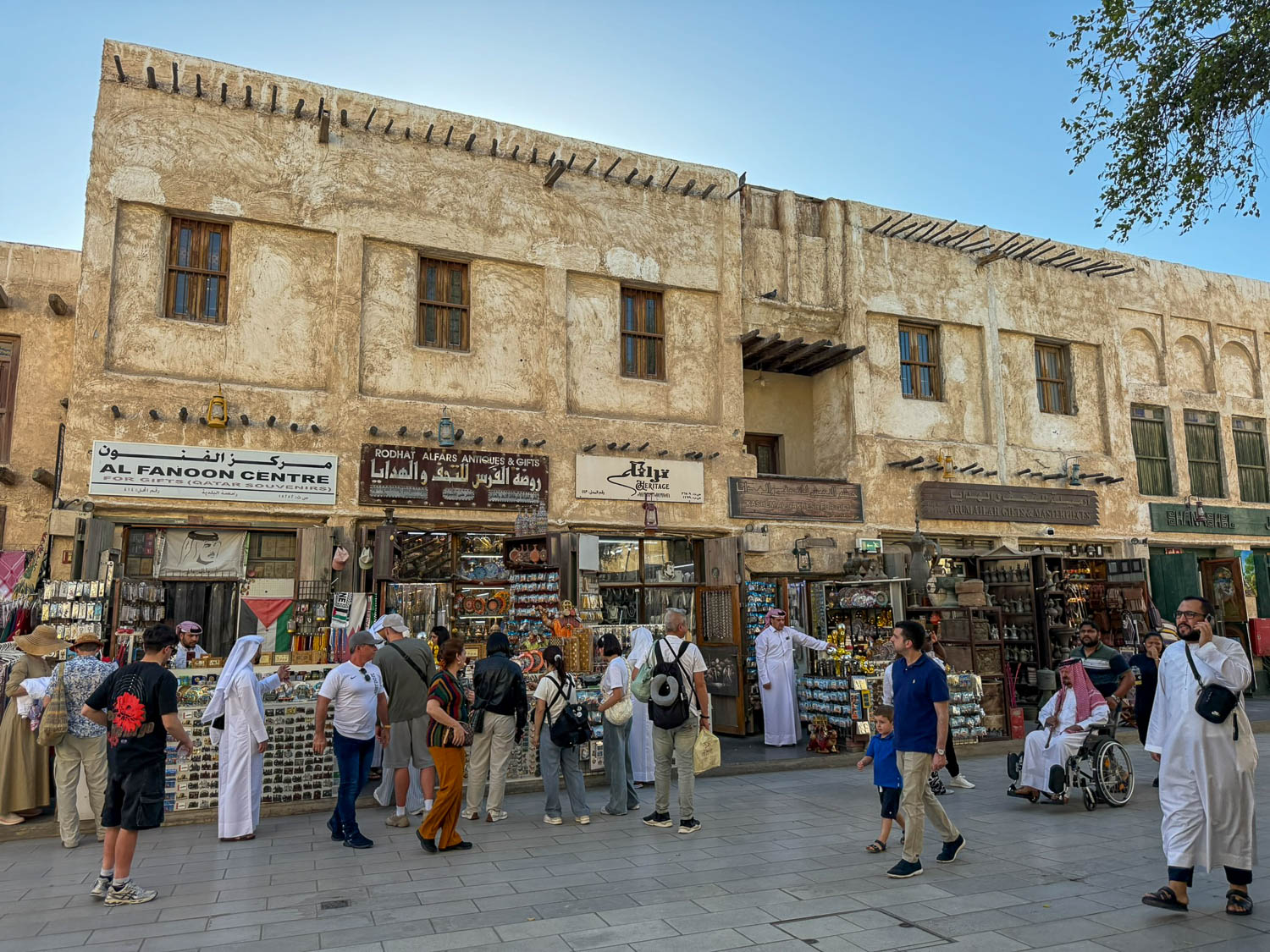
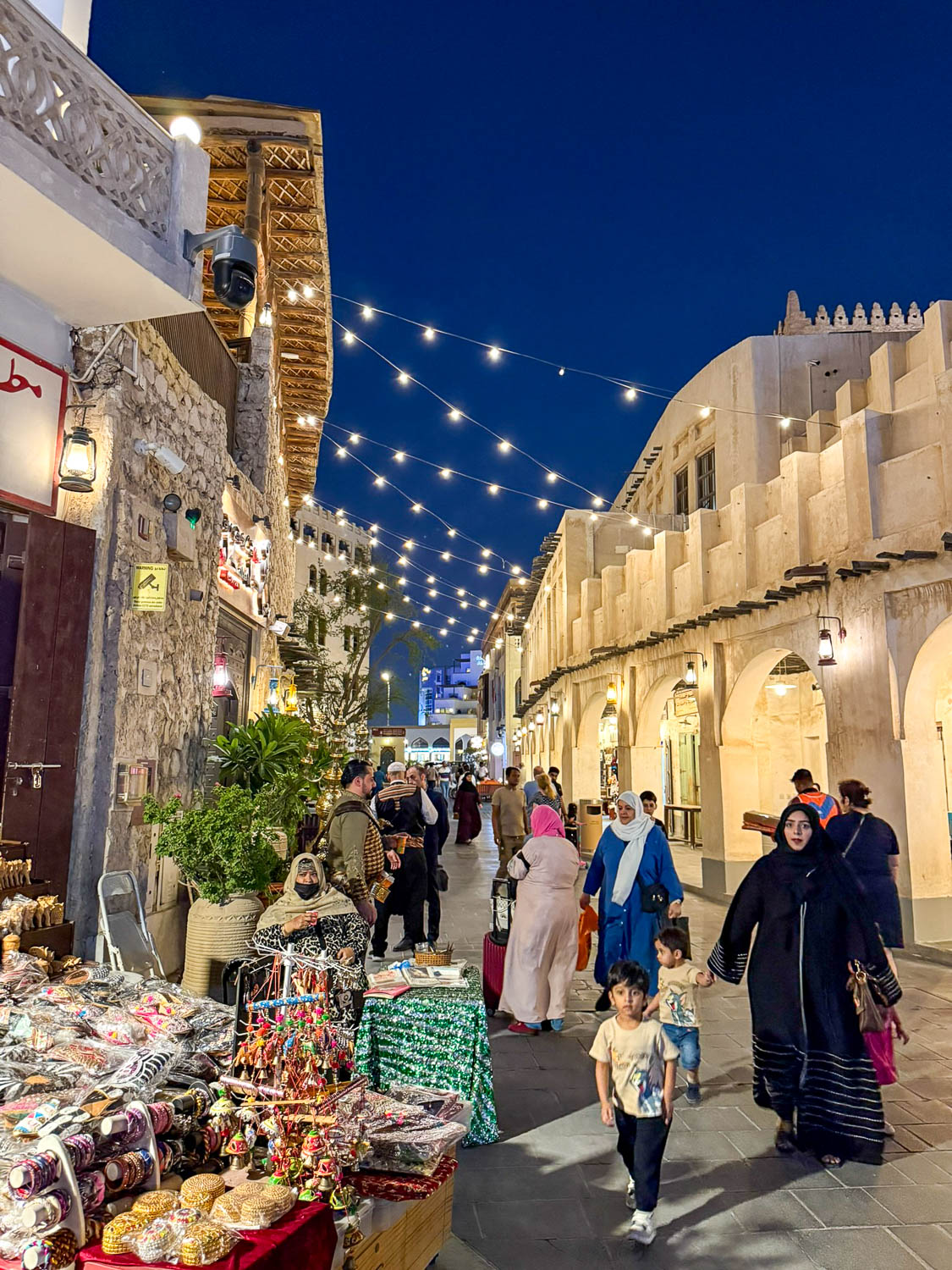
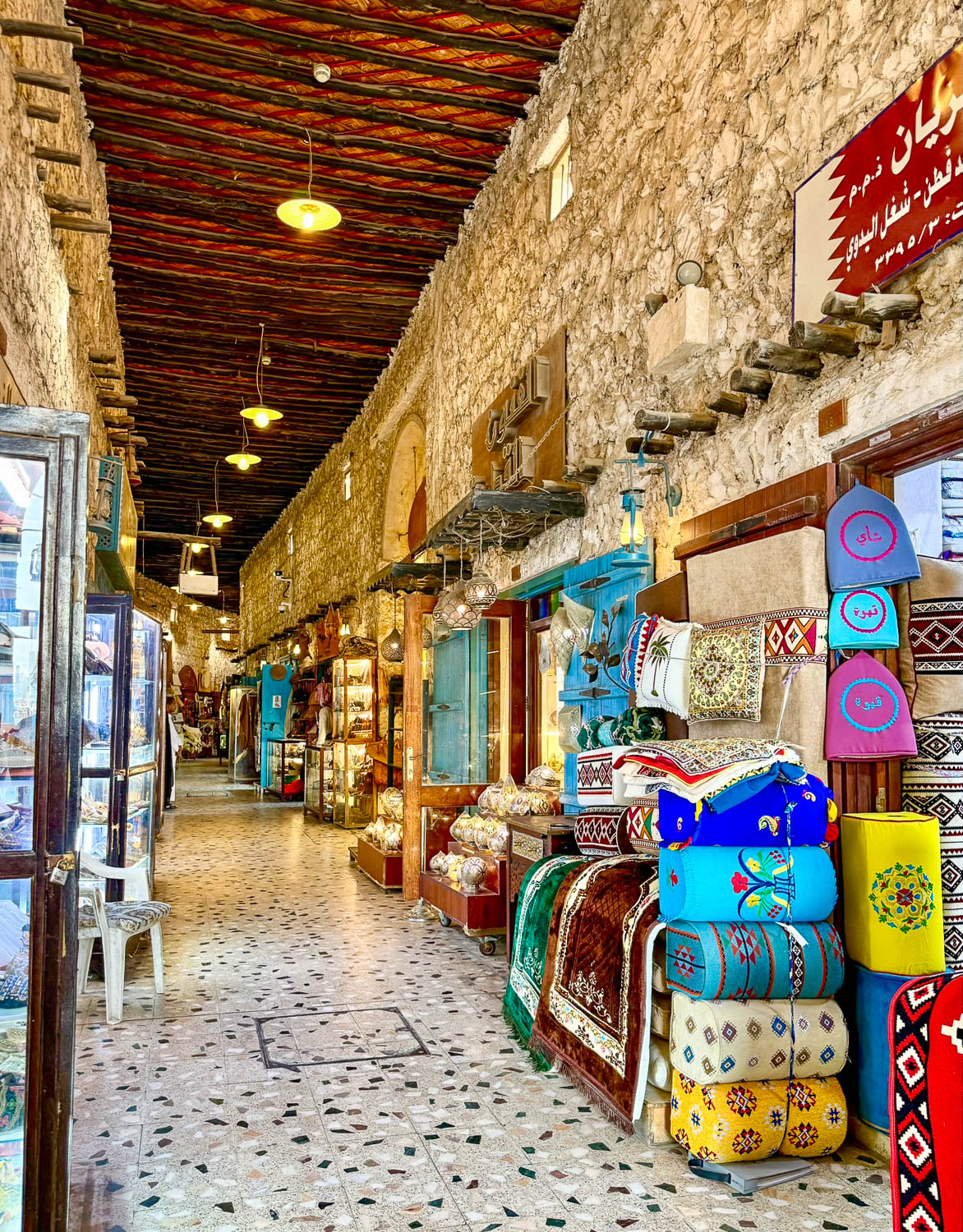
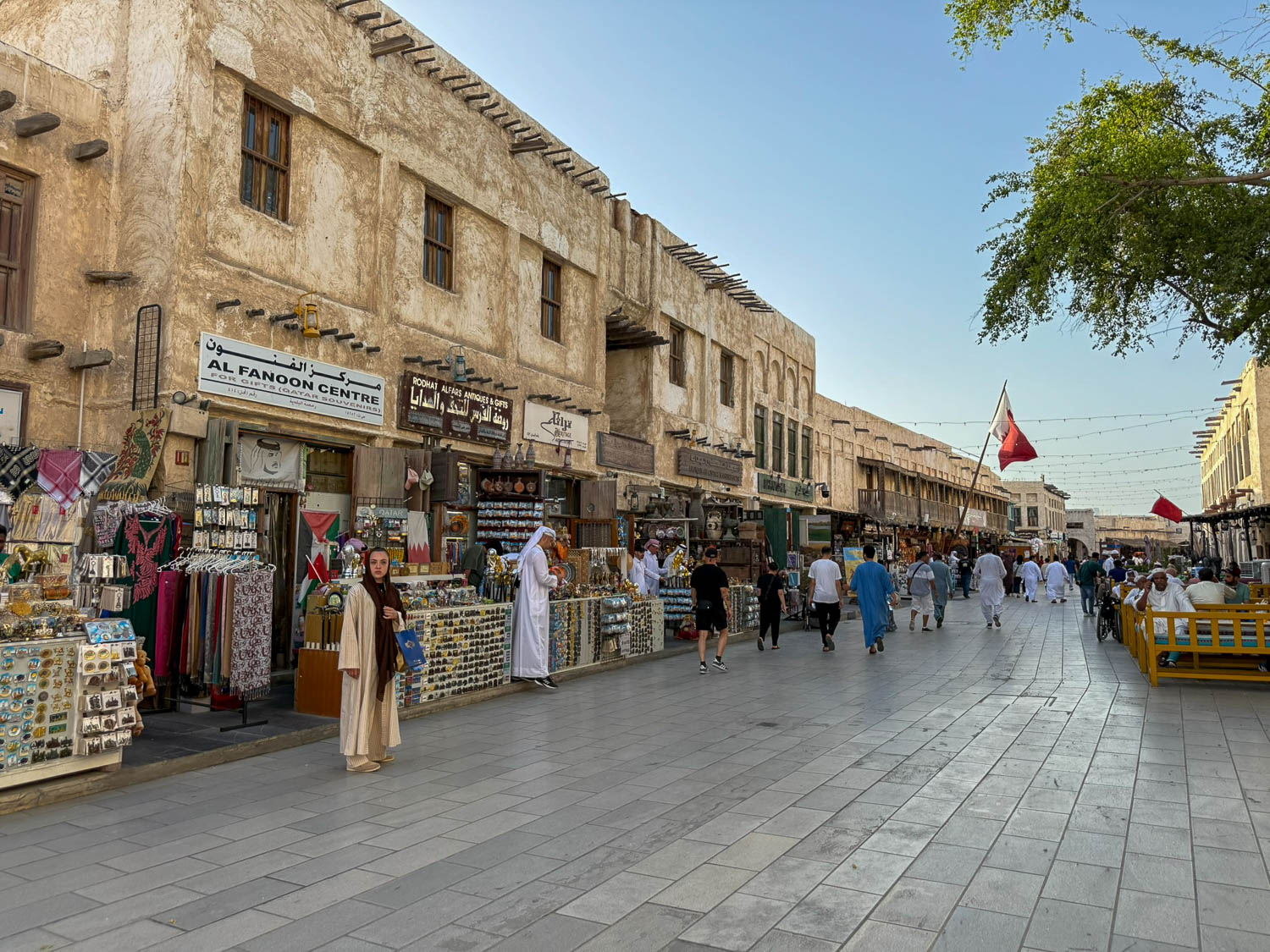
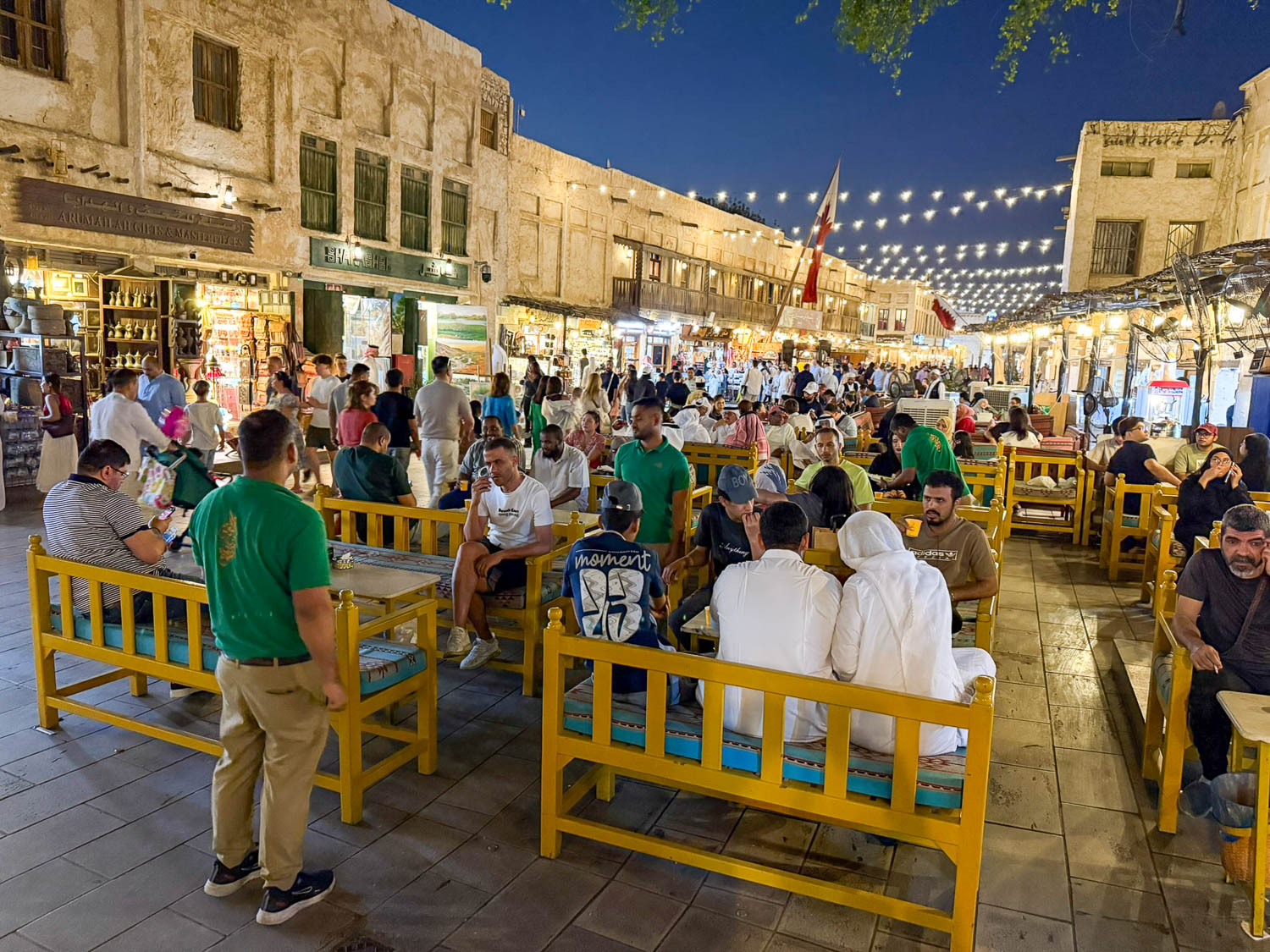
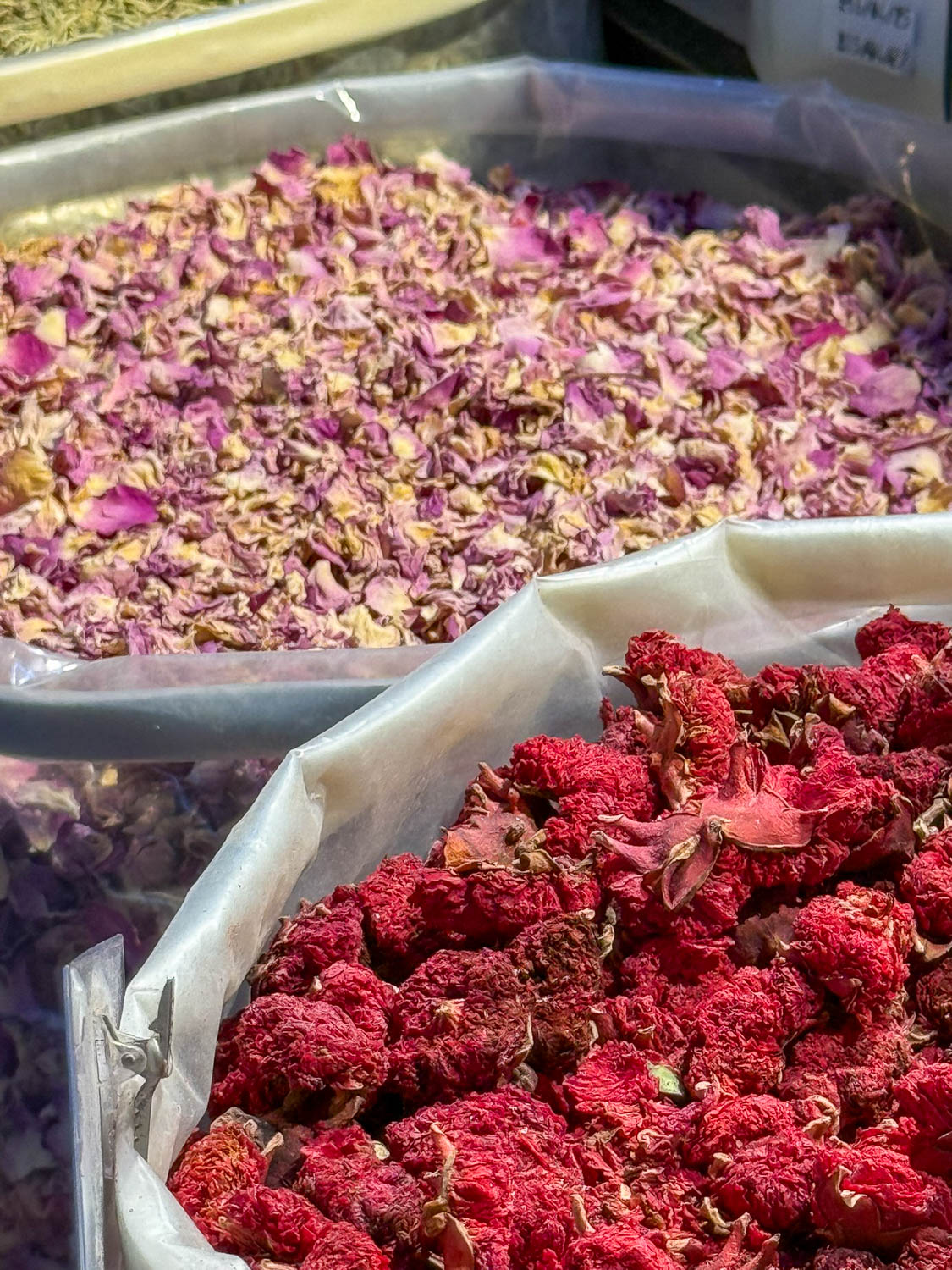
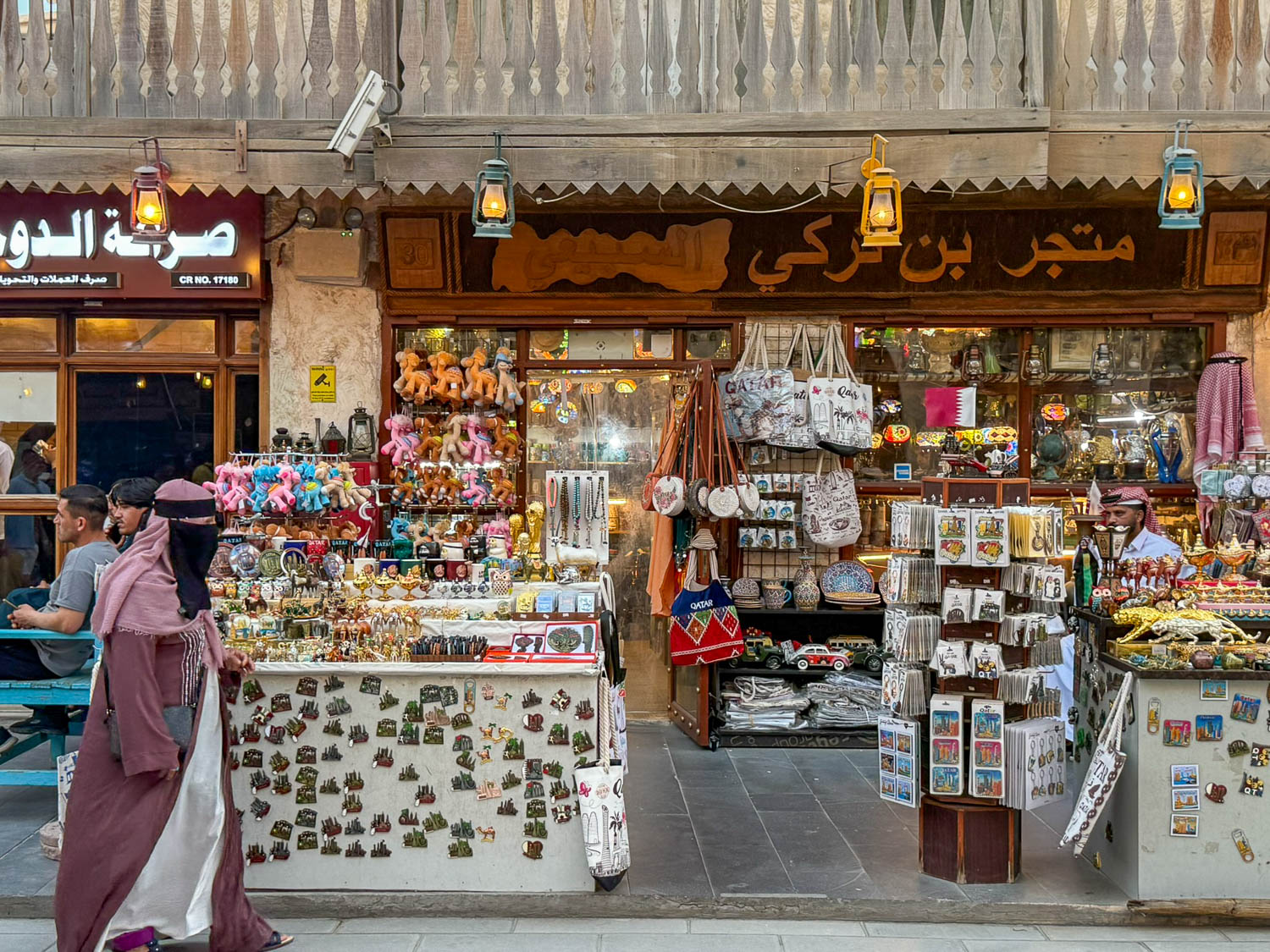
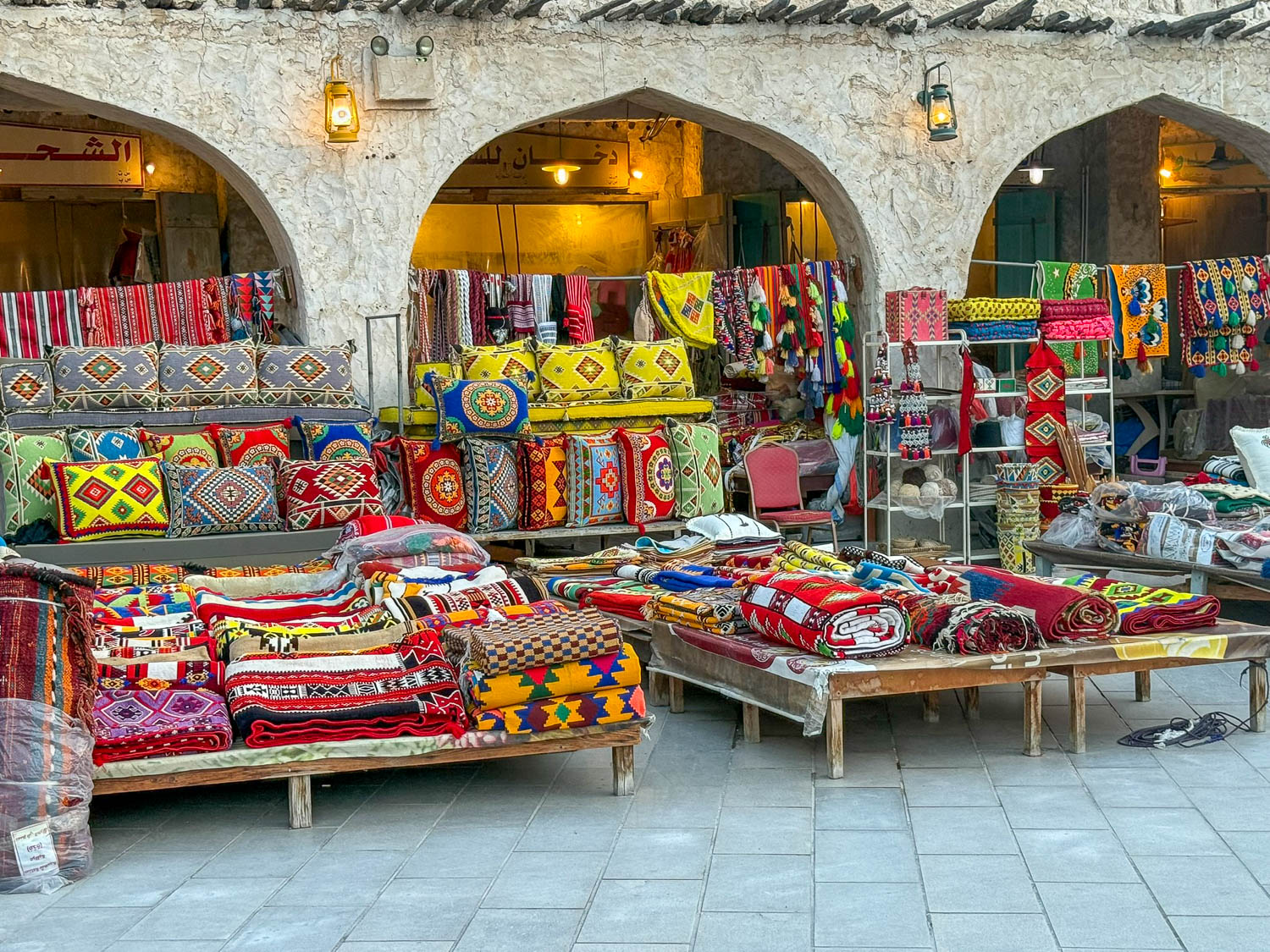
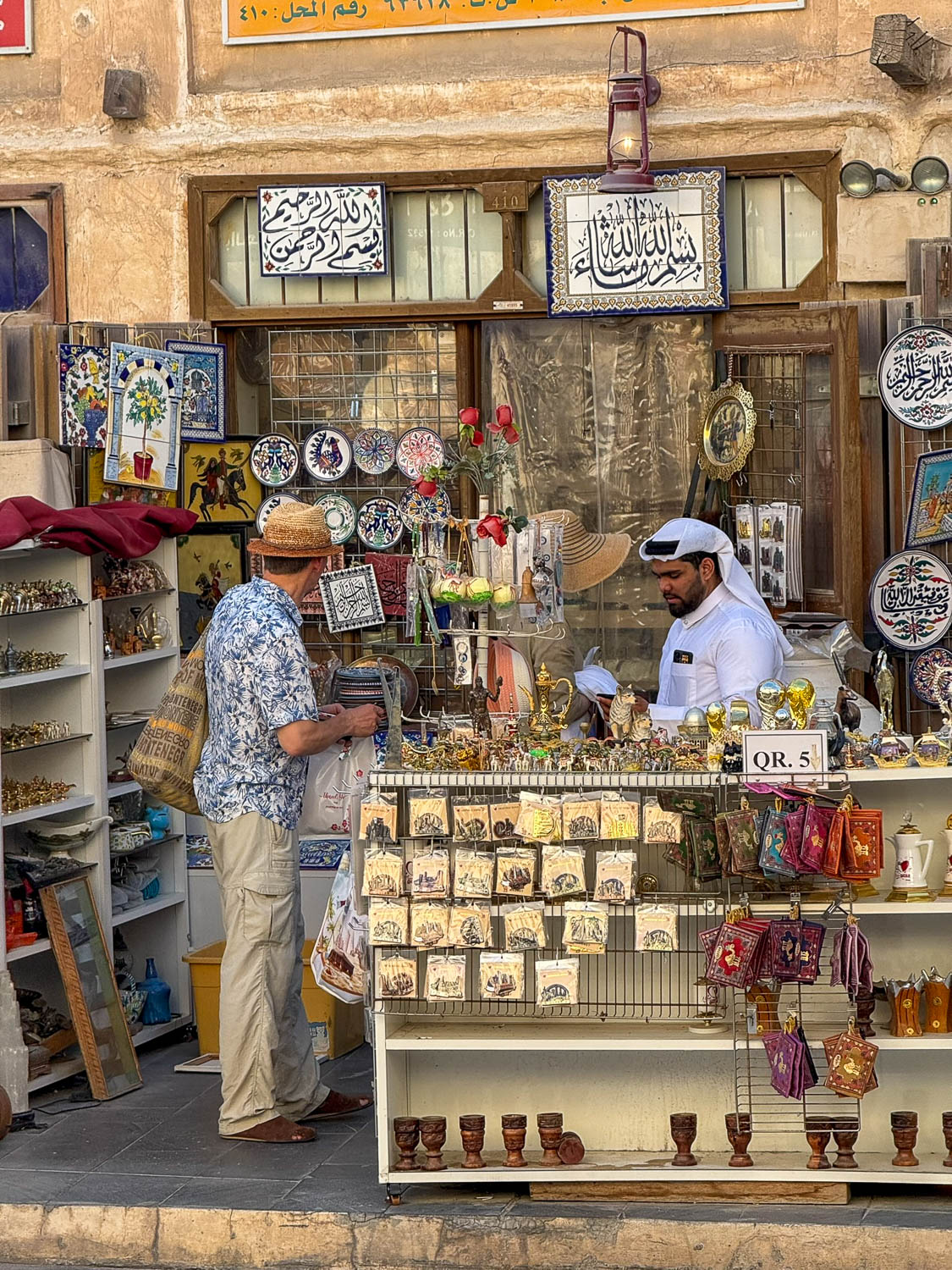
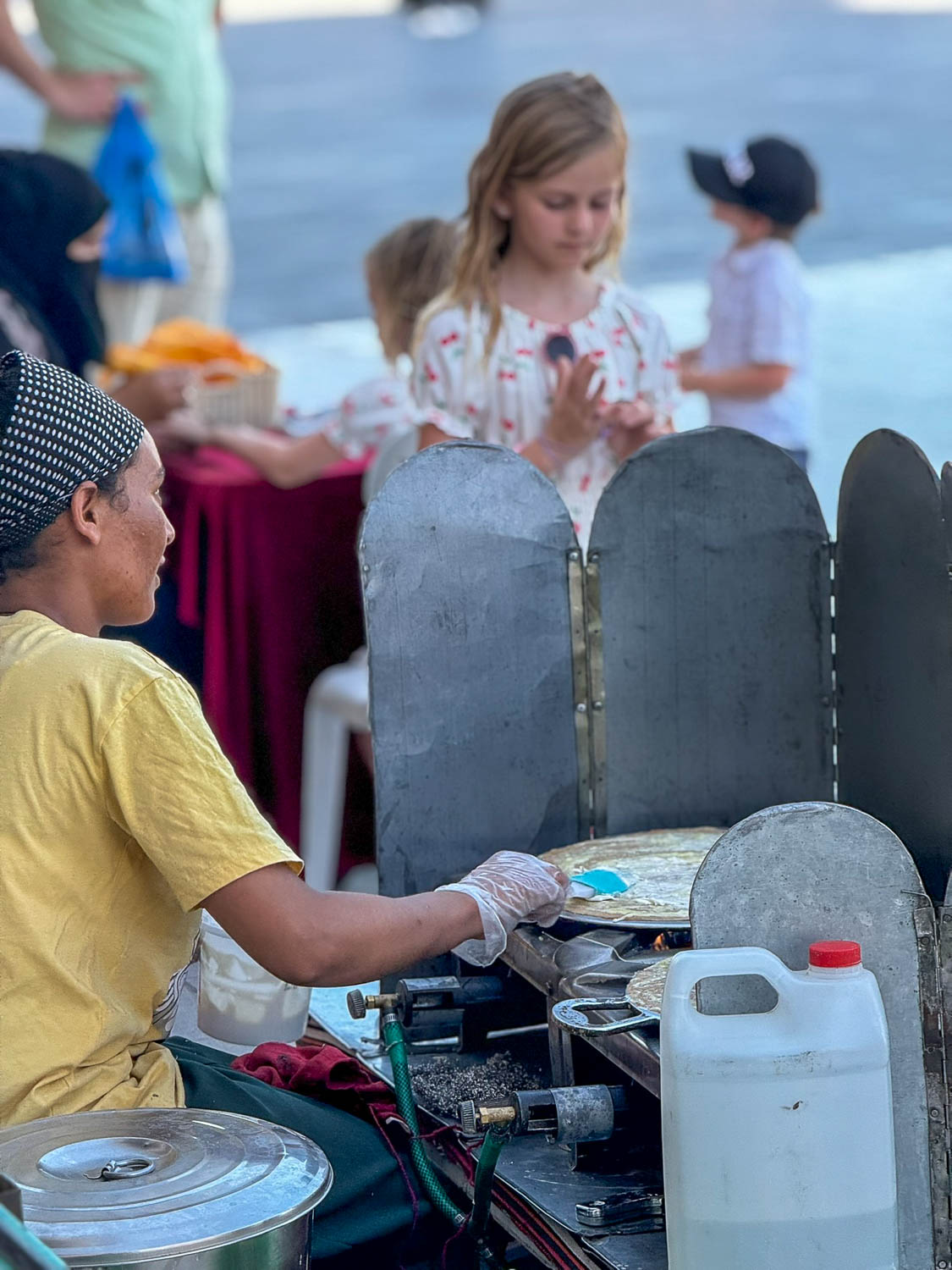
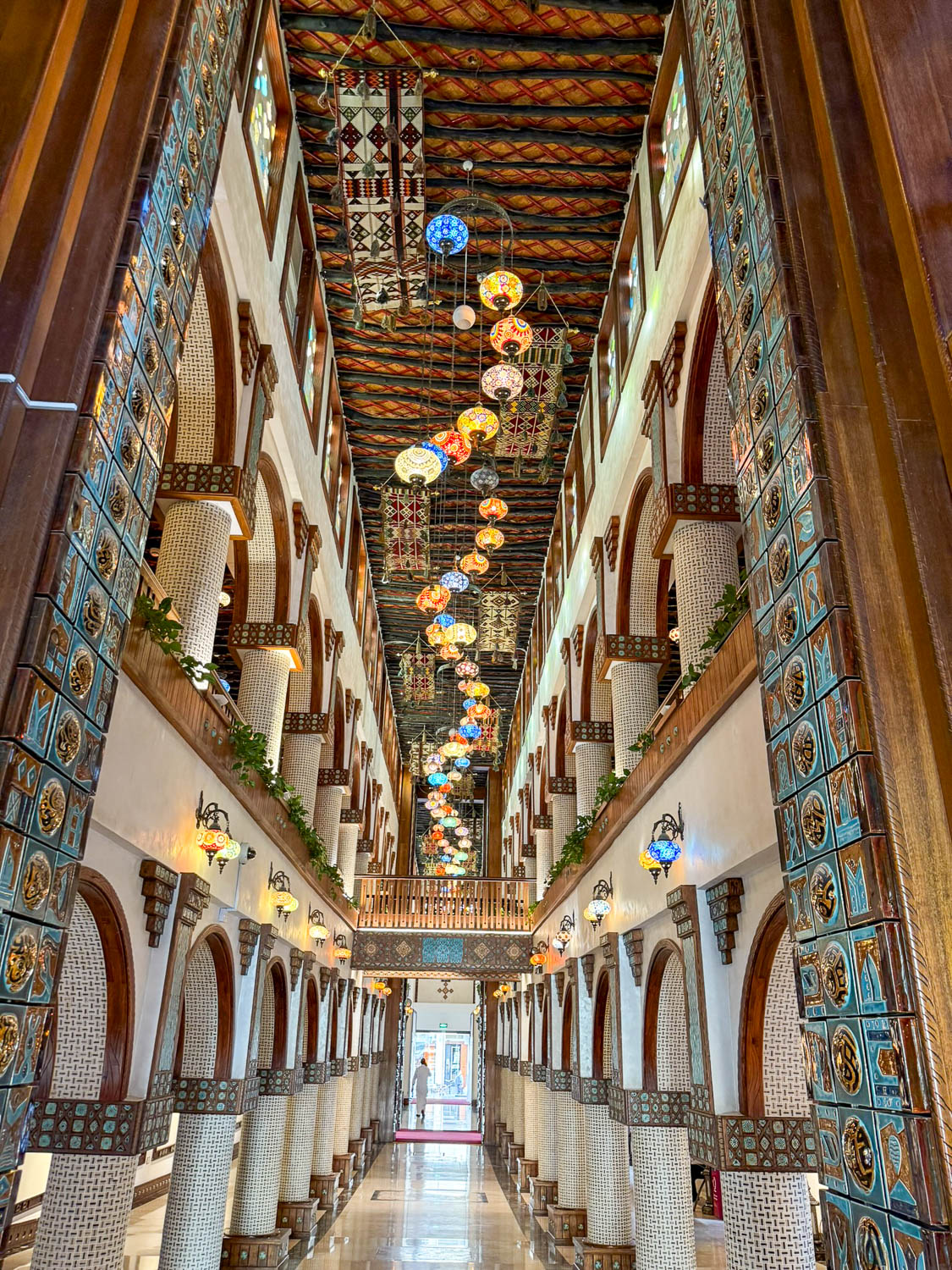
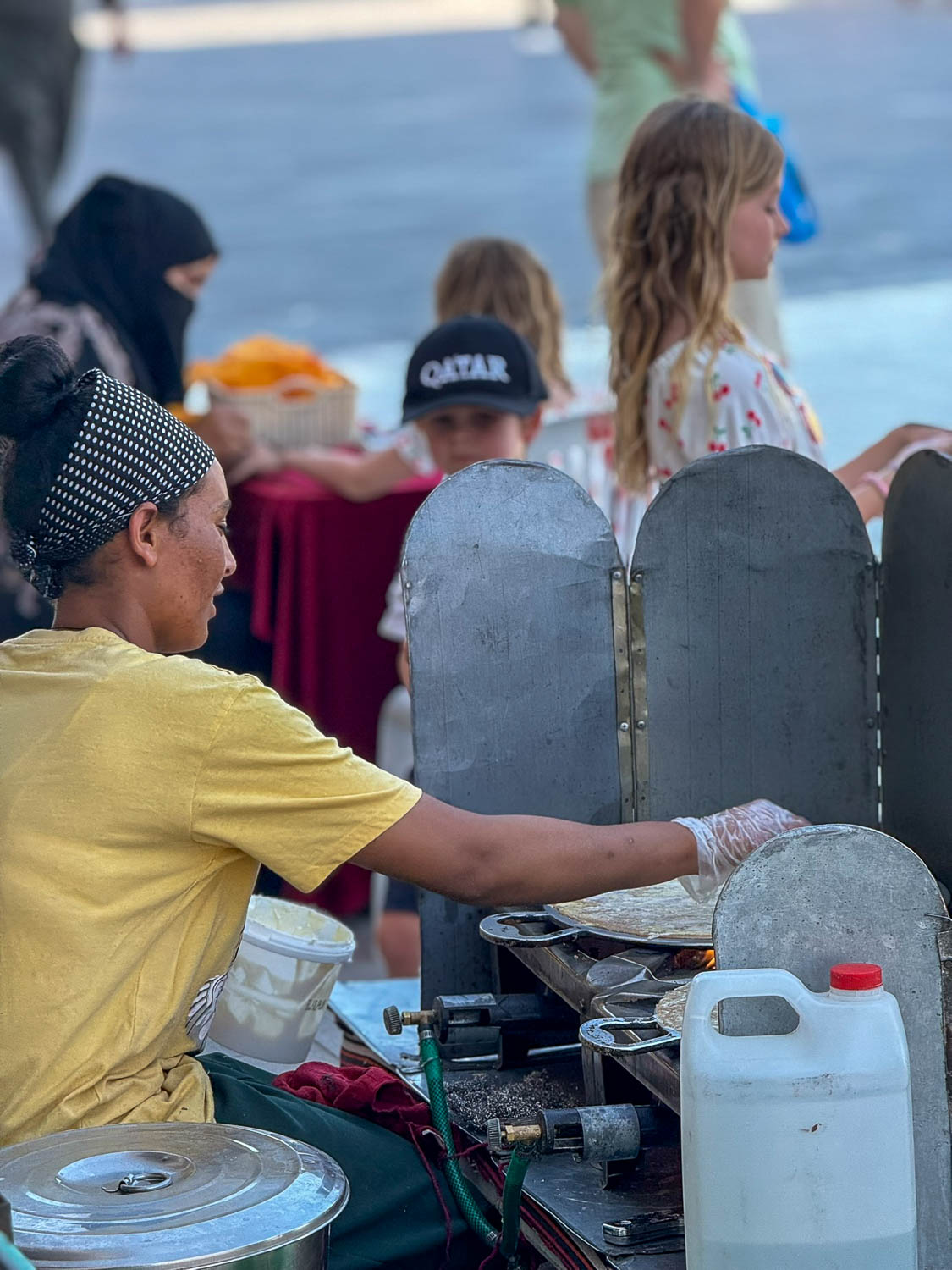
No exploration of the cuisine of Qatar is complete without visiting Souq Waqif, where street food stalls serve deep fried dumplings, crispy bread, and traditional dishes. If you’re able to handle it, Souq Waqif provides an almost sensory-overload: aromatic spices floating through the air, food vendors calling out to one another, brightly colored food stalls around every corner, the gentle squeeze of a fresh tomato to confirm its ripeness, and the opportunity to taste-test a fresh date offered to you as you wander through the alleyways.
Take a moment here to get lost amongst the stalls, sampling bites of anything that takes your fancy (and remember, if you’re offered something, it’s polite to accept it!), or linger a little longer at a tiny café to enjoy traditional Qatari coffee and talk with the local chef about how his grandmother used to make Madrouba (you know for sure Mike was doing this!).
Best Places to Eat
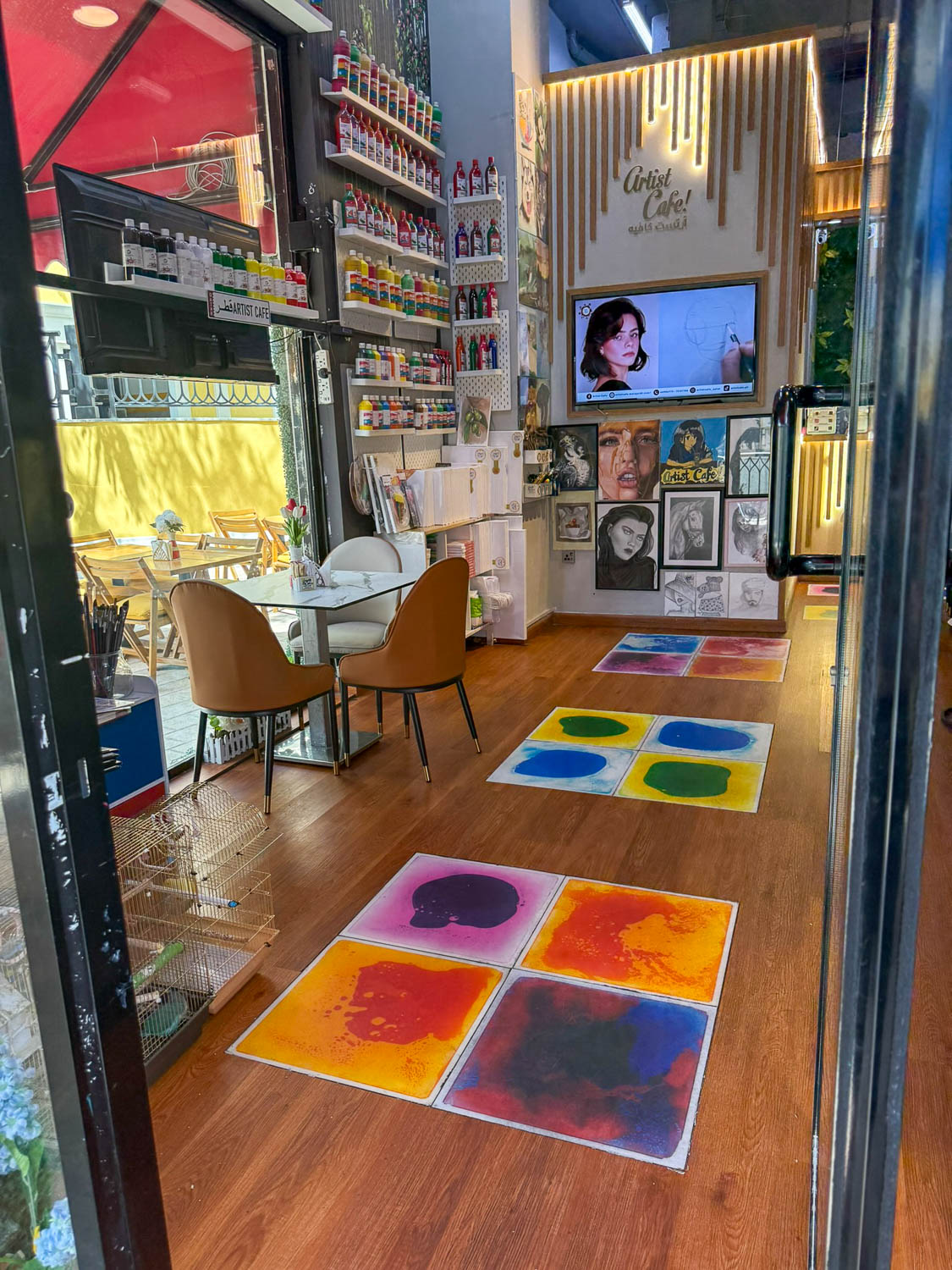
There are so many restaurants, bars and cafes spread throughout Qatar – and even just in the capital city of Doha – that it would be nigh impossible for us to list them all, let alone our favorites. We ate at a different restaurant for each and every meal during our time in Qatar, and barely even scratched the surface! You could stay in Doha for a year, eat out for breakfast, lunch and dinner, and probably still never return to the same restaurant – your choice is almost endless!
With this in mind, there are a few things you may wish to consider during your visit when it comes to dining in Qatar.
- Looking for a Michelin-star experience? French culinary legend Alain Ducasse has three restaurants and cafes in Qatar (IDAM by Alain Ducasse, Jiwan, and Cafe #999), bringing a unique story to traditional meals.
- Fine dining (but not quite Michelin-star) more your style? High-end Qatari restaurants in Doha, including Ipanema, Q Lounge and Restaurant, and Yasmine Palace, blend heritage and innovation.
- Perhaps, like us, you’re on a bit more of a budget? Local favorites within, and near, Souq Waqif generally offer authentic Qatar cuisine (with authentic Qatari hospitality) at a deliciously lower price.
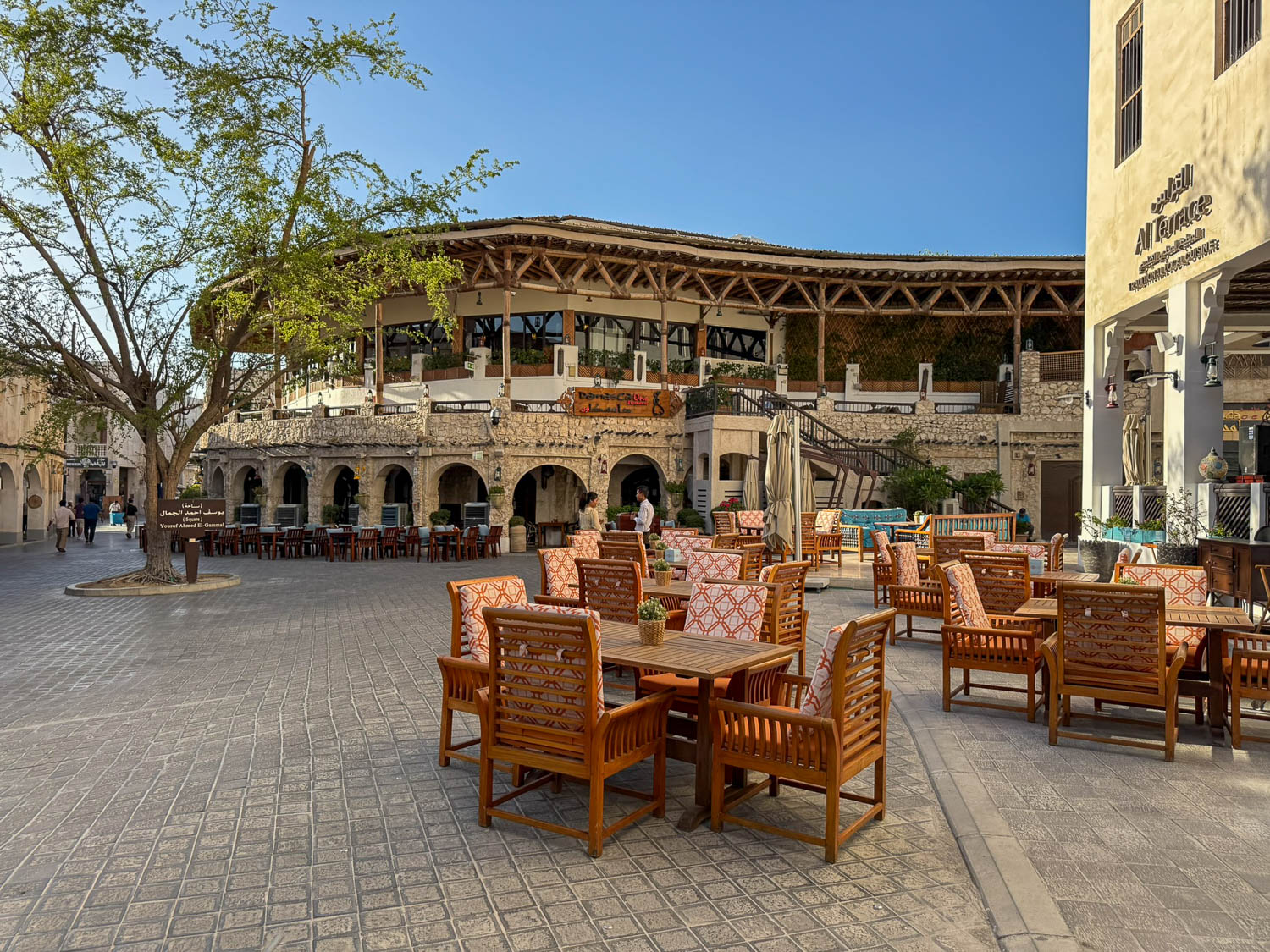
Whether you’re craving the comfort of a main meal in a fine-dining venue, or a grab-and-go snack from a market stall on the outskirts of Souq Waqif, Qatar’s food scene will not leave you disappointed. No matter your food preferences or dietary requirements, you’ll find it here: Qatar is filled with popular choices for every budget and every type of palate (yes, even for the likes of fussy pants Beck!).
Cooking Traditional Qatari Dishes at Home

Are you like Beck and always want to bring into your home kitchen the cuisine of a country you’ve just visited? Cooking traditional Qatari food at home can be a wonderful way to extend your travel experiences and share it with loved ones.
We share with you below some tips to help keep the authenticity of Qatari cuisine alive and well, even after your trip abroad has ended.
- Use fresh ingredients, including fresh seafood, chicken, and seasonal vegetables.
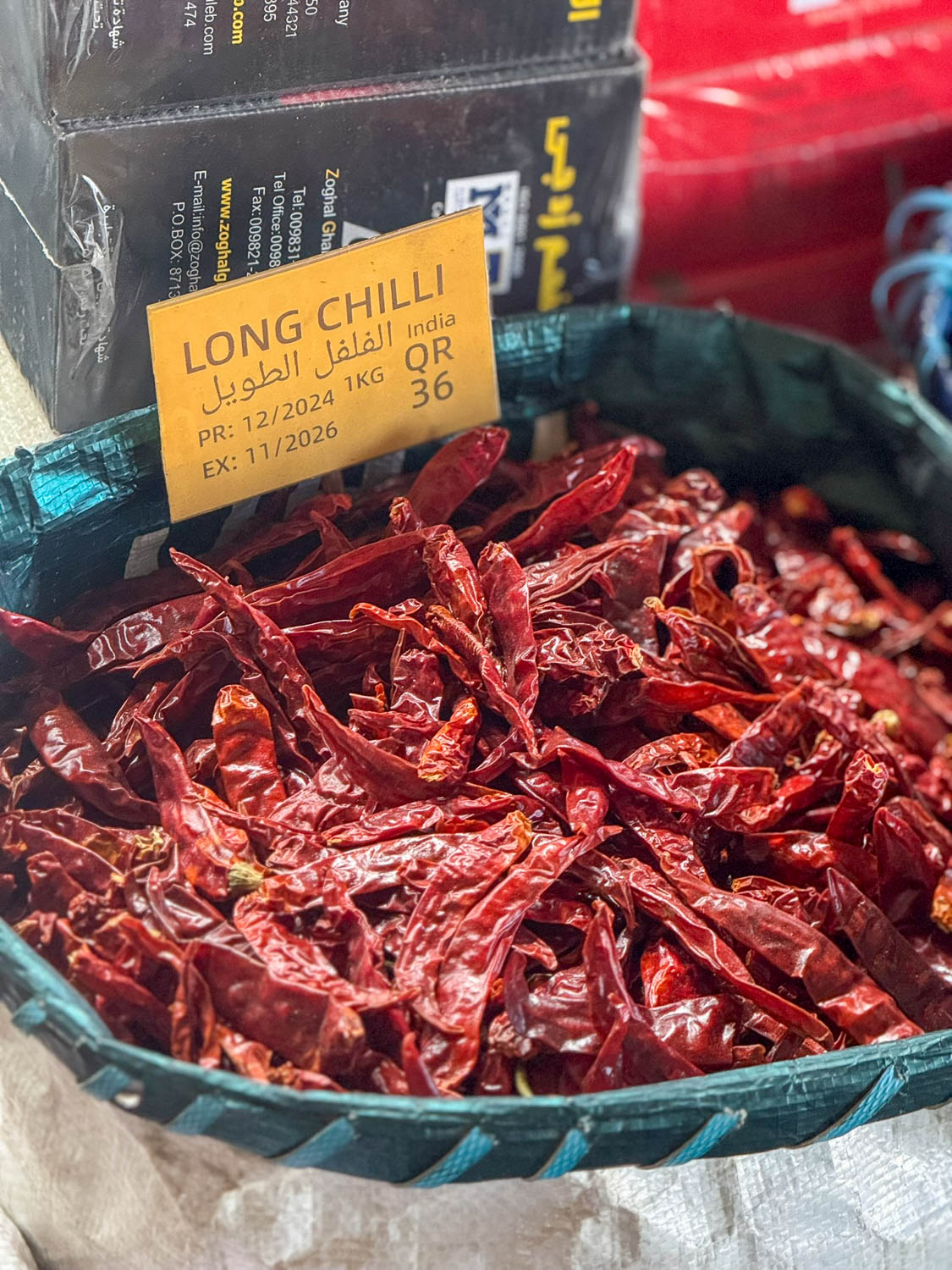
- Stock up on traditional spices (think cinnamon, cloves, black pepper, turmeric, cardamom, and cumin seeds).
- Consider cooking with saffron and rose water, easily found at most grocery stores. These two ingredients add the fragrant, floral notes often found in Qatari rice and dessert dishes (note: use sparingly for balance).
- Use basmati rice, as many classic dishes, including Machboos, rely on long-grain basmati rice to create the right texture and aroma.
- Try slow cooking. Meats in Qatar are often simmered or slow-cooked with spices, allowing time for flavors to meld and giving meat its tenderness and a rich, layered taste. A Dutch oven or slow cooker works perfectly.
- Experiment cooking with dates. With dates central to Qatari hospitality, incorporating them into both sweet treats and savory sauces will go a long way.
- Try balancing sweet and savory. Many Qarari dishes blend these flavors — think lamb cooked with dried fruit — so don’t shy away from combining sugar, honey, or fruit with meat and spice (we’re already salivating just writing this!).
- Serve food communally. Presentation is key when it comes to replicating authentic Qatari meals: serving meals on large platters meant for sharing reflects the social heart of Qatari dining.
Oh, and one last thing? Cook with heart. Any Qatari recipes you ultimately try to replicate at home are more than simple instructions: they’re traditions. Think of them as love letters from Qatari households passed down through the generations.
Final Thoughts

Food in Qatar is a window into its soul. From the delightful assault on your senses when wandering through markets, to the high-end dining opportunities afforded visitors by the presence of Alain Ducasse’s Michelin-star fame, and from the compelling cuisine-related exhibits housed within Doha’s National Museum, to the small, hole-in-the-wall cafes selling steaming cups of spiced tea, the cuisine of Qatar is a passport to the country’s rich culinary heritage and cultural heartbeat.
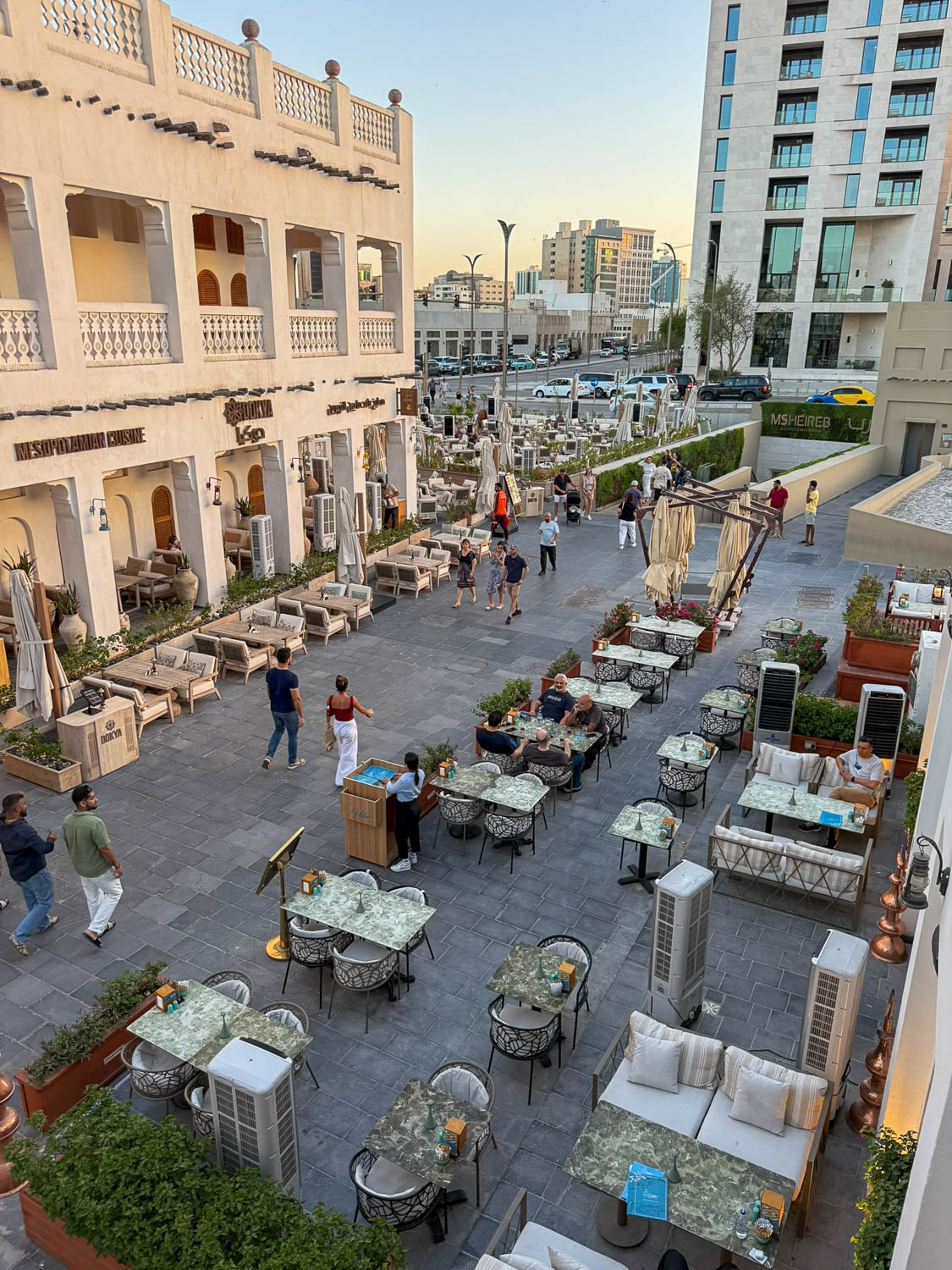
As we explored some of the best food the nation had to offer — from savory Qatari dishes that included Machboos, to indulgent treats such as Umm Ali — we were reminded that food, like travel, is about connection. We found Qatar’s food scene to be vibrant, generous, and deeply rooted in hospitality: from the welcoming smiles of the servers who guided us to our tables, to the waitresses who took the time to stop and converse on a rooftop cafe overlooking a busy Souq, and from the generous food stall vendors who always gave us an extra scoop, to the chefs who would occasionally come over to our table to make sure everything was to our liking, we saw over and over again that in Qatari culture, food is never about just food … it’s about community.
Are you planning a trip to Qatar? Even if you’re not a foodie like Mike, and even if you don’t really like cooking at home (one of Beck’s favorite things to do upon returning from any overseas adventure!), we are confident you’ll still find inspiration in Qatar’s traditional food, passion in its spices, and joy in the stories it tells. This is the essence of Qatar, served one delicious bite at a time.
Are you ready? Let’s get curious about what our taste buds can explore. And maybe, just maybe, you’ll find that your own journey has only just begun: a journey through the dishes that define a nation and the people who make them matter. Let’s start planning your culinary exploration of Qatar!
FAQs
What is the national dish of Qatar?
Machboos is widely considered the national dish of Qatar. This fragrant rice dish is traditionally prepared with chicken, lamb, fish, or seafood and flavored with spices such as cardamom, cinnamon, cloves, and dried lime.
What food should first-time visitors try in Qatar?
First-time visitors should prioritize Machboos, Harees, Thareed, Luqaimat, karak tea, and Arabic coffee to experience some of Qatar’s most traditional flavors.
Is Qatari food spicy?
Most traditional Qatari dishes are aromatic rather than spicy. Flavor comes primarily from warming spices such as cardamom, saffron, cinnamon, cumin, and cloves rather than intense heat.
Where can I experience authentic Qatari cuisine?
Souq Waqif is one of the best places to experience authentic Qatari cuisine. Visitors will find traditional restaurants, cafés, desserts, and local beverages throughout the market area.
Is the cuisine of Qatar worth exploring for travelers?
Absolutely. The cuisine of Qatar offers a unique blend of Arabian Gulf, Middle Eastern, North African, and South Asian influences, making it one of the most interesting cultural experiences visitors can enjoy while exploring the country.
Explore More Of Qatar
-
Cuisine of Qatar: A Traditional Culinary Exploration
Cuisine of Qatar reflects the country’s rich cultural heritage through dishes like Machboos, Harees, Thareed, and Luqaimat. This guide explores traditional Qatari food, popular beverages, dining customs, and the culinary experiences that help define modern Qatar.
-
Explore National Qatar Museums: Best Things To Do
Learn which Qatar museums are worth visiting, from the National Museum of Qatar and Museum of Islamic Art to modern galleries, sports museums, and family-friendly attractions across Doha.
-
The Pearl Qatar: Family Friendly Activities on This Island in Doha
Discover family-friendly things to do at The Pearl-Qatar including canal walks, marina dining, indoor entertainment, beaches, and kid-friendly activities in Doha.
-
The Pearl Qatar: Things To Do On This Island in Doha
Explore The Pearl Qatar, Doha’s luxurious man-made island of marinas, cafés, and waterfront charm—where culture, comfort, and adventure meet.
-
Katara Cultural Village, Doha: Top Things To Do
Discover why Katara Cultural Village is one of Doha Qatar’s top attractions. Explore stunning mosques, public art, galleries, Katara Beach, dining, shopping, and cultural experiences in this complete visitor guide.
-
Dhow Harbour, Doha Qatar: A Serene Maritime Experience
Dhow Harbour in Doha showcases Qatar’s maritime heritage through traditional wooden dhows, sunset cruises, waterfront views, and cultural experiences along Doha Bay near the Corniche and Souq Waqif.
-
Discover Doha Corniche: An Iconic Qatari Experience
They say a city’s soul is often revealed at its edges — and nowhere is that more true than…
-
Souq Waqif Opening Hours: When to Visit for the Best Experience
Souq Waqif opening hours shape the entire experience—from peaceful morning alleyways to lively nighttime crowds. Here’s the best time to visit Doha’s famous market.
-
Souq Waqif Festivals: Cultural Celebrations in Qatar
Discover the best Souq Waqif festivals in Doha, Qatar, from Ramadan celebrations and Arabian horse shows to flower exhibitions, cultural events, and family-friendly entertainment.
-
Souq Waqif: Your Guide to the Doha Marketplace
Souq Waqif is the cultural heart of Doha and one of the Middle East’s most iconic marketplaces. This guide covers the best things to do in Souq Waqif, including the Falcon Souq, Gold Souq, shopping, dining, family-friendly activities, and local tips to help you plan your visit with confidence.