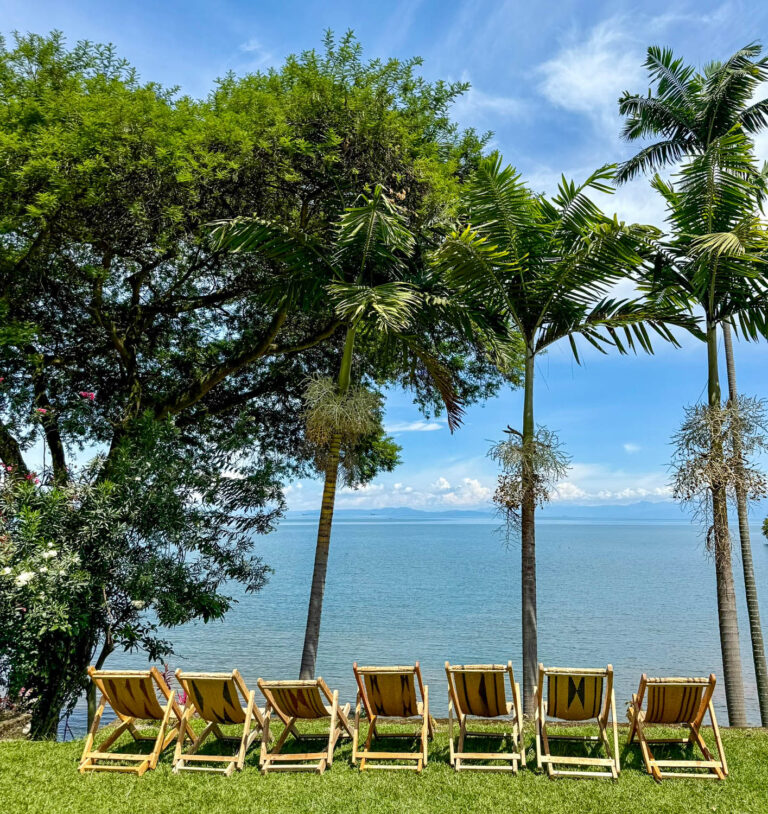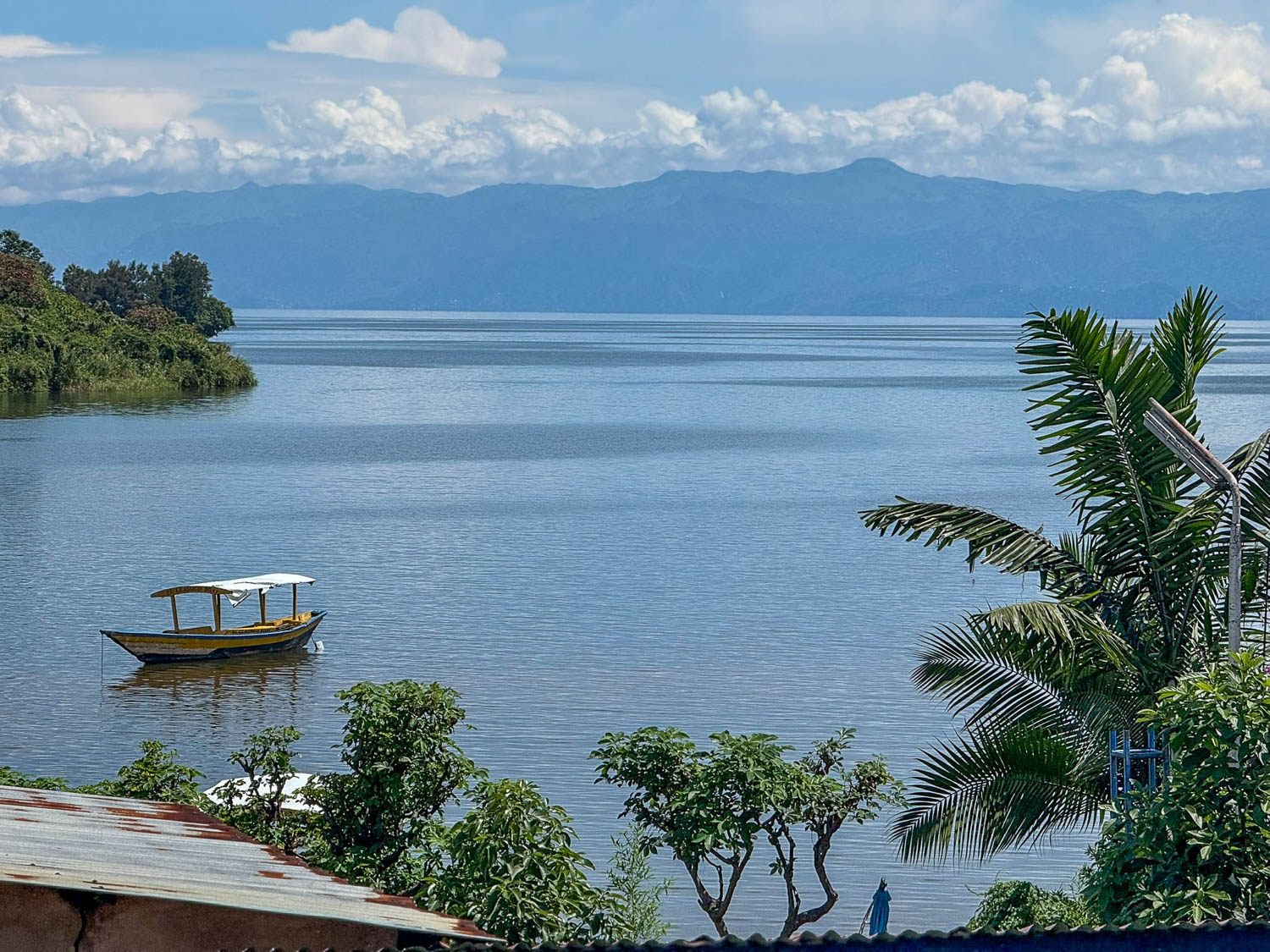
Located on the border between the Democratic Republic of the Congo and Rwanda, Lake Kivu is one of the most breathtaking and complex bodies of water in East Africa. Its mirror-like surface, flanked by emerald hills and ancient volcanic activity, hides both remarkable beauty and untold power. As one of the African Great Lakes – and one of the seven largest lakes in Africa – this awe-inspiring natural wonder calls to the adventurous, as well as to the curious. But with stories of methane gas, carbon dioxide, and the potential for limnic eruptions, travelers often wonder: is Lake Kivu safe to visit?
Let us take you beyond the headlines and into the heart of one of Africa’s most enigmatic lakes. We’ll unpack the science, the history, and the risks – and we’ll share with you the remarkable strides made by Rwanda toward safety and sustainability in the region.
Whether you’re chasing geothermal wonders, planning a serene lakeside escape, or diving deep into global environmental narratives, Lake Kivu has a story worth discovering.
Note: We’ve also written an in-depth article on things to see and do in and around Lake Kivu – make sure to check it out!
Quick Tips
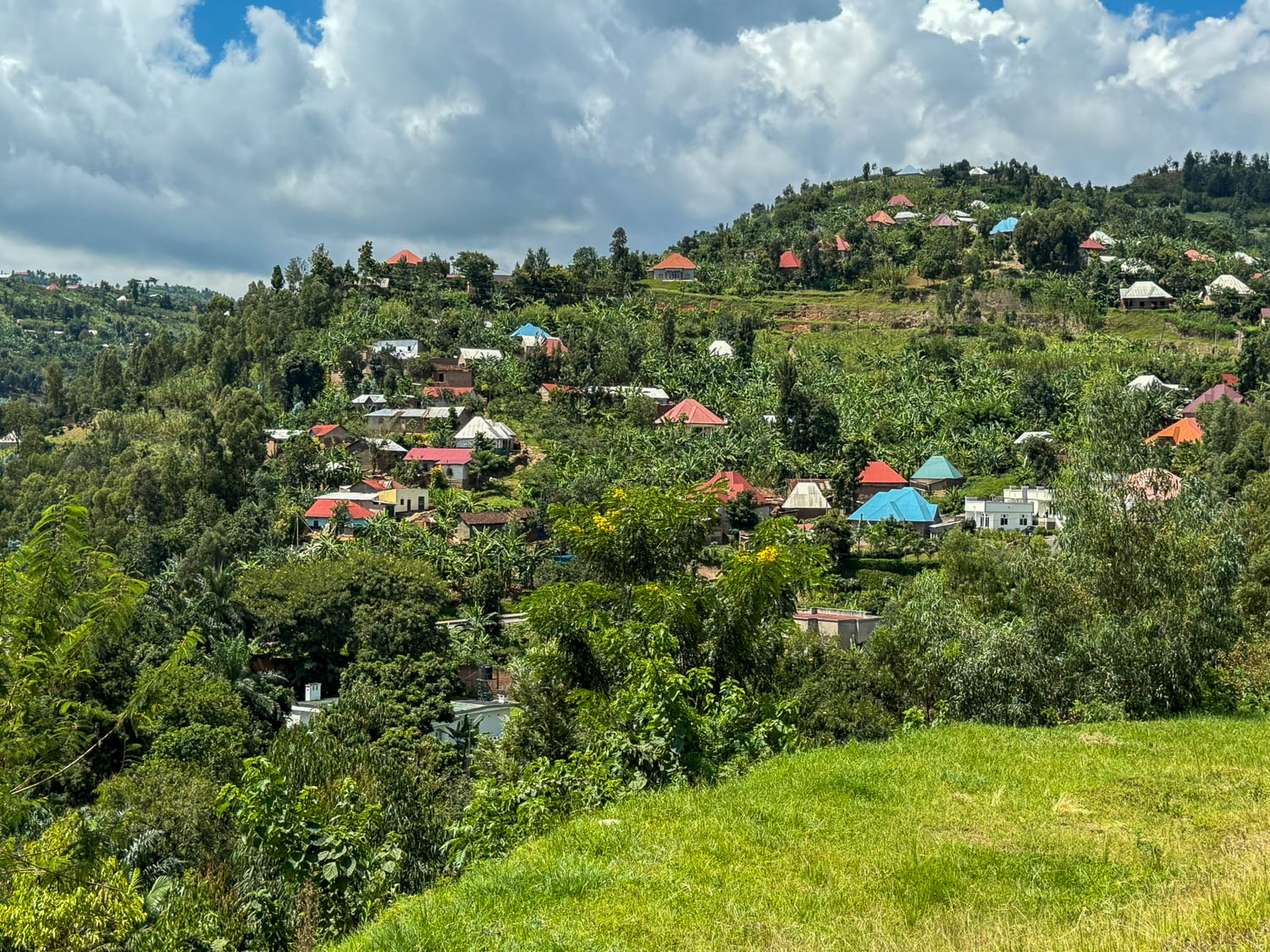
Here are some insider tips to help you make the most of your visit to Lake Kivu, Rwanda.
- Lake Kivu sits within the Albertine Rift in western Rwanda, surrounded by mountains, fault lines, and active volcanoes.
- Lake Kivu is one of only four lakes in the world that can experience a rare limnic eruption.
- Constant monitoring of the lake means the risk for such an eruption is currently very low.
- Swimming, boating, and other watersports are safe on Lake Kivu’s surface.
- Lake Kivu’s methane gas is currently being harvested through various sustainable energy projects.
- Enjoy a speedboat ride from Kibuye to see the unique floating methane gas extraction platform.
- Lake Kivu supports a major fishing industry within Rwanda, with sardines and tilapia amongst the most important catches for local communities.
- Other wildlife abounds within and around the lake, including birds, mammals, invertebrates, reptiles, amphibians and plants, each depending on the lake’s ecosystem for survival.
- Various conservation groups are actively working to protect and preserve Lake Kivu’s delicate ecosystem.
Follow these tips and you’ll be ready to visit Lake Kivu, Rwanda!
Plan Your Trip
Some links below may earn us a small commission at no extra cost to you. We’re truly grateful for your support, as it allows us to continue sharing meaningful travel experiences and practical travel insights with you. Read our full disclosure here.
Planning your visit? We’ve gathered recommended tours and activities, along with trusted travel tools, to help you explore with confidence and ease.
Tours & Experiences
Prefer additional options? Click below to discover more incredible experiences tailored just for you!
Browse top Attractions and Activities in Rwanda.
Travel Essentials
Planning the rest of your trip? These are the platforms we personally use when organizing our travels. For more planning tools, visit our Travel Resources page or browse current promotions on our Travel Deals page.
The Science and Geology Behind Lake Kivu’s Mystery
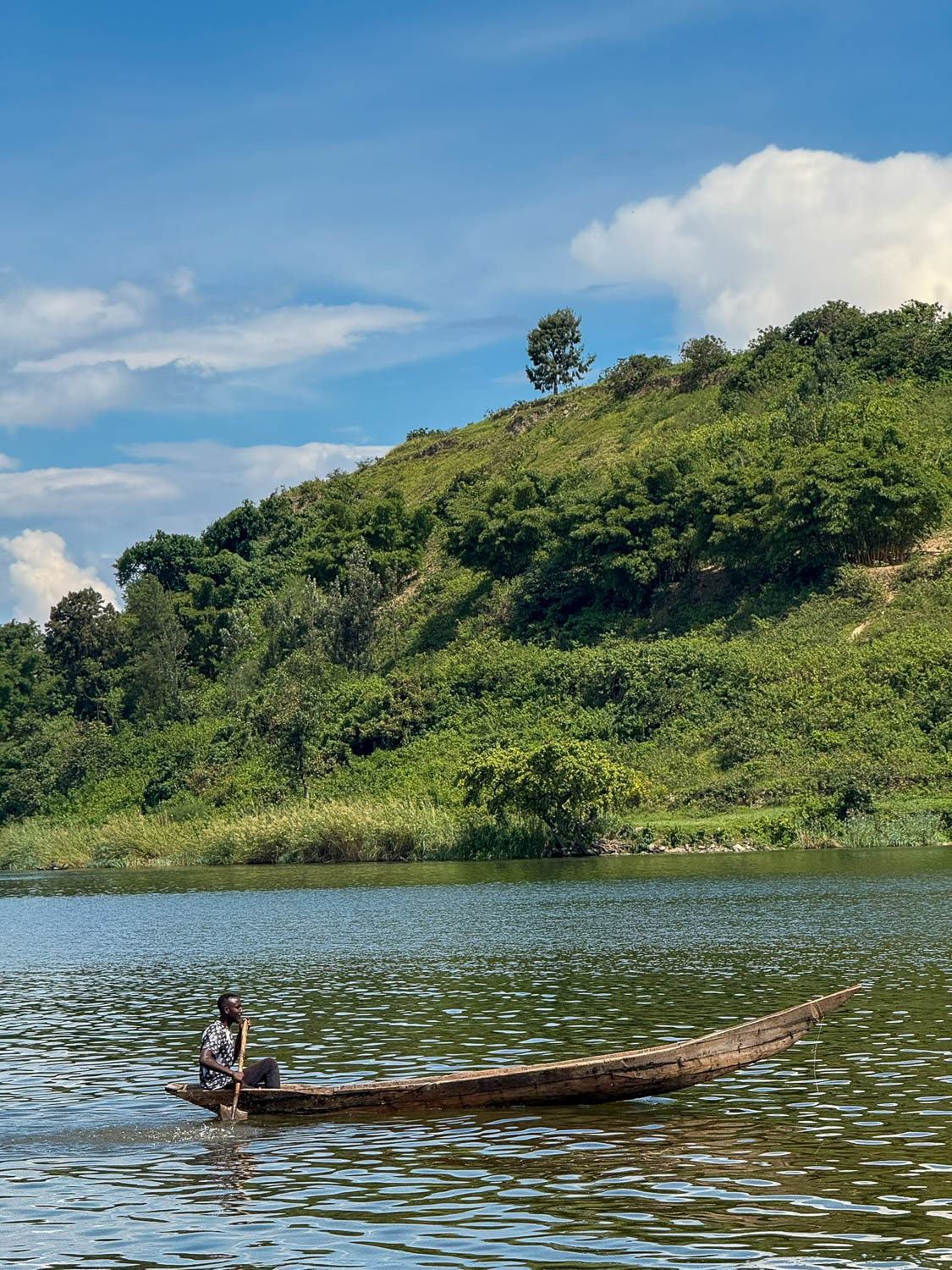
A Lake Born of Fire and Rift
The Albertine Rift is the western branch of the East African Rift Valley. It’s here you’ll find one of the most geologically active areas on earth, where tectonic plates continue to shift, and have reshaped the landscape over millennia.
Lake Kivu lies within the Albertine Rift, occupying its own rift basin, surrounded by mountains, fault lines, and active volcanoes – including the infamous Mount Nyiragongo. Unlike the majority of lakes on our planet, Lake Kivu is one of only four lakes in the world capable of experiencing rare, catastrophic limnic eruptions (the other three are Lake Nyos and Lake Monoun (both in Cameroon), and Lake Albano (in Italy, just southeast of Rome)): these events involve the sudden release of dissolved carbon dioxide and methane from within the deeper layers of the lake. The fear for human settlements lies in the silent build-up of these gases, which could – under the right conditions (for example, an earthquake or other volcanic activity) – become unstable, releasing large amounts of deadly gases into the atmosphere in a single, explosive moment (sounds intense, we know!).
What Makes Lake Kivu So Different To Other Lakes?
Okay, so we know Lake Kivu is susceptible to limnic eruptions, separating it from most other lakes on earth. But what does this really mean?
Lake Kivu has an average depth of 220m (722ft). Its deep waters are naturally stratified (that is, the water within the lake can separate into distinct layers with different properties), trapping carbon dioxide and methane into cubic miles of pressure beneath the surface. Unlike the short rains and seasonal changes that stir shallower lakes, Lake Kivu’s depth and geothermal features create a long-term separation of these stratified layers. Add volcanic hot springs, organic matter, and sediment from erosion, and you have the perfect ingredients for gas accumulation.
Scientists from the University of Minnesota Duluth, including Belarusian limnologist Sergei Katsev, have studied this unusual balance extensively. Their work, along with institutions that include the Swiss Federal Institute of Aquatic Science and Technology (Eawag), helps monitor the gas concentrations within Lake Kivu, including tracking any potential signs of instability.
The Risk Factors: Should You Be Concerned?
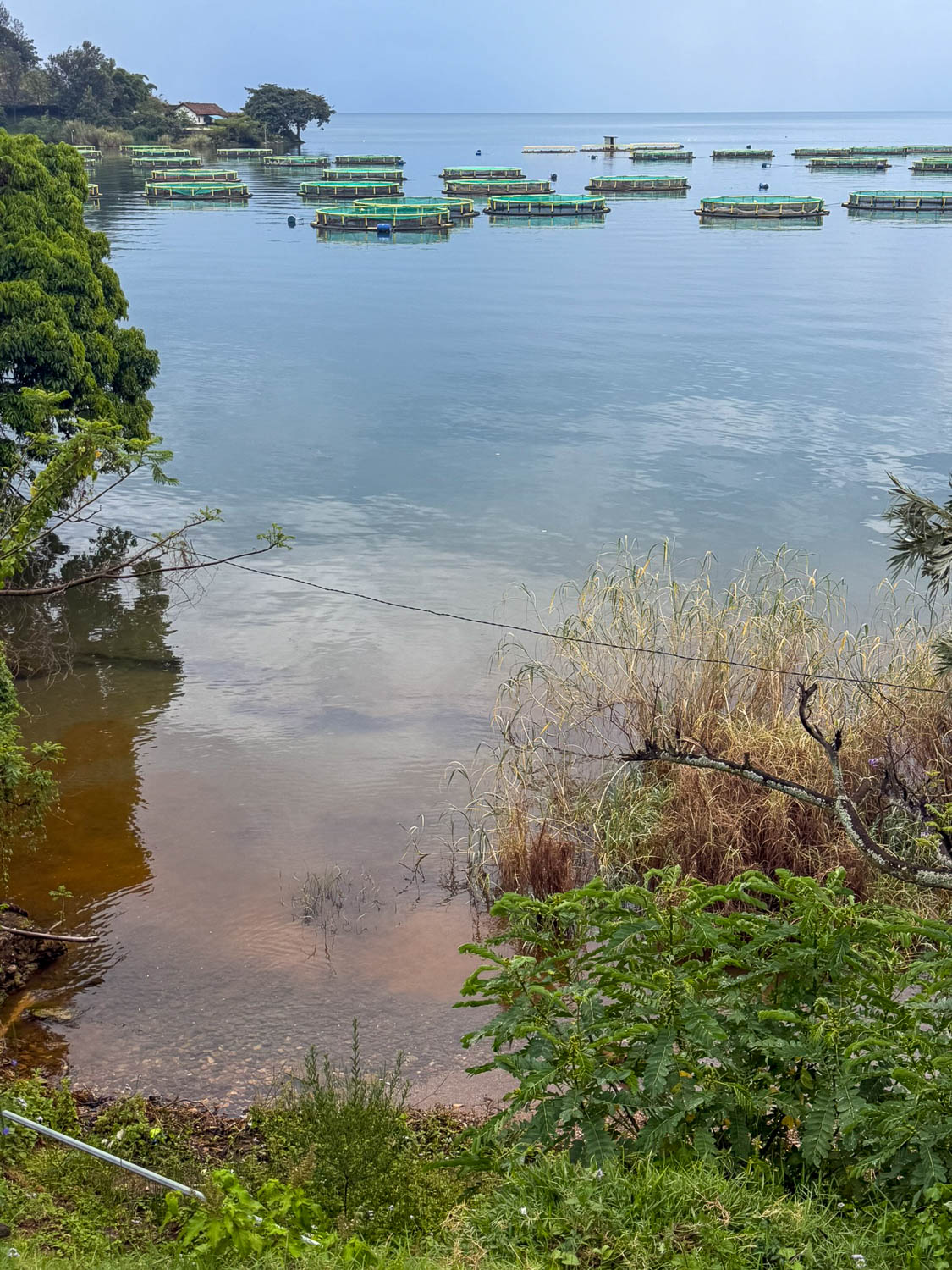
Understanding Limnic Eruptions and Gas Release
A limnic eruption – as rare as they are – could, in theory, displace the oxygen in the air (because dissolved carbon dioxide is heavier than air), spreading across the land, and in turn suffocating wildlife and people caught anywhere in the path of this deadly gas cloud – including along the lake’s shores.
The Risk to Locals and Visitors
This being said, experts emphasize that the current risk for such an eruption at Lake Kivu is low, due mainly to consistent monitoring and controlled methane extraction projects. This explains the ongoing stench of methane gas we noticed at several points along the lake’s shoreline!
The Rwandan government, in conjunction with international scientists, are working to avoid any compromise of safety to local communities and visitors within the Lake Kivu region. Surveillance systems are constantly recording the depths, temperature, and pressure at the bottom of the lake to predict any potential gas release. The primary possible triggers for an eruption are a landslide, earthquake, or a volcanic eruption within close proximity to the lake (or indeed within the lake itself).
KivuWatt and the Promise of Renewable Energy
Projects that include the KivuWatt Project are leading the charge in a power generation initiative that is turning Lake Kivu’s methane into clean energy. First envisioned by South African engineer Philip Morkel (the Founder and CEO of Hydragas Energy) many years ago, this project extracts methane from the lake, transports it via submerged pipeline to an onshore power plant, converts it to electricity, and then returns degassed water to the lake to ensure balance is maintained.
Insider tip. Interested in seeing the large, unique floating gas extraction platform on Lake Kivu? It’s located less than 14km (8.7mi) from the shore of Kibuye and can be reached by a 20-minute speedboat ride from the shore.
Fun fact. The onshore power plant provides a significant amount of electricity to the Rwandan grid. The first phase generated 26MW of electrical power, with aspirations to produce electricity on an even grander scale.
Another fun fact. The extracted gas from Lake Kivu was once used to fuel boilers at the Bralirwa Brewery in Gisenyi, a town on the north shore of the lake, and the second largest city in Rwanda.
Whilst this may sound like a project in commercial exploitation, it’s actually a vital solution. This unique project is, in essence, turning a potential environmental hazard into a source of renewable energy – and, in turn, helping to mitigate the risk of a potential natural disaster through limnic eruption. The gas extraction prevents pressure build-up and repurposes the gas as a renewable energy source, reducing regional reliance on fossil fuels and stabilizing the country’s electrical grid.
Whilst some expansions of the KivuWatt project remain on hold at this time due to fluctuating demand, small scale projects continue to contribute meaningfully to energy stability in the region.
Climate Change, Population and Environmental Concerns

Like many ecosystems across Africa, Lake Kivu is also under pressure from climate change, population growth rates, and unsustainable development. The shores of Lake Kivu have some of the highest population densities in Africa, with almost 6 million people relying directly on the lake for their livelihoods. Lake Kivu is the largest local source of fish for the country, and a key energy source for the region (thank you, smelly methane gas!).
Intensive agriculture and deforestation (including the introduction of eucalyptus trees), together with poor land management, have caused soil erosion and sedimentation. In turn, heavy rains contribute to rivers carrying more debris into the lake, altering its fragile chemistry. The deciduous evergreen forests around Lake Kivu also face threats from expanding farmland and development.
The Economic and Ecological Importance of Lake Kivu
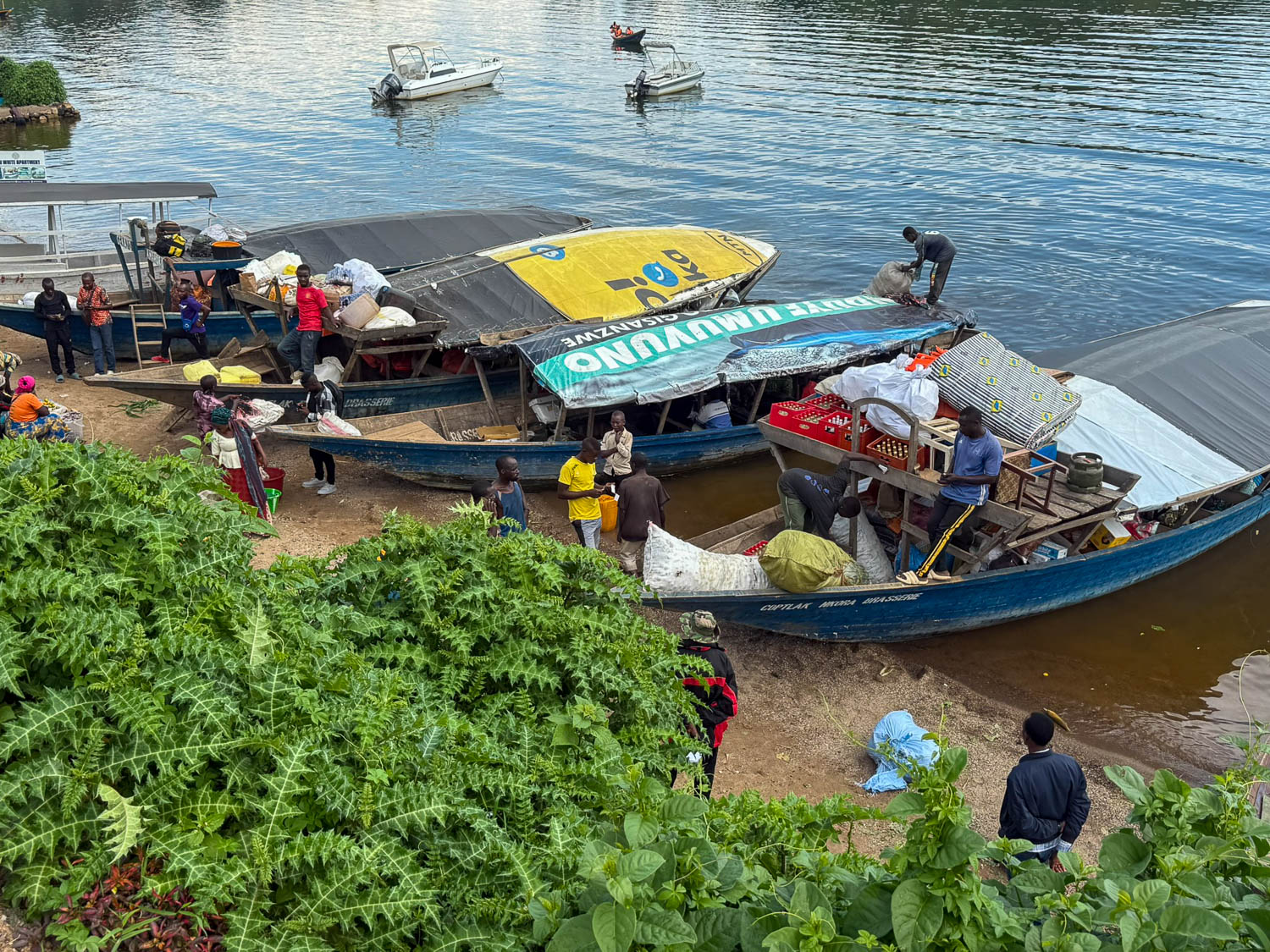
Beyond its geological fame, Lake Kivu holds immense value for the surrounding communities. The lake’s fish populations support a vibrant fishing economy, with locals harvesting over 21,000 tons (that’s more than 19 million kilos!) of fish annually. The most common catch from the lake are Lake Kivu sardines (an introduced species, caught using lift nets), Nile tilapia (caught using gill nets), and Kivu giant catfish.
Other wildlife abound within and around the lake, including birds (the wider region is home to over 400 different species, whilst Lake Kivu itself has a recorded 80 species), mammals (including endemic rodents and various squirrel species), invertebrates (over 50 different species), reptiles (lots of beautiful snakes!), amphibians (including the Kivu Clawed Frog – that’s right folks, you heard it correctly … a frog with claws!), and plants (just over 140 species) – each depending on the lake’s ecosystem for survival.
The Ongoing Role of Science and Conservation
The effort to actively protect Lake Kivu continues through the work of organizations that include the Lake Kivu Advisory Group, the Albertine Rift Conservation Society, and the Living Lakes Biodiversity and Climate Project. The restoration activities performed by these all-important institutions – particularly in the Koko River basin (the Koko River in Rwanda’s Rutsiro District is a major inflow to Lake Kivu) – focus on the intersection of biodiversity, community needs, and long-term resilience.
Weekly monitoring and scientific analyses of the lake are used to examine Lake Kivu’s dynamics, optimize gas extraction efficiency, and ultimately ensure the lake’s stability is maintained. As more data becomes available from additional profiles and further studies, international bodies can better assess how climate change and gas harvesting affect the critical ecosystem found within, and around, Lake Kivu – as well as ecosystems similar to it.
Ongoing research and monitoring, including that carried out by the aforementioned organizations, are a testament to what can happen when science, local leadership, and sustainable development come together as one. The hope is that Lake Kivu will remain not just safe, but also a global model for the balancing of technological advancement, economic development, and natural preservation.
Things to See and Do Around Lake Kivu
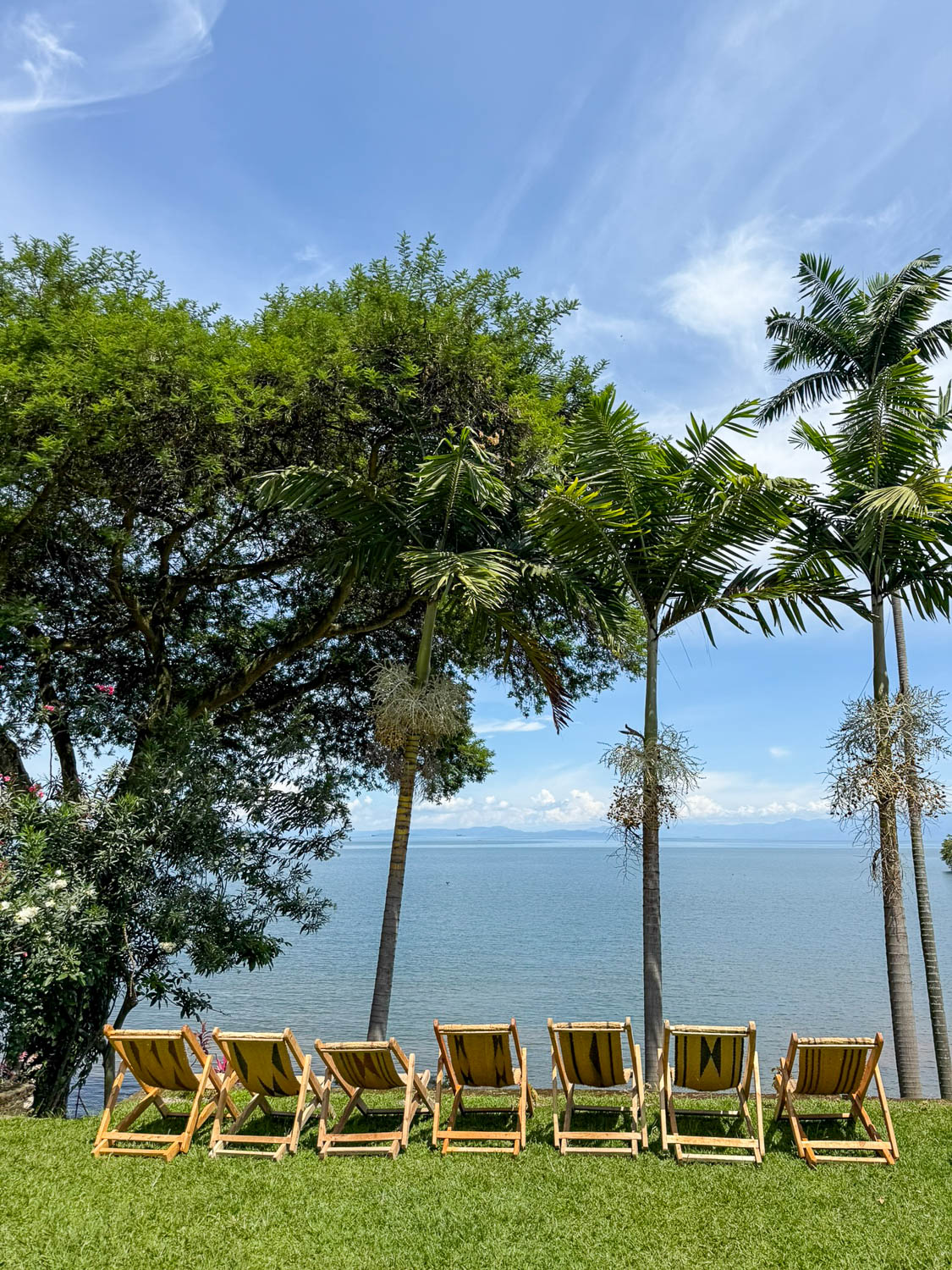
The shores of Lake Kivu provide plenty of activities for visitors during their time in the region. We’ve written an in-depth article on things to see and do in and around Lake Kivu, which provides a more detailed overview of the following:
- the old colonial mansions that adorn the resort town of Gisenyi (Rubavu)
- peace and quiet in Kibuye (Karongi)
- boat rides (why not take a boat ride out to Napoleon Island, known for its large fruit bat population?)
- water sports
- swimming (see more below on this…)
- fishing
- natural hot springs
- hiking (including along a section of the Congo Nile Trail)
- local markets
- lakeshore hotels and trendy bars
- relaxation and simply taking in the stunning views

There’s plenty to help fill more than a day or two on the shores of Lake Kivu: in this fascinating part of Rwanda you’ll receive a recipe for low-key adventure, even as geothermal science churns below.
Is It Safe to Swim in Lake Kivu?
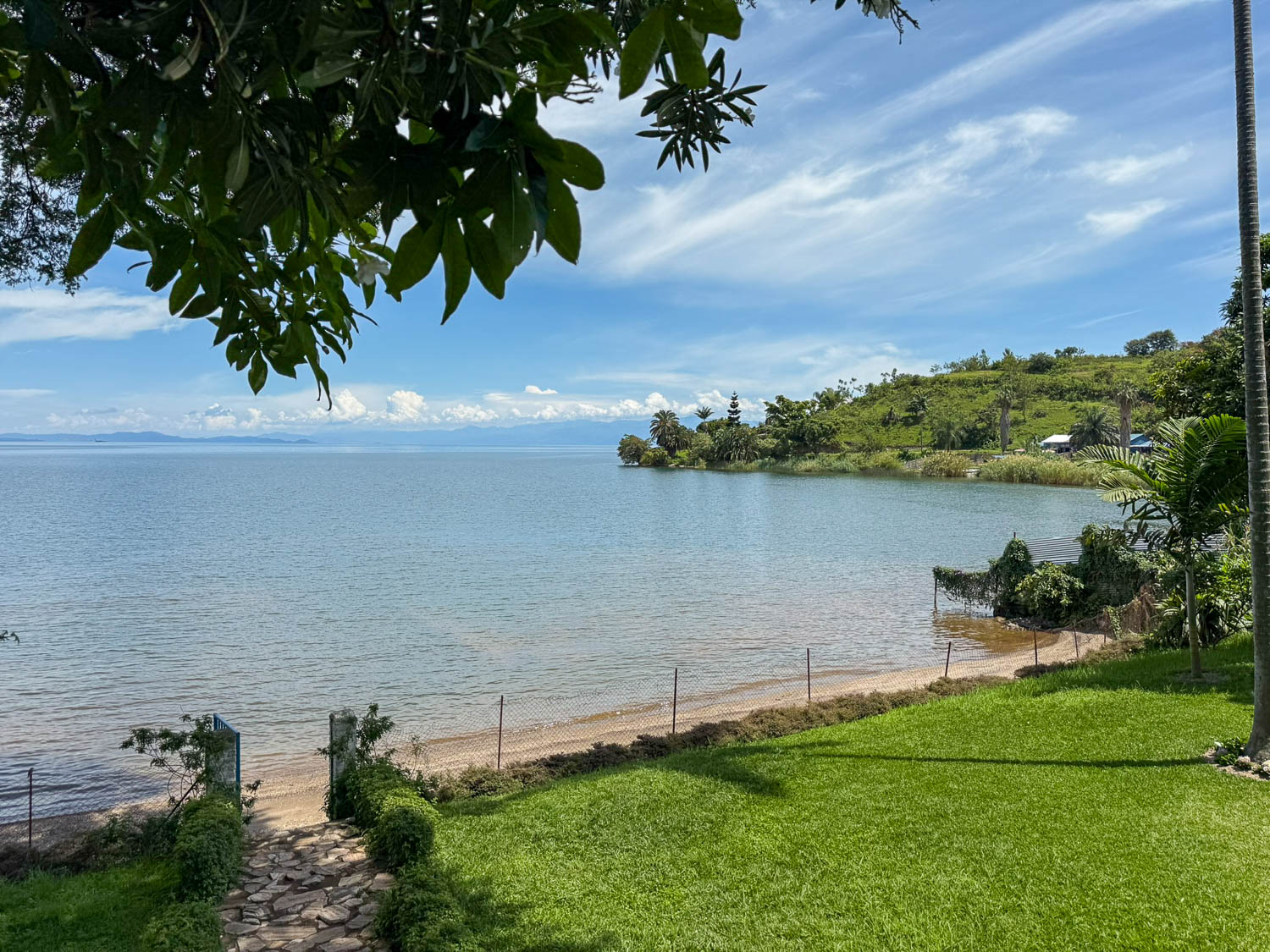
This is one of the biggest questions – and, perhaps even fears – visitors have when visiting Lake Kivu. I mean, it’s a very legitimate question, right? Considering all you’ve just learnt about the geothermal gases bubbling right below the surface – gases that could potentially explode at any given moment…
But fear not, fellow travellers, you can absolutely swim in Lake Kivu! And indeed we did, several times. The surface of Lake Kivu is entirely safe for swimming, boating, and other water-based recreational activities. The danger lies in its deep, stratified layers — which isn’t where you’ll need to venture any way!
And okay, so yes, there are several different species of reptiles found within Lake Kivu’s vibrant ecosystem – six in total, to be precise, including bitis nasicornis (a viper snake, which Beck thinks is truly beautiful, but Mike isn’t so sure…), various amphibians and invertebrates … but don’t worry, there aren’t any crocodiles anywhere near Lake Kivu!
Insider tip. If you do choose to swim in the lake, make sure you’re heeding local advice on currents. We wouldn’t want anyone to be dragged away by an unforeseen current and taken further out (or down) as is safe.
Final Thoughts
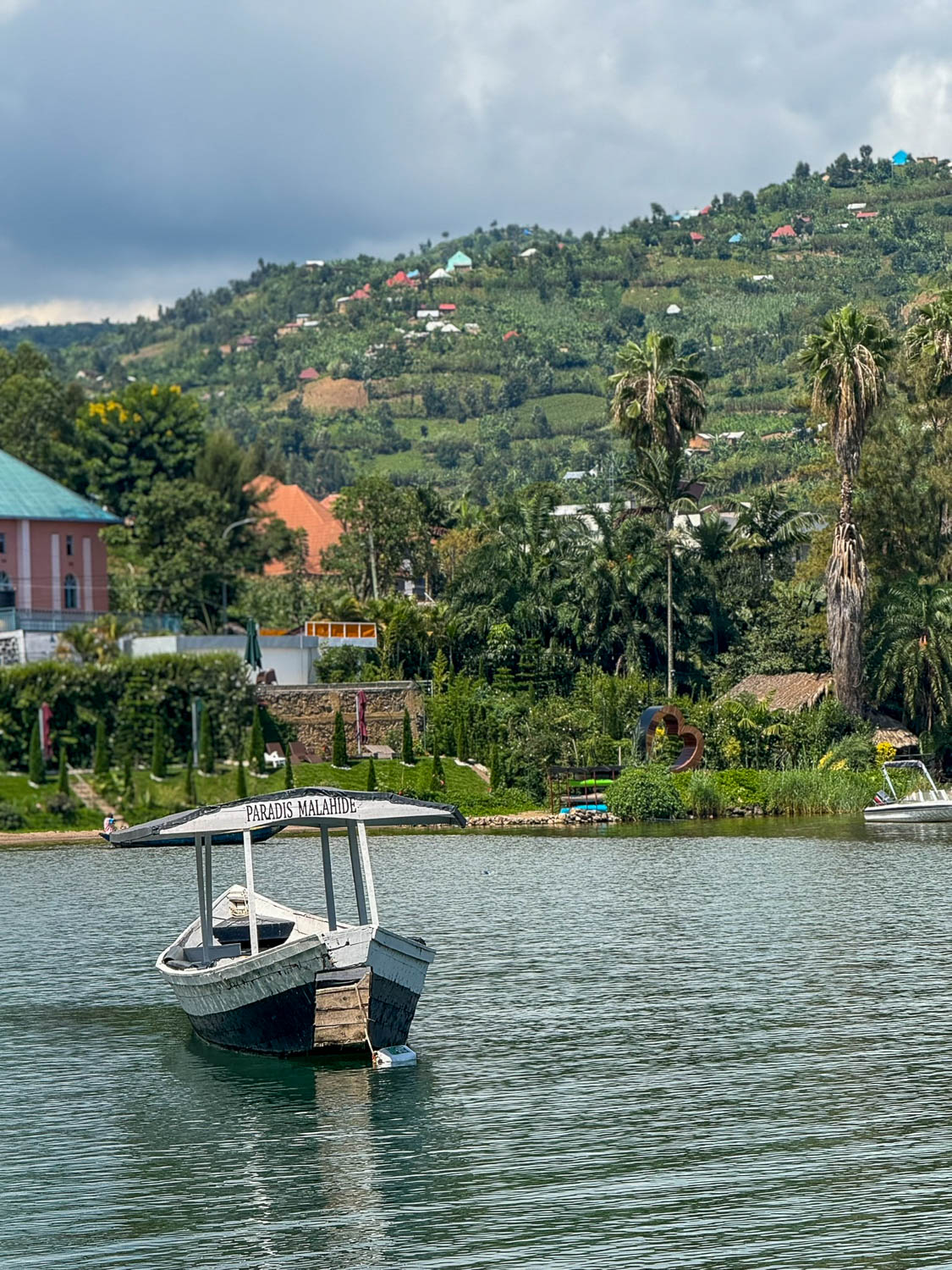
The magnificent body of water that is Lake Kivu is more than a scientific curiosity or an environmental case study: it’s a lifeline, a legend, and a legacy in motion. It is also an essential player in the future of Africa’s energy production, a haven for biodiversity, and a place where the natural world and human innovation are learning to coexist.
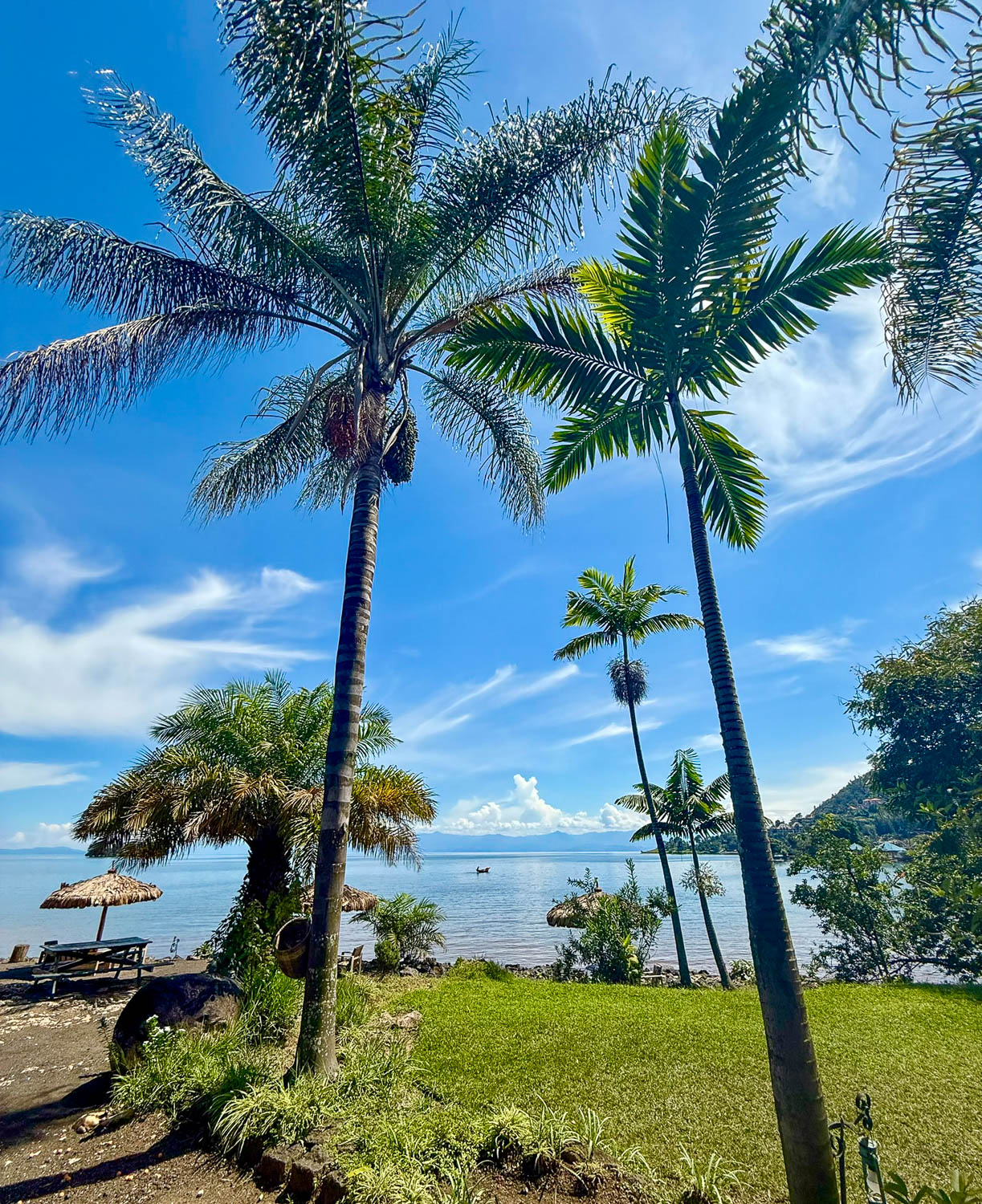
If you are considering visiting Lake Kivu, know this: the lake’s surface is serene, the communities are welcoming, and the experience in and around the lake is unforgettable. Whether you’re soaking in hot springs, exploring the shores of old colonial towns, sipping cool drinks beneath swaying palm trees, or simply marveling at the lake’s beauty, you’re stepping into one of the most unique environments on earth.
So to answer the big question? Yes, Lake Kivu is safe to visit. Sure, Lake Kivu might erupt one day … and there’s a fragile balance between harnessing potentially deadly methane gases for good and protecting local communities … but it’s also here that you’ll find a country dedicated to building a model of resource utilization and risk management, aimed at turning a potential hazard into a sustainable energy source and a strong driver of economic development in the area.
Just as we did, don’t be afraid to head out west from Kigali to the stunning Lake Kivu – just make sure to pack your curiosity and your camera, and get ready to experience a place where adventure, science, and serenity meet in harmony.
FAQs
Is Lake Kivu safe to visit?
Yes, Lake Kivu is considered safe to visit. The lake is continuously monitored by scientists and authorities, and current conditions make it safe for travelers to enjoy activities like swimming, boating, and lakeside stays.
Is it safe to swim in Lake Kivu?
Yes, it is safe to swim in Lake Kivu. The lake’s surface waters are stable and widely used for swimming and recreation, with no crocodiles and minimal risk when following local guidance.
Can Lake Kivu erupt or explode?
Lake Kivu is one of a few lakes in the world capable of a rare limnic eruption, but the risk is currently very low. Ongoing monitoring and methane extraction projects help maintain stability and reduce any potential danger.
Why does Lake Kivu contain methane gas?
Lake Kivu contains methane gas due to its volcanic geology and deep, layered waters. Natural processes trap gases beneath the surface, which are now safely managed and even used as a renewable energy source.
What precautions should travelers take when visiting Lake Kivu?
Travelers should follow standard local advice, especially when swimming or boating, and stay informed through guides or accommodations. Beyond that, visiting Lake Kivu is no different from enjoying any major lake destination.
Explore More Of Rwanda
-
Savor Traditional Rwandan Cuisine: Top Dishes to Try
Discover the rich flavors of Rwandan cuisine — from comforting staples to must-try dishes like Isombe, Agatogo, brochettes, and Mizuzu.
-
Your Guide to the Best Things to Do in Kigali, Rwanda
Kigali, Rwanda’s capital, blends history, culture, and modern energy. This guide to the best things to do in Kigali covers top attractions, vibrant neighborhoods, local markets, coffee culture, and day trips across Rwanda.
-
Akagera National Park: A Must Visit When In Rwanda
Explore Akagera National Park in Rwanda—home to the Big Five, scenic game drives, and Lake Ihema boat safaris. Discover top things to do and plan your perfect visit.
-
Lake Kivu, Rwanda: Top Things To Do and Travel Guide
Lake Kivu, Rwanda is one of Africa’s most scenic Great Lakes, known for its calm waters and lush hills. Discover the best things to do, from boat cruises and island visits to exploring lakeside towns like Gisenyi and Kibuye.
-
Musanze, Rwanda: Explore the Best Things To Do
Discover Musanze, Rwanda’s gateway to Volcanoes National Park. This guide covers gorilla trekking, the best things to do in Musanze, cultural experiences, lava caves, hiking, and the twin lakes.