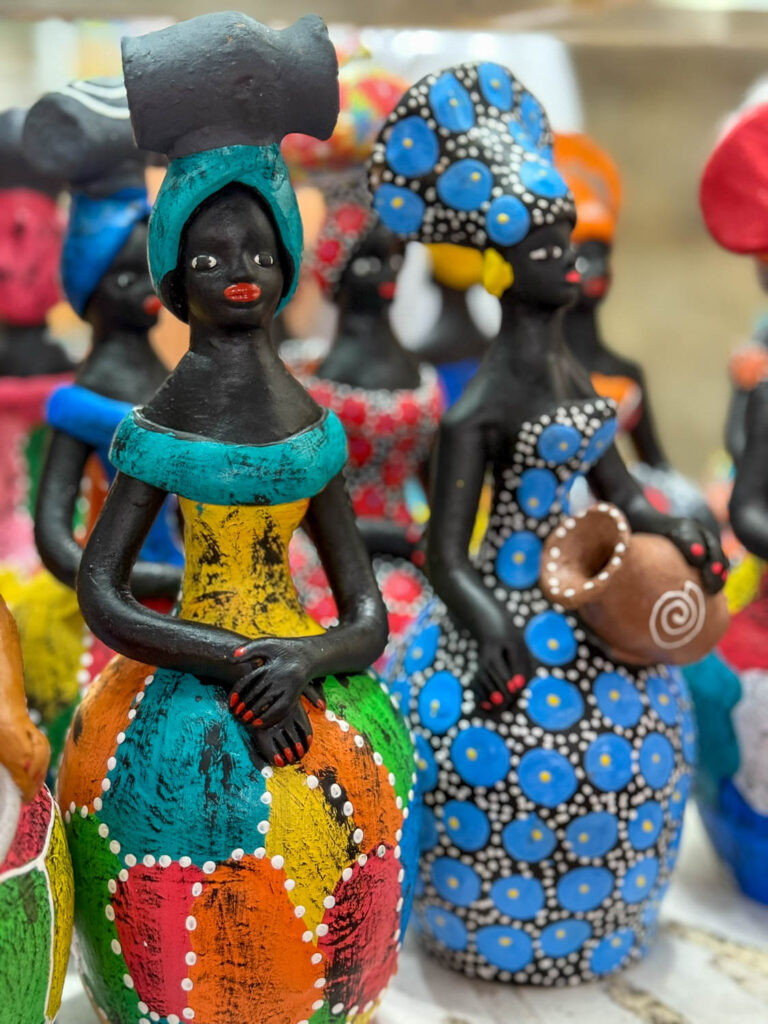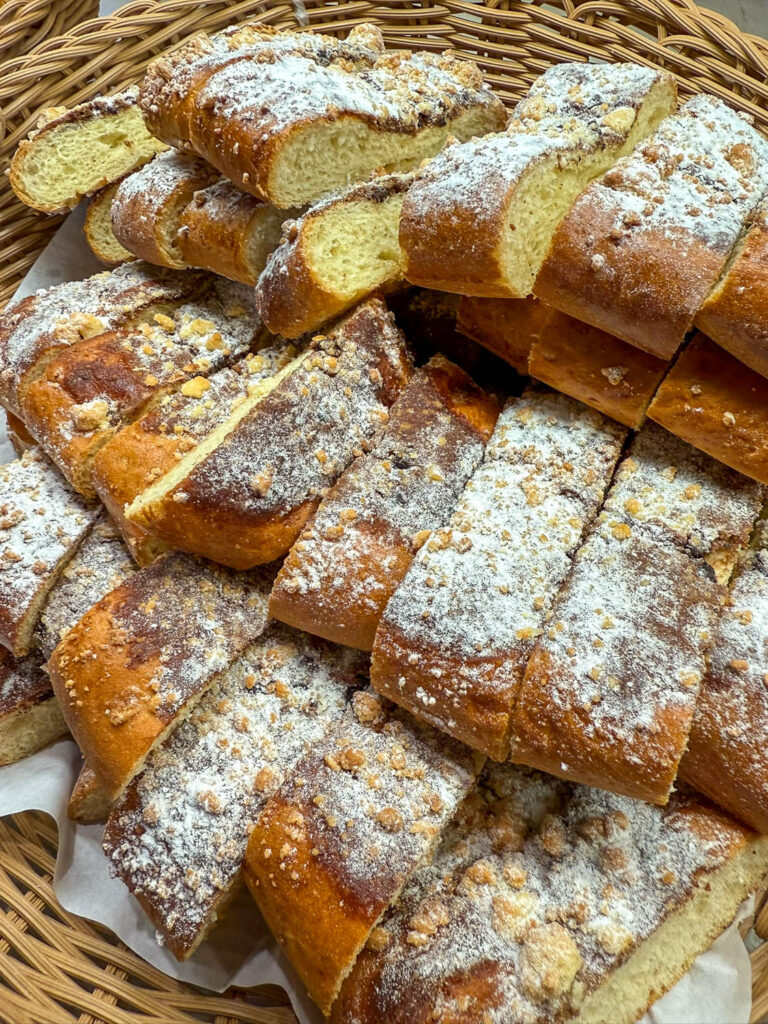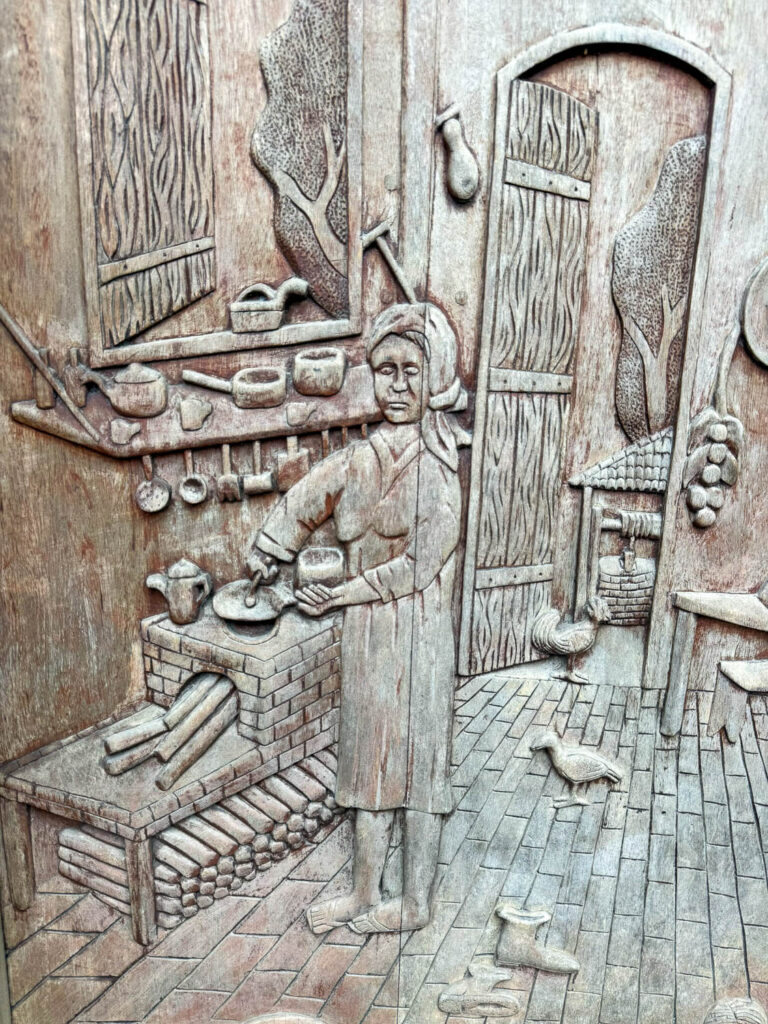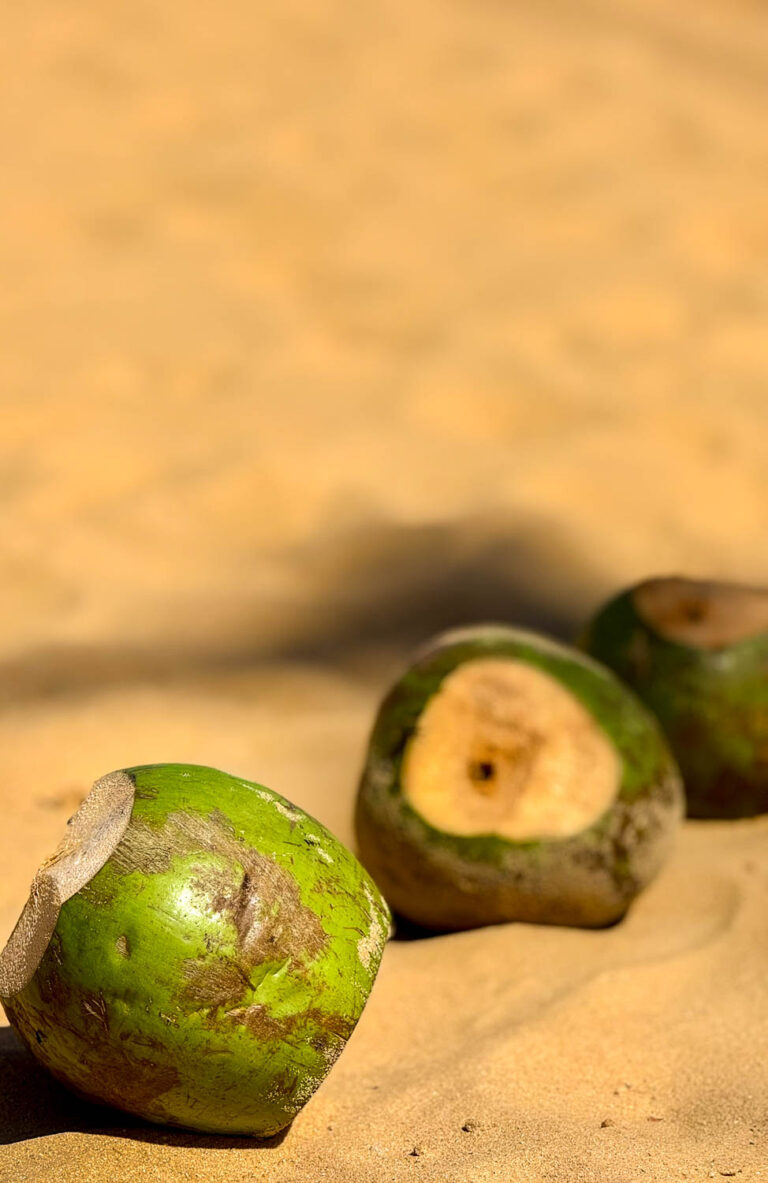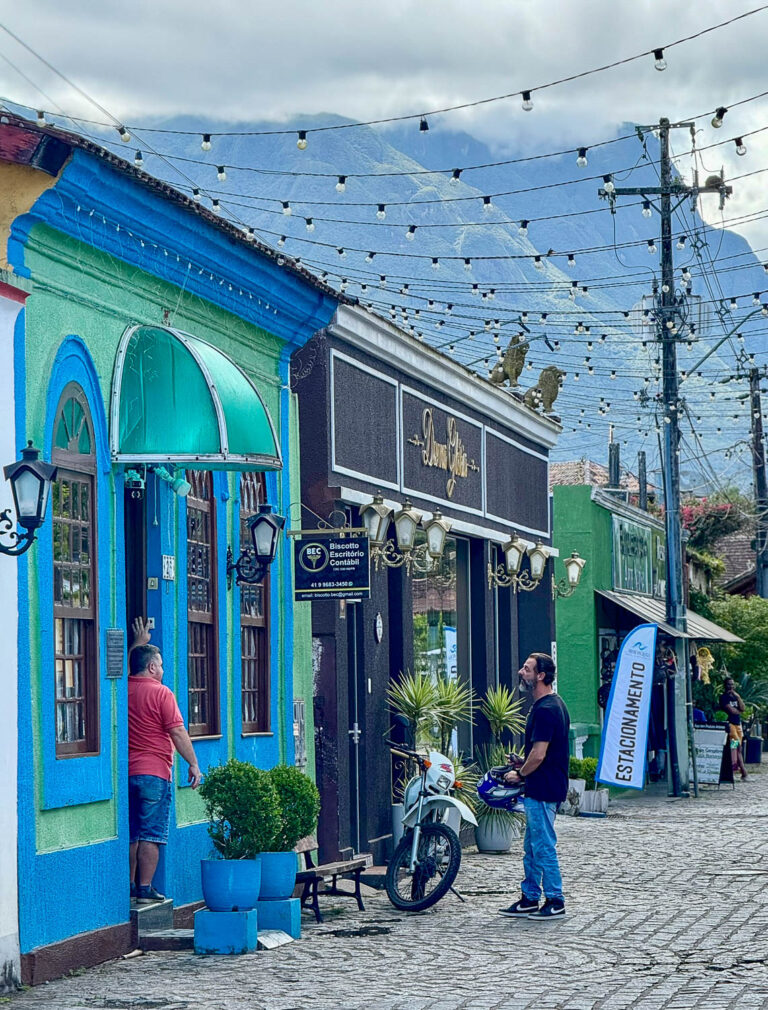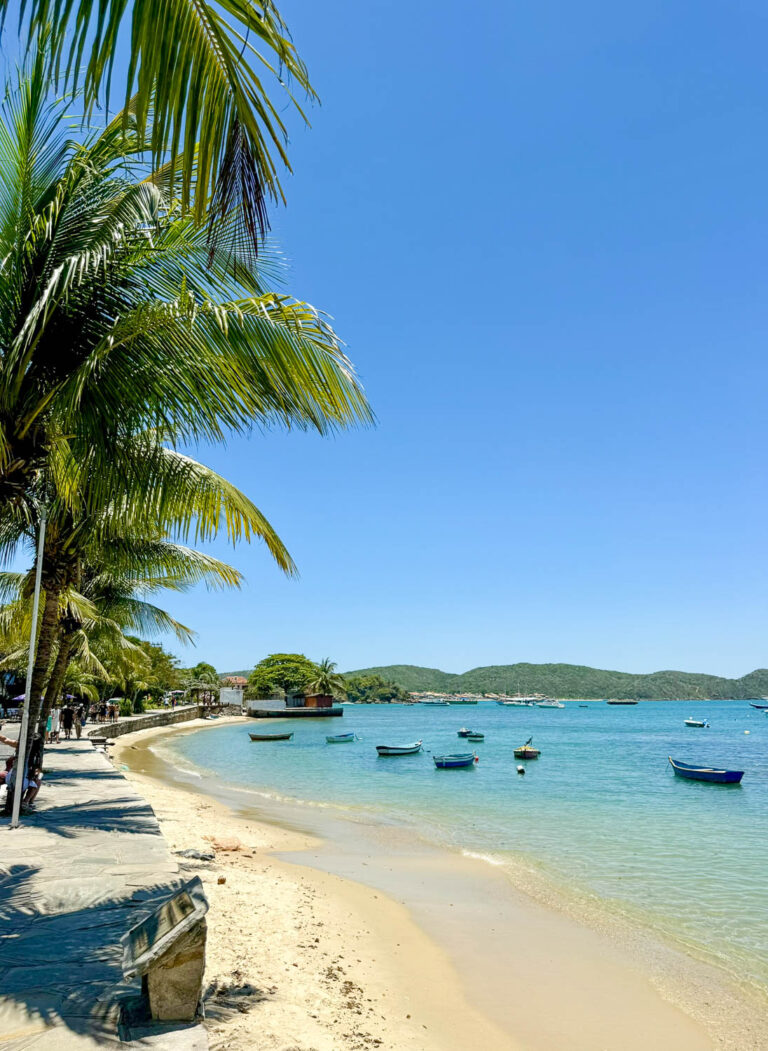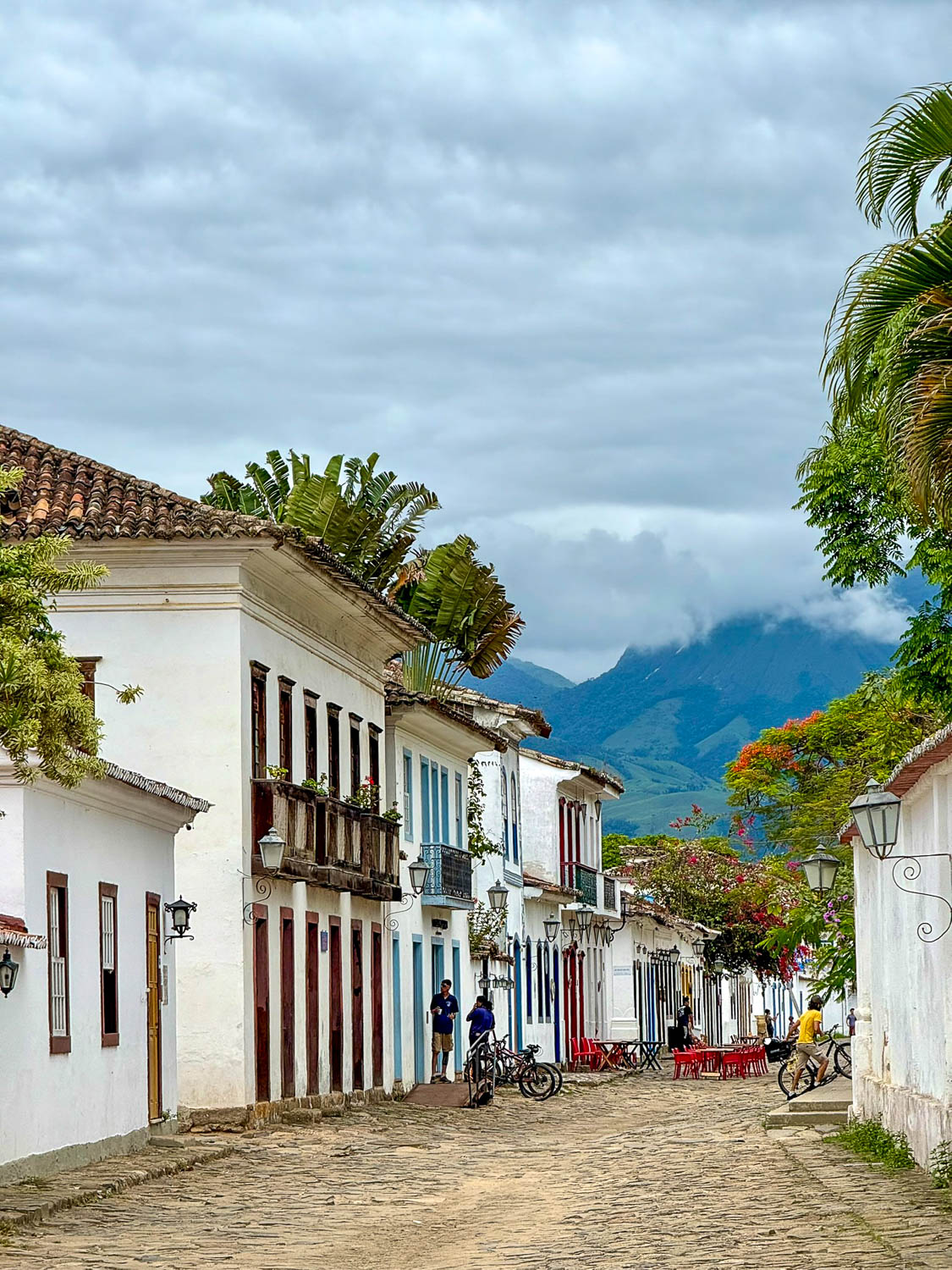
Set along Brazil’s lush Costa Verde, the coastal town of Paraty is one of those beautifully rare destinations where history, culture, and natural beauty blend seamlessly. This colonial town has earned its reputation as one of the most charming spots in Rio de Janeiro state, drawing visitors from across South America and beyond. The allure begins with its historic center, where cobbled streets, colorful doors, and carefully preserved historical buildings create a living museum under open skies.
Needless to say, we fell in love immediately.
Of course, Paraty isn’t just about the past. This incredible town is framed by rainforest-clad mountains, fringed with secluded beaches, and surrounded by tropical islands scattered across Paraty Bay. A trip here often includes wandering between art galleries, coffee shops and characterful restaurants (and then more art galleries) in the historic old town, heading out on a boat trip to discover Brazil’s only tropical fjord (Saco do Mamanguá), or savoring fresh seafood whilst listening to live music in a cobblestoned square.
Designated a UNESCO World Heritage Site in 2019, Paraty is recognized not only for its preserved colonial town, but also for the Atlantic Forest and coastal landscapes that surround it. This rare blend of culture, history and nature shapes much of the experience here and helps explain Paraty’s carefully preserved character.
Read on, fellow wanderers, as we share with you why we feel Paraty continues to charm travelers and invites a slower pace of exploration … and indeed some of the moments, places, and small details that make Paraty such a rewarding stop along Brazil’s Costa Verde.
Quick Tips
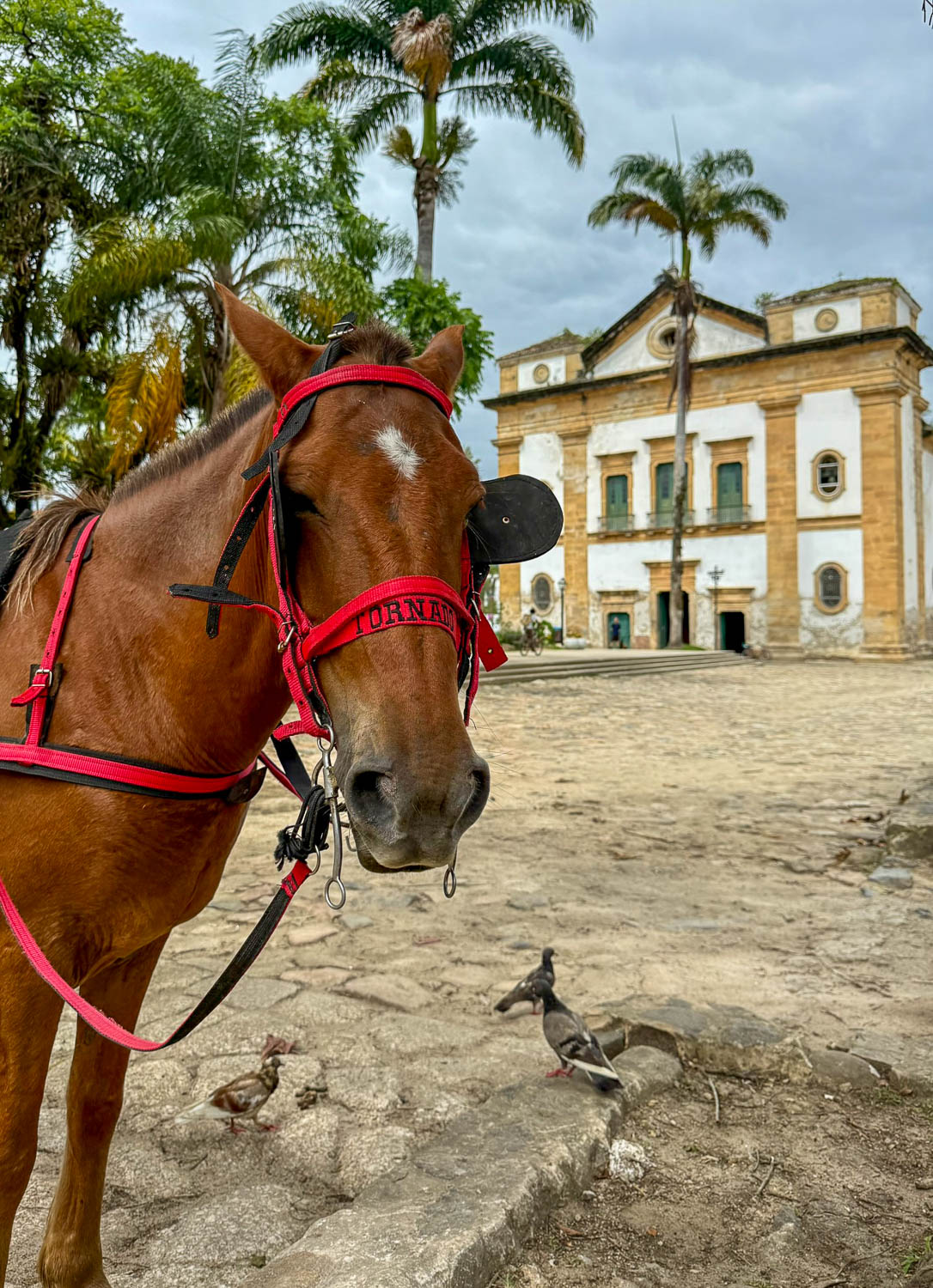
- Paraty sits about 4 hours by road from Rio de Janeiro and about 5 hours from São Paulo. Most visitors arrive by bus or car from either city.
- Paraty can be visited at any time of year.
- Getting around Paraty is easy: the historic center is compact and largely pedestrian-only, whilst other sights can be reached by taxi, rideshare, boat, or on a private or group tour.
- The historic center of Paraty is its main attraction, with cobbled streets, historical buildings, and colorful doors that showcase Brazil’s colonial town heritage.
- Boat trips to discover Paraty Bay, tropical islands, and white sand beaches are also a popular excursion from Paraty.
- The coastline around Paraty is dotted with more than 60 beaches, with Sono Beach, Trindade Beach, Paraty Mirim and Jabaquara Beach generally having the most appeal for visitors.
- Hiking the Gold Trail (Caminho do Ouro) affords visitors a glimpse into the history of the region, passing by waterfalls, shaded forest corridors, and quiet clearings.
- Half- and full-day trips outside the historic center are popular, including visits to nearby Indigenous communities, Angra dos Reis, Ilha dos Meros, Serra da Bocaina National Park, and a drive along the historic Gold Rush Route.
- Beyond its sights and stunning natural scenery, daily life in Paraty unfolds through its network of small shops and artisan boutiques, relaxed dining, and evenings that reflect the town’s easygoing pace.
- Several festivals, including the annual Paraty International Literary Festival, are woven into the fabric of Paraty, shaping the town’s rhythm throughout the year.
- Accommodations in Paraty reflect the town’s charm, history and relaxed pace, with a strong emphasis on smaller, locally-run properties.
- Compared with some of Brazil’s larger cities, Paraty is widely regarded as a safe place for visitors (just watch out for the occasional flooded street during high tide!).
Plan Your Trip
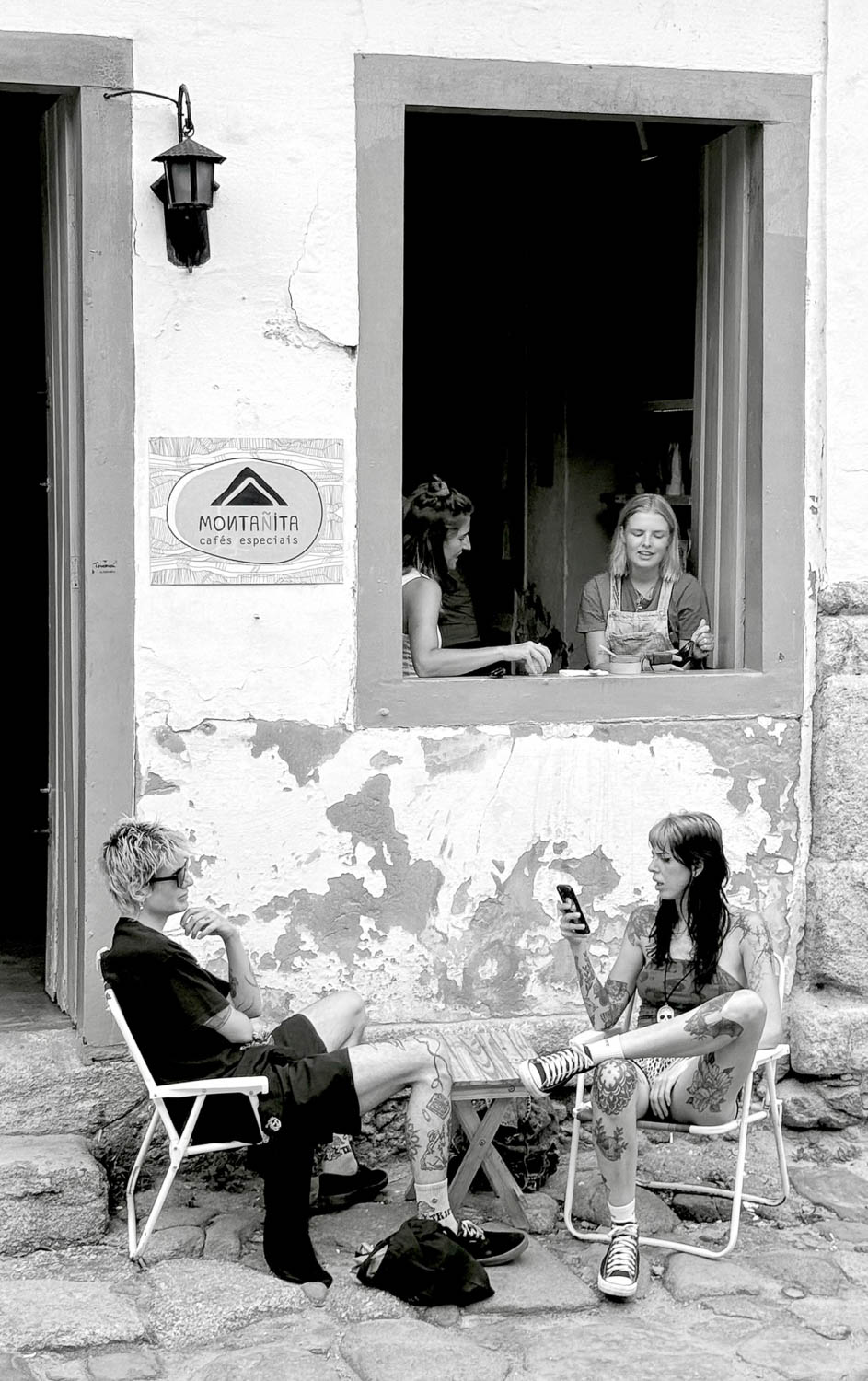
Some links below may earn us a small commission at no extra cost to you. We’re truly grateful for your support, as it allows us to continue sharing meaningful travel experiences and practical travel insights with you. Read our full disclosure here.
Planning your visit? We’ve gathered recommended tours and activities, along with trusted travel tools, to help you explore with confidence and ease.
Tours & Experiences
Prefer additional options? Click below to discover more incredible experiences tailored just for you!
Browse top attractions in Paraty, Brazil.
Travel Essentials?
Planning the rest of your trip? These are the platforms we personally use when organizing our travels. For more planning tools, visit our Travel Resources page or browse current promotions on our Travel Deals page.
Getting to Paraty
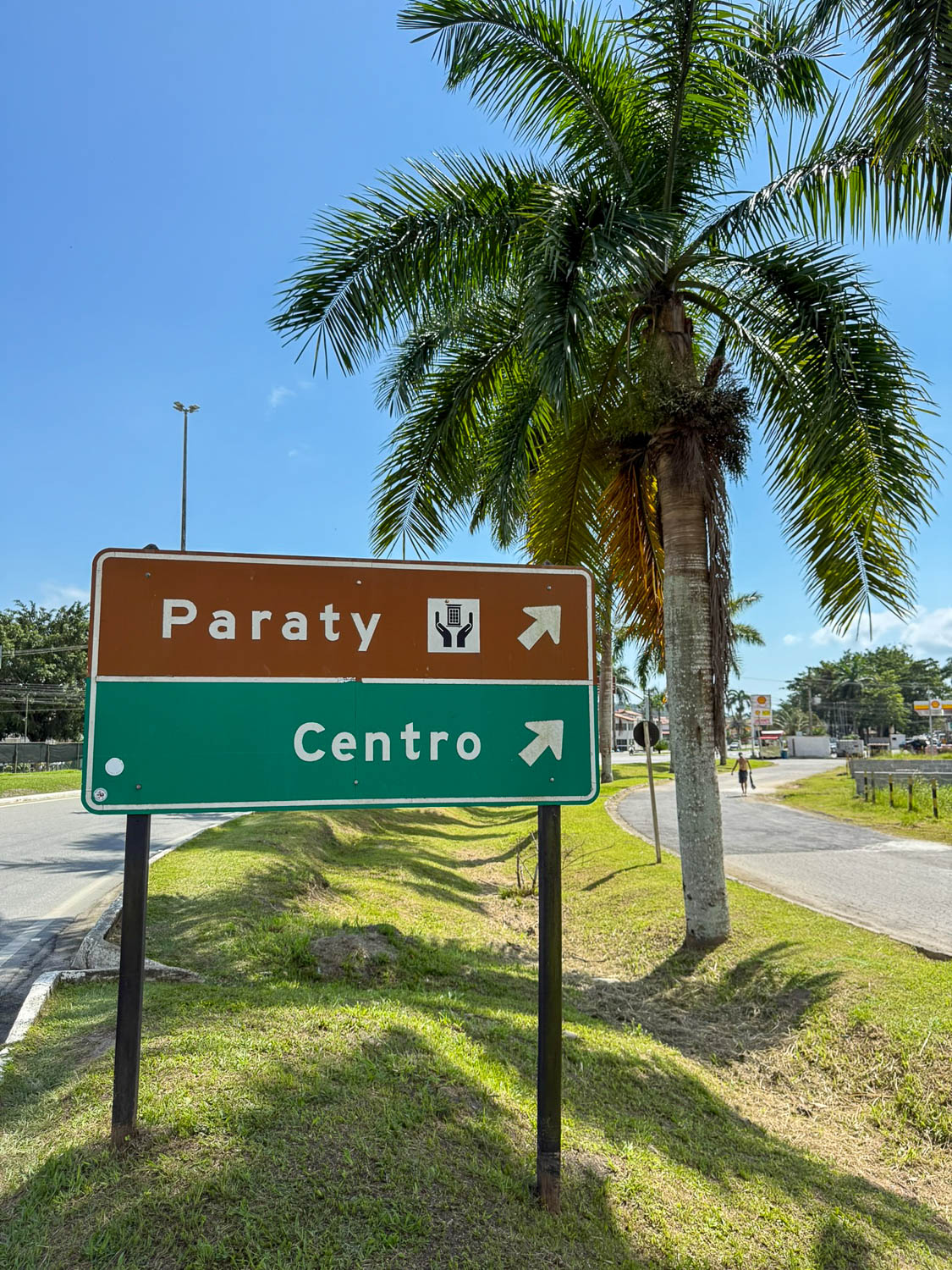
Paraty sits along Brazil’s stunning Costa Verde, roughly halfway between Rio de Janeiro and São Paulo, and the journey there is part of the experience. Most travelers arrive by bus or car from either city, following a winding coastal road framed by rainforest, waterfalls, and the occasional roadside fruit stand. Dare we fail to mention the spectacular views of a rainforest-meets-the-sea landscape afforded the traveler along the way (especially if you’re arriving from the north)!
Fun fact. There’s no airport in Paraty, which has helped preserve its small-town feel and slowed the pace of the area in the best possible way.
Insider tip. We recommend aiming for a daytime arrival into Paraty — not just for the views, but because Paraty’s historic center has some restrictions on vehicular access. Further, wayfinding and navigating luggage drop-offs in a historic district of narrow lanes and cobblestones is simpler in daylight, and often less stressful.
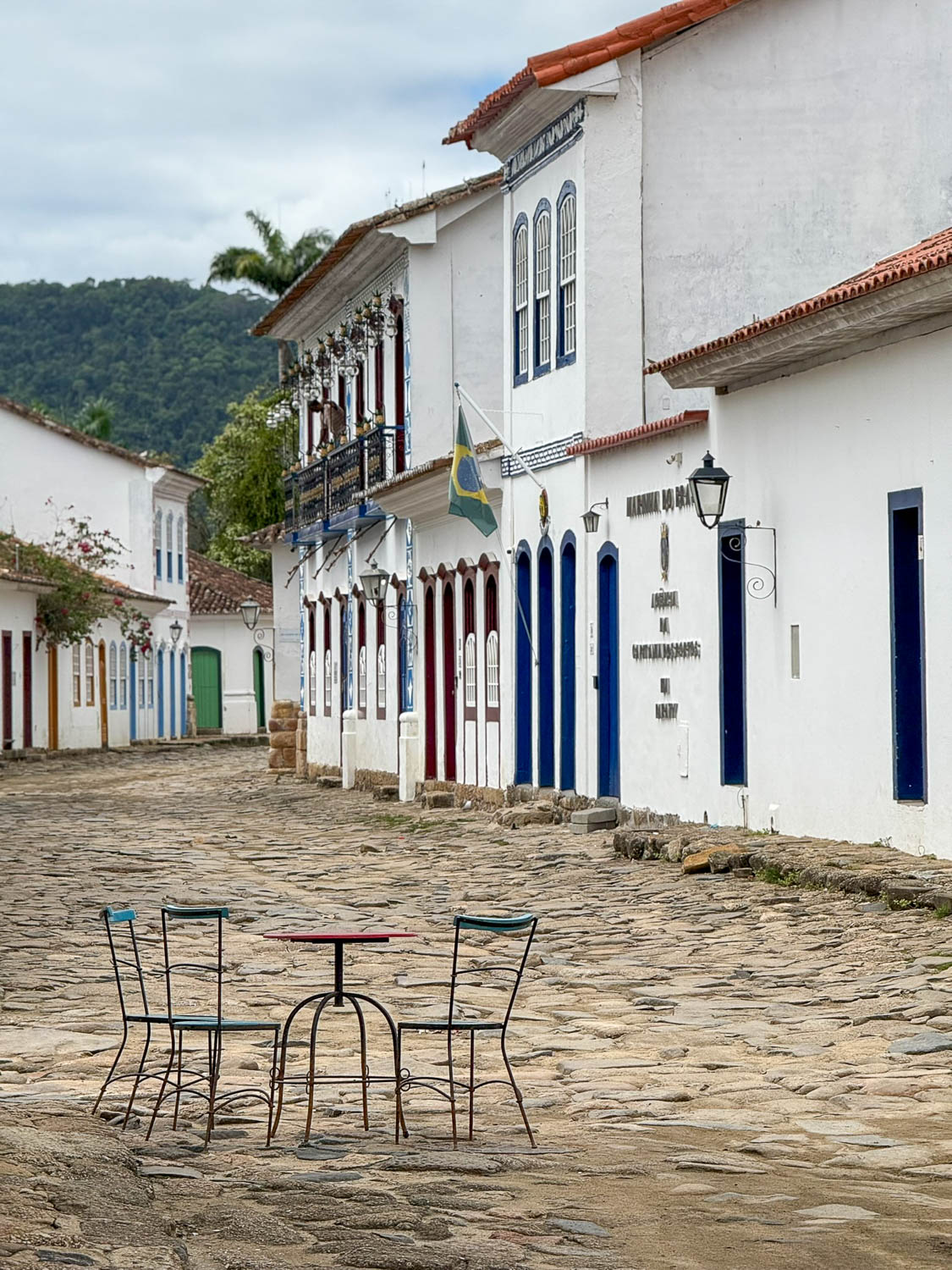
By Car
The drive itself from Rio takes around four hours, whilst arriving from São Paulo is slightly longer, but equally scenic. Both routes create a real sense of arrival: a gradual shift from city to coast as Paraty slowly reveals itself beyond the mountains.
By Bus
For those who prefer not to drive, buses in Brazil are an easy choice: comfortable, affordable, and reliable (you can even opt in for a leito/cama – a spacious, nearly-lay-flat seat with full amenities that include pillows and blankets. Fancy, right?).
Buses leave frequently from both Rio de Janeiro and Sao Paulo, arriving directly at the Paraty bus station (Rodoviária de Paraty, officially known as the Terminal Rodoviária Vereador Agilio Ramos – say that three times fast!). The Paraty bus station is located on Rua Jango Padua, just a short stroll from the town centre, and serves as the hub for both intercity as well as regional buses.
Insider tip. For those of you seeking to use public transportation within Brazil, we highly recommend using Busbud.com. This English-language booking platform allows travellers to search, compare, and book long-distance bus tickets across Brazil (and beyond). We found it incredibly easy to navigate, with excellent customer service when Beck accidentally booked our first bus for the wrong date (woops!).
Private Transfers
Another option for reaching Paraty is by private or semi-private vans, a comfortable door-to-door solution that simplifies logistics. This – a shared shuttle from Sao Paulo to Paraty (and back again) is the option we chose, and it turned out to be an excellent one! We used Paraty Tours and wouldn’t hesitate to recommend them to other travelers.
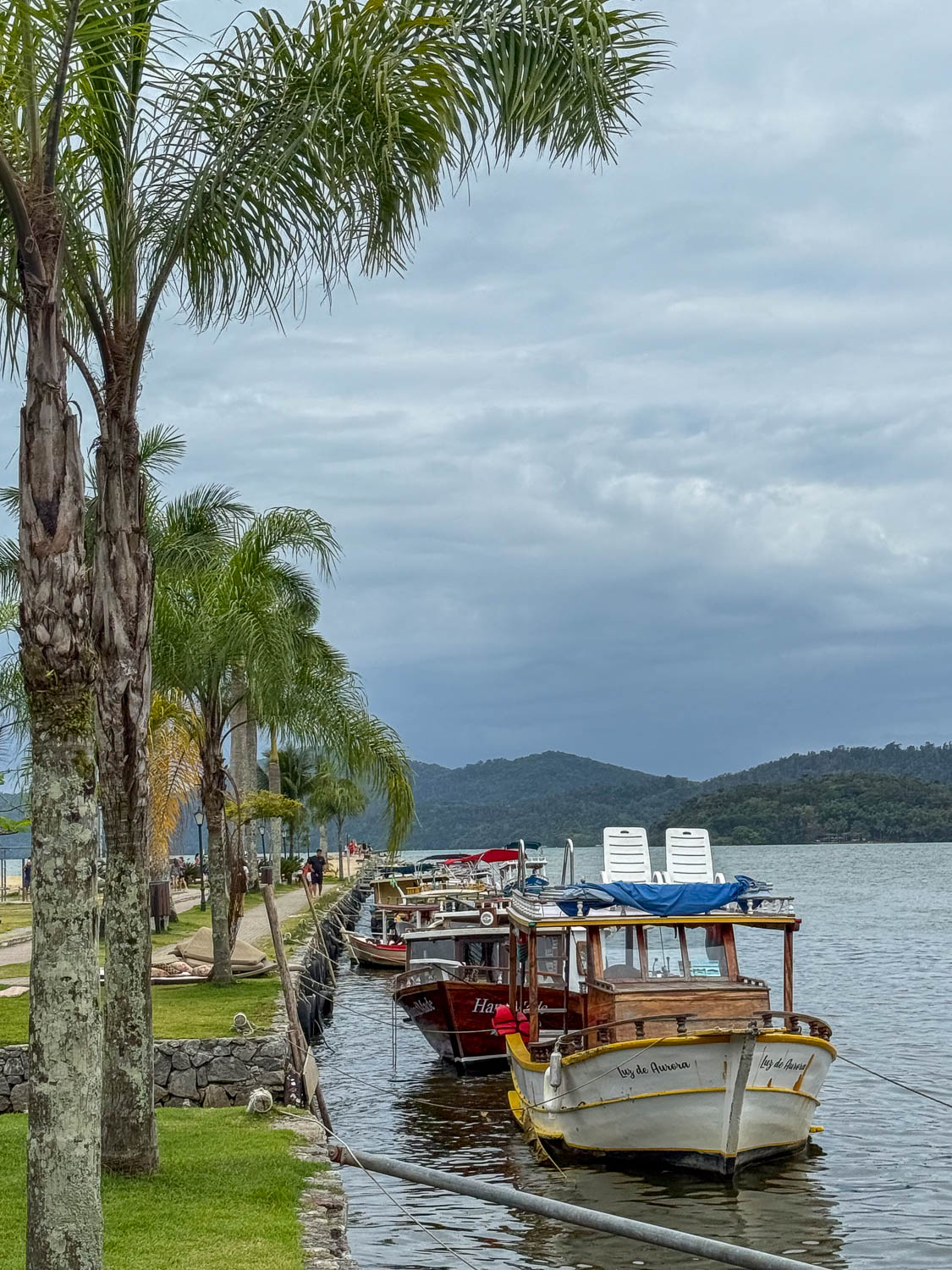
Something A Little Different
Adventurers can also choose to arrive by boat from nearby coastal villages, letting the journey become part of the story.
Getting Around Paraty
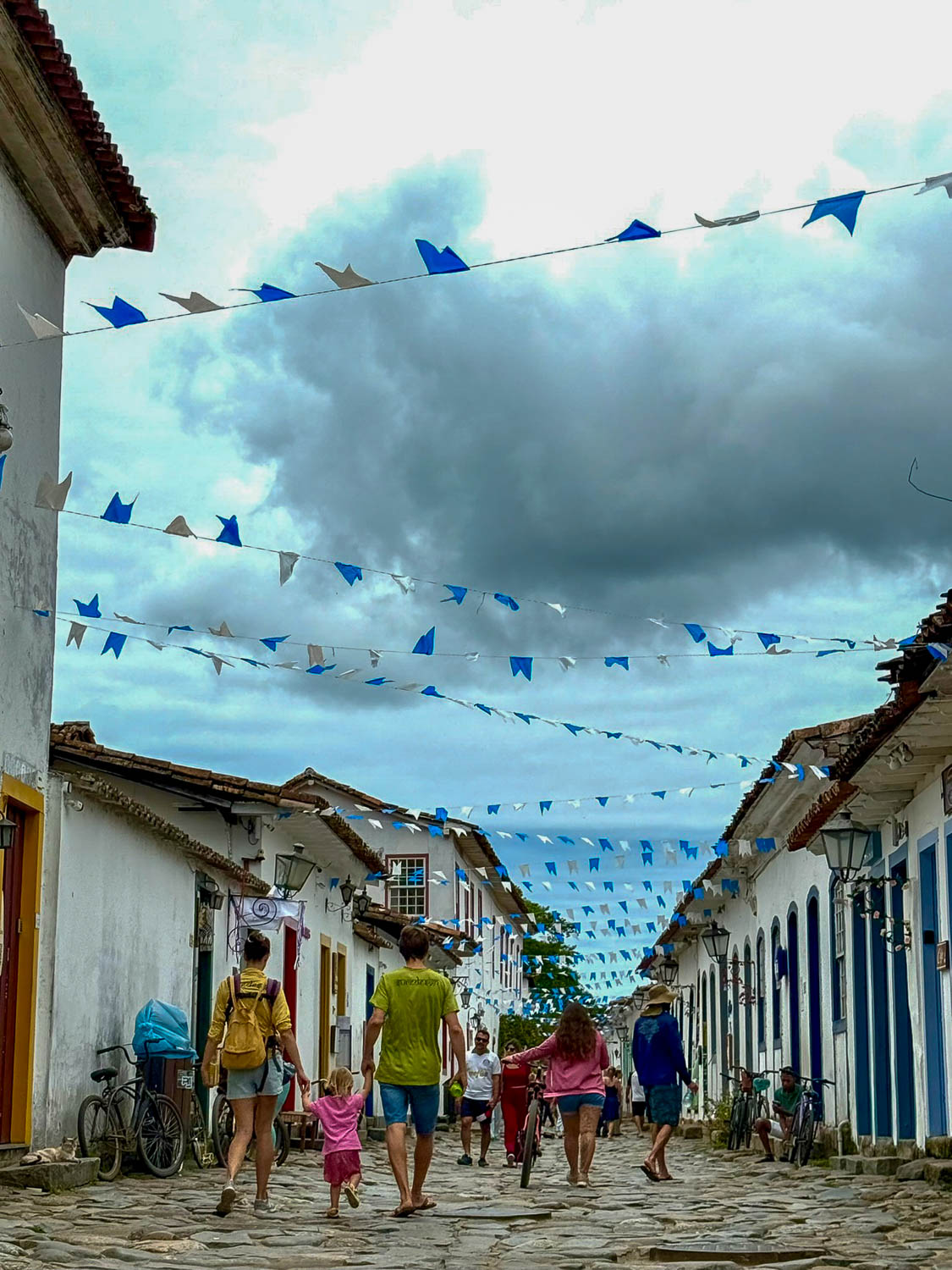
Once you’ve arrived in Paraty and feel settled in, getting around is refreshingly straightforward.
Fun Fact. Some of the streets in Paraty’s historic center were intentionally designed to flood at high tide, a clever colonial-era drainage system that still works today. Don’t be surprised if a “street” briefly turns into a shallow canal!
On Foot
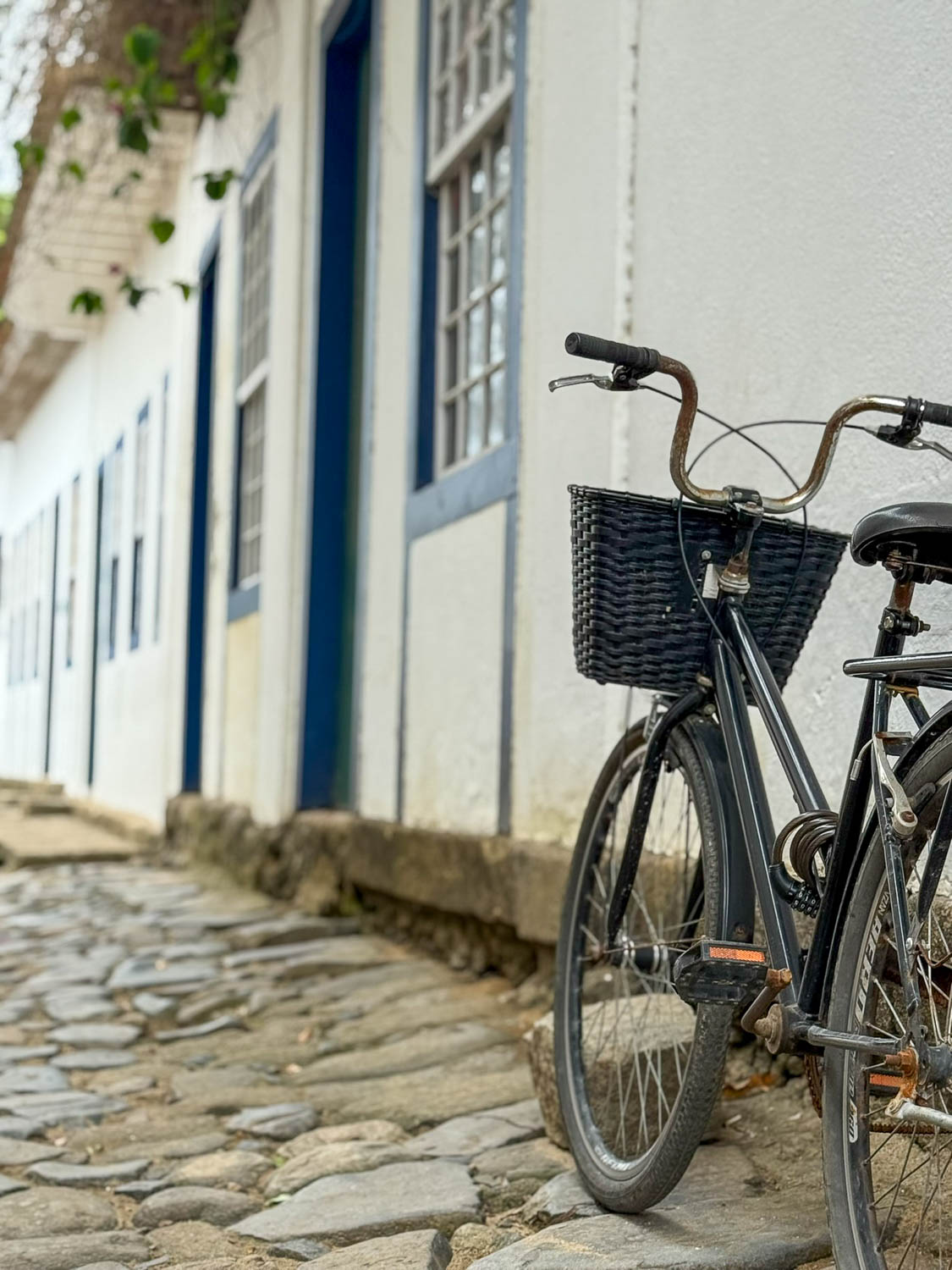
Paraty’s historic center is compact and largely pedestrian-only, making it easy to explore and navigate on foot for most visitors. That said, the uneven cobblestoned streets can be challenging for those with mobility issues, strollers, or rolling luggage. Many visitors choose to move at a slower pace, taking frequent breaks at cafés, churches, and shaded squares along the way.
Fun fact. The uneven cobblestones of Paraty aren’t just charming — they were laid that way to slow down horse-drawn carts, long before traffic calming was a concept.
Insider tip. Paraty’s cobblestoned streets like to challenge those who wear flip-flops. Consider wearing supportive footwear (and leaving wheels behind where possible), as this can make a noticeable difference in Paraty.
Insider tip. If mobility is a concern, consider staying just outside the historic center, where streets are flatter, vehicle access is easier, and you can still dip into the old town at your own pace. Many pousadas, hotels and tour operators can also help arrange door-to-door transport or recommend routes with fewer cobblestones.
Taxis and Rideshares
For travelers who prefer less walking, taxis and rideshares are readily available for trips beyond the historic core, as well as for late-night returns. We found Uber to be incredibly cheap and convenient during our visit to Brazil.
Boats
Boat taxis are a popular way to explore the surrounding bays and islands of Paraty, often doubling as scenic mini-tours.
Fun fact. As in many other parts of coastal Brazil, boat taxis are part of everyday transport here, not just tours. For locals and visitors alike, the sea is a shortcut.
Insider Tip. Many accommodations will happily help arrange transport or boat outings — sometimes at better rates than booking on the street.
When to Visit Paraty
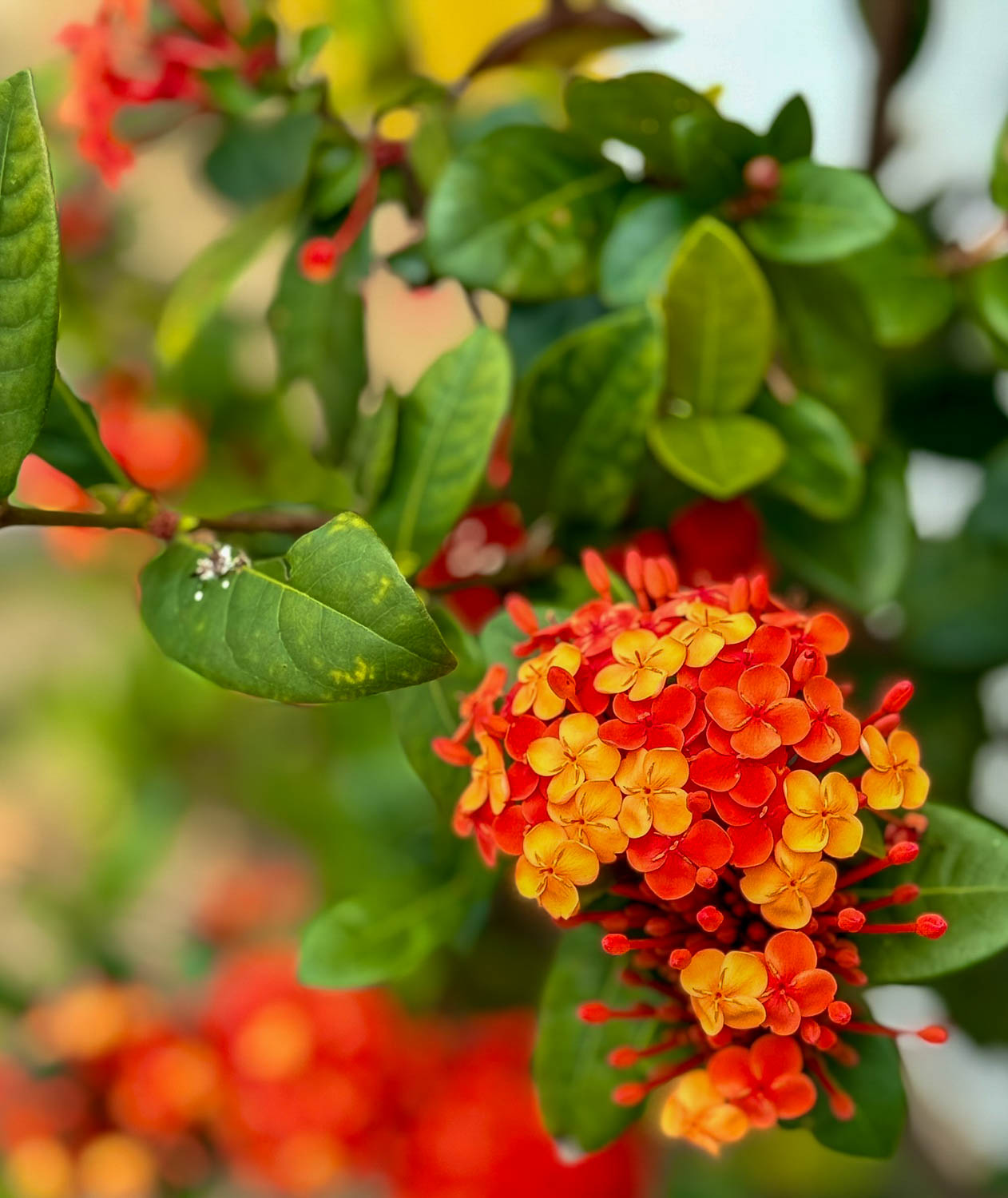
We are a big believer that any global destination can be visited at almost any time of year. In Paraty, however, the seasons shape the town in different ways, and deciding when to visit depends on the kind of experience you’re seeking.
Winter
During the winter months (June through August), the air in Paraty is cooler and drier, making it the best time for leisurely strolls through the historic old town or hiking trails in the surrounding area.
Summer
Brazil’s summer – from December to February – is the busiest period for tourism, when visiting Paraty means sharing the streets with festival crowds, musicians, dancers, and regular bursts of tropical rain.
Insider tip. Summer rain rarely lasts all day: showers tend to be short and intense, followed by sunshine. Here, flexibility matters more than forecasts!
Shoulder Seasons
Spring brings warmer days, brighter weather and fewer crowds to Paraty, improving conditions for walking and boat trips as the area heads toward summer. By November crowds have started to increase, but it’s still a balanced time to visit before peak-season crowds arrive.
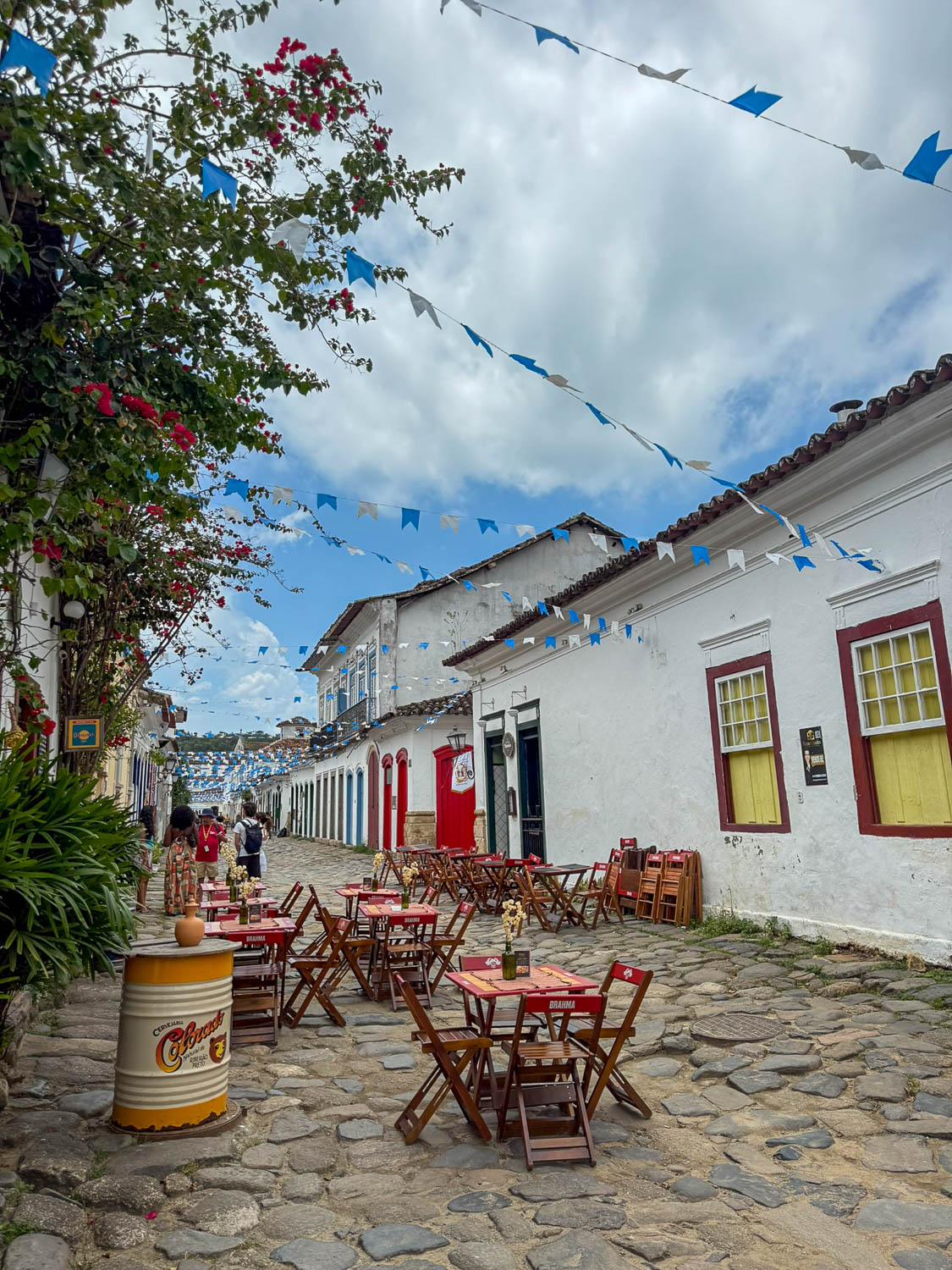
Fun fact. Spring brings clearer skies and longer days, which locals often say is when the town feels most photogenic. Cameras at the ready, folks!
Autumn (Fall) generally runs from March through May, offering milder weather (still comfortably warm, but with slightly lower humidity), fewer visitors, and a noticeably quieter rhythm. Note that rain is still possible during autumn, especially early in the season, but it becomes less frequent as the weeks progress.
Insider tip. We feel that March is one of the best times to visit Paraty: summer crowds have faded, but (for example) waterfalls are at their most dramatic after the rainy season.
Insider tip. Because Paraty sits between the rainforest and the sea, humidity and rain matter more than temperature alone. For example, spring tends to feel fresher and brighter, whilst autumn often feels calmer and more subdued — both excellent times to visit, just with different moods.
What to See and Do in Paraty
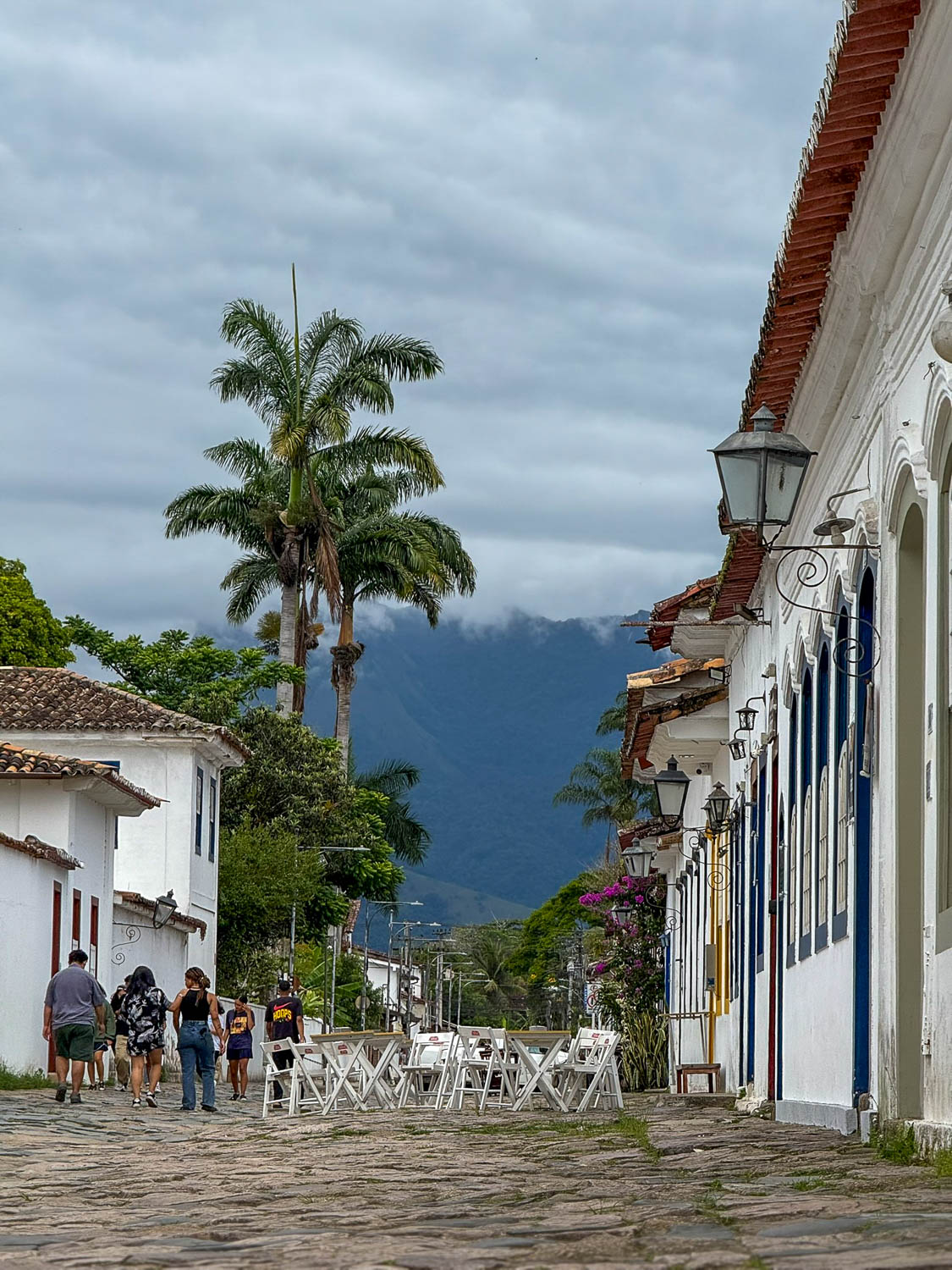
Paraty affords visitors a well-balanced mix of historic sights, outdoor experiences, and easy coastal escapes. From wandering cobblestoned streets to exploring the surrounding coastline, there’s no shortage of things to see and do. The town rewards slow exploration, with history, nature, and everyday moments best discovered at your own pace.
Below we share some of the best ways (in our humble opinion, anyway!) to experience the town and its surroundings.
Paraty’s Historic Center
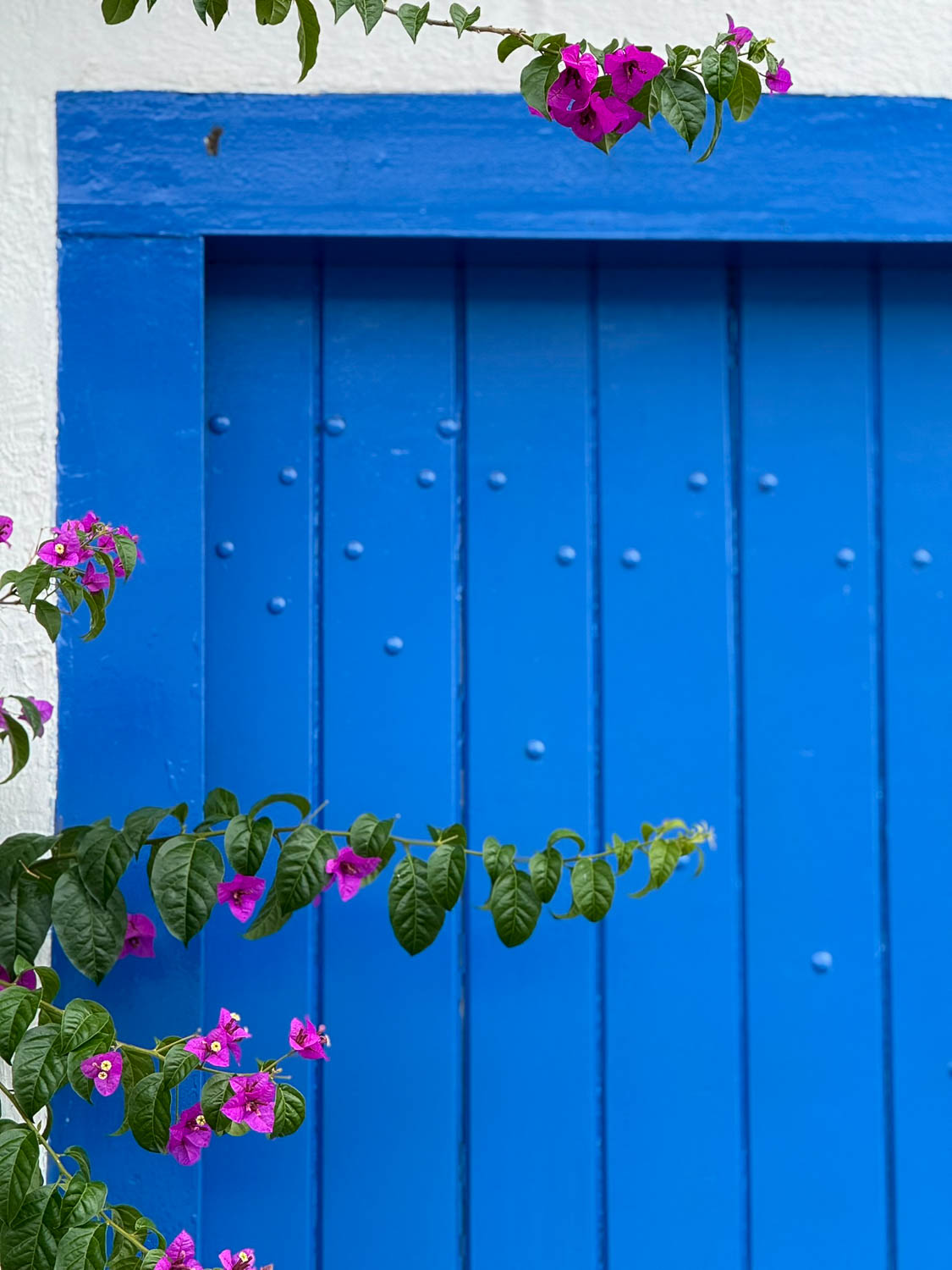
The historic center of Paraty is the town’s cultural and visual anchor, defined by pedestrian-only cobblestoned streets, whitewashed centuries-old buildings, and an unmistakably creative energy. Wandering here feels like entering a painting, with colorful houses framed by bougainvillea and doors painted in every shade of the rainbow. Needless to say, this was photographic paradise for Beck!
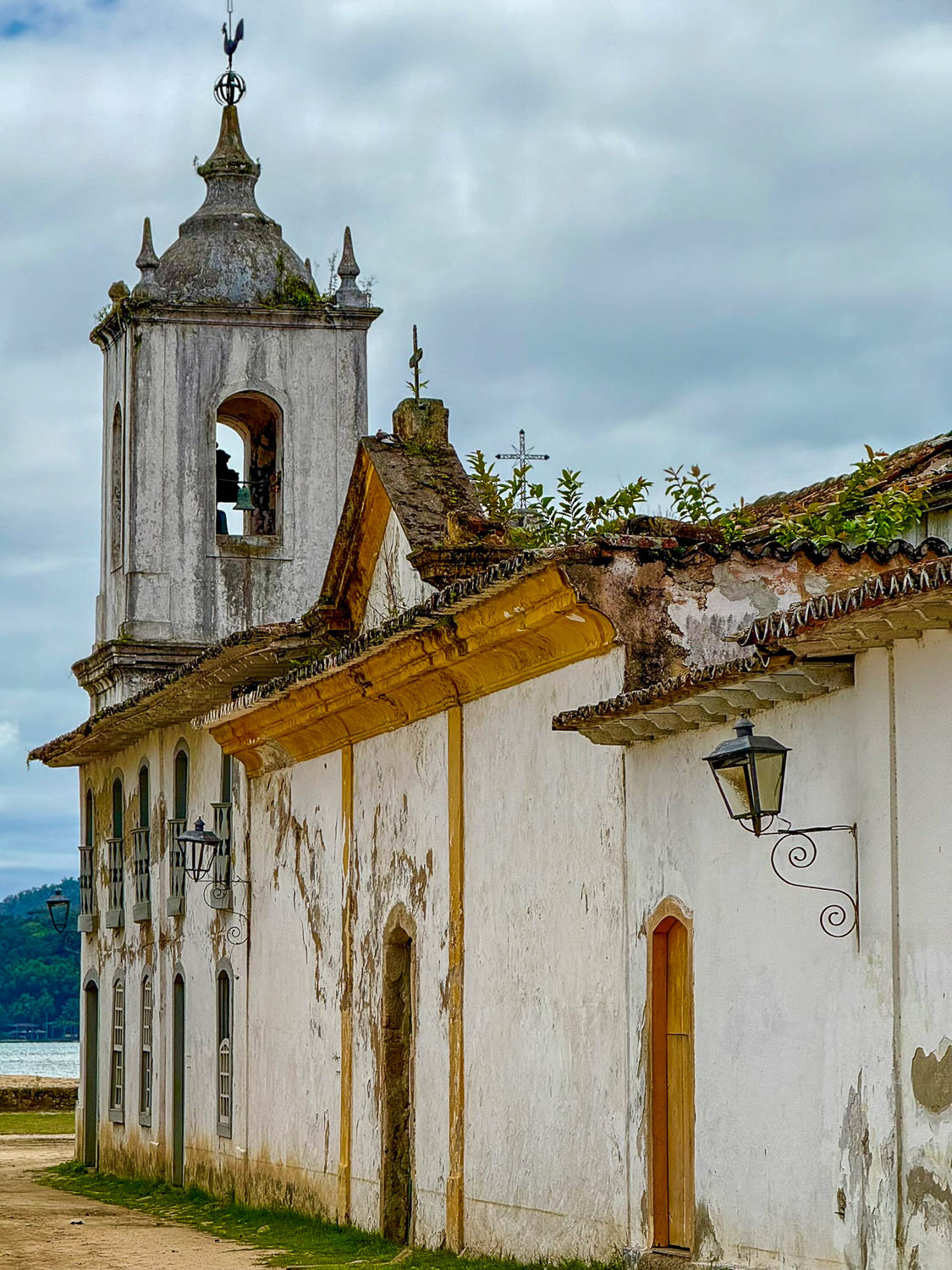
Churches punctuate the old town — from waterfront landmarks to quieter neighborhood chapels — whilst art galleries and workshops appear around nearly every corner, housed inside former homes and trading buildings. Add in small museums, cafés, boutiques, thriving restaurants, and the occasional high-tide flooding of streets, and the result is certainly a district with unique character.
Not-so-fun (but also important) fact. Inside the colonial buildings, small museums reveal stories of the Gold Rush era, when African slaves were forced to transport gold from Minas Gerais to the port of Paraty (a route of 8-10+ hours by road today).
Want to learn more about Paraty’s historic center? Be sure to check out our sister article, The Historic Center of Paraty, which provides more detailed insight into this charming colonial town.
Boat Trips and Paraty Bay
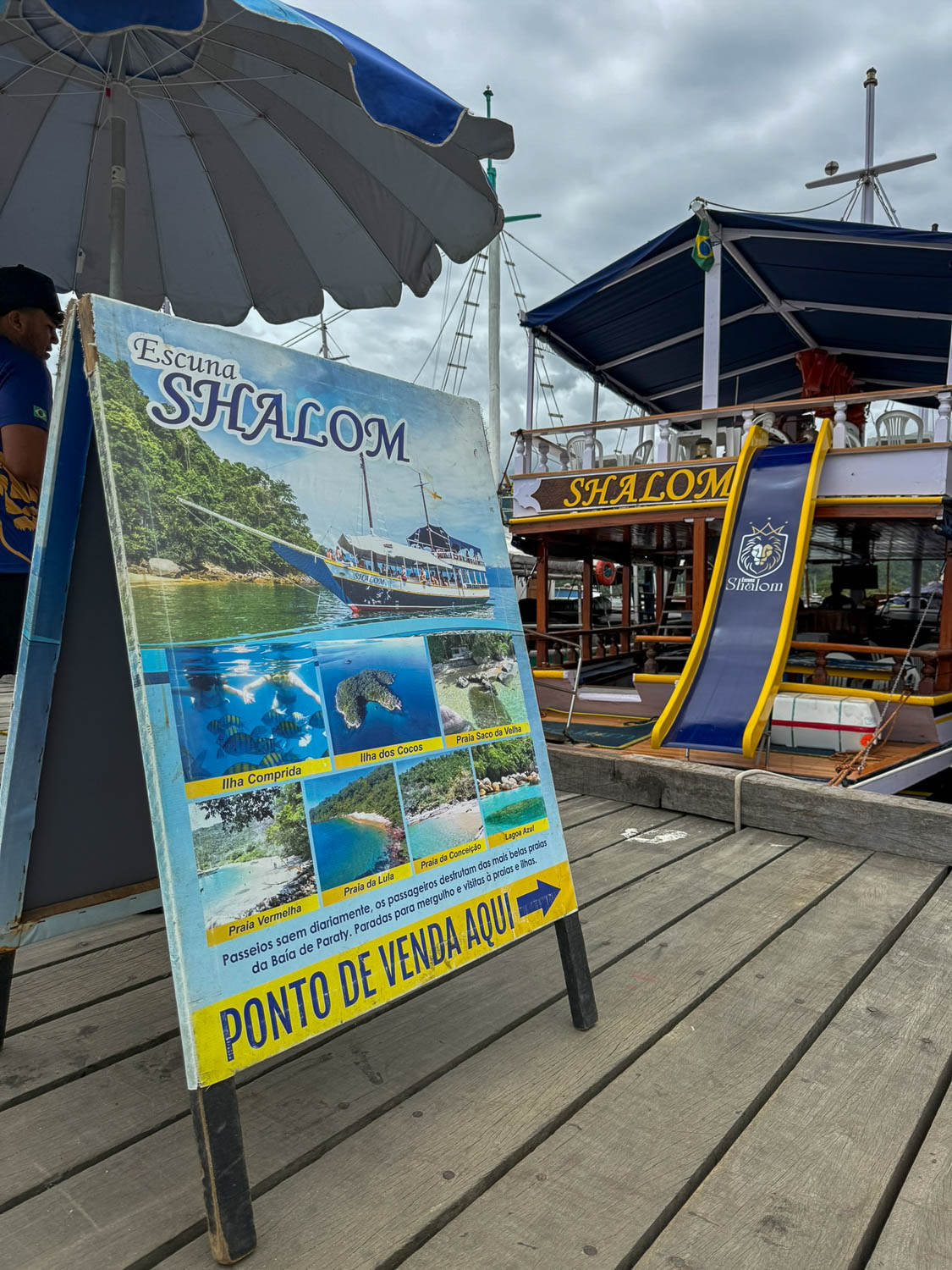
We were told by numerous locals during our visit to Paraty that boat trips were the thing to do whilst visiting the area. And indeed, spending time on the water here is a natural extension of any stay in Paraty, offering a different perspective on the town and its surroundings.
Boat tours leave daily from the port – the far eastern edge of town, just beyond the historic center. These tours through Paraty Bay cover quite the gamut for visitors and locals alike, delivering a fleet of fun options.
- relaxed group outings aboard traditional wooden boats (escunas)
- private speedboat trips
- visits to nearby islands and quieter stretches of sand and water
- laid-back island-hopping excursions a little farther afield
- full-day adventures that combine swimming, snorkeling, and secluded beaches
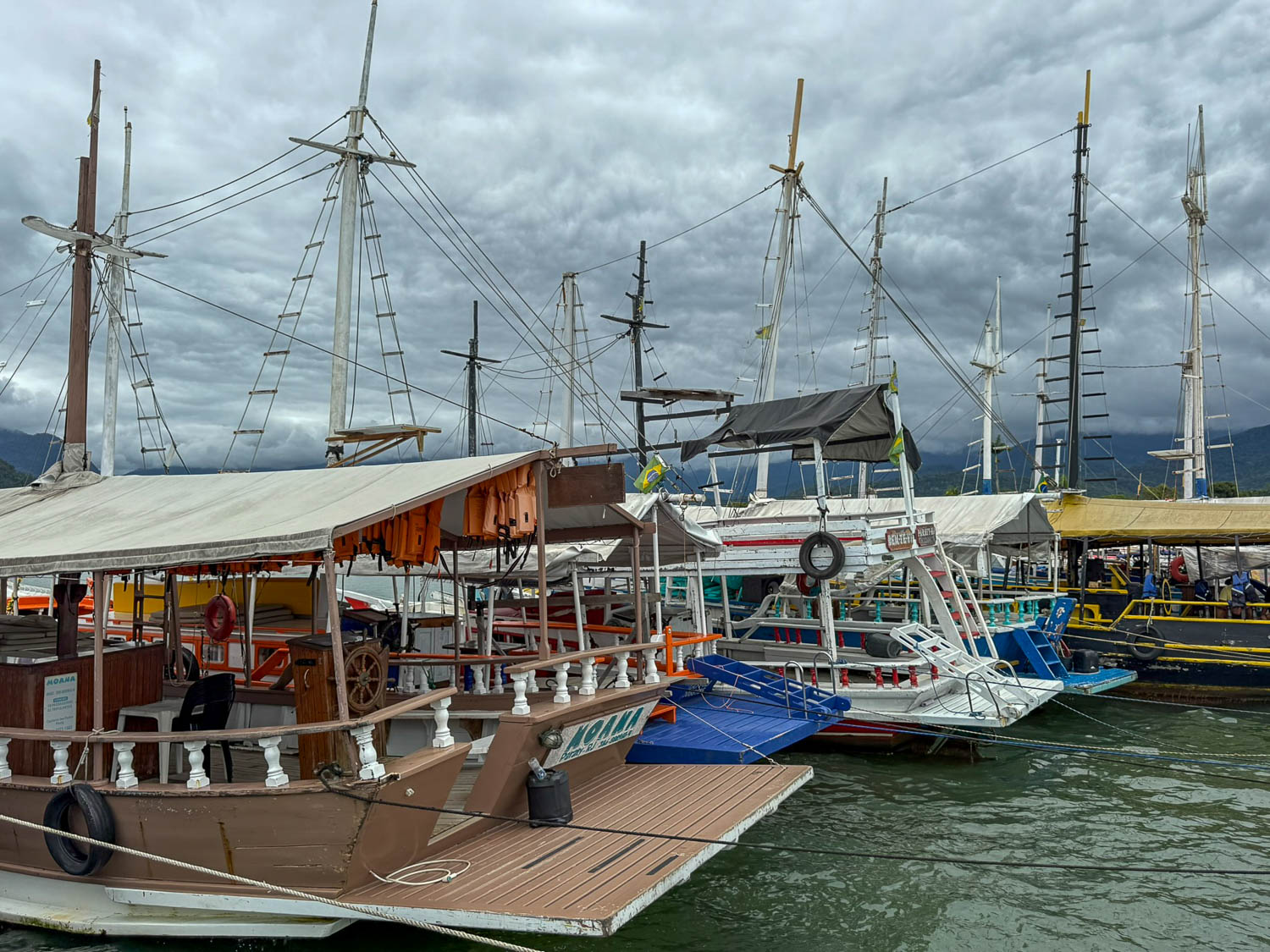
Insider tip. The highlight of most boat tours departing from Paraty’s small port is a visit to Saco do Mamanguá, Brazil’s only tropical fjord, surrounded by dense jungle and dotted with small islands.
Insider tip. Some water-based excursions include lunch onboard, whilst others let you dock at restaurants by the shore. Be sure to read all the “fine print” for any tour you choose, so you’re familiar with what’s included and what’s not.
And of course, choose an option that best matches your pace and style — whether you’re after a boozy, social afternoon, sunset cocktails, or something more low-key and flexible.
Insider tip. There’s really no need to book a boat tour in advance. As we soon discovered, simply wander along Cais de Paraty and you’ll easily find one that best appeals! Note, however, we didn’t encounter many tours in English, so if you’re looking for one in a language other than Portuguese, you may have to hunt around a little longer.
The Beaches of Paraty
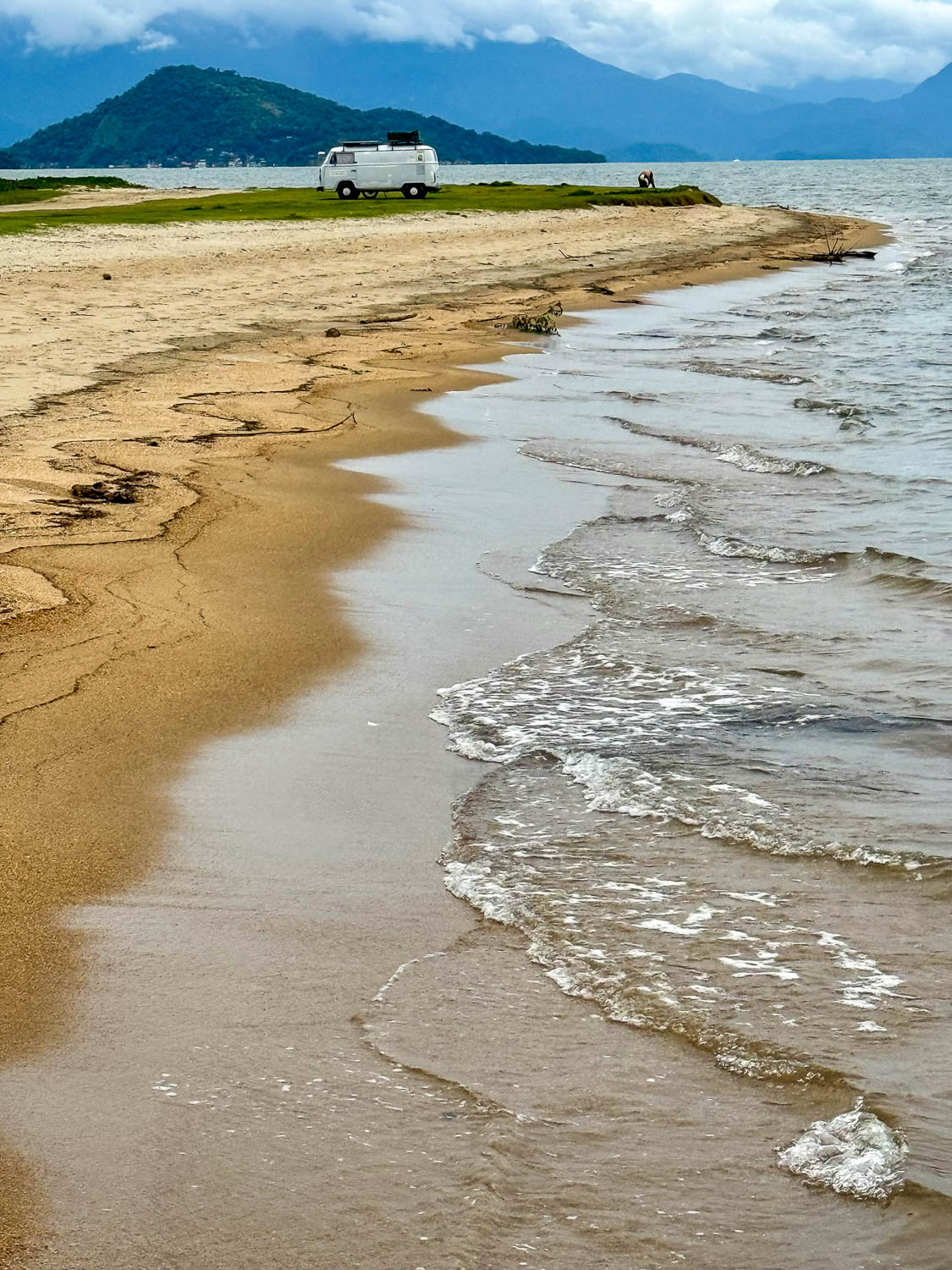
The coastline around Paraty is dotted with more than 60 beaches, each offering a slightly different experience. Below are some of our recommendations, should a beach-day be calling. Together, these beaches show just how varied Paraty’s coastline can be.
- Sono Beach (Praia do Sono) is known for its emerald-green waters and serene setting, reached either by a short boat ride (30–45 minutes, depending on sea conditions and the type of boat) or a scenic forest trail through lush greenery.
Fun fact. Many of Paraty’s beaches are accessible only by boat or forest trail, which naturally limits crowds and keeps even the most popular of sandy shores feeling low-key.
- Trindade Beach, about 25-30km (15-18mi) west of Paraty (up to an hour by road, traffic and weather dependent), has a lively, social atmosphere, with casual bars, hammocks, and a cluster of nearby beaches that create an easygoing, community vibe.
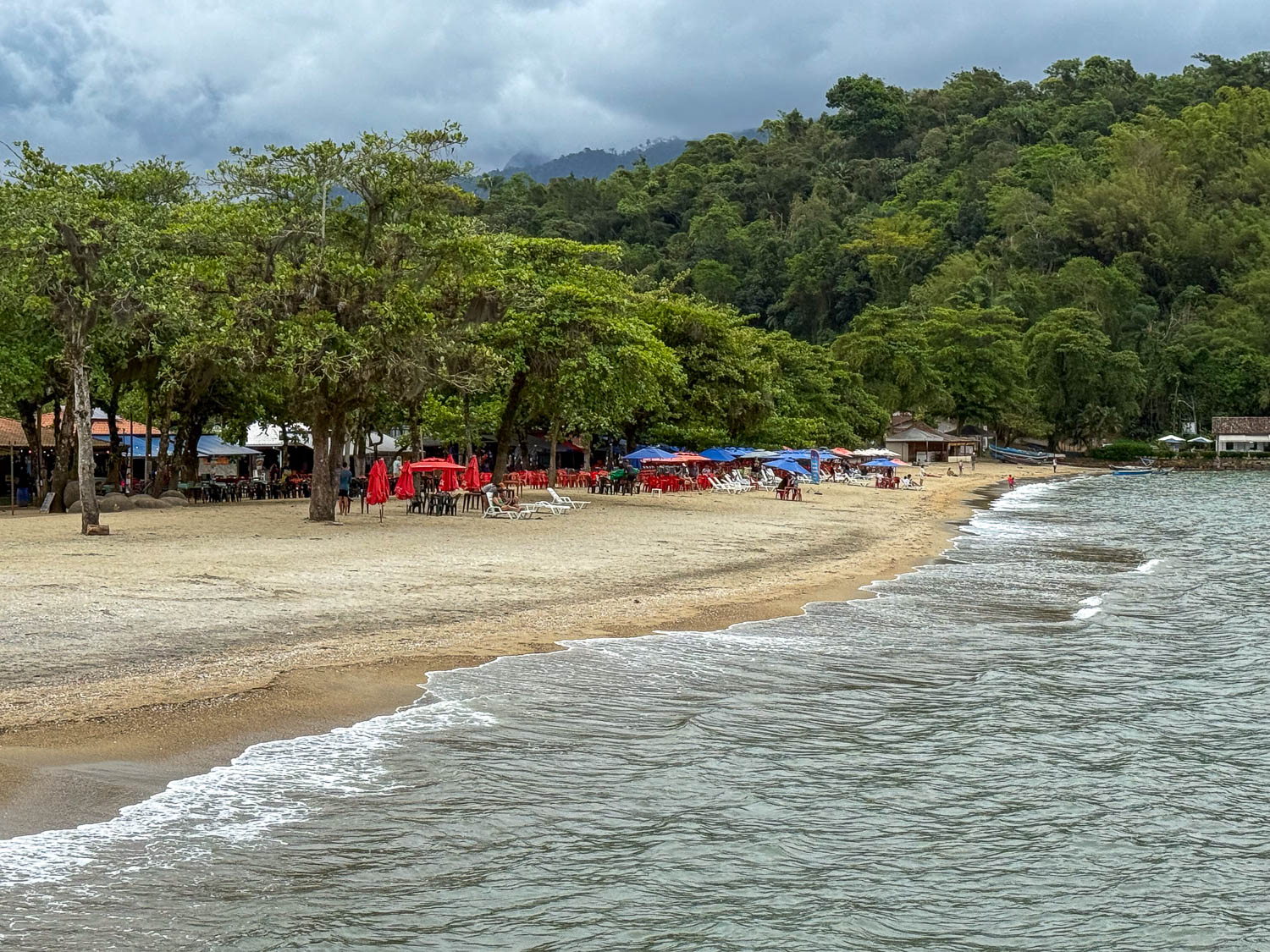
Insider tip. On some of the quieter beaches, lunch may come to you — small boats occasionally arrive selling drinks or snacks, turning the shoreline into a floating café. We thought this was pretty cool!
- Only about 9 miles (15km) south of Paraty you’ll find Paraty Mirim, a quieter and more contemplative beach where gentle waves meet the remains of colonial-era churches.
Insider tip. Once you arrive, Paraty Mirim feels noticeably removed from the town of Paraty, despite its short distance from it. It’s calmer, flatter, and easier to navigate than some of the other beaches, especially for visitors who prefer a gentler seaside experience.
- Closer to the Paraty town center, Jabaquara Beach is a convenient option for families, with calm water and easy access.
Fun fact. Tides can noticeably reshape Brazil’s shoreline during the day, meaning a beach you arrive at in the morning may look completely different by afternoon. Pretty neat, eh?
Insider tip. Water clarity off-shore varies by location and recent rainfall, so if someone tells you they were at a beach with “emerald-green waters” and that’s not what you experience upon arrival, it’s not that your acquaintance has lied to you: conditions often depend more on weather and runoff than the beach itself (another reason to take online reviews with a grain of salt!).
Hiking the Gold Trail
The old Gold Trail – often referred to as the Caminho do Ouro – once formed part of a vast network of routes linking the gold mines of inland Minas Gerais to the port of Paraty. Today, hiking sections of the trail offer a tangible link to that history, with original stone paving still visible beneath dense Atlantic Forest. The route passes waterfalls, shaded forest corridors, and quiet clearings, whilst tropical birds dart overhead – making it as much a nature walk as a historical one, and affording visitors perspective on how the colonial town of Paraty rose to prominence.
The most commonly visited access point to the Caminho do Ouro lies approximately 4-5 miles (6-8km) outside of Paraty, typically reached by car, taxi, or as part of a guided tour.
Insider tip. Because portions of the Gold Trail cross private property and clear signage is limited, visiting with a local guide is strongly recommended. Most guided visits focus on shorter, more manageable sections of the trail rather than the full historic route, often combining the walk with visits to nearby waterfalls or rural stops.
Beyond the Town Center
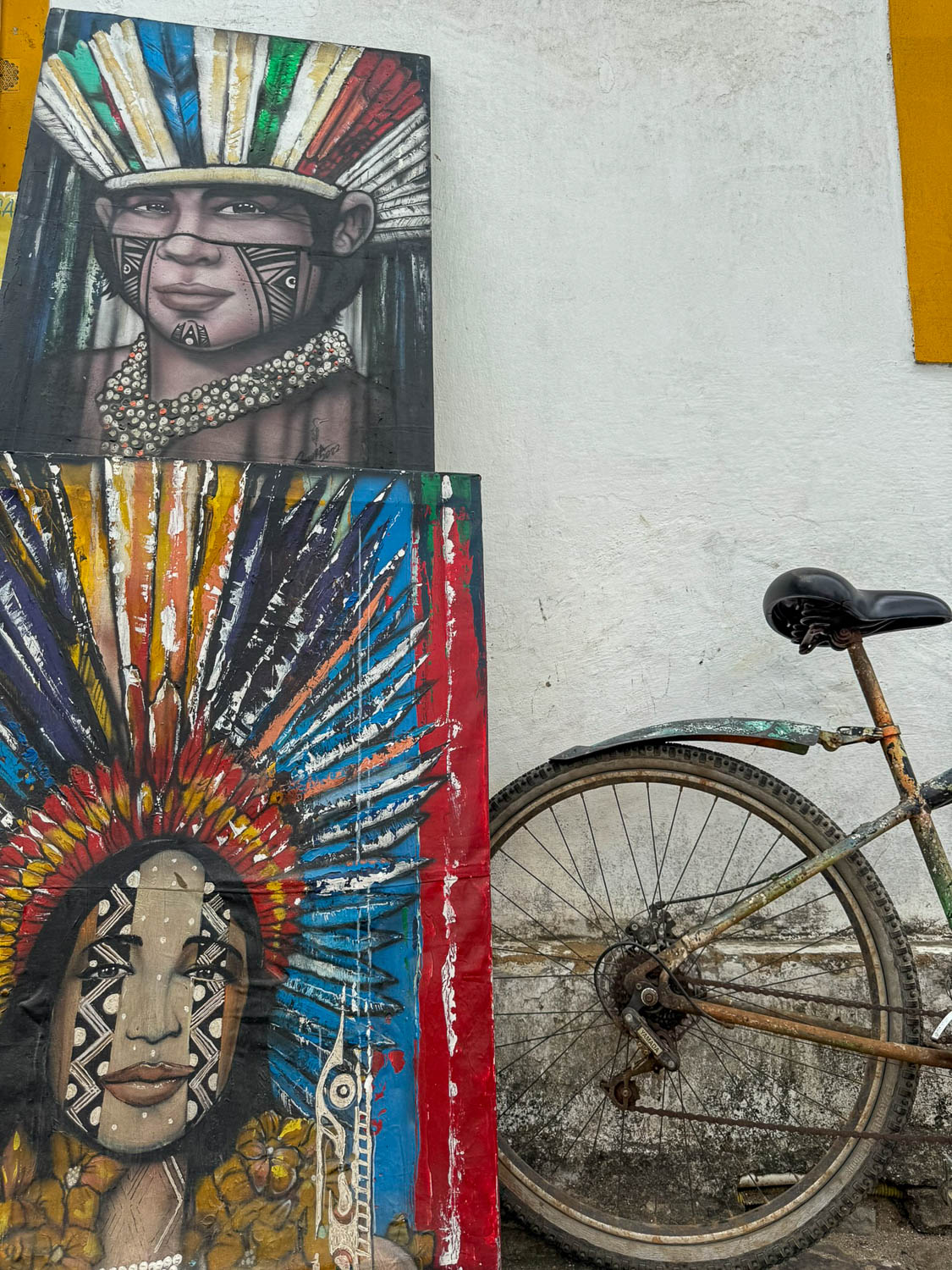
Although much of visiting Paraty revolves around its historic center, exploring beyond it reveals a broader cultural landscape.
The surrounding area includes Indigenous communities where guests are welcomed to learn more about traditional crafts, customs and daily life, whilst small art galleries, cultural centers, theaters and other performance spaces highlight the work of contemporary Brazilian painters, sculptors, music, samba, and literary talks. Each of these can add depth to any visit, showcasing how Paraty’s creative and cultural identity extends well beyond its cobblestoned streets.
Insider tip. Some of Paraty’s most interesting cultural experiences happen without signage — galleries, workshops, and community spaces are often discovered by word-of-mouth or a handwritten sign out front.
Insider tip. Visits to Indigenous communities are typically organized in advance, often through local guides or cultural associations, rather than as drop-in attractions.
Day Trips from Paraty
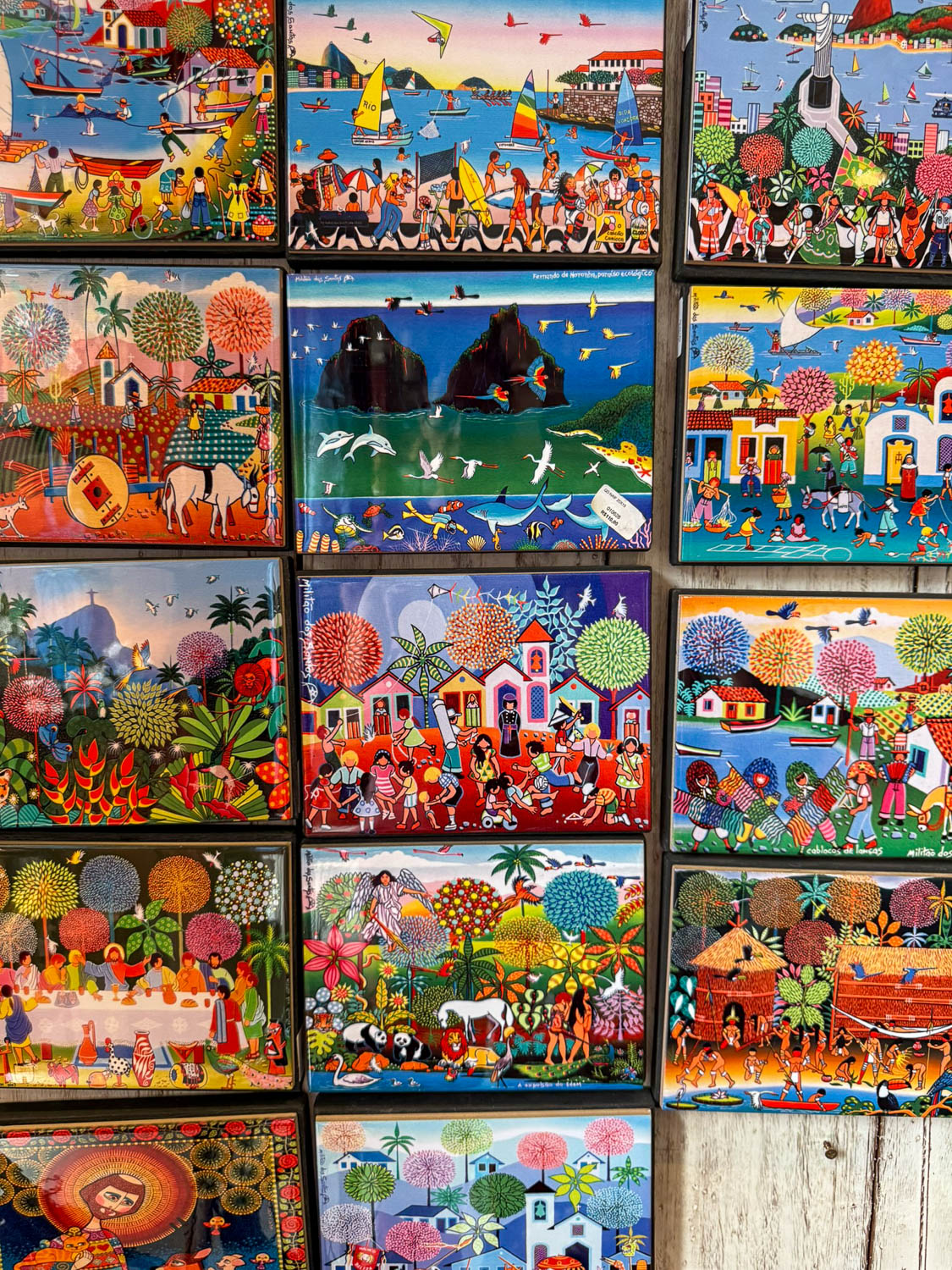
One of the best (and indeed easiest) ways to enrich your time in Paraty is to venture beyond the town on a few well-chosen day trips. The surrounding region showcases the diversity of Brazil’s southeastern coastline and countryside, revealing quieter beaches, villages, and natural landscapes that feel distinct from Paraty’s historic center, yet remain within easy reach.
Below are some options you may wish to consider as a day trip from the town. For more detailed information on each attraction, be sure to check out our sister article, Day Trips from Paraty.
- Angra dos Reis: a larger coastal city known for its historic role as a port and gateway to Brazil’s island-dotted bays (and more beautiful beaches!)
- Ilha dos Meros: one of many tropical islands just across the water from Paraty, great for snorkelling and diving
- Serra da Bocaina National Park: a protected park complete with waterfalls, rugged rainforest trails, and misty mountains!
- The Gold Rush Route: a stunning drive that passes through rural landscapes, small settlements, historic sites, viewpoints, and remnants of colonial-era infrastructure
Each of these excursions helps to expand the sense that Paraty is part of a larger web of culture and nature, making this historic town along the Brazilian coastline worth visiting for longer than just a day or two.
Shopping, Dining, and Nightlife
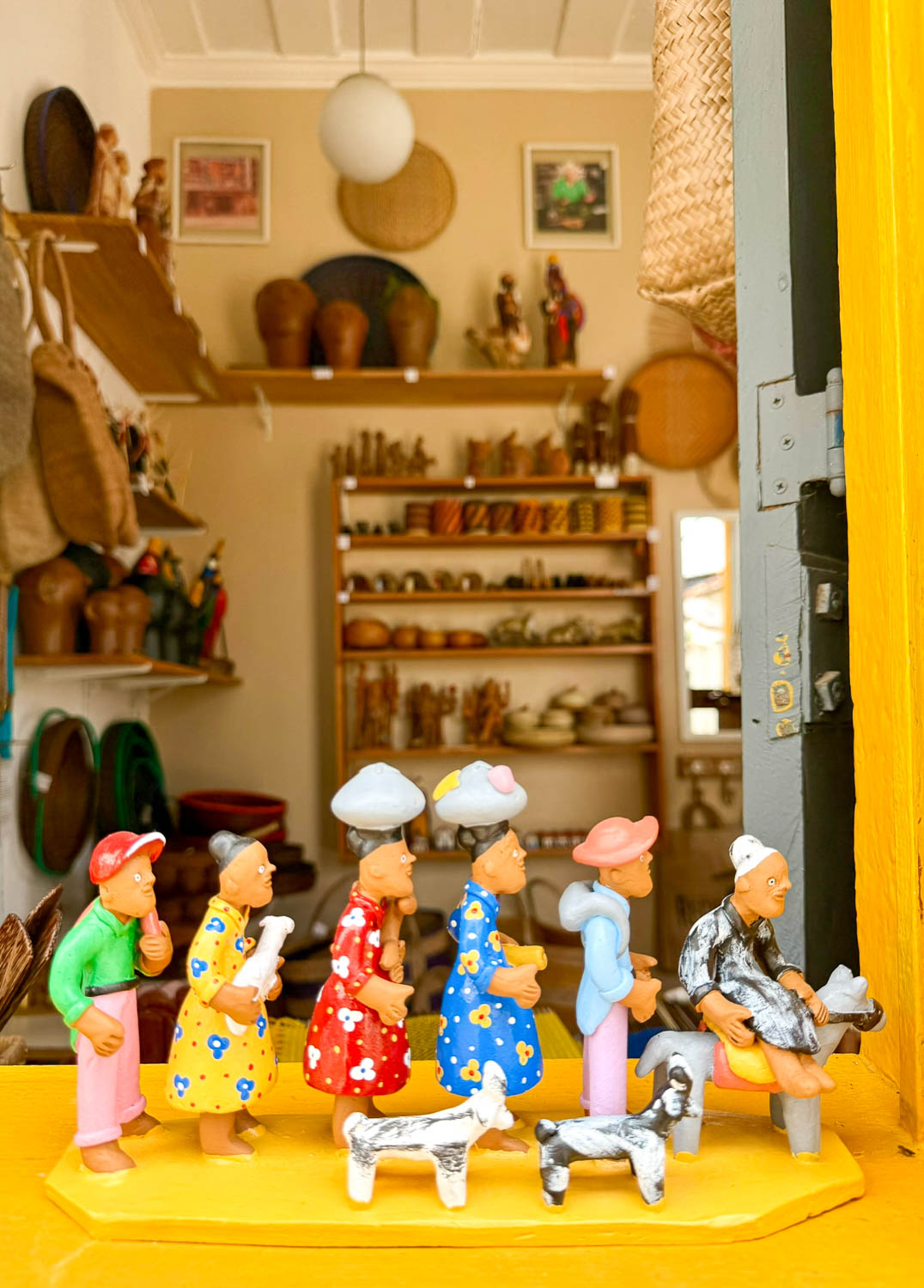
Beyond its sights and stunning natural scenery, daily life in Paraty unfolds through its network of small shops and artisan boutiques, relaxed dining, and evenings that reflect the town’s easygoing pace. From locally-made finds to local flavors and low-key nightlife, this is where the town’s rhythm really comes into focus.
Shopping
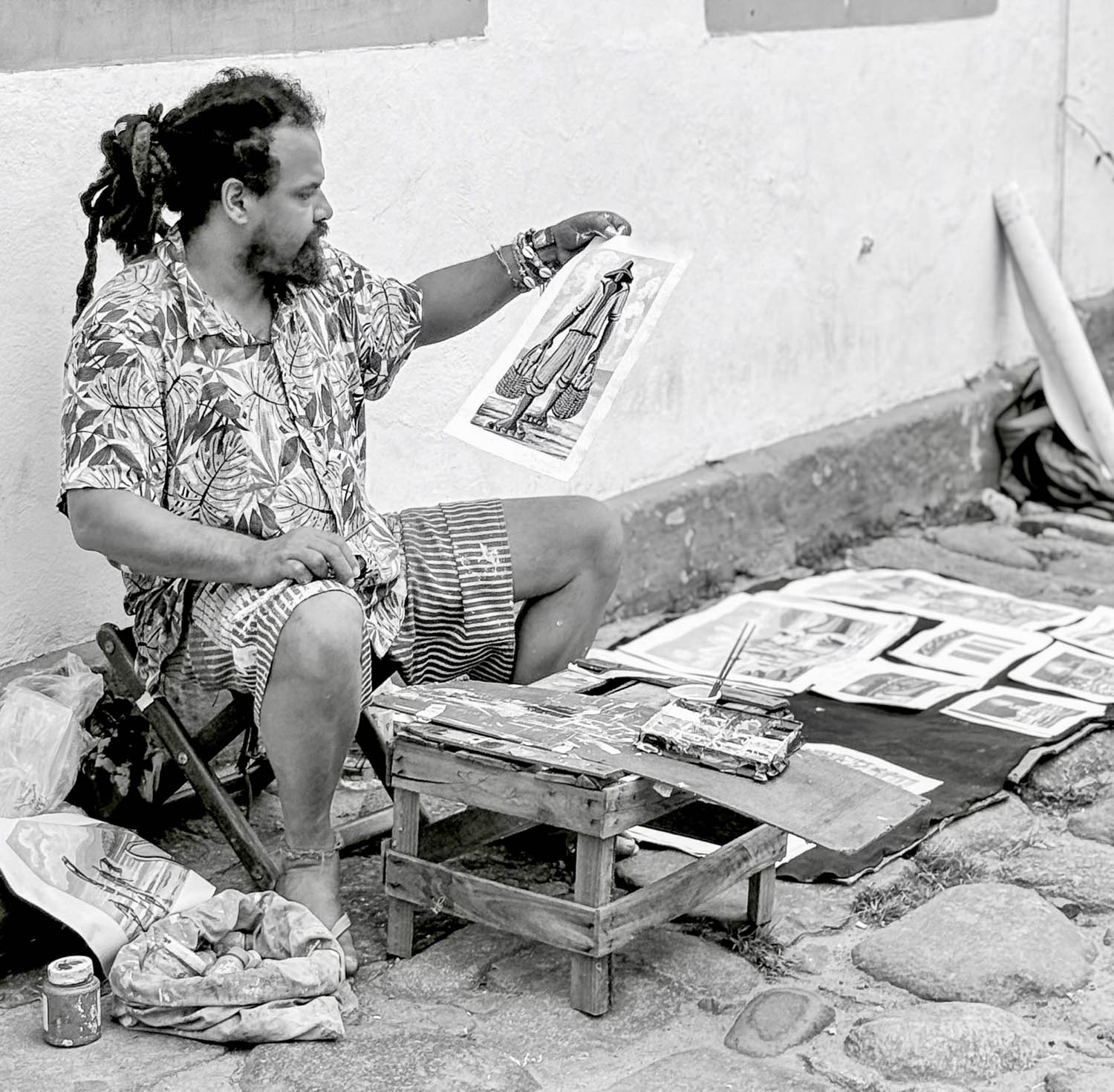
Shopping in Paraty isn’t about glossy malls or brand-name finds, but rather about wandering into small boutiques, galleries, and working studios embedded within the walls of its famous cobblestoned streets.
Local artisans sell jewelry, ceramics, textiles, and handmade pieces, often crafted just steps away from where they’re displayed. In turn, many shops double as informal workshops, working studios, or exhibition spaces. Browsing here feels more like discovery than retail — a chance to connect with Paraty’s creative community and take home something made with intention rather than mass production.
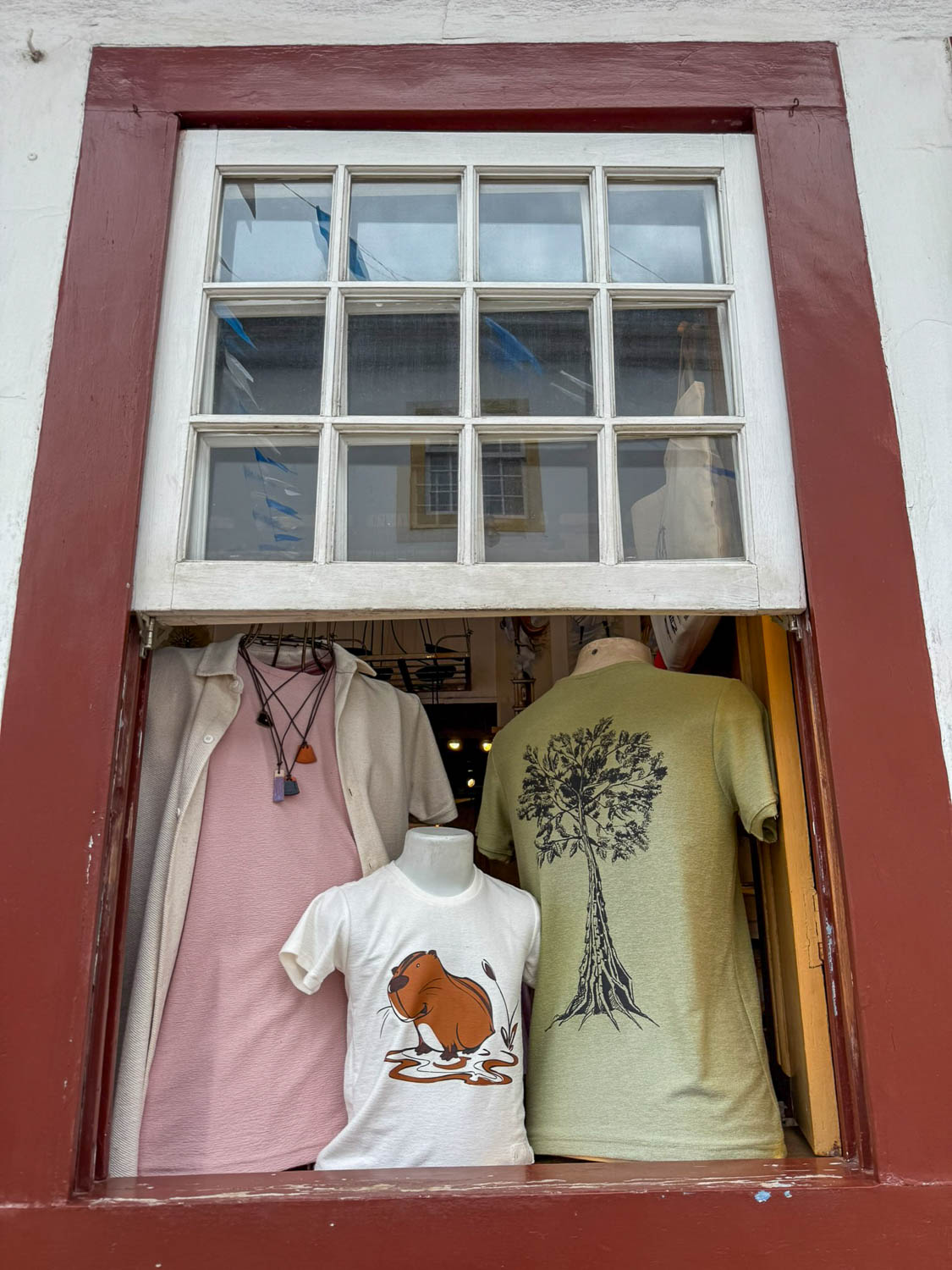
Fun fact. Opening hours are fluid in Paraty: some boutiques close for lunch, others for rain showers, and others simply for conversation – then quietly reopen later.
Insider tip. Prices are often less fixed than they appear when shopping in Paraty, especially for handcrafted items — polite conversation and gentle bargaining are not uncommon.
Dining
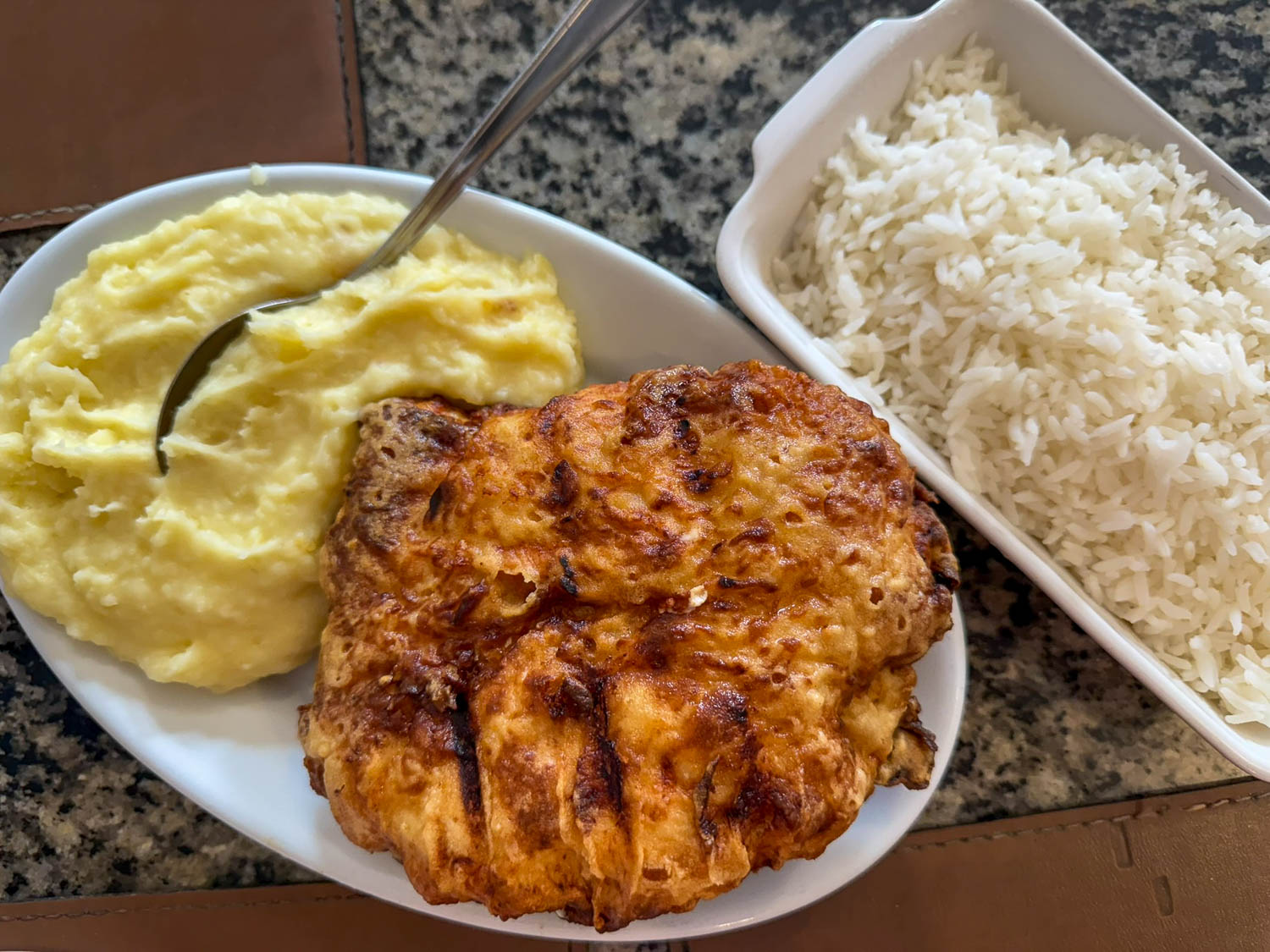
Food in Paraty is closely tied to place, with menus shaped by the sea, the surrounding countryside, and a strong sense of tradition. You’ll find everything here from simply grilled fish served steps from the water to elegant dining inside restored historical buildings, where atmosphere and the use of fresh ingredients are as much a draw as the meal itself.
Insider tip. Many restaurants adjust menus based on the morning’s catch, so availability can change from day to day.
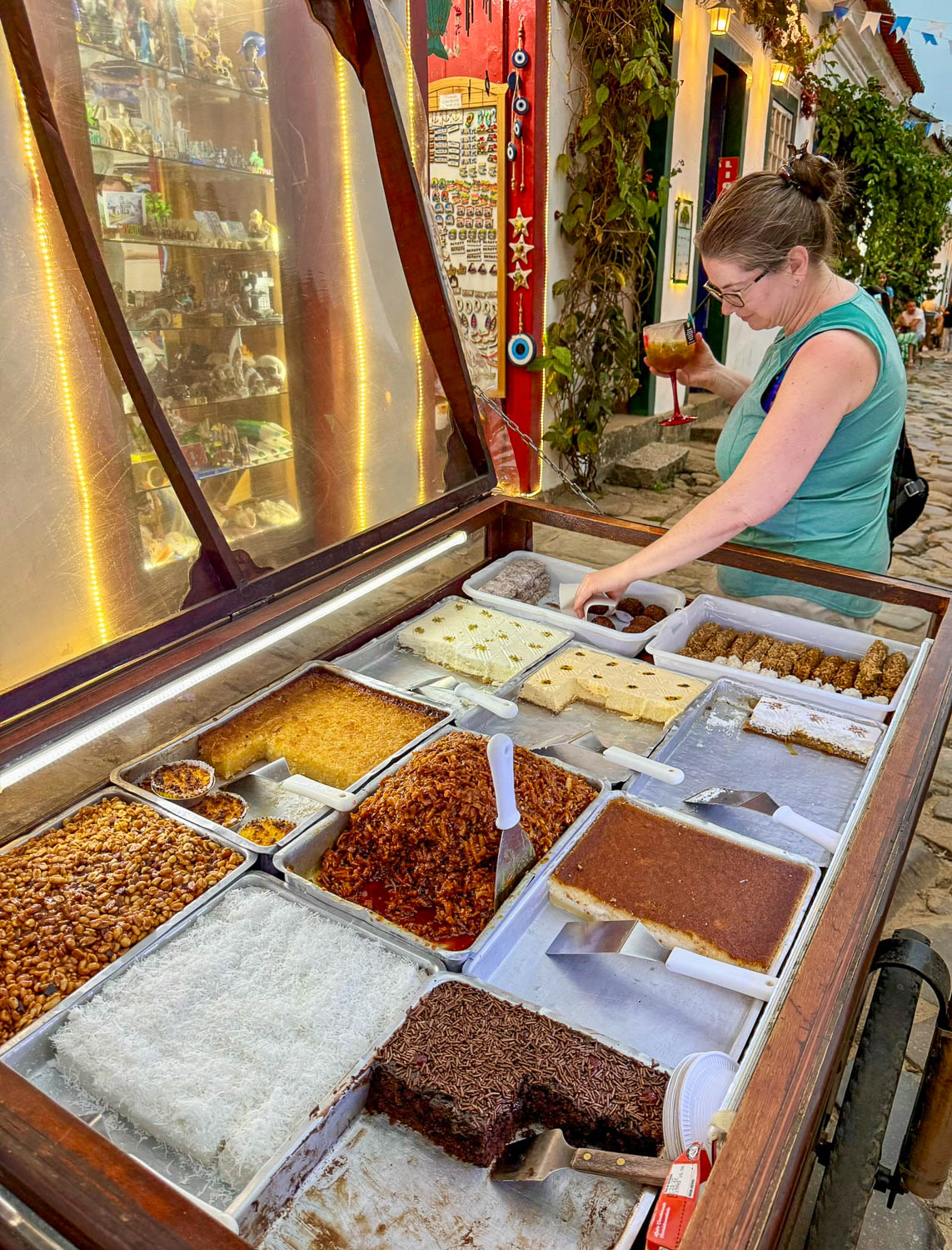
In Paraty, fresh seafood dominates menus, often paired with rice, beans, and local accompaniments, whilst classic Brazilian dishes that include feijoada and churrasco provide familiar anchors. Between meals, cozy coffee shops encourage lingering over a warm drink, and small street stalls tempt passersby with sweets and snacks — proof that eating here is as much about pacing as it is about flavor.
Insider tip. Dessert menus inside restaurants and cafes may be brief, but street vendors and bakeries often fill the gap better than restaurants do.
For more information on Brazilian cuisine, be sure to check out our detailed article, The Cuisine of Brazil.
Nightlife

As evening deepens, Paraty’s nightlife gradually unfolds. Many restaurants transition seamlessly into live-music venues, blurring the line between dinner and a night out, and creating an atmosphere that feels both vibrant and intimate. We loved wandering at this time of day: music drifting through the cobblestoned historic center – everything from samba and choro on one corner, to quieter acoustic sets on another – whilst candlelit tables at waterfront restaurants seemed to be calling our name for a pleasantly relaxed evening meal.
Insider tip. Dinner often starts later in Paraty than visitors expect: arriving too early can mean empty tables and kitchens still warming up.
Paraty’s town center definitely hums with energy after dark – but it’s not something that ever really feels overwhelming. It just is. Waterfront bars and tucked-away taverns serve caipirinhas and other local drinks, whilst cultural spaces host literary talks, author readings, and artistic performances — particularly during festival periods. And whether you choose to end your night with dancing in a square or with conversation over one final drink, Paraty’s evenings definitely feel grounded in music, conversation, and easy connection.
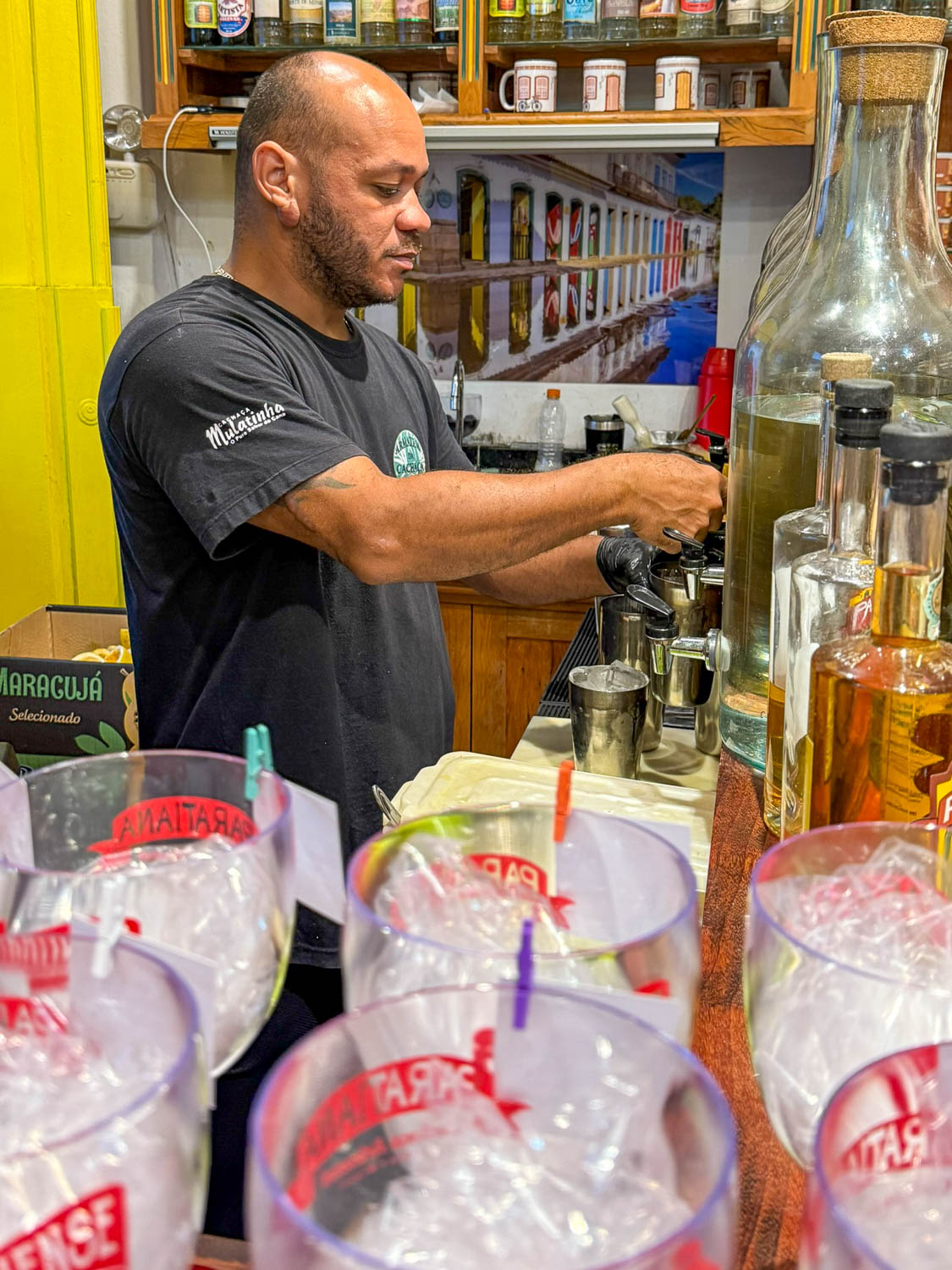
Insider tip. Many evening performances are free or loosely organized, with opportunities to simply dance in the streets with local buskers.
Insider tip. It’s common to drift between venues rather than commit to one — evenings here are meant to unfold organically.
Fun fact. Caipirinhas (Brazil’s national cocktail) vary noticeably in strength and style from place to place. Ordering one at a different place than the first one you tried earlier in the evening often results in a small act of discovery!
Paraty’s Festivals and Cultural Calendar
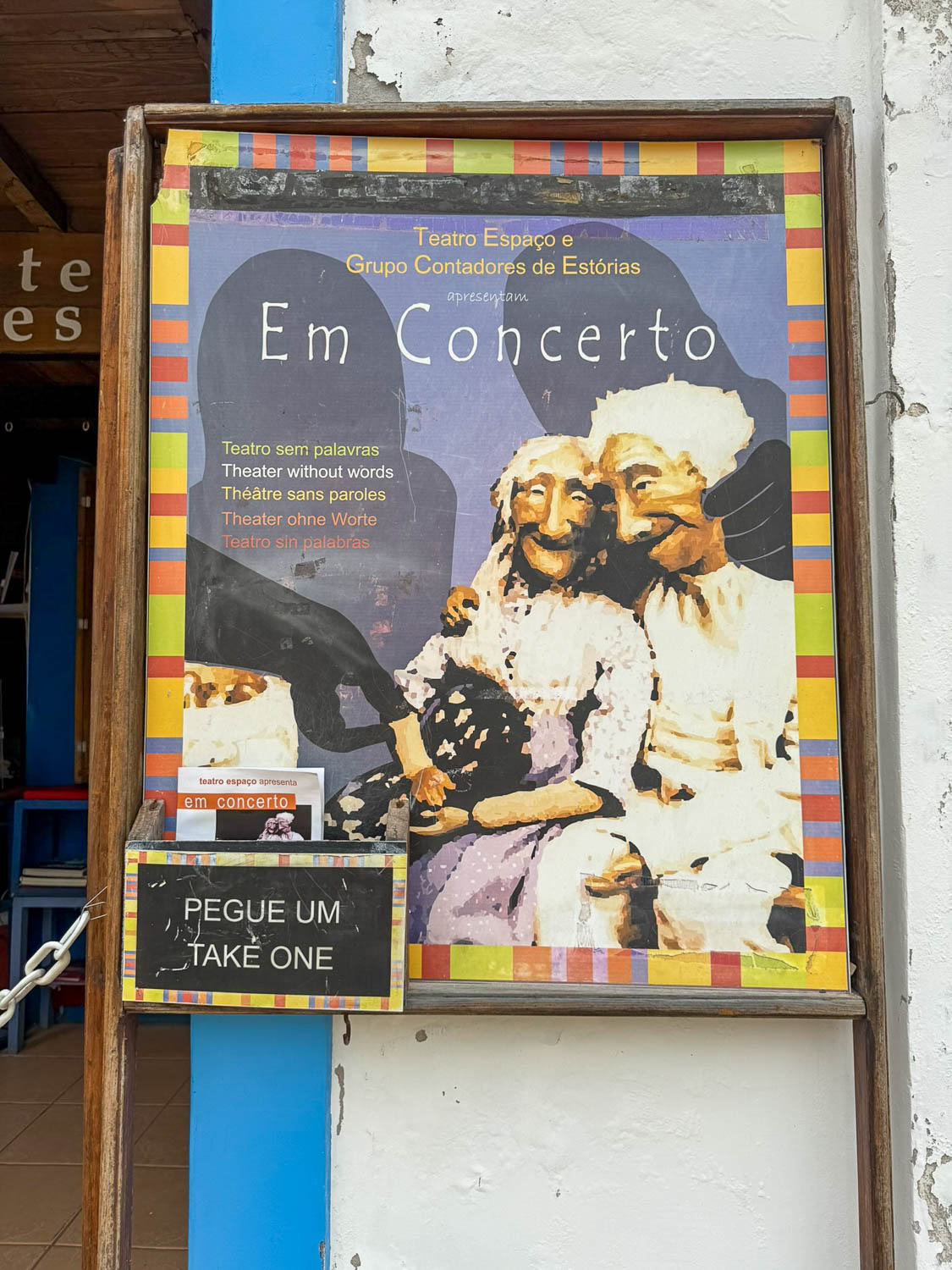
Festivals are woven into the fabric of Paraty, shaping the town’s rhythm throughout the year. These events draw writers, artists, musicians, and local communities into shared spaces, and often extend beyond formal venues, spilling into streets, squares, cafés, and cultural centers.
Below we list some of the cultural celebrations you may encounter during your time in Paraty. We hope you’re able to coincide your visit with one of these, as experiencing this historic town during a festival affords visitors additional insight into Paraty’s cultural identity – and indeed into its creative side.
For more information on each of the following, be sure to head on over to our sister article, The Festivals of Paraty.
- Paraty International Literary Festival (FLIP): held annually in July, this is Paraty’s best-known event, where writers, readers, and thinkers gather for talks, readings, and debate
- Faith-Based Festivals: church-based celebrations play an important role in Paraty’s cultural calendar, with feast days, services and processions tied to the town’s historic churches hosted throughout the year
- Other Celebrations: Paraty also hosts a steady calendar of smaller cultural events that reward curious timing (think seasonal museum openings and local music and dance gatherings, to name but a few)
Where to Stay in Paraty

Accommodations in Paraty reflect the town’s charm, history and relaxed pace, with a strong emphasis on smaller, locally-run properties. Many visitors choose to stay within, or just outside, the historic town center, where boutique hotels and restored pousadas occupy former colonial buildings along cobblestoned streets.
Insider tip. We highly recommend staying within the “walls” of the historic center, placing you within easy walking distance of shops, restaurants, beaches and cultural sites.
For a curated list of high-end as well as budget-friendly hotels in Paraty, and even some options for consideration a little farther afield, head over to our more detailed article, Where To Stay in Paraty.
Respecting the Local Environment
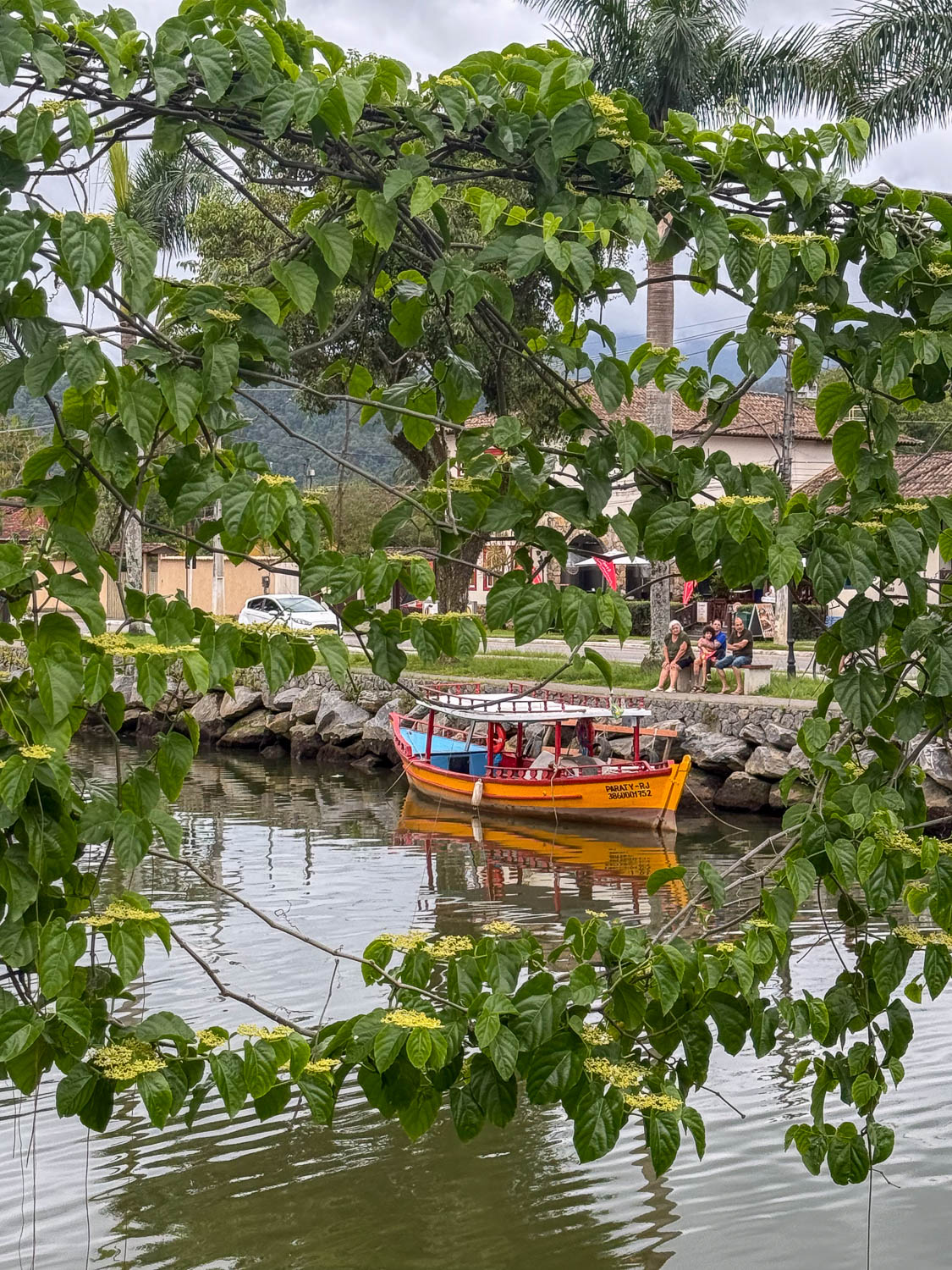
The natural setting around Paraty is fragile and stunning, not to mention central to the town’s identity. From the surrounding Atlantic Forest to the calm bays and island-dotted coastline, and from Paraty’s tropical fjord (Saco do Mamanguá) to its numerous white-sand beaches, protecting (and indeed caring for) these landscapes is imperative – care that should come from visitors, as well as locals.
Protecting this region relies largely on everyday choices, and travelers can provide support following some basic guidelines, which we provide below (though of course, this list is not exhaustive!).
- limit single-use plastics
- refill reusable water bottles
Insider tip. Bringing with you a reusable water bottle is especially practical in Paraty, as many pousadas and cafés are happy to refill bottles for free upon request.
- be mindful of waste disposal (especially when exploring beaches, trails, and waterways that may not have trash cans strewn throughout) and recycle wherever possible
- support locally-run businesses and artisans
- choose environmentally-conscious tour operators (including eco-friendly boat tours on the bay)
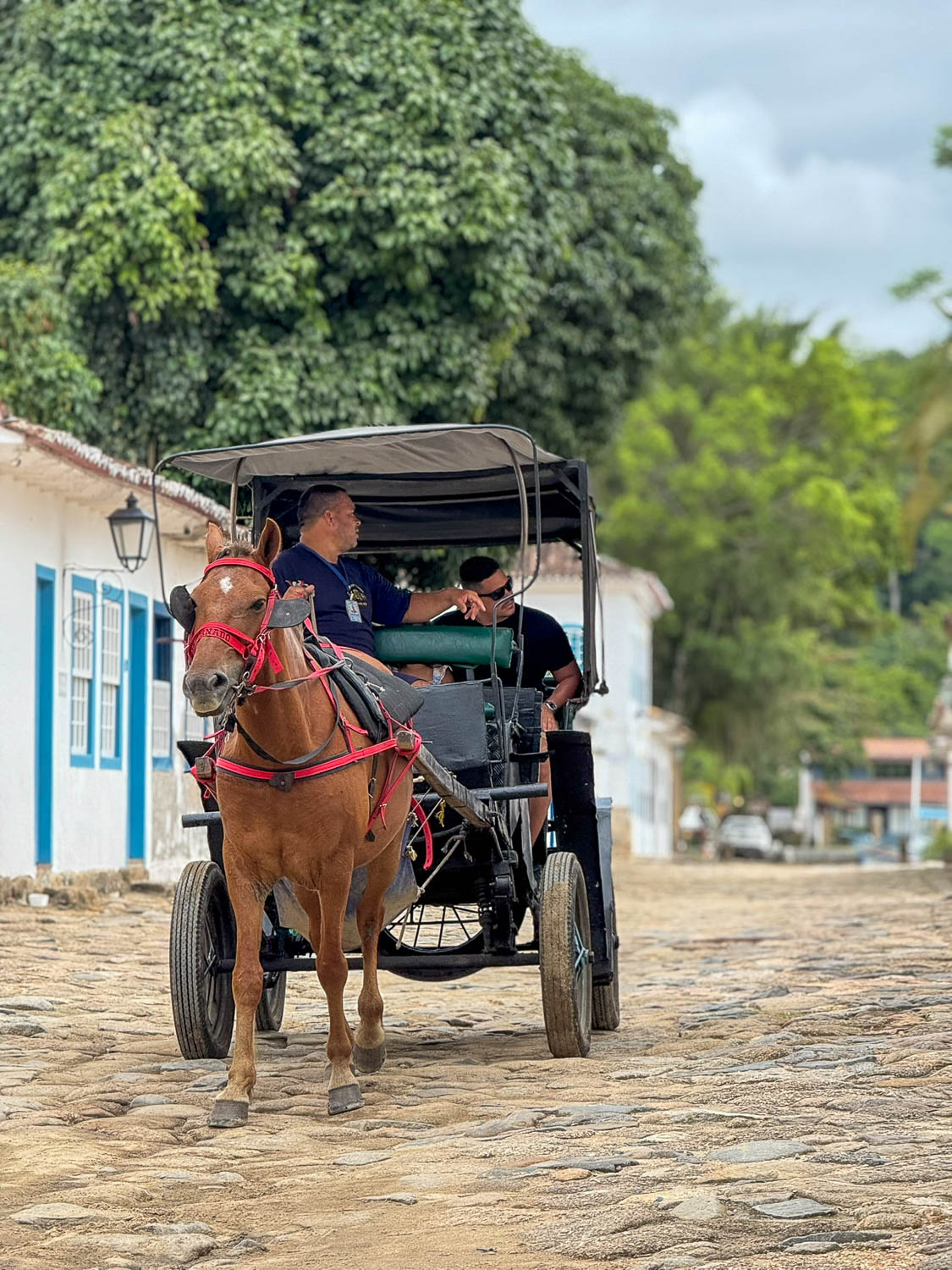
Insider tip. Many boat operators already operate with unwritten environmental norms, including avoiding certain coves or limiting engine use near shore. Choosing smaller, locally-run tours often aligns naturally with these practices.
This spirit of sustainability – and the small, thoughtful decisions that go with it – go a long way in helping keep tourism closely tied to Paraty’s community, ensures the economic benefits of tourism stay close to home, and preserves the environment and natural beauty upon which it all depends.
Fun fact. Freshwater streams in the region flow directly from the mountains to the sea, which means pollution travels quickly: what’s left behind inland doesn’t stay there for long.
Fun fact. Beach conditions can change after heavy rain, a reminder of how closely land, forest, and sea are connected in this region.
Staying Safe in Paraty
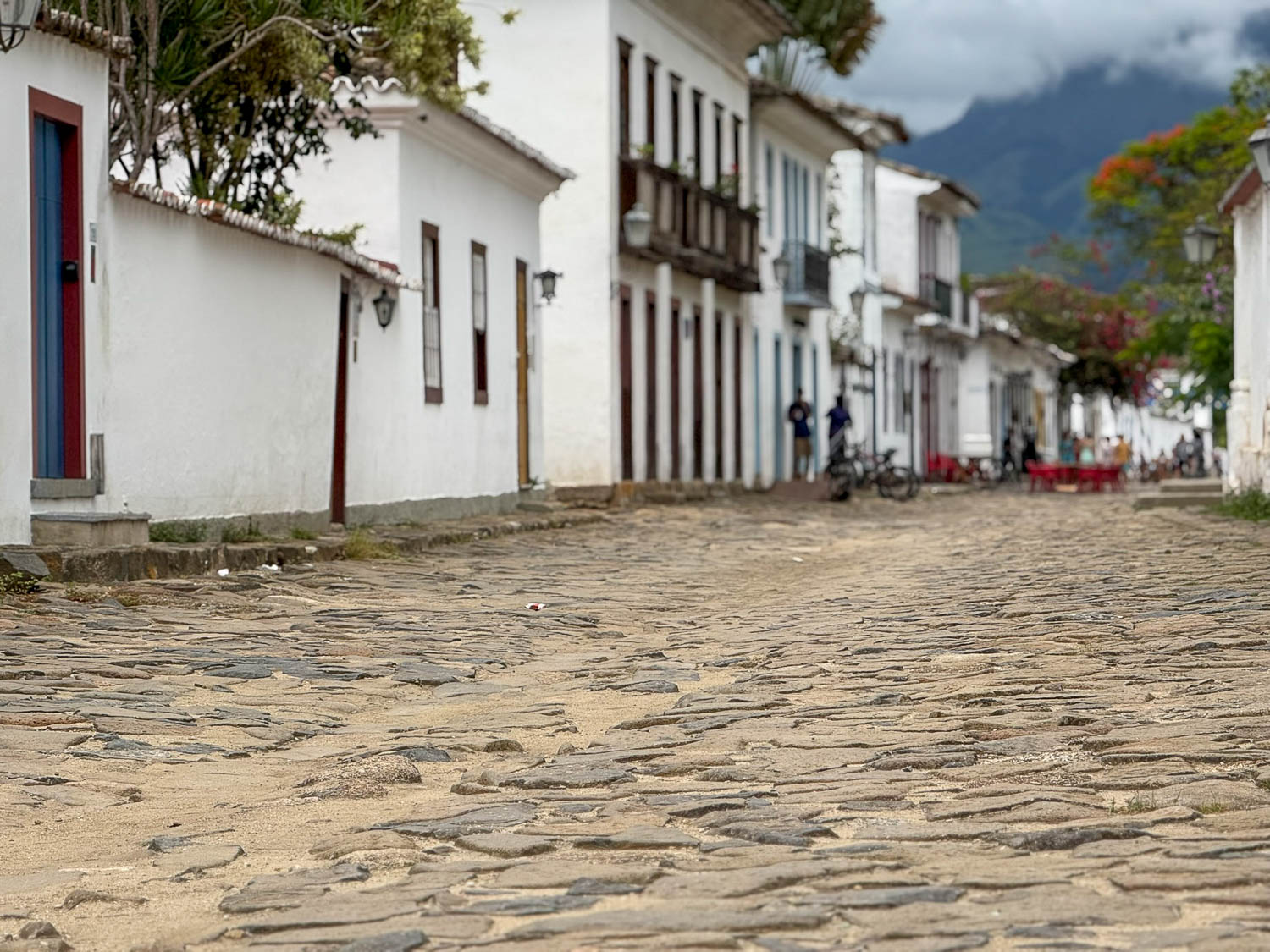
Compared with some of Brazil’s larger cities, Paraty is widely regarded as a safe place for visitors. Its historic center is largely pedestrian-only, which makes it pleasant to wander: for us, it definitely added to the relaxed atmosphere and was easy to navigate on foot. We also felt comfortable moving around town at all times of day.
Insider tip. We recommend wearing sturdy shoes for the uneven cobbled streets within the historic centre. A reminder also that during high tide, the unique phenomenon of Paraty’s flooded streets can make alleyways and roads slippery (even though the water may be shallow). Don’t avoid the area altogether (Beck found it made for superb photography!), but do watch where you step.
Of course, as with any global destination, a few additional common-sense habits go a long way to ensuring a safe and comfortable visit to Paraty.
- keep personal belongings close and secure (especially during busy festivals and in crowded spaces)
- be aware of your surroundings after dark (avoid wandering into isolated alleys late at night)
- consider using taxis or rideshares for longer distances after dark (rather than walking unfamiliar routes)
- carry with you during the day only a small amount of cash (rather than everything at once), which helps reduce the impact of loss, theft or misplacement when moving between cafés, shops, and evening venues
- stick to established paths when hiking (to help protect the environment and respect private property)
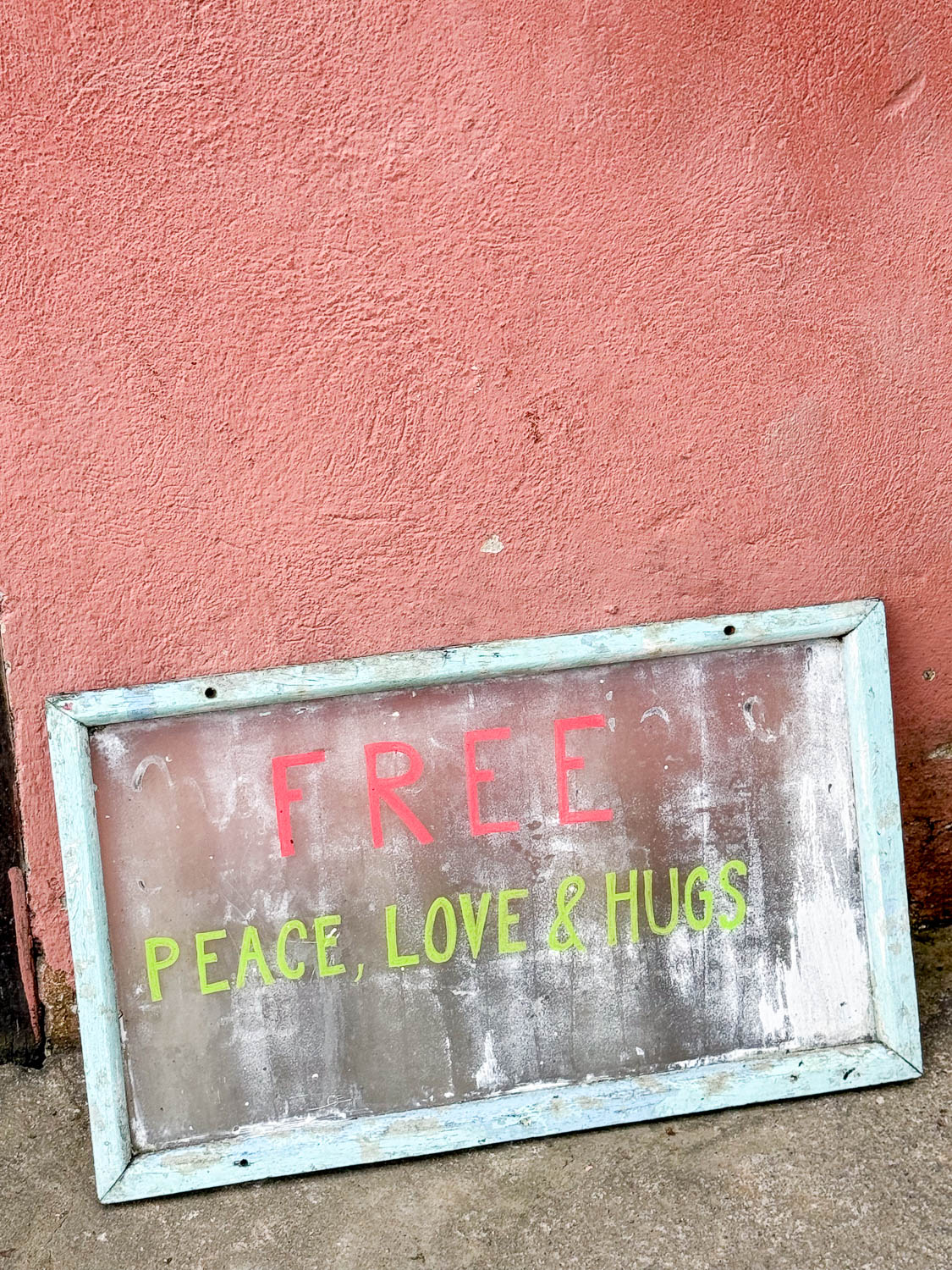
- follow local advice about swimming conditions, boat departures, and trail access, as weather and tides can change quickly
- be mindful of footing near the waterfront at night, where low light and tidal changes can make surfaces uneven
- confirm meeting points and return times clearly when joining boat trips or guided outings, as docks and pickup spots can look similar (especially after dark)
- keep a note of your accommodation’s name and location, as street signage in the historic center can be subtle and easy to miss
Insider tip. Local residents are used to visitors navigating on foot and are often quick to offer directions or assistance if asked. Don’t be afraid to seek the guidance or support of locals if you’re feeling unsafe, unsure, or simply a bit disoriented.
Final Thoughts
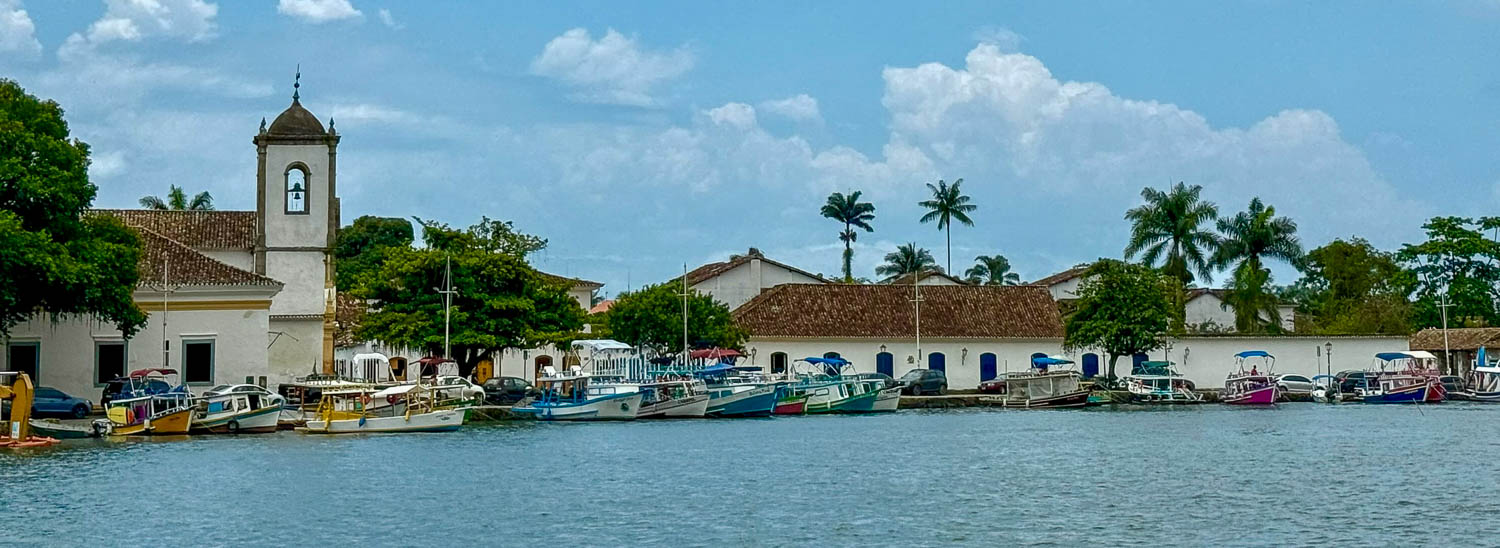
There’s no question at all: we fell in love with the historic town of Paraty the moment we landed (or drove in, as it were) – and it was late at night and dark out, so that’s saying something! Paraty brings together history, a vibrant culture, and natural surroundings, with rainforest-covered hills, shifting tides, and the bay all helping to shape everyday life in town. In a country as rich as Brazil, we felt Paraty really stood out and we wouldn’t hesitate to return.
From walking the cobblestone streets of the historic center, where African slaves once carried gold from Minas Gerais, to sailing across the bay to Brazil’s only tropical fjord, Paraty is a place that invites exploration on many different levels. Days can be spent moving slowly through the town, heading inland toward the rainforest, or venturing along the coast by boat, with each experience closely tied to the town’s past and present.
Paraty is also shaped by comfort and rhythm — relaxed mornings, good breakfasts, the discovery of secluded beaches, fresh local seafood, and evenings guided by conversation and live music. Paraty’s culture shows up here in everyday moments, history sits quietly in the background, and the town moves at a pace that’s easy for most to follow. Bring comfortable shoes and a sense of curiosity, and this UNESCO World Heritage Site will consistently deliver.
Are you ready to embrace that curiosity? To move your feet to the slower pace of life (and to beating drums, when you come across some!)? And to experience one of the most charming and colorful colonial towns along Brazil’s magical coastline? Paraty is a rewarding place to start – and we’re happy to help you plan your visit!
FAQs
What is Paraty Brazil known for?
Paraty is known for its beautifully preserved colonial historic center, cobblestone streets, colorful buildings, and vibrant cultural scene. The town is also famous for its tropical coastline, island-filled Paraty Bay, nearby beaches, and access to Brazil’s Atlantic Forest.
What are the best things to do in Paraty?
Popular activities in Paraty include exploring the historic center, taking boat tours around Paraty Bay, visiting nearby beaches such as Praia do Sono and Trindade Beach, hiking the historic Gold Trail (Caminho do Ouro), and enjoying local restaurants, shops, and cultural festivals.
When is the best time to visit Paraty?
The best time to visit Paraty is generally during the drier winter months from June to August or during the shoulder seasons of spring and autumn. These periods offer pleasant weather for exploring the historic center, hiking nearby trails, and taking boat trips around Paraty Bay.
Where is Paraty located in Brazil
Paraty is located along Brazil’s Costa Verde in Rio de Janeiro state, roughly halfway between Rio de Janeiro and São Paulo. The town sits between rainforest-covered mountains and the sea, making it one of the most scenic destinations along Brazil’s southeastern coastline.
How do you get to Paraty Brazil?
Most visitors reach Paraty by car or bus from Rio de Janeiro (about 4 hours) or São Paulo (about 5 hours). The town does not have its own airport, which helps preserve its relaxed atmosphere and historic character.
Explore More Of Brazil
-
Serra Verde Express Train: Curitiba to Morretes
The Serra Verde Express is a scenic train journey from Curitiba to Morretes in Paraná, Brazil, traveling through the Atlantic Forest and Serra do Mar Mountains. This guide covers tickets, classes, routes, and what to expect along one of Brazil’s most iconic railway experiences.
-
Brazil Regional Cuisine: A Guide to Flavors Across Brazil
Brazil regional cuisine reflects the country’s geography and cultural diversity, with each region offering distinct flavors, ingredients, and traditional dishes shaped by local traditions.
-
Traditional Brazilian Food: Iconic Dishes, Snacks, and Desserts
Traditional Brazilian food blends rich cultural influences with bold, comforting flavors. From feijoada and moqueca to pão de queijo and brigadeiros, this guide highlights Brazil’s most iconic dishes, snacks, and desserts.
-
Brazilian Food: A Guide to Brazil’s Culinary Culture
Brazilian food blends Indigenous, African, and Portuguese influences into one of the world’s most diverse cuisines. From feijoada and churrasco to regional flavors across Bahia and the Amazon, this guide explores Brazil’s food culture, dining traditions, and what to expect.
-
Maceio Brazil: Best Things To Do + Travel Guide
Maceio, Brazil is one of the country’s most beautiful coastal destinations, known for turquoise waters, natural pools, palm-lined beaches, and easy access to the stunning Coral Coast. This guide covers the best things to do, top beaches, day trips, local cuisine, where to stay, and practical travel tips for planning your visit.
-
Best Things To Do in Embu das Artes: Travel Guide
Embu das Artes, just outside São Paulo in Brazil, is a colorful colonial town known as the “City of the Arts.” Famous for its weekend Feira de Artes market, galleries, artisan shops, and museums, it’s one of the most creative cultural day trips from São Paulo.
-
Morretes Brazil: Best Things to Do in Paraná’s Gem
Morretes, Brazil is a charming colonial town in Paraná nestled within the Atlantic Forest. Famous for the scenic Serra Verde Express train, the Nhundiaquara River, and the traditional barreado dish, Morretes offers cobblestone streets, historic churches, and relaxed riverside dining just a short trip from Curitiba.
-
Port Santos, Brazil: Essential Cruise and Travel Guide
Port Santos is the largest port in Latin America and the main cruise gateway to the coastal city of Santos, Brazil. This guide explains how the port operates, what cruise passengers can expect on arrival, and the best things to do nearby — including beaches, museums, historic sites, and day trips to São Paulo.
-
Buzios, Brazil Travel Guide: Best Things To See and Do
Buzios is a coastal resort town in Brazil located about three hours from Rio de Janeiro, known for its beaches, walkable center, and relaxed seaside atmosphere. This Buzios travel guide covers the best things to do, top beaches, Rua das Pedras, the Orla Bardot Boardwalk, where to stay, nightlife, festivals, and practical travel tips.