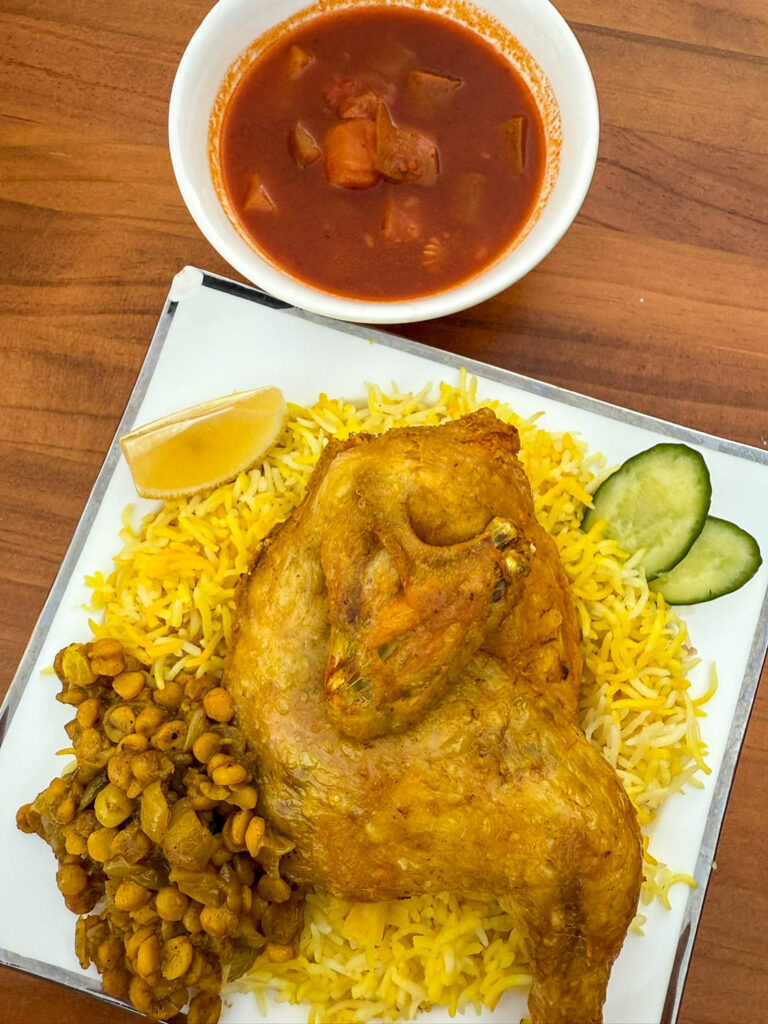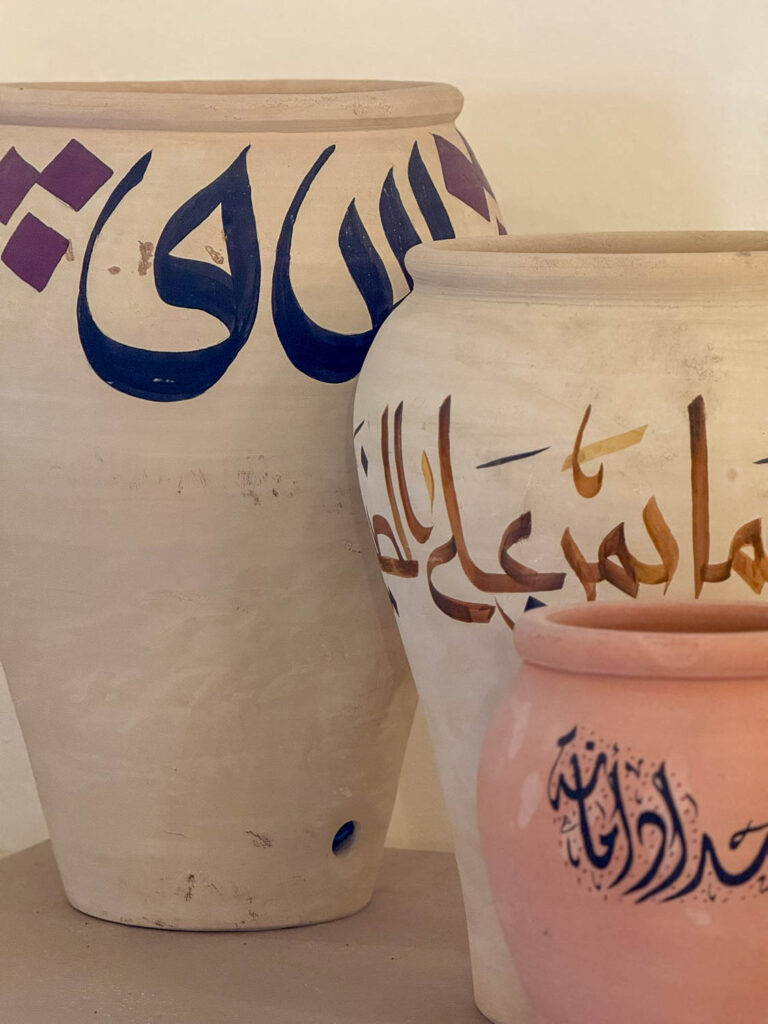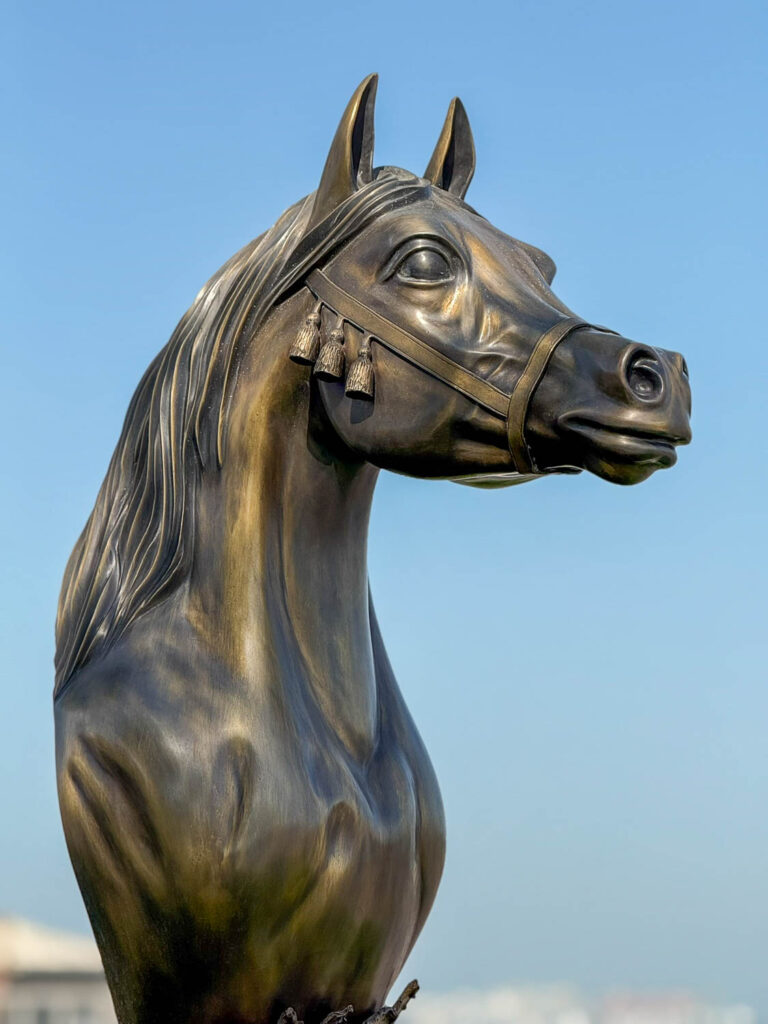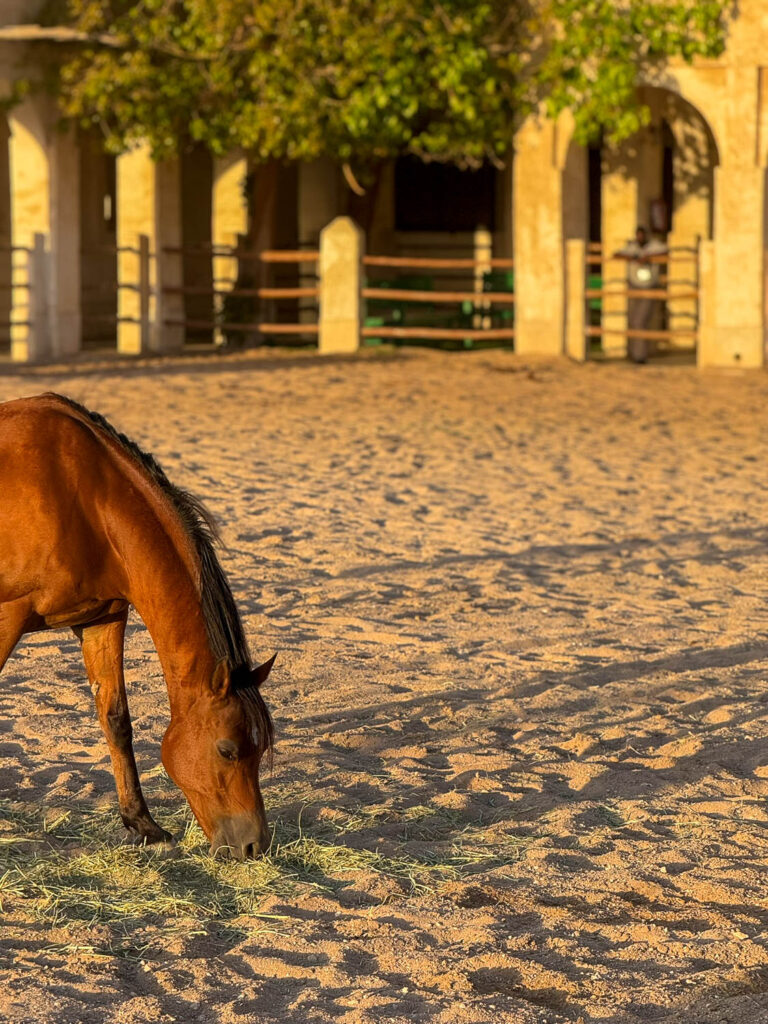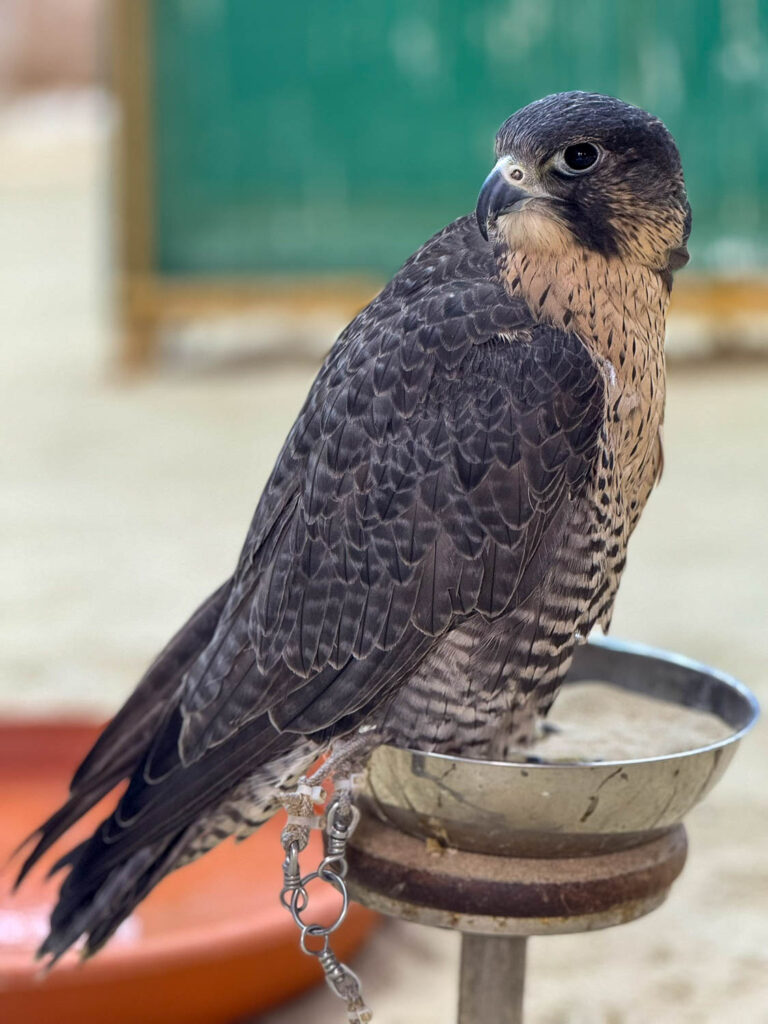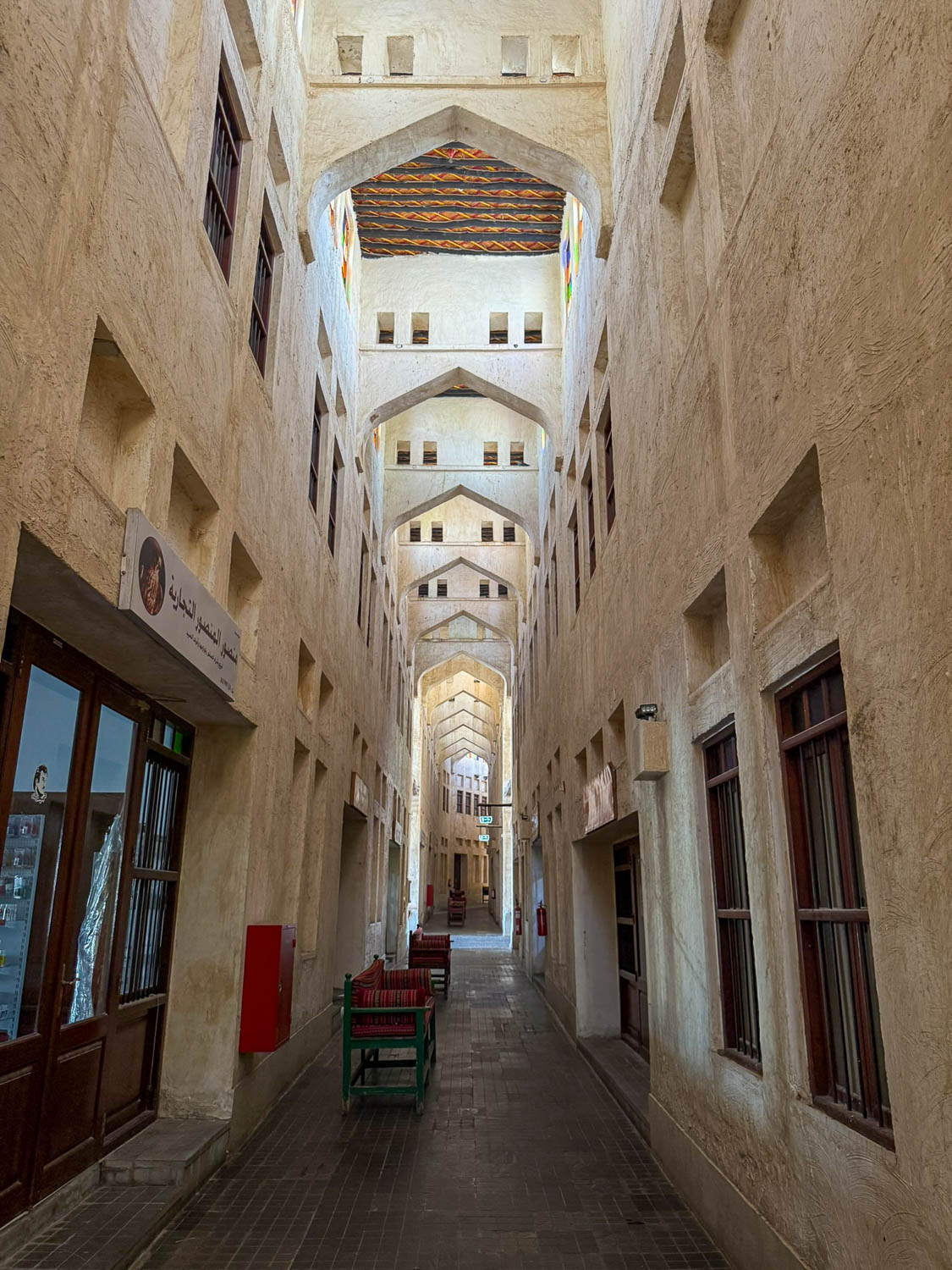
Souq Waqif opening hours can shape your entire experience at Doha’s most famous traditional marketplace. There are few places in Doha that capture Qatar’s spirit quite like Souq Waqif, the city’s beloved historic souq and one of its most atmospheric attractions. Set against a backdrop of winding alleys, mud-rendered walls, and the heady scent of spices, this lively market offers a glimpse into the Qatar of centuries past … yet it continues to thrive today as a vibrant hub for both locals and visitors alike. From perfumers blending fragrant oud oils to tailors crafting custom thobes and merchants selling everything from carpets to falcons, every corner feels like an authentic celebration of Qatari culture.
Whether you come to shop, photograph, or simply wander, Souq Waqif invites slow exploration. You’ll find locals lingering over tea, musicians performing in tucked-away courtyards, and visitors discovering new flavors at every turn. The market’s mix of traditional crafts, modern boutiques, and open-air cafés gives it a timeless energy — where old meets new, and every visit feels slightly different from the last.
But as charming as it is, Souq Waqif can also feel like a sensory whirlwind, especially for first-time visitors. Knowing when to go, how to navigate, and where to pause for a bite can make all the difference between a rushed wander and a truly rewarding experience. In the sections that follow, we’ll share with you, fellow adventurers, practical advice on the best times to visit, how to get there, cultural etiquette, and a few other insider tips that will help you experience Souq Waqif like a local.
Let’s dive in!
Quick Tips
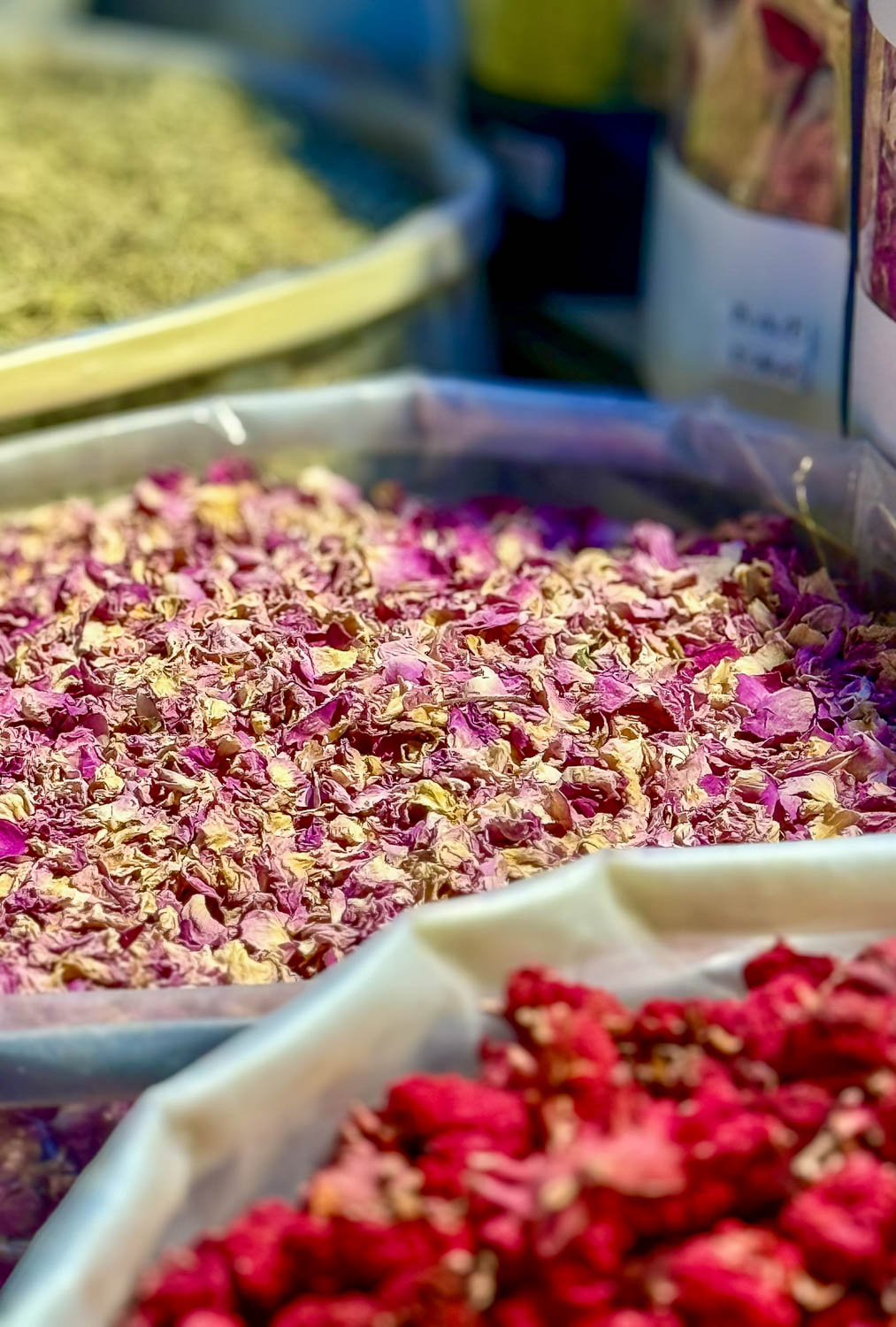
Here are some insider tips to help you make the most of your visit to Souq Waqif.
- Souq Waqif is located in central Doha near the Doha Corniche and is easily reached by Metro, taxi, Uber, or on foot from many nearby attractions.
- Most shops inside the souq typically open from mid-afternoon until late evening, whilst restaurants and cafés often stay open much later.
- The best overall time to visit Souq Waqif is between October and March, when cooler temperatures make exploring the outdoor alleyways far more comfortable.
- For the most atmospheric experience, visit in the late afternoon or evening when the market becomes livelier, lanterns illuminate the alleyways, and temperatures begin to cool.
- Fridays and Saturdays are generally the busiest days at the souq, especially after sunset, so expect larger crowds and slower movement through the narrow lanes.
- Summer temperatures in Doha regularly exceed 105°F (40°C), making evening visits significantly more comfortable than midday exploration.
- The Doha Metro Gold Line provides one of the easiest ways to reach the souq, with Souq Waqif Station located directly beside the market.
- Wear lightweight, modest clothing that covers shoulders and knees, along with comfortable walking shoes suitable for uneven stone pathways.
- Bring water, sunscreen, sunglasses, and a small amount of Qatari Riyals for smaller cafés, tips, and souvenir purchases.
- Many vendors expect friendly bargaining, particularly when shopping for spices, textiles, perfumes, lanterns, and souvenirs.
- Late afternoon lighting provides some of the best photography conditions within the souq, especially around spice stalls, lantern alleys, and courtyard entrances.
- GPS navigation can occasionally struggle inside the souq’s winding corridors, so use visible landmarks like the nearby Fanar Masjid spiral minaret to help orient yourself.
- Public restrooms, air-conditioned corridors, shaded courtyards, and abundant café seating make it easy to take breaks throughout your visit.
- Allow at least 2–3 hours for a relaxed first visit to fully enjoy the market, photography opportunities, dining, and wandering through the smaller side alleyways.
Follow these tips and you’ll be ready to visit Souq Waqif!
Plan Your Trip
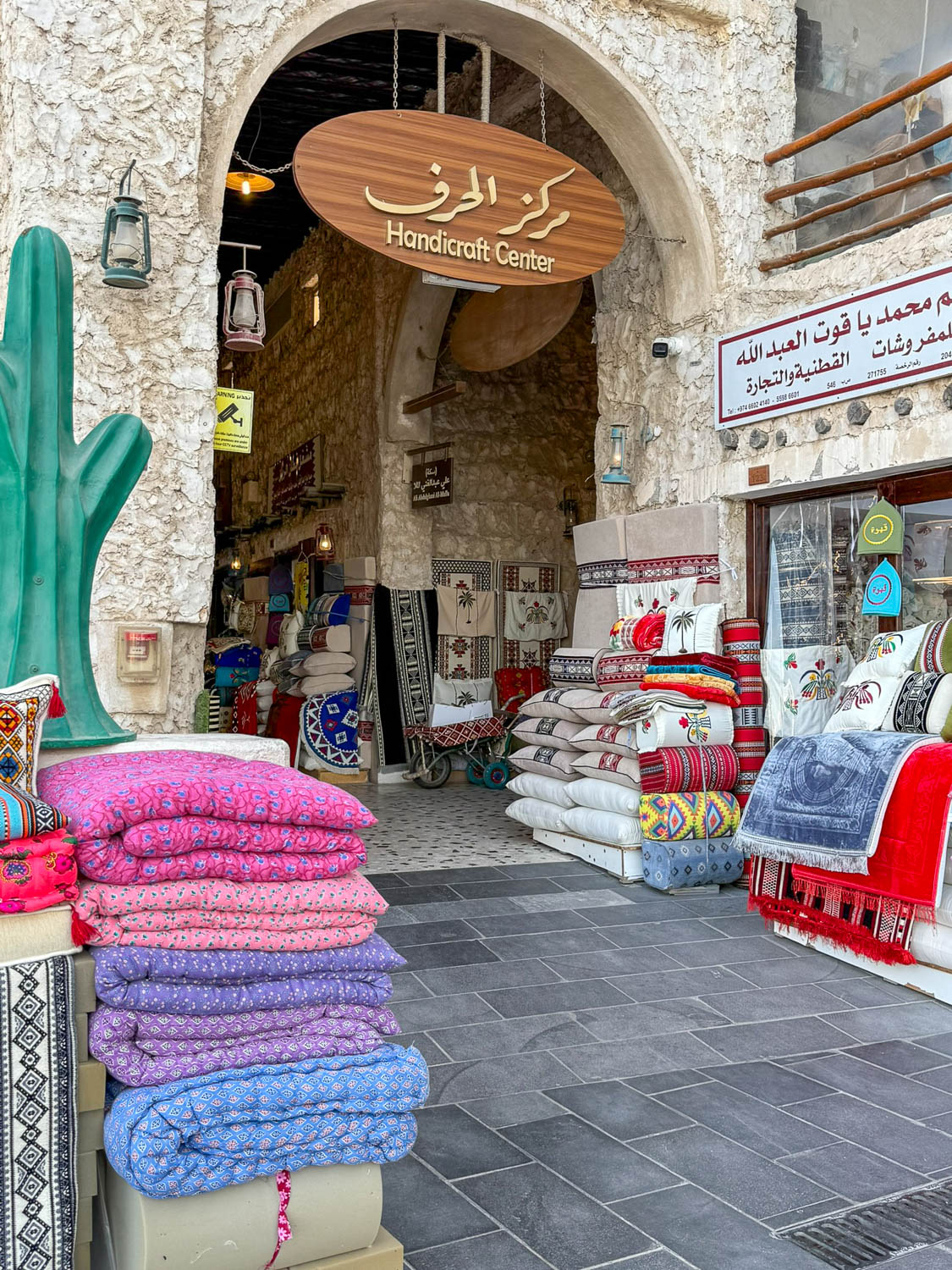
Some links below may earn us a small commission at no extra cost to you. We’re truly grateful for your support, as it allows us to continue sharing meaningful travel experiences and practical travel insights with you. Read our full disclosure here.
Best Way To Experience Souq Waqif
The best way to experience Souq Waqif is to visit in the late afternoon or evening, when cooler temperatures, illuminated alleyways, and lively crowds create the market’s most atmospheric experience. Most visitors enjoy slowly wandering the winding corridors, browsing spice and perfume stalls, exploring the Falcon Souq, and enjoying dinner or tea whilst soaking in the vibrant energy that makes Souq Waqif one of Doha’s most memorable cultural attractions.
For first-time visitors, the ideal visit usually includes:
Top Recommended Experiences (At A Glance)
Short On Time? Do This:
Tours & Experiences
Browse additional top-rated tours, city experiences, and cultural activities with things to do in Doha, Qatar.
Travel Essentials
Planning the rest of your trip? These are the platforms we personally use when organizing our travels. For more planning tools, visit our Travel Resources page or browse current promotions on our Travel Deals page.
Best Time to Visit
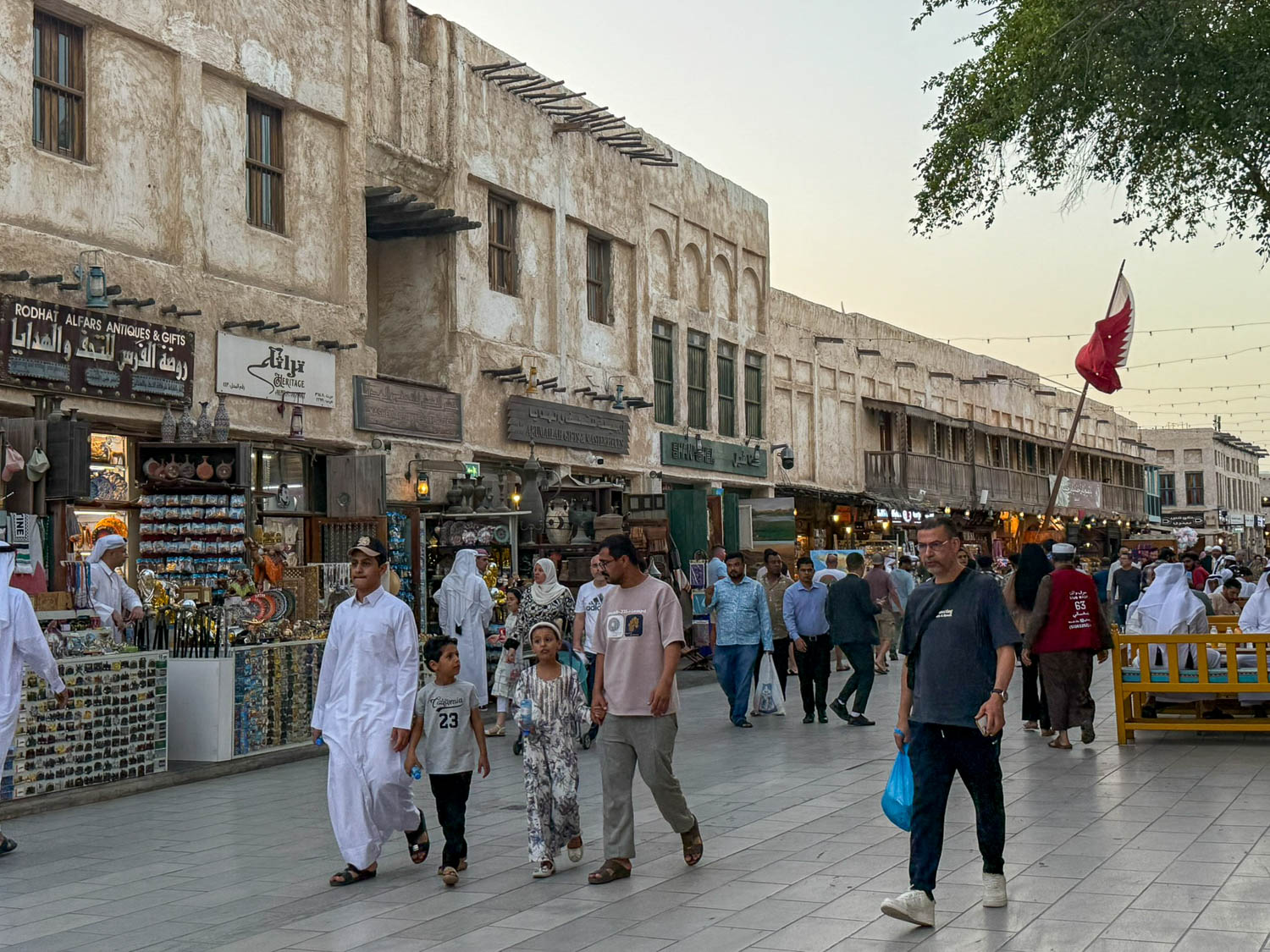
We are big believers that you can truly visit anywhere on the globe at any time of year, so long as one is mindful of what visits during particular seasons can bring with them (for example, different weather patterns, festivals, opportunities to witness other large events … and so on).
Most visitors favor visiting Qatar (and, in turn, Souq Waqif) between October and March (or November through April), when daytime temperatures are pleasantly mild and perfect for exploring the city. If you’re not a big fan of the extreme heat, this could be the perfect season for you to explore Doha and the surrounding area.
Still planning to visit during the summer, as we did? Summers can be extremely hot, with daily highs soaring above 105°F (40°C) (Beck’s happy, happy place!), which for some can make outdoor activities uncomfortable. During these warmer months, consider spending time at Souq Waqif in the morning (though it will be closed, it’s still a wonderful opportunity to wander through the empty alleyways and plan out your evening adventures there!), or after sunset to avoid peak heat.
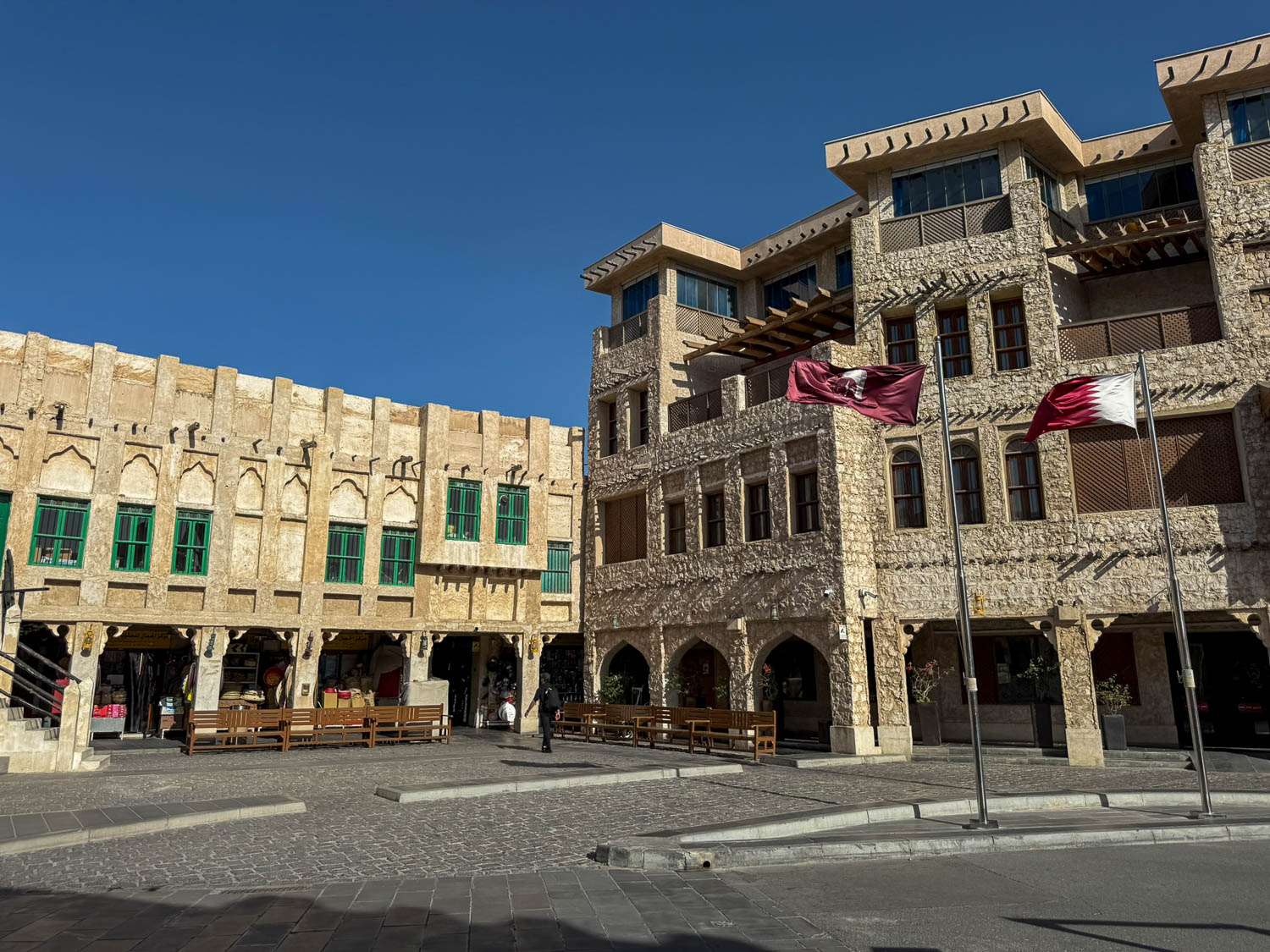
Some additional insights for you, fellow wanderers, on when best to visit Souq Waqif follow below.
- No matter what time of year you choose to visit, the market truly comes alive in the late afternoon and evening, when shops, cafés, restaurants and street performers begin to open up and the night air fills with an even greater energy.
- Weekends – especially Fridays and Saturdays – are the busiest, offering the fullest experience of vibrant crowds and cultural happenings.
- Visiting during festivals or public holidays adds even another layer of entertainment, with traditional music, performances, and special market events.
Insider tip. If your trip coincides with Ramadan, daytime hours at Souq Waqif may be even quieter than normal, but evenings truly come alive with festive dining and community gatherings.
Getting There and Away
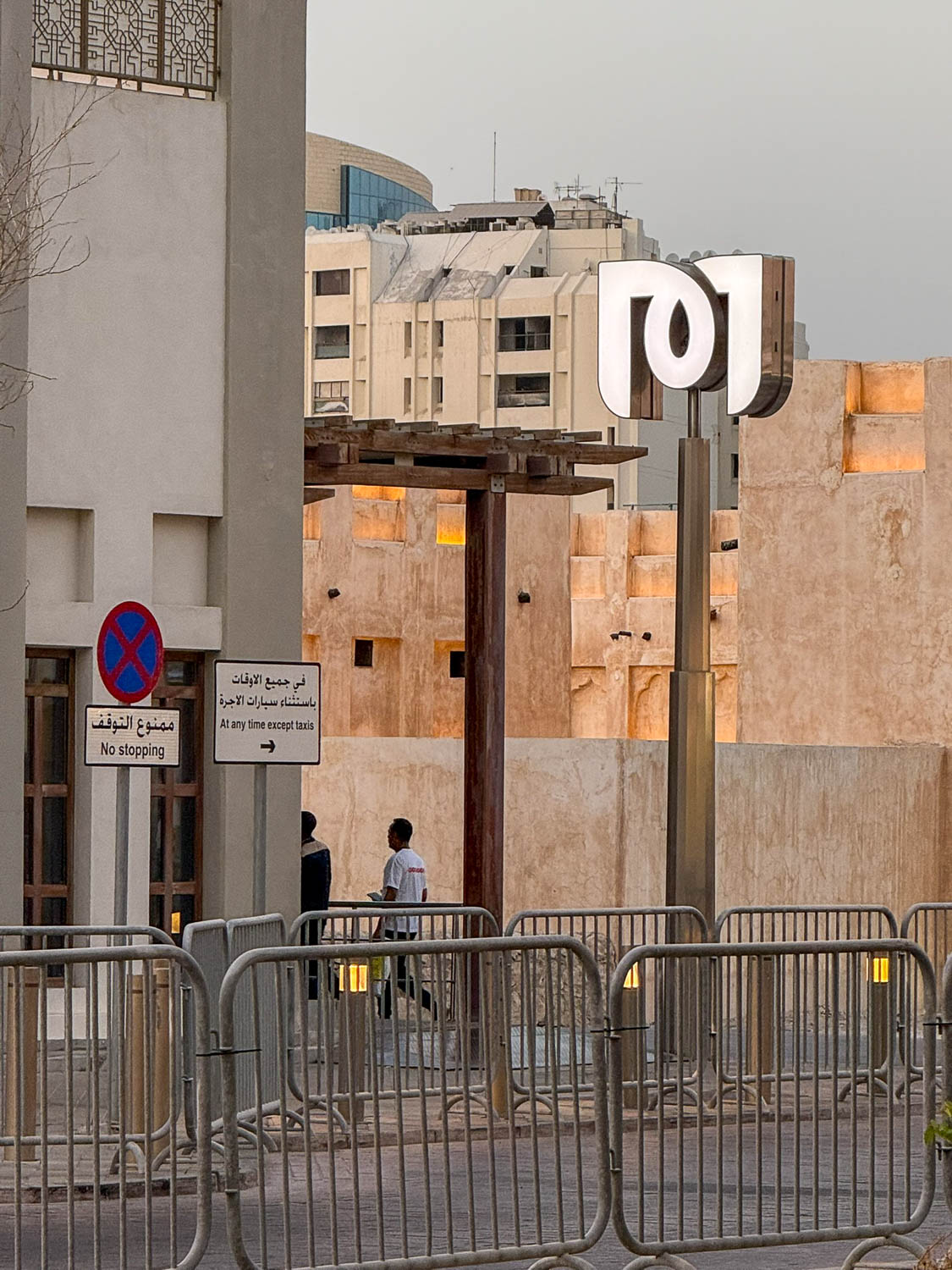
With its central location right in the heart of downtown Doha, it’s easy to reach Souq Waqif from nearly anywhere in the city. It’s just a short walk from the Doha Corniche, and lies beside landmarks that include the Museum of Islamic Art.
Visiting from a little farther afield? No worries, as Souq Waqif is also easily accessible via Doha’s efficient public transit system.
- Metro. The Souq Waqif Metro Station is on the Gold Line and the station is directly adjacent to the market, putting you just a short walk away.
- Taxi or Uber. Taxis and rideshares are widely available throughout Doha, and you can be dropped at any of the main entrances to the market.
You can also drive to the souq if you have your own vehicle. We’ve provided approximate driving times to Souq Waqif from each of the locations below.
- West Bay: 10–15 minutes
- Hamad International Airport: 15–20 minutes (traffic dependent)
- The Pearl: 15-25 minutes (depending upon from which part of the island you’re starting the journey)
Insider tip. There are public parking areas near the souq (both above and under ground), though note that weekends can be crowded.
Practical Essentials: What to Bring
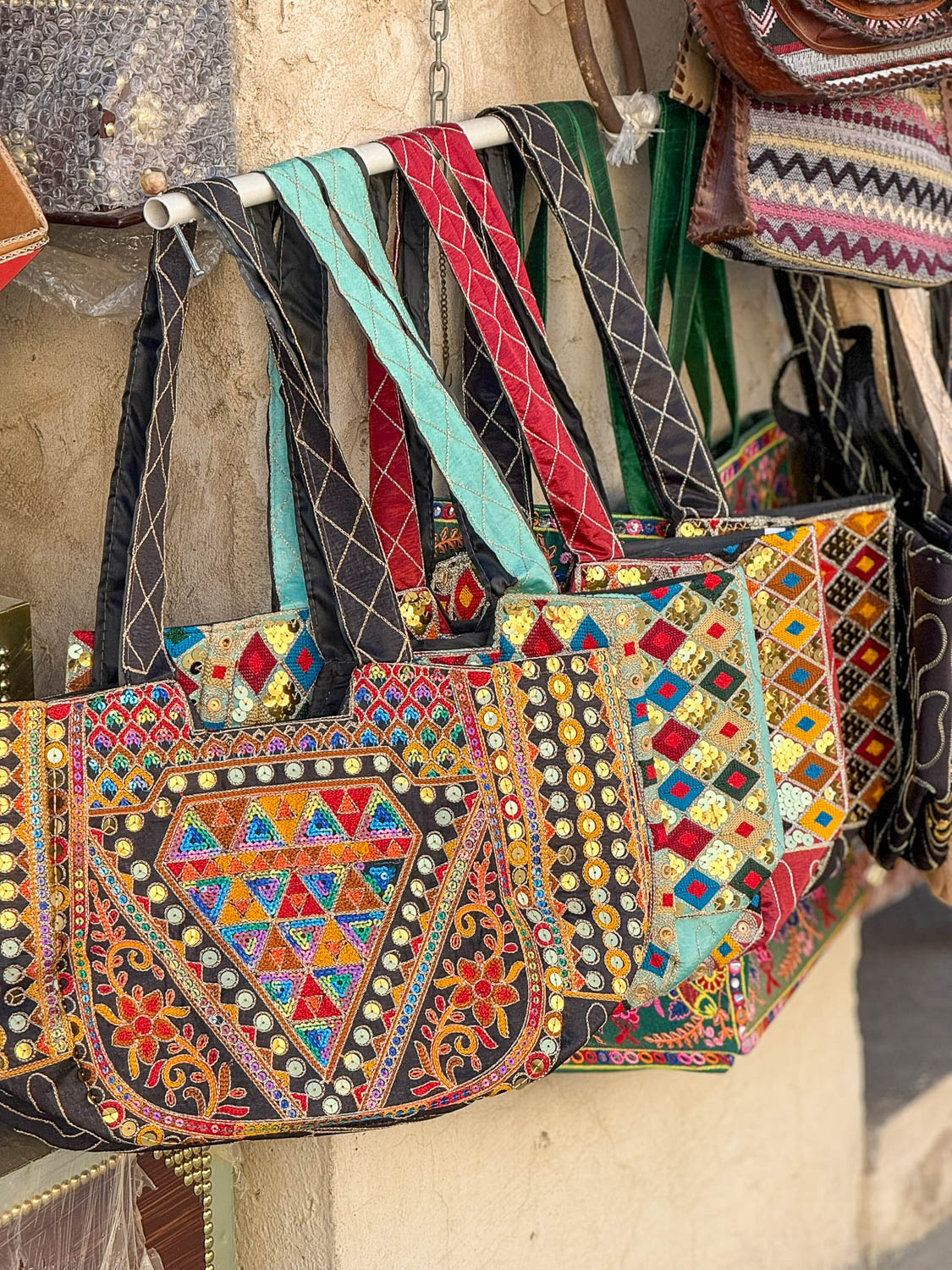
A little preparation goes a long way when exploring Souq Waqif’s winding alleys and lively courtyards. Packing a few well-chosen essentials can make your visit infinitely more comfortable — and yes, even help you shop smarter. Think of this as your quick “souq survival kit,” designed to keep you cool, comfortable, and ready to roam!
Recommendations on what to take with you into Souq Waqif include the following.
- Light, breathable clothing. This will keep you comfortable in Doha’s warm climate.
- Modest attire. Covered shoulders and covered knees demonstrate respect for local customs and help you blend in seamlessly.
- Comfortable walking shoes are a must for navigating uneven stone floors and meandering alleyways.
- Cash. A small amount of local currency (the Qatari Riyal) is handy, as some smaller vendors still prefer cash over credit and debit cards. It’s also convenient for spontaneous purchases!
- A refillable water bottle will help you stay hydrated, especially if visiting during the heat of the day.
- Sunglasses or a sun hat are useful for moving between shaded alleys and sunlit courtyards.
- A lightweight tote or foldable bag makes it much easier to carry any spices, sweets, or other souvenirs you just had to buy.
Insider tip. No matter what time of year you choose to visit, don’t forget to bring sunscreen. Parts of the souq are outdoors, and even in shaded alleyways temperatures can be intense.
With these simple essentials packed, you’ll be perfectly equipped to wander, browse, taste, and explore — and maybe even discover that one unexpected treasure you never knew you needed!
Navigating the Souq: Layout, Lanes, and Getting Oriented
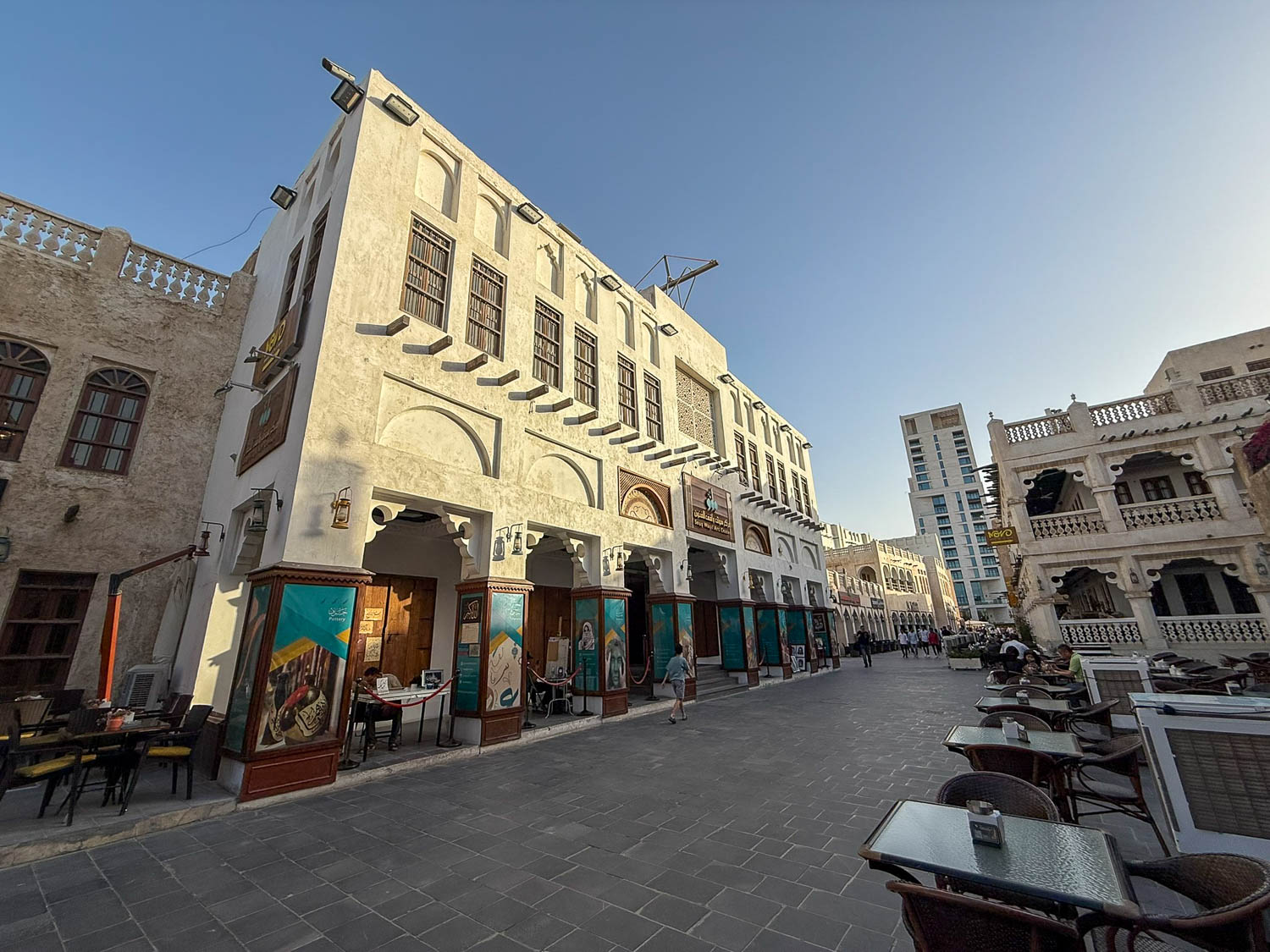
Souq Waqif is part marketplace, part labyrinth, and entirely delightful — but its maze-like layout can feel a little daunting at first. Understanding how the souq is loosely organized makes it much easier to explore with confidence (and without circling the spice section three times by accident……unless you want to, like Beck did!).
Below we provide some tips and insight on how best to navigate Souq Waqif.
- The main thoroughfares within the souq are wide and bustling. The narrower alleys branching off the main arteries are quieter and full of hidden gems.
- Different areas within the souq specialize in different goods — think spices, textiles, pets, gold, tailors, falcons … and more.

- Look out for key landmarks — the souq’s main courtyard, the nearby Abdullah Bin Zaid Al Mahmoud Islamic Cultural Center (Fanar Masjid, also known as the “spiral mosque”), or the old clock-tower area — to use as orientation or meeting points, and to help navigate your way as you wander.
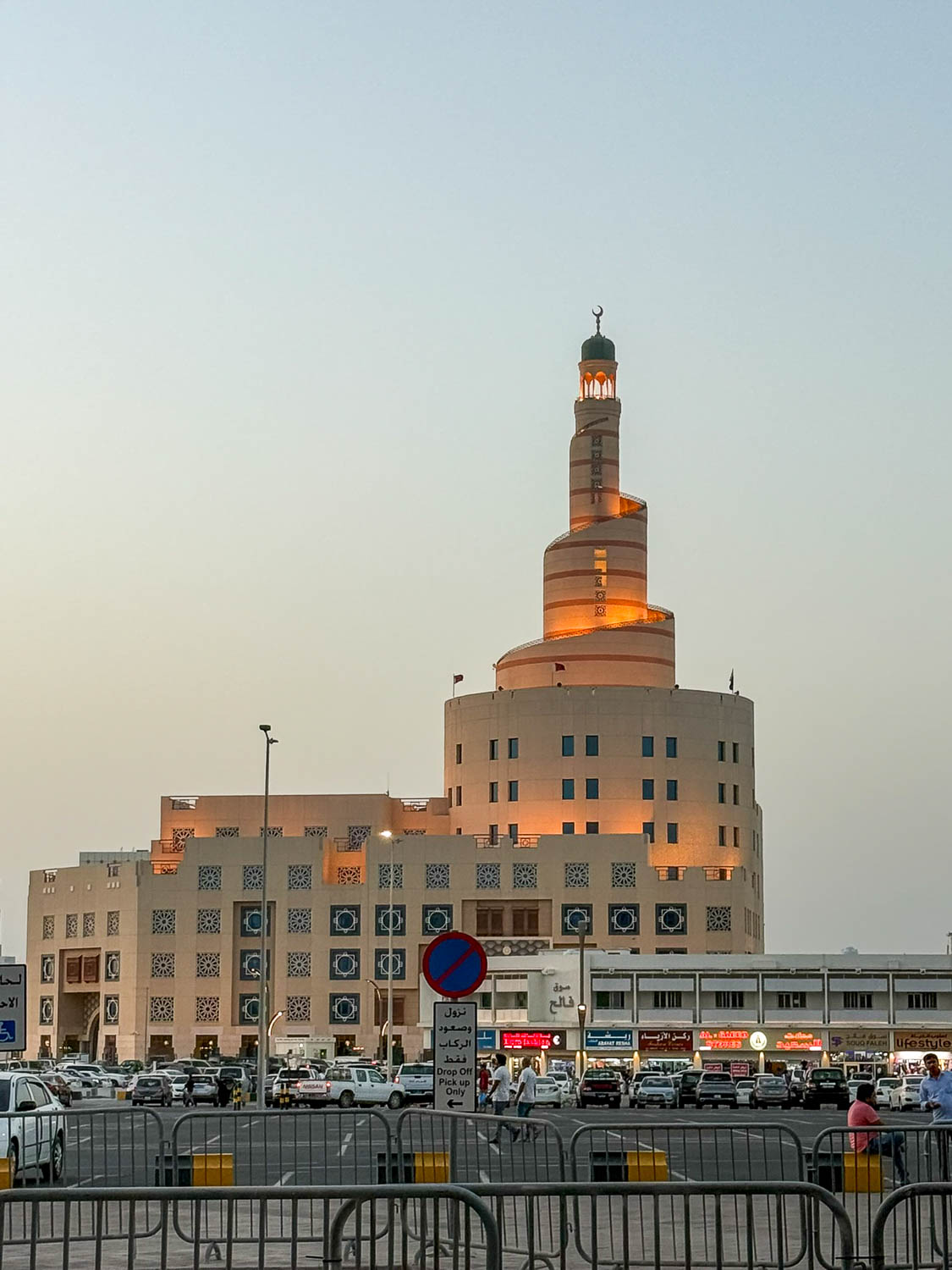
- Don’t rely too heavily on maps: GPS often struggles inside the souq’s thick walls and twisting lanes (but that’s okay, because we found getting lost far more fun any way!).
Insider tip. Speaking of getting lost, don’t be afraid to permit yourself to get a little lost inside and around the souq. Many of the best discoveries happen when you wander without a plan!
- Vendors within Souq Waqif are generally very friendly — if you truly lose your bearings, simply ask someone to help point you in the right direction.
- It’s okay to pace yourself! You don’t have to attempt to see every single corner of the souq in one visit. We returned every day during our visit and always found a new corner to explore.
It can definitely feel a little overstimulated in the souq and can be easy to get flustered. However, with a loose sense of direction and an open mind, navigating Souq Waqif becomes part of the adventure — a little chaotic, a lot charming, and always full of surprises just around the next corner!
Accessibility and Facilities Within Souq Waqif
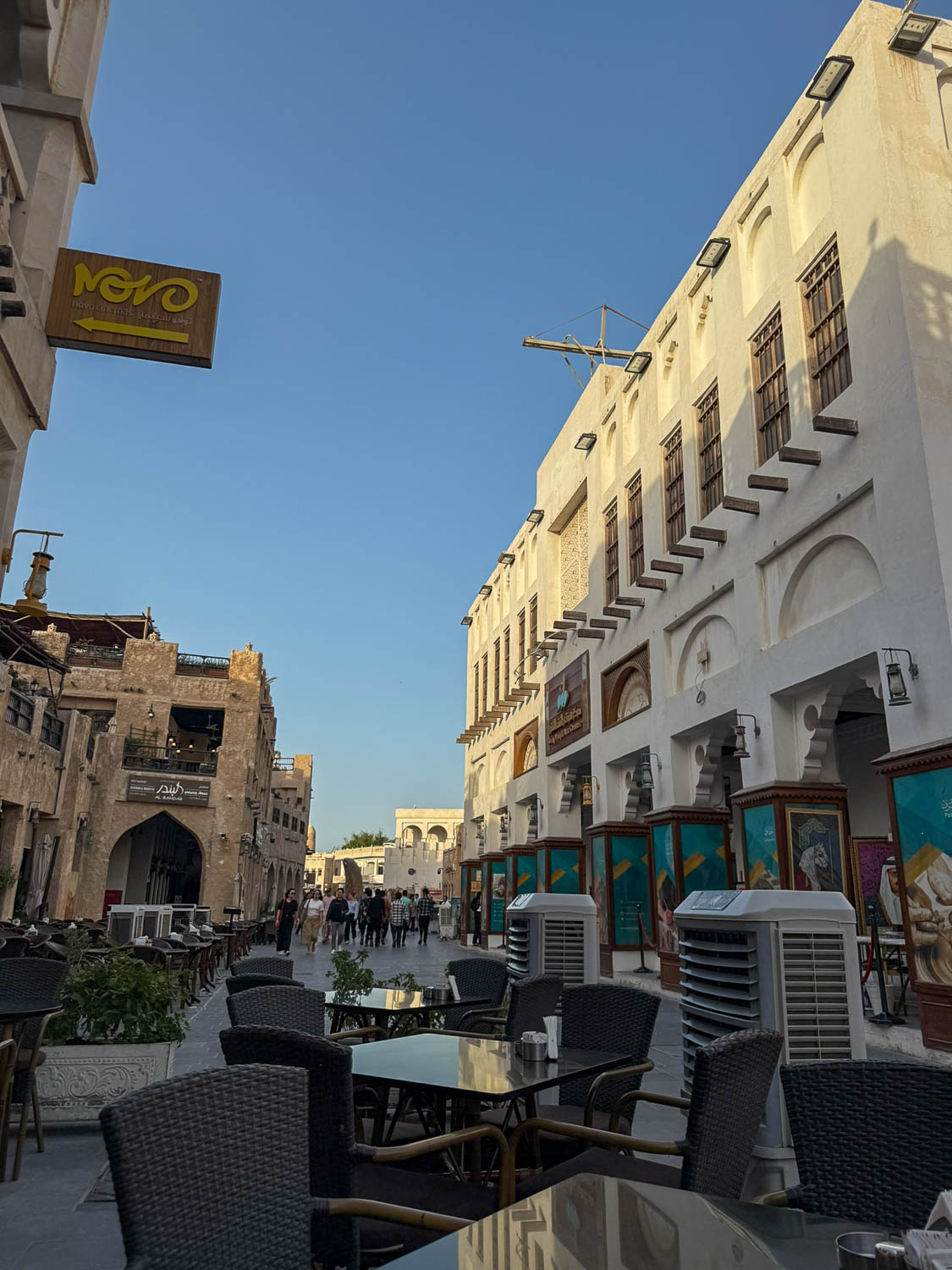
Souq Waqif is one of Doha’s most welcoming public spaces, and whilst its historic layout means not every alley or laneway is perfectly smooth under foot, most main thoroughfares are surprisingly manageable. Whether you’re visiting with mobility needs, pushing a stroller, or simply looking for practical amenities, a little advance knowledge can make your trip more comfortable and stress-free.
We hope the following tips and insight can help make your visit to the souq even smoother!
- The main walkways within Souq Waqif are wide, paved, and generally smooth, making them suitable for wheelchairs and strollers.
- Narrow side alleys may have uneven stones or small steps, so sticking to the broader thoroughfares offers the easiest navigation.
- Ramps connect many of the major entrances and courtyards, though some older shopfronts may still have small thresholds.
Fun fact. Souq Waqif’s restoration in the late 2000s aimed to preserve traditional architecture whilst also improving accessibility. Hence the blend of rustic charm and modern pathways.
- Several cafés and restaurants offer step-free outdoor seating, ideal for those who prefer level access.
- Public restrooms are available throughout the souq, including accessible facilities in key areas. We found signage to help us find restrooms was generally clear.
- The air-conditioned indoor areas near the Gold Souq and some hotel-adjacent corridors offer welcome relief from heat and crowds. Don’t be shy to step outside the souq itself if you feel you need a break!
- Golf-cart style buggies sometimes operate near the Corniche-facing entrances, which can help visitors with reduced mobility cover longer distances.
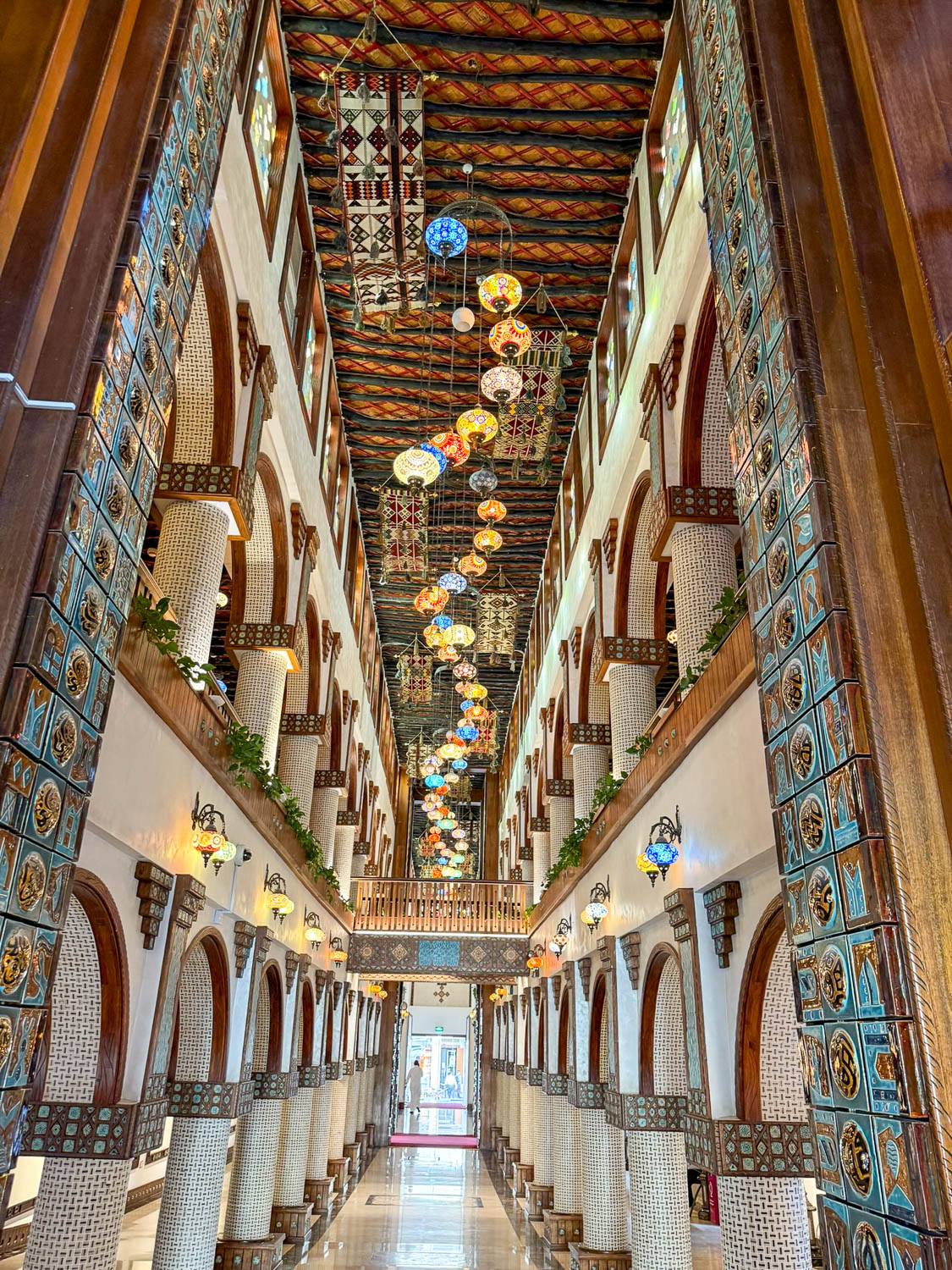
With its mix of open plazas, accessible routes, and well-placed public facilities, Souq Waqif is easier to navigate than many might first expect. A bit of route awareness and a focus on the main pathways will help ensure a smooth and enjoyable visit, no matter your pace.
What They Don’t Always Tell You About Souq Waqif
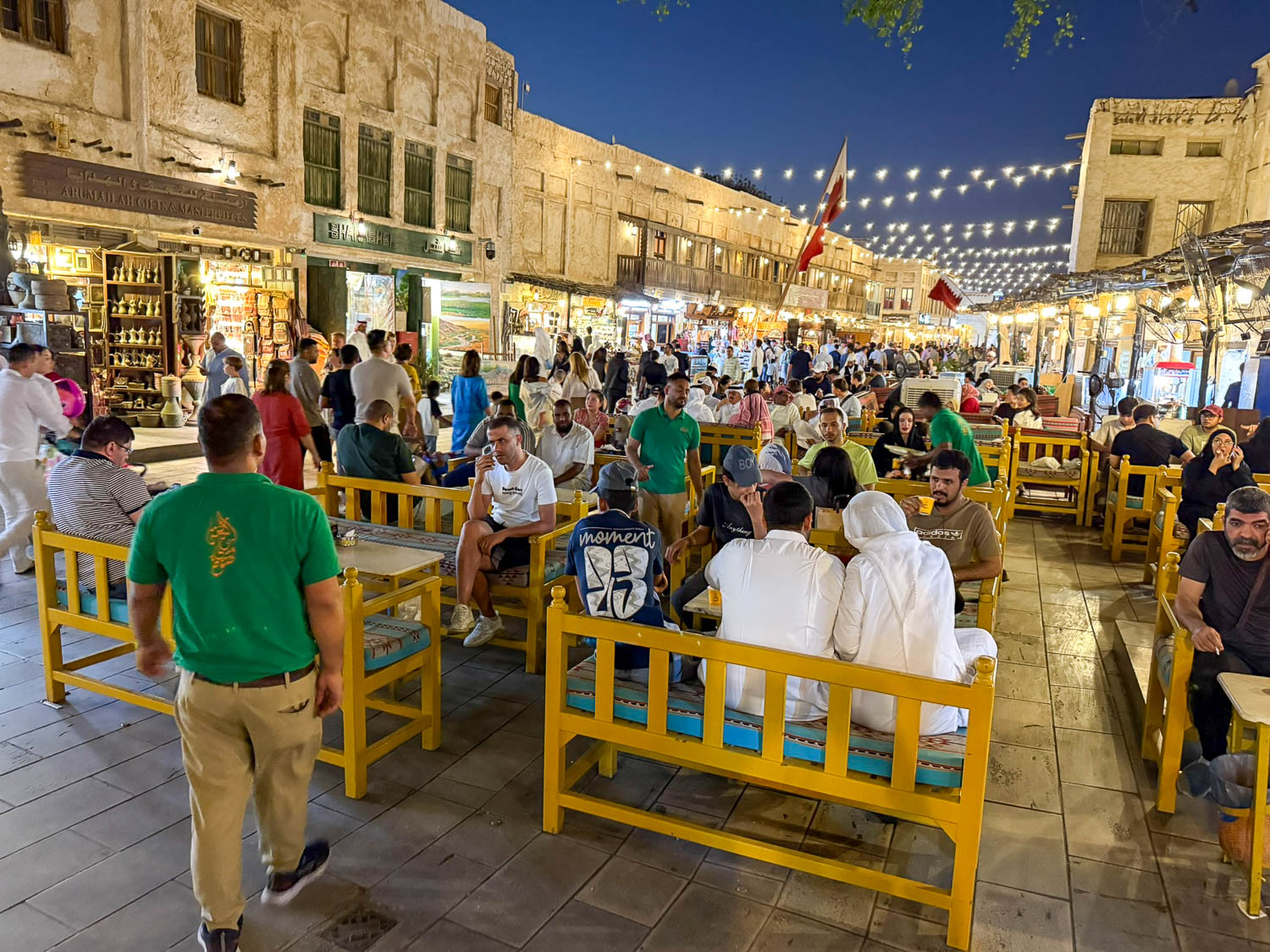
Souq Waqif is full of color, culture, and energy, but there are a few things that might catch first-time visitors by surprise. Here we share with you some practical tips and insights to help you navigate the market like a local and get the most out of your visit.
- Expect crowds. Souq Waqif is amongst one of the top things to do in Doha and often included by travel companies and day tours in guided itineraries. It can be especially crowded in the evenings and on weekends.
Insider tip. Give yourself extra time to move through the souq, and consider visiting early in the afternoon or later in the evening to avoid peak congestion.
- Expect narrow alleys. The winding pathways of the souq are charming, but can feel tight and overcrowded, especially during peak hours, when carrying bags, or when navigating with a stroller.
Insider tip. Keep bags close to your body and stay aware of your surroundings, especially in busy sections, to help you move comfortably through the narrow alleyways.
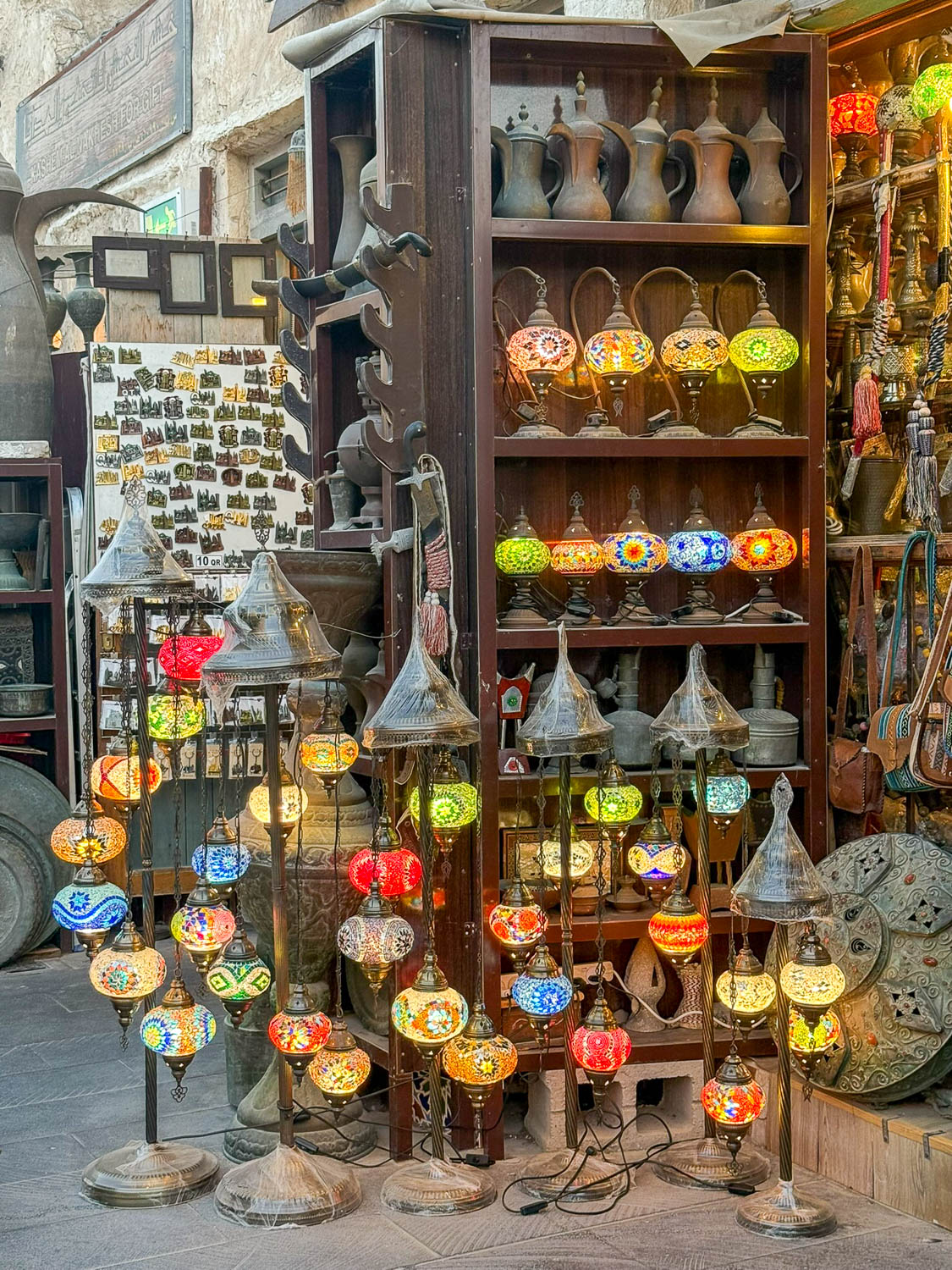
- Expect bargaining. Many of Souq Waqif’s shops welcome friendly negotiation, especially for souvenirs, spices, and textiles – in fact, it’s part of the shopping culture!
Insider tip. Start by offering about half the asking price and be prepared for a friendly back-and-forth until you find a price that feels fair to both parties.
- Expect potential sensory overload. Some people don’t do so well in crowded spaces where it can feel as though there’s an assault on all five senses. Souq Waqif is full of vibrant colors, traditional music, tactile opportunities, taste-testing, and strong fragrances (shisha, spices, perfumes), and it can be overwhelming at first.
Insider tip. Take breaks at a café or quiet corner of the market to rest your senses if needed. This will help you reset and soak in the market without feeling too overwhelmed.
- Expect limited signage in English. Whilst many of the market’s shopkeepers speak English, some signs or wayfinding directions can be minimal or found only in Arabic.
Insider tip. Use a translation app or ask shopkeepers politely for help. Most speak enough English to assist, but patience (and hand gestures!) can go a long way.
An additional tip or two. Arrive early or after sunset at the souq for a more relaxed vibe. And whatever you do, we encourage you to head here with curiosity — because every stall, every interaction, and every turn down a narrow alleyway, will bring with it something new.
Photography Tips and Etiquette

Souq Waqif is a dream for photographers (you can be confident it was another one of Beck’s very, very happy places for this very reason!) — whether you’re after vibrant street scenes, atmospheric architecture, or close-ups of spice mounds that look like desert dunes.
A few thoughtful tips can help you capture the souq’s character beautifully whilst remaining respectful of local customs.
- Late afternoon and dusk offer the best natural lighting, with golden tones that make the alleyways glow.
- Always ask permission before photographing people or shop interiors (including vendors) — a simple smile and gesture go a long way.
- Focus on details: lanterns, doors, fabrics, spices, alley textures, and reflections in gold-shop windows.
- Take advantage of leading lines created by long passages and repeating arches.
- Avoid photographing government buildings, security personnel, or prayer areas.
- Experiment with candid shots — musicians tuning instruments, tailors stitching, or vendors arranging goods.
Fun fact. Apparently the spice stalls in Souq Waqif are some of the most photographed spots in the entire market!
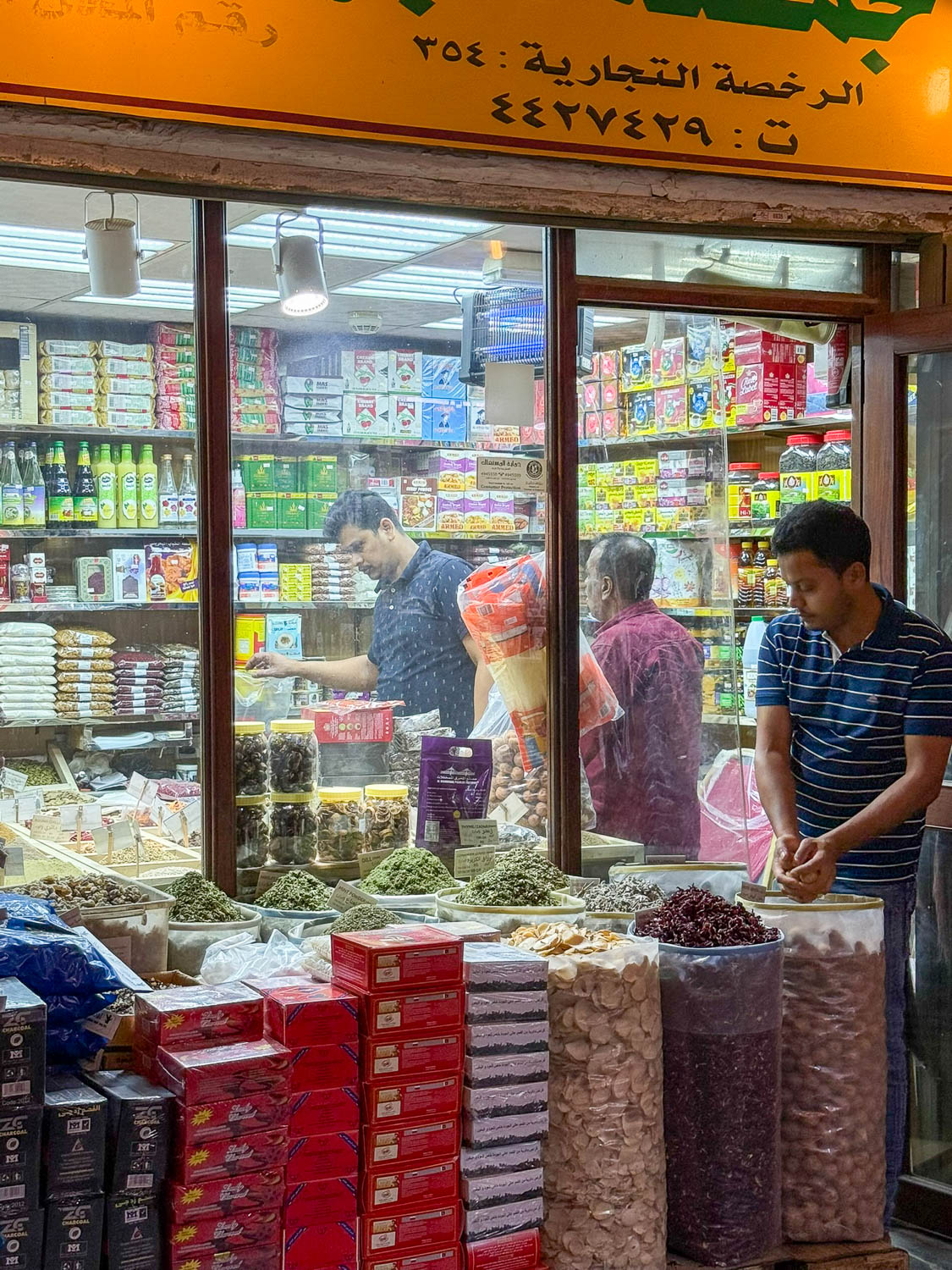
Insider tip. Try to look beyond posed shots or simply taking photos of objects, and instead focus on moments that tell a story. That famous Instagrammable shot that everyone else seems to be taking isn’t always going to be the winning one, or the one that takes you back to the souq every time you look at it once you get home.
With a little patience and curiosity, your time spent taking photographs within the souq will be both respectful and creative. You’ll walk away with photos that capture not only how Souq Waqif looks, but also how it feels — warm, colorful, lively, and wonderfully full of character.
Local Etiquette and Dress Code
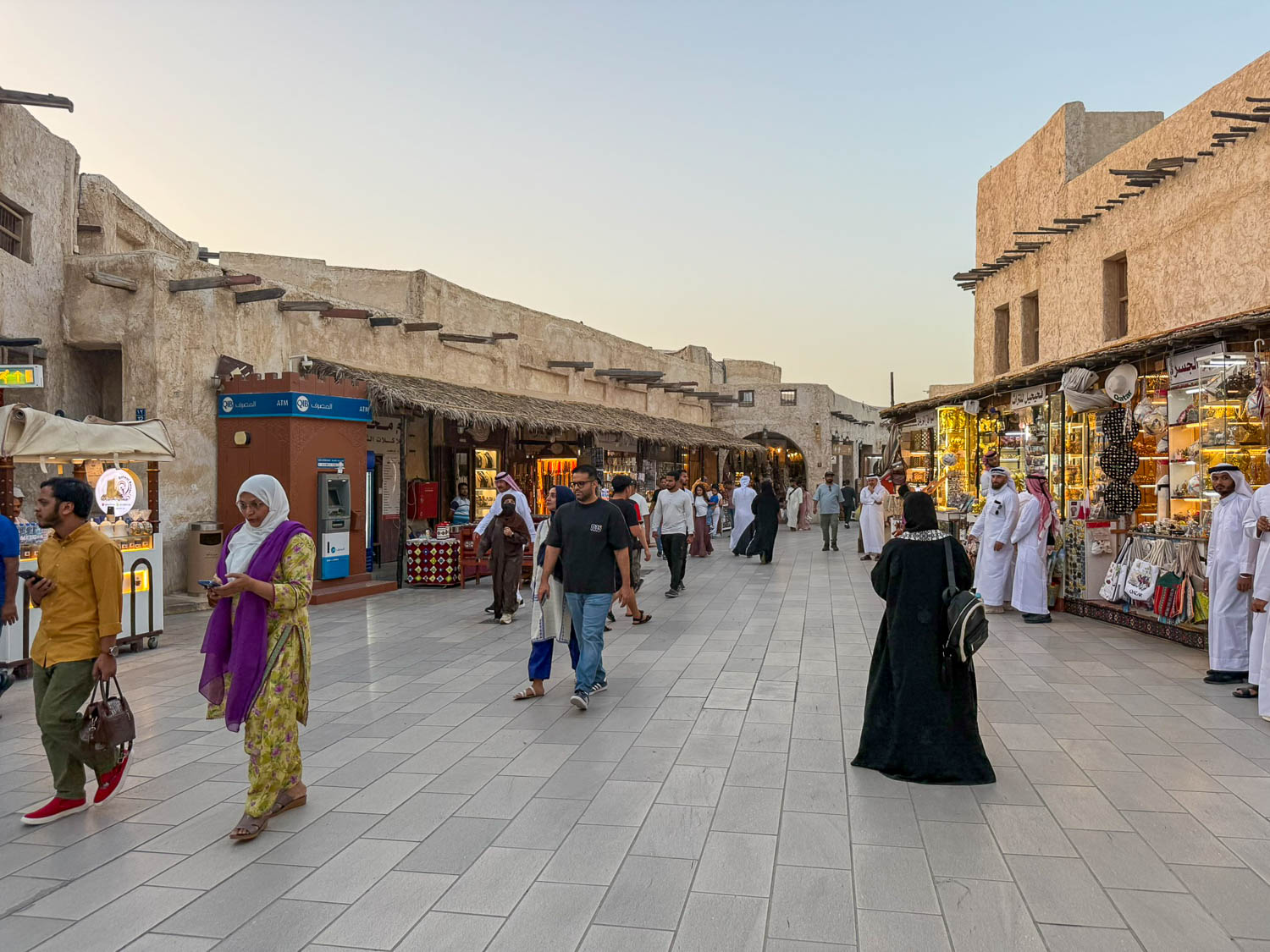
When visiting Souq Waqif, it’s important to be mindful of local etiquette and dress codes. Qatar is a conservative country, so modest clothing is recommended. Here are some additional tips to ensure your visit is positive, comfortable and respectful of the local culture.
- Shoulders and knees should be covered (for both men and women).
- Lightweight, loose-fitting garments work best in the heat.
- It’s polite to greet shopkeepers and passersby with a friendly “Salam” or nod.
- Public displays of affection are discouraged.
- Be respectful of prayer times.
- Queue patiently.
- Ask permission before photographing anyone, including locals, traders, and even their wares.
- Haggling is expected, but do it respectfully.
- During Ramadan, avoid eating and drinking in public during daylight hours.
By keeping these simple guidelines in mind, you’ll find that Souq Waqif is an easy, welcoming place to explore. A little cultural awareness goes a long way here, helping you connect more meaningfully with local traditions and ensuring your visit feels comfortable, courteous, and enjoyable for everyone around you.
Local Tips for Dining in the Souq
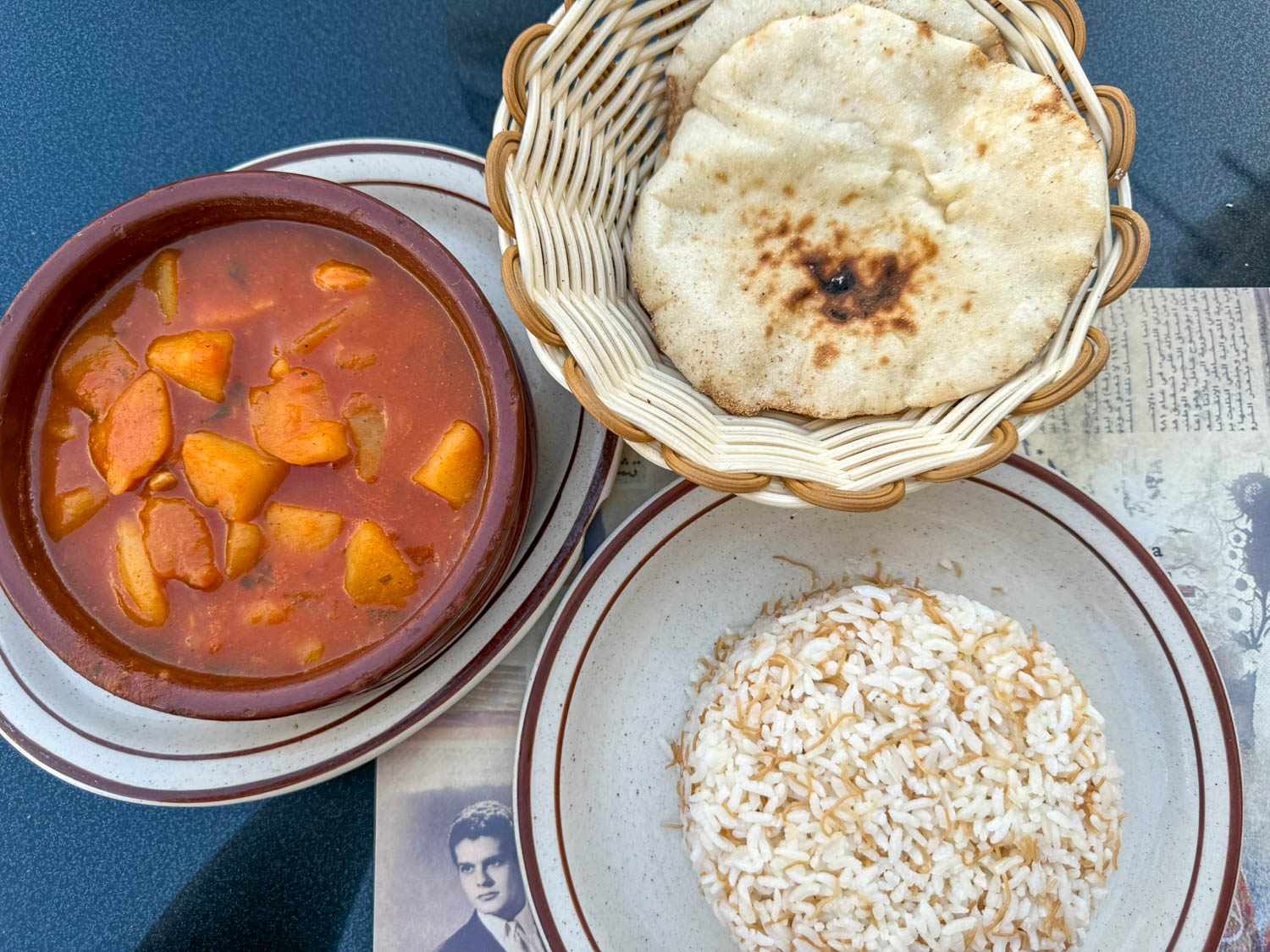
Eating within Souq Waqif is an experience in and of itself, and in our main article, Souq Waqif: Your Guide to the Doha Marketplace, you’ll find some recommendations for cafes and restaurants to get you started as you navigate your way around the market.
Here we provide for you some tips on how to make best use of your meal times within the souq.
- Despite Souq Waqif’s shops and stalls not opening until mid-afternoon each day, breakfast options still exist, and often include dates, hummus, and flatbread with labneh.
- Once you’ve finished eating (breakfast, lunch or dinner), wash down your meal with a strong mint or cardamon tea. Perfect to pair with dessert.
- Not into the bustling atmosphere within the souq or a popular restaurant? We know, it can definitely be overwhelming! Ask for a quiet room at dinner spots – you’ll find most eateries will have one.
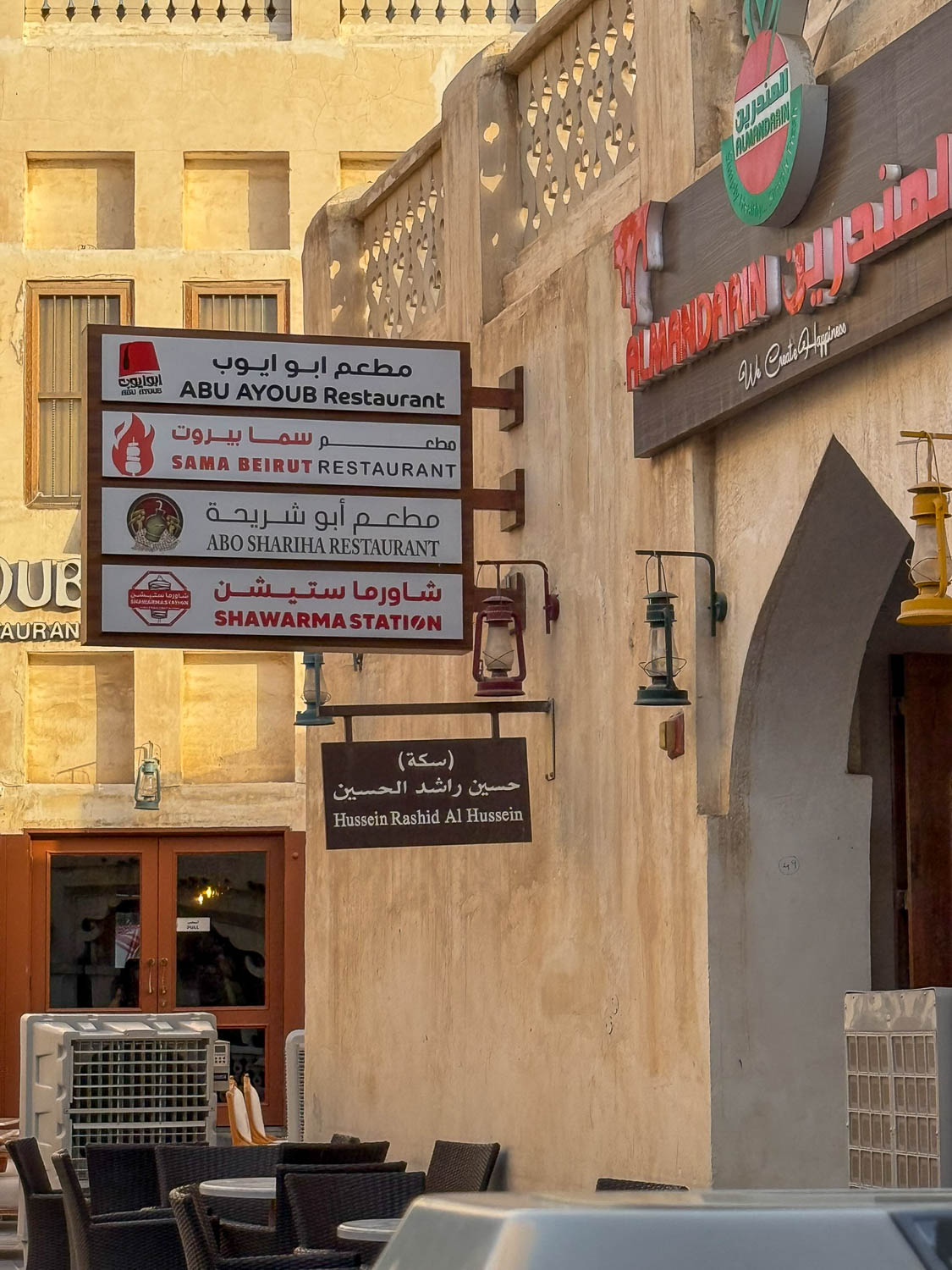
- Look to eat where the locals eat. Head down the tiny alleyways and away from the more touristy areas: you’ll find prices cheaper and food slightly more authentic.
- If the weather is conducive, consider eating your meal at outdoor seating – or, even better, on a rooftop terrace. As the souq comes alive after sunset, this is the best opportunity to people-watch and enjoy the cooler hours of the day.
- Most dining establishments accept credit cards as payment, but be sure to also have some Qatari Riyals on hand, especially for tips and smaller local cafes and restaurants.
Embracing these simple tips will help you enjoy Souq Waqif’s expansive dining scene like a local: unhurried, curious, and ready to savor whatever the moment brings. Whether you’re tucked into a quiet corner or dining under the glow of lanterns on a rooftop, a little flexibility and an appetite for exploration will make every meal in the market feel relaxed, flavorful, and truly rewarding!
Final Thoughts
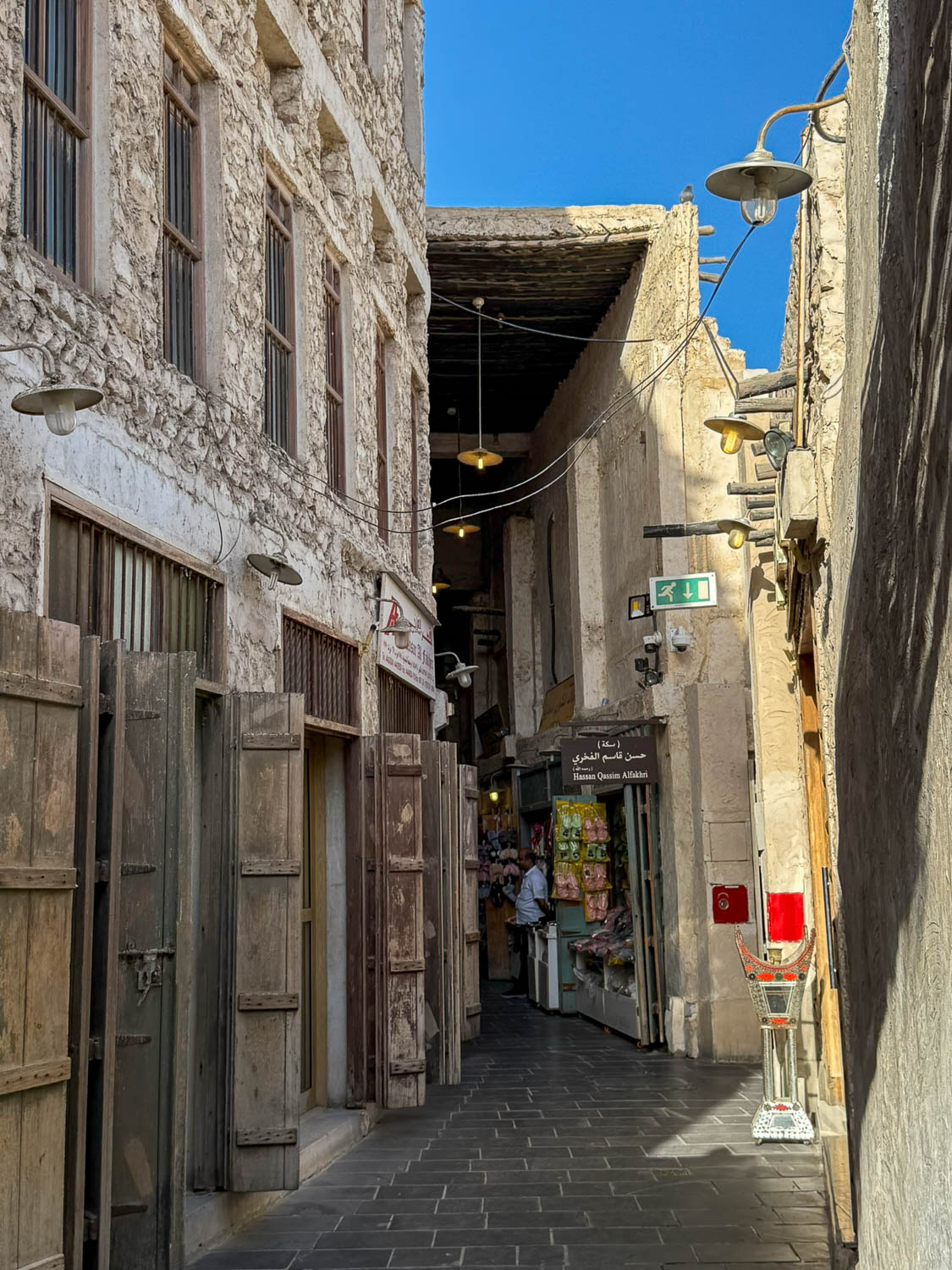
Planning a visit to Souq Waqif becomes so much easier when you know what to expect, how to get around, and what simple choices can make your time there more comfortable. From choosing the right time of day to visit to knowing how to navigate the numerous narrow alleyways, and from knowing what to pack, where to pause, and how to dine like a local, the tips and insight we’ve provided for you here are designed to help you approach the market with confidence: a little preparation truly can go a long way!
As you explore, remember that Souq Waqif rewards a flexible, unhurried mindset. Give yourself room to take breaks, adjust your route, find quiet corners, and follow your curiosity without rushing. Whether you’re navigating peak crowds, deciding where to eat, or learning how to move respectfully through the space, the small practical choices you make will shape how enjoyable and meaningful your visit to this lively, historic marketplace becomes.
Are you ready to approach Souq Waqif not with a checklist, but instead with confidence, curiosity, and the practical know-how to explore it comfortably and respectfully? Let’s help you map out your route, pack smart, and step into Souq Waqif with ease — your Doha adventure starts here!
FAQs
What are the typical Souq Waqif opening hours?
Most shops inside Souq Waqif generally open in the mid-afternoon and remain open late into the evening, whilst many cafés and restaurants stay open even later. Exact hours can vary slightly by shop, restaurant, season, and public holidays.
What is the best time to visit Souq Waqif?
Most visitors find late afternoon and evening offer the best overall experience at Souq Waqif. Temperatures become more comfortable, the market atmosphere becomes livelier, and the illuminated alleyways create one of Doha’s most memorable evening experiences.
How much time should first-time visitors spend at Souq Waqif?
Most first-time visitors should plan to spend at least 2–3 hours exploring the souq. This allows enough time for wandering the alleyways, shopping, photography, dining, and visiting areas like the Falcon Souq and nearby courtyards.
Can you visit Souq Waqif without a tour?
Absolutely. Souq Waqif is very easy to explore independently and is well connected by Metro, taxi, and rideshare services. Many visitors prefer wandering at their own pace, especially in the evenings when the market atmosphere is most enjoyable.
What makes Souq Waqif unique compared to other markets?
Unlike many modern shopping districts, Souq Waqif blends restored traditional architecture, active local commerce, cultural experiences, dining, and everyday social life into one walkable historic marketplace. The result feels both authentic and highly atmospheric rather than purely tourist-focused.
Explore More Of Qatar
-
Cuisine of Qatar: A Traditional Culinary Exploration
Cuisine of Qatar reflects the country’s rich cultural heritage through dishes like Machboos, Harees, Thareed, and Luqaimat. This guide explores traditional Qatari food, popular beverages, dining customs, and the culinary experiences that help define modern Qatar.
-
Explore National Qatar Museums: Best Things To Do
Learn which Qatar museums are worth visiting, from the National Museum of Qatar and Museum of Islamic Art to modern galleries, sports museums, and family-friendly attractions across Doha.
-
The Pearl Qatar: Family Friendly Activities on This Island in Doha
Discover family-friendly things to do at The Pearl-Qatar including canal walks, marina dining, indoor entertainment, beaches, and kid-friendly activities in Doha.
-
The Pearl Qatar: Things To Do On This Island in Doha
Explore The Pearl Qatar, Doha’s luxurious man-made island of marinas, cafés, and waterfront charm—where culture, comfort, and adventure meet.
-
Katara Cultural Village, Doha: Top Things To Do
Discover why Katara Cultural Village is one of Doha Qatar’s top attractions. Explore stunning mosques, public art, galleries, Katara Beach, dining, shopping, and cultural experiences in this complete visitor guide.
-
Dhow Harbour, Doha Qatar: A Serene Maritime Experience
Dhow Harbour in Doha showcases Qatar’s maritime heritage through traditional wooden dhows, sunset cruises, waterfront views, and cultural experiences along Doha Bay near the Corniche and Souq Waqif.
-
Discover Doha Corniche: An Iconic Qatari Experience
They say a city’s soul is often revealed at its edges — and nowhere is that more true than…
-
Souq Waqif Festivals: Cultural Celebrations in Qatar
Discover the best Souq Waqif festivals in Doha, Qatar, from Ramadan celebrations and Arabian horse shows to flower exhibitions, cultural events, and family-friendly entertainment.
-
Souq Waqif: Your Guide to the Doha Marketplace
Souq Waqif is the cultural heart of Doha and one of the Middle East’s most iconic marketplaces. This guide covers the best things to do in Souq Waqif, including the Falcon Souq, Gold Souq, shopping, dining, family-friendly activities, and local tips to help you plan your visit with confidence.