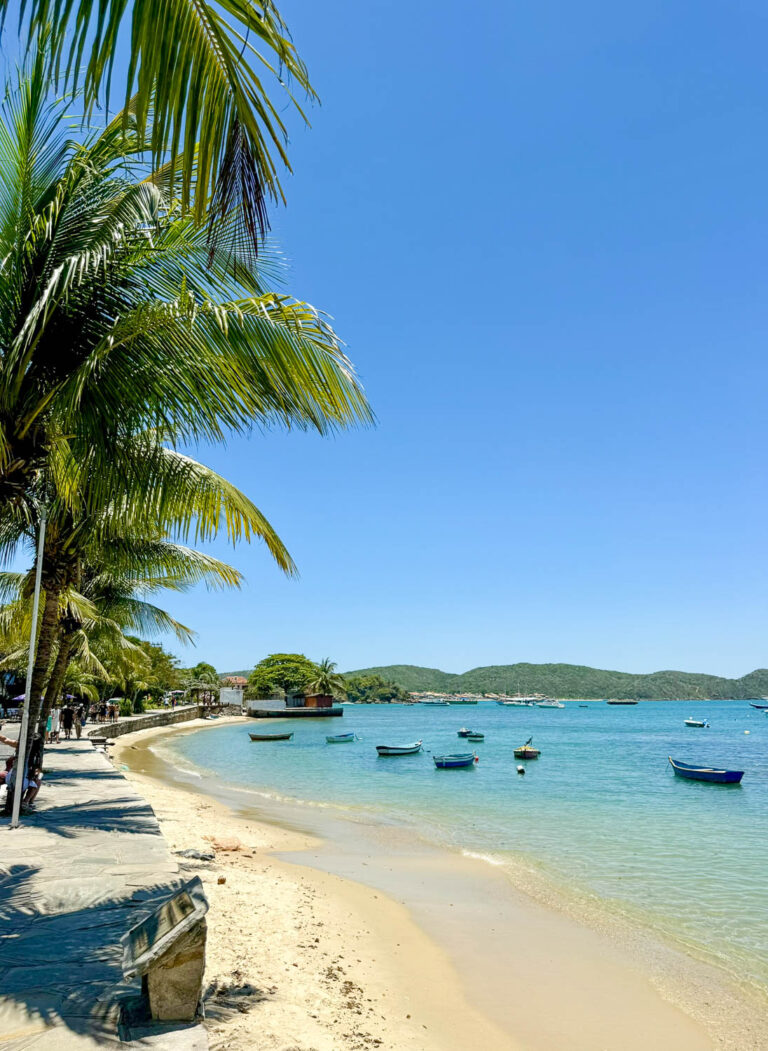
Welcome to Maceió, the capital of Alagoas, a coastal city in the northeast of Brazil where the turquoise waters of the Atlantic Ocean meet endless stretches of coconut trees, natural pools, and soft white sand. Maceio is known as one of the most beautiful places in northeastern Brazil, often referred to as the “Caribbean of Brazil”. Needless to say, if you’re a fan of sun, surf and white sands, then this is the place for you!
Maceió strikes a perfect balance between sunshine, culture, delicious cuisine, and laid-back, welcoming charm – captivating seasoned travelers as well as first-time visitors, solo adventurers, and families. With a warm climate year round – and more than 300 days of sunshine each year! – imagine yourself strolling past the vibrant city center with its rich history, watching fishing boats bob gently at low tide, or sipping a caipirinha as the palm trees sway in the gentle sea breeze just overhead.
Maceio is a year-round playground: whether your heart beats faster for adventure (like Beck) or slows down for comfort and connection (like Mike), here you’ll find a place that offers the best of both worlds. In the following guide we’ll provide you an overview of this coastal city, diving into the main attractions, best beaches, and cultural highlights, and offer some insider tips along the way so you can plan your next visit to this coastal gem.
Shall we get going, fellow wanderers?
Quick Tips
Here are some insider tips to help you make the most of your visit to Maceio, Brazil.
- Maceió is the capital of Alagoas and is widely known for its turquoise waters, natural pools, and palm-lined beaches along Brazil’s northeastern coast.
- The best time to visit Maceió is typically from October through January, when rainfall is lower and beach conditions are often at their best.
- Most visitors arrive via Zumbi dos Palmares International Airport (MCZ), located about 30–40 minutes from the main beach districts.
- Pajuçara, Ponta Verde, and Jatiúca are the most popular areas for visitors, offering beaches, restaurants, hotels, and walkable waterfront promenades.
- Uber and 99 rideshares are widely available, affordable, and usually the easiest way to get around the city.
- Natural pool excursions are tide-dependent, so always check tide schedules before booking jangada or boat trips.
- Day trips to Maragogi, São Miguel dos Milagres, Barra de São Miguel, and Praia do Gunga are among the region’s most popular experiences.
- Maceió enjoys warm temperatures year-round, but UV levels remain high even on cloudy days, making sun protection essential.
- Seafood, coconut-based dishes, tapioca, cassava, and fresh tropical juices are staples of local cuisine.
- Accommodations range from beachfront pousadas and apartment rentals to upscale resorts concentrated around the main beach neighborhoods.
- Brazil currently offers a digital nomad visa, making longer stays increasingly popular among remote workers and retirees.
- The main tourist areas are generally comfortable and welcoming, though normal city awareness is recommended, especially after dark.
Follow these tips and you’ll be ready to visit Maceio, Brazil!
Plan Your Trip
Some links below may earn us a small commission at no extra cost to you. We’re truly grateful for your support, as it allows us to continue sharing meaningful travel experiences and practical travel insights with you. Read our full disclosure here.
Best Way To Experience Maceio, Brazil
The best way to experience Maceió is to combine time on the city’s beautiful urban beaches with at least one or two day trips along the stunning Alagoas coastline. Most visitors spend their mornings enjoying natural pools and beach activities before exploring local cuisine, historic sites, and waterfront promenades later in the day.
For first-time visitors, the ideal visit usually includes:
Top Recommended Experiences (At A Glance)
Best Overall Experience:
Combining Maceió’s urban beaches with a full-day excursion to Maragogi.
→ Recommended: Maragogi Beach Gales Reef
Best For First-Time Visitors:
Private Tour to Praia do Francês, Barra de São Miguel, and Praia do Gunga
→ Recommended: Private Francês Barra de São Miguel and Gunga Beach
Best Natural Pools Experience:
Exploring the crystal-clear natural pools and reef-protected waters of Paripueira.
→ Recommended: Experience Paripueira Beach Sun Sea and Natural Pools
Best Customized Experience:
Create your own ideal Alagoas itinerary with a private driver and flexible schedule.
→ Recommended: Gunga Beach Private Tour
Short On Time? Do This:
Tours & Experiences
Prefer additional options? Click below to discover more incredible experiences tailored just for you!
Browse top attractions in Maceio, Brazil.
Travel Essentials?
Planning the rest of your trip? These are the platforms we personally use when organizing our travels. For more planning tools, visit our Travel Resources page or browse current promotions on our Travel Deals page.
The Best Time to Visit

If you’ve had a chance to read any of our other destination guides, you’ll know we are big believers that any global destination can be visited at almost any time of year. This could not be more true of Maceió, with a warm, tropical climate year-round (the average temperature is 77oF-81oF / 25oC-27oC) and over 300 days of sunshine each year, you’ll be hard pressed to run across poor weather at any time of year. Consider this a reliable sunny getaway in Brazil (and you know this made Beck very happy!).
That being said, Brazil still has its rainy and dry seasons in this part of the country.
The Dry Season
The dry season in Maceió runs from August through March, with hot, sunny days ideal for lounging around on white sandy beaches and exploring offshore coral reefs in the calm Atlantic waters. From October through January in particular, you’ll be blessed with the quintessential Brazilian summer experience here: long days, low humidity, a fabulous sea breeze, and some pretty spectacular sunsets. For those of you escaping northern winters, this time of year can provide the ultimate “endless summer” retreat.
Fun fact. The humidity in Maceio fluctuates more than the temperature. Whilst temperatures generally stay consistent throughout the year, humidity levels vary by season and time of day. This, of course, can subtly affect how warm it ultimately feels outside.
The Rainy Season
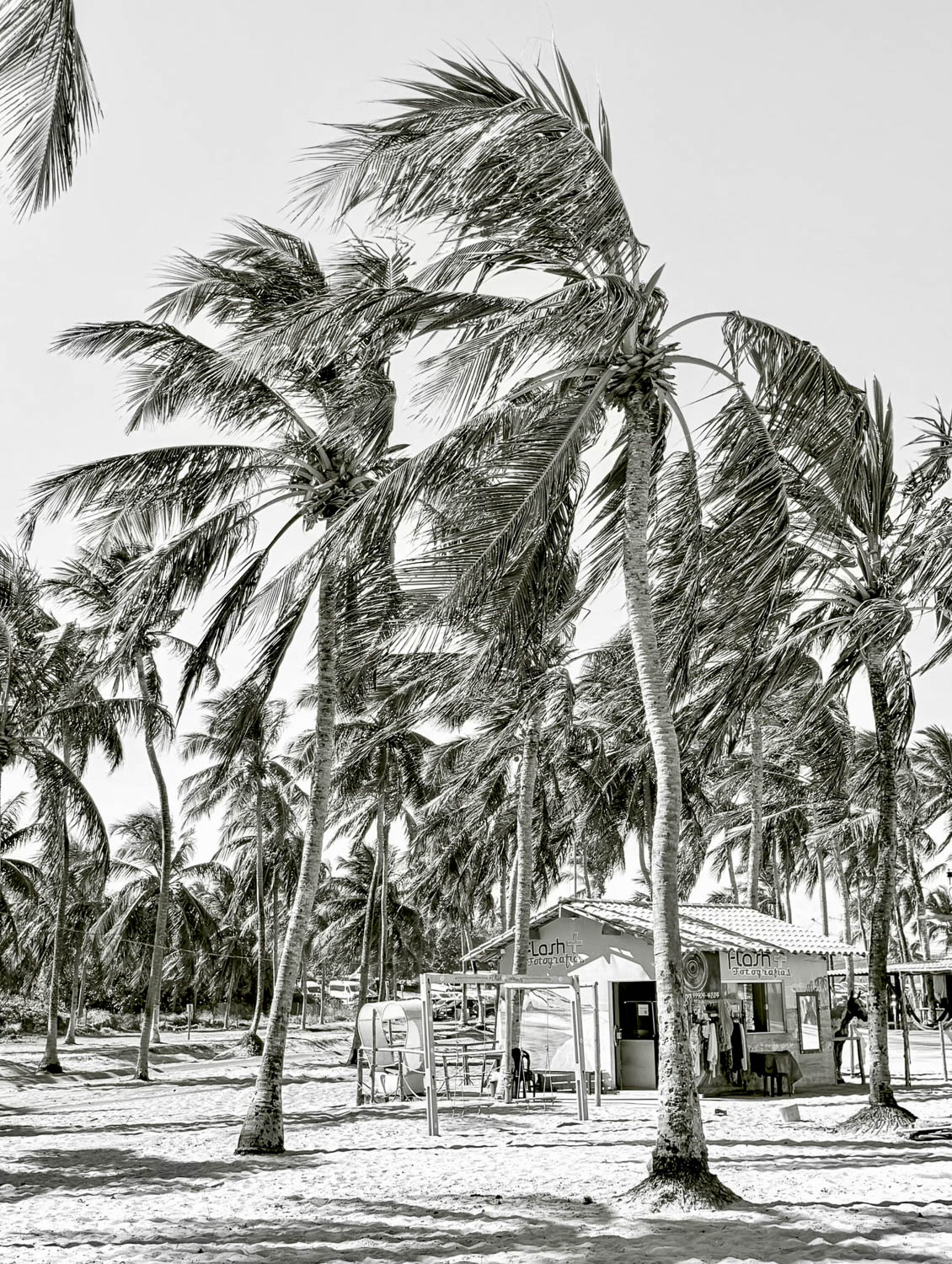
Maceio’s (short!) rainy season generally runs from April through July. The average temperature still hovers around 77oF/25oC, but some days are slightly wetter. In good news, rain showers are usually brief, leaving this the perfect time for cultural sightseeing and a little bit of city adventure.
Insider tip. No matter what time of year you visit, consider planning outdoor activities for the morning hours: mornings in Maceió are typically the most settled part of the day, with cloud build-up and brief showers more likely later in the afternoon (especially during the rainy season).
Insider tip. Cloud cover can be deceptive, and UV exposure remains high in Maceió year-round, even on overcast days. Make sure you’re wearing sun protection, no matter what time of year you visit.
Getting There and Away
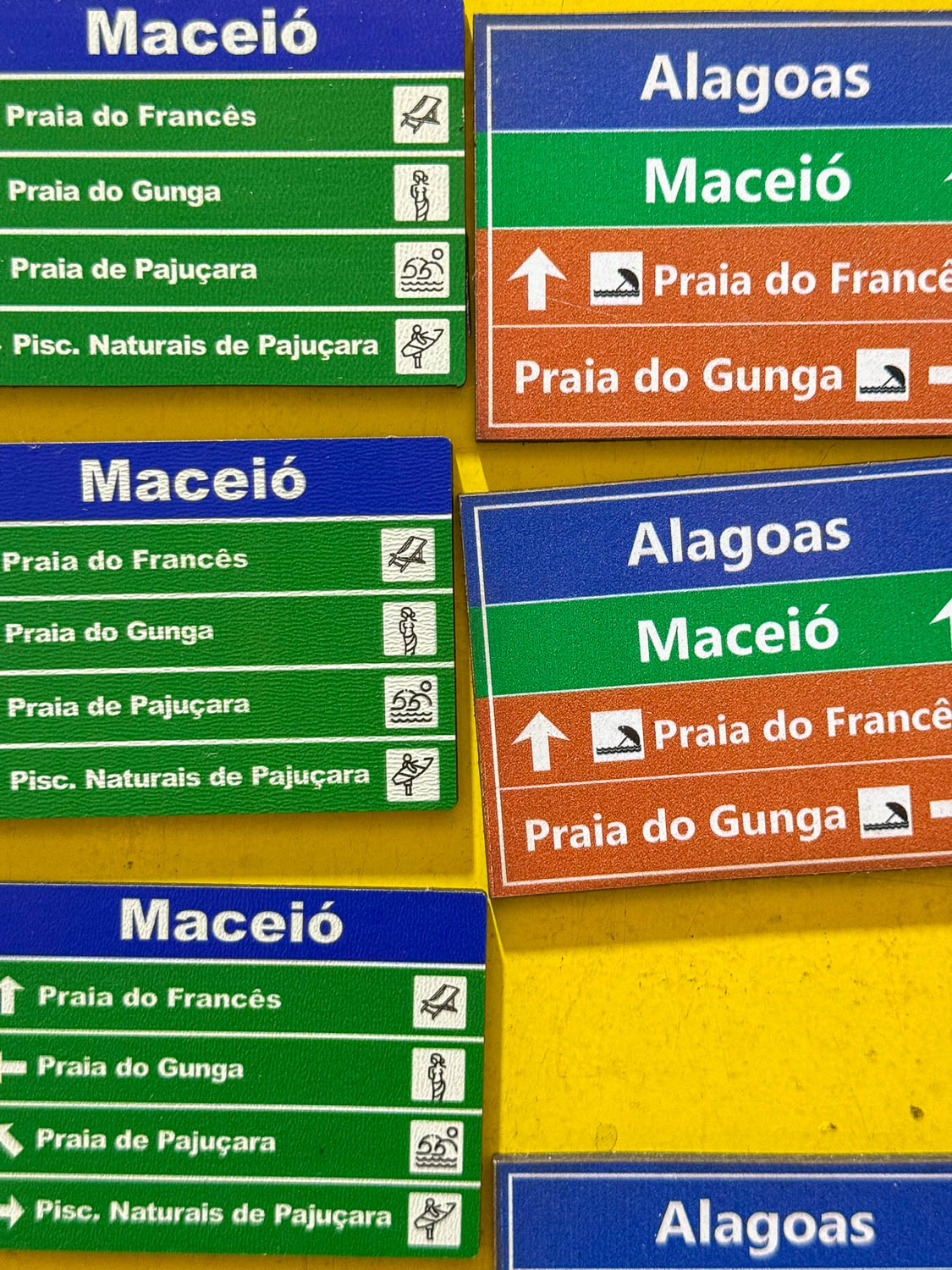
By Air
Most visitors arrive into Maceio by way of Zumbi dos Palmares International Airport (MCZ), located about 13 miles (21km) north of the city center.
Fun fact. Zumbi dos Palmares International Airport is named after a major historical figure in Brazil – a leader of the Quilombo dos Palmares – reflecting the region’s deep Afro-Brazilian heritage.
Private airport transfers, taxis and rideshare services (including Uber, which we used throughout our time in Brazil) are the best way to reach the city, though renting a car can always be handy if you want a little more freedom and plan to explore a little farther afield.
Insider tip.To ensure you get the best rates, consider booking an airport transferin advance.
Insider tip. We recommend allowing extra buffer time for airport transfers during peak hours, especially on weekday rush periods and Sunday evenings (when everyone is heading home from the beaches!).
By Bus
Some travellers also arrive by bus, with Brazil’s long-distance bus network a common, reliable option for travelling most places within the country.
Insider tip. For those of you seeking to use public transportation within Brazil, we highly recommend using Busbud.com. This English-language booking platform allows travellers to search, compare, and book long-distance bus tickets across Brazil (and beyond). We found it incredibly easy to navigate, with excellent customer service when Beck accidentally booked our first bus (from Curitiba to Morretes) for the wrong date (woops!).
Getting Around

On Foot
The best way to explore Maceió’s compact city center is on foot. However, if you’re planning to head a little farther afield – and don’t want to walk everywhere like Beck does – then you may wish to consider the other options below.
Insider tip. Distances in Maceio can be deceptive. Whilst the city looks compact on a map, walking times quickly increase once heat and humidity come into play, especially in the middle of the day.
Taxis and Rideshares
Registered taxis and rideshares (Uber and 99) are plentiful, convenient and relatively cheap throughout Maceió. These are safe, reliable means of transportation to get you from one beach to another, or from the city center to the more popular beaches.
Fun fact. Ridesharing services throughout Brazil are deeply integrated into everyday mobility: they’re just as commonly used by locals for short distances as they are for longer cross-city trips.
Car Rental
If you’re considering heading out from Maceio on a day trip to the likes of Maragogi or São Miguel dos Milagres, or are seeking a little more flexibility during your visit to the region, you may wish to consider renting a car or booking private transfers.
Public Buses
If you’re a budget traveller, or are after a little deeper cultural immersion, consider catching one of Maceio’s local buses to get around. The public bus network connects neighborhoods across the city, including beach areas, markets and residential districts. Buses are widely used by locals, generally run from early morning through evening, and are the cheapest way (aside walking!) to get around.
Insider tip. Ensure you have some local cash on hand if you’re using public buses in Maceió. Some locals use transit cards (and you can too!), but carrying some smaller denominations of Brazilian Reais can make boarding much less complicated.
Exploring the City
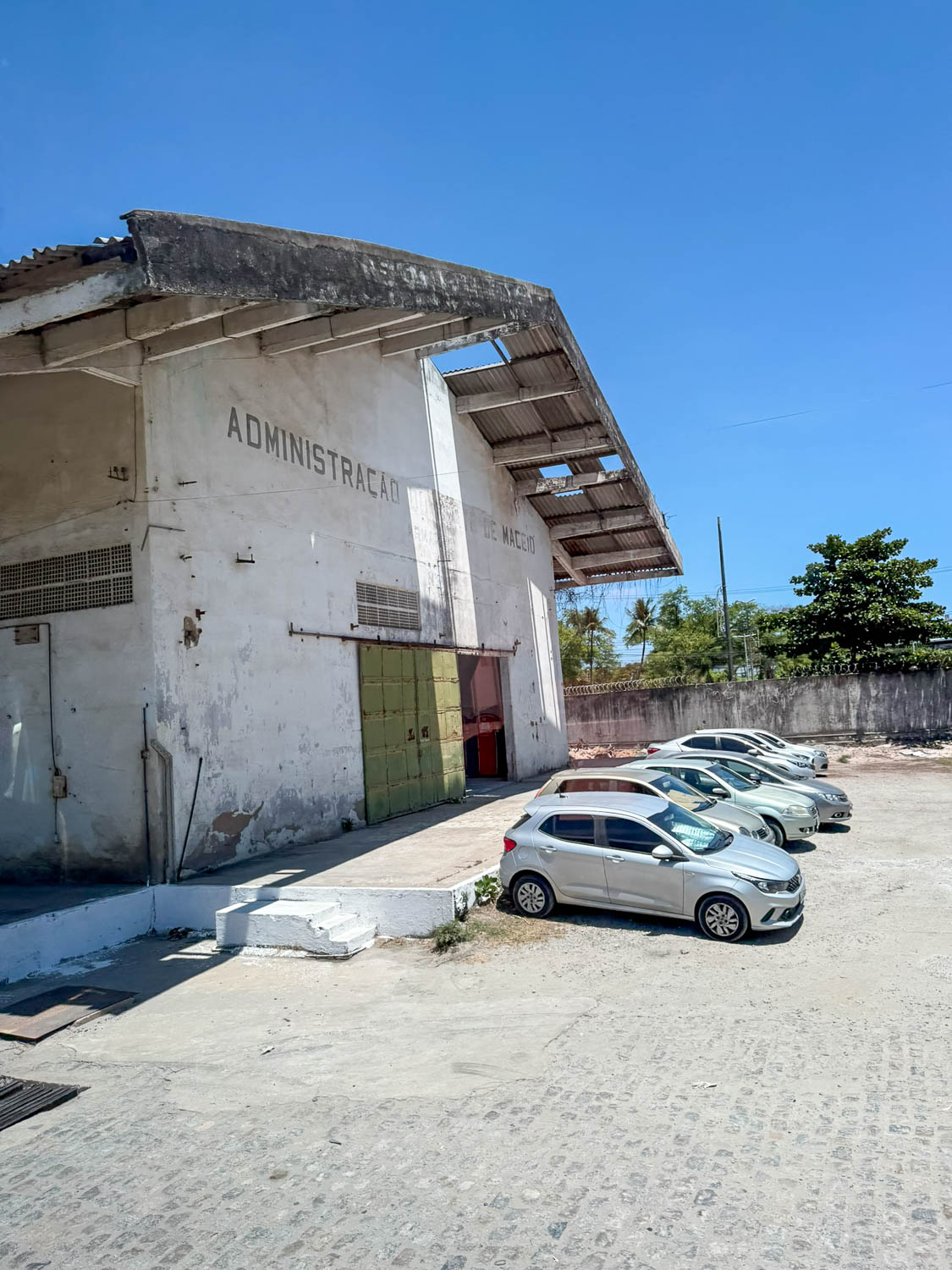
If there’s one thing you’ll first notice about Maceio, it’s how incredibly welcoming it can be. Known as maceioenses, the residents of Maceió are renowned for their friendliness. We guess this probably makes a lot of sense – I mean, who wouldn’t be happy when life is centered around white sand beaches, endless days of sunshine, and a vibrant culture?
The city center of Maceio itself is just as visitor-friendly as its people: compact, walkable, and full of surprises. Wandering here you’ll come across old buildings, colorful markets, and numerous art galleries.
We’ve listed below some of the main attractions you may wish to consider visiting during your time in the city (either before or after that all-important beach outing!). For a deep dive into each of these standout landmarks – including historical contexts, visitor tips, and insider advice – be sure to check out our full guide, Exploring Maceió’s Historic District.
- Floriano Peixoto Palace Museum (Museu Palácio Floriano Peixoto (MUPA)). A grand 1893 former governor’s palace, showcasing period furnishings and fine art from Alagoas.
- Memorial à República. A waterfront cultural space dedicated to Brazil’s transition from monarchy to republic.
- Museu Théo Brandão de Antropologia e Folclore. A major regional institution preserving the folklore and anthropology of Alagoas.
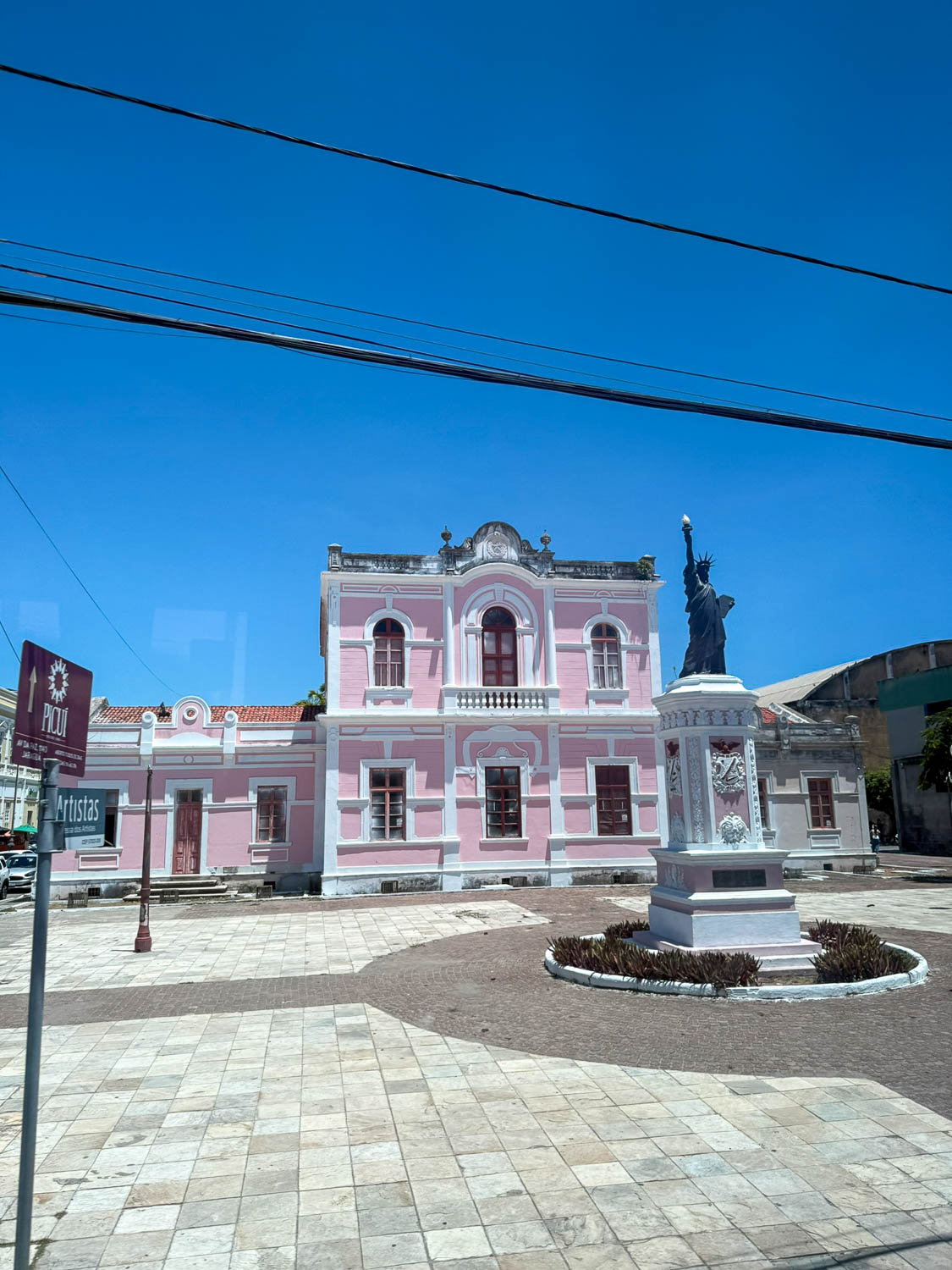
- Museum of Image and Sound of Alagoas (Museu da Imagem e do Som de Alagoas). A multi-media-focused museum documenting the state’s visual and audio history.
- Catedral Metropolitana de Nossa Senhora dos Prazeres. The city’s 19th-century cathedral, whose twin towers anchor the skyline of Centro (Maceio’s downtown district).
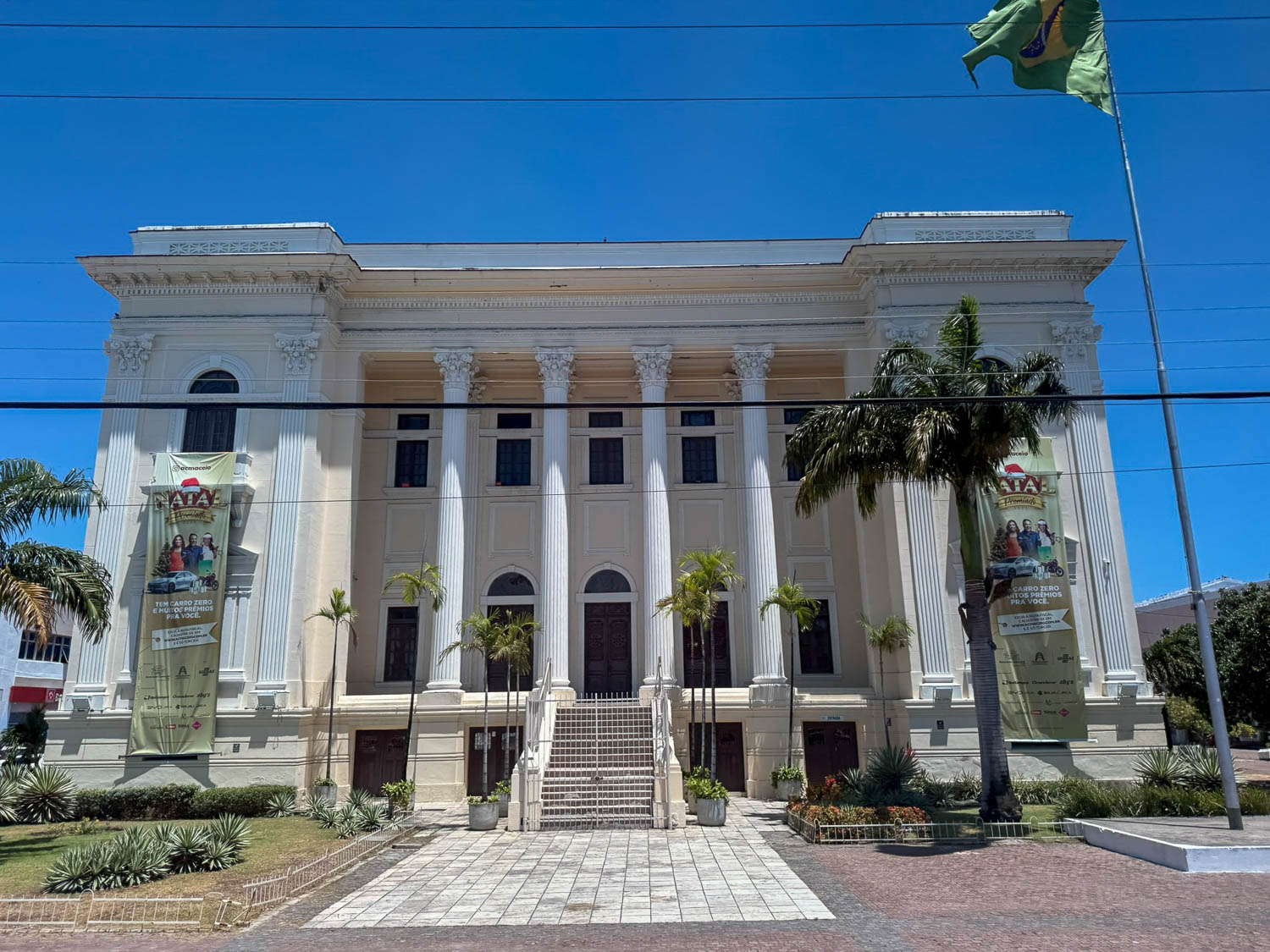
- Deodoro Theater (Teatro Deodoro). A striking early 20th-century neoclassical theater that remains the cultural stage of Alagoas.
- Jaraguá neighborhood. The revitalized old port district of Maceio, now home to colorful façades, art spaces, nightlife, and the photogenic Capelinha de Jaraguá.
Taken together, Maceió’s historic center offers more than just a collection of landmarks — it provides context. From former governor’s palaces and neoclassical theaters, to port-side chapels and folklore museums, this is where the city’s identity quietly unfolds. And once you’ve wandered its streets and absorbed a little of its story, there’s only one direction left to head (if you haven’t already) … toward the sea!
Beach and Coastal Activities
So you’ve scouted out the historic center of Maceió (and it’s pretty neat, we know!), and are perhaps wondering “What’s next?”.
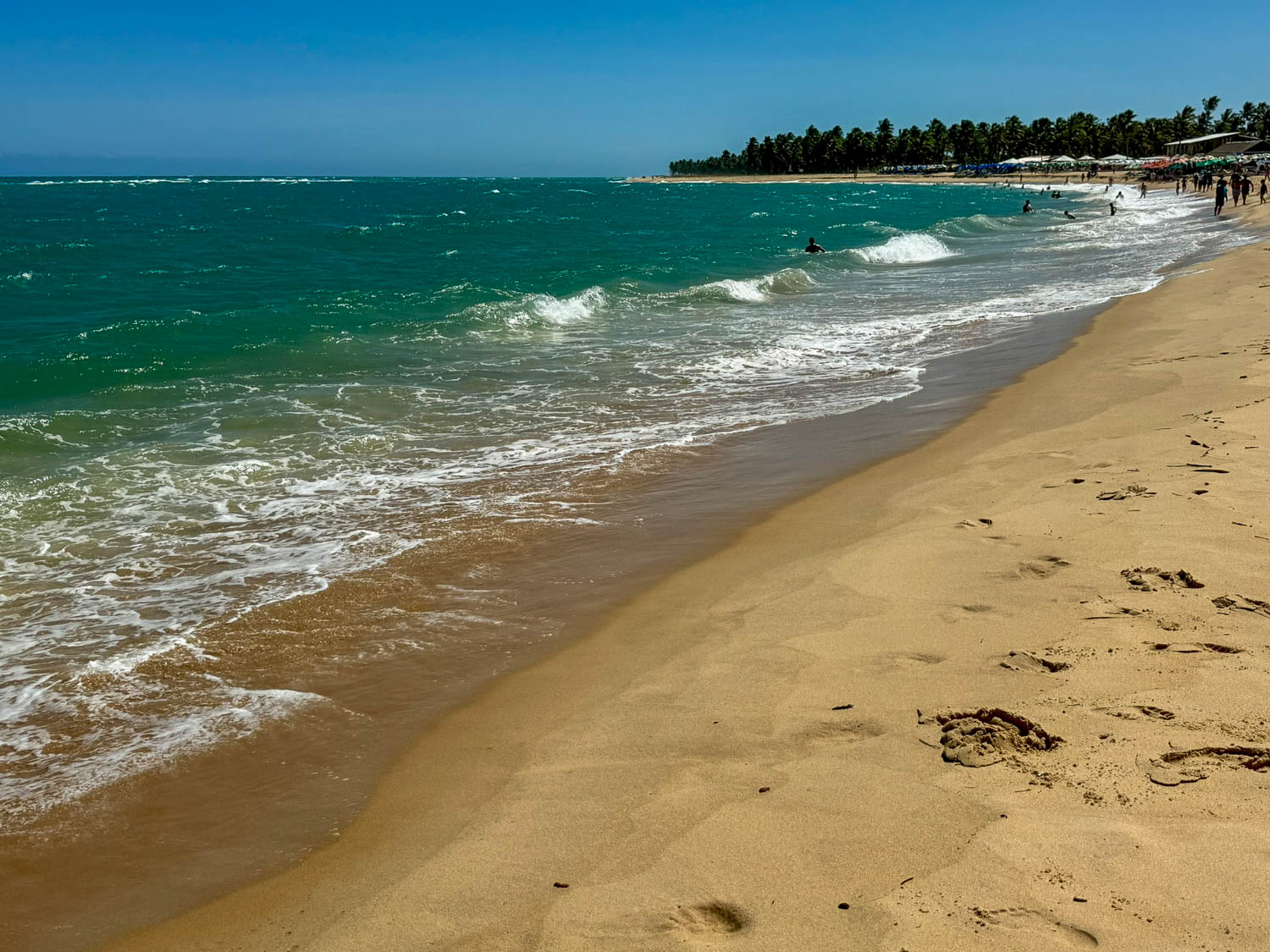
If this city is famous for anything, it has to be its beaches. Nicknamed the “Caribbean of Brazil” due to calm, warm, crystal-clear turquoise-colored waters bordered by swaying coconut palms, the area in and around Maceió is blessed with some of the most beautiful beaches in South America – including some unrivaled accessible, urban beaches right at the city’s front door.
In our sister article, Beaches in Maceió, we provide a detailed guide on some of the best beaches in the area, as well as tips to help make the most of your beach outings. Below is a quick peek into some of the area’s standout sandy stretches from that article.
- Praia de Pajuçara. The jangada-launching hub for natural pool excursions at low tide, with a lively beachfront promenade that buzzes after sunset.
- Praia de Ponta Verde. A stylish urban beach known for its iconic lighthouse, shallow tidal pools, and well-appointed beach kiosks (barracas).
- Praia de Jatiúca. A vibrant stretch of beach that blends city convenience, good surf conditions, and one of Maceió’s most food-focused districts.
- Praia de Cruz das Almas. A wilder, less commercialized section of the coastline, with stronger waves and open sands popular with surfers and wind sports enthusiasts.
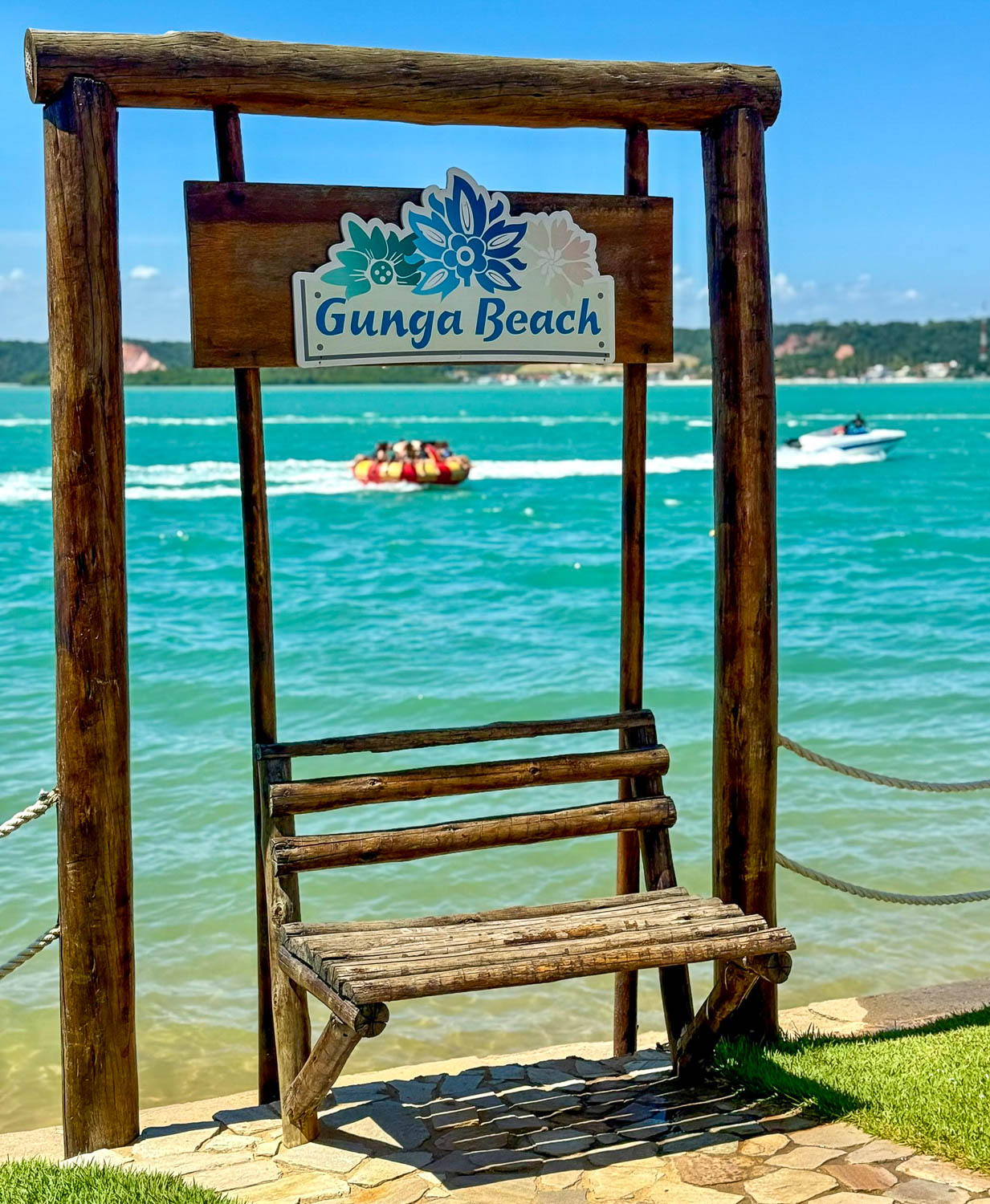
- Praia do Gunga. A dramatic peninsula south of the city, famous for coconut groves, colorful cliffs, and high-energy adventure activities.
Each of Maceio’s beaches offers a slightly different atmosphere — from calm snorkeling waters to wave-chasing adventure — so where you go can often simply come down to your mood!
Day Trips From Maceió
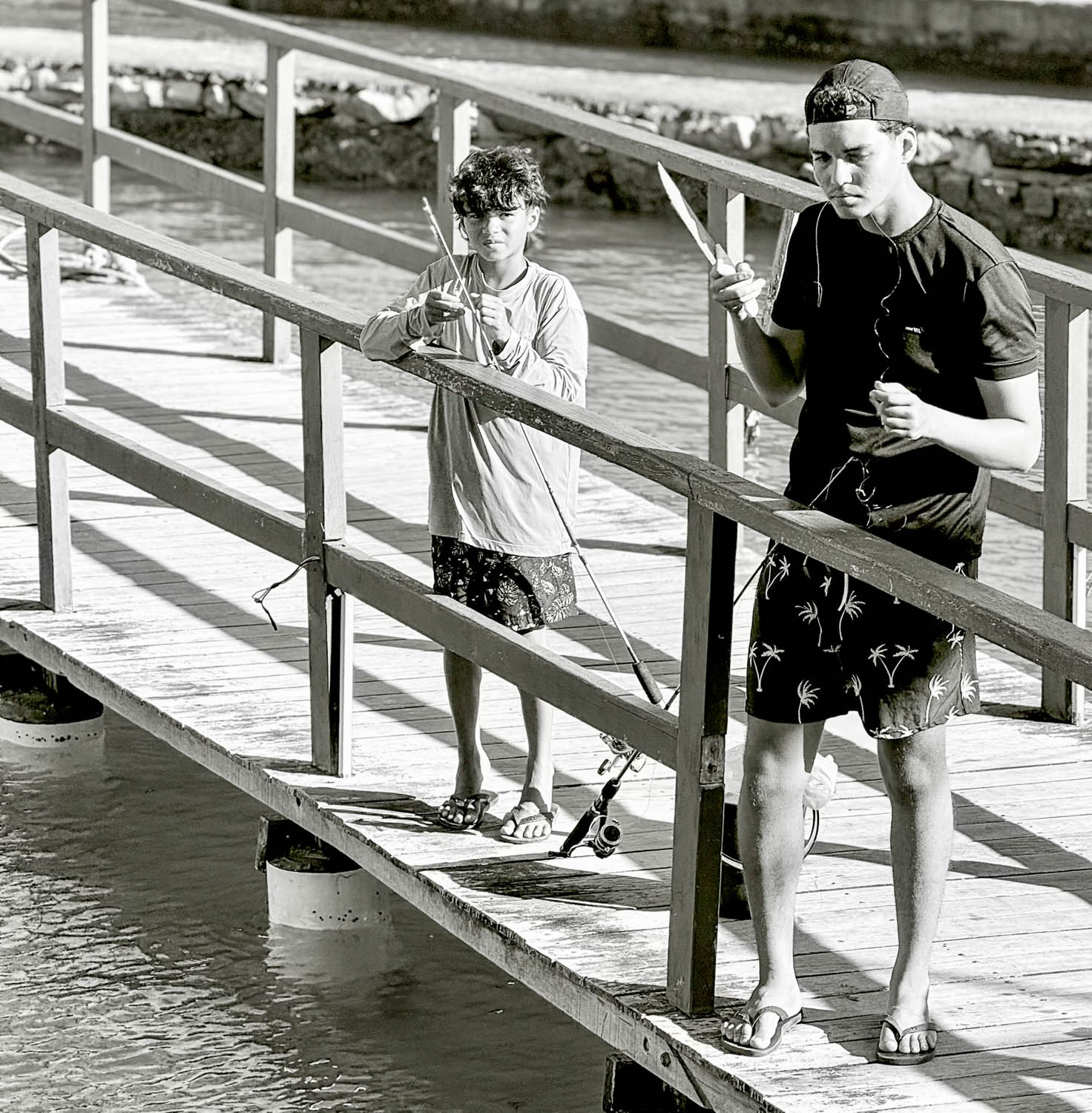
Whilst you can easily fill several days along Maceio’s coastline alone, the surrounding region opens up to the visitor an entirely different side of Alagoas. From quiet fishing villages and coconut-lined back roads, to river landscapes and wildlife-rich lagoons, day trips from the city reveal to the intrepid just how varied this stretch of northeastern Brazil can be.
Head over to Day Trips from Maceió, where we provide a detailed guide to the following attractions, all within easy reach for a day out from the city.
- Barra de São Miguel (30 minutes southwest of Maceió). A relaxed seaside town with a pretty lagoon, popular for its clear waters and protected reefs. Close to Gunga Beach.
- Ipioca (about 45 minutes northeast of Maceió). Quiet coastal scenery, beach clubs, coconut groves, and wide open stretches of sandy beaches.
- Maragogi (2.5 hours northeast of Maceió). Another coastal destination known for offshore reef pools, boat trips, and shallow, crystal-clear water.
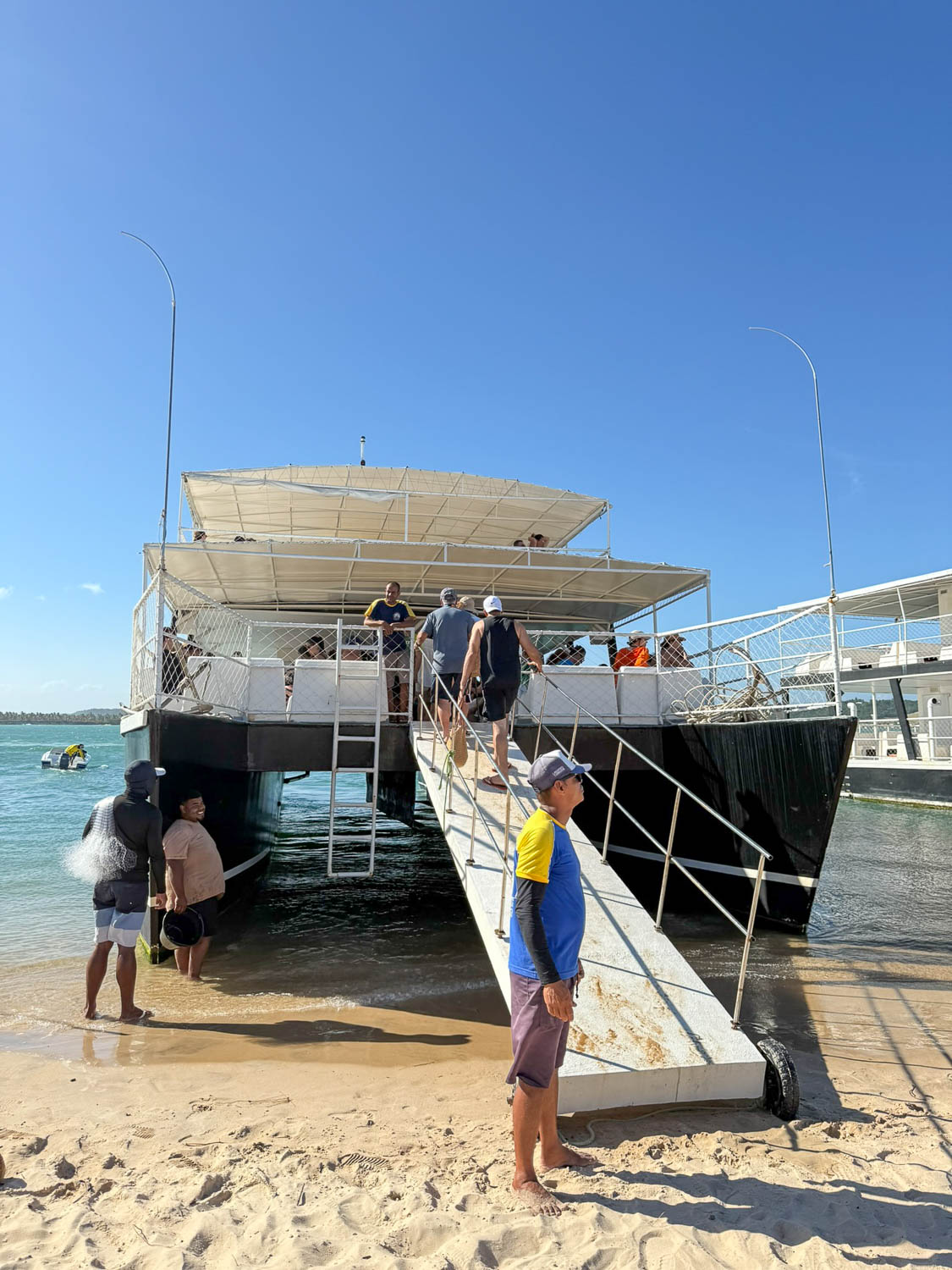
- Praia de Paripueira (less than an hour northeast of Maceió). Part of the Coral Coast environmental area, offering natural pool excursions through reef-protected waters and marine conservation areas.
- São Francisco River (Foz do Rio São Francisco) (a solid 3- to 4-hour drive southwest of Maceió, which can include a ferry crossing). Brazil’s longest (and one of its most important) river, where traditional fishing villages and unique ecosystems provide a fascinating cultural experience. Boat trips here reveal vast dunes, wildlife habitats, and the dramatic meeting point of river and ocean.
- São Miguel dos Milagres (2 hours north from Maceió). One of the most beautiful beaches in Brazil, known for its natural beauty, eco-lodges, and quiet charm. Think peaceful, laidback fishing village kind of feel.
Together, these day trips showcase just how varied Alagoas can be — from river deltas and protected reefs, to sleepy villages and dramatic dune landscapes. Whether you’re chasing calm natural pools, cultural encounters, or wide stretches of empty sand, stepping beyond Maceió for a day adds depth and contrast to your coastal stay.
The Cuisine of Maceió
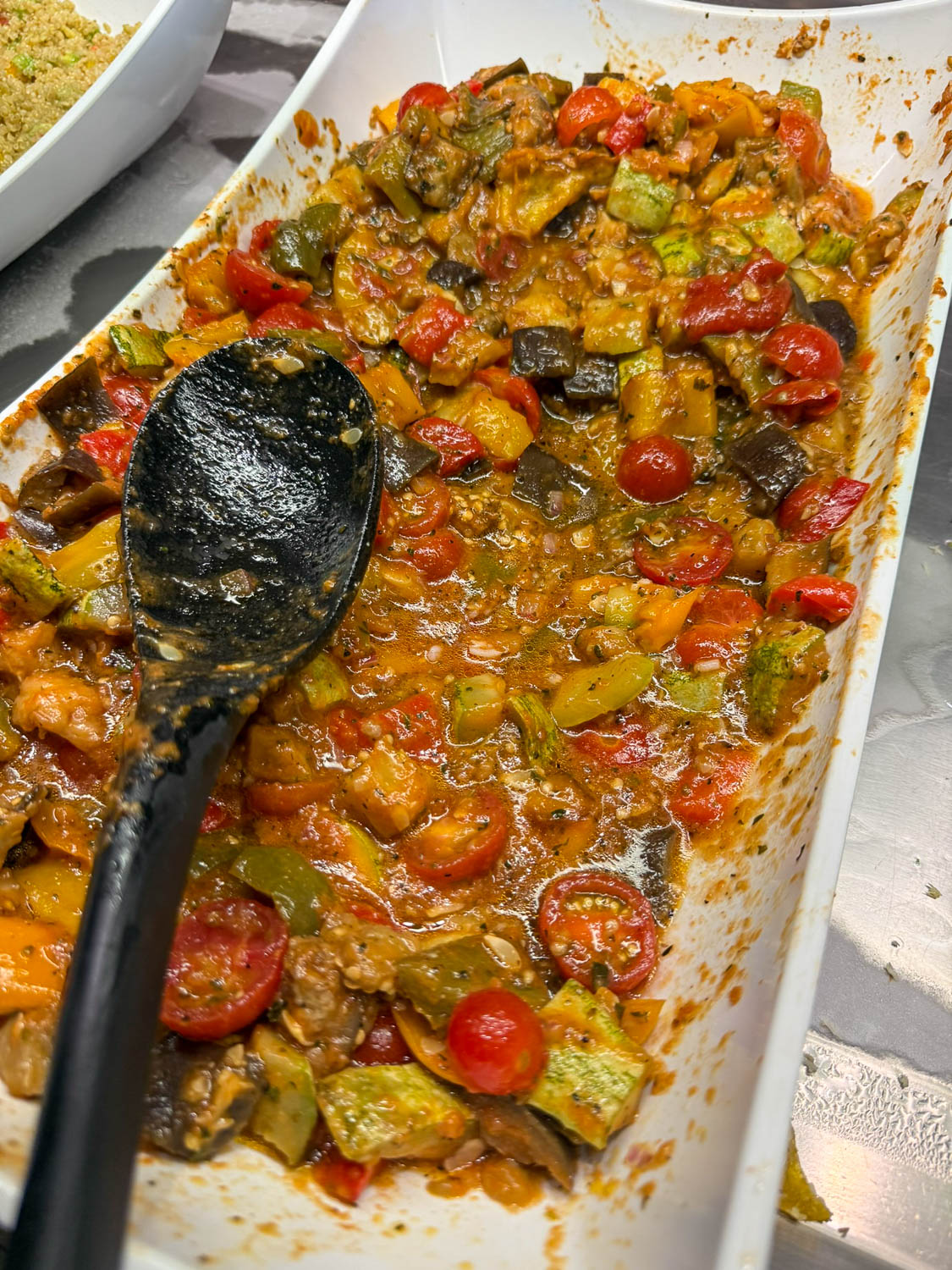
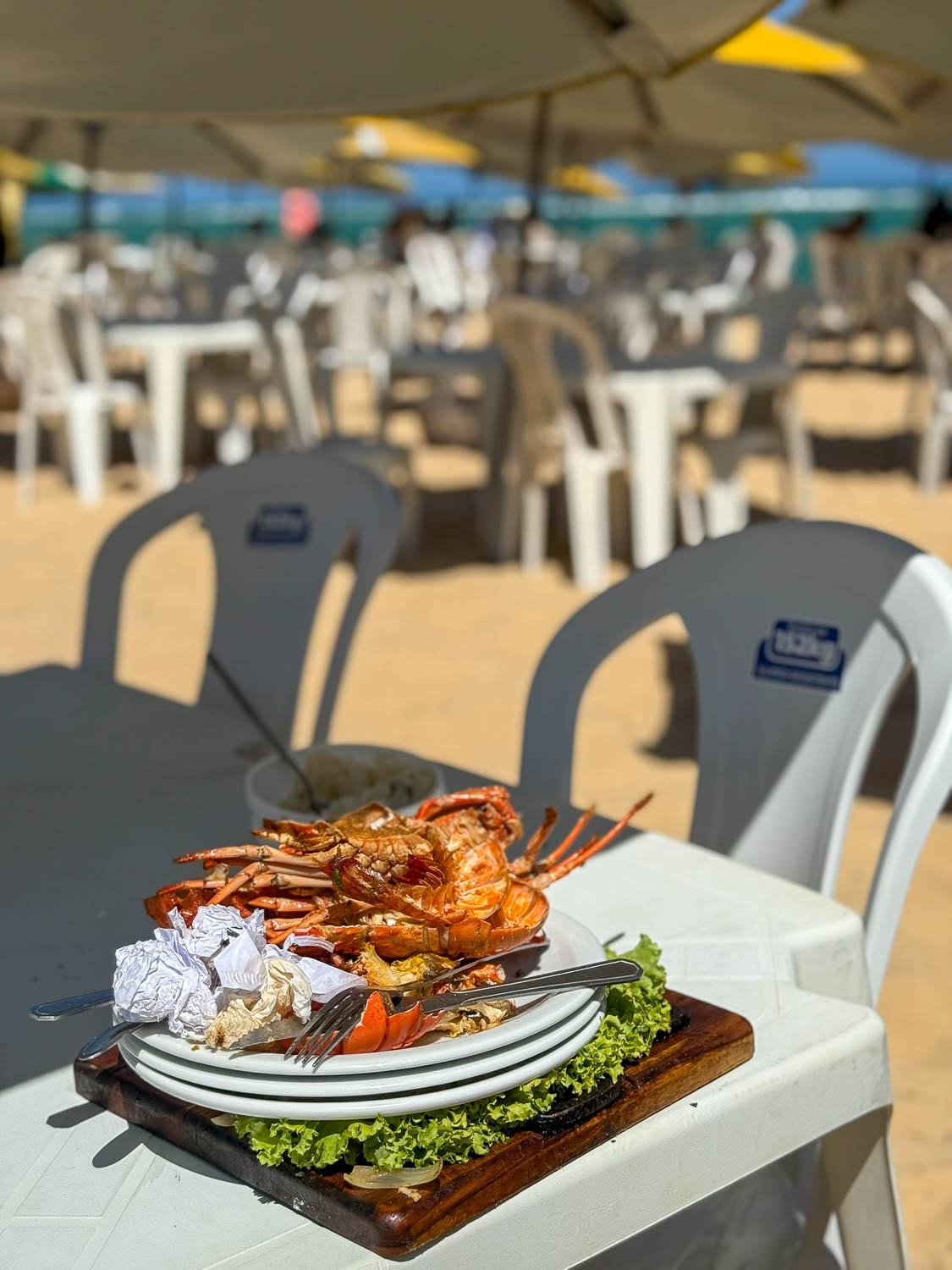
Maceió is a culinary hotspot, most well known for its fresh, locally sourced seafood (especially shrimp (camarão) and lobster (lagosta)) and distinct local delicacies that often blend African and Portuguese influences. Many traditional recipes are strongly tied to lagoon and coastal ecosystems, reflecting how closely food culture here connects to geography.
And fear not, fellow wanderers, once you’re all beached out for the day, there are plenty of excellent dining options available throughout the city!
Highlights often found on menus in Maceió include the following.
- sururu (a local mussel stew often cooked in coconut milk – the mussels are harvested from local lagoons and it’s a staple here!)
- macaxeira (a starchy, edible root vegetable native to Brazil, also known more widely as cassava/yuca)
Insider tip. Restaurantes por quilo (self-service restaurants) are common in Maceio. This was definitely something we hadn’t seen before! At these restaurants, you build your plate and pay by weight – which is actually pretty neat, as it makes it easy to sample multiple local dishes all in one meal!
- beiju / tapioca (a beloved, traditional street food – a gluten-free, crepe-like (or taco-shaped) pancake made from hydrated manioc (cassava) starch … it’s hot, crunchy-yet-chewy, hand-held, and often filled with butter, cheese, or shredded meat – are you drooling yet?!)
- cuscuz nordestino (a quintessential dish of northeastern Brazil, usually served as a hearty breakfast or a quick snack – it’s made from steamed cornmeal flakes and is often accompanied by butter, eggs, cheese or savory meats)
Insider tip. Expect most menus in Maceió to reflect the seafood that was either freshly caught or freshly delivered that morning. As such, availability can shift slightly from day to day – such that what you really enjoyed on Monday may no longer be available on Tuesday. So we highly recommend making the most of each and every meal, just in case!
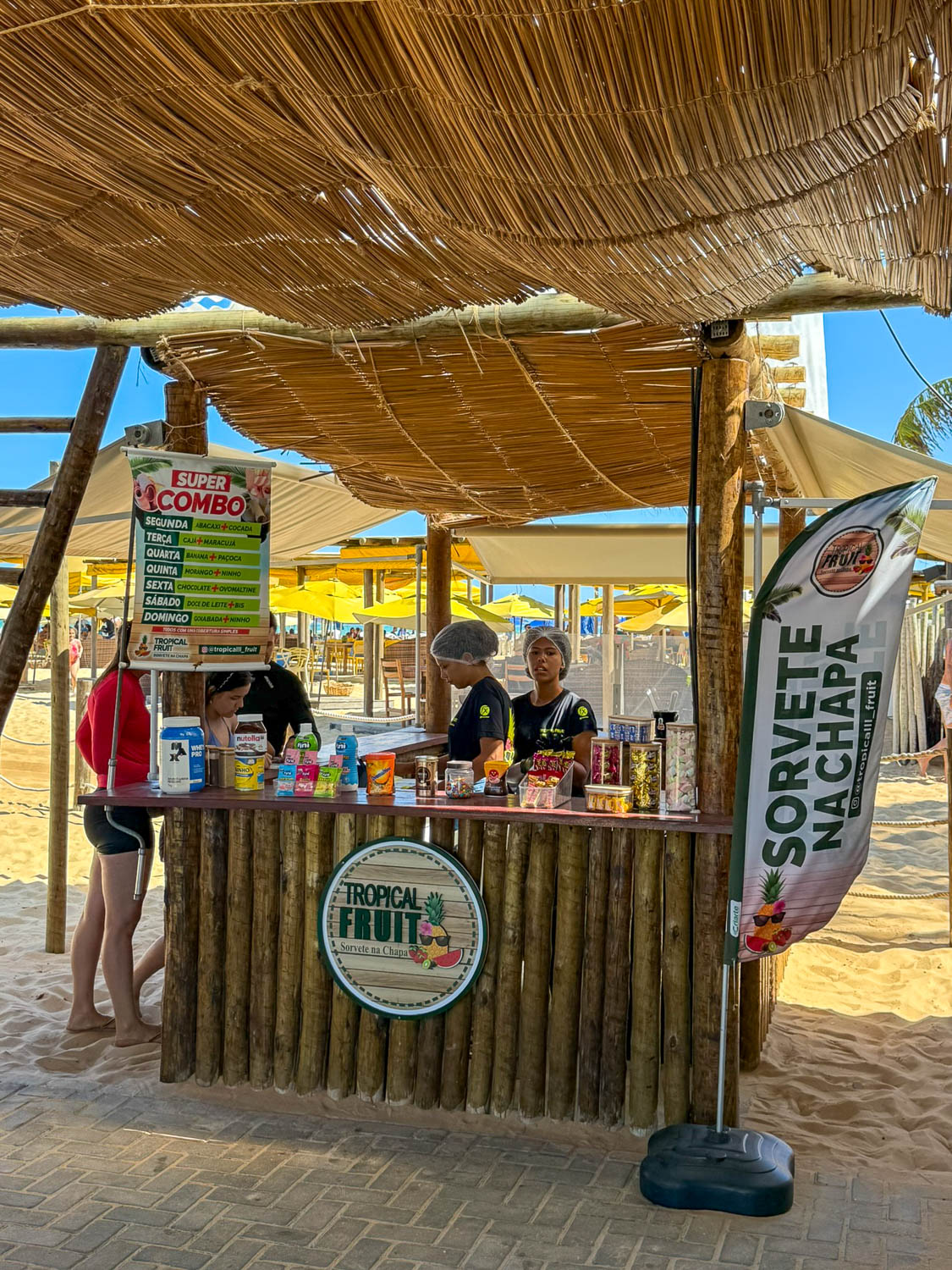
Insider tip. Juice culture is huge in Maceio. Fresh juices made from local fruits – passionfruit (maracujá), mango (manga), guava (goaaba), soursop (graviola) … and everything in between! – appear on many menus and are commonly ordered alongside meals.
- carne de sol (sun-dried meat)
- various coconut-based dishes
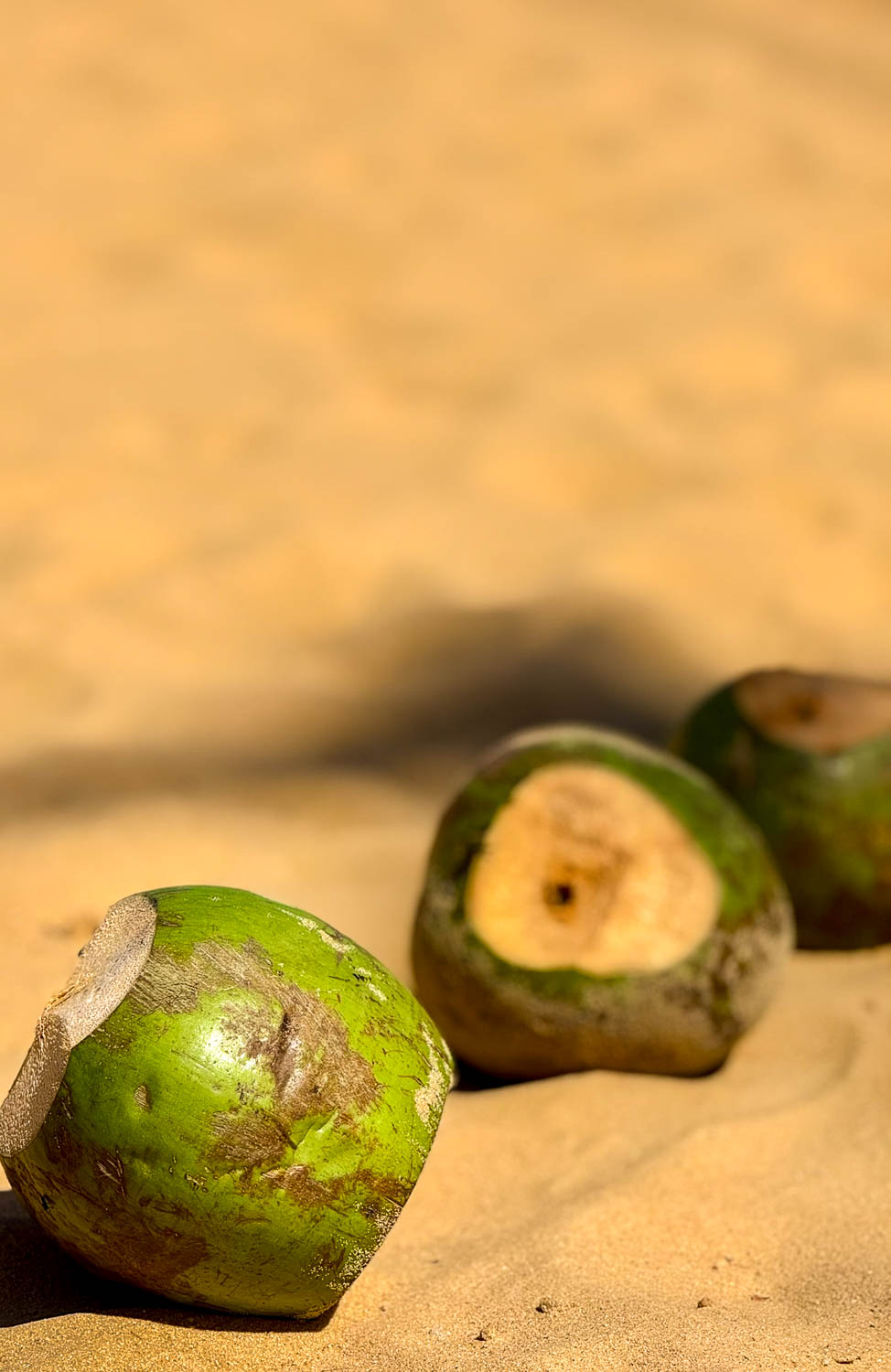
Fun fact. Fresh coconut water is commonly treated as both a drink and a mini “reset” during hot Maceió afternoons, especially when paired with salty snacks or seafood.
Fun fact. In some traditional maceioense kitchens, coconut milk is still extracted fresh (as opposed to using packaged or tinned versions), preserving long-standing cooking methods.
If you’re looking for something a little different – that unique blend of flavorful and authentic dishes – then you’ll definitely find it here in Maceio. And if you’re looking for more information on Brazilian cuisine in general, be sure to check out our sister article, Brazilian Cuisine, which offers readers an in-depth look into Brazil’s regional cuisines, signature ingredients, and the cultural stories behind its most beloved dishes.
Shopping
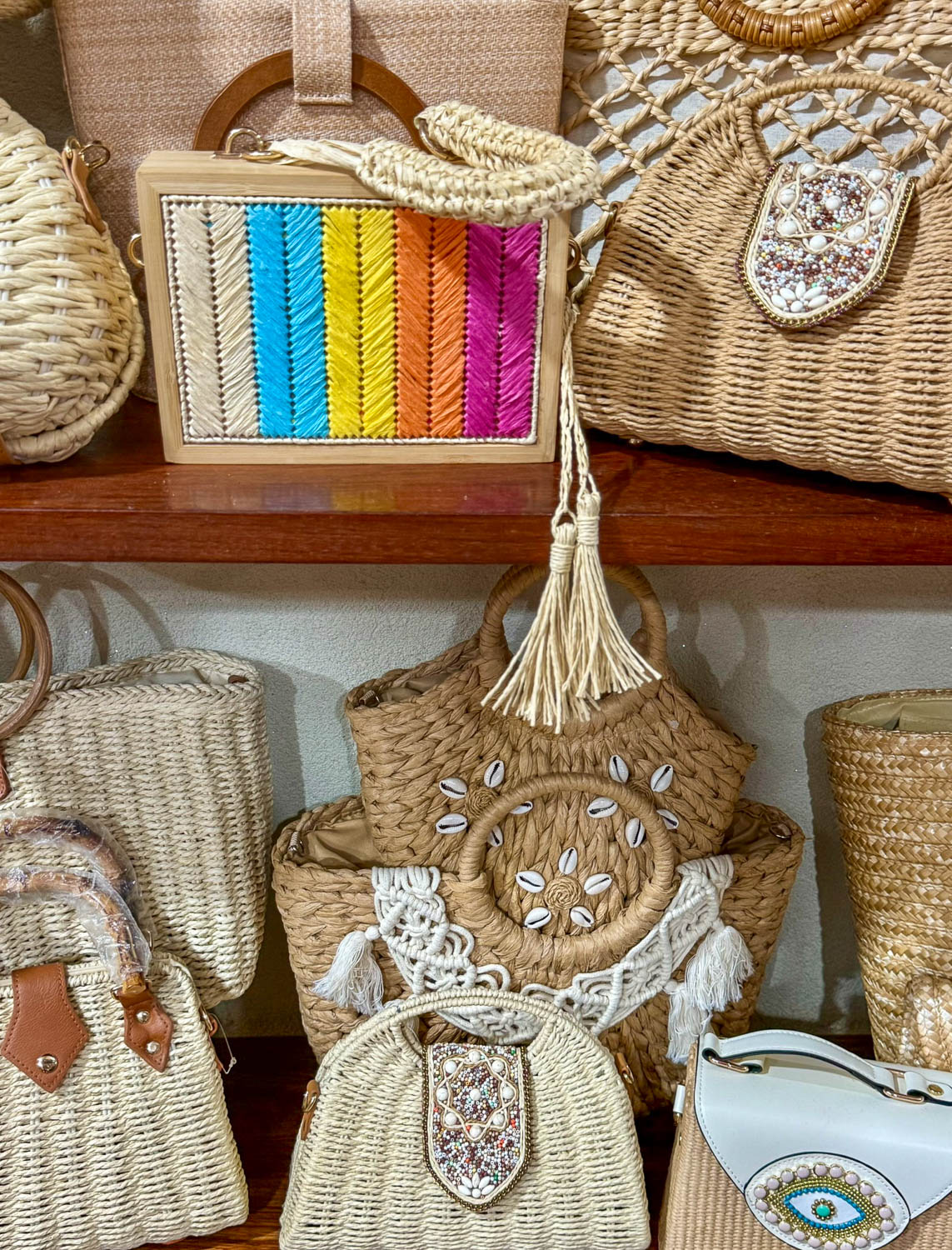
Time for some souvenir-hunting? Need another small bag to pack all the great stuff you’ve already purchased during your time in Brazil? In great news, shopping in Maceió is easy and fun – a mix of beach-town casual, regional crafts and modern malls, all within a relatively compact area.
From traditional lace markets to polished seaside malls, shopping in Maceió reflects the same balance found throughout the city — local craftsmanship alongside modern convenience. It’s less about high-end fashion and more about bringing home something tied to place: a piece of embroidery, a carved keepsake, or even just another pair of Havaianas (seriously, can you ever have too many pairs of flip-flops?).
For detailed market locations, insider tips, and ideal visiting hours, be sure to check out our full guide to shopping in Maceió. Inside that guide, we provide detailed information on the following:
- local markets and artisan shopping (including Feirinha de Artesanato da Pajuçara)
- Maceió’s shopping malls (including Maceió Shopping, Parque Shopping Maceió and Shopping Pátio Maceió)
- beachfront and promenade shopping in Pajuçara, Ponta Verde, and Jatiúca
Whether you’re browsing for handmade lace, picking up beach essentials, or simply wandering between coconut water stops and artisan stalls, shopping here feels relaxed and easy enough to fit in between sightseeing and coastal downtime.
Accommodation in Maceio
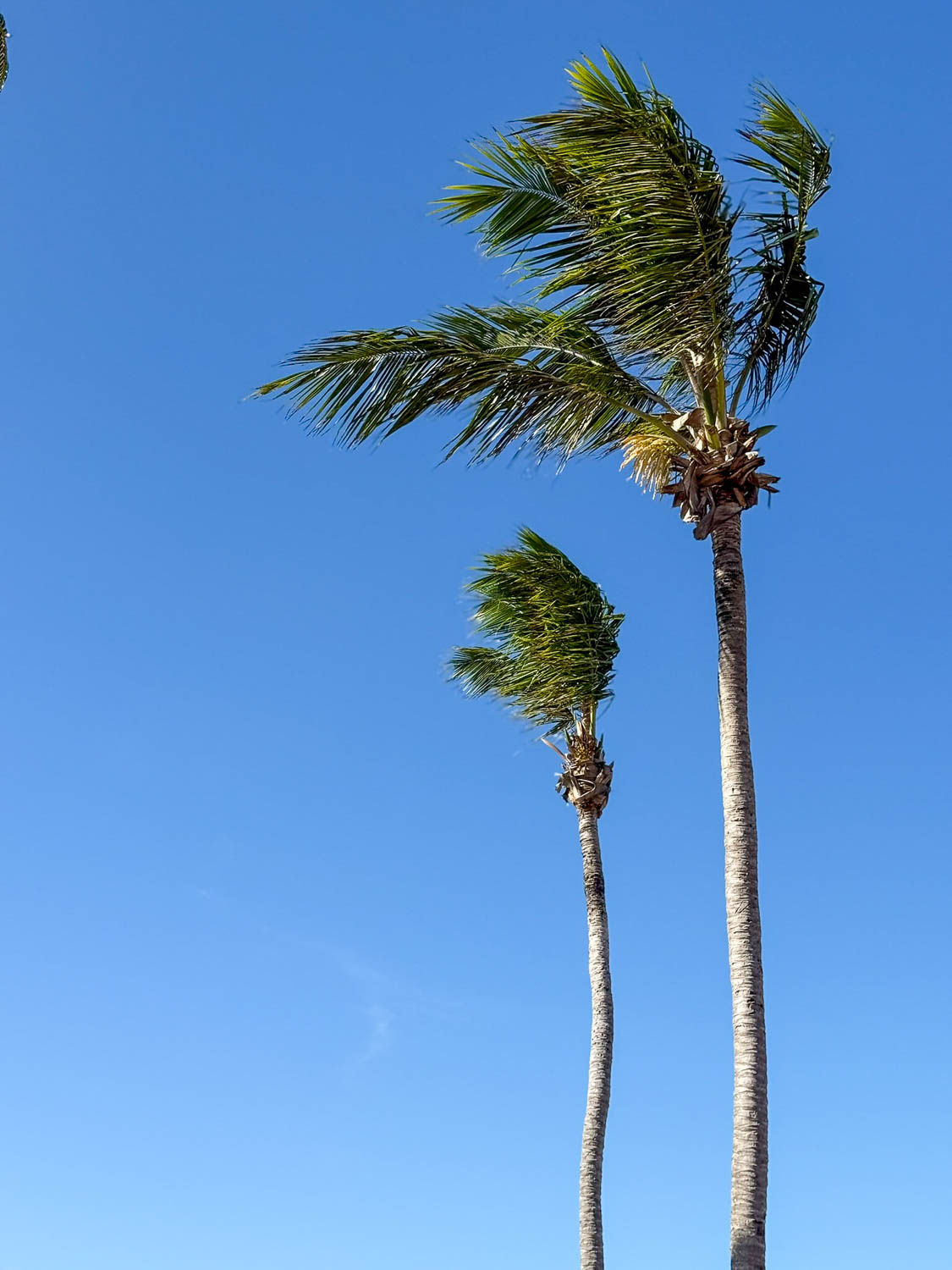
Where you stay in Maceió ultimately shapes the rhythm of your days — beachfront convenience in Pajuçara or Ponta Verde, dining and nightlife access in Jatiúca, or quieter seclusion further north toward Ipioca.
The good news about staying in Maceió? Comfort doesn’t require Rio-level pricing, and many properties combine ocean views with genuine northeastern hospitality. Most accommodation options focus on laidback living, beach access, and a relaxed coastal atmosphere, with thoughtful designs that make the most of their waterfront location and outdoor spaces – and the majority boasting friendly, helpful staff and excellent breakfast spreads (usually included in the cost of your room).
For detailed neighborhood guidance, accommodation booking tips, what to expect at different price points, and transportation and walkability considerations, be sure to head over to our full guide on accommodation in Maceió. In that article we cover all-inclusive resorts, mid-range and luxury hotels, local pousadas, and apartments and seasonal rentals.
Whatever accommodation you ultimately choose, you’ll no doubt find yourself surrounded by coconut palms, the gentle sound of the waves, and easy access to Maceio’s main attractions.
Living in Maceió: Lifestyle and Long-Term Stays
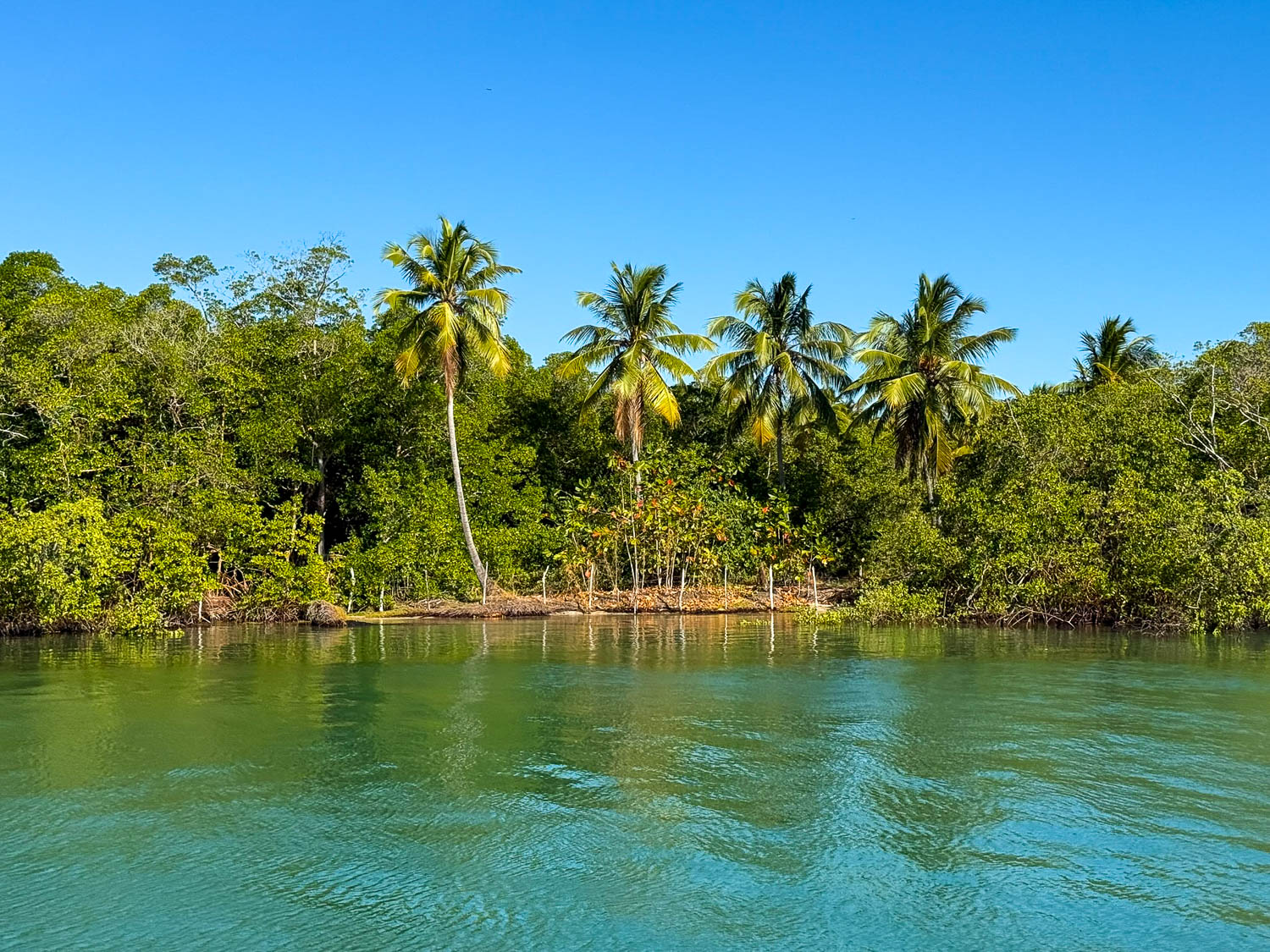
More than a vacation spot, Maceió has become a magnet for expats, retirees, and digital nomads. Why, you might ask? The combination of a low cost of living, excellent real estate and rental prices, stunning natural beauty (especially those beaches!), and a vibrant – yet relaxed – community, are all huge draws.
Insider tip. At the time of writing, Brazil was offering foreigners a “digital nomad visa”, first introduced in 2022. This visa helps facilitate longer stays, making it easy for remote workers to live in popular coastal destinations, including Maceió.
Imagine waking up in a beachfront hotel or renting an apartment near the sea (“apartamento próximo ao mar”) where the ocean is your backyard. Days can be filled with walks through the historic center or along beachfront promenades, mornings spent sipping coffee at cafes in Pontal da Barra, and evenings enjoyed at the lively restaurants within the Jaraguá neighborhood. Count us in!
Practical Information and Tips For Your Visit
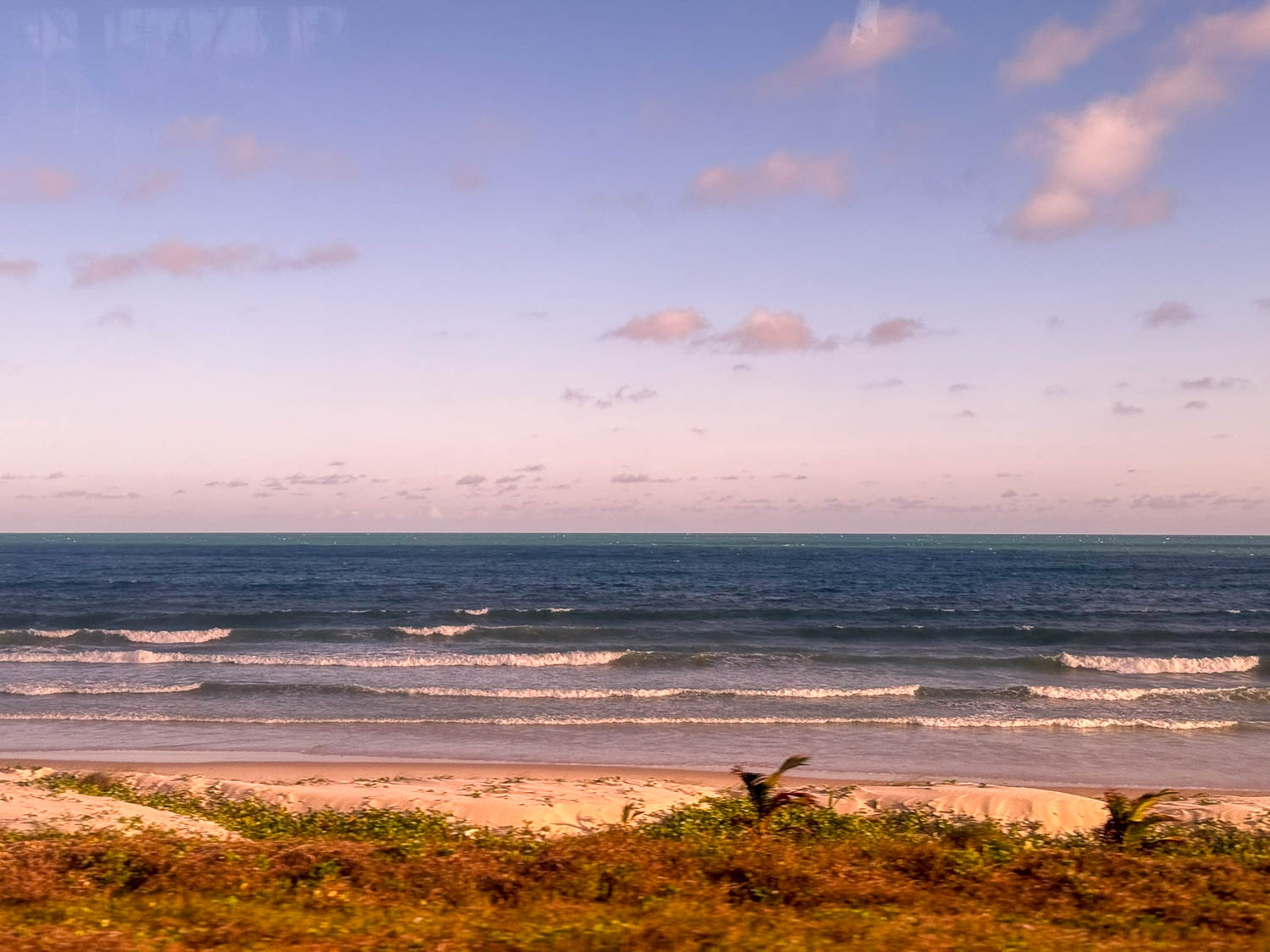
A little preparation can help make a visit to Maceió easy and stress-free from the moment you arrive. Whilst the city is generally straightforward for visitors to navigate, understanding a few practical details ahead of time can help you make the most of your stay along the coast and settle into the local rhythm more quickly.
For additional guidance on local awareness, beach safety, and common visitor concerns, be sure to read our detailed Maceió safety guide before your trip.
In our sister article, Maceió: Practical Information and Tips for Your Visit, you’ll find helpful information that focuses on simple, real-world guidance to help you feel prepared, comfortable, and ready to settle into coastal life from day one. These tips cover everything from tourist offices and local customs, to language and money matters, to electricity and plugs, and the use of SIM cards in Brazil. And just in case you don’t have a moment to jump over to that article this very moment, here’s one quick insider tip to keep in mind: in coastal cities like Maceió, flip-flops are not just for the beach – they’re everyday footwear for many locals (and they can be for you too – needless to say, this made Mike very happy!).
Beach-Smart and Street-Smart in Maceio
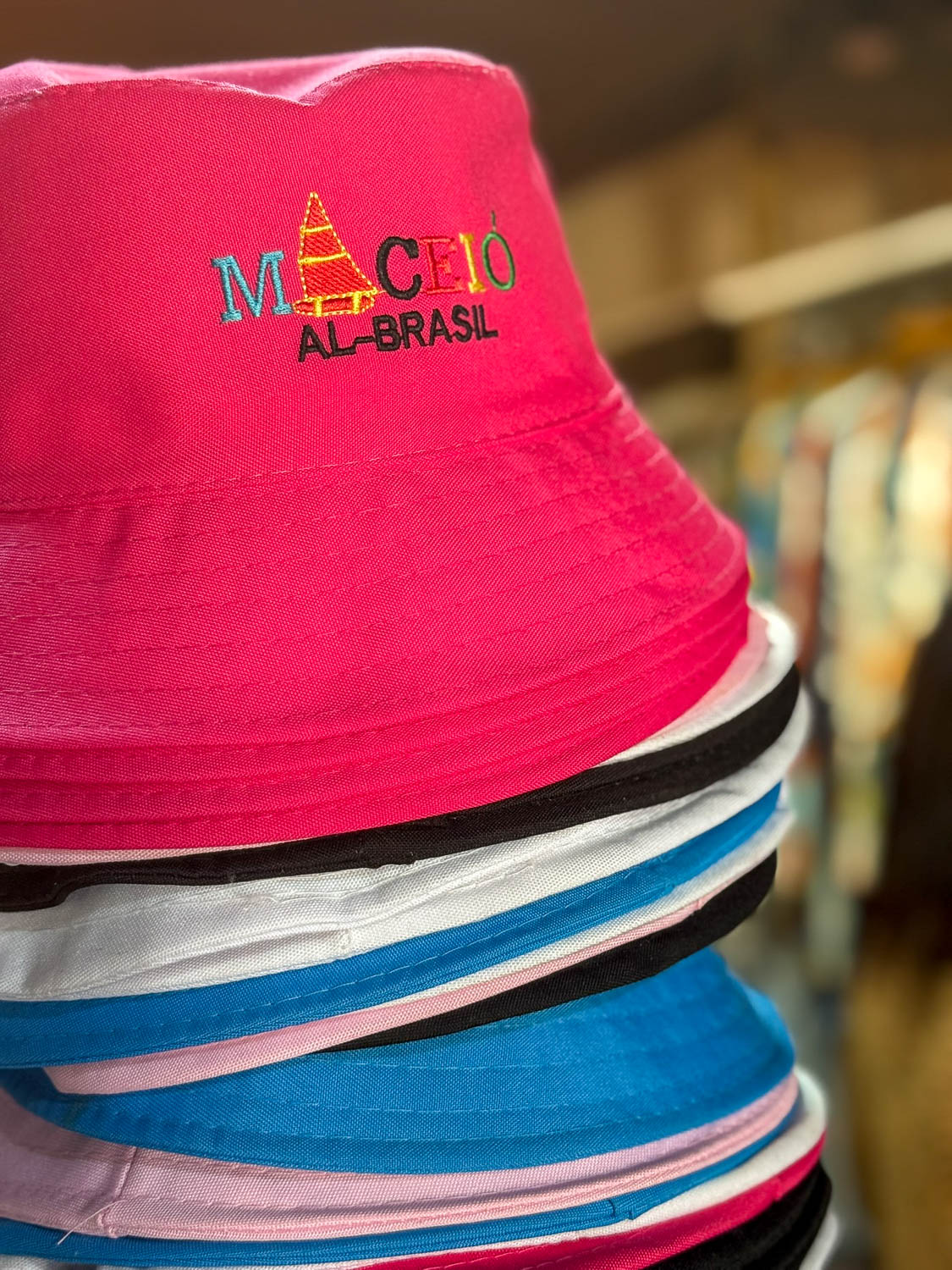
Like the majority of coastal cities in Brazil, Maceió is relaxed, welcoming, and very tourism-oriented. If you’re wondering “Is Maceió safe?“, the short answer is yes for most visitors, particularly in the main tourist districts, though a little awareness and preparation can go a long way. It does, however, reward travelers who stay aware and plan ahead.
The main beach zones of Maceio are active and generally comfortable to navigate during the day, especially where locals and visitors mix. Indeed, staying aware of your surroundings and using normal city precautions is generally sufficient in Maceió’s main tourist areas. We do, however, want to share some additional practical tips for staying safe during your visit – because a little preparation goes a long way toward helping you focus on what you came for: those stunning turquoise waters, those long coastal walks, and that incredible laid-back northeast Brazilian energy!
For a detailed guide on staying safe in Maceio, be sure to check out our in-depth article Beach-Smart and Street-Smart in Maceió. There you’ll find expanded advice on general beach safety, how to keep your belongings safe, the reality of the sun and heat in Maceió, and additional general safety guidelines, with practical, on-the-ground tips to help you feel confident throughout your stay.
Final Thoughts
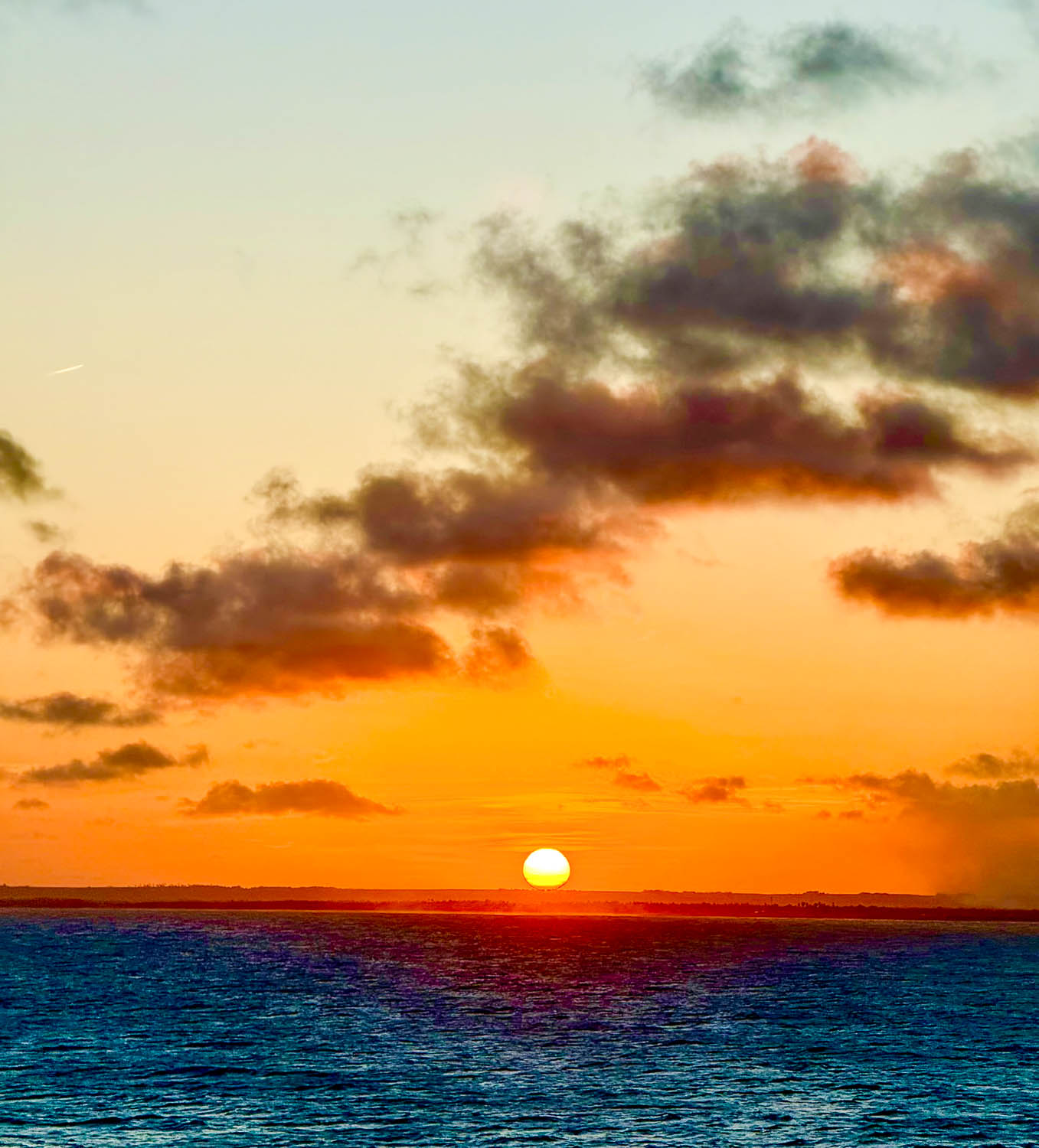
Maceio In Maceió, vibrant Brazilian culture and some of the clearest coastal waters in the country exist side by side, creating a destination that feels equal parts energizing and deeply grounding. It’s also proof that sometimes the best travel days are the simplest ones — salt in the air, sand underfoot, and nowhere urgent to be except exactly where you are.
From the turquoise natural pools at Praia de Pajuçara Beach to the lively beats of the Jaraguá neighborhood, and from the serenity of São Miguel dos Milagres to the charming historic center of Maceió, where faded pastels, white-washed churches, and vibrant local markets tell the city’s story, this stretch of coastline effortlessly blends everyday local life with postcard-worthy coastal scenery.
For many, a visit to Maceió is an invitation to dive deeper — to hike along the coast at sunrise, paddle in hidden lagoons, surf the waves, and uncover the rich history behind its 19th century architecture. For others, it’s a place to savor — to sip caipirinhas at stylish beachfront lounges, take long walks beneath the coconut palm trees, browse artisan boutiques, and linger over fresh seafood dinners as the sun sets over the Atlantic Ocean. For every taste, Maceió offers something that feels both authentic and welcoming.
Are you ready to add Maceió to your bucket list? We definitely believe it’s worth visiting! And perhaps it’s even time to pack your flip-flops (or flippies, as Mike would say), an open schedule, and a readiness to follow the tide. If so, those sun-soaked beach days by turquoise waters, those market wanderings, and those seafood-filled evenings are waiting: let’s get started planning your trip to the paradise that is the capital of Alagoas!
FAQs
Is Maceió worth visiting?
Yes. Maceió is one of Brazil’s most beautiful coastal destinations, known for turquoise waters, natural pools, palm-lined beaches, excellent seafood, and easy access to famous Alagoas destinations such as Maragogi and São Miguel dos Milagres.
What is Maceió Brazil known for?
Maceió is best known for its calm turquoise waters, offshore natural pools, coconut-lined beaches, and its location along Brazil’s scenic Coral Coast. It is often called the “Caribbean of Brazil.”
What are the best things to do in Maceió?
Popular activities include visiting Praia de Pajuçara, Praia de Ponta Verde, and Praia de Jatiúca, exploring the historic Jaraguá district, taking a jangada trip to the natural pools, enjoying local seafood, and taking day trips along the Alagoas coastline.
How many days should you spend in Maceió?
Most visitors find that 3–5 days provides enough time to enjoy the city’s beaches, historic attractions, local cuisine, and a few nearby day trips. Travelers wanting to explore more of Alagoas often stay a week or longer.
Is Maceió family-friendly?
Yes. Maceió is considered one of Brazil’s more family-friendly beach destinations thanks to its calm urban beaches, natural pools, waterfront promenades, family-oriented resorts, and easy access to outdoor activities suitable for all ages. Families planning a visit may also want to review our detailed guide answering whether Maceió is safe for tourists and families.
Explore More Of Brazil
-
Serra Verde Express Train: Curitiba to Morretes
The Serra Verde Express is a scenic train journey from Curitiba to Morretes in Paraná, Brazil, traveling through the Atlantic Forest and Serra do Mar Mountains. This guide covers tickets, classes, routes, and what to expect along one of Brazil’s most iconic railway experiences.
-
Brazil Regional Cuisine: A Guide to Flavors Across Brazil
Brazil regional cuisine reflects the country’s geography and cultural diversity, with each region offering distinct flavors, ingredients, and traditional dishes shaped by local traditions.
-
Traditional Brazilian Food: Iconic Dishes, Snacks, and Desserts
Traditional Brazilian food blends rich cultural influences with bold, comforting flavors. From feijoada and moqueca to pão de queijo and brigadeiros, this guide highlights Brazil’s most iconic dishes, snacks, and desserts.
-
Brazilian Food: A Guide to Brazil’s Culinary Culture
Brazilian food blends Indigenous, African, and Portuguese influences into one of the world’s most diverse cuisines. From feijoada and churrasco to regional flavors across Bahia and the Amazon, this guide explores Brazil’s food culture, dining traditions, and what to expect.
-
Best Things To Do in Embu das Artes: Travel Guide
Embu das Artes, just outside São Paulo in Brazil, is a colorful colonial town known as the “City of the Arts.” Famous for its weekend Feira de Artes market, galleries, artisan shops, and museums, it’s one of the most creative cultural day trips from São Paulo.
-
Morretes Brazil: Best Things to Do in Paraná’s Gem
Morretes, Brazil is a charming colonial town in Paraná nestled within the Atlantic Forest. Famous for the scenic Serra Verde Express train, the Nhundiaquara River, and the traditional barreado dish, Morretes offers cobblestone streets, historic churches, and relaxed riverside dining just a short trip from Curitiba.
-
Port Santos, Brazil: Essential Cruise and Travel Guide
Port Santos is the largest port in Latin America and the main cruise gateway to the coastal city of Santos, Brazil. This guide explains how the port operates, what cruise passengers can expect on arrival, and the best things to do nearby — including beaches, museums, historic sites, and day trips to São Paulo.
-
Paraty Brazil Travel Guide: Best Things To Do in Town
Paraty, Brazil is a UNESCO World Heritage colonial town on the Costa Verde known for its cobblestone streets, colorful historic center, tropical islands, and nearby beaches. Visitors can explore Paraty Bay by boat, hike the historic Gold Trail, discover Atlantic Forest landscapes, and enjoy one of Brazil’s most charming coastal destinations.
-
Buzios, Brazil Travel Guide: Best Things To See and Do
Buzios is a coastal resort town in Brazil located about three hours from Rio de Janeiro, known for its beaches, walkable center, and relaxed seaside atmosphere. This Buzios travel guide covers the best things to do, top beaches, Rua das Pedras, the Orla Bardot Boardwalk, where to stay, nightlife, festivals, and practical travel tips.