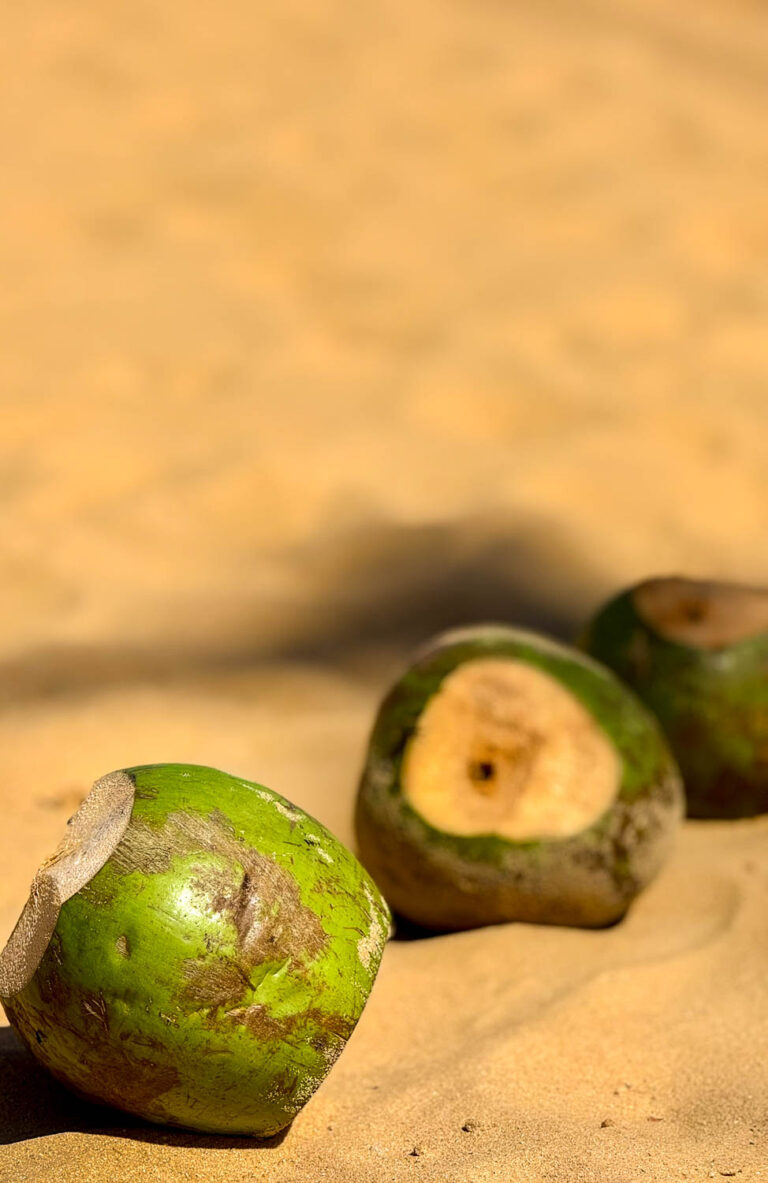
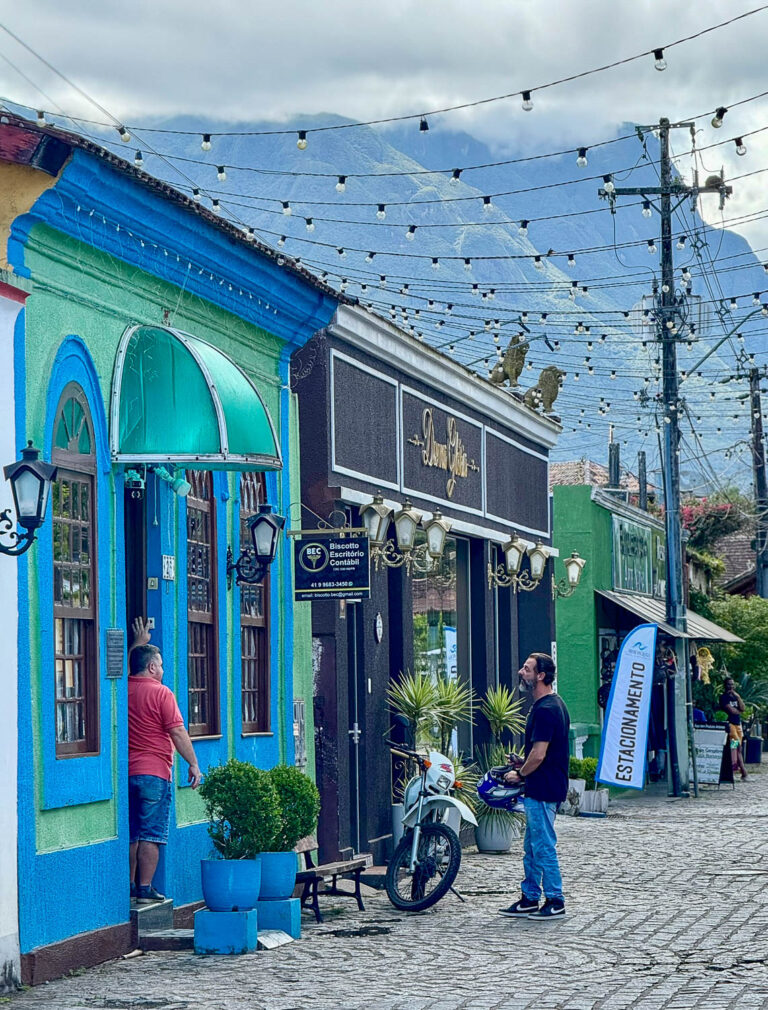
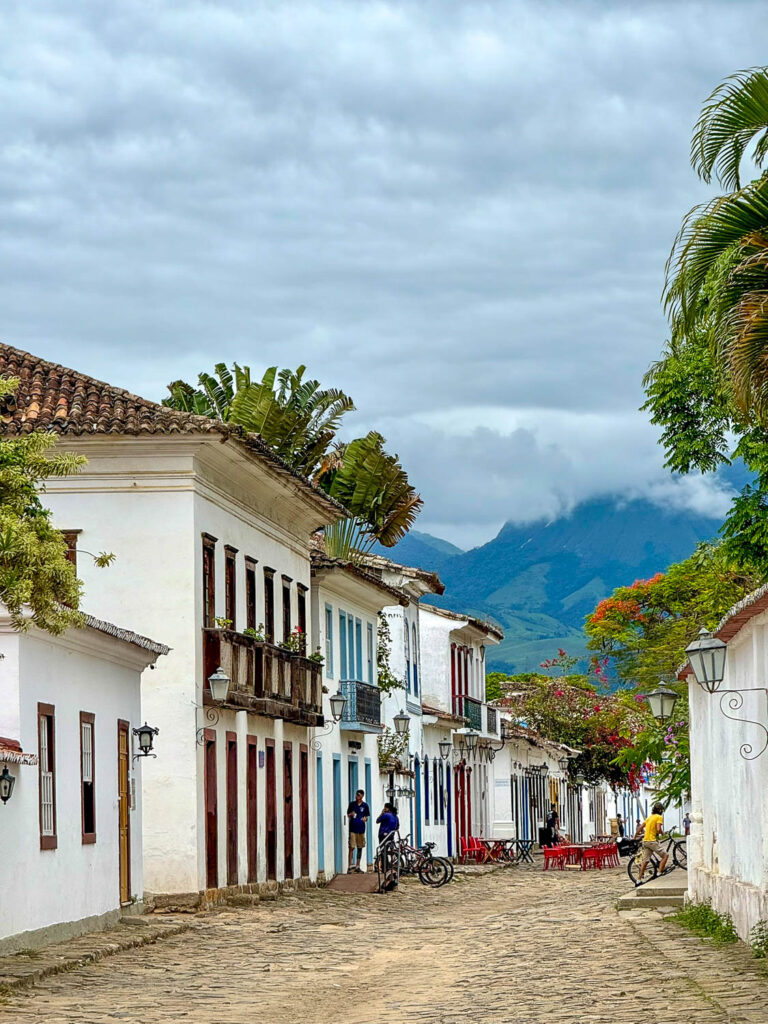
Our introduction to Brazil began in São Paulo – well, in Embu das Artes, to be more precise. And we couldn’t have asked for a better place to begin our adventure. After a long international flight, Embu das Artes afforded us the opportunity to … well … pause. We realized quickly it was one of those rare destinations that speak directly to your soul – one that manages to weave history, creativity, and culture into every brightly-colored street corner. And we fell in love almost immediately.
Affectionately known as Brazil’s “Cidade das Artes” (City of the Arts) because of its long tradition of artisan markets, galleries, and street artists, this historical town blends old-world charm with contemporary creativity. Cobblestone streets lead to whitewashed colonial houses, now filled with art galleries, artisan shops, and the buzzing sounds of live music on weekends. As you wander, you’ll discover the work of local artists, sample traditional Brazilian culture through its food, and connect with the spiritual heritage preserved in churches that include Nossa Senhora do Rosário, where sacred art still tells the story of centuries past.
Just outside the energy of São Paulo, Embu das Artes offers a shift in rhythm. It’s the kind of destination where you can browse slowly, snack often, and let the day unfold naturally. Whether you’re visiting for a few market-filled hours or planning a slower wander through its galleries and cafés ahead of a weekend festival, a little planning goes a long way. If you’re considering adding Embu to your itinerary, below you’ll find a practical guide to help you plan your visit, navigate the markets, and discover where locals linger over lunch.
Let’s see what Embu has to offer, shall we?
Quick Tips
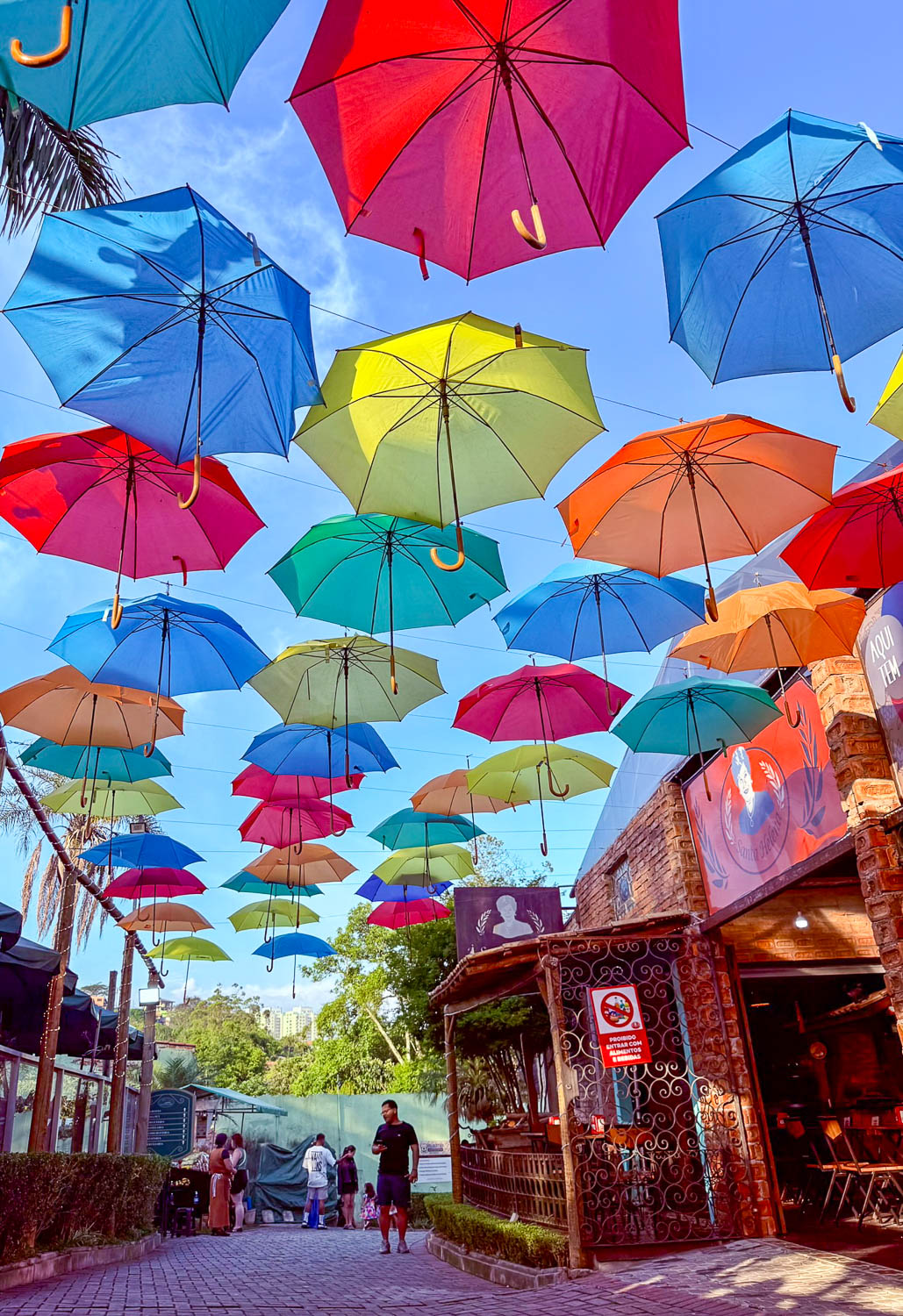
Here are some insider tips to help you make the most of your Embu das Artes, Brazil experience.
- Located just 25-30km (15-18 miles) southwest of central São Paulo, Embu das Artes is perfect for a day trip and getting there by car, bus, or private tour is easy.
- Embu das Artes is located about 25–30 km (15–18 miles) southwest of São Paulo and is one of the easiest day trips from the city.
- The historic center is compact, walkable, and easy to explore without a car once you arrive.
- Visit on weekends or public holidays to experience the famous Feira de Artes, one of the largest artisan markets in São Paulo State.
- Sundays typically offer the largest number of vendors, live music, and the liveliest atmosphere.
- Arriving before 10:00 a.m. helps avoid the biggest crowds and makes parking easier.
- Most galleries, artisan shops, cafés, and restaurants are concentrated within the historic center.
- Allow at least half a day for the market and historic district, though a full day provides a more relaxed experience.
- Comfortable walking shoes are recommended due to cobblestone streets and uneven surfaces.
- Winter (June–September) generally offers the most comfortable sightseeing weather.
- Bring a reusable tote bag or small backpack if you plan to purchase artwork, crafts, or souvenirs.
Follow these tips and you’ll be ready to enjoy the Embu das Artes, Brazil!
Plan Your Trip
Some links below may earn us a small commission at no extra cost to you. We’re truly grateful for your support, as it allows us to continue sharing meaningful travel experiences and practical travel insights with you. Read our full disclosure here.
Best Way To Experience Embu das Artes
The best way to experience Embu das Artes is to spend a leisurely day exploring the historic center, browsing artisan shops, enjoying the Feira de Artes, and stopping frequently for coffee, street food, and conversations with local artists. Unlike many destinations, Embu rewards travelers who slow down and wander.
For first-time visitors, the ideal visit usually includes:
Top Recommended Experiences (At A Glance)
Best Overall Experience:
A full day exploring the Feira de Artes, artisan galleries, museums, cafés, and historic center streets.
→ Recommended: Private 4-hour Tour of Embu das Artes with Handicraft Market
Best For First-Time Visitors:
A guided day trip from São Paulo that combines transportation with free time to explore the market and historic center.
→ Recommended: Private Brazilian Art Tour Experience
Best Relaxed Experience:
Gallery hopping, coffee stops, and people-watching around the central squares and market streets.
→ Recommended: Historical Town Of Embu Das Artes – Art Galleries, Artisan Shops
Short On Time? Do This:
Tours & Experiences
Prefer additional options? Click below to discover more incredible experiences tailored just for you!
Browse top attractions in Sao Paulo, Brazil.
Travel Essentials?
Planning the rest of your trip? These are the platforms we personally use when organizing our travels. For more planning tools, visit our Travel Resources page or browse current promotions on our Travel Deals page.
Getting There and Around
Getting to Embu das Artes
Technically a part of the greater São Paulo metropolitan region, Embu often feels like an easy extension of the city, despite its distinct character and pace.
Located just 25-30km (15-18 miles) southwest of central São Paulo – no more than 30 minutes by road (along BR-116, the Régis Bittencourt Highway) or about 1.5 hours if you’re coming directly from the São Paulo-Guarulhos International Airport (GRU) (as we did) – Embu das Artes is perfect for a day trip and getting there is easy.
Most travelers arrive by car from São Paulo, or via buses that run frequently between the city and Embu. To catch a bus to Embu das Artes from São Paulo, head to Terminal do Metrô Vila Sônia, the western terminus of São Paulo’s Line 4 (Yellow Line) in the Butantã district. From there, take EMTU lines 032 or 033 to Embu, a journey that typically takes 1-1.5 hours, depending on traffic.
Insider tip. For those of you seeking to use public transportation within Brazil, we highly recommend using Busbud.com. This English-language booking platform allows travellers to search, compare, and book long-distance bus tickets across Brazil (and beyond). We found it incredibly easy to navigate, with excellent customer service when Beck accidentally booked our first bus for the wrong date (woops!). Our bus from Morretes to Curitiba with Viação Graciosa was incredibly comfortable and excellent value-for-money.
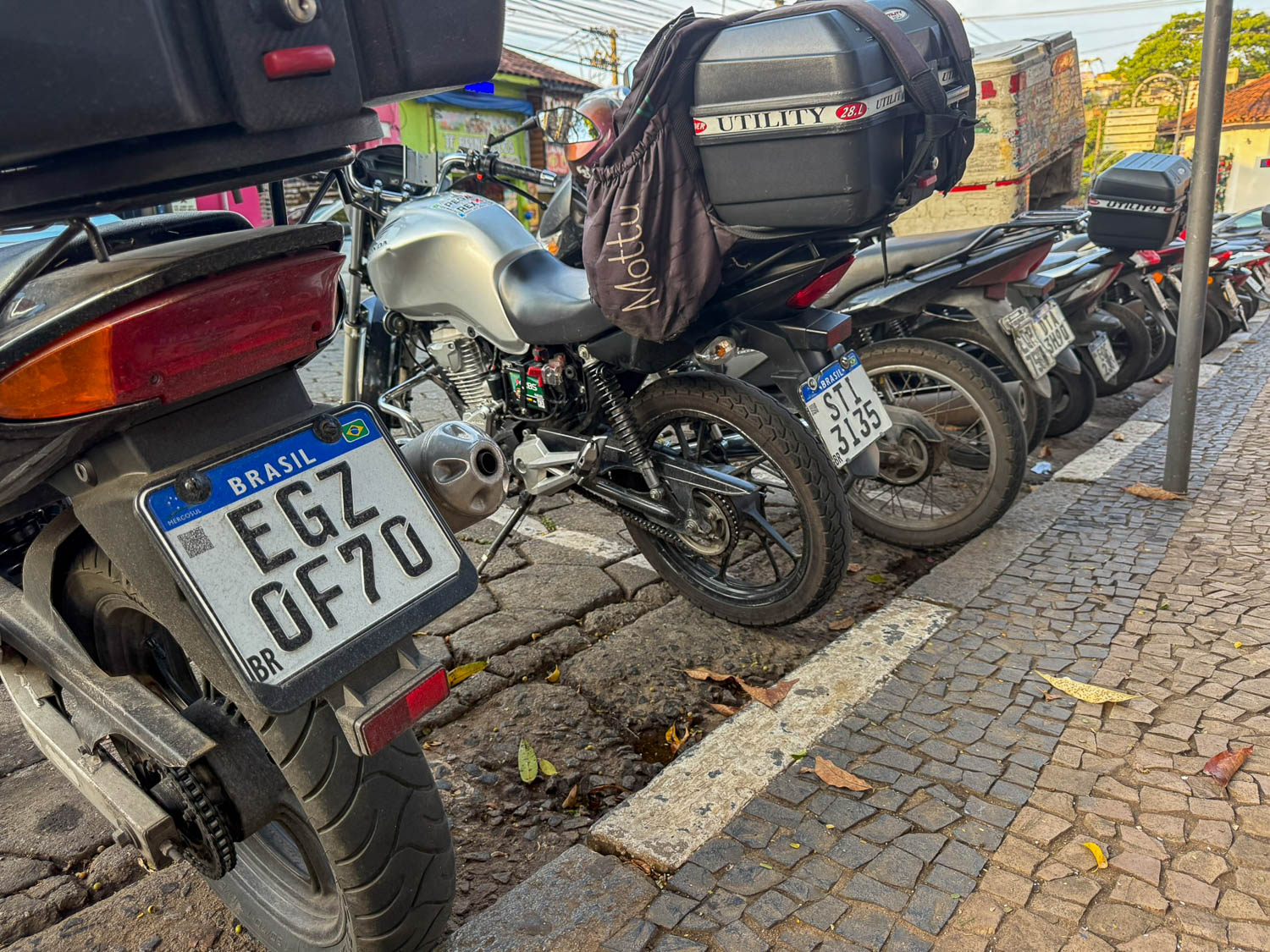
Insider tip. Planning to drive to Embu? Weekend traffic heading toward Embu das Artes from Sao Paulo can get heavy late morning, especially on Sundays when the arts market is at its busiest. We recommend leaving São Paulo before 9am to help cut travel time significantly and arrive before peak crowds fill the historic center parking areas.
Other options for getting to Embu include catching an Uber (as we did) or joining a private or group tour. Many visitors choose the guided tour option from Sao Paulo – for either a half- or full-day – which will often include round-trip transportation.
Insider tip. Getting to Embu via Uber is usually easy. Getting back to Sao Paulo can take longer mid-afternoon, when many independent day-trippers request rideshares at the same time. If you plan to leave Embu between 3pm and 5pm, start checking ride availability 20–30 minutes before these surge times.
Getting Around Embu das Artes
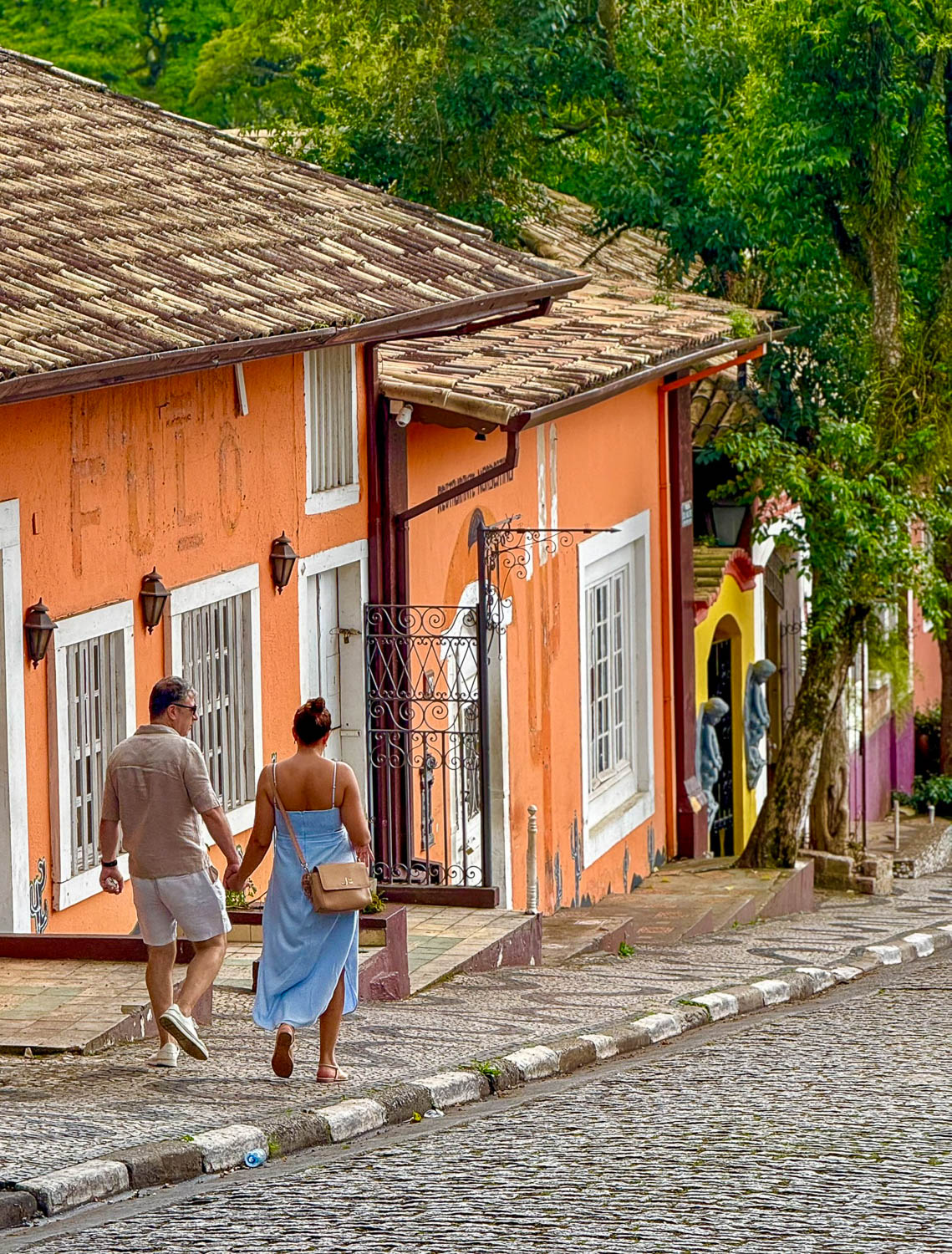
Once you’ve arrived, Embu das Artes is wonderfully walkable. Most visitors spend their time within the historic center, where the market streets, artisan shops, galleries, cafes and restaurants sit within a compact, easy-to-navigate area.
Insider tip. Embu is best explored at a slow pace – many streets near the market become pedestrian-heavy, especially on weekends.
Insider tip. Wear comfortable shoes during your time in Embu. Cobblestones, slopes, and uneven sidewalks are common, especially in the historic center.
Outside the town’s core, distances increase quickly, so rideshares or taxis become more useful if you plan to venture beyond the market zone.
Insider tip. Google Maps and other navigational apps work well in Embu, but we found the historic center to be small enough to explore by feel alone (and hey, isn’t getting lost half the fun?).
Insider tip. If you’ve chosen to drive into Embu, note that street parking near the historic center fills fast on market days. Look out for private parking lots (estacionamentos) just a few blocks away. Park once and then explore on foot – there’s no need to move the car midway through your visit.
Best Time To Visit Embu das Artes
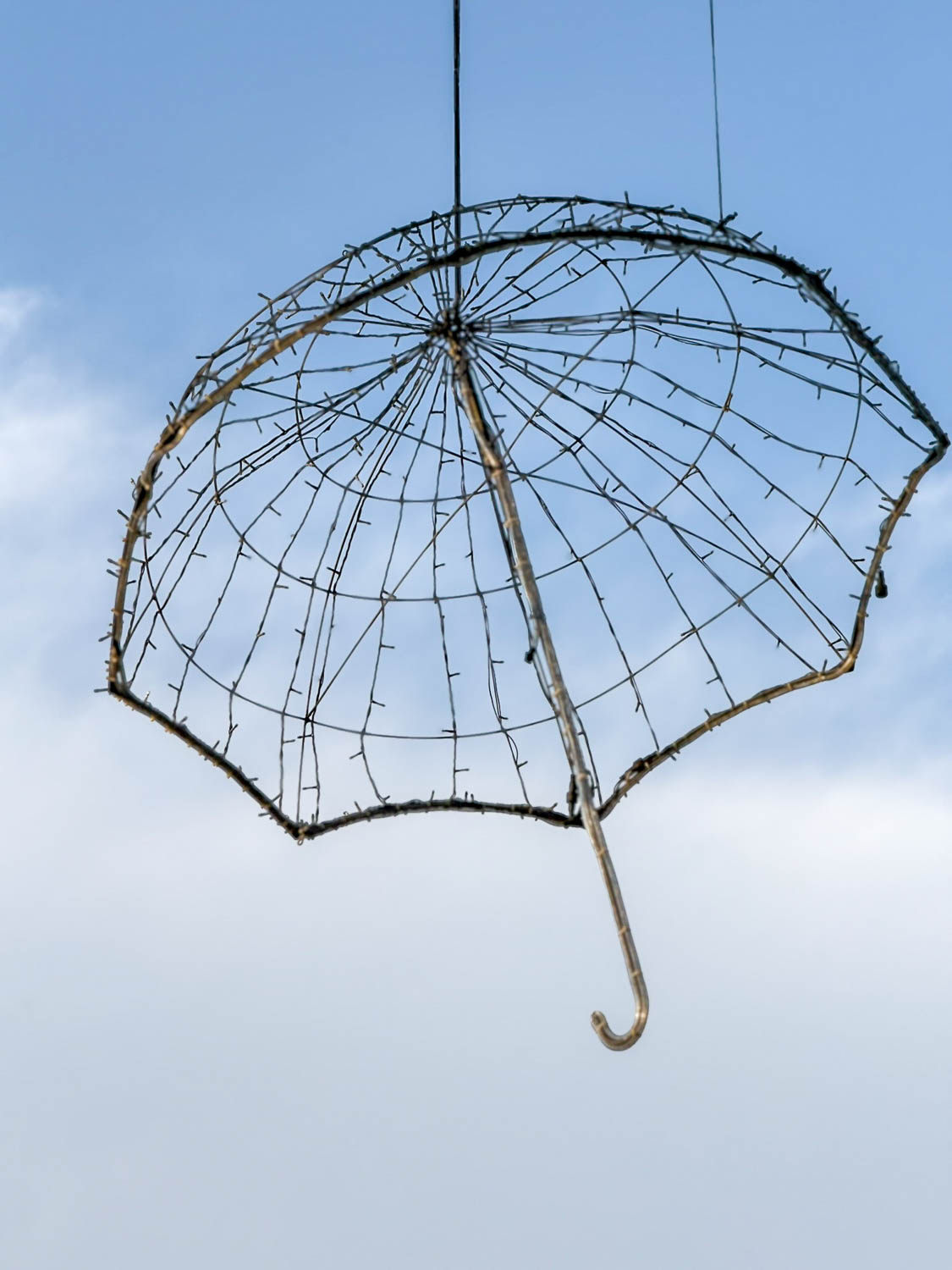
If you’ve had a chance to read other destination guides we’ve written, you’ll know we are big believers that any global destination can be visited at almost any time of year. In Embu das Artes, however, the best time to visit is most certainly when the main markets are open and at their most vibrant: holidays and weekends. It’s during this time that the famous Feira de Artes fills the streets with craft vendors, live music, and the smell of delicious local food.
Insider tip. Sundays typically bring the largest number of vendors and the liveliest atmosphere to Embu, whilst Saturdays offer a similar energy with slightly lighter crowds. If you plan to visit on a Sunday, consider arriving early if you want easier browsing and better food stall access.
Insider tip. Late morning through early afternoon is typically the busiest time in Embu’s market streets. Visiting early in the day or later in the afternoon can help make walking and browsing much easier. Weekdays are also generally quieter, perfect for those who prefer to explore without the crowds.
The seasons in southern Brazil can also shape one’s visit to Embu. And whilst the town doesn’t experience extreme weather, the summer (late December through late March) is warmer, with possible afternoon rain showers. The winter (late June through late September) brings cooler mornings and affords excellent walking weather.
Insider tip. The dry season – Brazil’s winter – also often brings special events and festivals to Embu, adding extra color and energy to any visit.
Embu das Artes: An Overview of History and Culture

Embu das Artes’ roots stretch back to the early colonial era, when the Jesuits established missions here. Over the centuries, this small town evolved into a hub for spirituality, sacred art, and indigenous-Portuguese cultural fusion.
In the 20th century, local artists that included Solano Trindade (1908-1974) — a pioneering Afro-Brazilian poet, painter, actor, filmmaker, and activist – and Japanese immigrant Tadakiyo Sakai (also known as Sakai do Embu) helped transform Embu into Brazil’s modern “City of the Arts”. With an influx of artists and tourists beginning in the 1960s, today this once-quiet historical town – whilst still a small town by Brazilian standards – has a big artistic soul: a gathering place for painters, sculptors, and artisans.
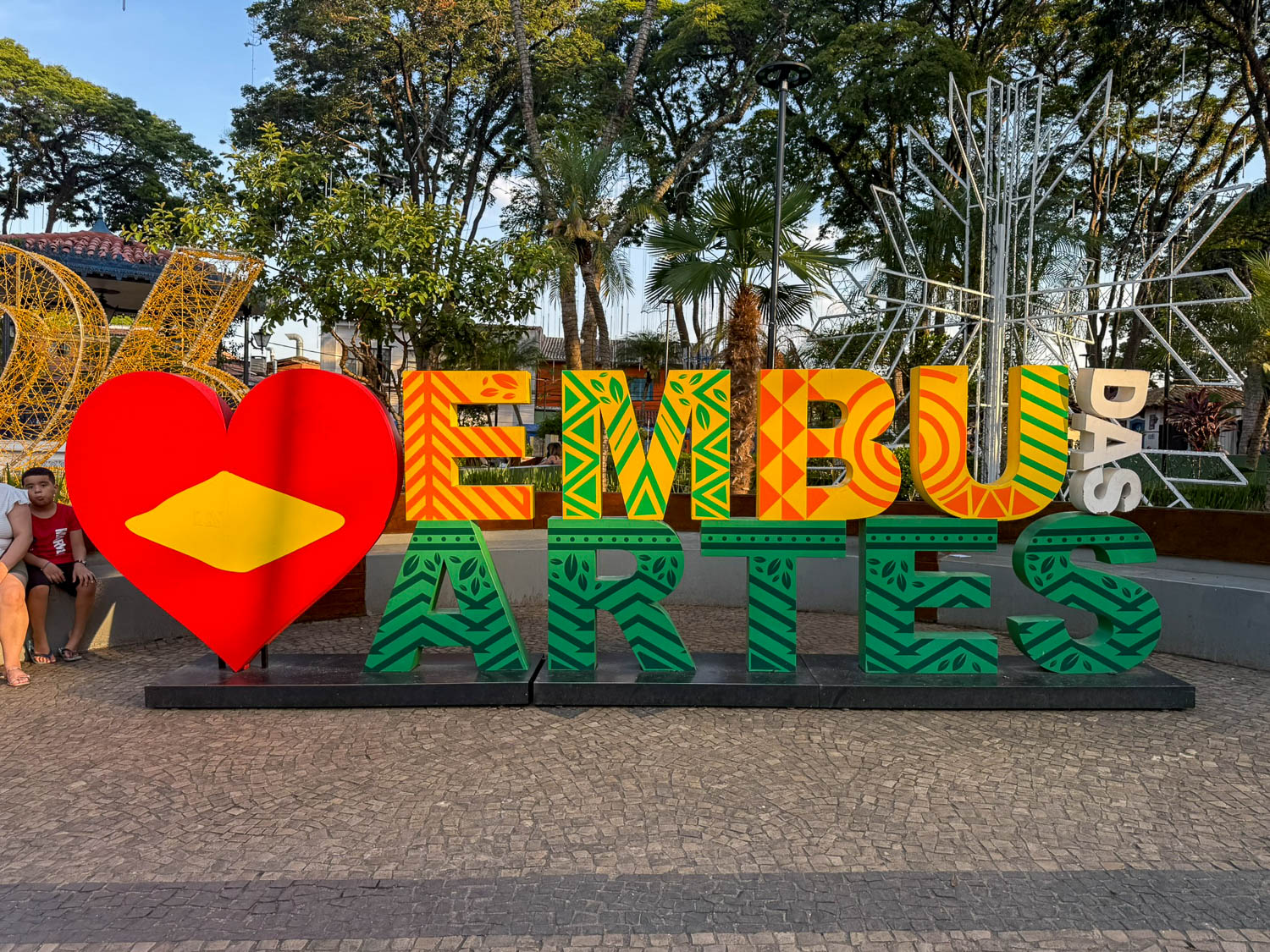
Fun fact. Over the decades, the town has embraced its nickname — “City of the Arts” — and never looked back. In recognition of its long tradition of artisan markets, galleries, and street artists, the official name of the town was changed from Embu to Embu das Artes in 2011.
Walking the streets of Embu das Artes, you’ll quickly feel the pulse of creativity echoing from the colonial past into the present. It’s a place where the arts are not just preserved, but lived.
Exploring the Local Art Scene
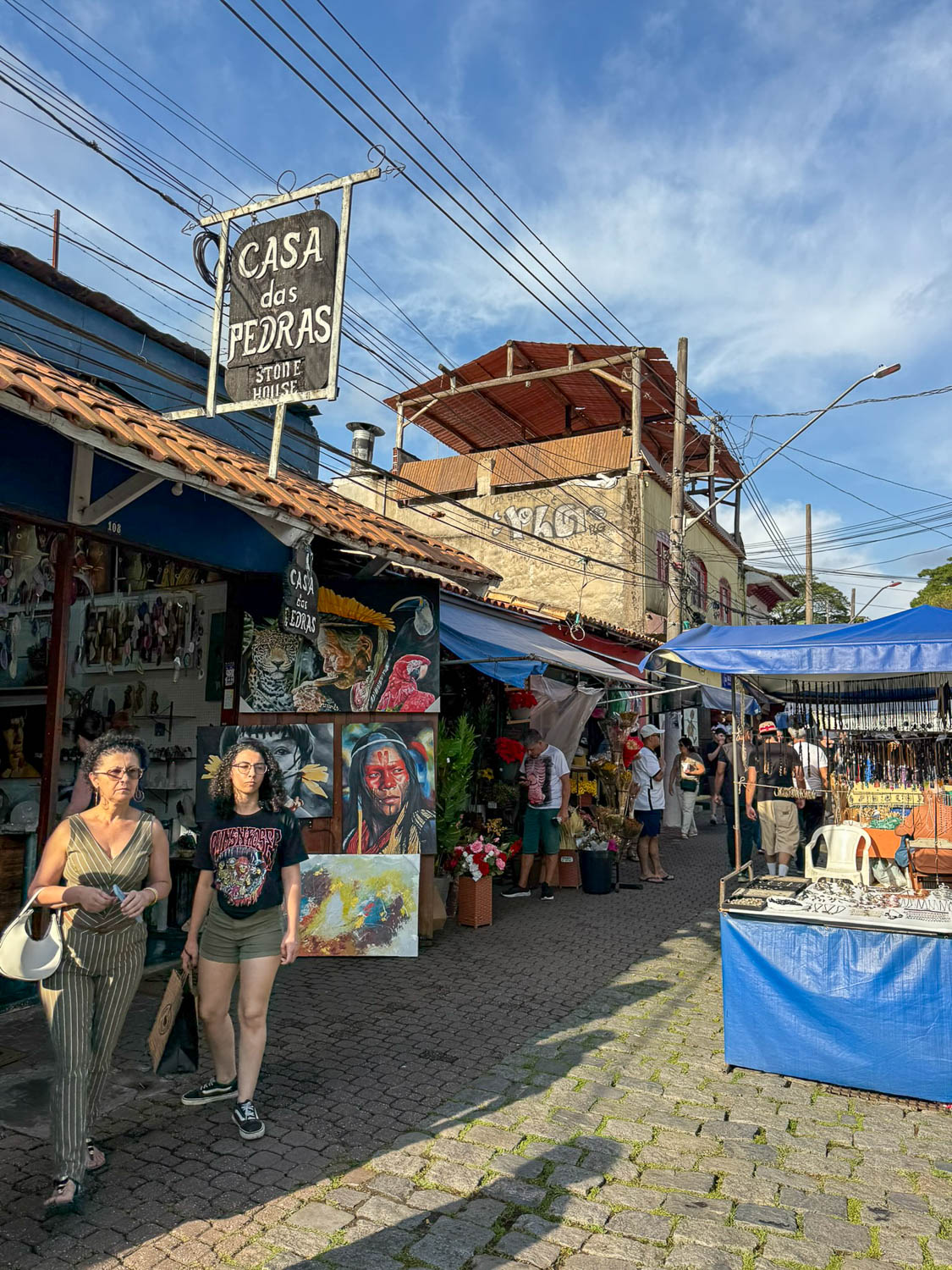
Few destinations in Brazil carry the same cultural heartbeat as Embu das Artes – and to truly understand Embu, you have to start with its local art scene.
Art here isn’t confined to your typical galleries — it spills into the streets, fills weekend markets, and lives on in centuries-old religious spaces and small independent studios. Creativity here is both historic and deeply local, expressed through everything from handmade crafts and street art to religious iconography and museum collections. The town’s artistic identity isn’t something you seek out — it surrounds you.
Fun fact. The art scene in Embu das Artes is a blend of indigenous, African, and European influences, reflecting Brazil’s diverse cultural tapestry.
The Feira de Artes (Arts and Crafts Fair)
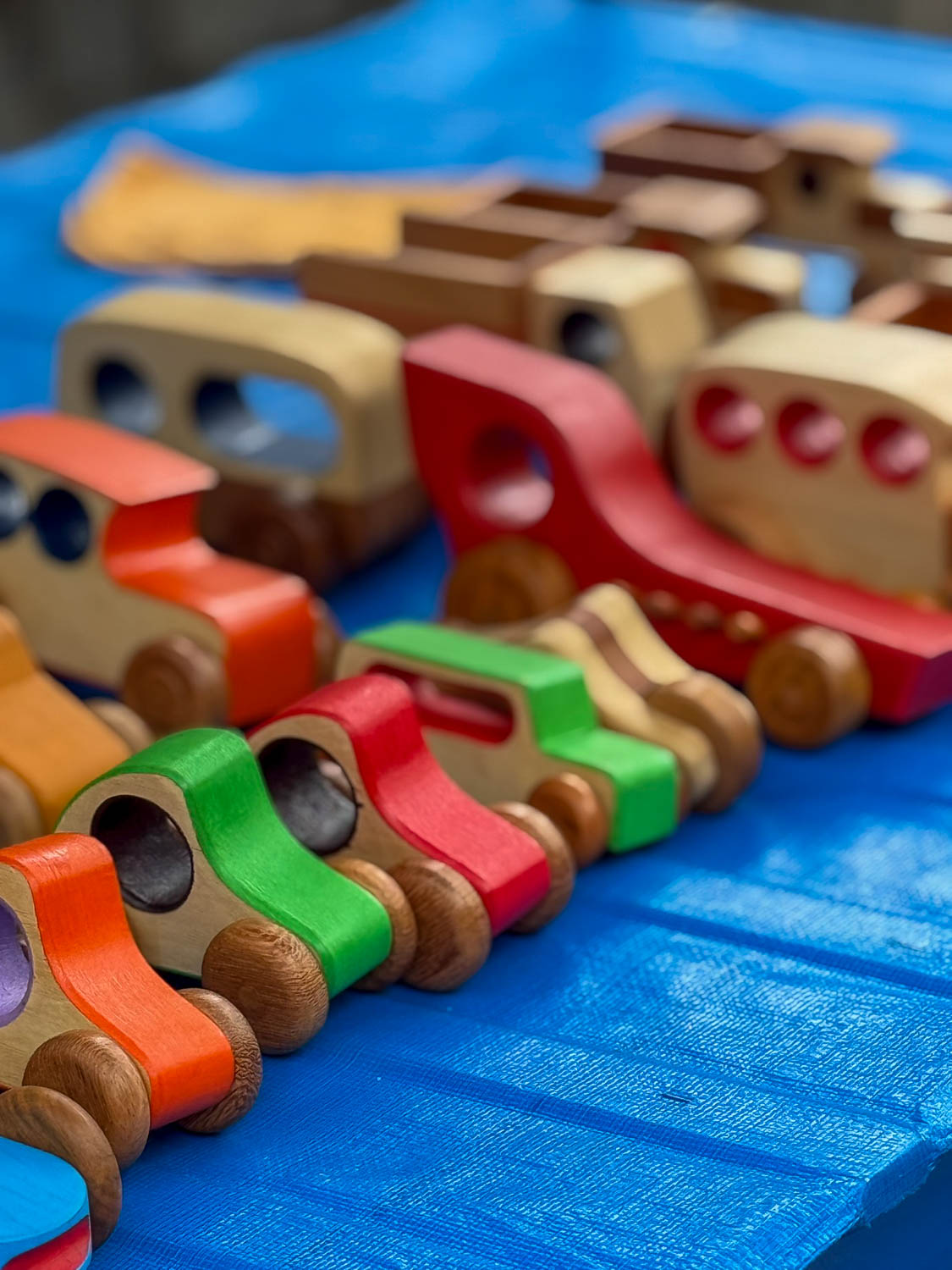
Embu das Artes truly comes alive each weekend during the Feira de Artes, the town’s renowned open-air arts and crafts market. What began decades ago as a small gathering of local artists has today grown into one of the largest and most recognized handicraft markets in the state of São Paulo, with hundreds of exhibitors transforming the historic center into an open-air gallery. From handmade jewelry and paintings, to regional souvenirs and artisan foods – and everything in between! – the Feira de Artes showcases the creative spirit that defines this colorful colonial town.
If you’re visiting on a weekend (as we intentionally did, straight from the airport!), this is the experience that anchors your time in Embu. For a full breakdown of what to expect, when to visit, and how to navigate the market – together with all those fun facts you’ve come to love and expect from us – be sure to read our detailed guide to the Feira de Artes.
The Museums of Embu das Artes
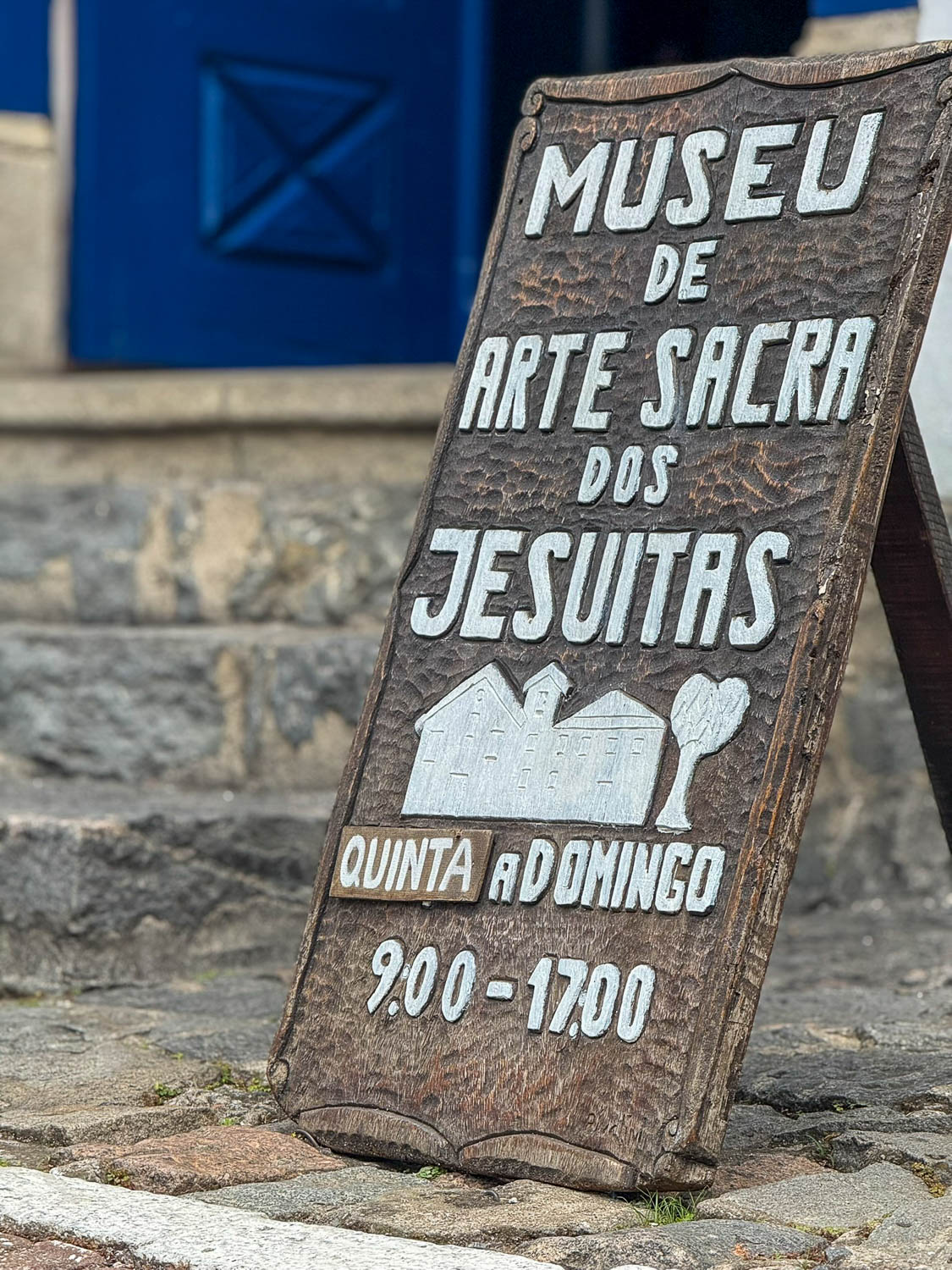
Beyond the energy of the weekend markets, Embu das Artes preserves its artistic legacy through a small but meaningful collection of museums scattered throughout the historic center. These spaces offer a quieter way to understand the traditions, craftsmanship, and history that have helped establish Embu as one of the São Paulo region’s most enduring artistic communities.
Key museums and cultural sites include the following.
- Museu de Arte Sacra dos Jesuítas (Jesuit Sacred Art Museum): housed inside a 17th-century Jesuit complex, this museum is home to one of the most important collections of colonial sacred art in southeastern Brazil
- Memorial Sakai de Embu das Artes: dedicated to Japanese-Brazilian sculptor Tadakiyo Sakai and known for its terracotta works
- Centro Cultural Mestre Assis: a rotating showcase for local artists that reflects Embu’s ongoing creative identity
If you’re keen to take a deeper look into each of these sites — including historical background, what to expect inside, and practical visiting details — be sure to check out our full guide to the Museums of Embu das Artes.
Artisanal Shops and Galleries
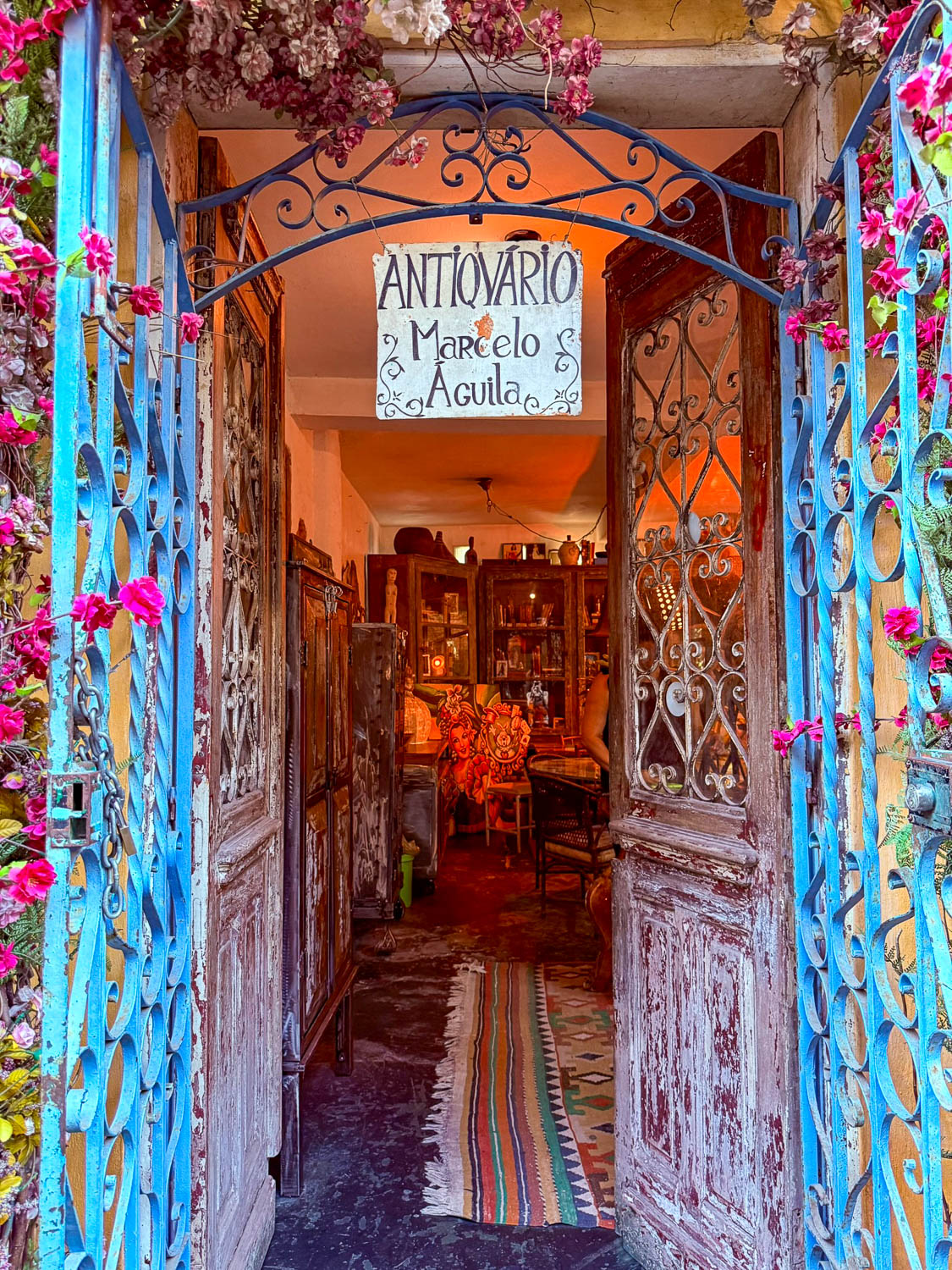
Beyond the museums and cultural institutions, Embu das Artes’ creative spirit continues inside its many artisanal shops and small independent galleries. Tucked along cobbled streets and quiet side lanes of the historic center, these spaces showcase everything from traditional craftwork to contemporary local art. It’s common to see artists in Embu’s shops and galleries working on their pieces in real-time, offering visitors a glimpse into the creative process.
Insider tip. Whilst the main market – the Feira de Artes – is only open on weekends and Brazilian holidays, many art galleries and handicraft shops in Embu are open daily.
Many of these artisan boutiques and exhibition spaces are also family-run or artist-owned, giving visitors the chance to connect directly with the makers behind the work – an opportunity for you to experience Embu’s artistic culture in a more personal, everyday setting. We recommend taking some time to engage directly with these skilled craftspeople: many shop owners are the creators themselves, and asking about their art and traditions can lead to fascinating stories (and sometimes even discounts!).
Insider tip (yup, another one!). Be sure to look beyond the main square (Praça Central de Embu das Artes) when you’re out and about. Some of the most unique pieces can be found in shops tucked away in small, quiet lanes, outside the central area.
Fênix Galeria de Arte
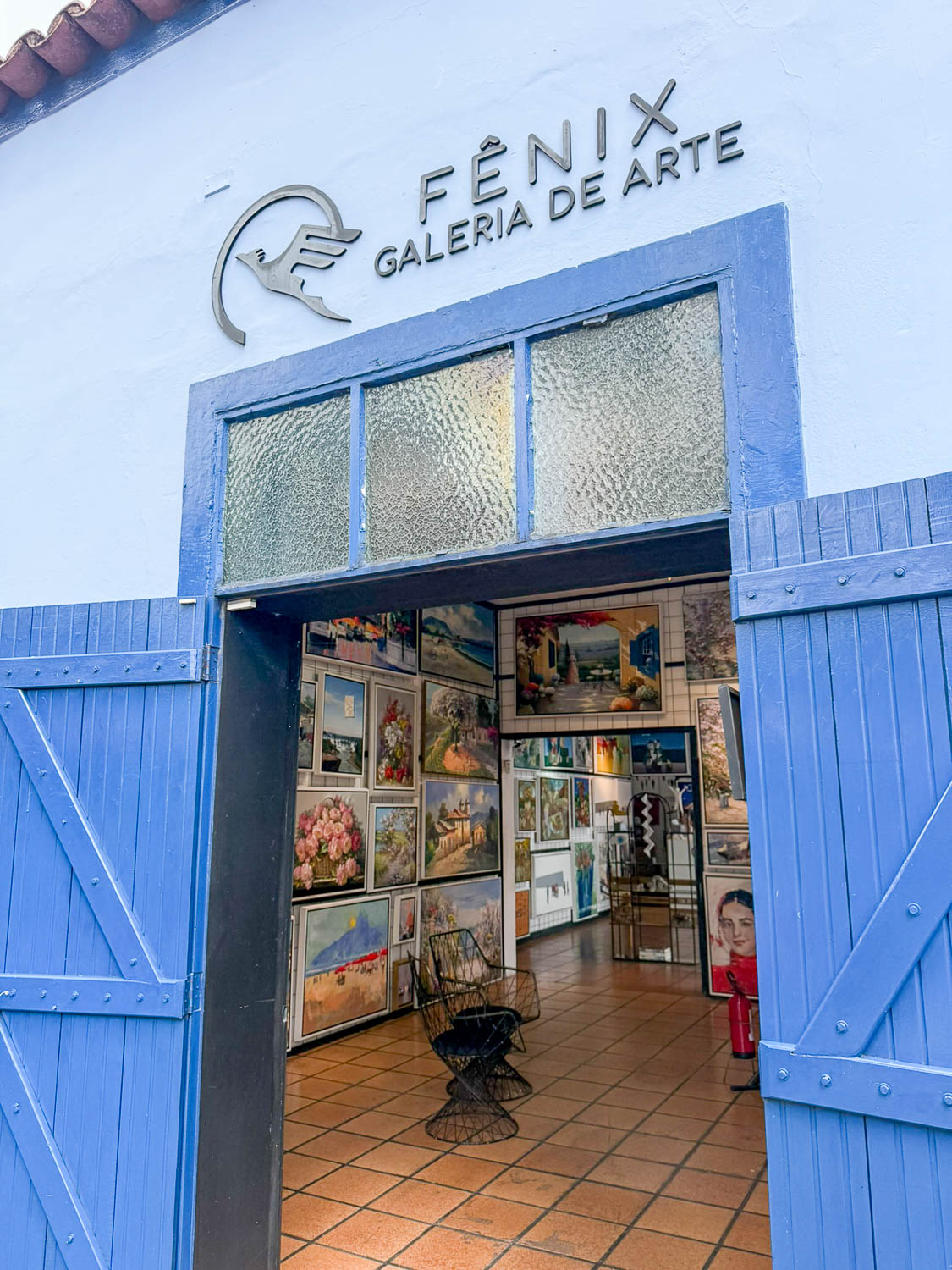
Whilst great finds can appear almost anywhere in Embu, a handful of established galleries and local storefronts consistently stand out for their craftsmanship, creativity, and connection to the town’s artistic roots. We’d especially like to highlight Fênix Galeria de Arte, which is definitely worth adding to your list during your time in Embu!
Fênix Galeria de Arte is a longstanding traditional art space with over three decades of history, and today features curated works from over 60 national and international artists. This gallery specializes in high-quality oil and acrylic paintings and sculptures, and often includes live painting sessions (stop by to watch the artists in action!). The owner at Fênix is known for being incredibly welcoming and offering visitors a personalized experience – be sure to pop by and say hello!
Beyond Fênix Galeria de Arte, some of Embu’s best finds come from simply wandering the historic center and stepping into whatever small independent studio or shopfront catches your eye. Wandering here is definitely half the fun – and some of the most meaningful pieces are often the ones you find unexpectedly.
The Festivals of Embu
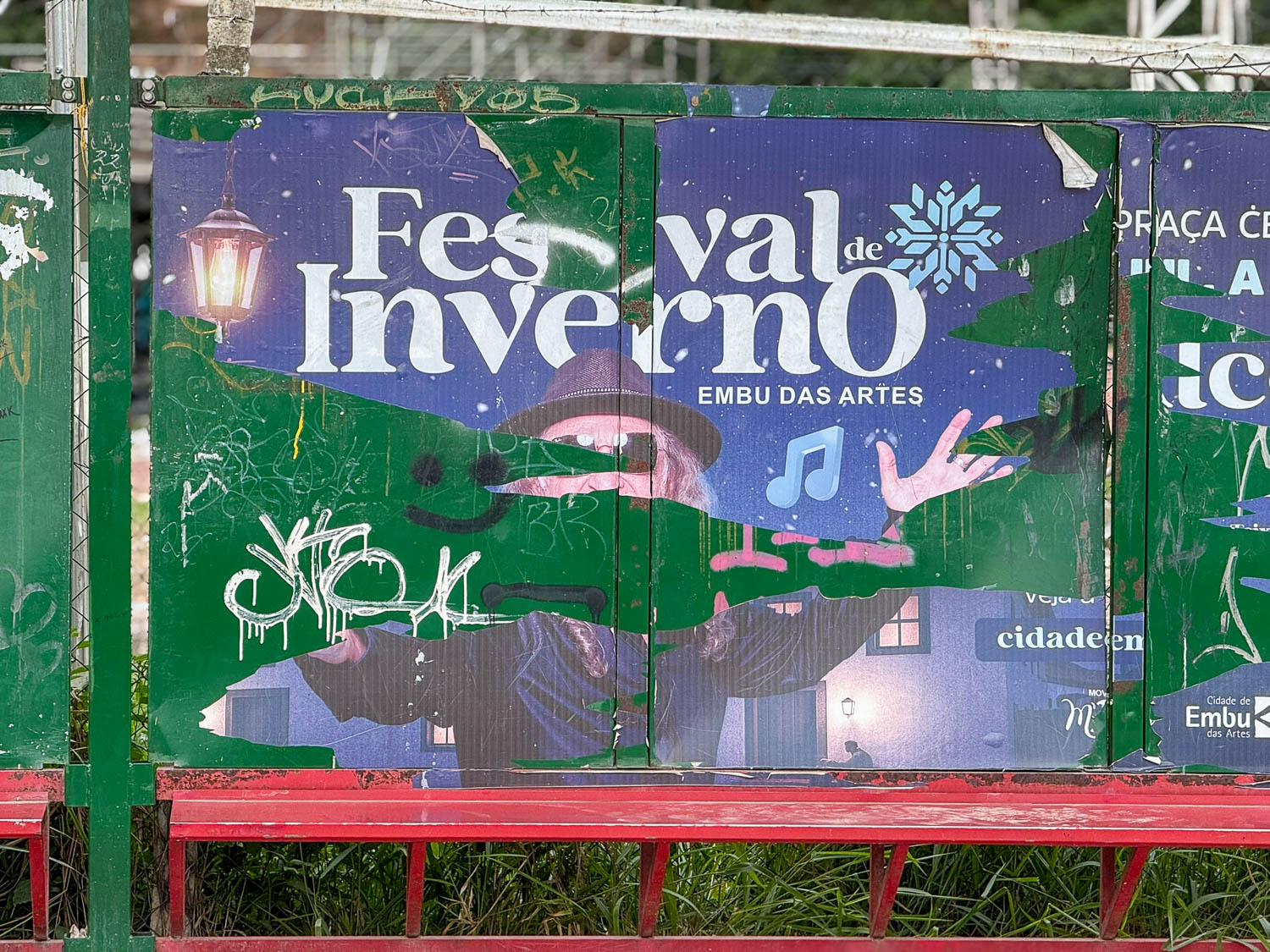
Throughout the year, Embu das Artes celebrates its creative identity with a series of cultural events and seasonal festivals that bring added energy to the historic center. Whilst the weekly Feira de Artes is certainly the town’s biggest draw, these special events showcase Embu’s artistic spirit through live music, performances, expanded artisan programming, and community gatherings.
Highlights on Embu’s festival calendar include the following.
- Festival de Inverno (Winter Festival): held between late July and mid-August, this festival comes complete with live concerts, cultural performances, art exhibitions, and food vendors spread throughout Embu’s historic center
- Feira de Artes (Special Holiday Editions): hosted during Carnival, Easter, Independence Day, and the Christmas season
- Embu das Artes’ Anniversary Celebrations: typically held in May to honor the town’s cultural history and artistic legacy
- Festas Juninas: each June the town celebrates with even more traditional music, dance, and classic Brazilian festival foods
- Christmas: festive and artisan-blended programming throughout the historic center
If you’re hoping to align your visit with one of these seasonal celebrations, be sure to read our full guide to the Festivals of Embu das Artes. There you’ll find a full breakdown of dates, what to expect, and additional insider tips for each of Embu’s annual festivals.
Shopping and Local Crafts
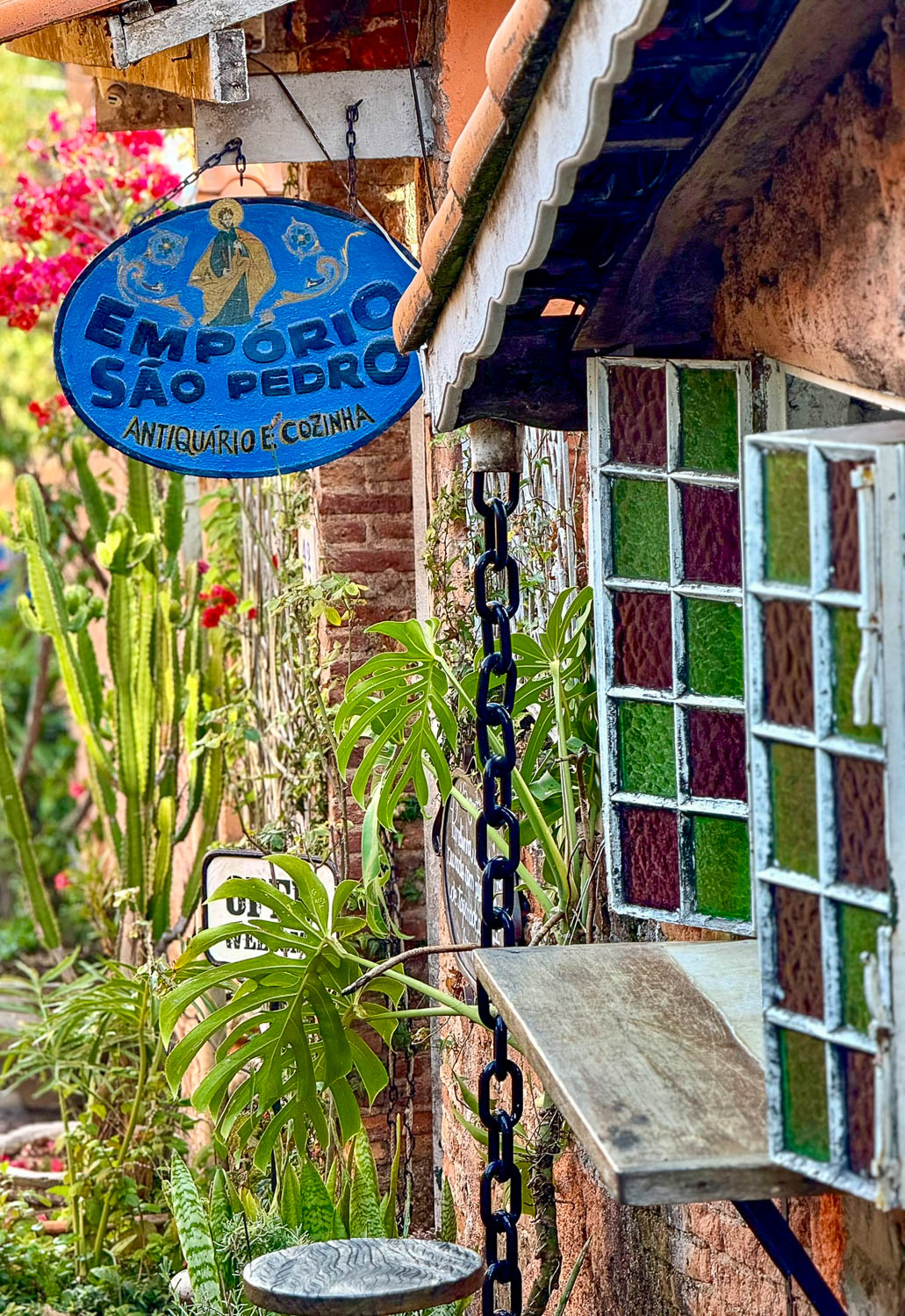
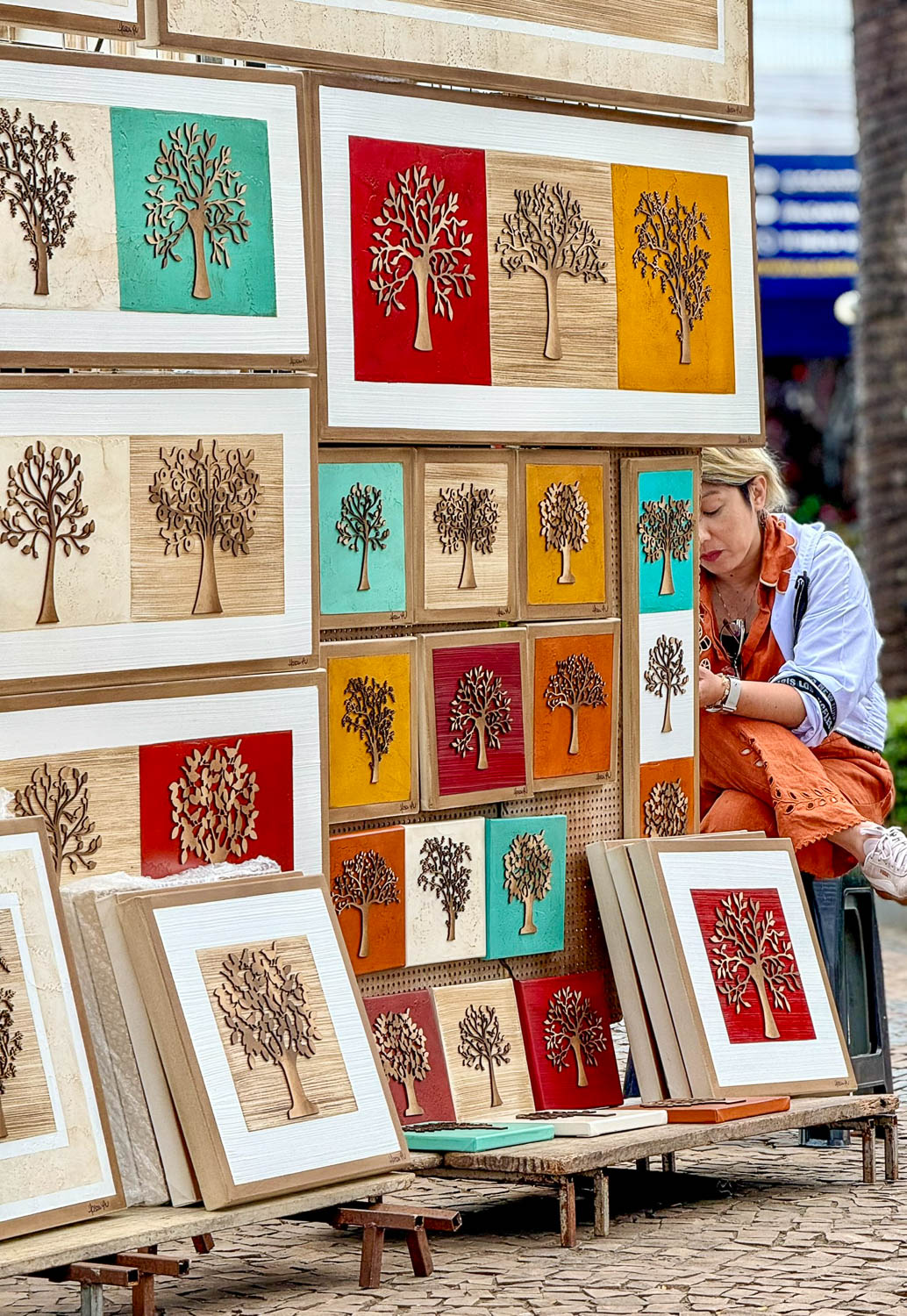
For many tourists, the main reason to visit Embu is the chance to shop directly from local artists and craftspeople. The town thrives on artisan shops that line the downtown streets, each offering unique works not often found elsewhere.
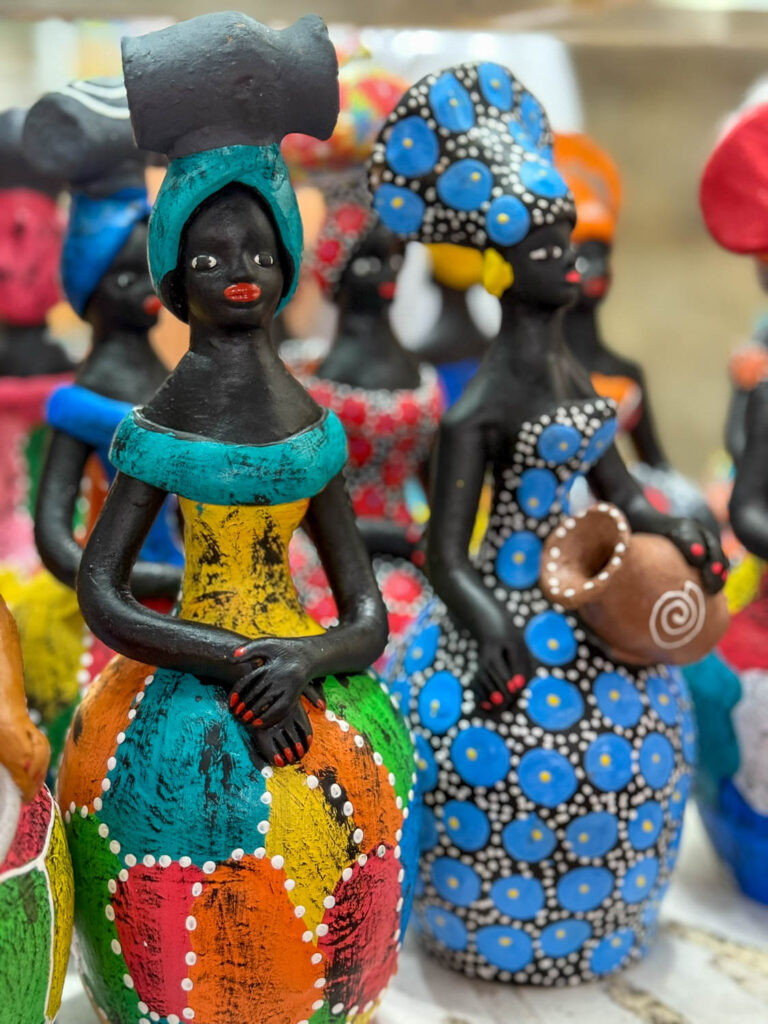
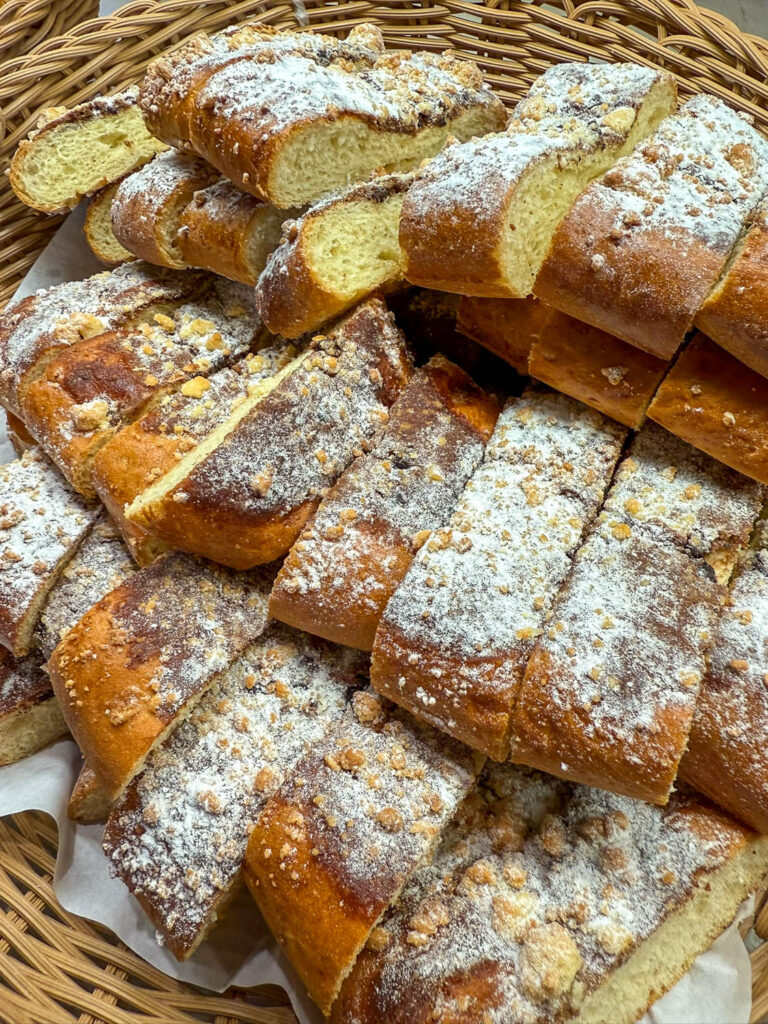
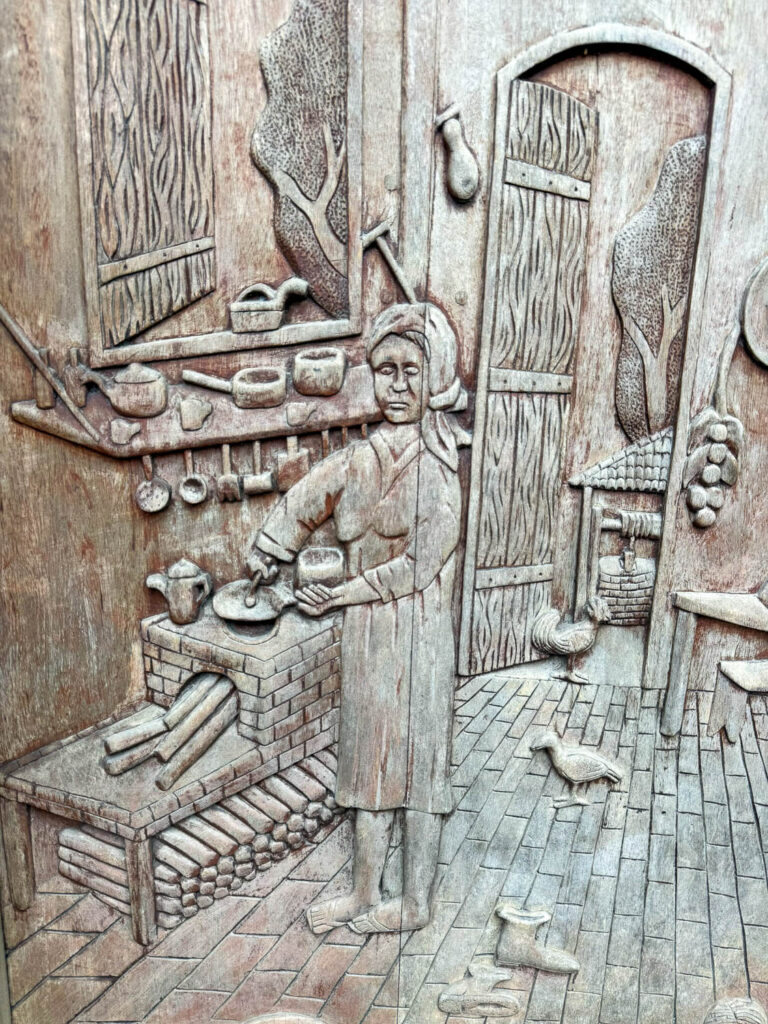
Embu das Artes is well known for its wood carvings (often depicting religious or folkloric themes), ceramics (from earthy, hand-thrown pottery to modern decorative art), colorful textiles (many showcasing traditional Brazilian patterns), jewelry (often handmade using local stones and natural materials), metalwork (be sure to check out some of the incredible use of recycled materials in town!), and leather goods (including handcrafted bags, belts, and sandals). Handmade snacks and other local delicacies are also popular as souvenirs and gifts for loved ones back home.
But as you’ve seen, shopping here isn’t just about buying — it’s about making a connection. The raw creativity of the street stalls is palpable, and in family-run storefronts you’ll find tradition is preserved in each carefully made product. Wherever you choose to invest in Embu, know your purchases are ultimately helping to sustain a living community of local artists.
The Cuisine of Embu
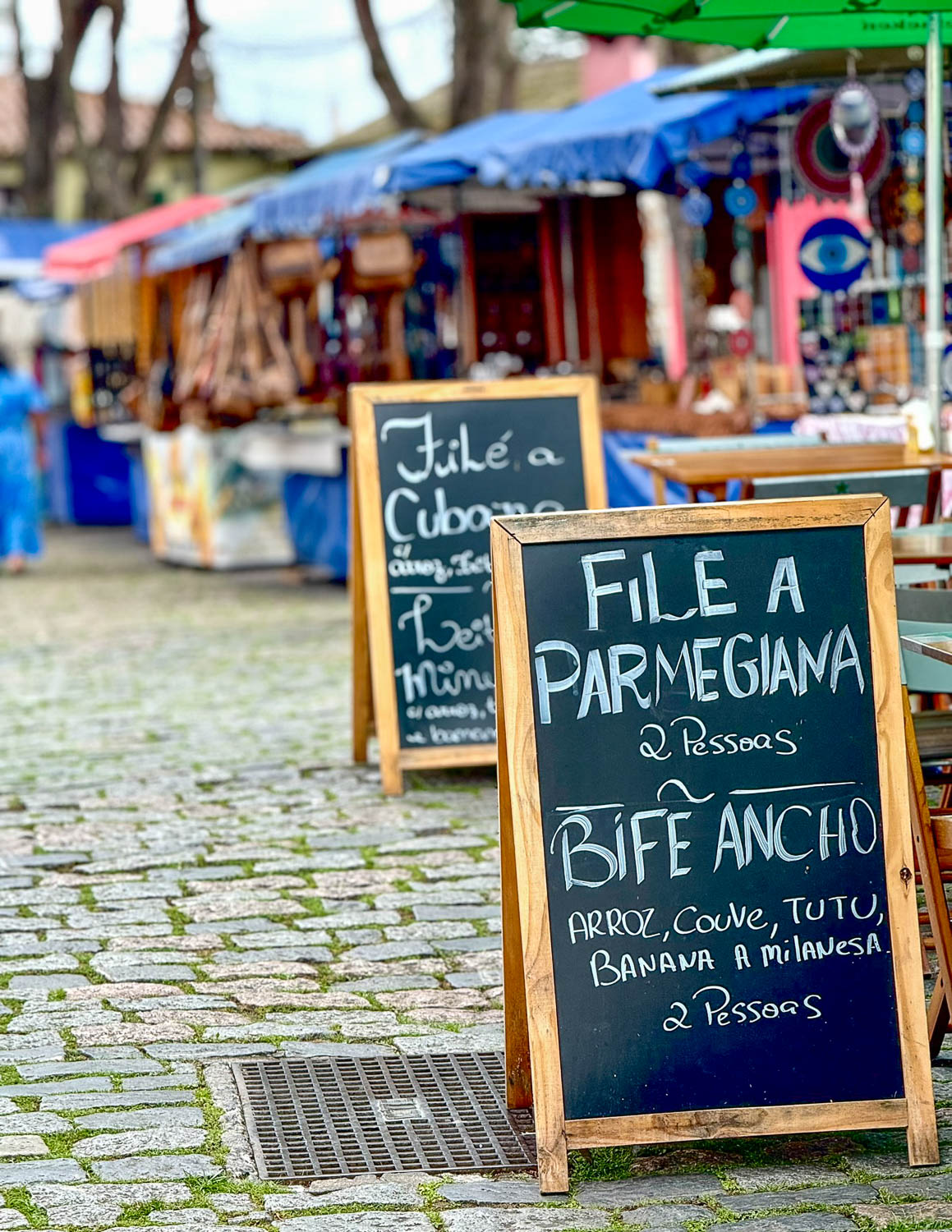
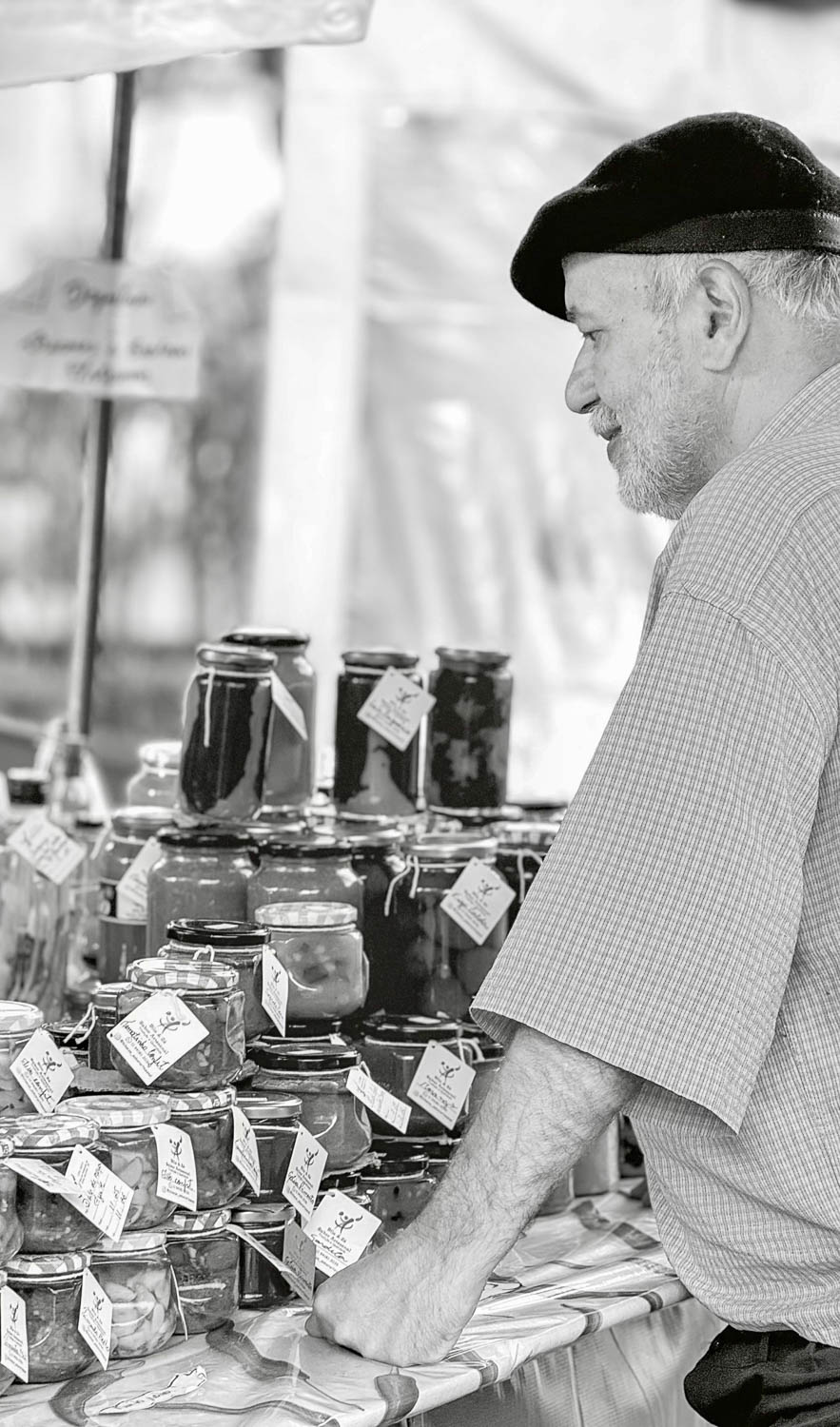
One of the joys of exploring Embu das Artes is discovering how deeply food is woven into the culture here. At the Feira de Artes, stalls offer everything from grilled meats to piping hot pastéis, fresh açaí bowls, and refreshing coconut water. It’s a feast for the senses, that’s for sure: wander … sample … rinse and repeat!
For sit-down meals, restaurants in the historic downtown core abound, and sometimes it can be hard to choose where to dine for the wonderful array of options available to locals and visitors alike. Most restaurants serve the classic dishes (feijoada, churrasco, moqueca – Embu is where we tried feijoada for the first time!), as well as international flavors – and many feature live music on the weekends.
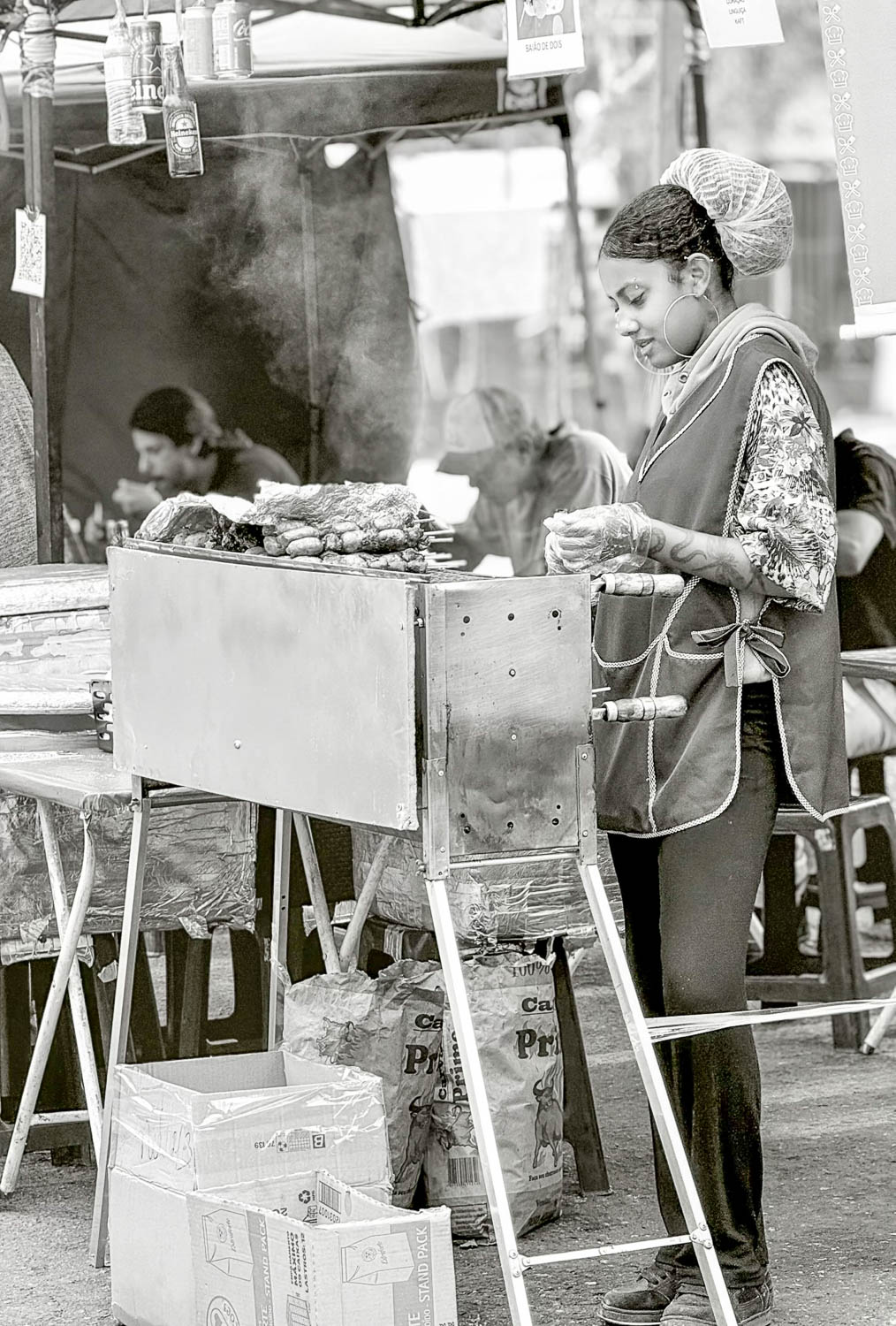
The fabulous mix of Portuguese, African, and indigenous tastes throughout the town certainly tells the story of Brazilian culture in every bite. Dive into spicy street foods with fearless curiosity (Beck never needed convincing), or savor the comfort of a full meal at a cozy café with strong Brazilian coffee (Mike, we see you over there at the corner table!). Either way, dining in Embu offers the perfect blend of arts and appetite.
Curious to learn more about Brazilian cuisine? Be sure to check out our sister article on this very topic – Brazilian Food – where we take a deep dive into the history, cultural influences, and gastronomical traditions that have shaped food across Brazil.
Tips For Your Visit to Embu das Artes

Whilst Embu das Artes is an easy and rewarding destination to explore, a little advance planning can make the experience even smoother. From market timing to navigation and dining strategy, these practical tips will help you enjoy the town at its best!
- Visit the town on a weekend if you want the full Embu experience — this is when the main arts market (Feira de Artes) is at its most vibrant.
- Allow at least one day to take in everything that Embu has to offer, though a multi-day stay (as we chose) gives you more time to enjoy additional activities, events, and unhurried meals.
- Arrive in Embu early (before mid-morning) for less crowded browsing, easier parking, and shorter lines at street food stalls.
- Many shops and galleries close earlier than expected on weekdays. If visiting Embu midweek, plan to do any shopping or browsing earlier in the day.
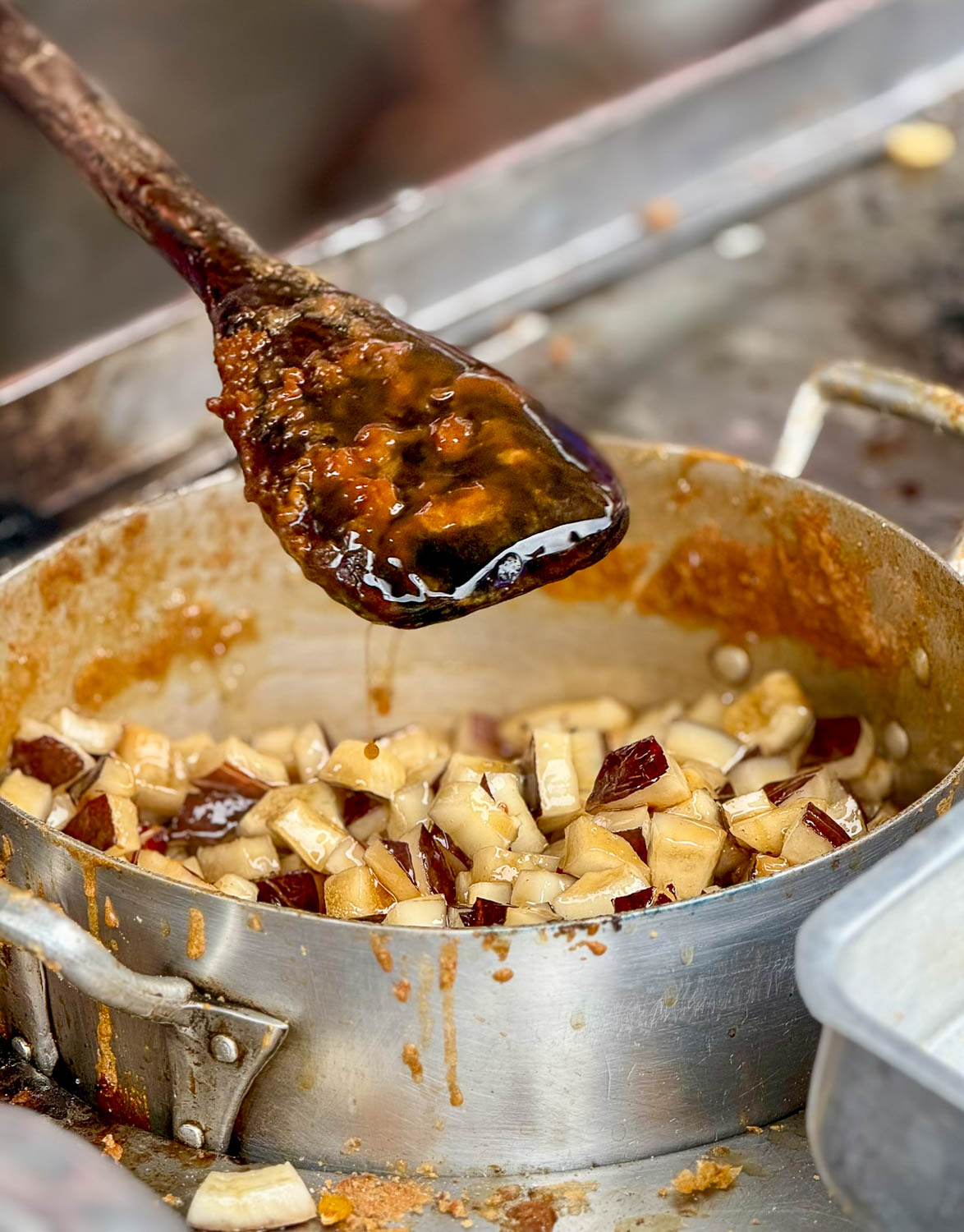
- Plan your lunch (if you’re having any) slightly early or slightly late to avoid peak crowds, especially on Sundays and holidays.
- Light rain – which isn’t unusual in this part of Brazil at any time of year – won’t shut the market down. Note, however, covered stalls become a refuge for shoppers and can therefore get crowded very quickly (as we soon discovered during an afternoon downpour…).
- When you head out and about for the day, bring with you a reusable tote or small backpack. This can be handy if you purchase fragile or bulky handmade items.
- Ask vendors about packing options if you’re flying home. Many are used to helping travelers protect their beloved purchases.
- Bring cash (Brazilian Reais) – preferably in smaller bills – as some vendors may not accept credit cards. Cash is also useful for tipping, smaller purchases, and street food.
- Public restrooms are limited throughout the town — plan café or restaurant stops accordingly, or book accommodation within close proximity to the historic center.
- Cell service can be spotty in dense market areas. Screenshot maps or directions ahead of time.
- If driving, note where you parked — streets can look very similar around the historic center (we admittedly got lost a couple of times…).
We also recommend visitors consider booking a private or group tourwith a qualified tour guide, to help deepen your cultural connection to Embu das Artes. A guide can highlight hidden corners, explain the historical nuances behind landmarks, and even arrange private visits with local artists.
Final Thoughts

We fell in love with Embu das Artes from the moment we arrived: in part because it’s the kind of place that effortlessly combines small-town charm with big artistic personality.
What began as a small colonial settlement founded by the Jesuits and later nurtured by international and local artists, has today blossomed into a symphony of arts, music, and heritage. Embu proves with ease that you don’t need to travel far from the hustle and bustle of São Paulo to immerse yourself in deep Brazilian culture.
Discover edgy works from bold artists, take solace in the cozy cafés and meaningful conversations with shopkeepers, and try to visit on a weekend if you can. Embu is approachable, colorful, and deeply authentic. Whether you’re planning a quick day trip, a longer weekend escape, or seeking a deeper dive into the arts and culture of Brazil, this town adds an extra ounce of creativity and locally-rooted energy to any São Paulo itinerary.
In a country filled with vibrant destinations, Embu reminds you that some of the richest cultural experiences are found just beyond the big city skyline. Answer its invitation to visit with curiosity and excitement, and let your own story intertwine with the timeless spirit of the City of the Arts. When you’re ready, we’re here to help you plan your visit.
FAQs
Is Embu das Artes worth visiting?
Yes. Embu das Artes is one of the best cultural day trips from São Paulo, combining art, history, artisan markets, local food, and a relaxed small-town atmosphere that feels very different from the city.
What is Embu das Artes best known for?
Embu das Artes is best known for the Feira de Artes, a famous open-air arts and crafts market featuring hundreds of local artists, artisans, musicians, and food vendors.
How much time should I spend in Embu das Artes?
Most visitors spend between a half day and a full day exploring the historic center, markets, galleries, museums, cafés, and artisan shops.
Can you visit Embu das Artes without a tour?
Yes. Embu das Artes is easy to visit independently by car, rideshare, or public transportation from São Paulo. Once you arrive, the historic center is very walkable.
What should first-time visitors prioritize in Embu das Artes?
First-time visitors should prioritize the Feira de Artes, artisan galleries, local food, the historic center, and the Museu de Arte Sacra dos Jesuítas for the best introduction to the town’s artistic and cultural heritage.
Explore More Of Brazil
-
Serra Verde Express Train: Curitiba to Morretes
The Serra Verde Express is a scenic train journey from Curitiba to Morretes in Paraná, Brazil, traveling through the Atlantic Forest and Serra do Mar Mountains. This guide covers tickets, classes, routes, and what to expect along one of Brazil’s most iconic railway experiences.
-
Brazil Regional Cuisine: A Guide to Flavors Across Brazil
Brazil regional cuisine reflects the country’s geography and cultural diversity, with each region offering distinct flavors, ingredients, and traditional dishes shaped by local traditions.
-
Traditional Brazilian Food: Iconic Dishes, Snacks, and Desserts
Traditional Brazilian food blends rich cultural influences with bold, comforting flavors. From feijoada and moqueca to pão de queijo and brigadeiros, this guide highlights Brazil’s most iconic dishes, snacks, and desserts.
-
Brazilian Food: A Guide to Brazil’s Culinary Culture
Brazilian food blends Indigenous, African, and Portuguese influences into one of the world’s most diverse cuisines. From feijoada and churrasco to regional flavors across Bahia and the Amazon, this guide explores Brazil’s food culture, dining traditions, and what to expect.
-
Maceio Brazil: Best Things To Do + Travel Guide
Maceio, Brazil is one of the country’s most beautiful coastal destinations, known for turquoise waters, natural pools, palm-lined beaches, and easy access to the stunning Coral Coast. This guide covers the best things to do, top beaches, day trips, local cuisine, where to stay, and practical travel tips for planning your visit.
-
Morretes Brazil: Best Things to Do in Paraná’s Gem
Morretes, Brazil is a charming colonial town in Paraná nestled within the Atlantic Forest. Famous for the scenic Serra Verde Express train, the Nhundiaquara River, and the traditional barreado dish, Morretes offers cobblestone streets, historic churches, and relaxed riverside dining just a short trip from Curitiba.
-
Port Santos, Brazil: Essential Cruise and Travel Guide
Port Santos is the largest port in Latin America and the main cruise gateway to the coastal city of Santos, Brazil. This guide explains how the port operates, what cruise passengers can expect on arrival, and the best things to do nearby — including beaches, museums, historic sites, and day trips to São Paulo.
-
Paraty Brazil Travel Guide: Best Things To Do in Town
Paraty, Brazil is a UNESCO World Heritage colonial town on the Costa Verde known for its cobblestone streets, colorful historic center, tropical islands, and nearby beaches. Visitors can explore Paraty Bay by boat, hike the historic Gold Trail, discover Atlantic Forest landscapes, and enjoy one of Brazil’s most charming coastal destinations.
-
Buzios, Brazil Travel Guide: Best Things To See and Do
Buzios is a coastal resort town in Brazil located about three hours from Rio de Janeiro, known for its beaches, walkable center, and relaxed seaside atmosphere. This Buzios travel guide covers the best things to do, top beaches, Rua das Pedras, the Orla Bardot Boardwalk, where to stay, nightlife, festivals, and practical travel tips.