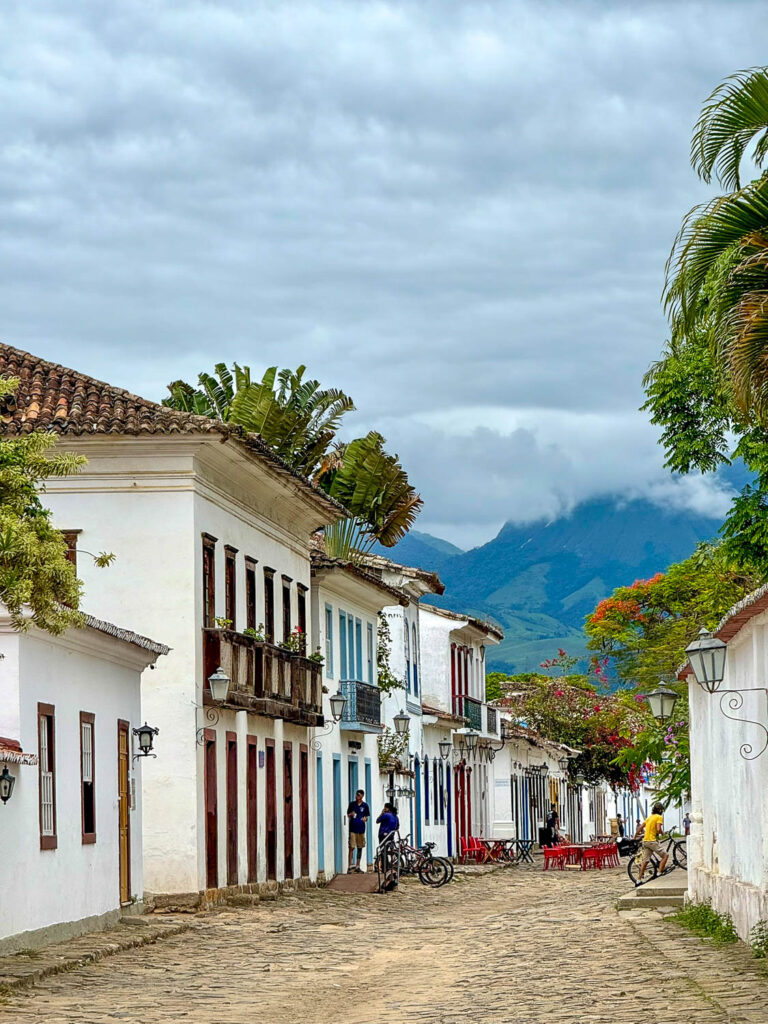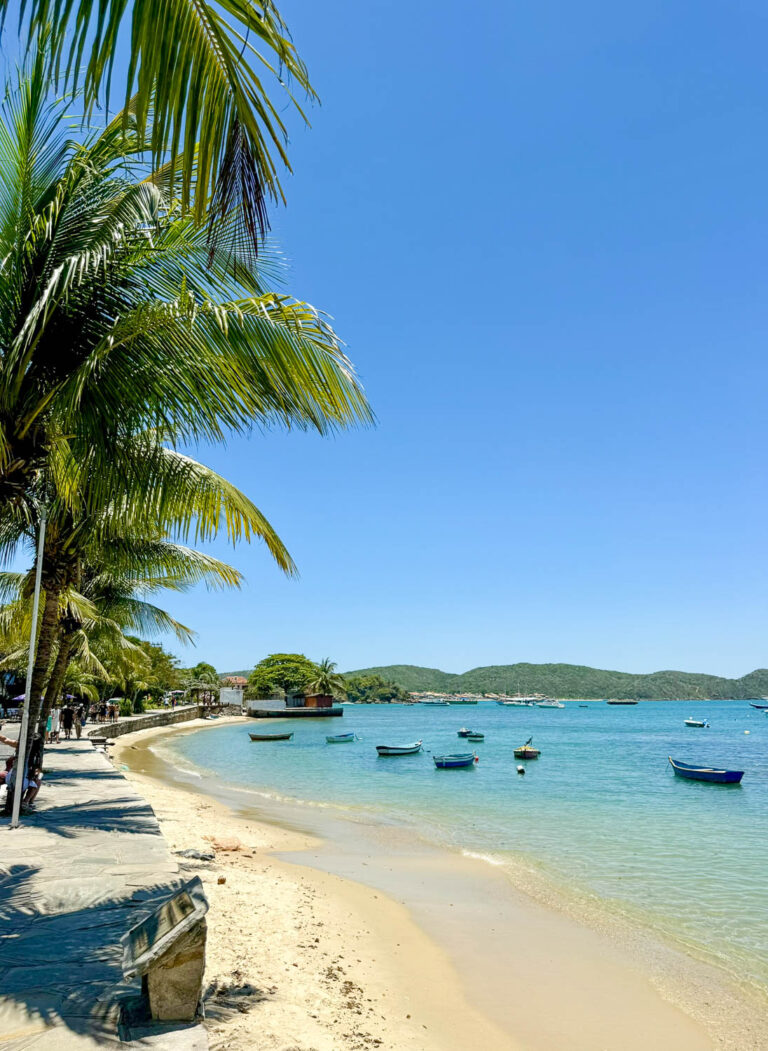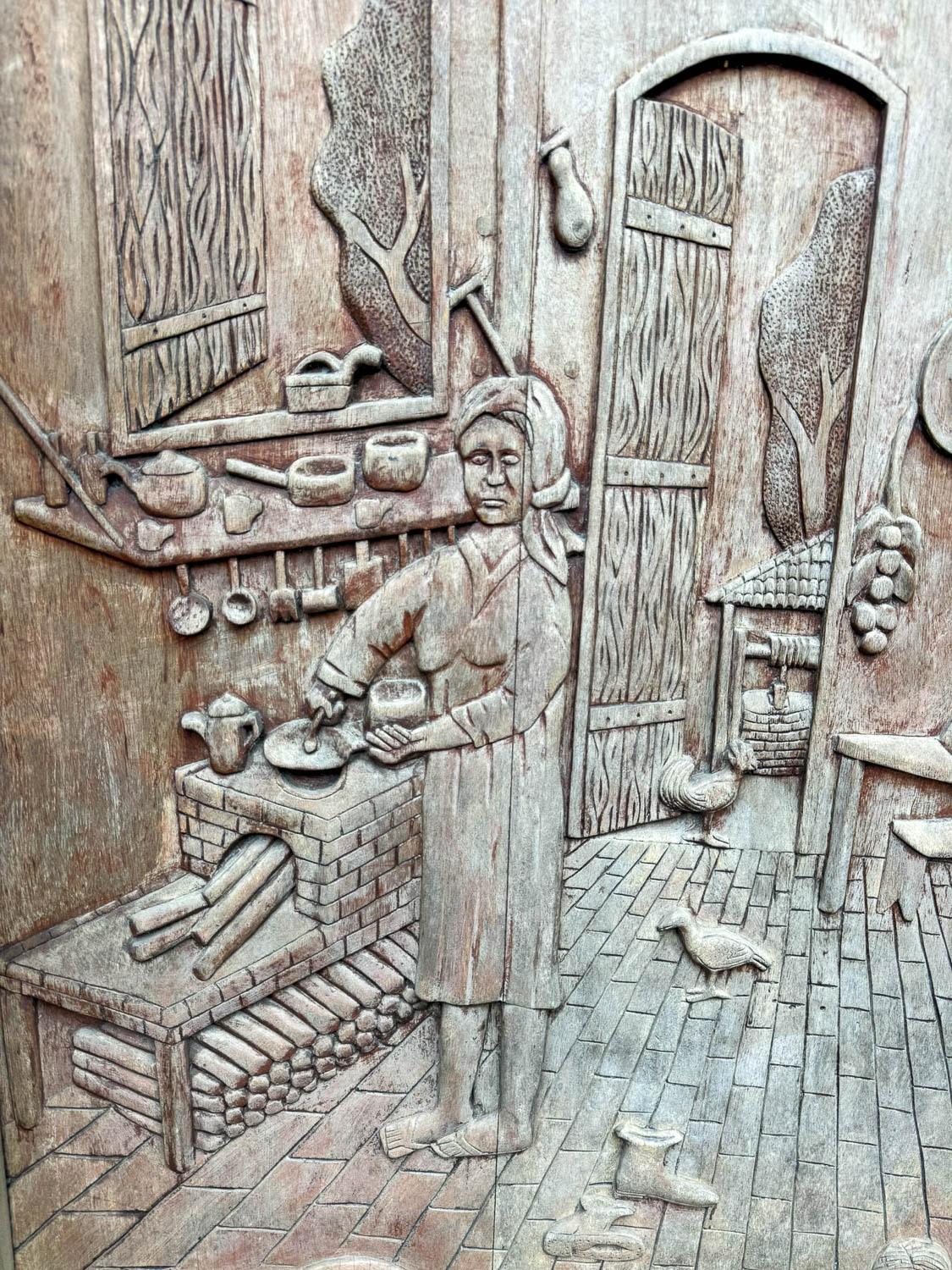
Travel through Brazil and you’ll quickly discover that a meal here is never just about the food — it’s a story, a gathering, a moment of joy woven into daily life. To understand Brazil, you have to understand its table — where history, family, and regional identity all meet.
From the bustling streets of Rio de Janeiro and the cosmopolitan sprawl of São Paulo, to the cultural heartbeat of Bahia and the southern strongholds of Brazilian barbecue, this nation’s flavors have been shaped by centuries of influences. Portuguese settlers, Indigenous peoples, enslaved Africans, and waves of global immigration each left their mark, bringing with them different ingredients, culinary traditions, and cooking techniques that would eventually merge. Add the touch of Japanese immigrants who later introduced newer, sometimes more innovative, ideas, and today you now have one of the world’s most diverse culinary landscapes.
Tasting traditional Brazilian food is definitely an adventure — it’s vivid, it’s bold, and it’s layered with stories. Mike might also tell you it’s comforting, inviting, and often surprisingly familiar. If there’s one thing for certain, diving into Brazilian cuisine is one of the best ways to connect with the country’s soul.
Are you ready to indulge? Here, we explore Brazil’s food culture and traditions, the diversity of regional flavors that help define the country’s culinary identity, how to “dine like a local”, and the benefits of taking a food tour. Let’s see what all the fuss is about!
Note: For a detailed dive into Brazil’s most beloved national dishes, snacks and desserts, be sure to check out our sister article, Traditional Brazilian Food: Iconic Dishes, Snacks, and Desserts. And if you’re looking for more information on regional variations in Brazil’s cuisine, be sure to head over to Brazilian Food: Regional Flavors Across Brazil!
Quick Tips
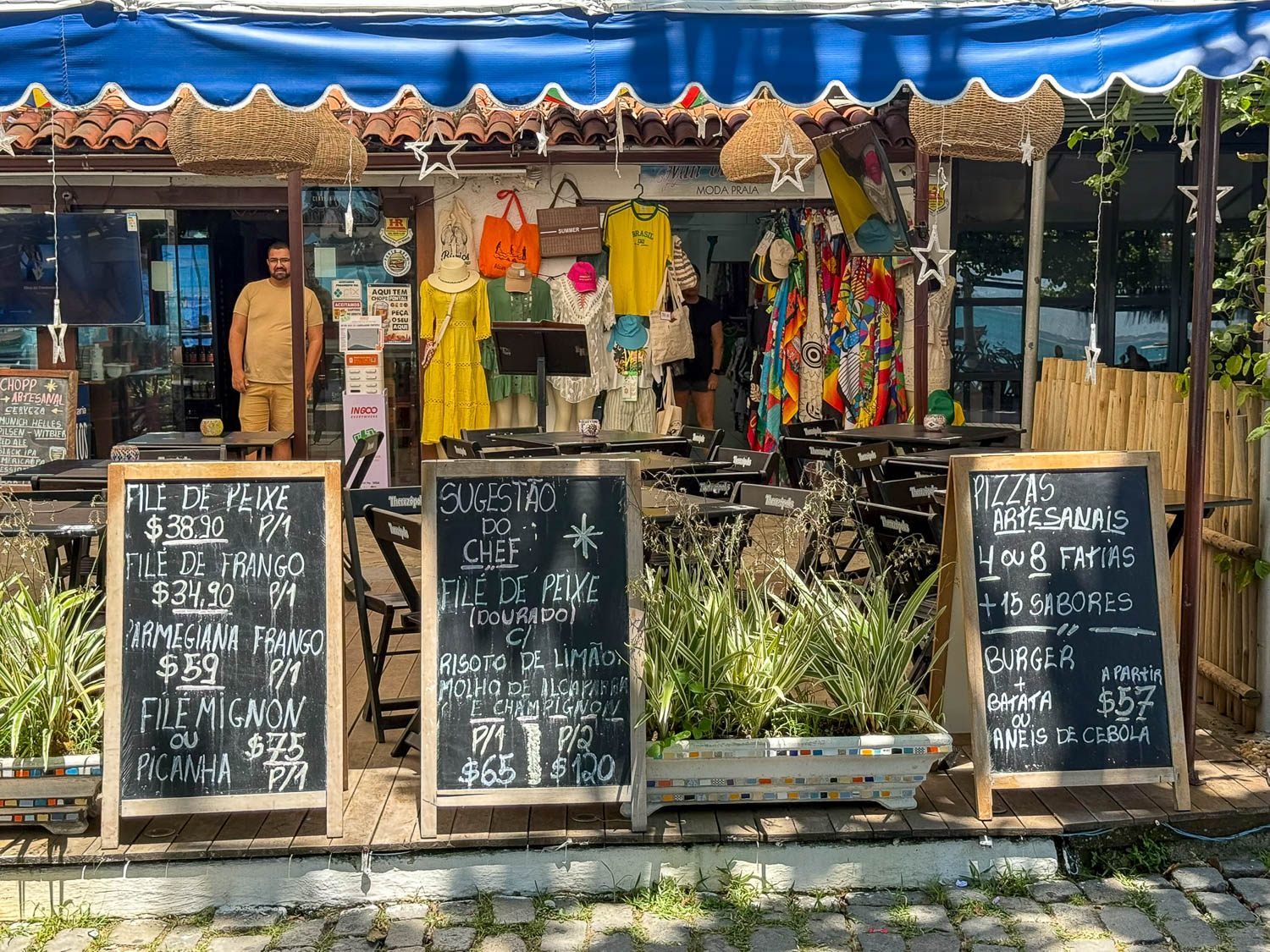
- Dining in Brazil is an adventure, offering everything from bustling street food and neighborhood bakeries, to lively restaurants and traditional steakhouses.
- Lunch is often the main meal of the day, with dinner often eaten later in the evening compared to many other countries, especially in Brazil’s larger cities.
- Eating out in Brazil is typically a lively, social experience: meals move at a very relaxed pace and it’s common for people to linger over food and conversation for hours.
- Brazilian cuisine is far from uniform, shifting noticeably from region to region as it is shaped by the country’s geography, climate, and cultural history.
- Despite powerful regional differences in Brazilian cuisine, several dishes have emerged as beloved staples across the country.
- Feijoada, a hearty stew of black beans and pork, is considered Brazil’s national dish and is often enjoyed on weekends with family and friends.
- Sweets are everywhere — brigadeiros made with condensed milk and chocolate sprinkles are a staple at Brazilian birthday parties and markets.
- Restaurants in larger Brazilian cities serve both traditional dishes and modern fusions.
- Look for “quilo” (or pay-by-weight) restaurants, as well as rodízio restaurants, where the food just keeps coming!
- Pair your meals with local drinks: cold beer, Brazilian wines, or a refreshing caipirinha — Brazil’s national drink. Fruit juices are also widely available, made from an abundance of tropical ingredients.
- Expect a small service charge in restaurants. Many dining establishments automatically include a 10% service fee in the bill: additional tipping is usually not necessary.
- Credit and debit cards are commonly accepted across Brazil, even in many casual restaurants and smaller cafés. However, street vendors may prefer cash.
- Consider taking a food tour during your time in Brazil, one of the best ways to sample many of the culinary delights the country has to offer.
Plan Your Trip
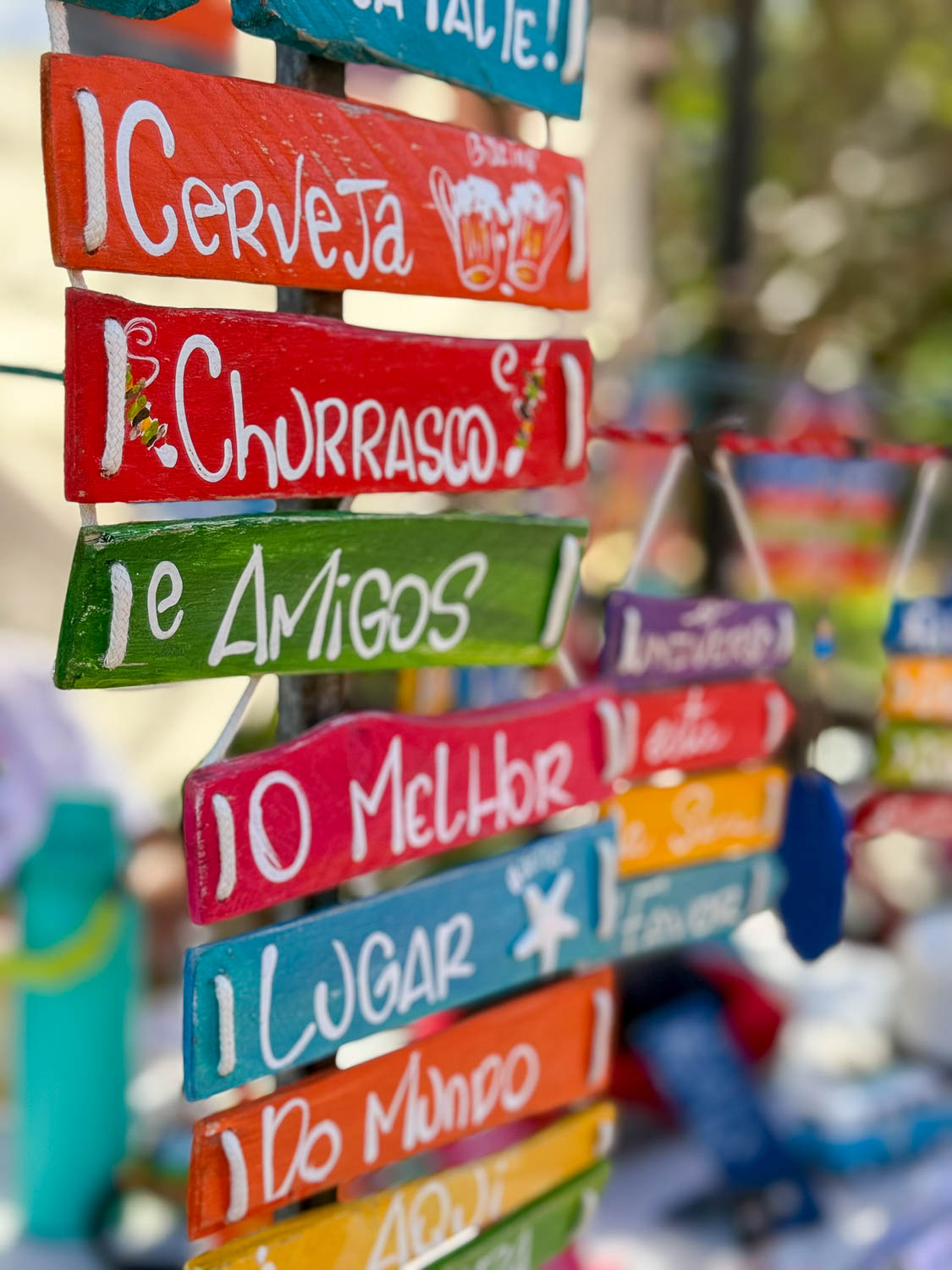
Some links below may earn us a small commission at no extra cost to you. We’re truly grateful for your support, as it allows us to continue sharing meaningful travel experiences and practical travel insights with you. Read our full disclosure here.
Planning your visit? We’ve gathered recommended tours and activities, along with trusted travel tools, to help you explore with confidence and ease.
Tours & Experiences
Prefer additional options? Click below to discover more incredible experiences tailored just for you!
Browse top Brazil food tours.
Travel Essentials?
Planning the rest of your trip? These are the platforms we personally use when organizing our travels. For more planning tools, visit our Travel Resources page or browse current promotions on our Travel Deals page.
Food Culture and Traditions
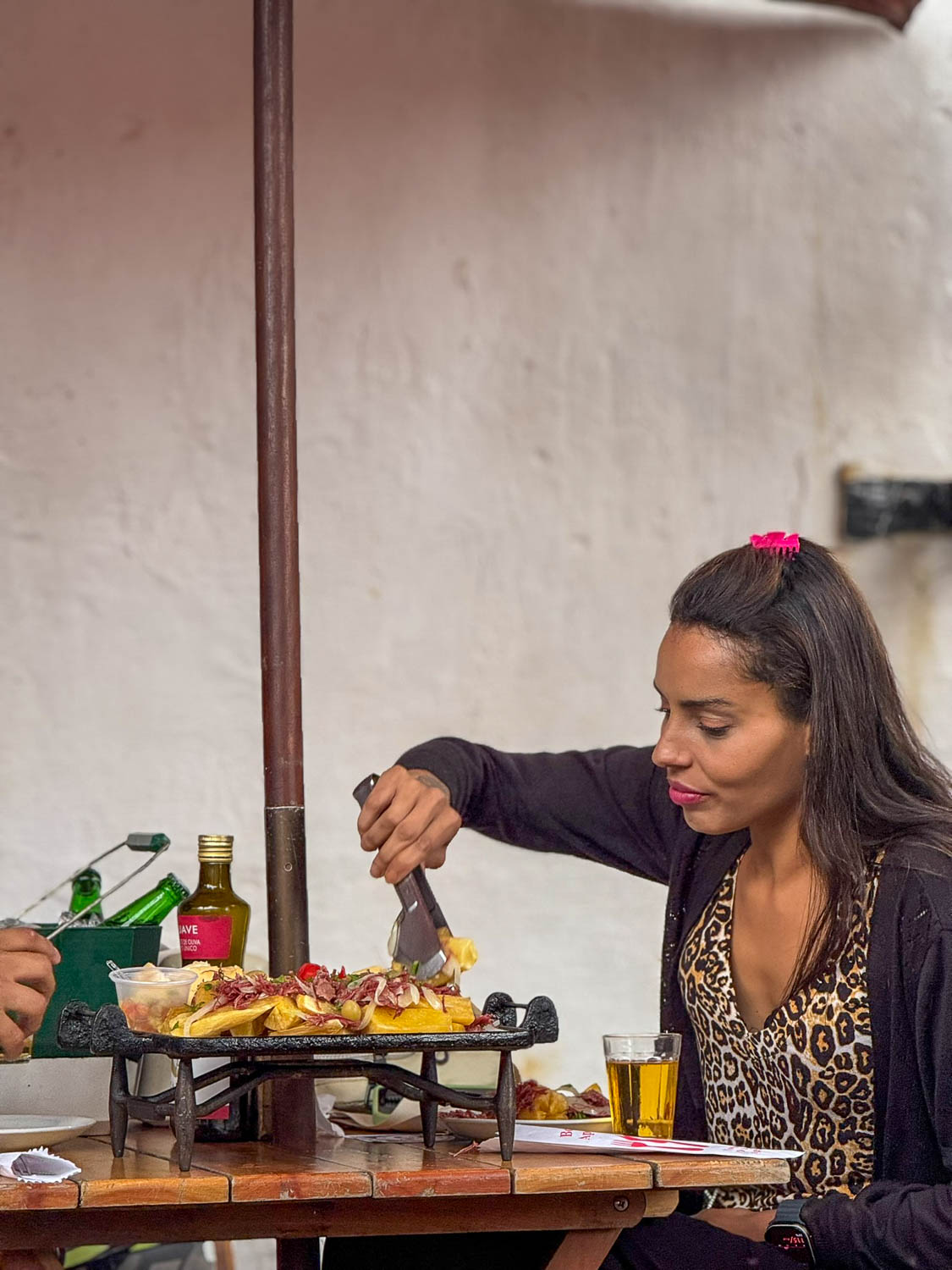
In Brazil, food reflects history, migration, resilience, and celebration – often all on a single plate. The contributions of African and Indigenous populations, and later large waves of immigrants to Brazil, have all helped shape a cuisine that’s both humble and deeply expressive. Even into the 20th century, global events, including World War II, influenced Brazilian cooking – ingredient shortages, shifting supply chains, and cultural exchange encouraged creative substitutions and adaptations, many of which became lasting parts of the country’s modern-day cuisine.
Meals here are communal, with food never just about sustenance — it’s about identity. Families gather for long, unhurried Sunday meals that often stretch across hours – stories are exchanged, and the table becomes as much about connection as it is about food. Multiple courses are consumed and dishes are shared, strengthening family and social bonds. During the week, lunch is the main meal of the day, often taken with coworkers, family, or friends – an important pause during a busy work day. But no matter the day, meals in Brazil are for sitting, connecting, and resetting.
Regional Flavors Across Brazil

Brazilian cuisine is far from uniform, shifting noticeably from region to region as it is shaped by the country’s geography, climate, and cultural history. Across Brazil’s vast territory, local ingredients, culinary traditions, and other cultural influences come together to create a remarkable range of distinct flavors and cooking styles. For travelers, exploring Brazilian cuisine becomes one of the clearest (and indeed often most enjoyable!) ways to understand the country’s people, history, and regional identities.
For a detailed guide into how Brazil’s diverse regions contribute to the country’s rich and varied cuisine, and what makes each unique, be sure to head over to our article Brazilian Food: Regional Flavors Across Brazil. In that guide we’ll share with you information on the following.
- Northern Brazil, where food is deeply shaped by the ecosystems of the Amazon Rainforest. Açaí and tacacá are your go-tos here.
- Bahia, celebrated for its vibrant Afro-Brazilian culture and famous for acarajé and vatapá.
- Central-West Brazil, where you’ll find dishes that reflect the country’s agricultural heartland and strong rural traditions. Look out for arroz com pequi and vaca atolada.
- Southeastern Brazil, where the cuisine reflects the energy and diversity of the country’s largest cities. A great opportunity to try feijoada and virado à Paulista, and even throw in a caipirinha or two.
- Southern Brazil, home to arroz carreteiro, escondidinho de carne seca, and chimarrão. Not to mention churrasco barbecues!
Famous Brazilian Dishes
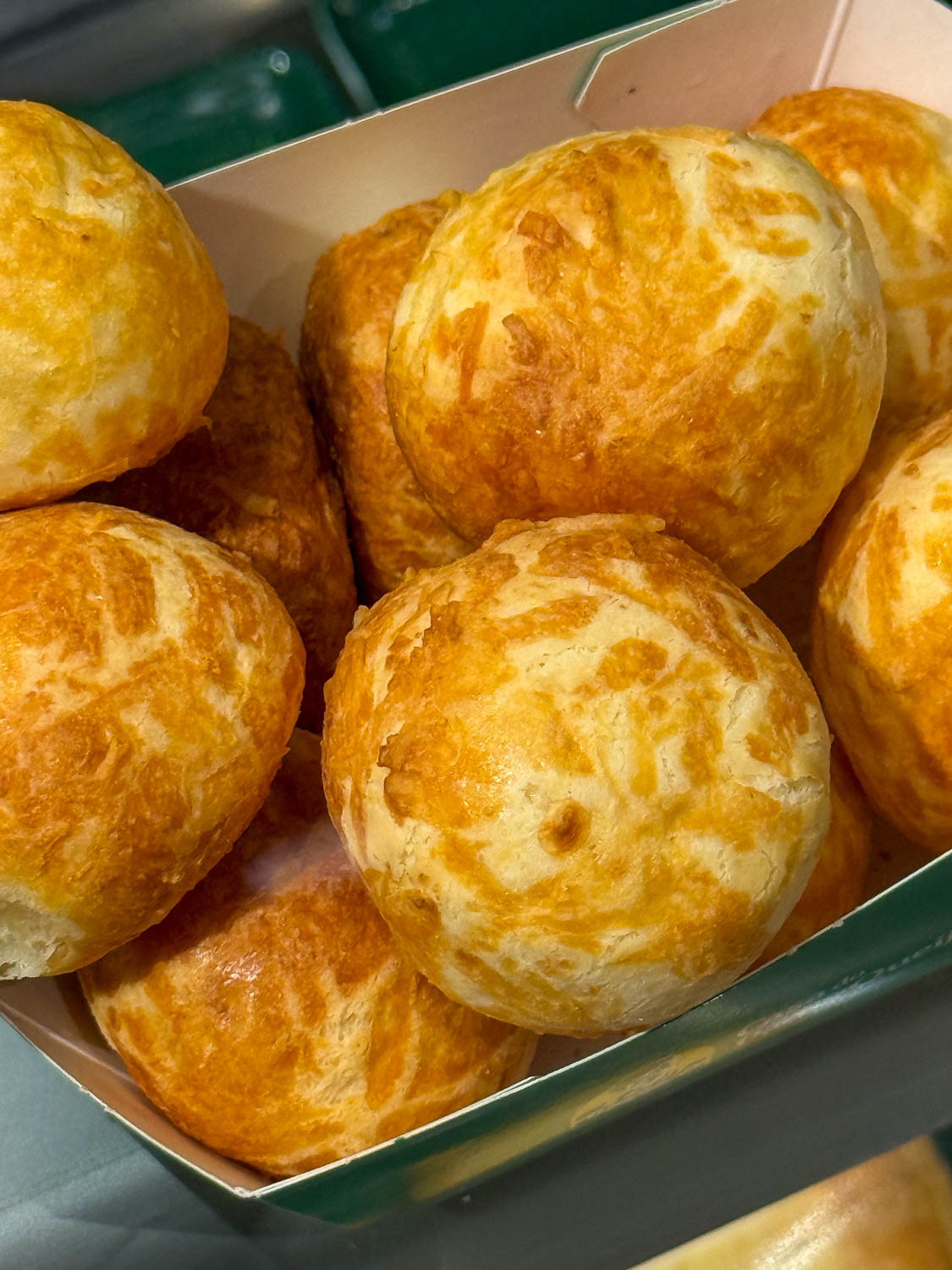
Despite powerful regional differences in Brazilian cuisine, several dishes have emerged as beloved staples across the country: indeed, Brazil is home to a number of iconic dishes that have become synonymous with its culinary identity. From slow-simmered stews and comforting rice-and-bean plates, to crispy street-food favorites, these staples appear everywhere from family kitchens to casual eateries and neighborhood markets.
For a deep dive into some of Brazil’s most beloved specialties, be sure to check out our detailed article, Traditional Brazilian Food: Iconic Dishes, Snacks, and Desserts. In that article we’ll cover the following.
- Brazil’s Signature Dishes (feijoada, moqueca and churrasco)
- Brazilian Snacks (pão de queijo, coxinhas, pastéis, queijo coalho and beiju)
- Desserts and Sweets (brigadeiros, beijinhos, bolo de cenoura, pão de mel, quindim, Romeu e Julieta and fresh fruit)
Dining Like a Local in Brazil: Customs and Know-How
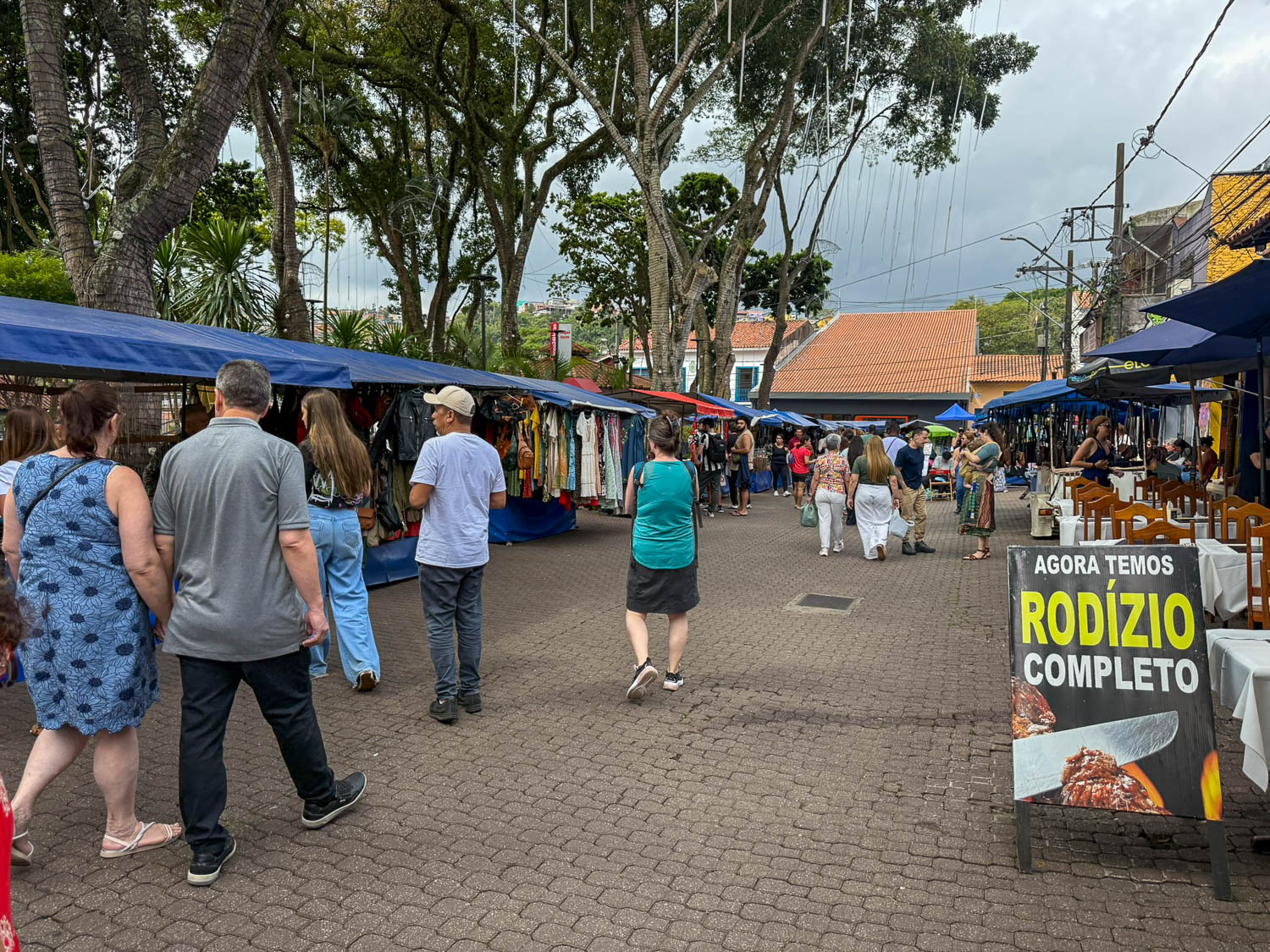
Dining in Brazil is an adventure in itself, offering everything from bustling street food and neighborhood bakeries, to lively restaurants and traditional steakhouses. It’s also a very relaxed and social affair, with meals and conversation often lasting for hours. You might also notice a few local customs and dining practices that differ from those to which you’re accustomed, making it helpful to understand a few basics before sitting down to eat.
Restaurants
- Restaurants in larger Brazilian cities serve both traditional dishes and modern fusions.
- Rodízio restaurants keep the food coming. In these all-you-can-eat churrascarias (barbecues, or Brazilian steakhouses), servers circulate with skewers of grilled meat and carve portions directly onto diners’ plates until they signal they’ve had enough.
Fun fact. In these rodízio restaurants, diners sometimes joke that the real challenge isn’t ordering food — it’s surviving the endless parade of meat that servers keep bringing to the table!
- Speaking of having enough … in many Brazilian steakhouses, diners control the flow of food with a red-and-green card at their table: green signals servers to keep the grilled meat coming, whilst red politely tells them to pause.
- Look for “quilo” (or pay-by-weight) restaurants. These self-service buffets are extremely popular in Brazil! Diners fill a plate with whatever takes their fancy from the buffet, and then pay according to the plate’s weight. This makes it easy to sample a variety of different dishes in the one sitting.
Insider tip. At these pay-by-weight restaurants, experienced diners quickly learn that heavy foods (think rice and beans) can make lunch surprisingly expensive. This whole plate-building process can definitely become something of a strategic exercise!
- In bars and casual restaurants, it’s common for groups to order shared plates — known as petiscos — to enjoy together alongside drinks.
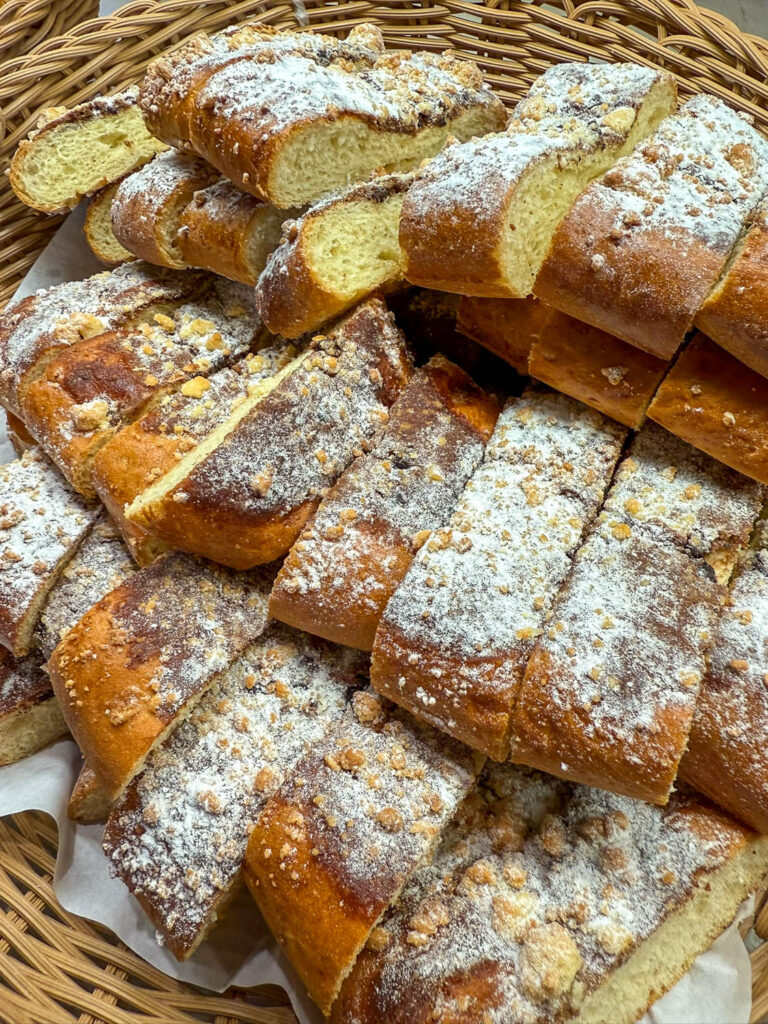
- Many bakeries – known as padarias in Brazil – double as casual cafés. These are popular spots for coffee, snacks, and light meals throughout the day.
Beverages
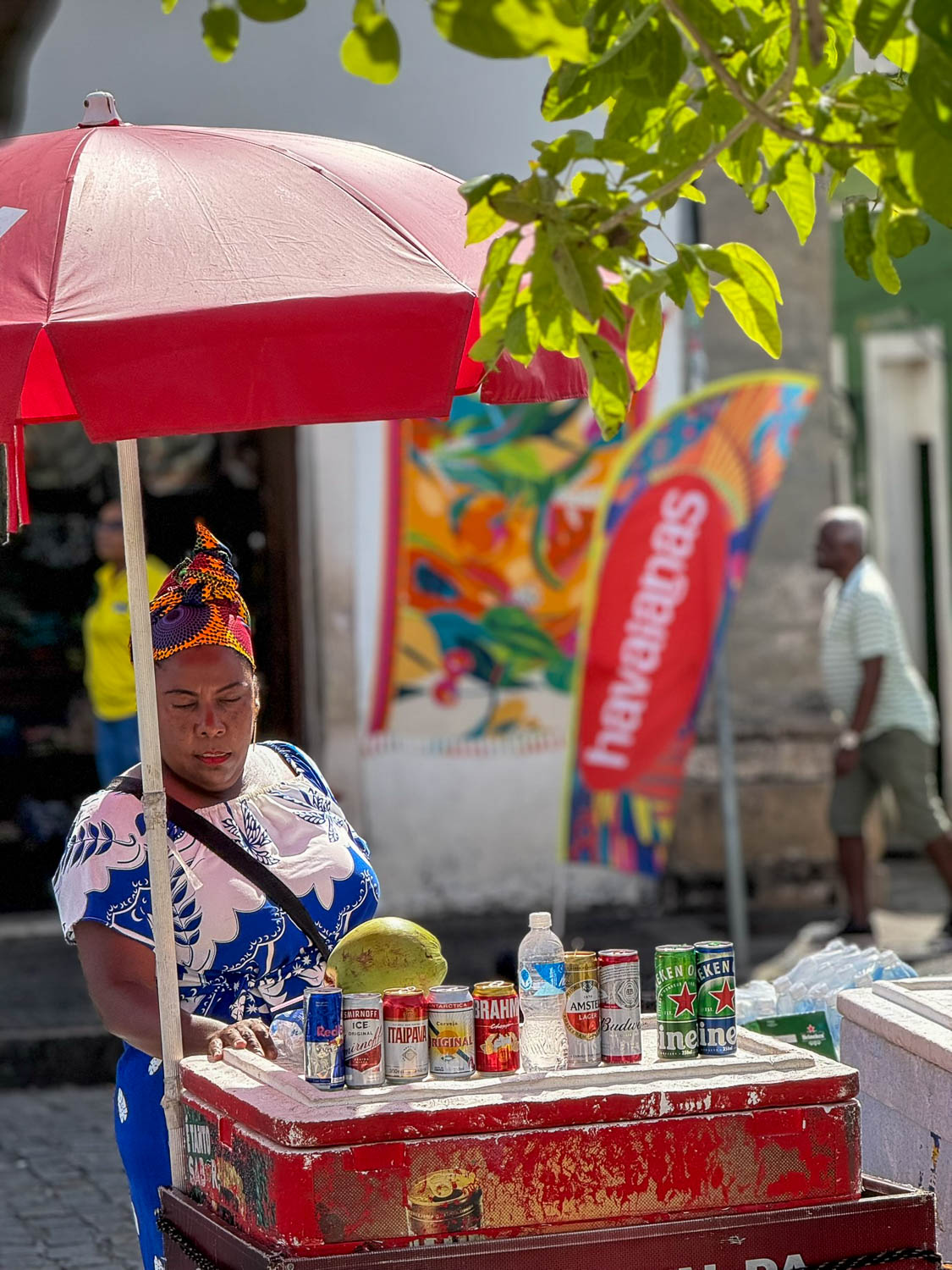
- Don’t hesitate to pair your meals with local drinks: cold beer, Brazilian wines, or, of course, a refreshing caipirinha — Brazil’s national drink.
- In some busy Brazilian restaurants, waiters may replace your empty beer bottle with a fresh cold one before you even ask (and sometimes before you even realize you finished the last one!). This keeps the drinks flowing without interrupting conversation.
Fun fact. Cold beer is a point of pride in Brazil. Here, beer is expected to be very cold — sometimes served in small glasses so it stays chilled whilst you drink it.
- Fresh juices are everywhere in Brazil. Juice bars and cafés frequently offer freshly-blended juices made from dozens of tropical fruit combinations that include mango, passionfruit, guava, and acerola. Tropical fruit adventure in a glass!
Fun fact. Acerola is South America’s “superfruit”. Also known as the Barbados cherry, acerolas have an exceptionally high vitamin C content – up to 30 times more than oranges!
Street Food
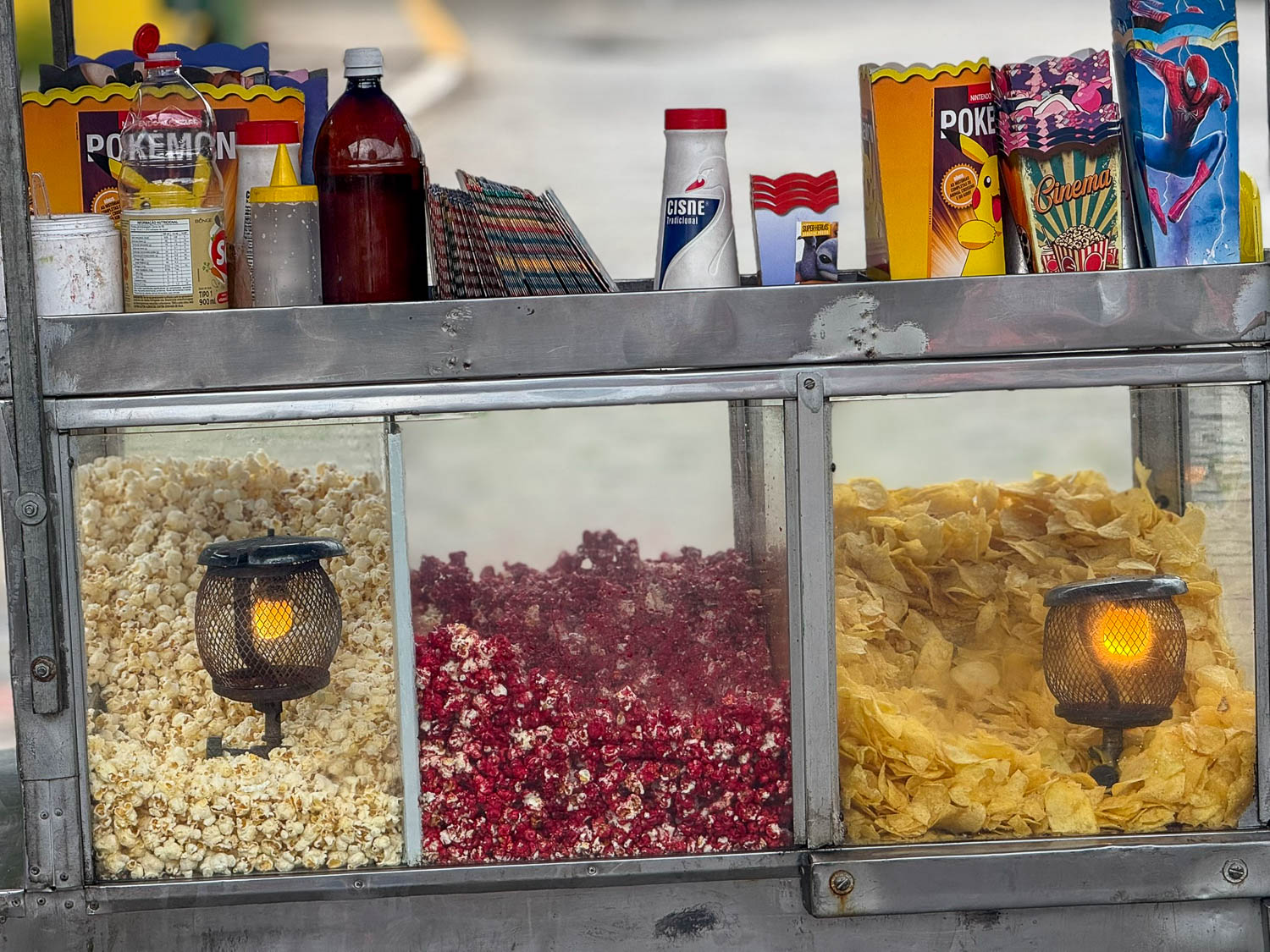
- Street food in Brazil offers low-cost, delicious options. Think pastel stands, coxinha stalls, or beachside grilled cheese.
- On many Brazilian beaches – especially in Rio – food vendors wander the sand selling everything from grilled cheese skewers to shrimp, pastries, and cold drinks. Your meal might arrive without you ever having to leave your prized spot in the sand!
Brazilian Dining Customs and Etiquette
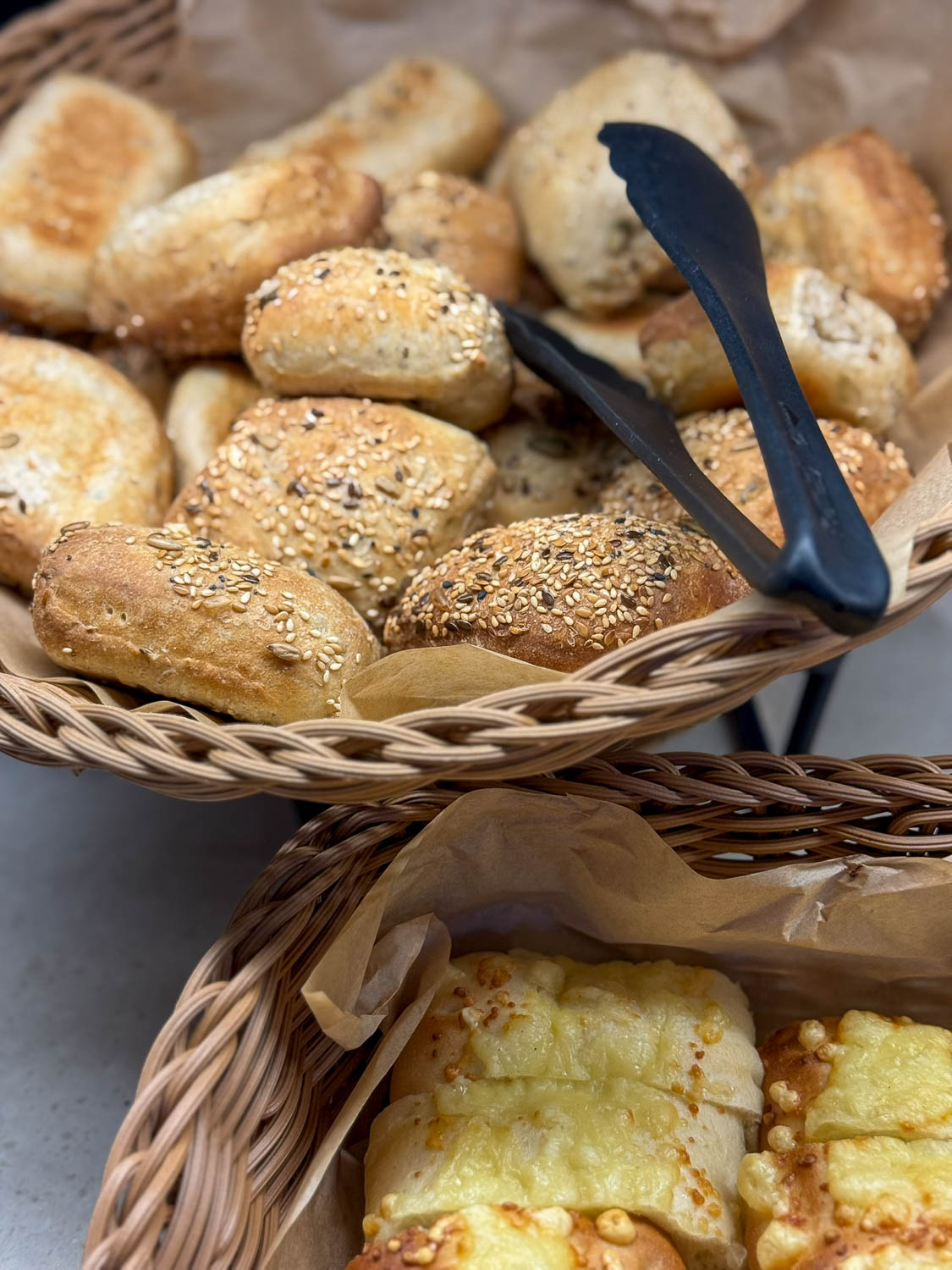
- Lunch is often the main meal of the day. Many Brazilians enjoy their largest meal at lunchtime, when restaurants frequently offer generous set menus or buffet-style spreads.
- Dinner is often eaten later in the evening compared to many other countries – this is especially the case in Brazil’s larger cities.
- Dining out in Brazil is typically a lively, social experience: don’t be surprised if meals move at a very relaxed pace. It’s common for people to linger over food and conversation for hours, rather than rush through a meal.
- In some Brazilian restaurants, small items such as bread, olives, or pâté may appear on the table shortly after you sit down. Whilst they arrive automatically, they are often optional – and may be added to the bill if you choose to eat them.
- In some casual eateries, diners are provided a table number or small card when they sit down. This helps staff track orders throughout the meal.
- In many casual Brazilian restaurants and bars, paper napkins sit in a holder on the table. Diners often grab several napkins and place them beside their plate, using them throughout the meal (rather than keeping a single napkin on their lap, as many diners do in other countries).
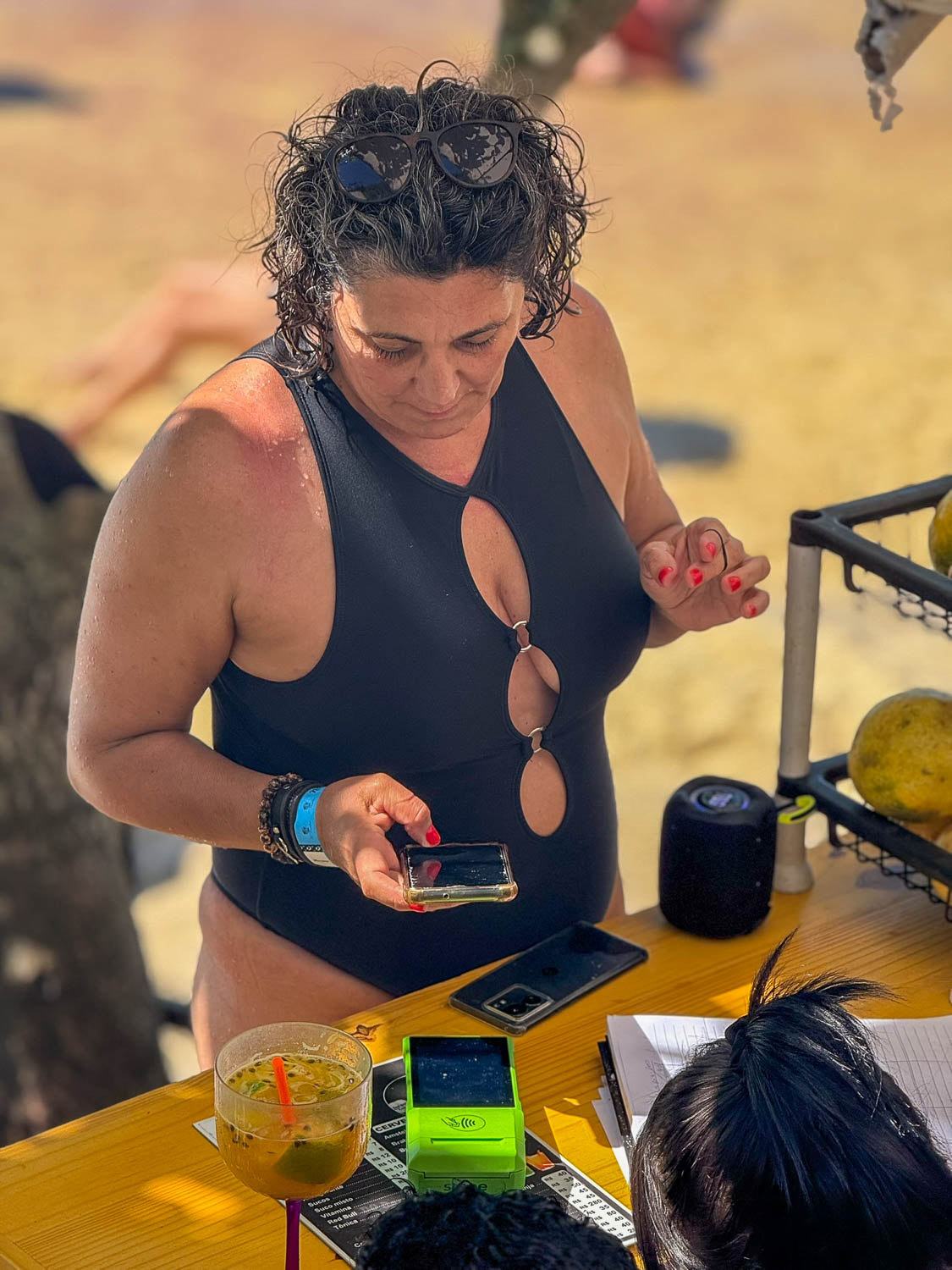
- In Brazil, servers typically won’t rush diners out the door. It’s common to ask for the check (“a conta, por favor”) when you’re ready to leave.
- Expect a small service charge. Many Brazilian restaurants automatically include a 10% service fee (“taxa de serviço”) in the bill: additional tipping is usually not necessary.
- Credit and debit cards are commonly accepted across Brazil, even in many casual restaurants and smaller cafés. However, street vendors may prefer cash.
Food Tours
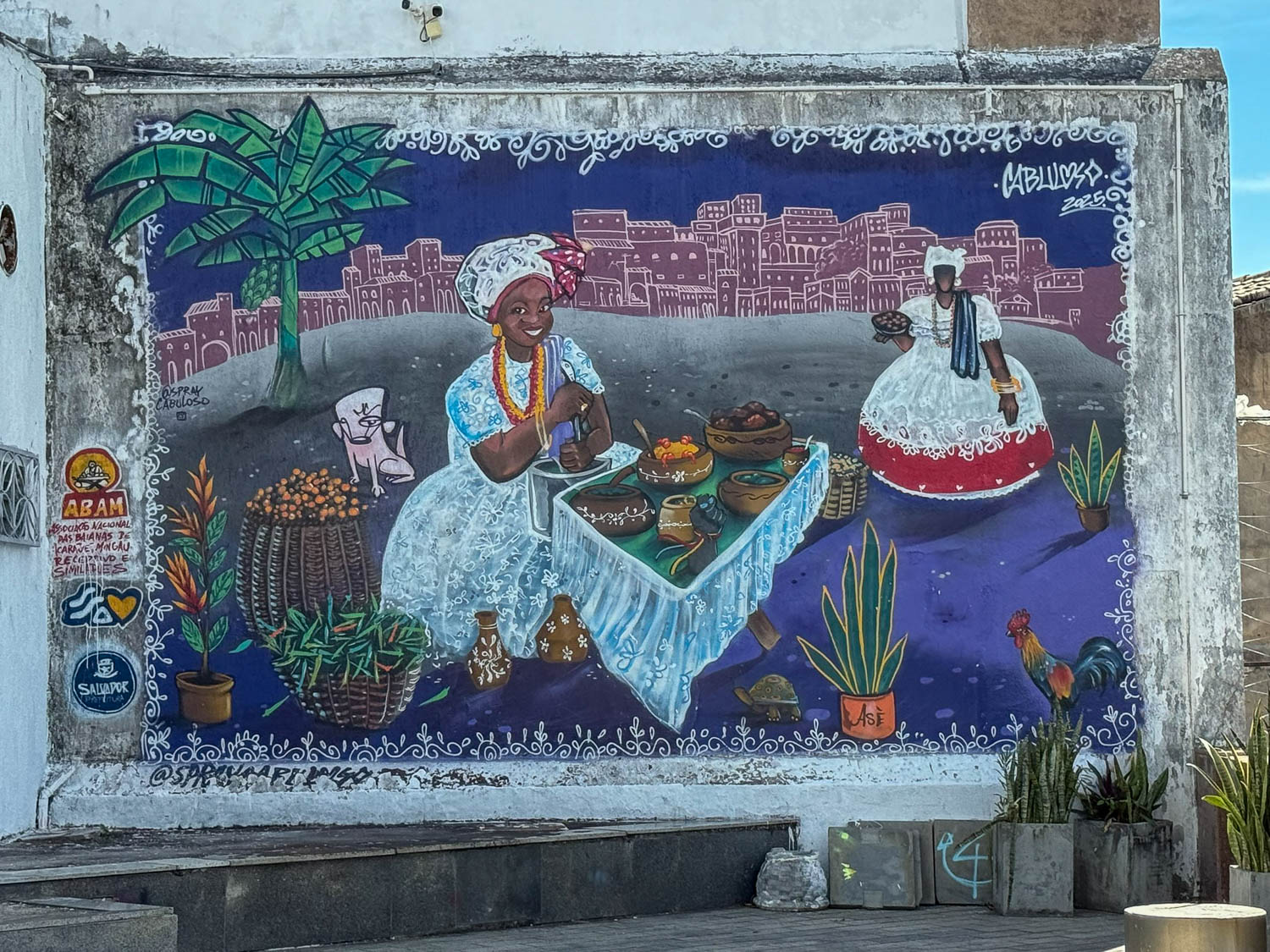
Consider taking a food tour during your time in Brazil. This can be one of the best ways to sample many of the different culinary delights the country has to offer – from São Paulo’s international dining scene, to the Afro-Bahian flavors of Salvador, to the laidback beachside and bar culture of Rio de Janeiro.
Insider tip. Consider taking a food tour early in your visit to Brazil. It’s a great way to discover specialty dishes, regional ingredients, and hidden restaurants you may want to revisit later in your trip.
Many food tours combine tastings with local history, introducing travelers to neighborhood markets, traditional eateries, and family-run street food stalls that might otherwise be easy to miss. For visitors unfamiliar with local dishes, food tours can also provide a helpful introduction to Brazil’s culinary staples. From sampling regional snacks and tropical fruits to learning how classic dishes are prepared, these tours offer a relaxed and informative way to explore the country’s food culture. And an added bonus? Food tours are often small and informal, making them a great way to meet other travelers whilst exploring the city!
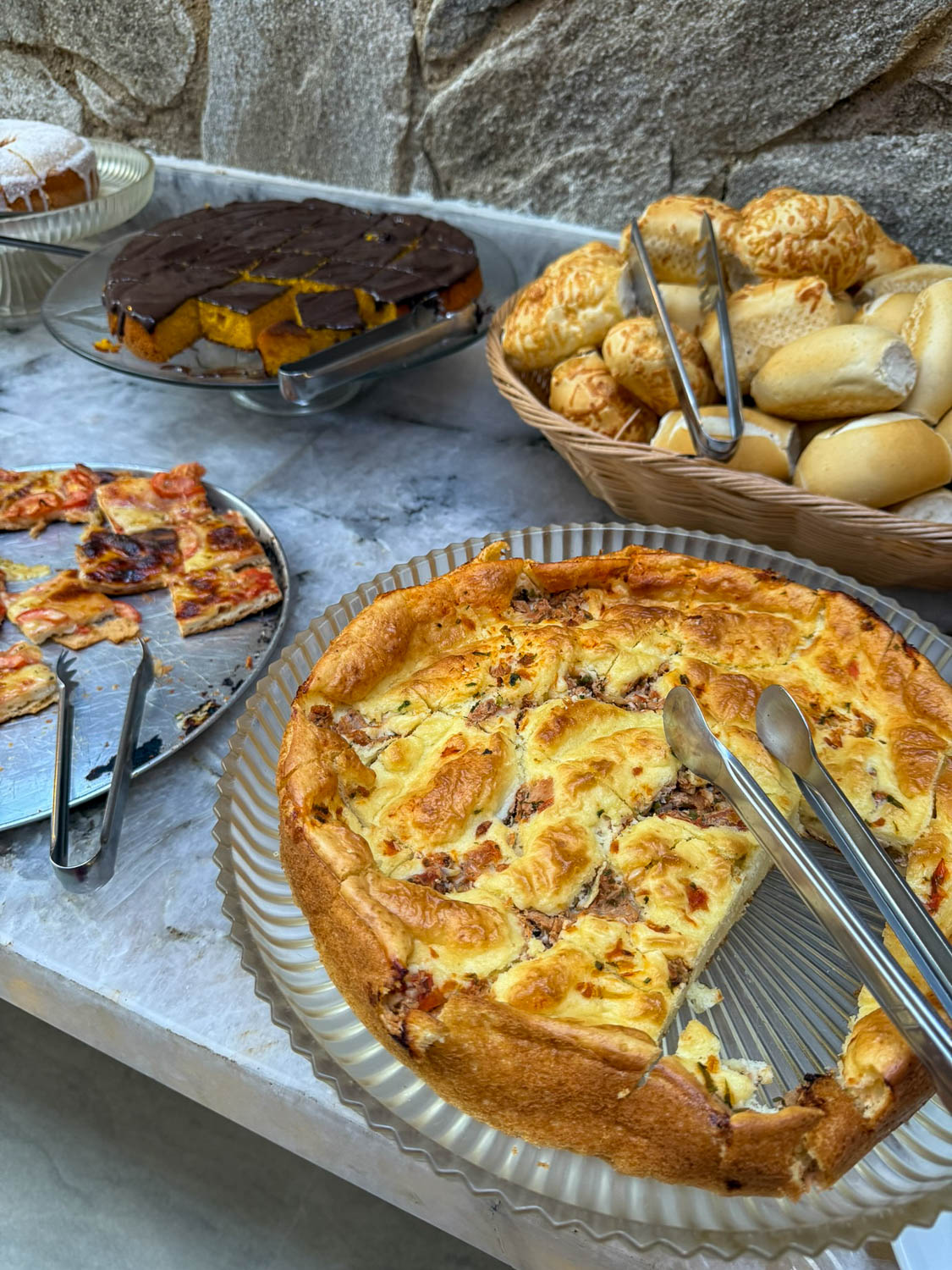
Insider tip. Arrive hungry for these tours! Brazilian food tours often include multiple tasting stops — from savory snacks and street food, to sweets and drinks — and portions can be surprisingly generous!
Insider tip. We highly encourage you to ask questions during your tour. Guides are usually passionate about local cuisine and happy to explain ingredients, cooking techniques, and the cultural stories behind each dish.
Final Thoughts
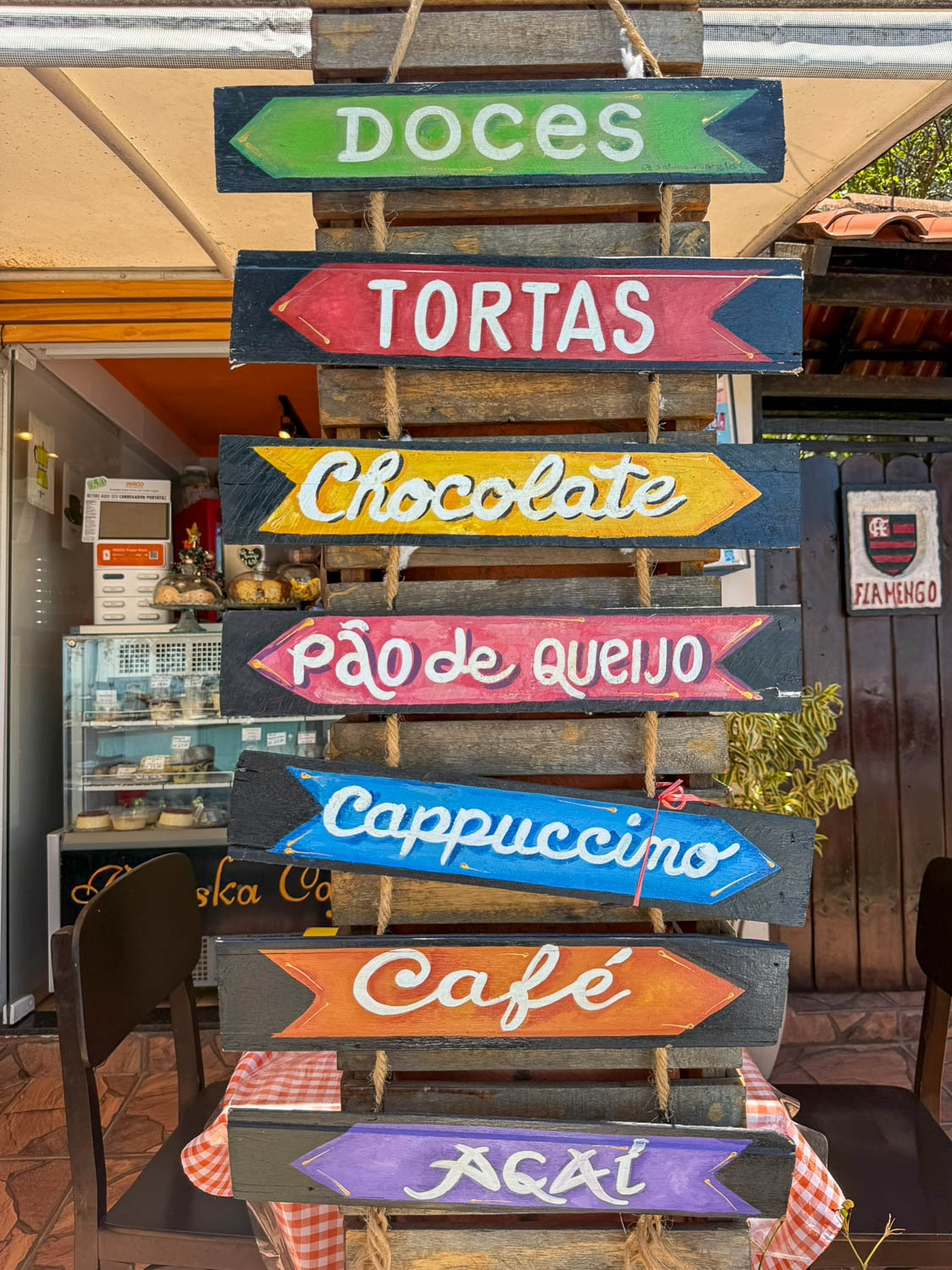
There are some global destinations where the journey is guided as much by your taste buds as by your footsteps: food is, without question, one of the most natural gateways to the vibrant South American nation that is Brazil.
Brazilian food culture is an invitation: to gather, to savor, to celebrate. It’s the comfort of pão de queijo enjoyed with morning coffee, the fiery bite of acarajé on a Bahian street corner, the joy of tearing into churrasco with friends, and the sweetness of a brigadeiro shared at a party.
Over the years, we’ve found that exploring a new country through its food is definitely one of the most rewarding ways to travel. And what we found makes Brazilian cuisine so distinctive is the way it brings together different cultures and histories to create flavors that are vibrant, diverse, and deeply rooted in tradition. There’s adventure in trying moqueca with its unfamiliar spices, and joy in the warmth of simple, family-style meals of rice and beans, filled with laughter.
So if you’re planning a trip to Brazil, make space in your itinerary — and in your stomach! — for some new flavors. From famous dishes that include feijoada to popular snacks such as coxinhas, and from sweet indulgences where Brazilian brigadeiros reign supreme to the incredible variety of tropical fruits found across the country, every taste tells a different story.
Brazil is calling – and the table is already set and waiting for you. When you’re ready, we’re here to help you start planning your Brazilian journey and discover these flavors for yourself.
FAQs
What is Brazilian food known for?
Brazilian food is known for its rich blend of Indigenous, African, and Portuguese influences, creating a diverse cuisine shaped by regional ingredients and traditions. Popular elements include rice and beans, grilled meats (churrasco), seafood stews like moqueca, and iconic dishes such as feijoada.
What is the most popular food in Brazil?
Feijoada is widely considered Brazil’s most popular and traditional dish. This hearty stew of black beans and pork is often served with rice, collard greens, orange slices, and farofa, and is commonly enjoyed during weekend gatherings.
What do people typically eat in Brazil?
People in Brazil commonly eat meals centered around rice, beans, meat, and fresh vegetables. Lunch is usually the main meal of the day, while snacks like pão de queijo and coxinhas are popular throughout the day, along with tropical fruits and fresh juices.
How is Brazilian food different by region?
Brazilian food varies widely by region due to differences in climate, culture, and local ingredients. Northern cuisine features Amazonian ingredients like açaí, Bahia highlights Afro-Brazilian flavors, the southeast blends global influences, and the south is known for churrasco and European-inspired dishes.
What is traditional Brazilian cuisine?
Traditional Brazilian cuisine refers to dishes and cooking styles rooted in the country’s cultural history, including feijoada, moqueca, churrasco, and pão de queijo. These foods reflect a mix of Indigenous, African, and Portuguese traditions and are enjoyed across Brazil.
Explore More Of Brazil
-
Serra Verde Express Train: Curitiba to Morretes
The Serra Verde Express is a scenic train journey from Curitiba to Morretes in Paraná, Brazil, traveling through the Atlantic Forest and Serra do Mar Mountains. This guide covers tickets, classes, routes, and what to expect along one of Brazil’s most iconic railway experiences.
-
Brazil Regional Cuisine: A Guide to Flavors Across Brazil
Brazil regional cuisine reflects the country’s geography and cultural diversity, with each region offering distinct flavors, ingredients, and traditional dishes shaped by local traditions.
-
Traditional Brazilian Food: Iconic Dishes, Snacks, and Desserts
Traditional Brazilian food blends rich cultural influences with bold, comforting flavors. From feijoada and moqueca to pão de queijo and brigadeiros, this guide highlights Brazil’s most iconic dishes, snacks, and desserts.
-
Maceio Brazil: Best Things To Do + Travel Guide
Maceio, Brazil is one of the country’s most beautiful coastal destinations, known for turquoise waters, natural pools, palm-lined beaches, and easy access to the stunning Coral Coast. This guide covers the best things to do, top beaches, day trips, local cuisine, where to stay, and practical travel tips for planning your visit.
-
Best Things To Do in Embu das Artes: Travel Guide
Embu das Artes, just outside São Paulo in Brazil, is a colorful colonial town known as the “City of the Arts.” Famous for its weekend Feira de Artes market, galleries, artisan shops, and museums, it’s one of the most creative cultural day trips from São Paulo.
-
Morretes Brazil: Best Things to Do in Paraná’s Gem
Morretes, Brazil is a charming colonial town in Paraná nestled within the Atlantic Forest. Famous for the scenic Serra Verde Express train, the Nhundiaquara River, and the traditional barreado dish, Morretes offers cobblestone streets, historic churches, and relaxed riverside dining just a short trip from Curitiba.
-
Port Santos, Brazil: Essential Cruise and Travel Guide
Port Santos is the largest port in Latin America and the main cruise gateway to the coastal city of Santos, Brazil. This guide explains how the port operates, what cruise passengers can expect on arrival, and the best things to do nearby — including beaches, museums, historic sites, and day trips to São Paulo.
-
Paraty Brazil Travel Guide: Best Things To Do in Town
Paraty, Brazil is a UNESCO World Heritage colonial town on the Costa Verde known for its cobblestone streets, colorful historic center, tropical islands, and nearby beaches. Visitors can explore Paraty Bay by boat, hike the historic Gold Trail, discover Atlantic Forest landscapes, and enjoy one of Brazil’s most charming coastal destinations.
-
Buzios, Brazil Travel Guide: Best Things To See and Do
Buzios is a coastal resort town in Brazil located about three hours from Rio de Janeiro, known for its beaches, walkable center, and relaxed seaside atmosphere. This Buzios travel guide covers the best things to do, top beaches, Rua das Pedras, the Orla Bardot Boardwalk, where to stay, nightlife, festivals, and practical travel tips.