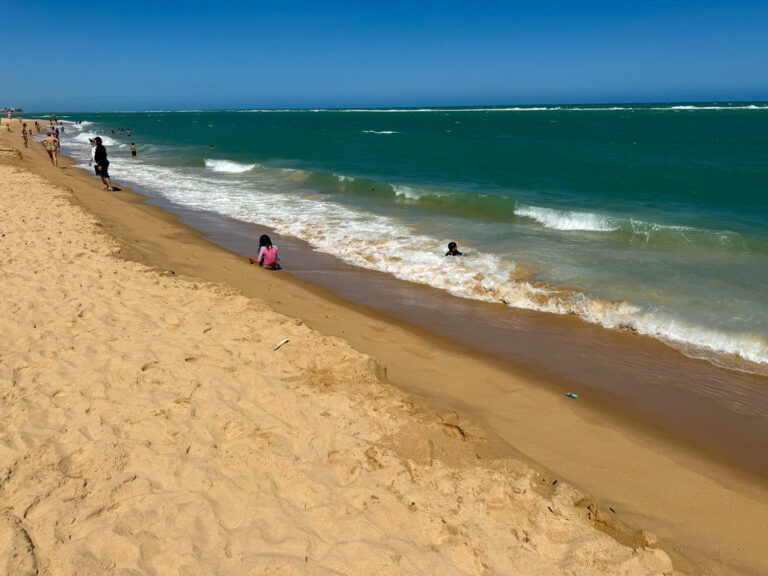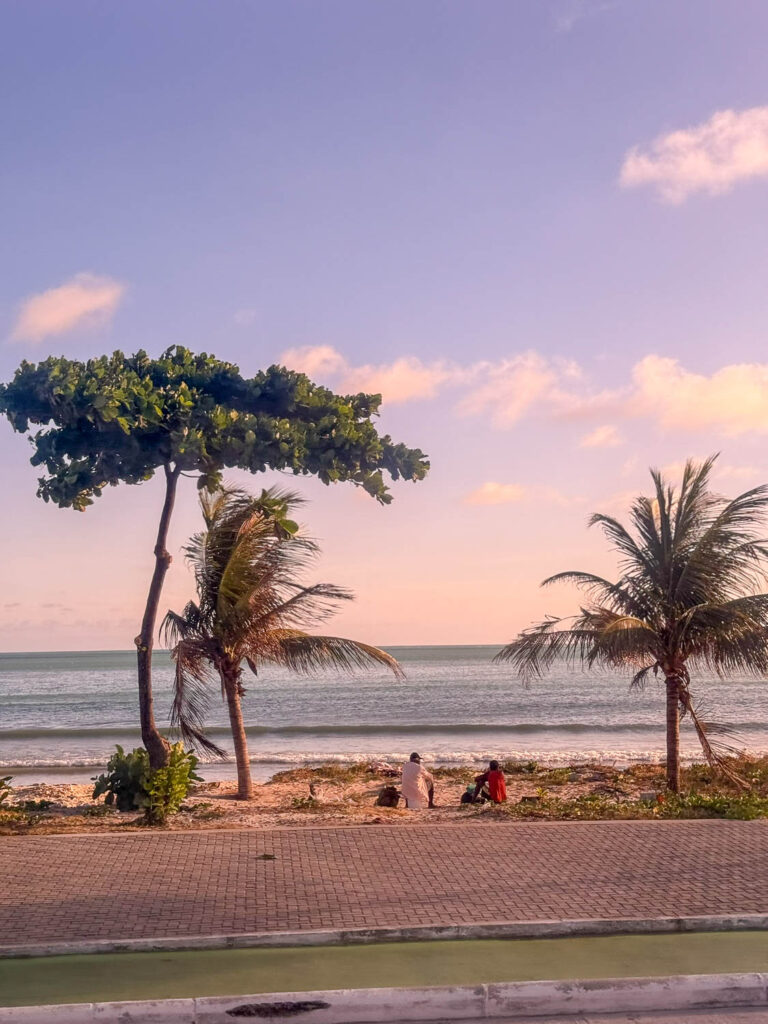
Once you’ve had a chance to explore the historic center of Maceió, you may find yourself asking, “What’s next?”. The answer lies along its coastline and the beaches in Maceio. Maceió is defined by its beaches – so much so that it’s often nicknamed the “Caribbean of Brazil” thanks to its calm, warm, crystal-clear turquoise waters bordered by swaying coconut palms. The Alagoas coast is blessed with some of the most beautiful beaches in South America, including some unrivaled accessible, urban beaches right at Maceio’s front door.
One of the things that makes Maceió particularly appealing is just how easy it is to experience this coastline. Several of the city’s best beaches are connected by a continuous waterfront: you can move between them on foot, by bike, or with a short taxi ride, all whilst staying within reach of restaurants, cafes, shopping, and accommodation. And if you’re willing to venture just a little further? That’s where you’ll find even more dramatic scenery, waiting just beyond the city limits.
Each bit of Maceió’s coastline offers a slightly different atmosphere — from calm, shallow waters suited to snorkeling, to breezier stretches shaped by surf and wind. Not every traveler is looking for the same beach, and that’s exactly what makes Maceió so rewarding. Some visitors come for the famous natural pools and crystal-clear water, others for lively waterfront restaurants, family-friendly swimming, surfing, or simply finding a quiet stretch of sand beneath the palm trees. Choosing the right beach can completely shape your Maceió experience.
In this guide, we’ll take a closer look at some of the area’s standout beaches — from the jangada-dotted shores of Pajuçara to the polished stretch of Ponta Verde, and from the lively, food-focused scene at Jatiúca to the wilder, wave-driven coastline of Cruz das Almas. We’ll also head slightly further afield to Praia do Gunga, where the landscape shifts into something altogether more dramatic.
Read on, fellow sun-seekers, to learn more about each of these beaches, as well as some insider tips and tidal advice to help make the most of your beach outings in Maceió.
Quick Tips
Here are some insider tips to help you make the most of your visit to Maceio, Brazil.
- It’s possible to visit Maceió at any time: it has a warm, tropical climate year-round and over 300 days of sunshine each year.
- Most visitors arrive into Maceió by way of Zumbi dos Palmares International Airport (MCZ).
- The best time to visit Maceió’s beaches are during the early mornings and weekdays. Changes in tides can also influence one’s beach outing – low tides are best for exploring natural pools.
- Registered taxis and rideshare services are plentiful throughout Maceió, making it easy to get from one beach to another, or from the city center to the more popular coastal areas.
- Maceió’s beaches each offer their own distinct setting and rhythm, but rest assured this part of the country is known as the “Carribean of Brazil” for good reason.
- Consider a visit to Pajuçara Beach for an excursion on a jangada out to natural pools.
- Head to Praia de Ponta Verde for its famous barracas (high-quality, fashionable, thatch-roofed beach kiosks) and the wonderfully photogenic Farol da Ponta Verde.
- If you’re a foodie, a promenader, or in search of a romantic getaway, make your way to Jatiúca Beach for access to high-end hotels and fine dining establishments.
- Praia de Cruz das Almas offers adventure-seekers opportunities for windsurfing, kitesurfing, and surfing – a slightly more “wild” beach experience.
- A visit to Gunga Beach is where you’ll find a high-energy narrow peninsula backed by dense coconut tree groves, stunning multicolored cliffs, and unique color-changing water.
Follow these tips and you’ll be ready to visit Maceio, Brazil!
Plan Your Trip

Some links below may earn us a small commission at no extra cost to you. We’re truly grateful for your support, as it allows us to continue sharing meaningful travel experiences and practical travel insights with you. Read our full disclosure here.
Best Way To Experience Maceio, Brazil
The best way to experience Maceió is to combine time on the city’s beautiful urban beaches with at least one or two day trips along the stunning Alagoas coastline. Most visitors spend their mornings enjoying natural pools and beach activities before exploring local cuisine, historic sites, and waterfront promenades later in the day.
For first-time visitors, the ideal visit usually includes:
Top Recommended Experiences (At A Glance)
Best Overall Experience:
Combining Maceió’s urban beaches with a full-day excursion to Maragogi.
→ Recommended: Maragogi Beach Gales Reef
Best For First-Time Visitors:
Private Tour to Praia do Francês, Barra de São Miguel, and Praia do Gunga
→ Recommended: Private Francês Barra de São Miguel and Gunga Beach
Best Natural Pools Experience:
Exploring the crystal-clear natural pools and reef-protected waters of Paripueira.
→ Recommended: Experience Paripueira Beach Sun Sea and Natural Pools
Best Customized Experience:
Create your own ideal Alagoas itinerary with a private driver and flexible schedule.
→ Recommended: Gunga Beach Private Tour
Short On Time? Do This:
Tours & Experiences
Prefer additional options? Click below to discover more incredible experiences tailored just for you!
Browse top attractions in Maceio, Brazil.
Travel Essentials?
Planning the rest of your trip? These are the platforms we personally use when organizing our travels. For more planning tools, visit our Travel Resources page or browse current promotions on our Travel Deals page.
The Best Time to Visit
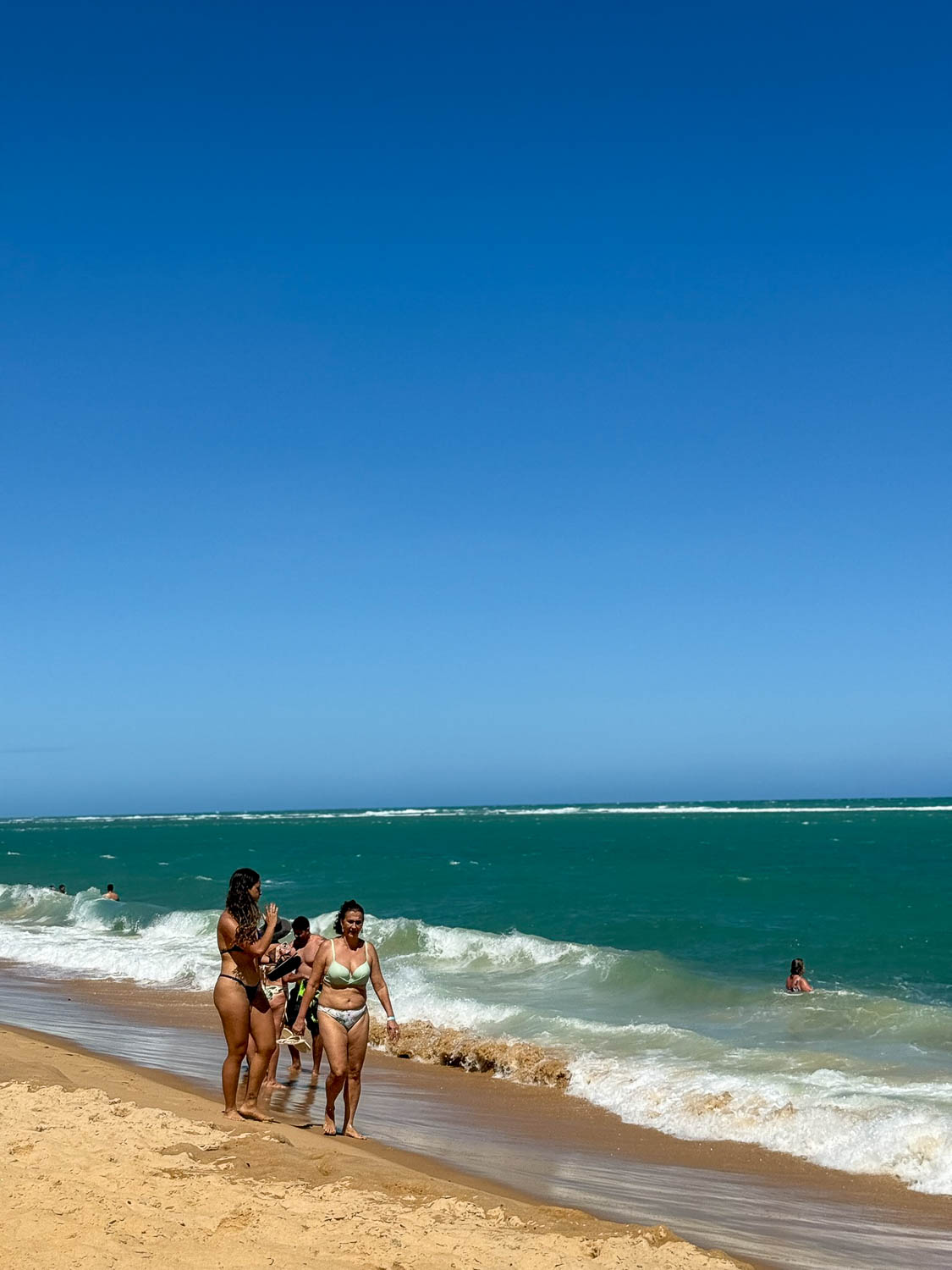
If you’ve had a chance to read any of our other destination guides, you’ll know we are big believers that any global destination can be visited at almost any time of year. This could not be more true of Maceió: with a warm, tropical climate year-round (the average temperature is 77oF-81oF / 25oC-27oC) and over 300 days of sunshine each year, you’ll be hard pressed to run across poor weather at any time. Consider this a reliable sunny getaway in Brazil (and you know this made Beck very happy!).
That being said, Brazil still has its rainy and dry seasons in this part of the country. For more detailed information on how these different seasons may affect your beach days, be sure to check out our main article, Maceió, Brazil: Best Things To Do + Travel Guide.
Insider tip. Cloud cover can be deceptive, and UV exposure remains high in Maceió year-round, even on overcast days. Make sure you’re wearing sun protection, no matter what time of year you visit.
Note also that timing matters when it comes to beach days in and around Maceió.
- Early mornings – especially between 7am and 10am – typically bring calmer seas, softer light, and fewer crowds. This can be the best time to visit if you plan to snorkel or photograph reefs.
- Weekdays at Maceió’s beaches can feel noticeably calmer than on weekends (probably no surprise, we know!). Locals from across Alagoas flock to the coast on Saturdays and Sundays, so visiting beaches and natural pools from Monday through Thursday can deliver a quieter, more relaxed experience.
- If you’re keen to explore the natural pools found at many of the beaches along this part of Brazil’s coastline, be sure to consult tidal charts to help best plan your day – low tide makes all the difference. Local tide charts are widely available online, as well as through hotel front desks.
When is the best time to visit Maceió’s beaches?
If your priority is calm seas, excellent water clarity, and exploring the famous natural pools, plan your visit during the dry season, generally from August through March. October through January often combines lower humidity, spectacular sunsets, and some of the year’s best beach conditions. Regardless of the season, always check local tide charts before visiting the natural pools, as low tide is essential for the best experience.
Getting There and Away
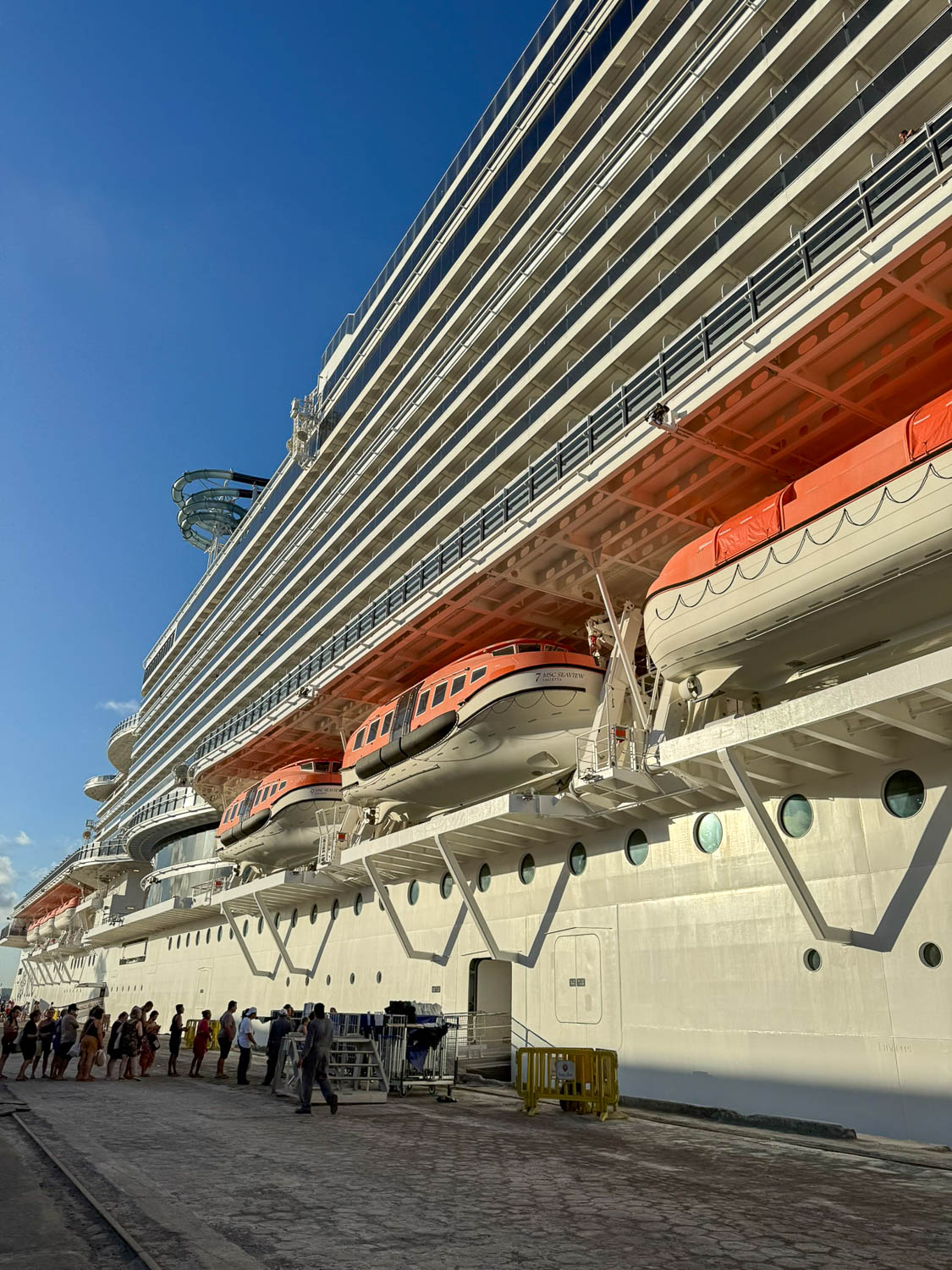
Most visitors arrive into Maceió by way of Zumbi dos Palmares International Airport (MCZ), located about 13 miles (21km) north of the city center. Private airport transfers, taxis and rideshare services (including Uber, which we used throughout our time in Brazil) are the best way to reach the city, though renting a car can always be handy if you want a little more freedom and plan to explore a little farther afield.
For travelers staying near Pajuçara, Ponta Verde, or Jatiúca, you’ll find that many of the city’s best beaches, restaurants, and waterfront attractions are within easy walking distance, making it simple to enjoy several beaches during a single visit.
You can also reach Maceió by bus. For more information on traveling by public transport, head over to Maceió, Brazil: Best Things To Do + Travel Guide.
Getting To the Beaches of Maceió
Registered taxis and rideshare services (Uber and 99) are plentiful, convenient, and relatively inexpensive throughout Maceió. These services make it easy to get from one beach to another, or from the city center to the more popular coastal areas.
If you’re considering venturing a little farther afield, or are seeking a little more flexibility during your visit to the region, you may wish to consider renting a car. Maceio’s public buses also run to several beach areas, offering a more budget-friendly — if less direct — option.
Which beach should first-time visitors choose?
If this is your first trip to Maceió, begin with Praia de Pajuçara and Praia de Ponta Verde. Together they showcase everything that makes the city famous—turquoise water, natural pools, lively promenades, beachfront dining, and easy access to many hotels. Once you’ve explored these urban beaches, venture farther afield to Cruz das Almas or Praia do Gunga for a completely different coastal experience.
A Closer Look at Maceió’s Beaches
To help you get your bearings, we’ve broken Maceió’s coastline down into a handful of key beaches, each offering its own distinct setting and rhythm. Some sit right along the city’s main waterfront, whilst others lie just beyond it — but all are easily incorporated into your time in the region.
Fun fact. The postcard-worthy turquoise tones you’ll notice at almost every beach in and around Maceió are not just for show. They’re shaped by shallow offshore reef formations: when sunlight hits shallow water, it reflects off the pale sand and reef surfaces, causing shorter light wavelengths (blues and greens) to bounce back to the eye, and ultimately giving the water its bright turquoise and aquamarine hues. That’s one to teach the grandkids when they visit!
Below, we take a closer look at five of the area’s most notable beaches and what sets each one apart.
Before diving into each beach individually, remember that there isn’t a single “best” beach in Maceió—only the best beach for your travel style. Pajuçara is famous for its natural pools, Ponta Verde blends city convenience with calm water, Jatiúca shines for dining and nightlife, while Cruz das Almas and Praia do Gunga offer progressively wilder coastal experiences.
Praia de Pajuçara
Located about 2.5mi (4km) directly east of Maceio’s historic center, you’ll find the popular Pajuçara Beach, a key starting point for raft excursions to the natural pools (piscinas naturais) formed at low tide. Colorful boat tours on jangadas – small, simple, traditional wooden sailing rafts used mostly along the northeast coast of Brazil, and one of the most recognizable symbols of Alagoas’ coastline – take visitors across the calm, shallow waters to swim in these offshore natural pools above vibrant coral reefs.
Is Praia de Pajuçara worth visiting?
Absolutely. If you only have time to visit one beach in Maceió, Praia de Pajuçara is an excellent choice. Between the famous jangada rides, calm natural pools, lively promenade, restaurants, and easy access from the city center, it perfectly introduces visitors to the beauty of Brazil’s northeastern coast.
Fun fact. At low tide, the natural pools off Pajuçara are so calm that they can resemble shallow lagoons rather than open ocean. This is certainly a stark contrast to the deeper waters just beyond the reef!
Insider tip. The natural pools at Pajuçara are accessible only during specific tide windows, and are indeed most impressive at low tide, especially during full and new moons. As low tide therefore defines the experience of a jangada tour, be sure to check tide tables in advance, to ensure you get the most from your visit.
This is why many experienced travelers plan their entire Pajuçara visit around the tide tables rather than simply arriving at a convenient time.
Fun fact. The name “Pajuçara” is believed to come from an Indigenous Tupi word, reflecting the region’s pre-colonial roots.
The beachfront promenade along Pajuçara Beach is also a busy social hub for locals, especially lively after sunset. Here, evening strolls, cycling, food stalls, family gatherings, and casual meet-ups blend seamlessly into daily life and shift the area’s energy from daytime relaxation to a more social, local scene. This is the kind of spot that can easily fill a whole day in Maceió!
If you’re wondering where to begin your beach adventure in Maceió, this is where we’d send you first.
Fun fact. Pajuçara Beach plays a dual role as both a leisure space and a working waterfront, with fishermen launching boats alongside visitors heading out for snorkeling trips.
Insider tip. Be sure to carry at least some cash (Brazilian Reais) with you when visiting Pajuçara Beach: jangada rides, food stalls, and other small vendors often prefer cash payments.
Praia de Ponta Verde
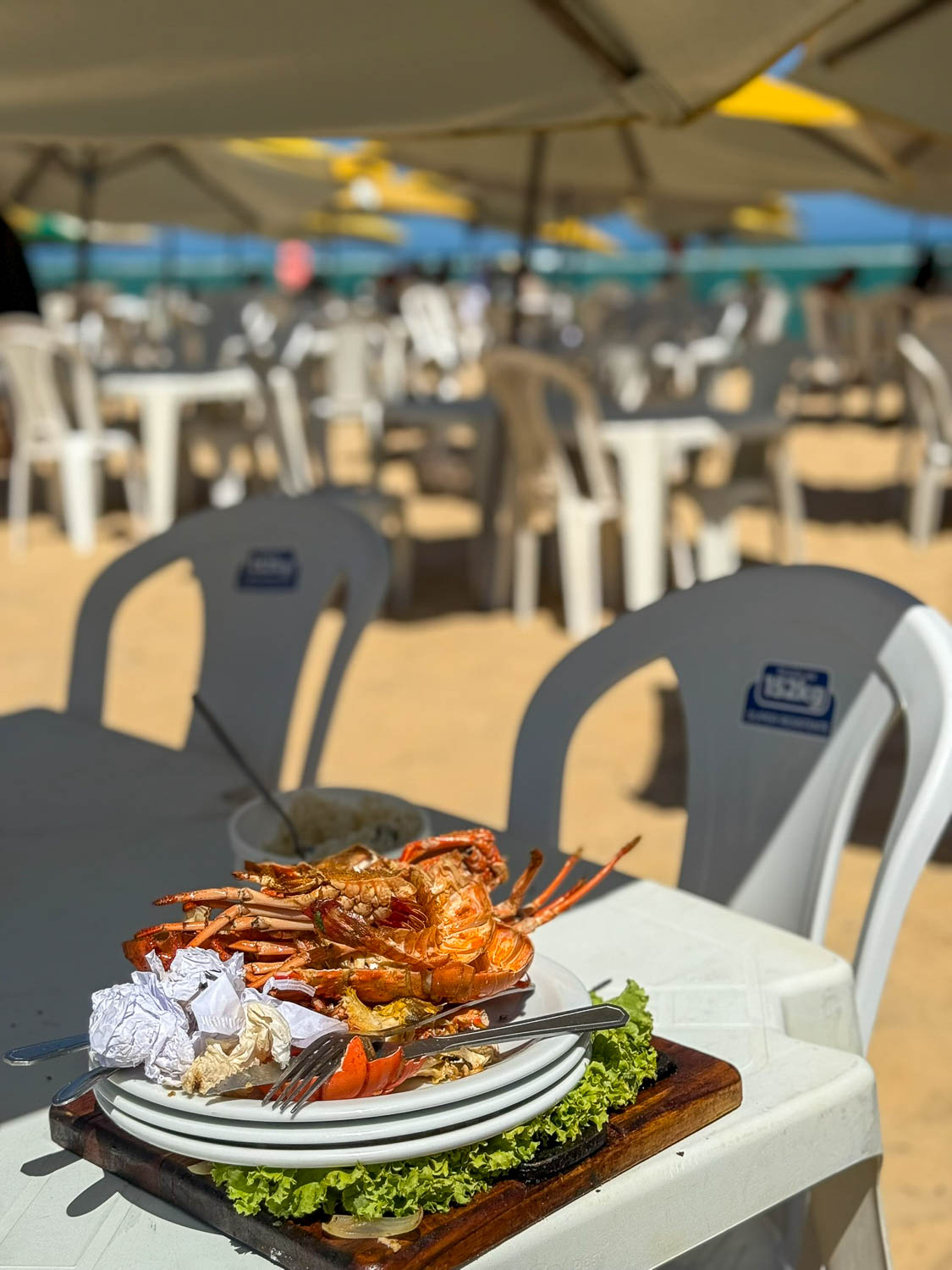
As you continue along the coastline, and only a 20-minute beach walk directly east of Pajuçara Beach, you’ll come across Praia de Ponta Verde, one of the easternmost points in Maceió and a premier urban beach in the region.
What makes Praia de Ponta Verde different from Pajuçara?
While neighboring Pajuçara is best known for its natural pools and jangada excursions, Praia de Ponta Verde offers a slightly more polished atmosphere with fashionable beach kiosks, calm swimming conditions, stand-up paddleboarding, and one of the city’s most beautiful waterfront promenades.
Fun fact. “Ponta Verde” translates to “Green Point”, a reference linked to early vegetation and coastal geography in the area.
The infrastructure at Praia de Ponta Verde is well built up (including numerous stylish seaside kiosks), and the waters are gently sloping, calm – and yup, you guessed it – that fabulous turquoise-green for which the coastline is so well-known. At low tide you’ll find extensive shallow, natural tidal pools that permit visitors to wade out to see the underwater life, including exposed reefs and colorful fish. Oh, and not to forget that this beach is home to the iconic, wonderfully photogenic Farol da Ponta Verde – a small offshore lighthouse only accessible at low tide (it’s pretty awesome!).
These calm conditions also make Ponta Verde one of the most popular places in Maceió for first-time paddleboarders and transparent kayak experiences.
Fun fact. The Farol da Ponta Verde isn’t just photogenic. Depending upon the tide, the lighthouse can appear to shift from sitting in the water to standing on exposed sand – all within a matter of hours.
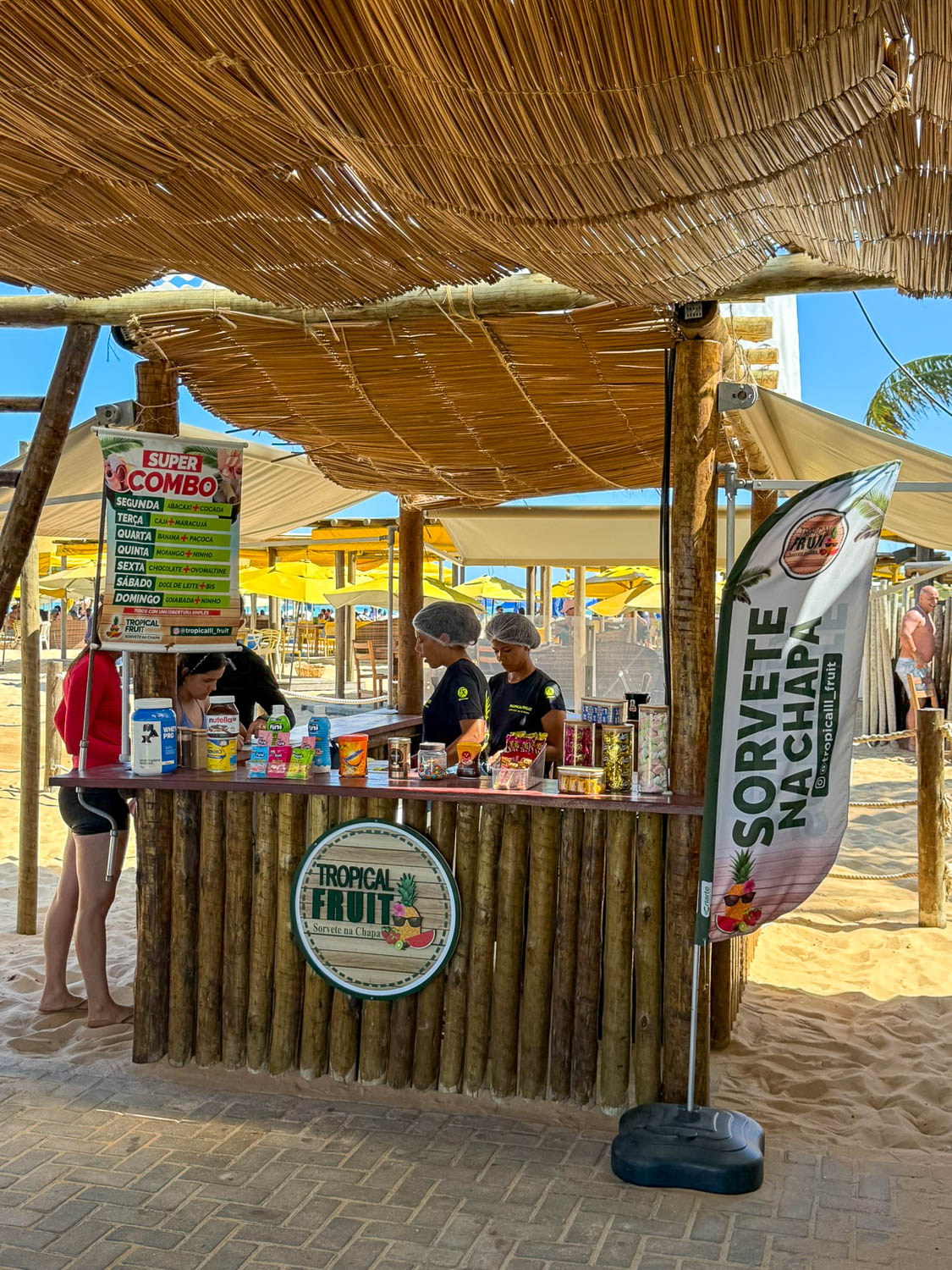
Insider tip. Praia de Ponta Verde is perhaps most well-known for its “barracas”: high-quality, fashionable, thatch-roofed kiosks (beach huts) right on the sand, offering beachgoers everything from food and drinks, to music and chair service.
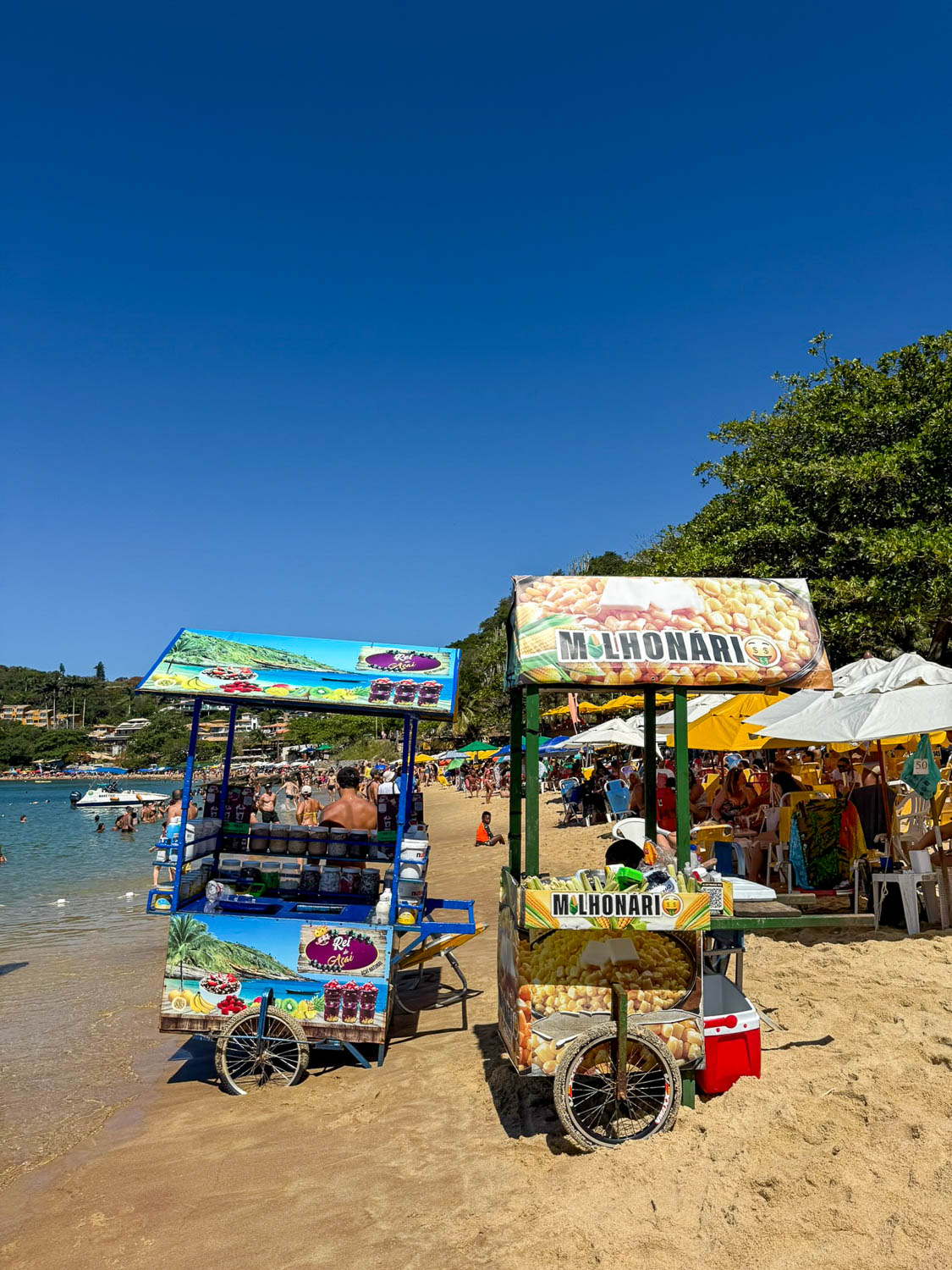
Insider tip. Don’t feel like moving from your comfy spot on the beach? No worries, as local beach vendors circulate regularly with drinks, coconut water, and snacks.
Ponta Verde is one of the few places where your “beach day” and “city day” can blend seamlessly: indeed, this is the beach to visit if you’re seeking urban convenience and a local vibe. It’s close to Maceió’s historic district, it’s modern, it’s within close proximity to numerous hotels, restaurants and nightlife, and it’s a lively hub for water sports that include kayaking and jet skiing.
Despite its polished feel, Ponta Verde remains a favorite amongst locals as well as visitors — especially in the early morning and late afternoon. The palm-lined beachfront promenade doubles as an outdoor social corridor and daily meeting point, with running groups, cyclists, dog walkers, and families all sharing the space throughout the day.
For many travelers, Ponta Verde strikes the ideal balance between beach relaxation, excellent dining, and comfortable city convenience.
Praia de Jatiúca
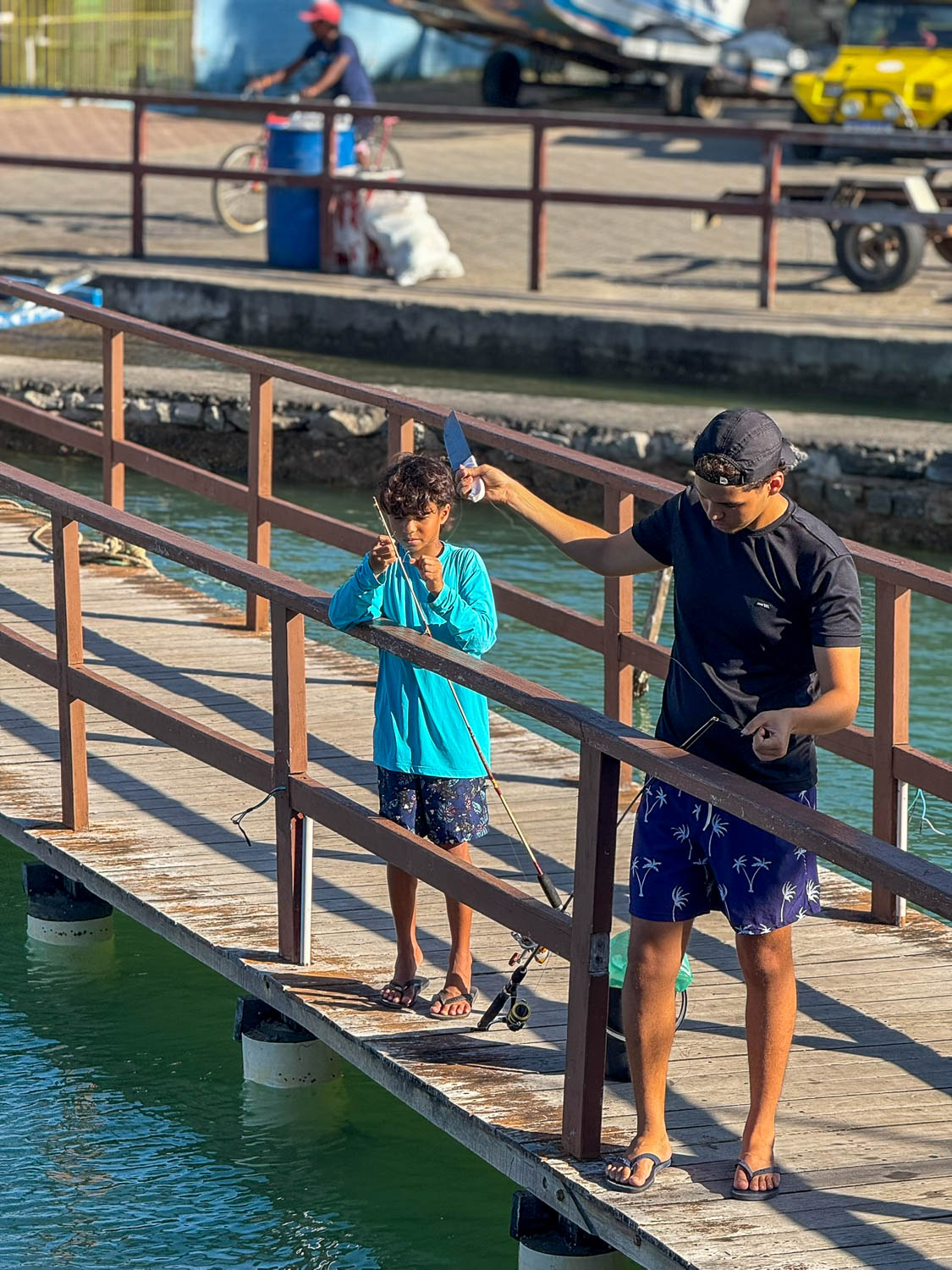
Less than 1.85mi (3km) north of Pajuçara Beach, you’ll come across Jatiúca Beach, a stretch of white sand that combines energy and elegance. This vibrant, urban stretch of golden-white sand is lined with coconut palms, beach bars, kiosks, and lively nightlife, and is popular amongst locals and visitors alike.
Who should stay near Jatiúca Beach?
Jatiúca is an excellent choice for couples, food lovers, and travelers who want to combine beach time with outstanding restaurants, boutique hotels, and a vibrant evening atmosphere. It offers easy access to neighboring beaches while providing one of Maceió’s best dining districts.
Fun fact. The name Jatiúca comes from Indigenous Tupi language roots, loosely linked to natural water features and coastal geography, reflecting how long this stretch of coastline has helped shape local life.
Jatiúca Beach is highly valued for its convenient access to high-end hotels and fine dining establishments, and offers both scenic beauty and city convenience. The beach is also popular amongst surfers (it has excellent waves), couples (it’s often seen as a romantic getaway), foodies (the beach sits alongside one of Maceió’s most food-focused districts), and promenaders (it’s a prime location for morning and evening seaside strolls).
Many visitors choose Jatiúca as their base because it combines beachfront relaxation with some of the city’s finest restaurants within walking distance.
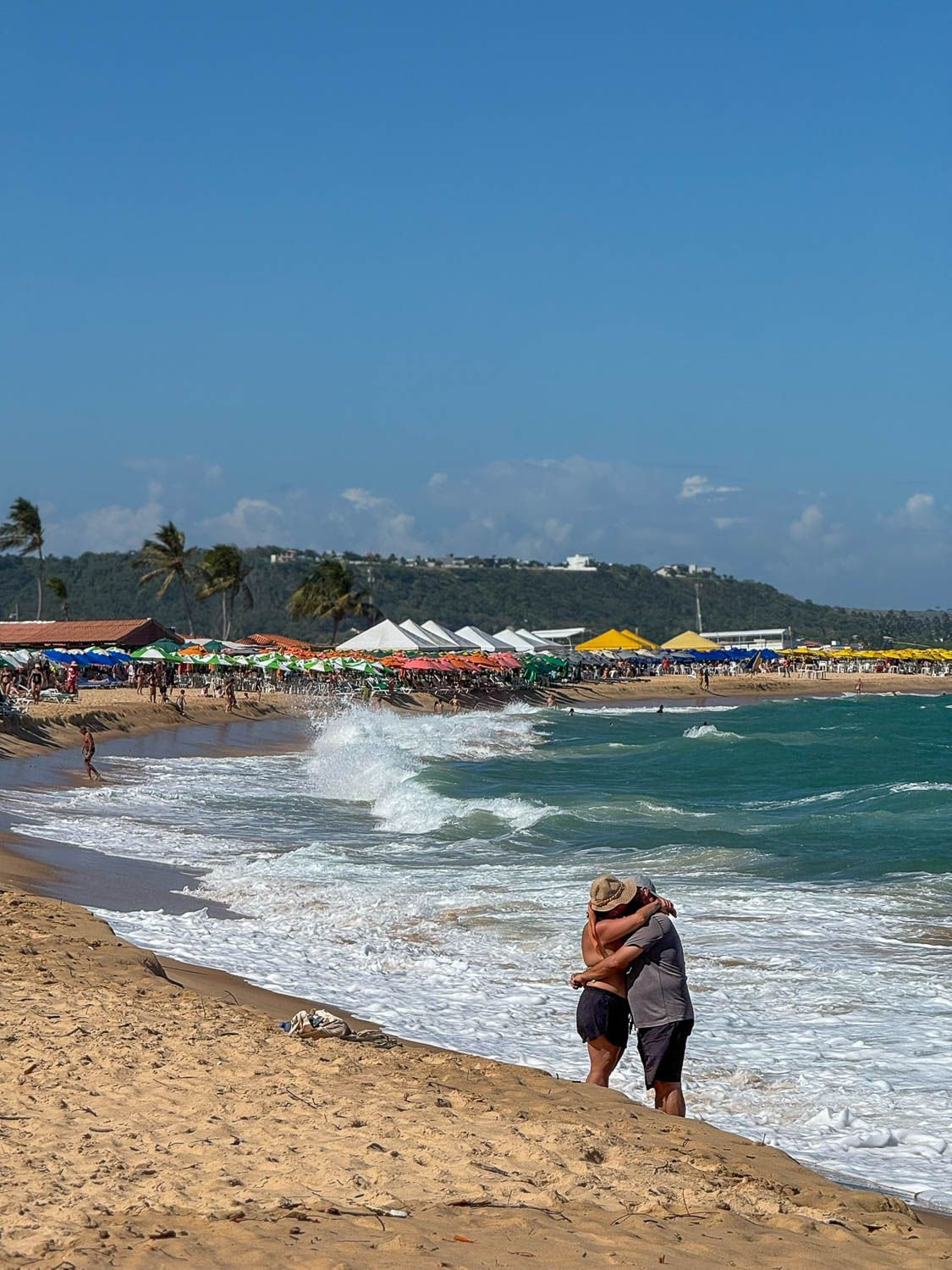
Insider tip. For a truly cultural experience in Maceió, visit Jatiúca in the early morning, when you’re most likely to encounter a mix of fishermen, runners, dog walkers, and beach football games – a chance to experience the rhythms of daily life in this neighborhood.
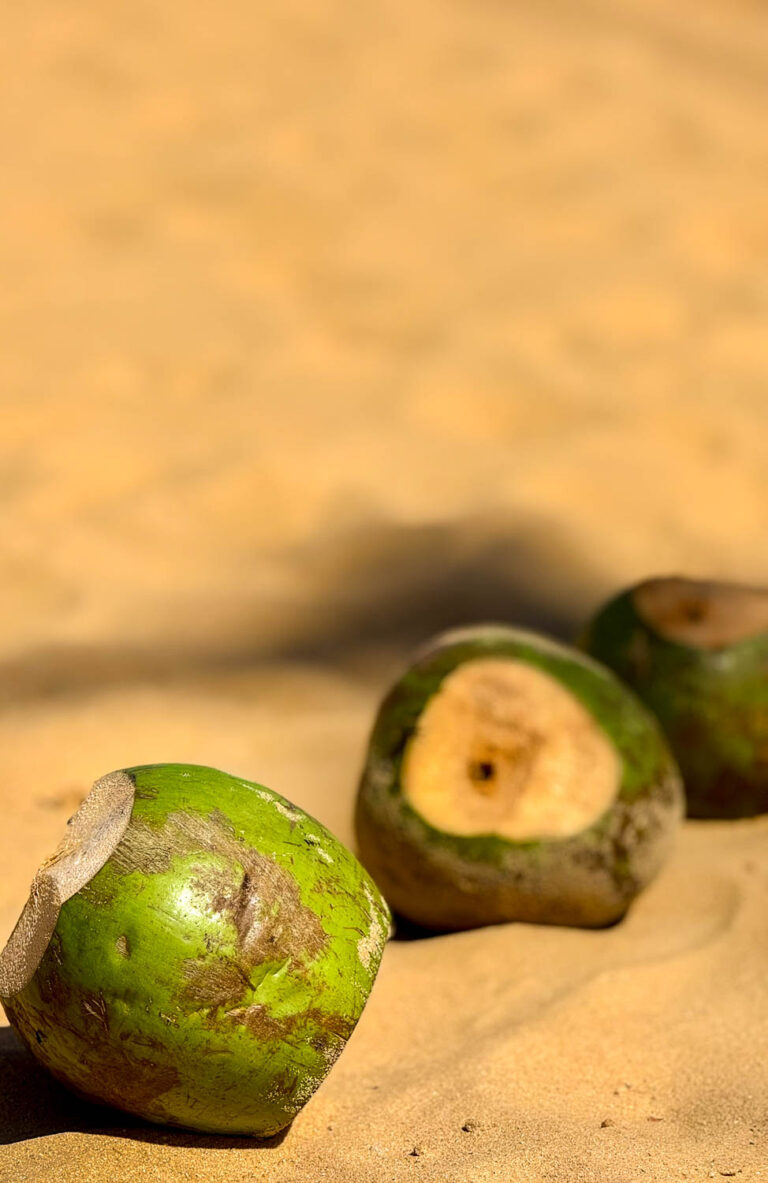
Fun fact. Coconut vendors along the beachfront here often source fruit locally from across Alagoas, tying beach culture directly to the region’s agricultural landscape.
Fun fact. The reef at Jatiúca Beach is thinner compared to neighboring beaches, resulting in stronger waves at high tide.
If your perfect vacation includes equal parts beach, great food, and evening strolls, Jatiúca is difficult to beat.
Praia de Cruz das Almas
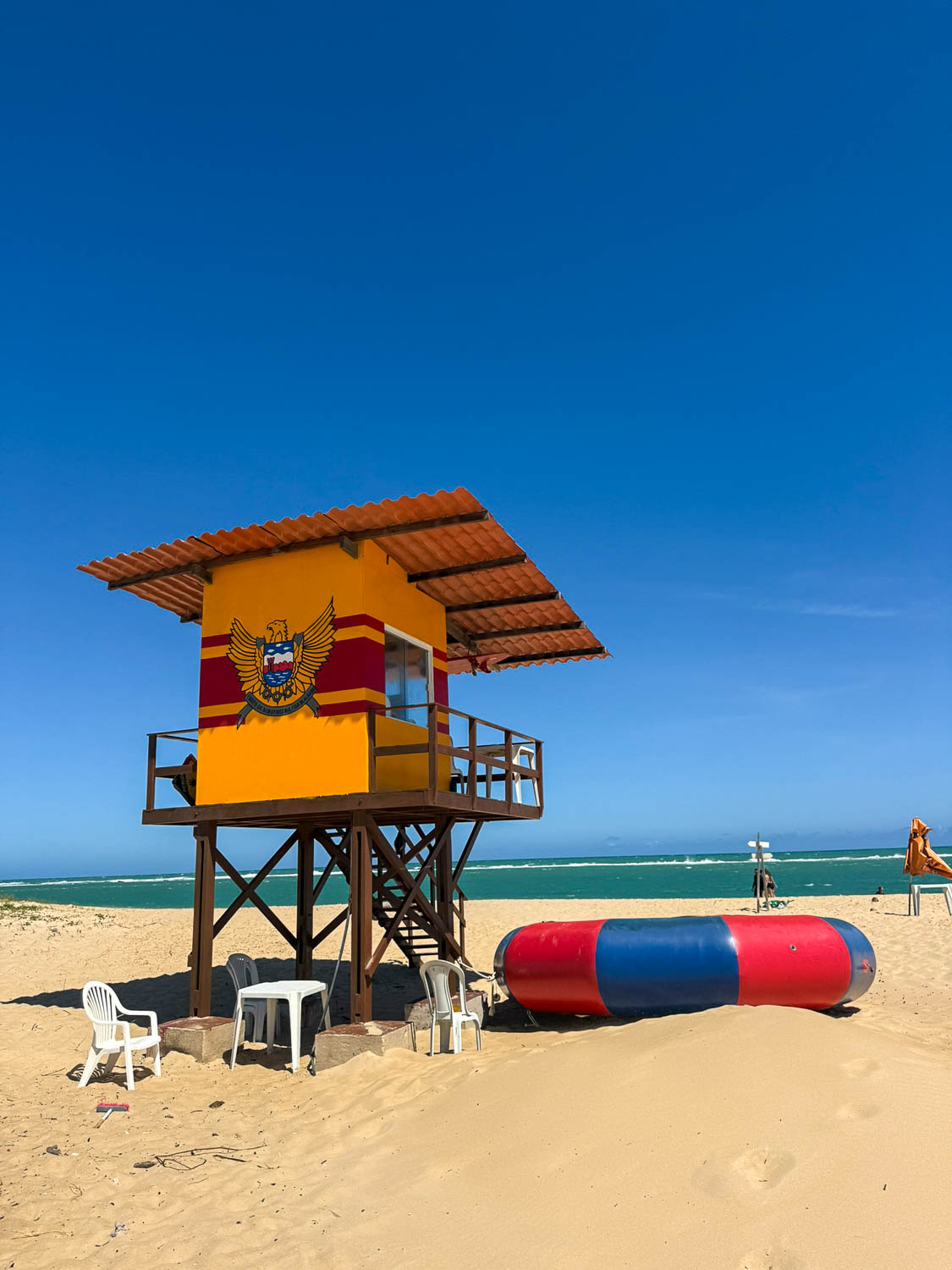
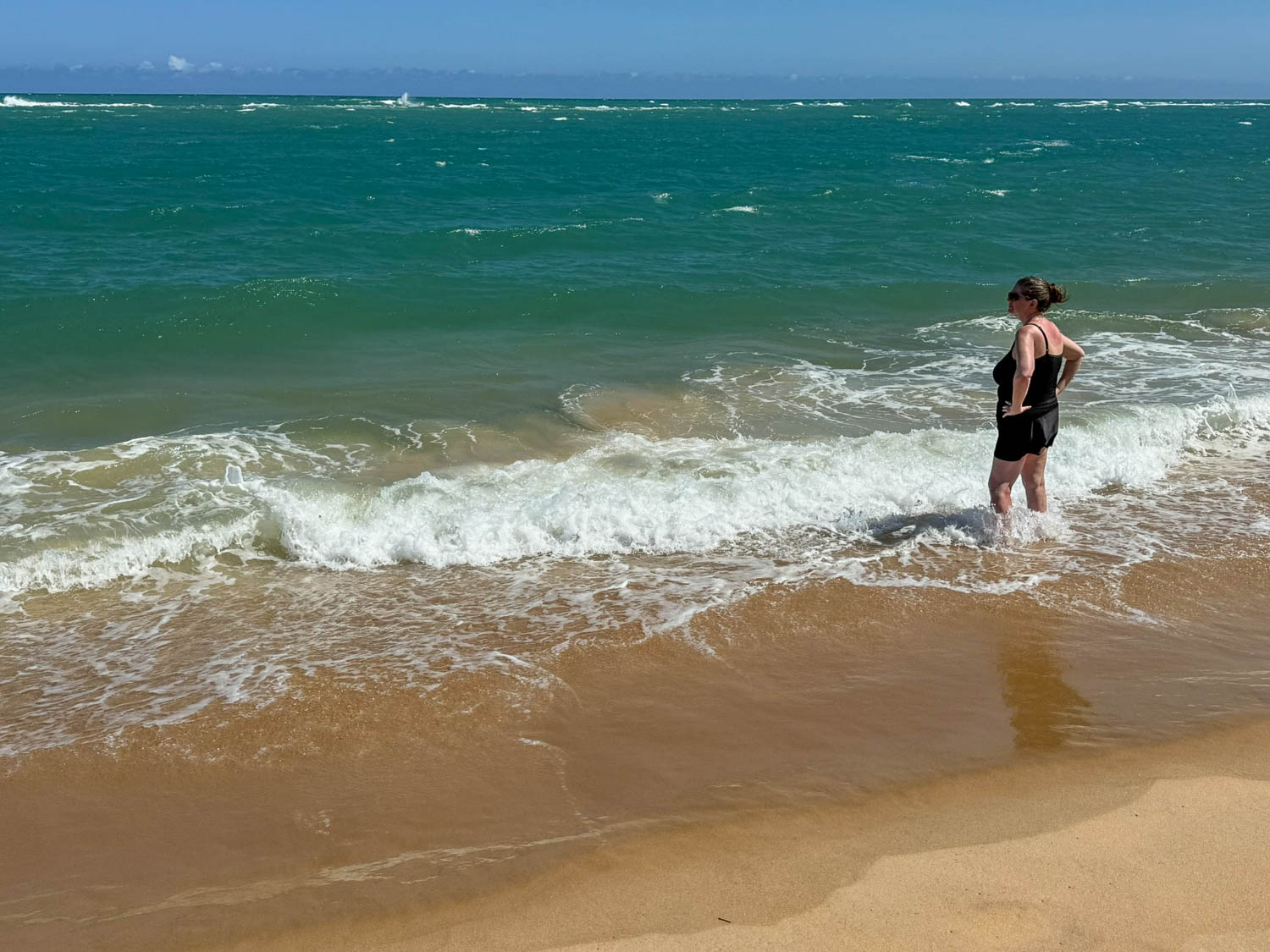
Praia de Cruz das Almas (Cruz das Almas Beach), less than a 25-minute walk north of Jatiúca Beach (it’s technically the same strip of white sand), offers adventure-seekers opportunities for windsurfing, kitesurfing, and surfing. That’s right, this beach is all about the waves: ideal (but also sometimes challenging) conditions especially for surfing, characterized by strong, consistent swells.
Is Cruz das Almas a good swimming beach?
Not usually. While Cruz das Almas is one of Maceió’s most scenic beaches, stronger waves, reefs, and changing sea conditions make it better suited to experienced surfers, kitesurfers, long beach walks, and travelers looking for a quieter, more natural stretch of coastline than for casual swimming.
The name “Cruz das Almas” might sound dramatic, but on a bright, breezy day, the beach itself feels anything but — all open skies, rolling waves, and sunlit sand here! That being said, at certain times of day the combination of wind and surf gives Cruz das Almas a noticeably different energy to its sandy neighbors — you’ll often hear the waves before you even see the shoreline. We love beaches like this!
Insider tip. Underwater reefs and rocks sit just offshore along sections of Cruz das Almas. As visibility can shift with tide, swell, and light conditions, be sure to enter the water slowly and pay attention to local safety flags and lifeguard guidance. Note that these reefs, together with the strong currents, make this beach less suitable for casual swimming.
Fun fact. The name “Cruz das Almas” translates roughly to “Cross of Souls”, reflecting historic religious naming traditions still visible across parts of northeastern Brazil.
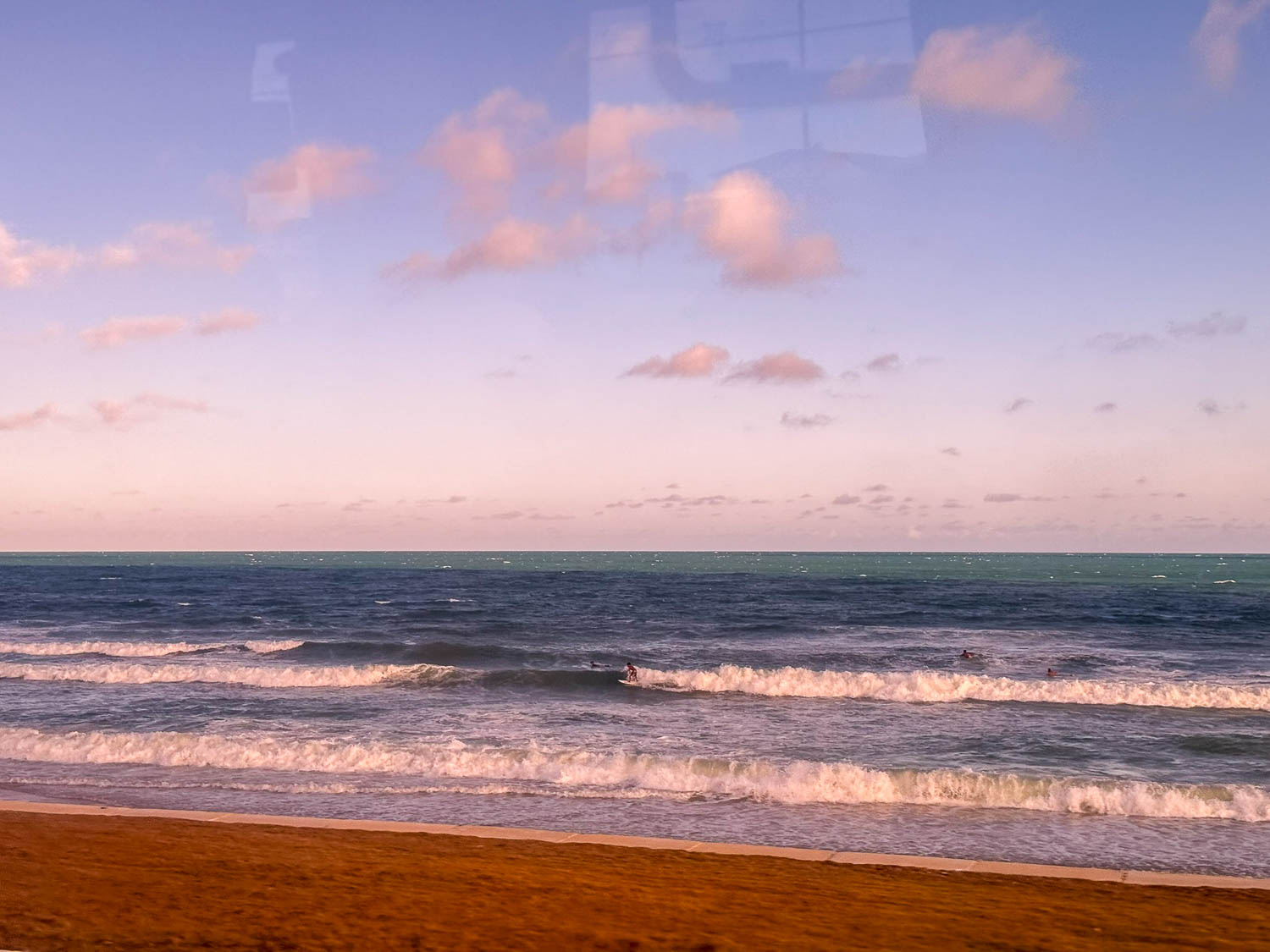
Unlike some of the busier, more tourist-centric beaches south, Cruz das Almas offers a more tranquil, laidback, rustic experience (think raw natural beauty – a bit more on the “wild side”, shall we say), but still with those famous turquoise waters and a palm-fringed backdrop. Parts of the shoreline also feature natural rock formations, creating constantly shifting patterns of foam, spray, and tidal pools.
And if you’re not into the big waves? No worries, because Cruz das Almas and its long, open stretch of sand is also an excellent place for taking scenic coastal walks.
For travelers seeking a quieter alternative to the city’s busiest beaches, Cruz das Almas offers a refreshing change of pace and a glimpse of Maceió’s wilder side.
Insider tip. The area around Cruz das Almas Beach is not heavily commercialized – for example, there aren’t many bars or restaurants – so if you plan to stay for the day, be sure to bring some drinks and snacks with you.
Praia de Gunga
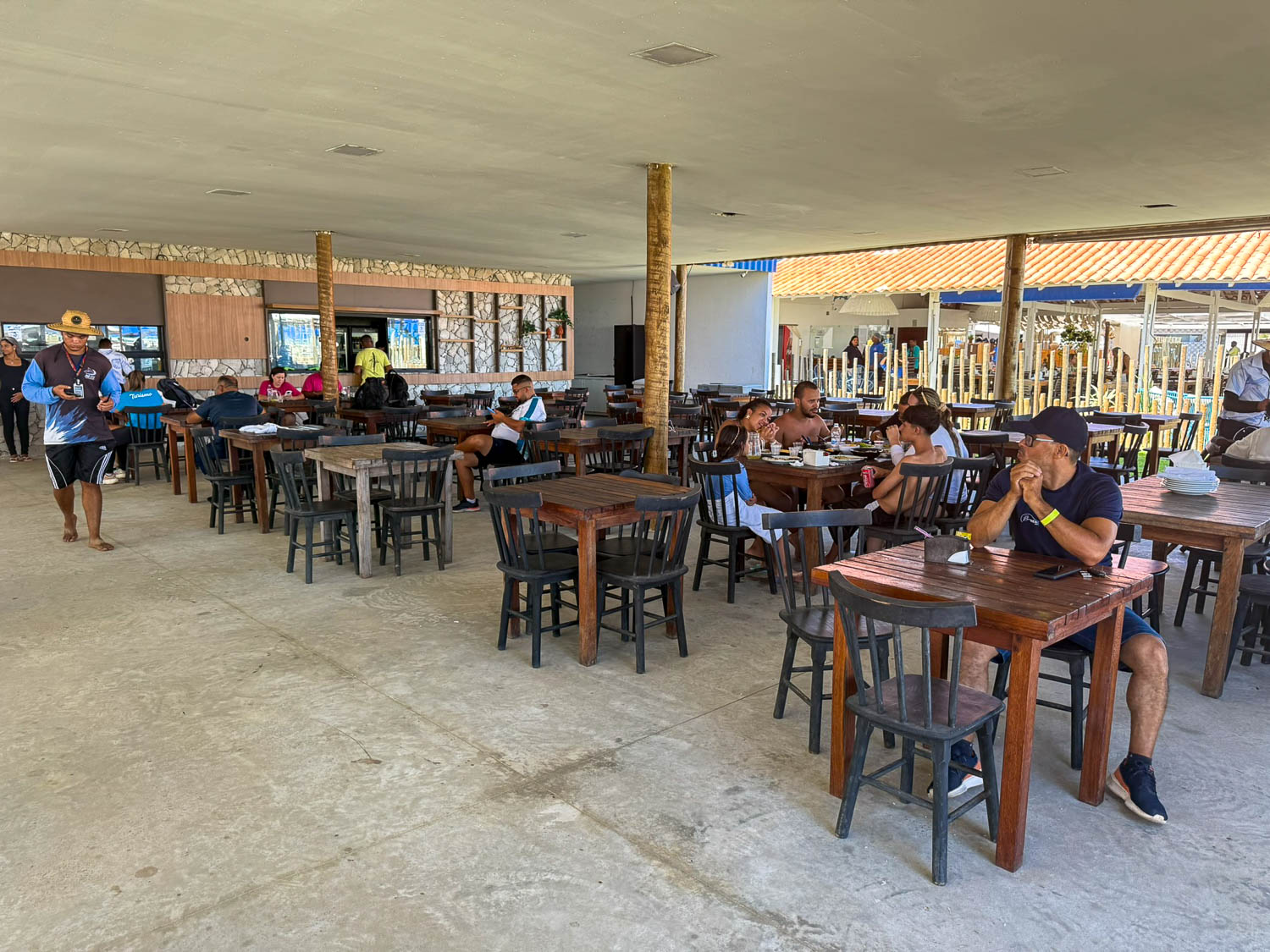
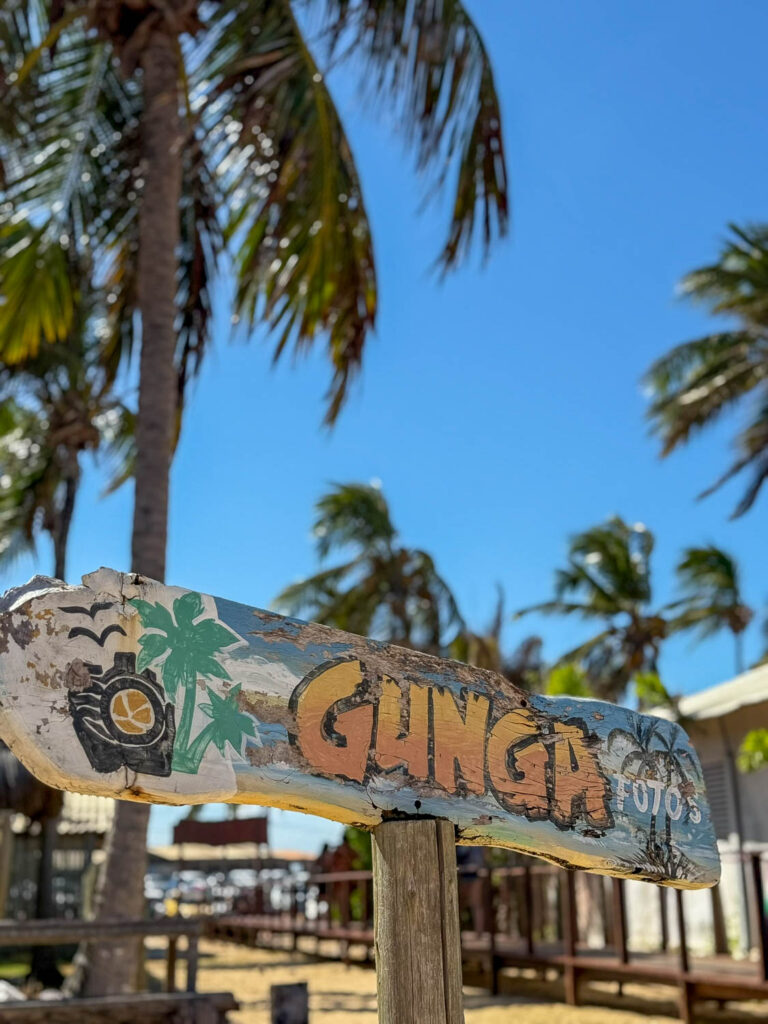
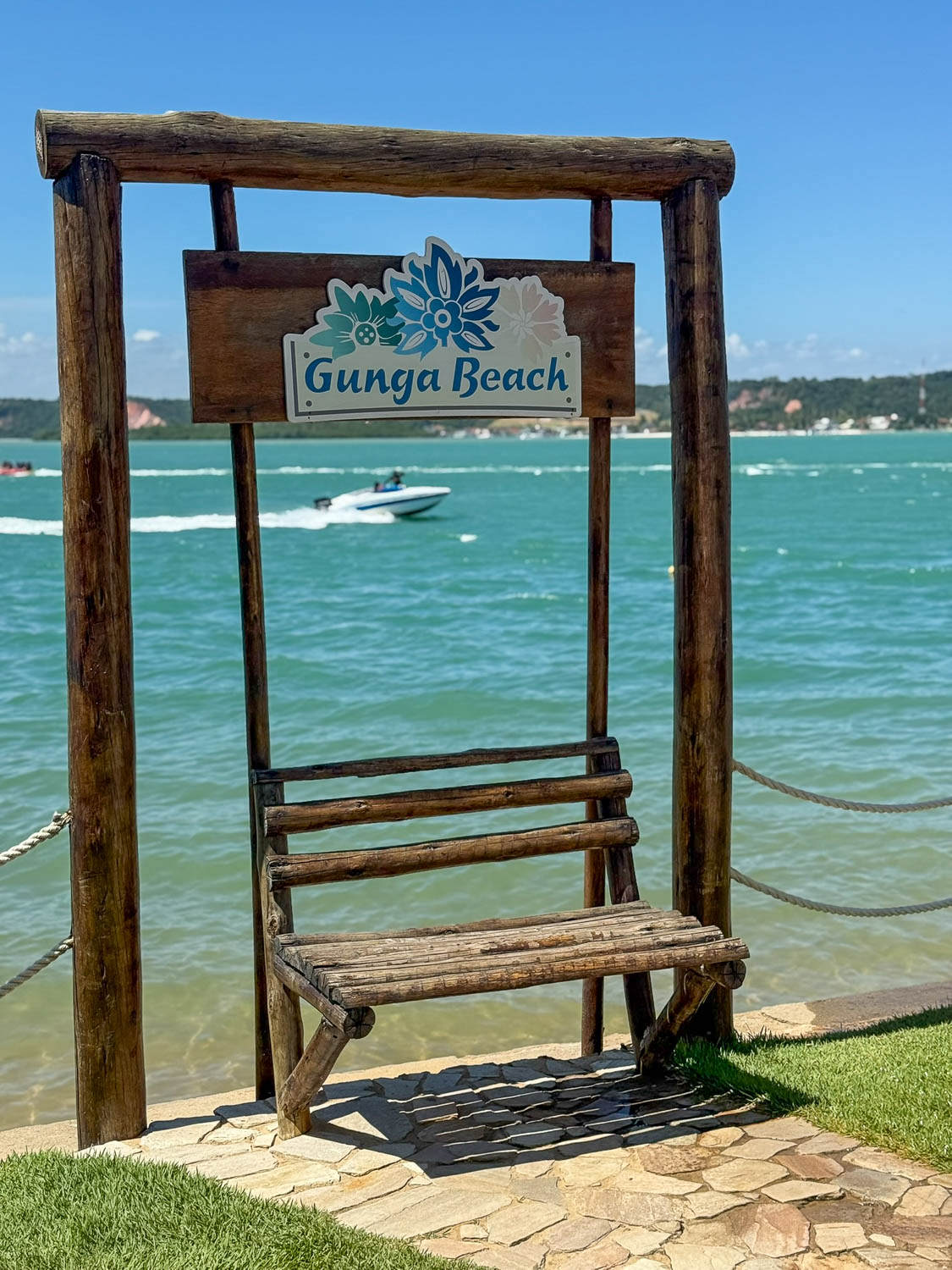
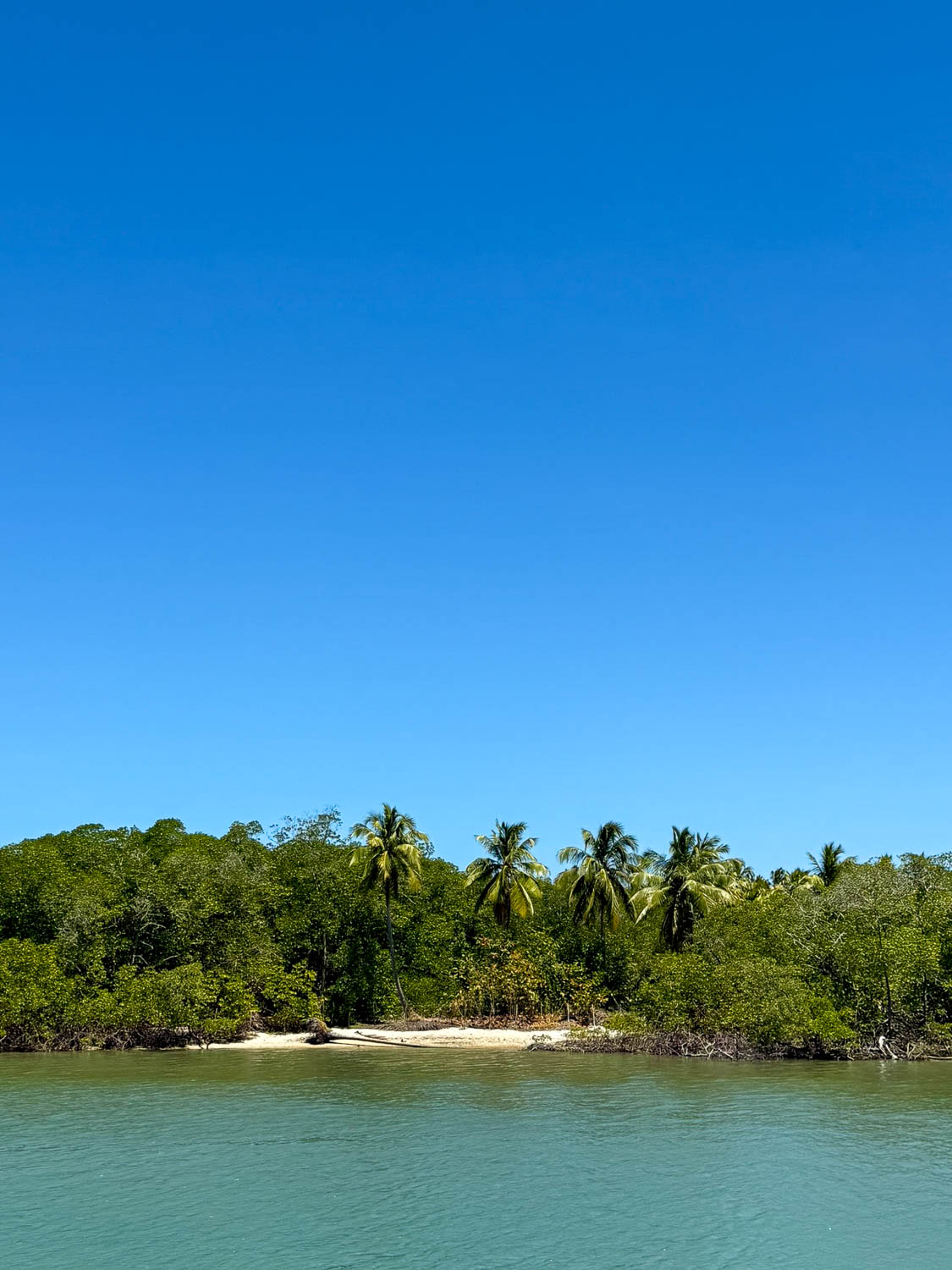
Although it’s a solid 45-minute drive southwest of Maceio, Gunga Beach is considered one of Brazil’s most beautiful beaches. It’s here on this narrow peninsula that you’ll find dense coconut tree (coqueiros) groves, stunning multicolored cliffs (Falésias do Gunga), and unique color-changing water that shifts with the tides between a deep blue and an emerald green. It’s also a very commercial, high-energy and popular tourist beach, complete with dozens of restaurants and bars.
Is Praia do Gunga worth a day trip?
Absolutely. Praia do Gunga combines spectacular scenery, colorful cliffs, coconut groves, water sports, and one of Brazil’s most photographed beaches into a single destination. If your itinerary allows just one beach day beyond the city, this is our top recommendation.
Fun fact. The falésias close to Gunga Beach display layered bands of red, orange, and gold sediment, all formed over thousands of years.
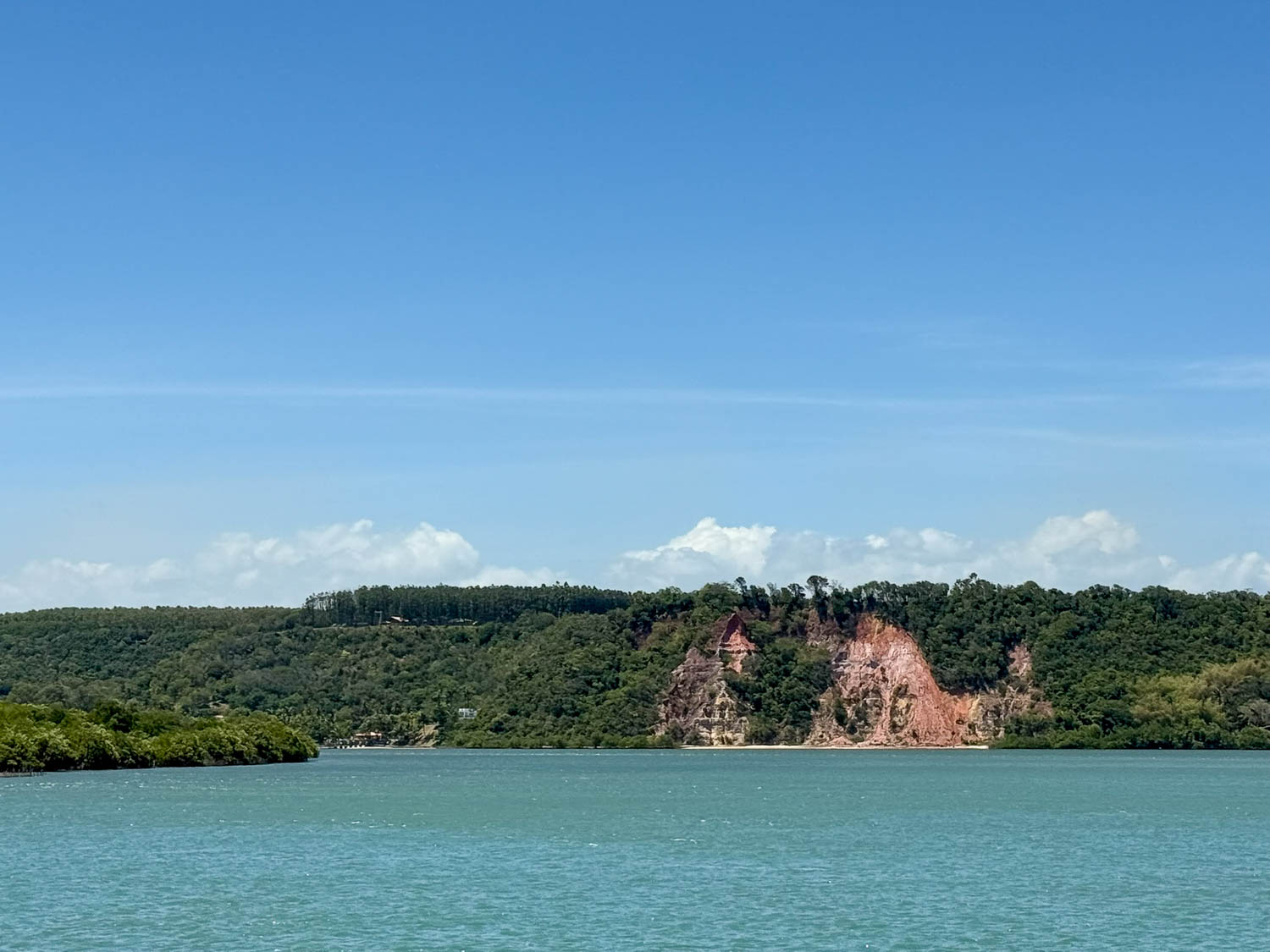
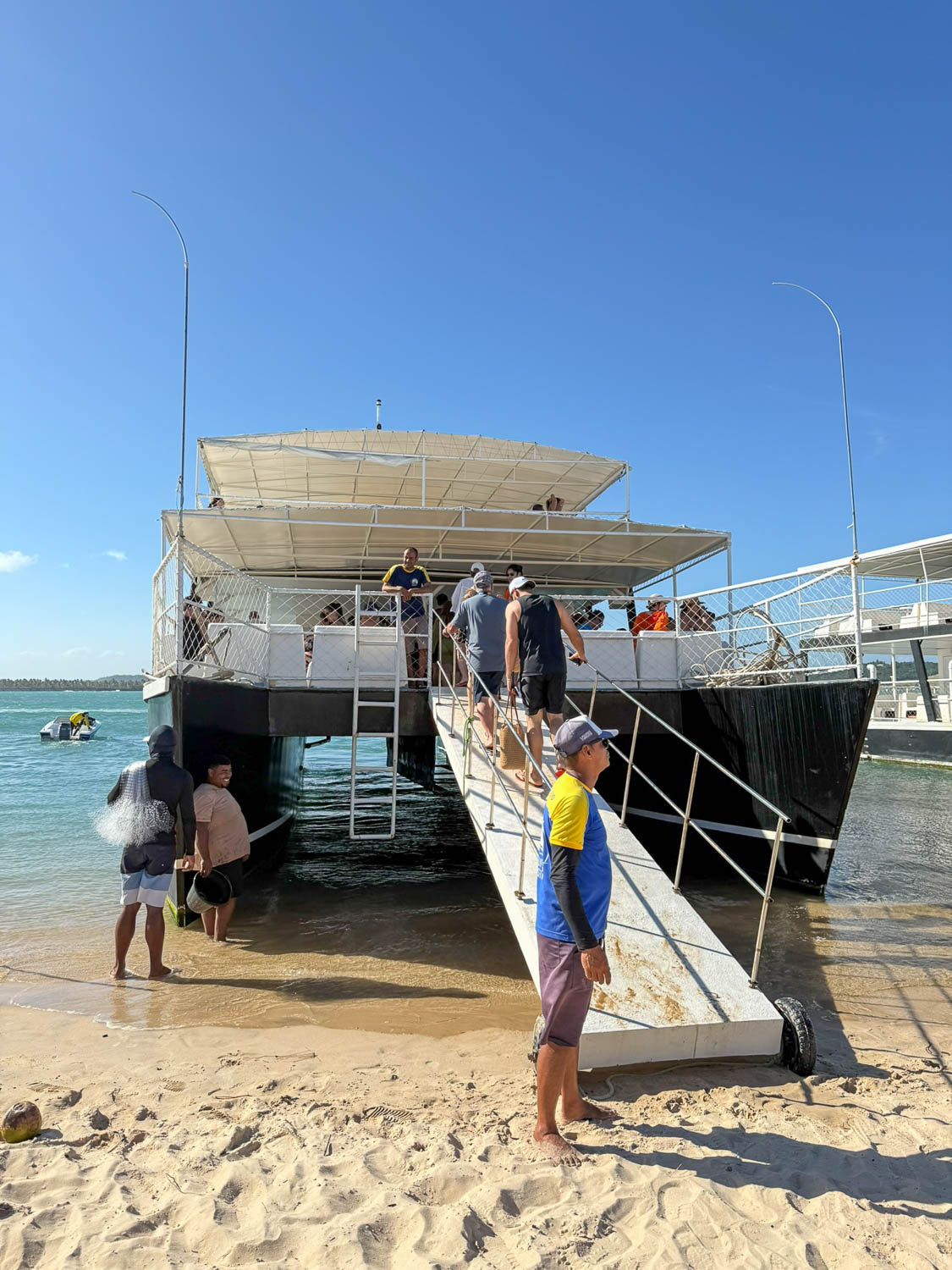
Insider tip. One of the best ways to reach Gunga Beach is with an organized tour. Most tours will make the drive south from Maceió to Barra de Sao Miguel, where you’ll board a sloop boat and make the traditional crossing through Lagoa do Roteiro to access the beach.
Fun fact. Local Brazilian folklore and storytelling are strongly tied to Lagoa do Roteiro and the fishing communities that developed along this part of the coast. These tales, passed down through generations, often center around spirits said to inhabit the lagoon’s still, reflective waters.
If you arrive at Gunga by road, be sure to stop at Mirante do Gunga, only five minutes before reaching the beach. This famous viewpoint affords travelers a panoramic, postcard-perfect view of the towering coconut forest and Atlantic Ocean spread out in front. If you’re feeling super energetic, it’s also possible to walk here from the beach, by way of either the paved road (very steep!) or along a sandy path, generally accessed as part of a hiking or buggy tour through the coconut groves (you can easily sign up for these buggy tours once you’ve arrived at the beach – there’s literally hundreds of them!). Note there is a small fee to access the viewpoint.
Insider tip. If you’ve arrived at Gunga Beach independently by road, note that access usually requires a small fee (separate from the one for the viewpoint). The reason for the fee is that you’re passing through a private coconut plantation (pretty neat!), and this income supports its maintenance.
Without question, Gunga Beach is a hub for adventure and fun. If those buggy rides aren’t your thing (or if you’ve already tried it and are ready to move on to the next adventure), there’s also quad bike tours along the cliffs, speedboats that will take you out to natural pools, banana boating, jet skiing, parasailing, and even ultralight flights (Beck didn’t have a chance to try these during this particular visit, but you can be assured she wanted to!).
Travelers looking for a slower pace can also simply relax beneath a beach umbrella, enjoy fresh seafood, or alternate between the Atlantic Ocean and the calmer waters of Lagoa do Roteiro throughout the day.
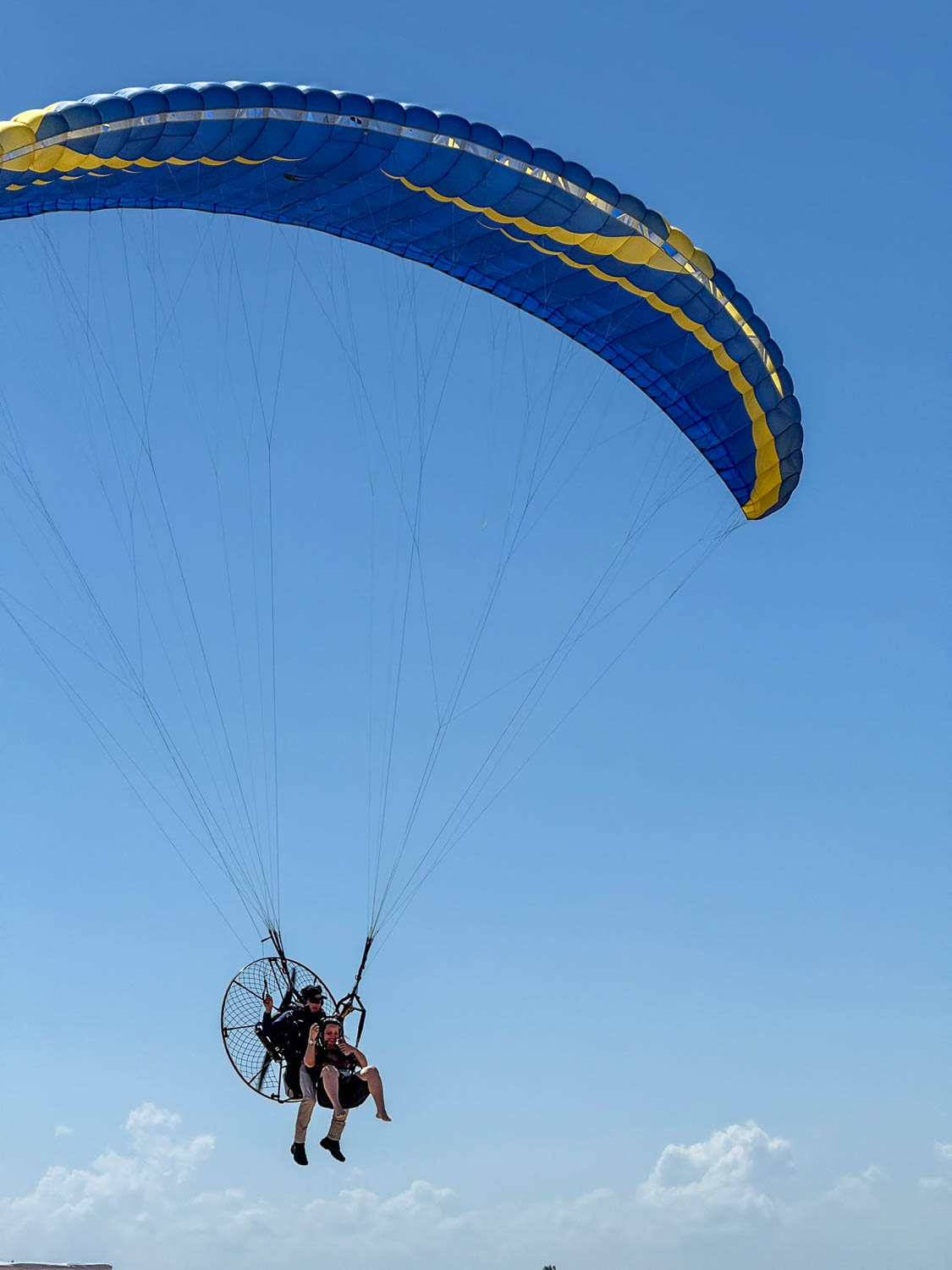
Insider tip. Gunga Beach can get very crowded indeed. Consider visiting on a weekday or in the early mornings to avoid peak times. Also consider consulting information on whether or not large cruise ships are in port: most cruise lines offer popular excursions to Gunga and these groups can soon take over most of the beach area (yes, we were part of one of those groups!).
Insider tip. The water facing Lagoa do Roteiro offers calmer swimming conditions. You’ll notice many visitors alternate between the ocean and lagoon areas during the same visit.
Insider tip. Make sure you take with you plenty of sun protection. Sun exposure builds quickly at Gunga, and shade is limited once you move away from the beach bar areas.
Although Gunga is the busiest beach featured in this guide, its dramatic scenery easily explains why it remains one of the highlights of any visit to the Alagoas coastline.
Which Beach Is Right for You?
Still deciding? Here’s our quick guide.
- Choose Praia de Pajuçara if visiting the famous natural pools and riding a traditional jangada tops your bucket list.
- Choose Praia de Ponta Verde if you enjoy calm water, stand-up paddleboarding, stylish beach kiosks, and evening walks along the promenade.
- Choose Jatiúca if excellent restaurants, nightlife, boutique hotels, and beach convenience matter most.
- Choose Cruz das Almas if you prefer stronger surf, fewer crowds, and a more rugged coastal landscape.
- Choose Praia do Gunga if you’re looking for a full-day adventure featuring spectacular scenery, buggy rides, colorful cliffs, and unforgettable views.
The good news? Because many of these beaches sit relatively close together, you don’t have to choose just one. One of the great joys of visiting Maceió is experiencing how each stretch of coastline reveals a completely different personality.
Final Thoughts
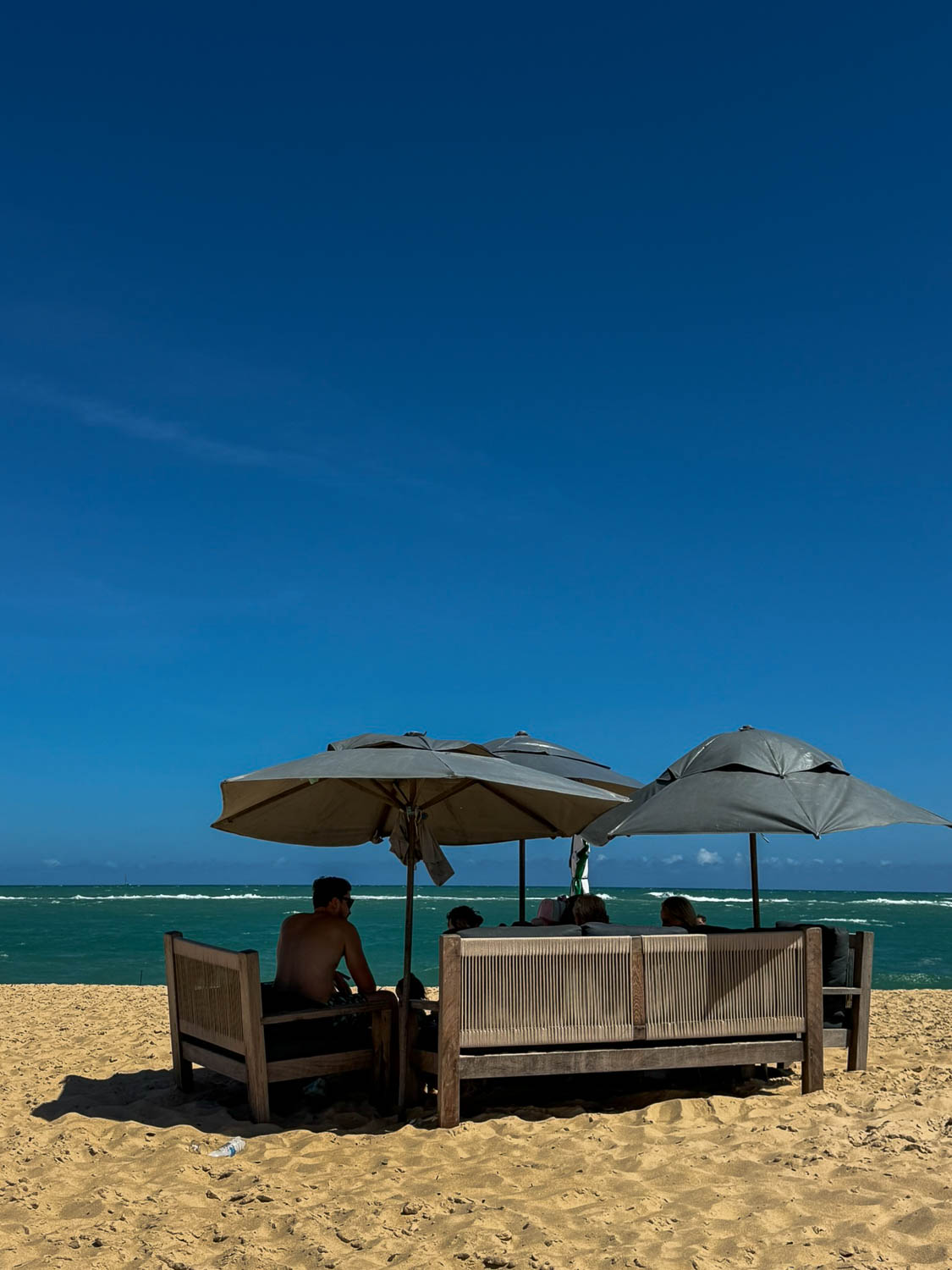
From lively, centrally located stretches of sand to more rugged, wave-shaped sections of coastline, there’s a reason Maceió’s beaches are known as the “Caribbean of Brazil” – all within easy reach of the historic center.
Whether you’re visiting Maceió for two days or an entire week, you’ll quickly discover that no two beaches feel exactly alike. That’s part of the magic of exploring this remarkable stretch of Brazil’s northeastern coast.
Across this stretch of coast, some beaches are ideal for snorkeling in shallow waters and natural pools at low tide. Others are known for stylish beach kiosks and long seaside promenades. A few draw surfers and kitesurfers chasing stronger swells … and then there’s Praia do Gunga — a dramatic peninsula of coconut groves and multicolored cliffs, often considered one of Brazil’s most beautiful beaches.
What is the best beach in Maceió?
There’s no single correct answer. Praia de Pajuçara is ideal for first-time visitors and natural pools, Ponta Verde blends city life with calm swimming, Jatiúca shines for dining and nightlife, Cruz das Almas appeals to surfers and photographers, while Praia do Gunga delivers one of Brazil’s most unforgettable beach day trips.
These turquoise-colored waters are home to jangadas, iconic lighthouses, tidal pools, barracas, buzzing beachfront promenades, water sports enthusiasts, and an abundance of coconut trees swaying gently in the warm ocean breeze. We think they’re well worth the visit.
Are you ready to pack your beach bag (don’t forget the sunscreen!), follow the tide, and set your sights on Brazil’s most vibrant stretch of coastline? Your own favorite piece of sand in Maceió is waiting — and we’ll be right here to help you get started.
FAQs
What are the best beaches in Maceió, Brazil?
The best beaches in Maceió include Praia de Pajuçara, Praia de Ponta Verde, Jatiúca Beach, Praia do Gunga, and Praia do Francês. Each offers a different experience, from calm natural pools and family-friendly swimming to surfing, beach bars, and dramatic coastal scenery. If it’s your first visit, start with Pajuçara and Ponta Verde before exploring the surrounding coastline.
When is the best time to visit the beaches in Maceió?
The best time to enjoy the beaches in Maceió is during the dry season, generally from August through March. Many travelers prefer October through January, when rainfall is lower, humidity is more comfortable, and the turquoise waters are often at their clearest. If you plan to visit the natural pools, always check the local tide tables and aim for low tide.
Are Maceió’s natural pools worth visiting?
Absolutely. The natural pools at Praia de Pajuçara are one of Maceió’s signature attractions. Reached by traditional jangada boats during low tide, they offer calm, shallow crystal-clear water that’s perfect for swimming, snorkeling, and enjoying one of the most memorable experiences along Brazil’s northeastern coast.
Which beach in Maceió is best for families?
Families will generally enjoy Praia de Pajuçara and Praia de Ponta Verde the most. Both offer relatively calm water, good beach facilities, nearby restaurants, and easy access from the city. Praia do Francês is another excellent option because its protected side provides gentle swimming conditions for children when the sea is calm.
Is Praia do Gunga worth a day trip from Maceió?
Yes. Praia do Gunga is one of the most popular day trips from Maceió thanks to its spectacular scenery, coconut groves, colorful cliffs, and wide range of activities. Whether you choose a buggy tour, kayaking, paddleboarding, or simply relaxing on the beach with fresh seafood, it’s one of the highlights of visiting the Alagoas coastline.
Explore More Of Maceio, Brazil
-
Maceio Day Trips: Beaches, Natural Wonders, and Nearby Escapes
Maceio Day Trips offer the perfect way to experience more of Alagoas beyond the city. Discover pristine beaches, coral reefs, charming fishing villages, the São Francisco River, and unforgettable coastal adventures, all within an easy drive of Maceió.
-
Things to Do in Maceio Historic Center: A Guide to the Old Town
Discover the best things to do in Maceio Historic Center, from museums and historic landmarks to the Cathedral, Deodoro Theater, and colorful Jaraguá district.
-
Shopping in Maceio, Brazil: A Guide to Markets, Malls, and Local Finds
Looking for the best shopping in Maceio? Explore artisan markets, traditional Alagoas handicrafts, beachfront stalls, and modern shopping malls throughout Brazil’s beautiful coastal capital.
-
Is Maceio Safe for Tourists? Beach and Street Smart Tips
Is Maceió safe? Discover what travelers should know about safety in Maceió, including the safest areas to stay, beach and street-smart tips, and simple precautions that help visitors enjoy one of Brazil’s most beautiful coastal destinations with confidence.
-
Maceio Brazil: Best Things To Do + Travel Guide
Maceio, Brazil is one of the country’s most beautiful coastal destinations, known for turquoise waters, natural pools, palm-lined beaches, and easy access to the stunning Coral Coast. This guide covers the best things to do, top beaches, day trips, local cuisine, where to stay, and practical travel tips for planning your visit.