Rwanda isn’t just the Land of a Thousand Hills. And it isn’t all about trekking with endangered mountain gorillas (though if we’re being honest here, that’s a pretty darn neat thing to do!). It’s also the land of a thousand flavors.
Tucked into the heart of East Africa, this small landlocked country quietly delivers some of the most comforting and soulful meals you may ever encounter. Like us, you may find that exploring Rwandan cuisine isn’t just about discovering its traditional dishes and savoring its mouthwatering diversity of flavors: it’s also about sitting elbow-to-elbow with Rwandan people, sharing stories and laughter over bowls of boiled beans, and discovering a deeper sense of connection through food.
Indeed, if you’re anything like us — a little bit grit, a little bit glam — you’re not just chasing flavors; you’re chasing experiences. And Rwandan cuisine? There’s no question about it: it’s full of heart, history, and home.
Permit us to share with you our guide to the varying cuisine of Rwanda, served with cultural insight, a splash of inspiration, a whole lot of flavor … and maybe, just maybe, even a cooking class or two.
Quick Tips
Here are some insider tips to help you make the most of your visit to Rwanda and fully enjoy its rich and flavorful cuisine.
- Sharing food is an important cultural custom in Rwanda, and meals are often eaten by hand.
- Lunch is traditionally the biggest meal of the day, whilst dinner is lighter and often eaten late.
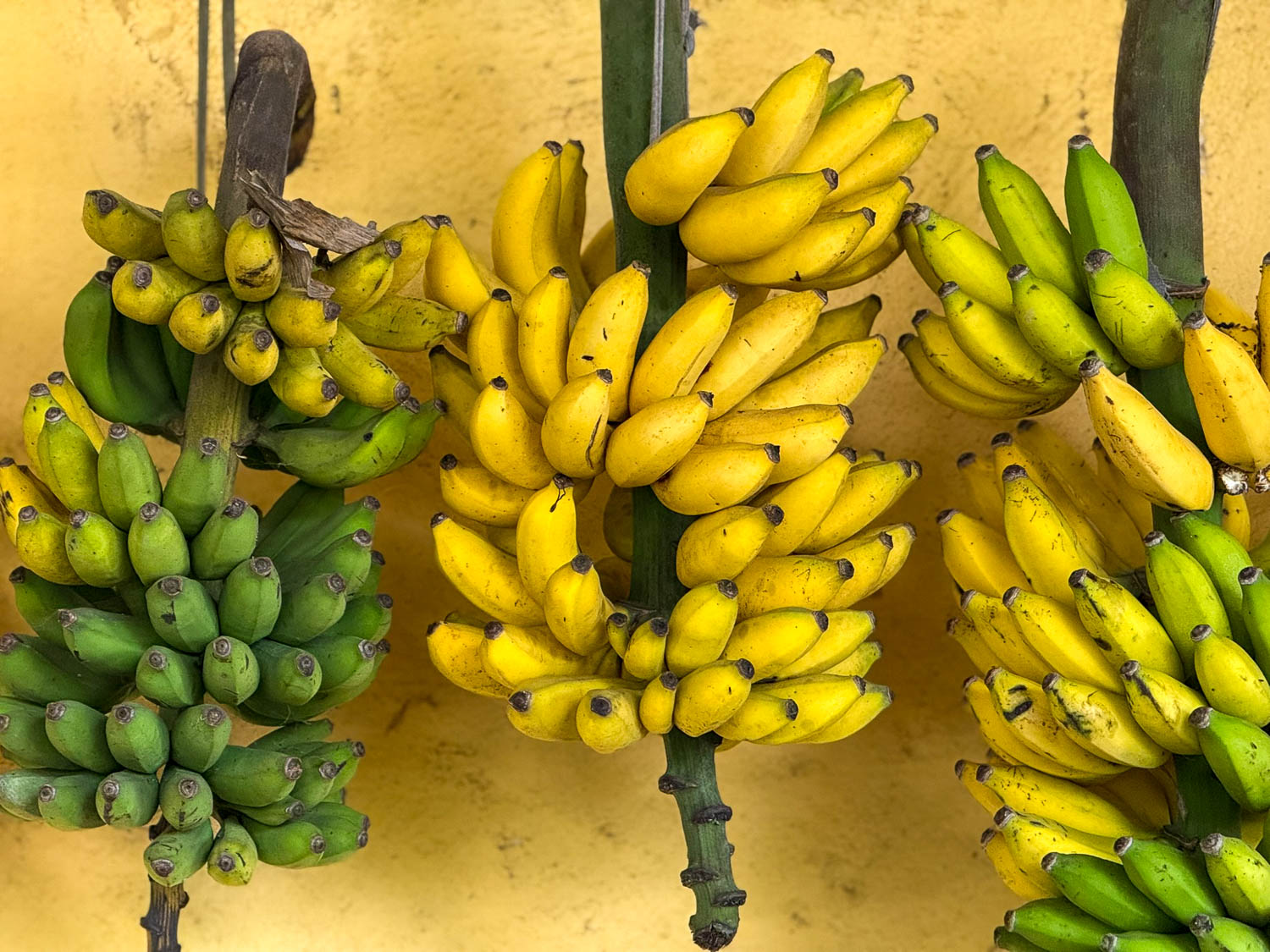
- The foundation of Rwandan cuisine is fresh, local staples – think beans, cassava, plantains, bananas, peas, and sweet potatoes.
- Meat is eaten more frequently in larger cities like Kigali, but vegetables and pulses remain the backbone of daily Rwandan meals.
- Avocados are abundant, delicious, and extremely affordable.
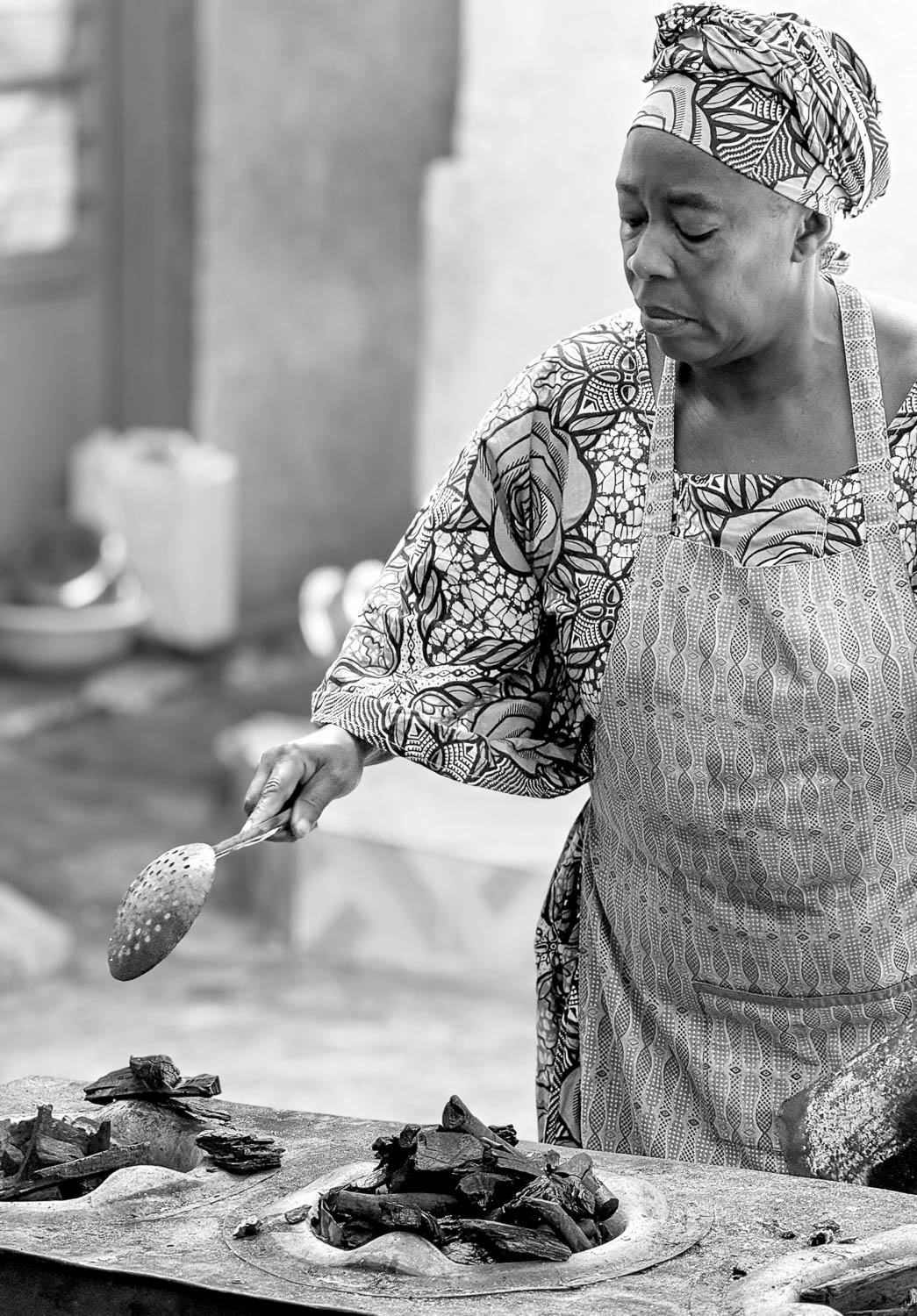
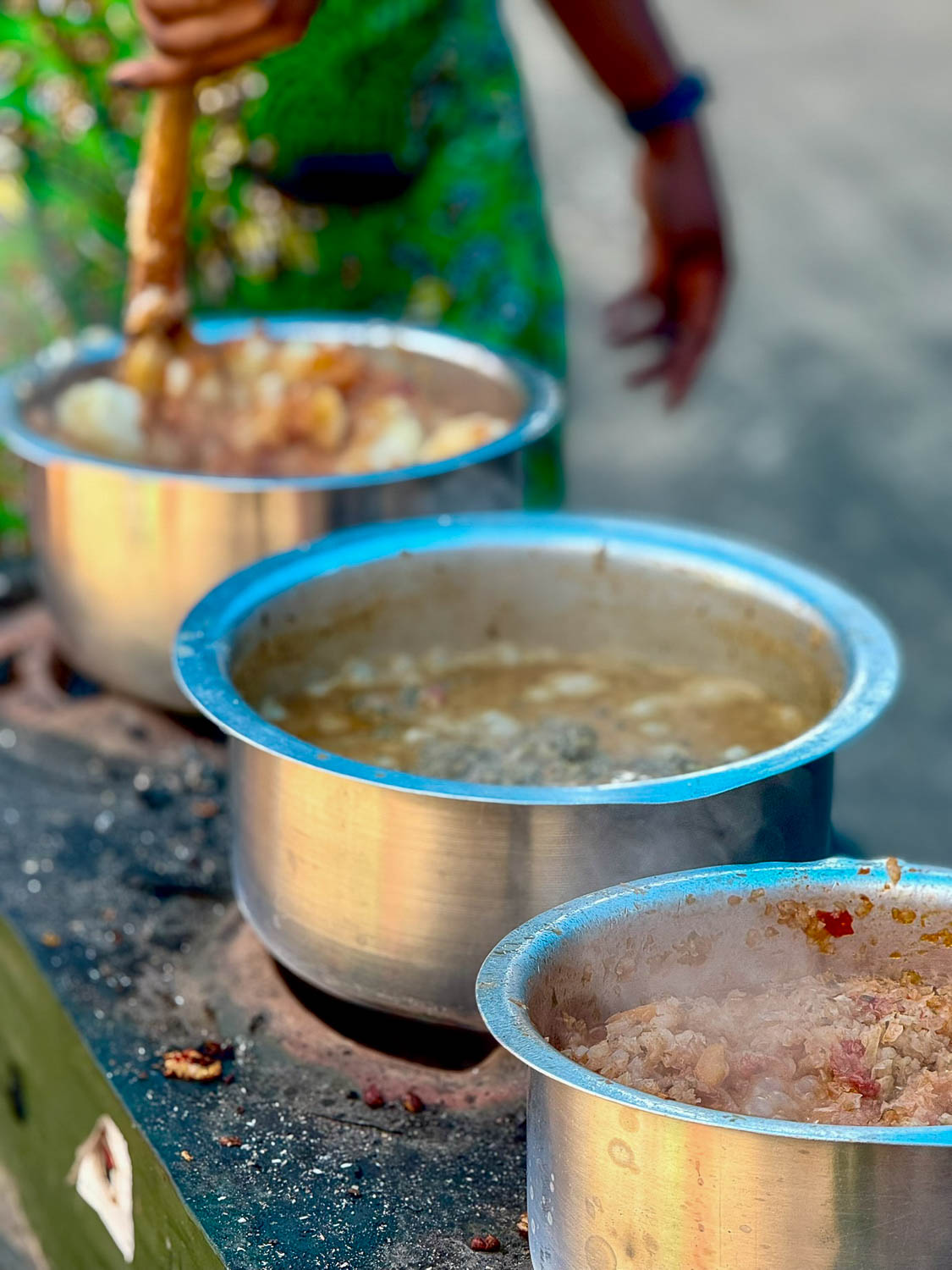
- Cooking is conducted mostly over wood fires.
- Must-try dishes include Isombe, Agatogo, brochettes, Akabenzi, and Mizuzu.
- Popular Rwandan drinks include milk, fruit juices, local teas, and traditional banana or sorghum beers.
Follow these tips, and you’ll be ready to experience and savor the best of Rwandan cuisine.
Plan Your Trip
Some of the links in this post might earn us a small commission if you make a purchase – but don’t worry, it won’t cost you anything extra! Supporting us this way helps us continue sharing our best travel content and tips. See our full disclosures for details. Thanks a million, and happy travels!
Planning to visit Rwanda? Take advantage of the following resources curated just for you.
Book Your Rwanda Adventure Now!
Prefer additional options? Click below to discover more incredible experiences tailored just for you!
Choose from top Attractions and Activities in Rwanda.
Looking for more travel essentials?
Check out our top picks below. For additional trusted tools, gear, and resources we personally use, visit our Travel Resources page to make planning your adventure effortless.
Rwandan Cooking Ingredients: An Introduction
The Staples
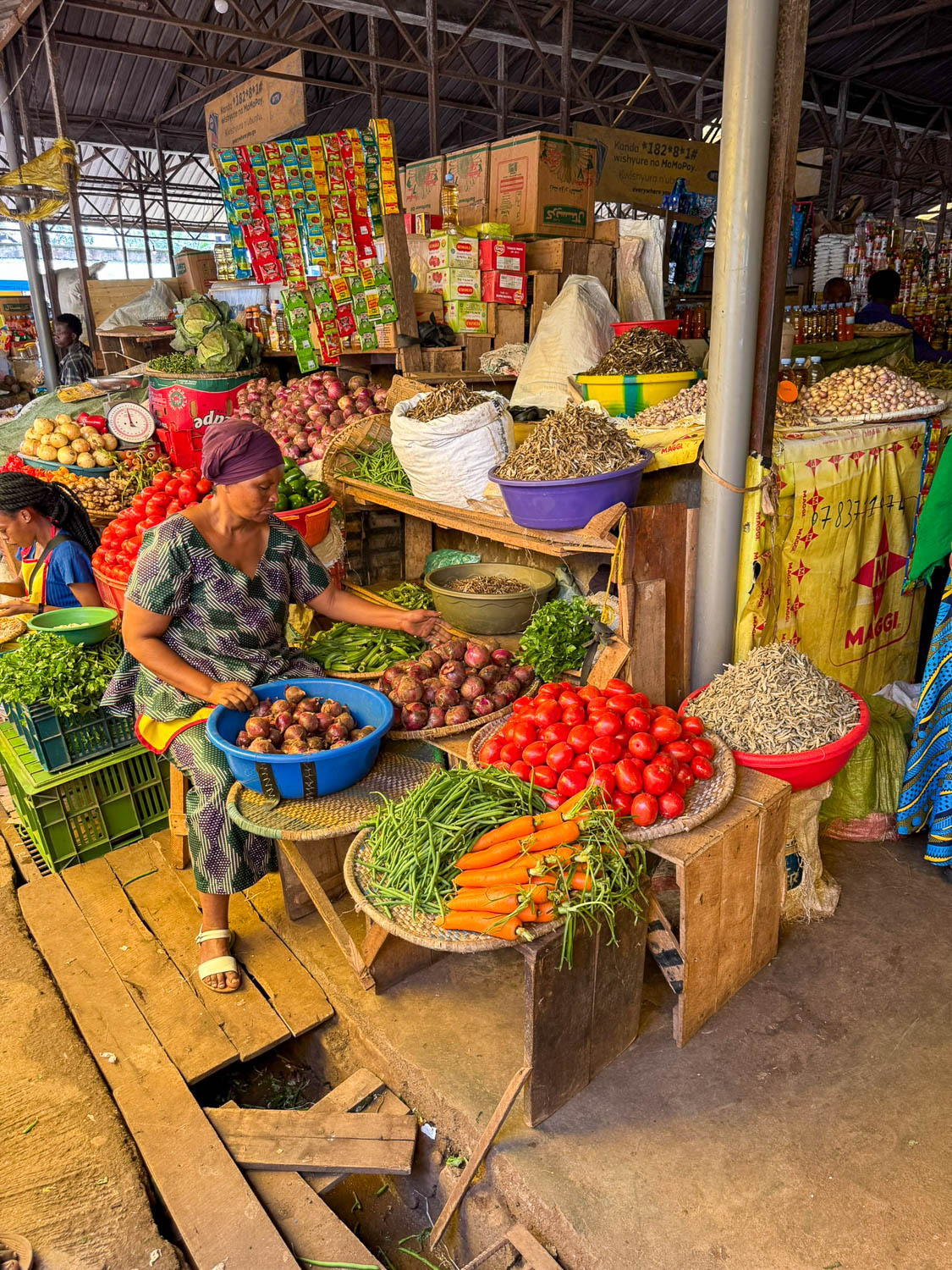
The foundation of the Rwandan diet is beautifully simple: local staple foods produced through traditional subsistence-level farming. In essence, anything and everything that’s grown locally: cassava, corn, bananas and plantains, peas, beans and other pulses, and sweet potatoes. You won’t find overly processed foods in Rwanda — it’s all about fresh vegetables, humble ingredients, and traditional meals passed down through the generations.
Fun fact. In recent times, meat consumption has increased – particularly in urban areas like Kigali, where a much wider variety of international cuisine can now be found.
Healthy Fats
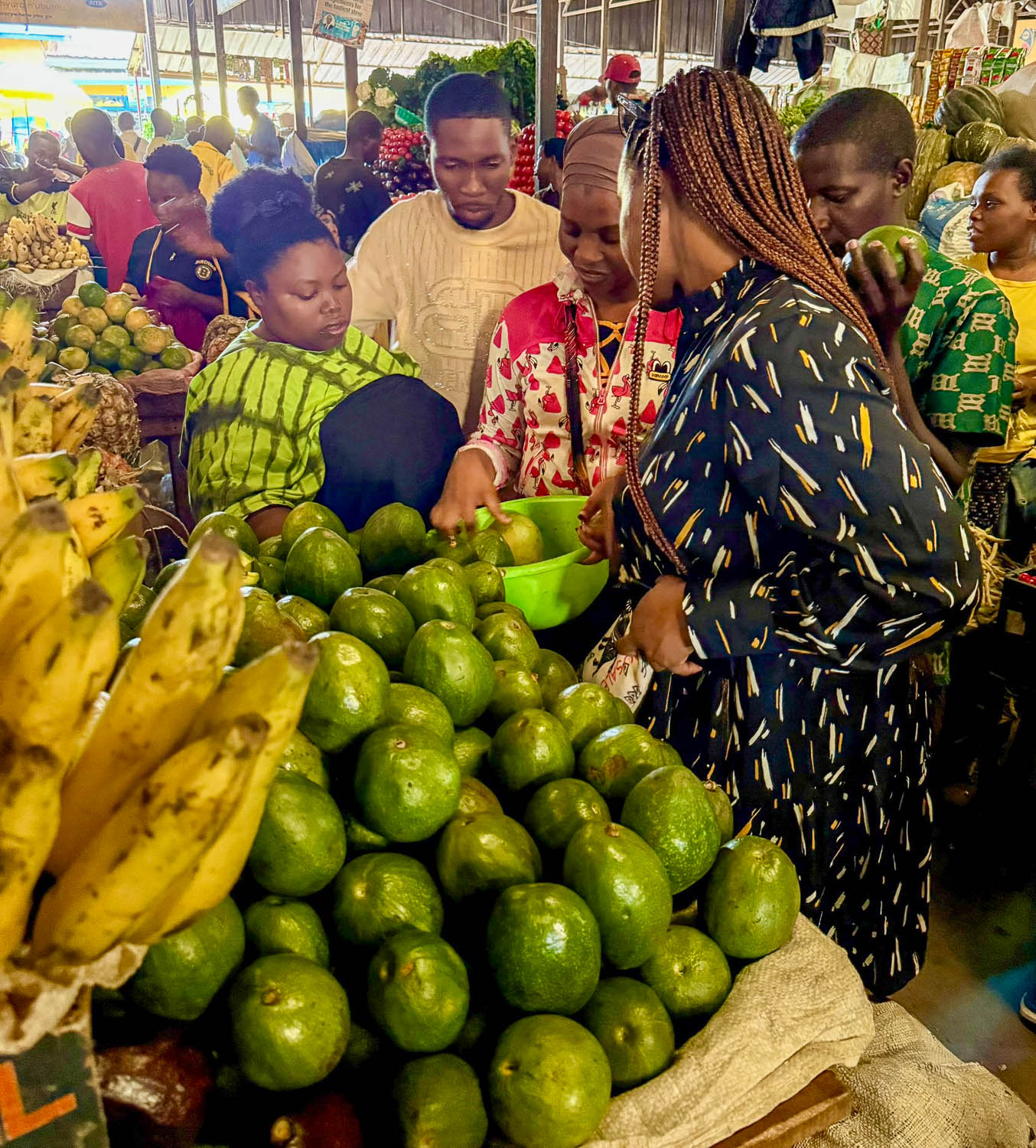
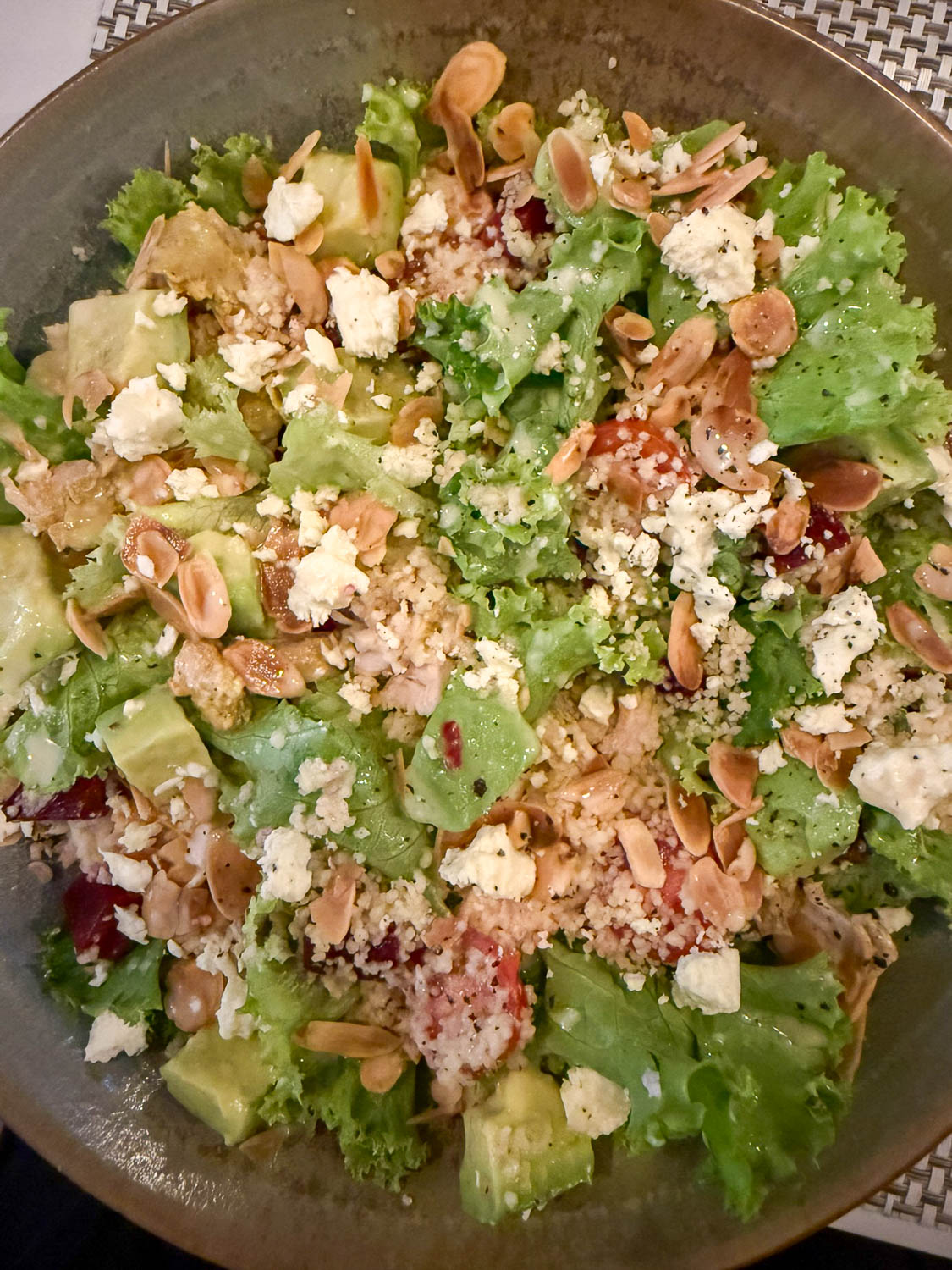
We were amazed at how often avocados were served at meals, often sliced into perfect pieces and placed on the side of main dishes. You can also purchase these (often massive!) avocados in local markets for no more than 500 RWF each (about US$0.35 – easily a third the price of any we’ve seen in grocery stores across North America of late!).
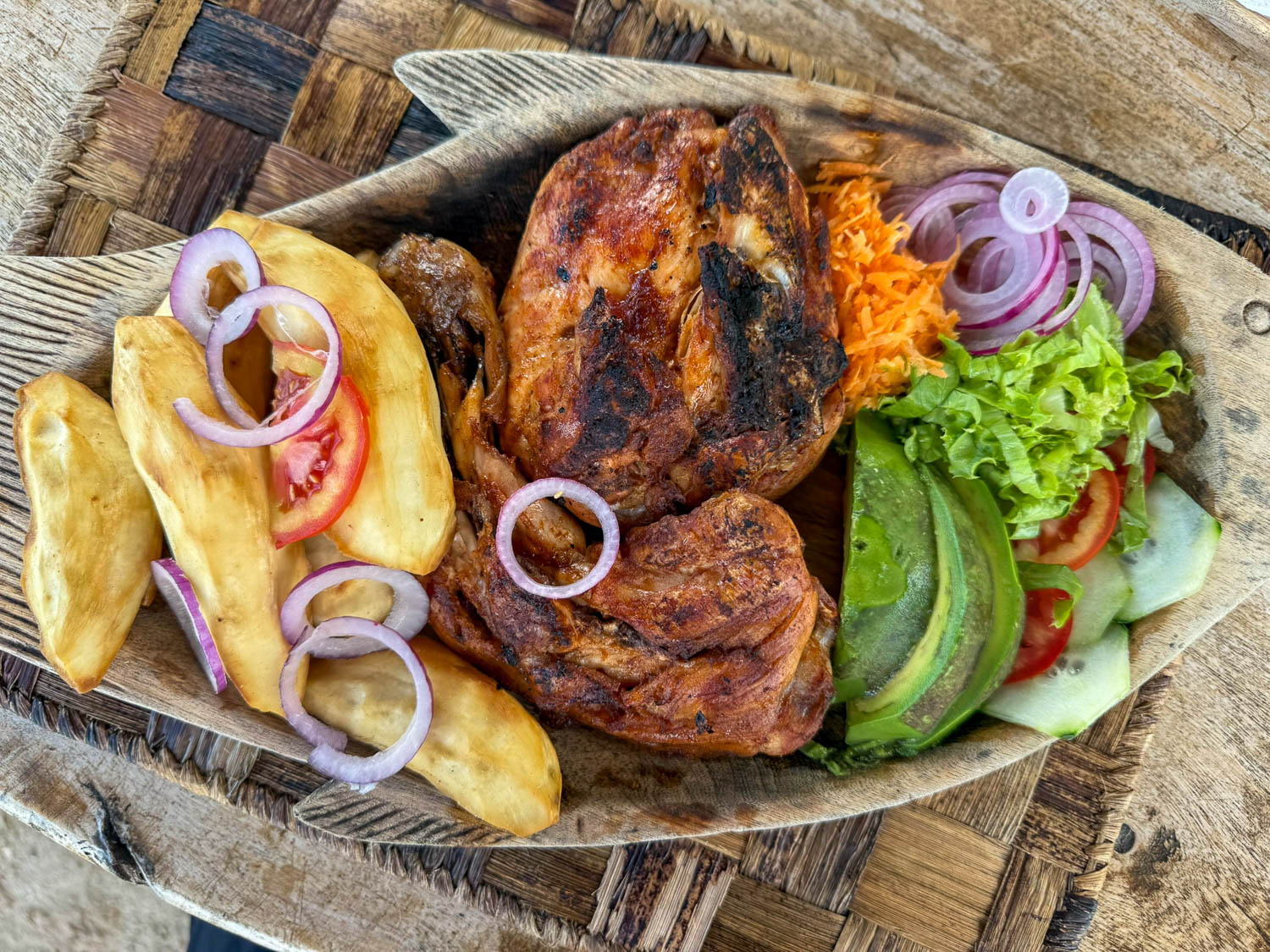
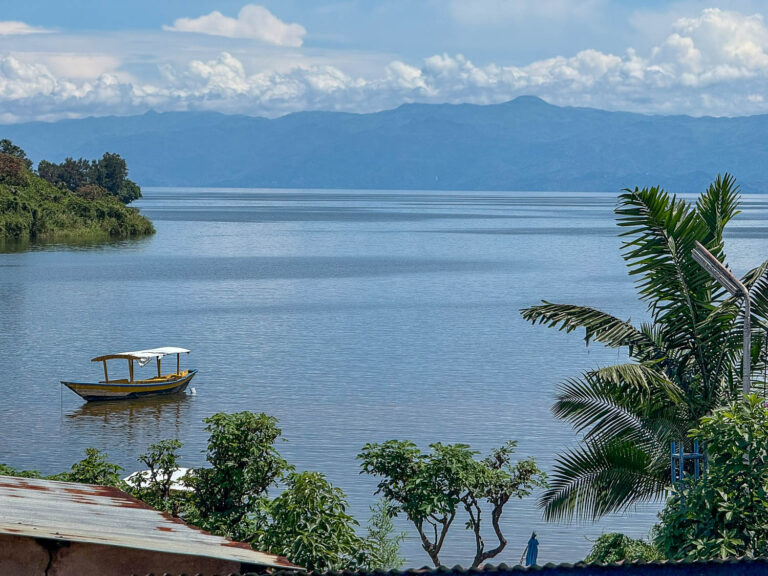
Despite being a landlocked country, fish is also popular (and indeed plentiful): sambaza (small, sardine-like fish found in Lake Kivu) and tilapia (a freshwater fish, known for its mild flavor and versatility in cooking) are two staples, especially along the shores of Rwanda’s many lakes.
Exploring Rwandan Food Culture
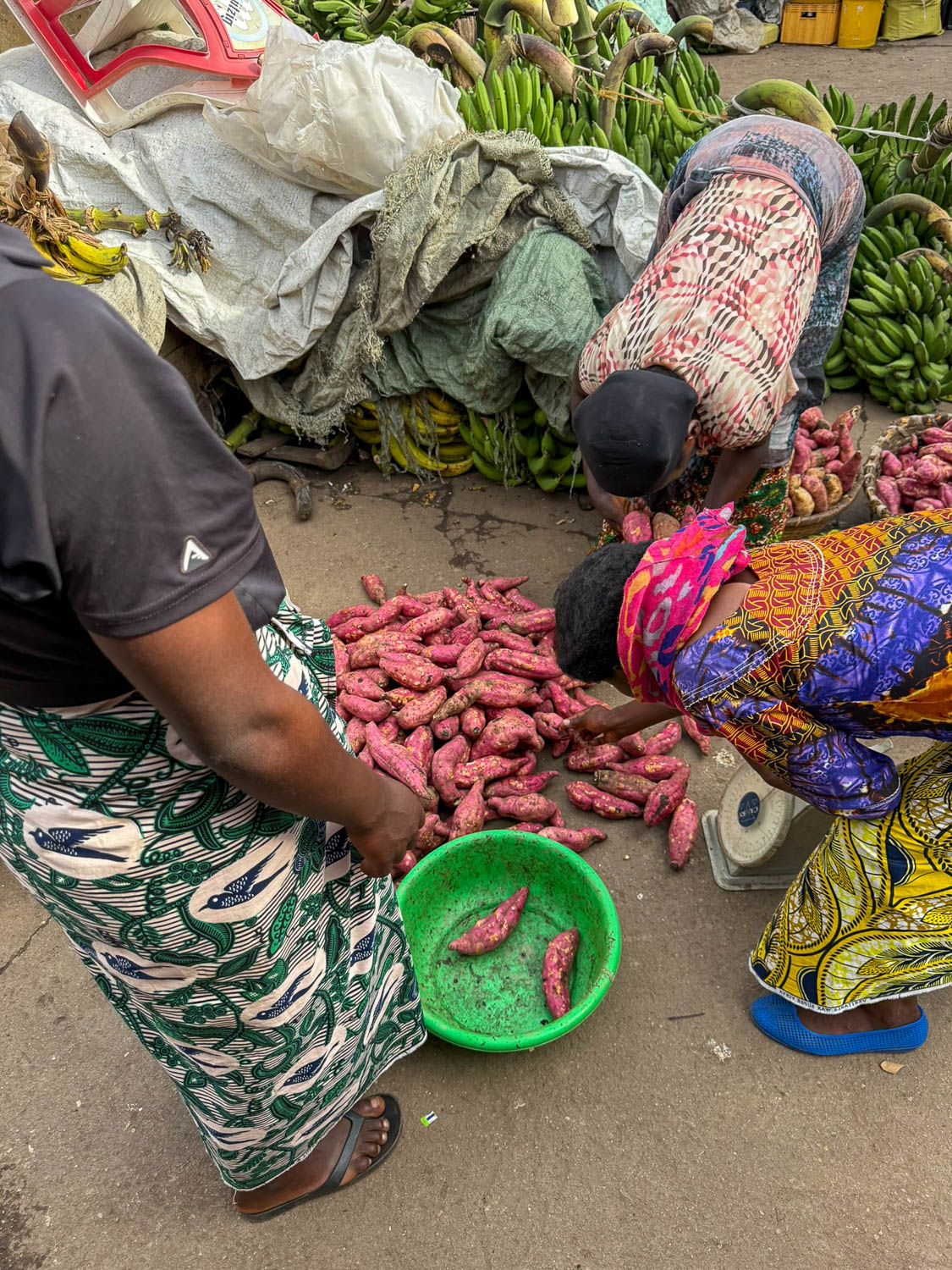
Food in Rwanda is more than fuel — it’s part of the rhythm of daily life.
Breakfast, Lunch and Dinner
You may be surprised to learn that breakfast is relatively uncommon for many Rwandans. If they do eat breakfast, it’s often a traditional one, consisting of boiled beans, sweet potatoes, or Igikoma (a type of porridge) with tea.
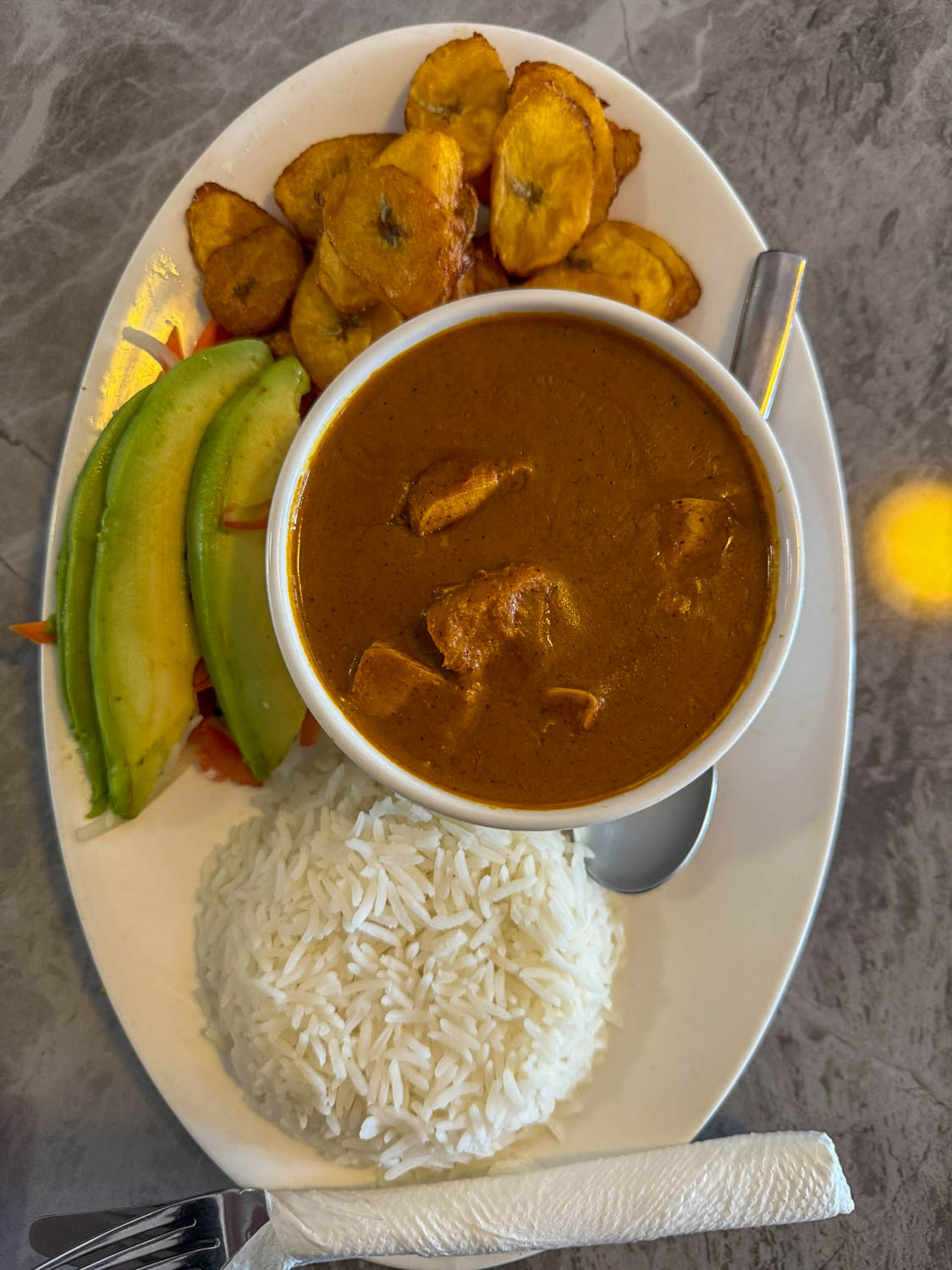
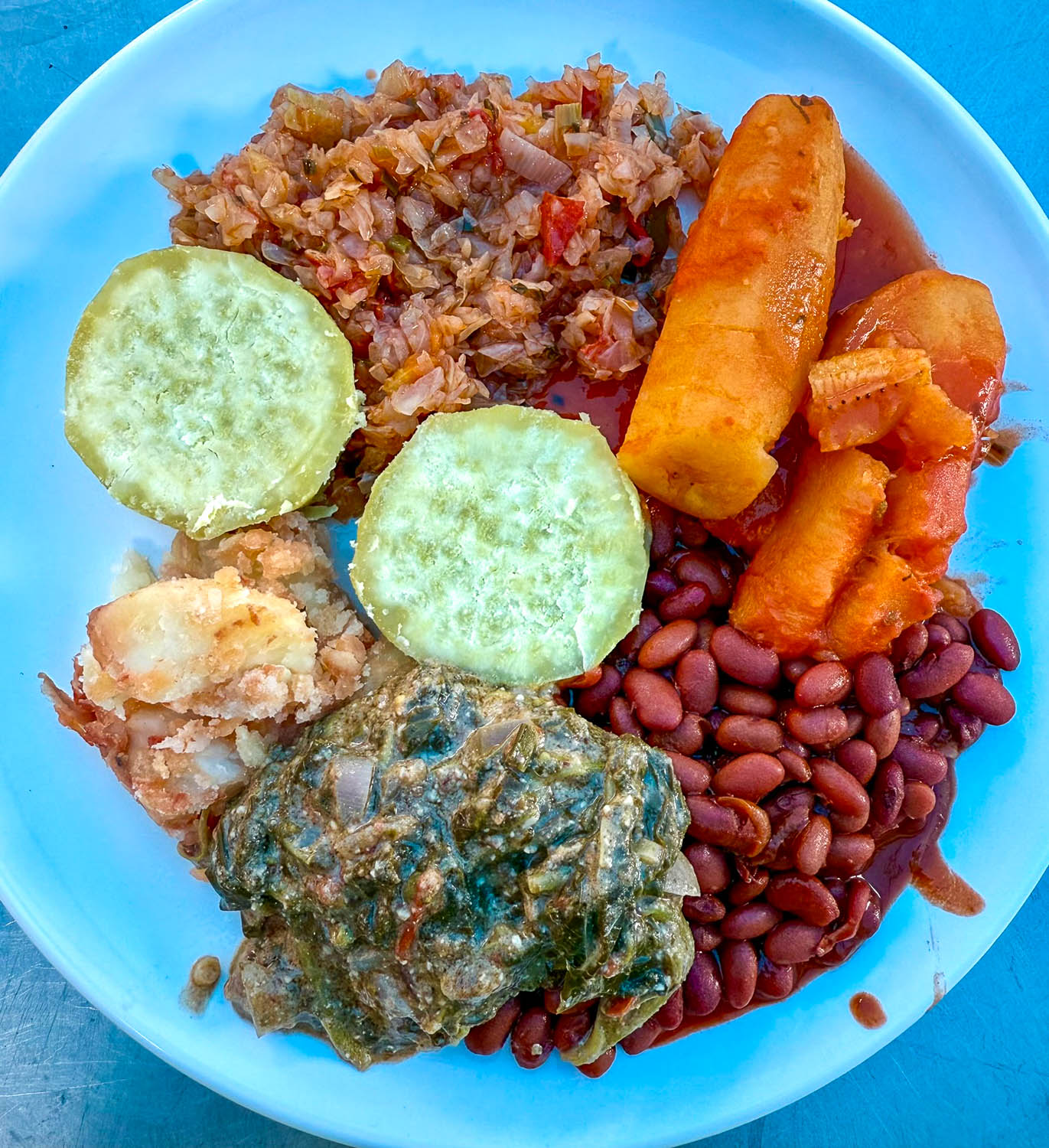
A Rwandan’s heaviest meal of the day is usually lunch, typically served in the early afternoon. Lunch often features common dishes (Isombe (a cassava leaf stew), Umutsima (a cassava and corn dish), Agatogo (a traditional Rwandan stew), or brochettes), served with rice, french fries, and a salad or vegetables (and, of course, avocado!). Lunch buffets are especially common.
Dinner tends to be simpler, and often eaten quite late — a few vegetables, beans, and perhaps some fish and another staple food.
Dining Etiquette
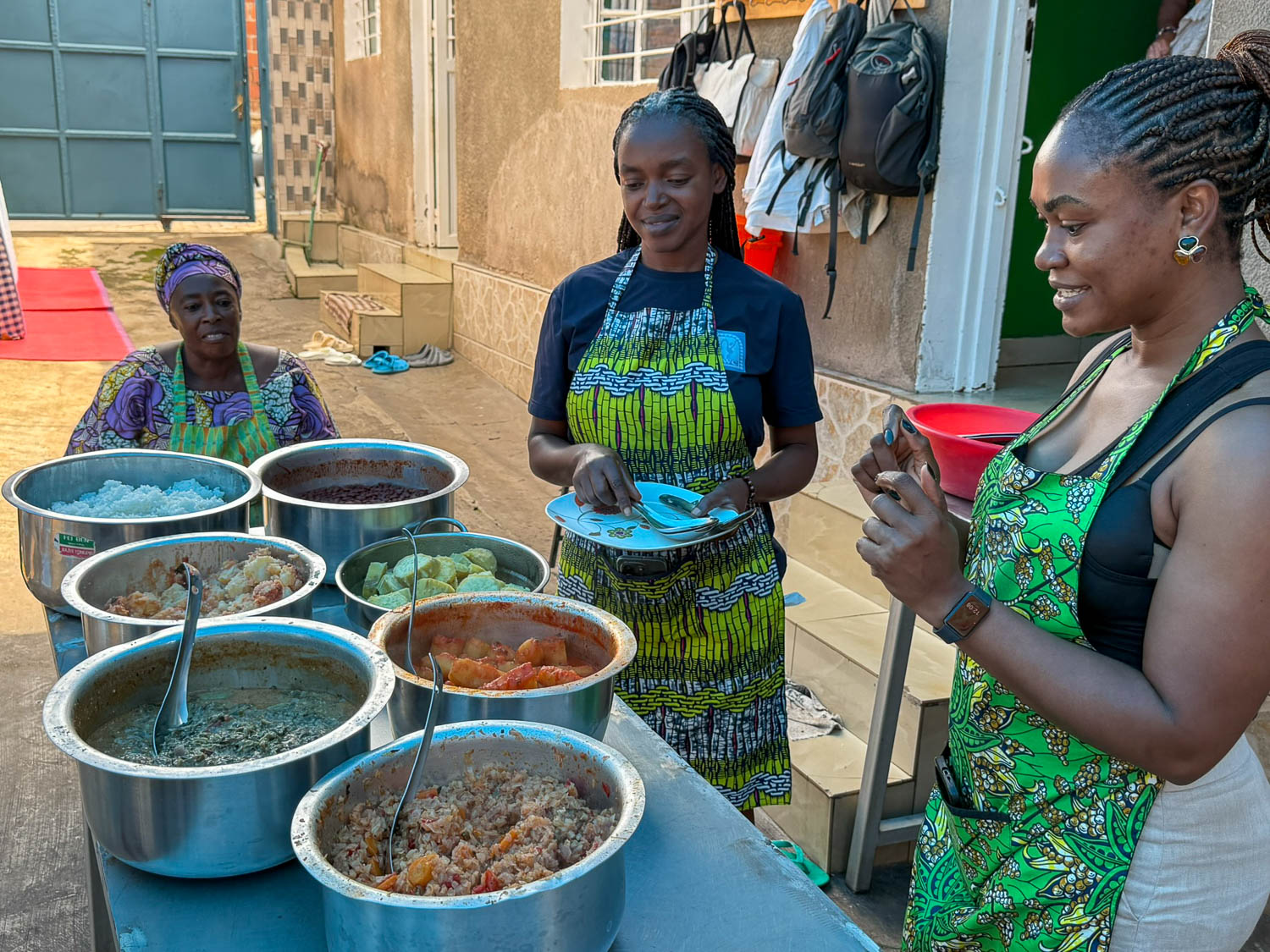
Whether you’re dining at a private home in Kigali, or joining a gathering in a countryside village, knowing the customs around food and eating in Rwanda will add definitive meaning to your meal. Eating in Rwanda is as much about community, as it is about flavor.
- Sharing meals in Rwanda is sacred, and hospitality is a big part of the meal itself.
- In many places, meals are eaten by hand (only the right hand, to be precise).
- In rural areas, you might sit on mats to eat your meal, share from communal plates (“family-style eating”), and be invited to feel like family in a matter of minutes.
- Trying a bit of every dish shows appreciation and respect — and trust us, you’ll want to try a bit of everything! If someone offers you food or drink, the polite answer is always a resounding “yes!” — even if it’s just a small taste.
- Expect hearty portions and big smiles, especially when dining at restaurants.
Rwandan Cooking Methods
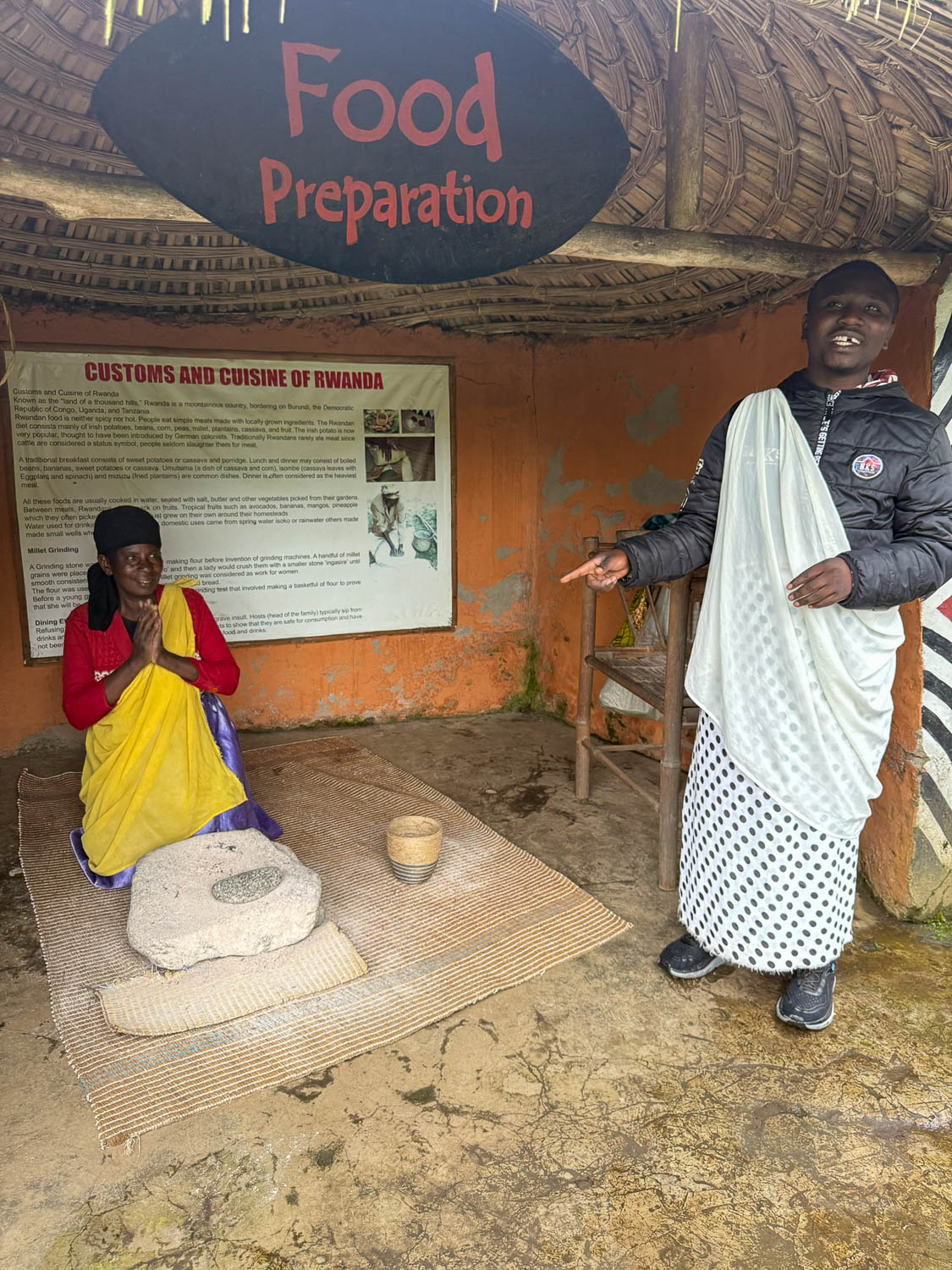
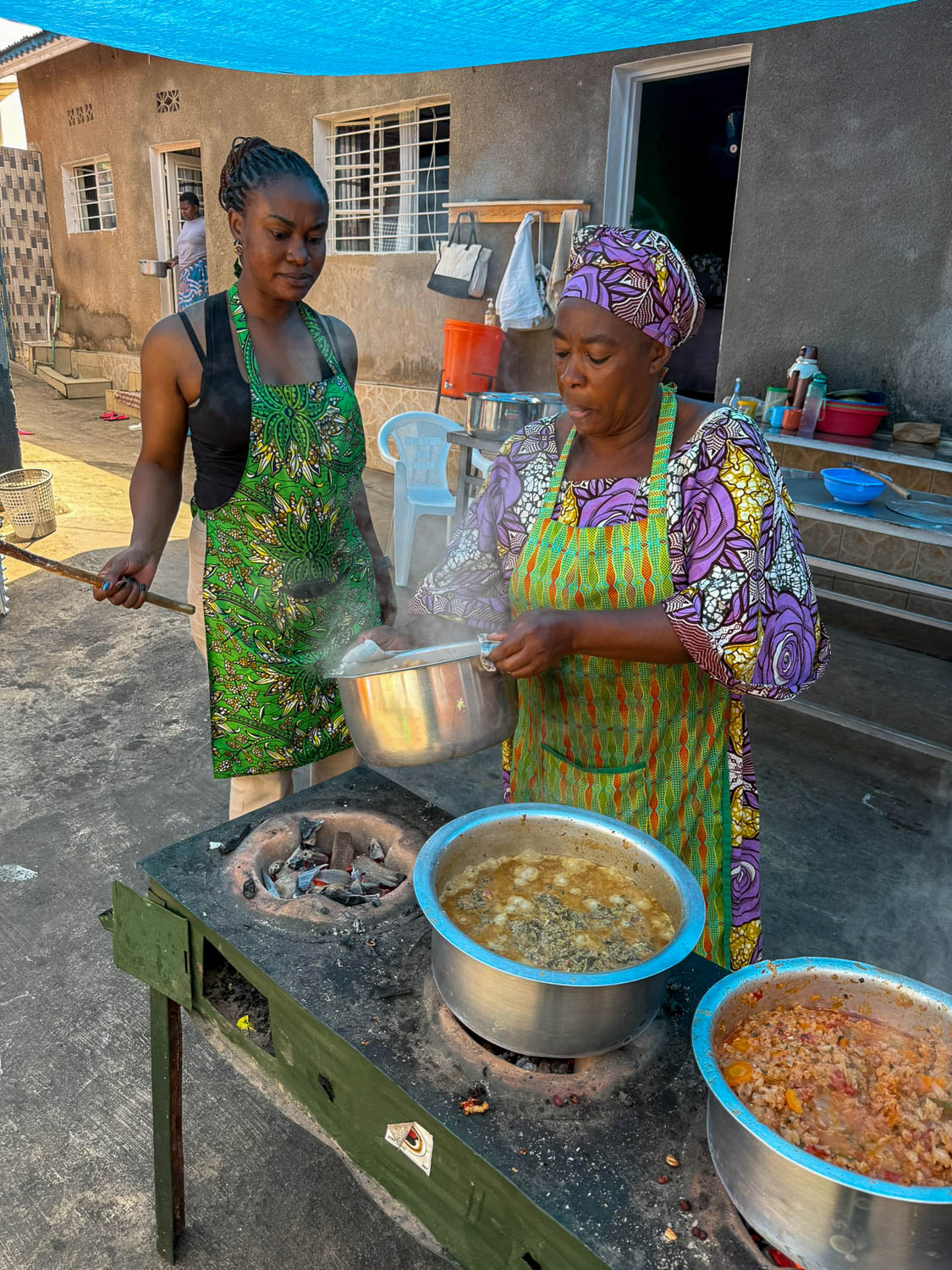
One thing we loved about traditional Rwandan cuisine was how cooking methods and techniques passed down from generation to generation are still very much alive. Ingredients are prepped from scratch – a lot of hard work goes into each meal, and no detail goes unnoticed.
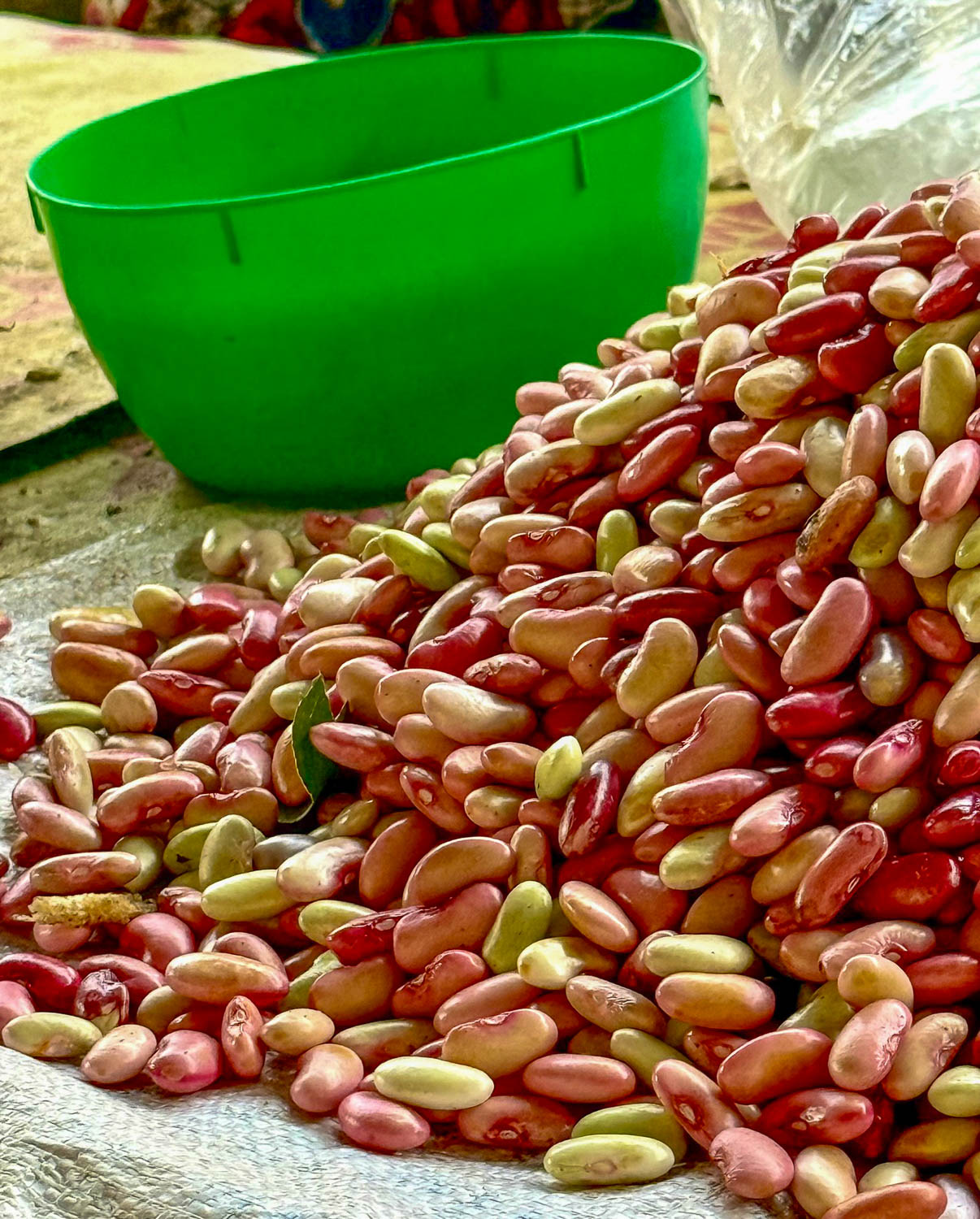
Meals in general are often boiled, fried, or grilled over wood fires, especially in more rural areas. Peanuts – a common cooking ingredient in Rwanda – are ground by hand into paste, cassava flour and maize become hearty porridges, giant cabbages are chopped into the finest of pieces, and beans are a go-to for just about everything. There’s very little waste, and there’s an awful lot of heart.
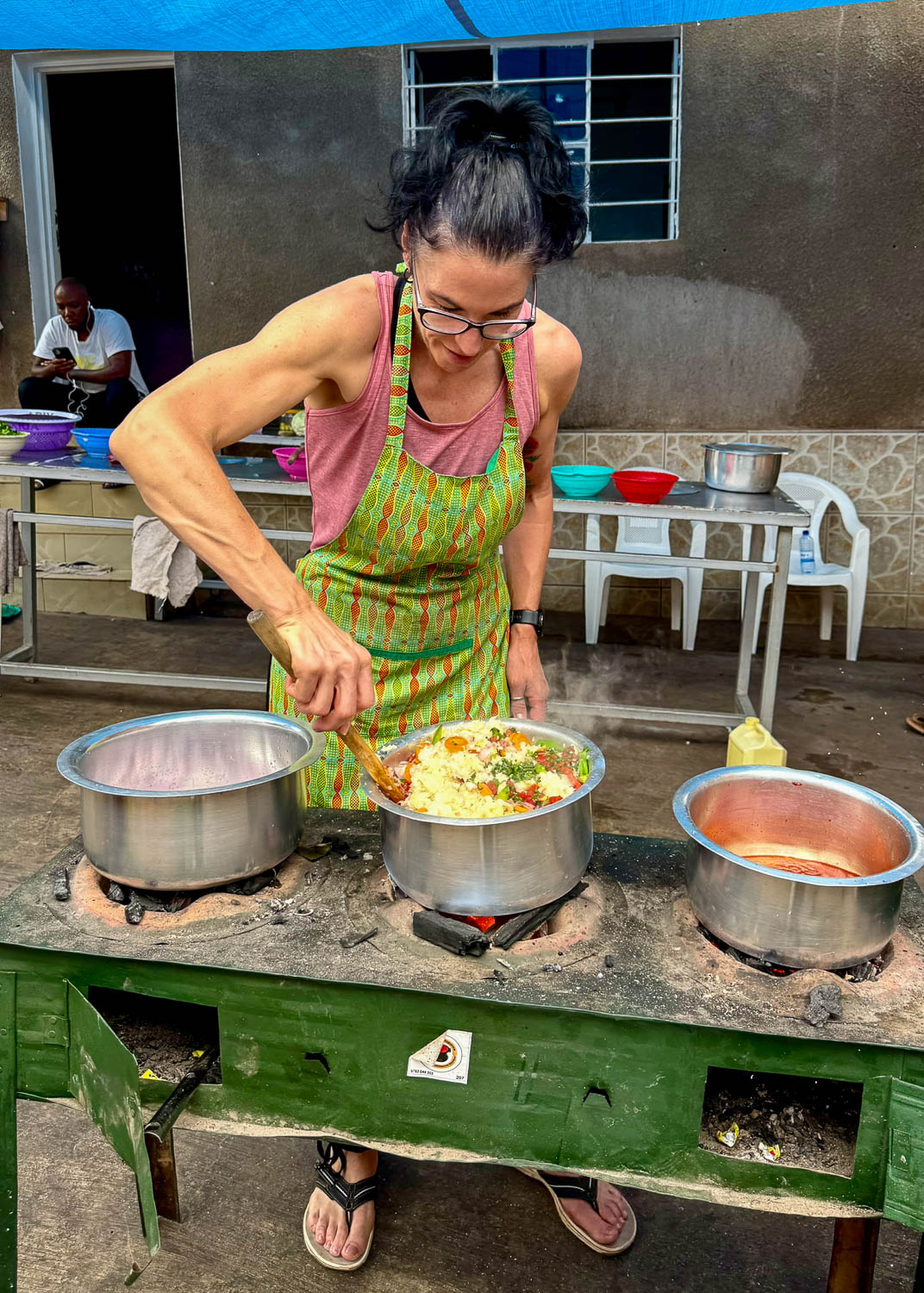
Insider tip. If you decide to take a cooking lesson in Rwanda (and we highly recommend you do!), be prepared to get those fingernails dirty and put some muscle into it!
Even in urban areas, where restaurants and international cuisine are more common, the essence of Rwandan’s local cuisine remains the same: simple ingredients, prepared with care, and always made to share.
Traditional Rwandan Dishes
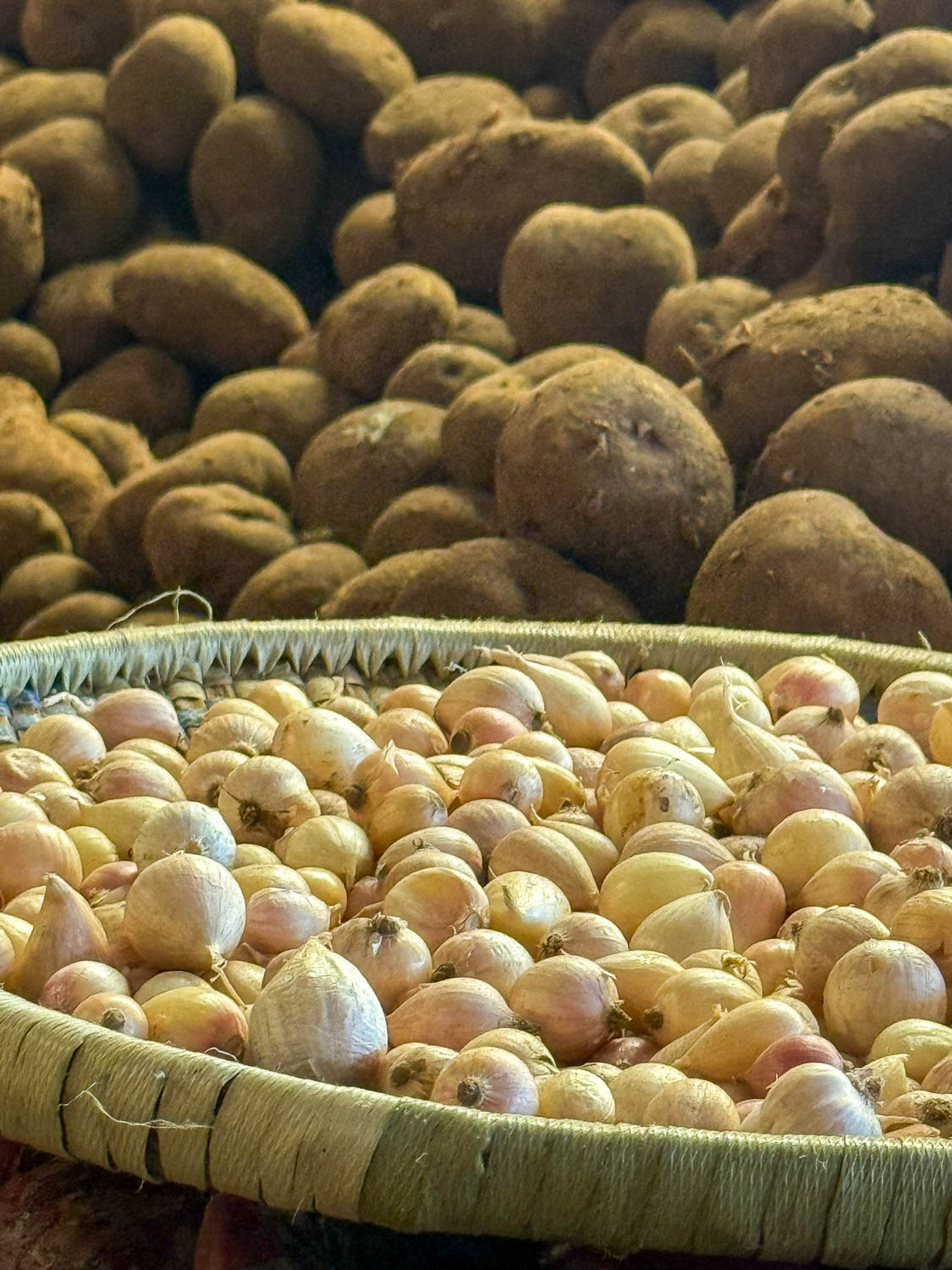
Below you’ll find a mouthwatering line-up of some popular Rwandan dishes, each telling its own story of place, tradition, and pride. We can’t say we found a single bad meal during our time travelling around Rwanda!
Agatogo
This traditional Rwandan stew is thick and savory, typically made with plantains as the main star, alongside potatoes, cassava leaves, or beans. Agatogo is a versatile dish, and can be made either with or without meat (typically chunks of chicken or goat). Like many traditional Rwandan dishes, this hearty stew is known for its use of tomato paste, and added crushed peanuts for additional flavor and texture. It’s great for breakfast, lunch or dinner!
Fun fact. The vegetarian version of Agatogo is more common in Rwanda.
Akabenzi
In Kinyarwanda (one of the four official languages of Rwanda), “Akabenzi” means pork – more specifically, grilled (choma) or fried (fry) pork cooked to perfection. You’ll find Akabenzi in various forms: ribs, marinated pork, and chops.
Fun fact. This dish is sometimes known as the “Mercedes-Benz of pork dishes”: Rwandans have a cultural belief that a pig’s snout resembles the Mercedes-Benz logo. And yes, this local favorite is not just any pork dish – it’s something of a status symbol!
Brochettes
Ah, the joy of a sizzling, marinated meat skewer! Typically made from goat (the most traditional), beef, chicken or pork, marinated with garlic, ginger, chili peppers, lemon juice and a fanciful array of spices, and then grilled over an open flame, these delicious, meat skewers are known as brochettes. Brochettes are often served with fried plantains, potatoes, french fries, or spicy tomato sauce – a total flavor bomb.
Fun fact. The beloved Rwandan brochette can be found almost anywhere in the country. We especially loved snagging them from street vendors. The spicy sauce that accompanies brochettes definitely has a kick!
Fun fact. The cubed, marinated meat that makes up a brochette is generally alternated on the skewer with pieces of onion. When served with the spicy tomato sauce and roasted tomatoes, the dish is known as “birayi”.
Isombe
Another traditional Rwandan stew, Isombe is made from mashed cassava leaves, combined with tomatoes, onions, garlic, and then slow-cooked in peanut sauce. This popular dish is typically served with beans, rice, or sweet potatoes. Creamy, comforting, and incredibly satisfying, for many Rwandan families Isombe is the taste of home.
Kachumbari
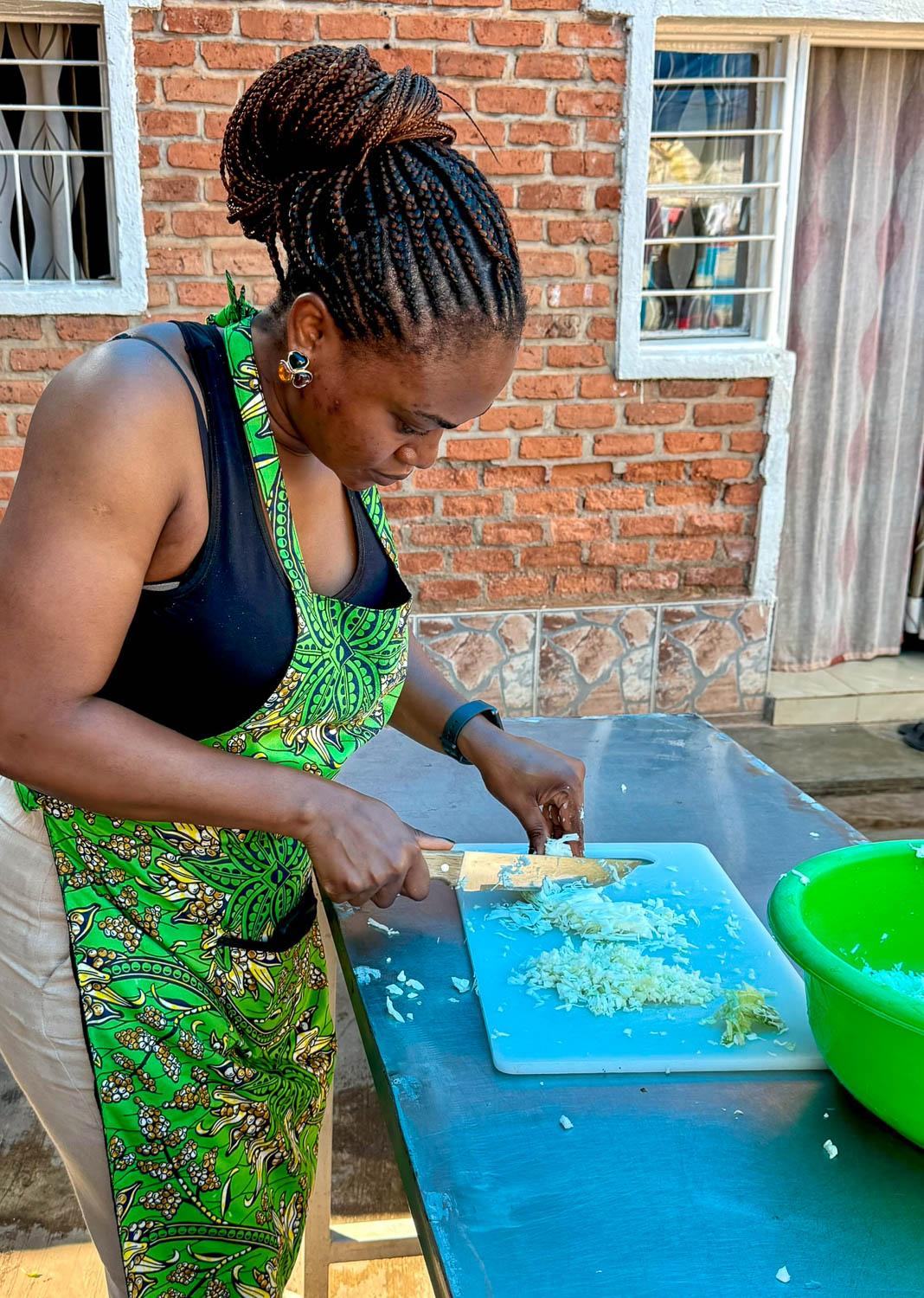
Popular throughout the African Great Lakes region, Kachumbari is a tangy, fresh salad of finely chopped tomatoes, onions, and chili peppers (think jalapeno or serrano), often seasoned with lime or lemon juice. It’s commonly served as a side salad or as a salsa with meat dishes and other main meals, and indeed you’ll find this simple, uncooked accompaniment comes with most dishes – we certainly never tired of it!
Mizuzu
If there’s something we love, it’s a well-cooked fried plantain (or green banana). Say hello to Mizuzu — slightly crispy, slightly sweet, and absolutely addictive! Mizuzu is generally enjoyed as a snack, and is sometimes glazed with honey, sprinkled with sugar, or splashed with citrus, for that added bit of sweetness. Mizuzu goes really well with Isombe and Umutsuma.
Umutsima
Think of Umutsima as Rwanda’s answer to polenta — a soft, communal dish made from millet flour and boiling water, often served at weddings, special occasions, and family gatherings. Its porridge-like consistency makes it nourishing, as well as nostalgic. Note that Umutsima can also be a hearty and comforting stew, combining cassava, corn and beans.
Insider tip. The porridge-like version of this dish is often called Umutsima w’uboro. The stew-like version of this dish is referred to as Ikijumba n’umutsima. If you see “umutsima” on a menu, make sure to enquire with your server exactly which type you’ll be getting.
Fun fact. The preparation of Umutsima w’uboro is often a social activity, bringing Rwandans together.
Rwandan Street Food
If you’d like to eat like a local – one of our most favorite things to do when we’re travelling to new places – consider skipping the more touristy sit-down restaurant options, and hit the street instead.
Street food from roadside vendors includes Rwandan brochettes (often served with fried plantains or potatoes), Akabenzi, Mizuzu, sambaza (small fried fish), and Ugari (cassava dough). Hard-boiled eggs with chili oil, fresh groundnuts, and plantain chips are other go-to snacks you’ll find everywhere. We also loved fresh chapati – a soft, flaky flatbread, often plain but sometimes also served with beans, meat or vegetables.
You can find all these delights at local markets, bus stops, major intersections, on the way to tourist attractions, and tucked away in neighborhood corners. Street food is quick, cheap, delicious – and unforgettably full of soul! Without question, a favorite amongst food enthusiasts and locals alike.
Regional Variations in Rwandan Cuisine
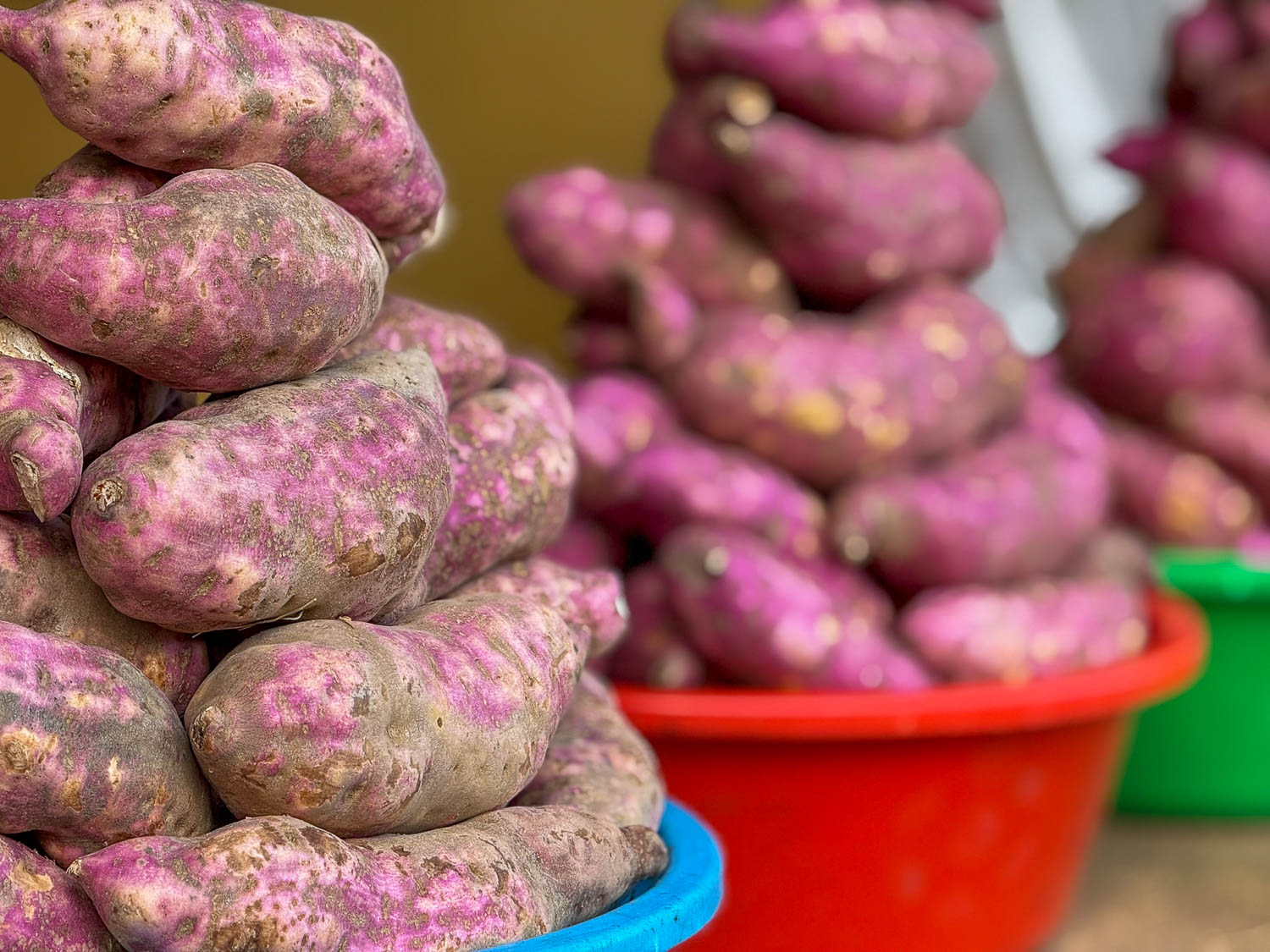
Rwanda is small but indeed mighty when it comes to food diversity. Whilst Rwandan cuisine throughout the country generally relies on a base of common staples (bananas, sweet potatoes, beans and cassava), each of Rwanda’s five regions – Southern, Northern, Eastern, Western and Kigali provinces – offers their own specialties.
Factors affecting regional variations include the accessibility and availability of certain ingredients, geography, cultural traditions (for example, local preferences and family recipes handed down through the generations), farming and other agricultural practices, and pastoral traditions. If you have the chance to visit different parts of Rwanda, you will likely be exposed to a range of flavors and dishes, each reflecting the diverse culinary landscape of the country.
- The East and West are known for their fertile land and abundant banana plantations, so here you’ll no doubt find more Agatogo, Matoke, Akabenzi, and a whole host of other dishes made with bananas and plantains.
- The East also brings bold flavors and a generous use of sorghum crops, used for making banana beer and Umutsima w’uboro.
- The West also boasts numerous fresh fish dishes, with lakeside offerings including grilled tilapia and Sambaza.
- Due to the availability of cattle and extensive farming of chili, expect spicier stews, greater variations in meat dishes, and hot pepper in the South.
- In the North, Isombe and cassava flour reign.
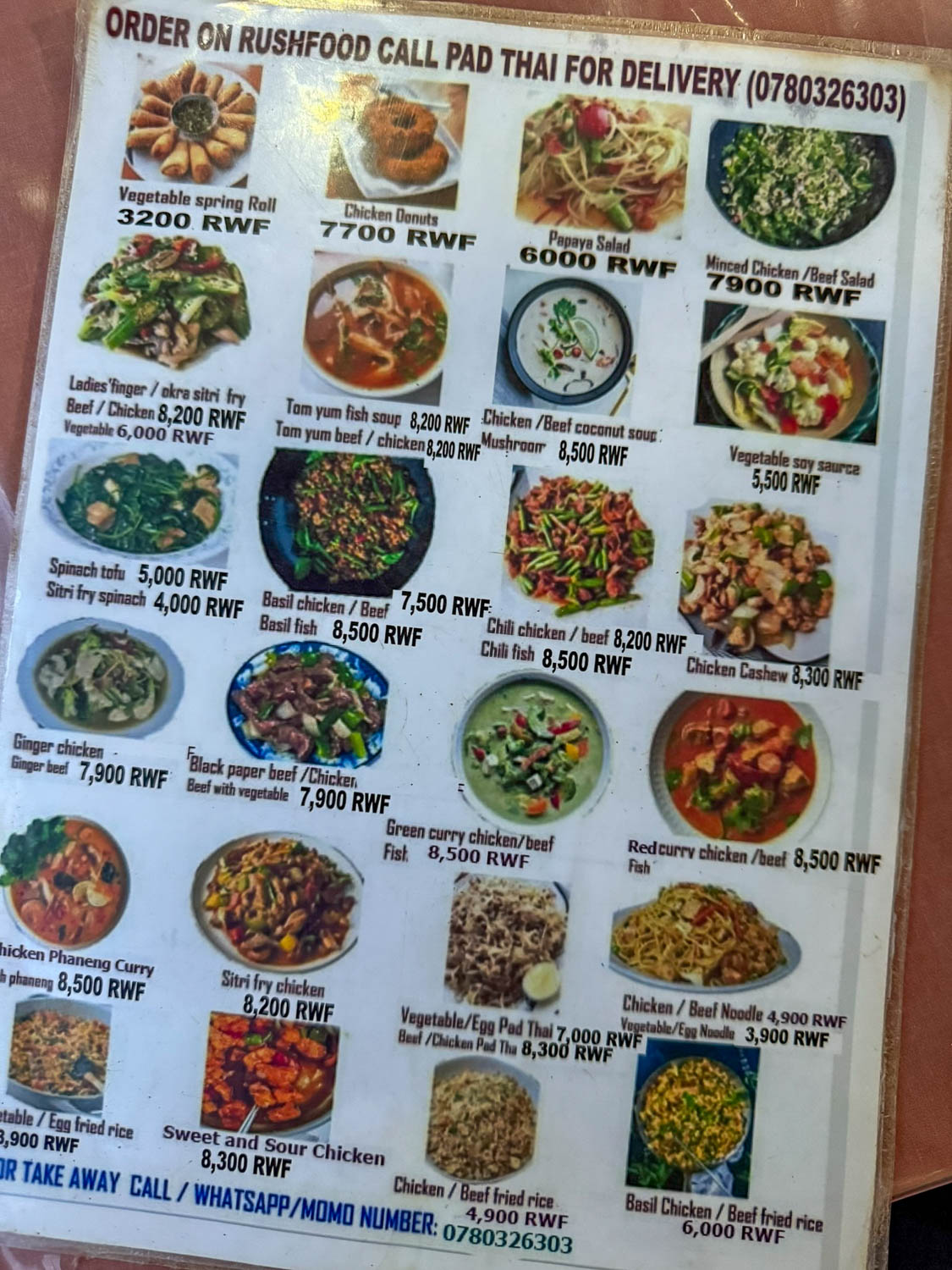
- It’s in Kigali – Rwanda’s vibrant capital city – where you’ll no doubt find the most culinary diversity, with everything from traditional food to international restaurants (we had some incredible Thai food in the north-east of the city!).
Historically, diets in Rwanda also varied somewhat between the three main ethnic groups. The Hutus (the majority group, traditionally farmers) ate mostly vegetables (and less animal protein), whilst the Tutsis (a much smaller representation of the population, associated with cattle farming), consumed more meat, milk and other dairy products. The Twas (the smallest ethnic group within Rwanda, indigenous to the region and generally hunters), ate a similar diet to the Hutus.
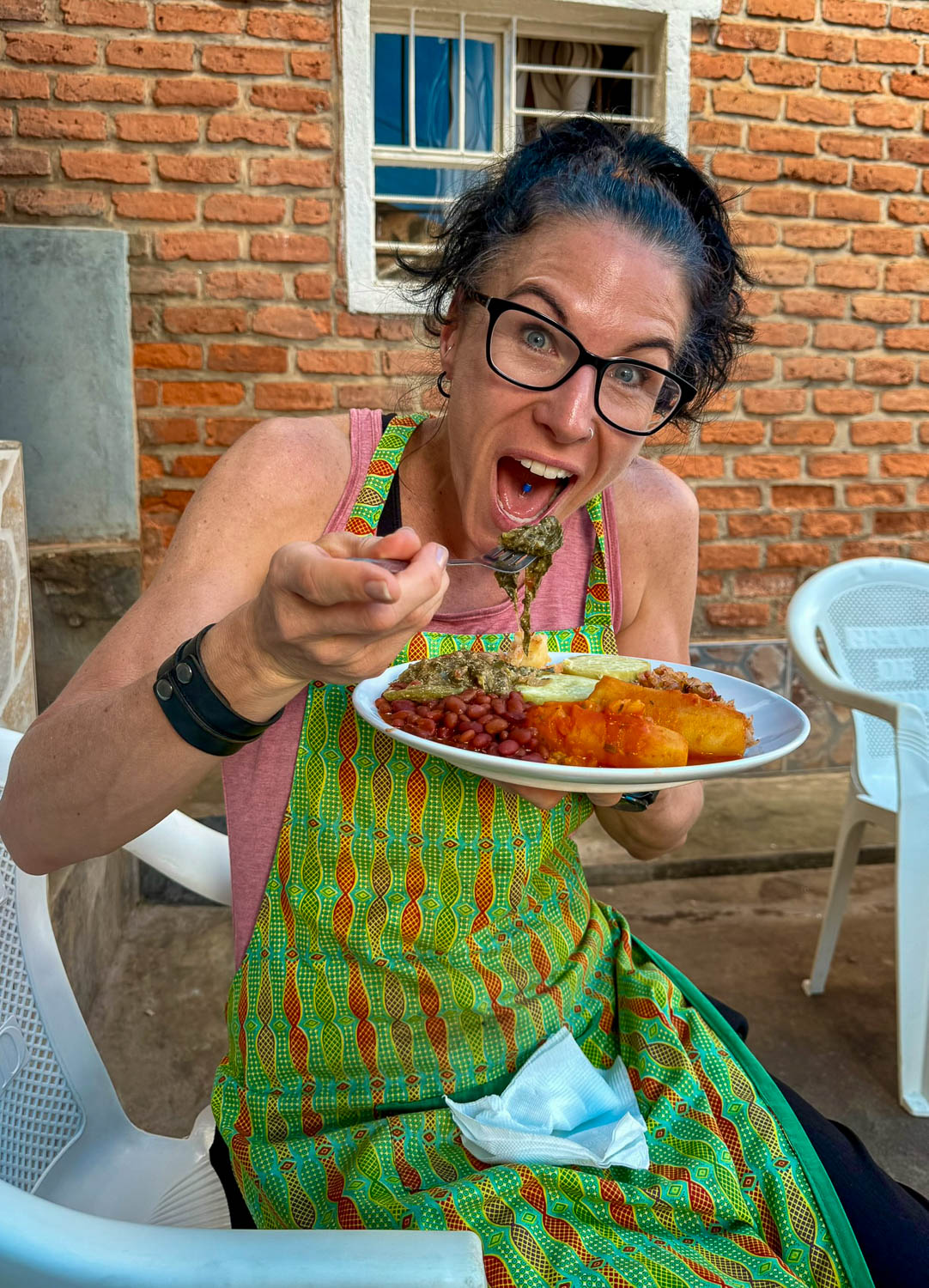
Today, everywhere you go, you’ll taste the threads that tie Rwanda’s different cultures together — each bite a blend of place, season, and story.
Fun fact. There are no major, globally-recognized American fast-food chains in Rwanda. Sorry folks, no McDonald’s or Burger King here, though if you’re hankering for some American-esque fast food, you can try local establishments like Mr Chips for your burger and fries fix.
Popular Rwandan Beverages
And let’s not forget the drinks! Rwandan beverages include a variety of both non-alcoholic, as well as alcoholic, options. When it comes to drinks, Rwanda keeps things deliciously local.
Non-Alcoholic
- Milk is beloved in Rwanda, especially in cattle-rich communities, enjoyed either hot or cold. A common choice amongst locals is Ikivuguto, a traditional Rwandan fermented milk product similar to a yogurt smoothie.
Fun fact. Throughout Rwanda you’ll come across different types of bars. In some of them, there’s only one thing on tap: milk. Milk bars highlight the significant cultural role that cows and milk have long held within Rwandan society.
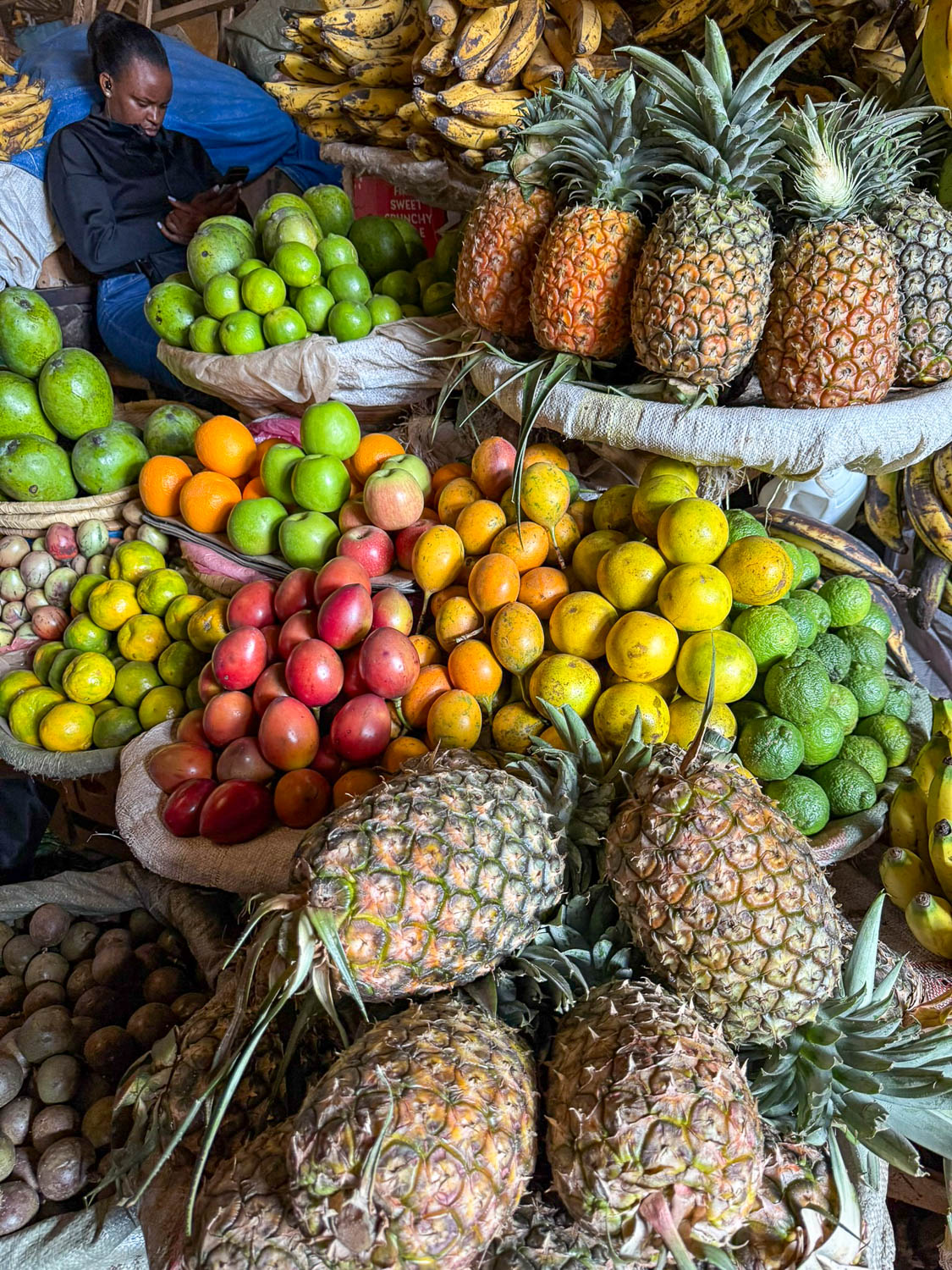
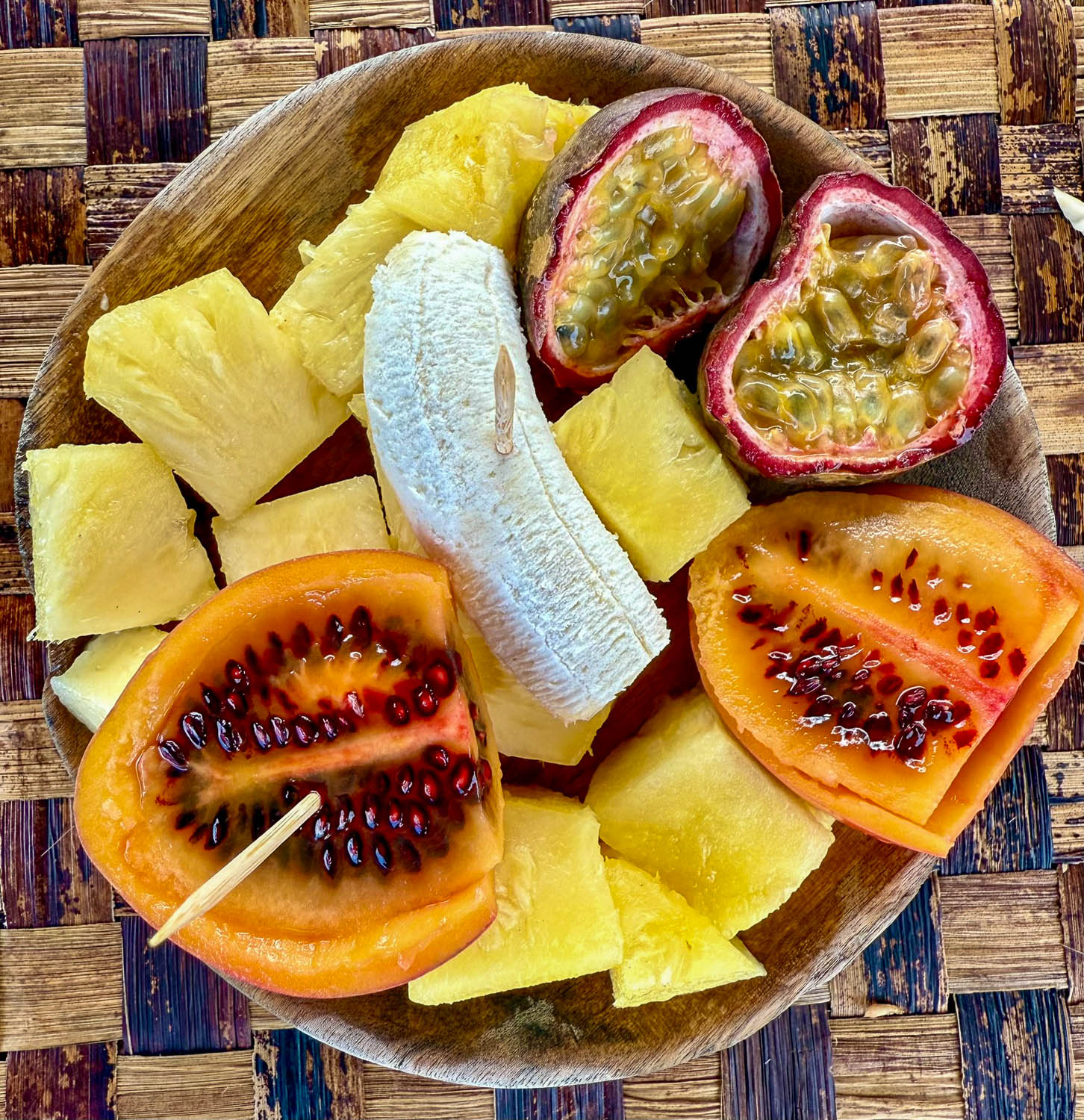
- Fresh fruit juices made from locally-grown fruits (think passionfruit, pineapple, mango and avocado) are becoming more popular (and are definitely the perfect thirst-quenchers for hot afternoons!).
- Locally-grown tea is a daily go-to: sweet (it’s often served with a touch of honey) and served everywhere.
- Igikoma, although technically a porridge, is a popular drink often consumed at breakfast. It’s especially favored amongst athletes and breastfeeding mothers.
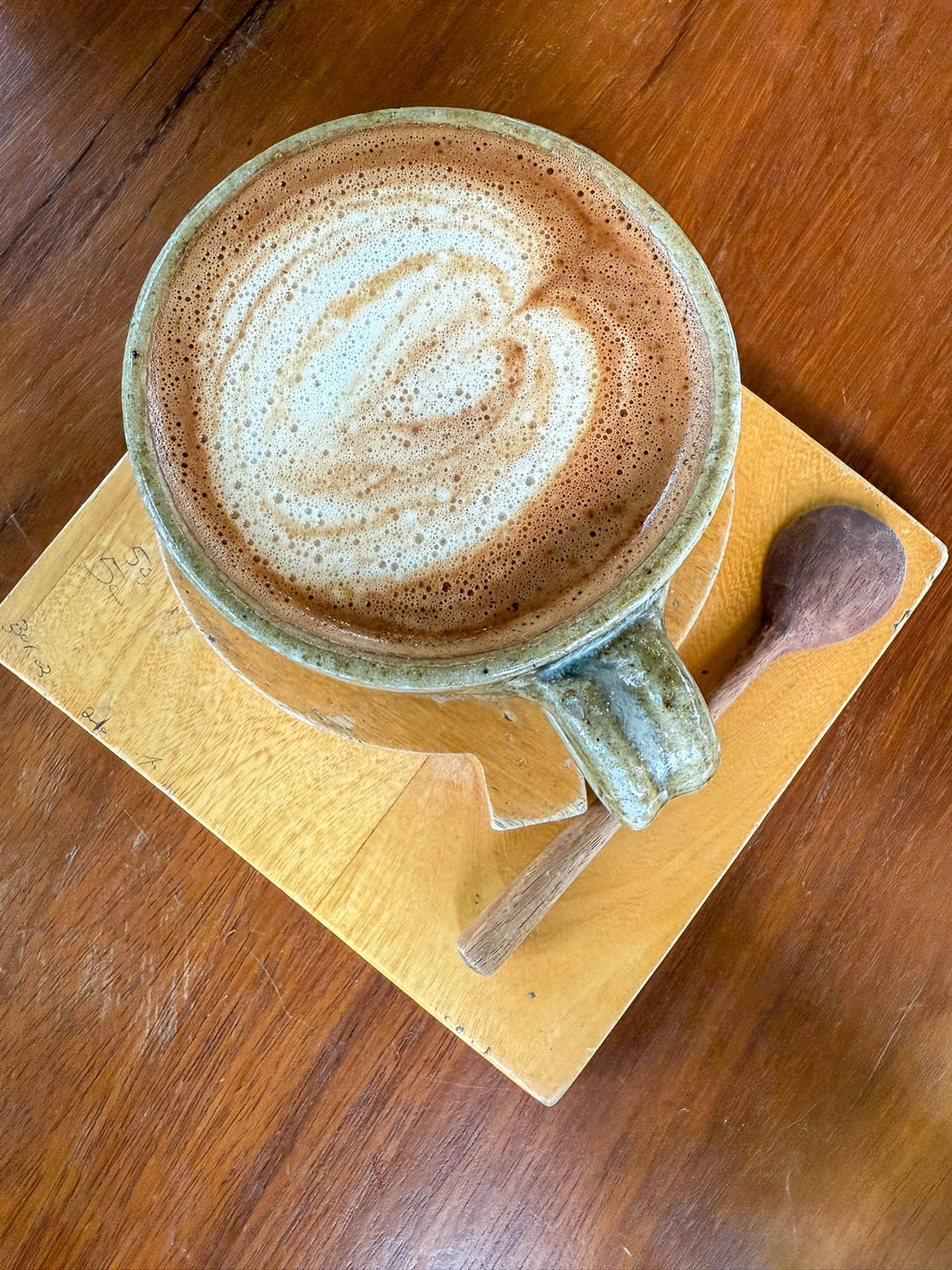
Fun fact. Whilst Rwandan coffee is a prized cash crop – and indeed the country is known for its high-quality coffee, distinguished by its unique flavor profile due to growing conditions in high altitudes, volcanic soil and a temperate climate – it’s more often exported, than sipped locally.
Alcoholic
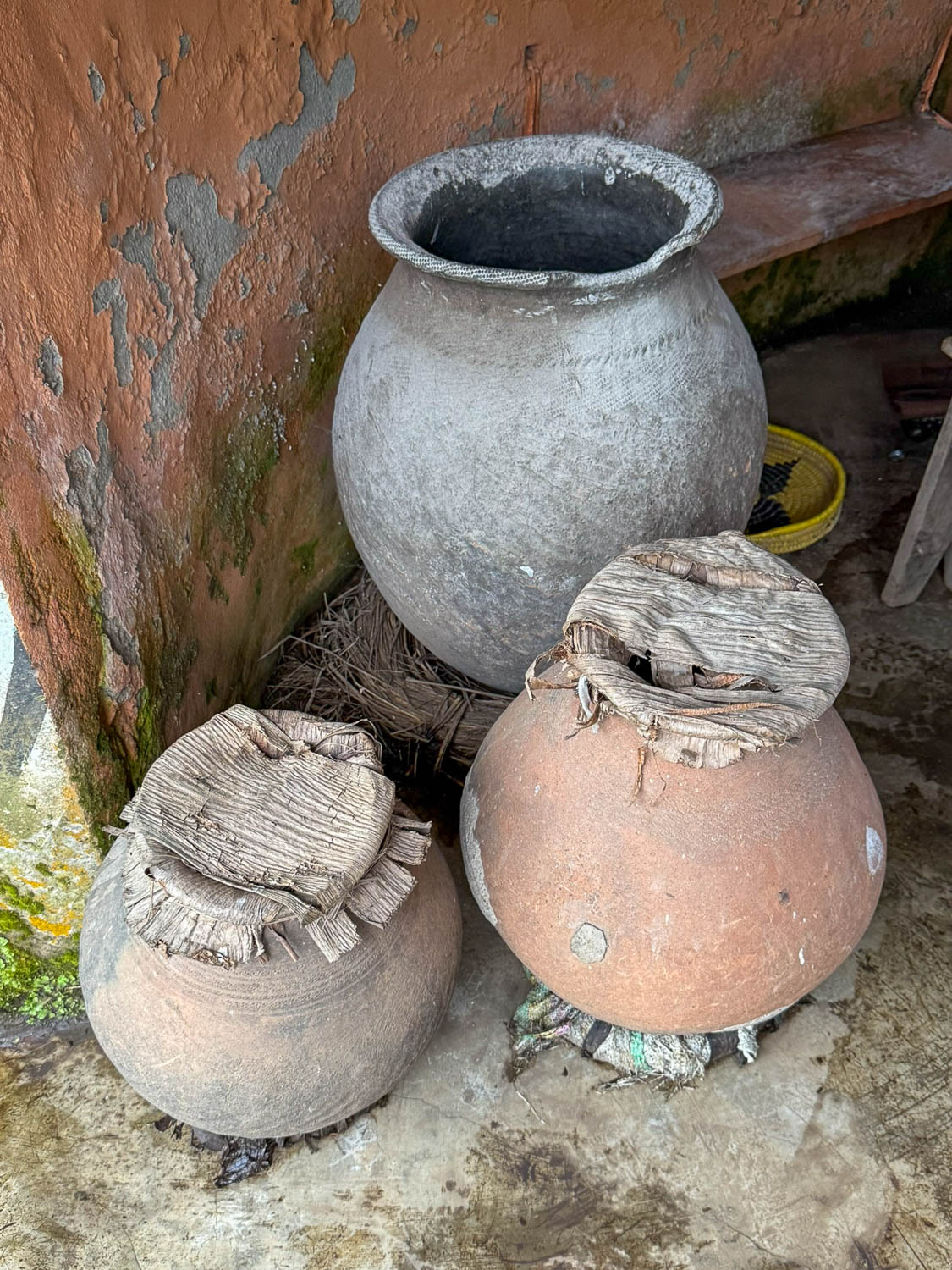
- Banana beer and sorghum beers are cultural staples in Rwanda, also perfect thirst-quenchers for the hotter days – especially in rural areas.
Fun fact. Urwagwa is the most common traditional Rwandan banana beer. It’s made from fermented bananas and roasted sorghum flour. Ikigage is another option: this sorghum beer is typically made in homes for personal consumption, as opposed to being commercially sold. Both Urwagwa and Ikigage are staples at many social gatherings, including cultural ceremonies and festivals.
- Banana wine is also a local specialty, brewed and available throughout the country.
- Popular commercial beers include Mützig (French), Primus (Central African), and Amstel (Dutch).
Whether you’re toasting with banana beers in local bars in Kigali, or sipping a homemade brew in a rural village, Rwandan drinks are a celebration in a glass.
Final Thoughts
The gastronomy in Rwanda is as diverse and as abundant as its landscape – and whilst it may be simple, it’s also rich in flavor and rooted in tradition. Like us, you may find Rwandan cuisine to be more than a surprise — perhaps even a revelation … a reminder that food doesn’t need all the bells and whistles to be powerful: it just needs to be made with love and tenderness.
There’s no question about it: Rwandan food may be unpretentious, but it’s delicious, and it’s meaningful. A visit to this part of the world will feed your curiosity, your taste buds, and your soul. Every bite of travel tells a story. And Rwanda’s? It’s one story we’ll be telling — and tasting — for years to come.
Are you ready to pack your appetite and your adventurous spirit? Let’s help you prepare for your trip to Rwanda: to taste traditional foods, to learn from the locals who prepare them, and to share tales over marinated brochettes and locally-brewed banana beers. Just don’t forget to say a polite murakoze(thank you) as you stand up and bid a friendly farewell to your hosts.
FAQs
What is traditional Rwandan cuisine?
Traditional Rwandan cuisine is built around fresh, local staples such as beans, cassava, plantains, bananas, sweet potatoes, peas, and corn. Many classic Rwandan dishes are simple, hearty, and home-cooked, with popular examples including Isombe, Agatogo, brochettes, Akabenzi, and Mizuzu. Across Rwanda, meals are often prepared with seasonal ingredients and shared as an important part of daily life and community.
What are the most popular foods to try in Rwanda?
Some of the most popular foods to try in Rwanda include Isombe (cassava leaves cooked in peanut sauce), Agatogo (a plantain-based stew), brochettes (grilled meat skewers), Akabenzi (fried or grilled pork), and Mizuzu (fried plantains). Beans, rice, sweet potatoes, and avocado are also common parts of many meals. These dishes give travelers a strong introduction to the flavors and traditions of Rwandan cuisine.
Is Rwandan food spicy?
Rwandan food is usually more comforting and savory than intensely spicy. Many traditional dishes focus on natural flavor from fresh vegetables, legumes, plantains, and slow-cooked stews rather than heavy heat. That said, some meals may be served with chili, hot pepper, or spicy tomato sauce, especially alongside brochettes or certain meat dishes, so spice levels can vary by region and restaurant.
What do people in Rwanda usually eat for breakfast, lunch, and dinner?
In Rwanda, breakfast is often light or sometimes skipped, though it may include porridge, boiled beans, or sweet potatoes with tea. Lunch is traditionally the biggest meal of the day and often features dishes such as Isombe, Agatogo, brochettes, rice, beans, vegetables, and avocado. Dinner is usually simpler and may include beans, vegetables, fish, and another staple food served later in the evening.
Where can travelers experience authentic Rwandan cuisine?
Travelers can experience authentic Rwandan cuisine in local restaurants, neighborhood eateries, markets, roadside food stalls, and community-based cooking experiences. A cooking class or cultural food experience can be one of the best ways to learn about traditional ingredients, cooking methods, and dining customs. In cities like Kigali, travelers can enjoy both classic Rwandan dishes and a wider range of international cuisine, while rural areas often offer a more traditional food experience.
Explore More Of Rwanda
-
Your Guide to the Best Things to Do in Kigali, Rwanda
Kigali, Rwanda’s capital, blends history, culture, and modern energy. This guide to the best things to do in Kigali covers top attractions, vibrant neighborhoods, local markets, coffee culture, and day trips across Rwanda.
-
Is Lake Kivu Safe? Rwanda’s Beautiful African Haven
Is Lake Kivu safe to visit? Yes — this beautiful Rwanda lake is safe for swimming, boating, and relaxing, with expert monitoring ensuring a secure and enjoyable experience.
-
Akagera National Park: A Must Visit When In Rwanda
Explore Akagera National Park in Rwanda—home to the Big Five, scenic game drives, and Lake Ihema boat safaris. Discover top things to do and plan your perfect visit.
-
Lake Kivu, Rwanda: Top Things To Do and Travel Guide
Lake Kivu, Rwanda is one of Africa’s most scenic Great Lakes, known for its calm waters and lush hills. Discover the best things to do, from boat cruises and island visits to exploring lakeside towns like Gisenyi and Kibuye.
-
Musanze, Rwanda: Explore the Best Things To Do
Discover Musanze, Rwanda’s gateway to Volcanoes National Park. This guide covers gorilla trekking, the best things to do in Musanze, cultural experiences, lava caves, hiking, and the twin lakes.