Rwanda, often called the Land of a Thousand Hills, is one of Africa’s most beautiful and compelling destinations. Part of the Great Lakes Region, and nestled in the heart of East Africa, this small, landlocked country has made a name for itself, not only for its breathtaking views, incredible wildlife, and rich biodiversity, but also for its remarkable story of resilience and transformation.
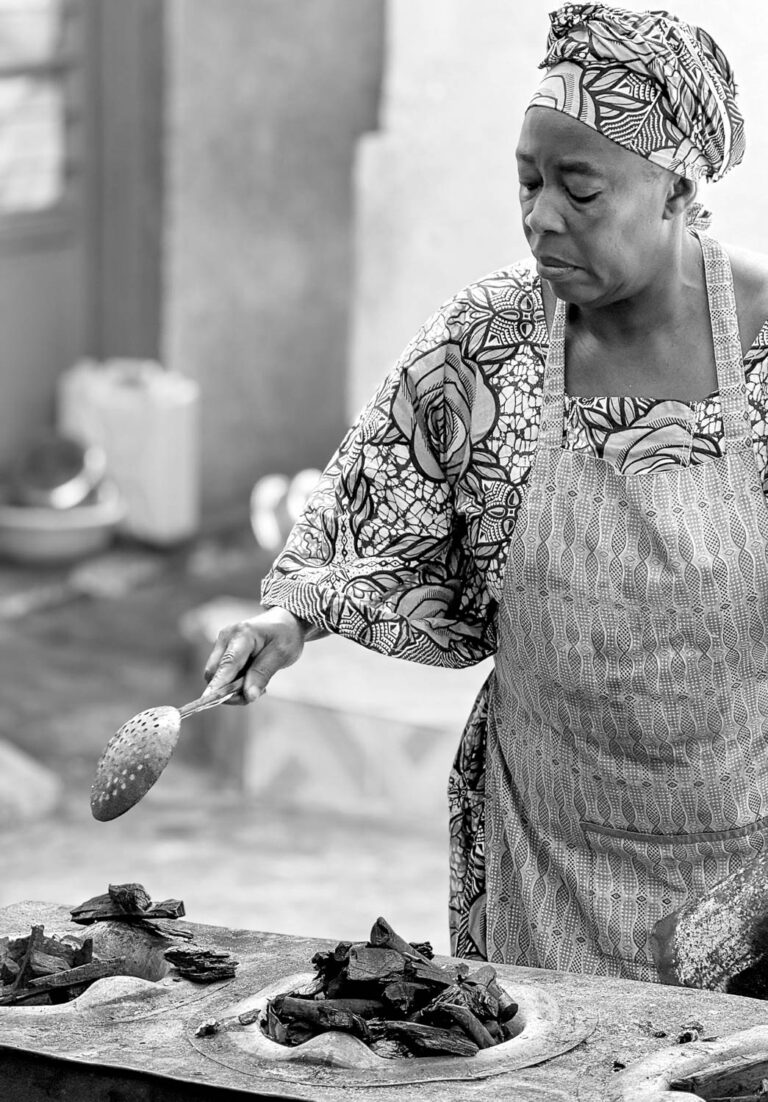
Whether you’re heading to Rwanda to chase unique experiences (ever trekked to seek out endangered mountain gorillas in their natural habitat?), longing for a deep connection to local communities (we highly recommend taking a cooking class in Kigali with the Nyamirambo Women’s Center), or simply craving an adventure that balances natural beauty with cultural depth (Lake Kivu is a geological wonder in its own right!), there are countless things to do in Rwanda – experiences you’ll be talking about with friends and family well beyond the time you return home.
Rwanda is certainly a country of many dimensions, and we want to share with you those that extend beyond the international news headlines: a place of warm hospitality, deep traditions, and a culture that thrives alongside its stunning natural beauty, all of which help to tell a story of resilience that continues to shape the nation today.
Read on, dear wanderers, as we guide you through some of the very best that Rwanda has to offer. Whether you’re planning your first visit here, or simply curious to learn more, we’ve provided an overview here that we hope will help to inspire your journey.
Insider tip. No matter where you are in Rwanda, the last Saturday of each month is always dedicated to Umuganda, where residents participate in a nationwide community clean-up. Opening hours and activities on offer may be modified as a result.
Quick Tips
Here are some insider tips to help you make the most of your visit to Rwanda.
- Rwanda is one of Africa’s safest and cleanest countries, with excellent roads, friendly locals, and a sense of calm that makes travel here both easy and rewarding.
- Begin your journey in Kigali, and consider spending a least a couple of days here to experience both its modern edge and deep cultural roots.
- Visit the Kigali Genocide Memorial for an essential and moving understanding of Rwanda’s past, resilience, and healing journey.
- Drop by the Inema Arts Center to experience Rwanda’s creative spirit through vivid colors, movement, and design.
- Consider a day or overnight safari in Akagera National Park to spot the Big Five.
- Head north to Volcanoes National Park for a life-changing encounter with Rwanda’s endangered mountain gorillas.
- Take some time to unwind by Lake Kivu, where tranquil waters and laid-back lakeside towns offer the perfect pause between adventures.
- Explore Rwanda’s rich cultural heritage at the King’s Palace Museum, the Ethnographic Museum, or the Iby’Iwacu Cultural Village.
- Savor the country’s flavors — from hearty local dishes to world-class coffee grown in the lush highlands.
Follow these tips and you’ll be ready to visit Rwanda!
Plan Your Trip
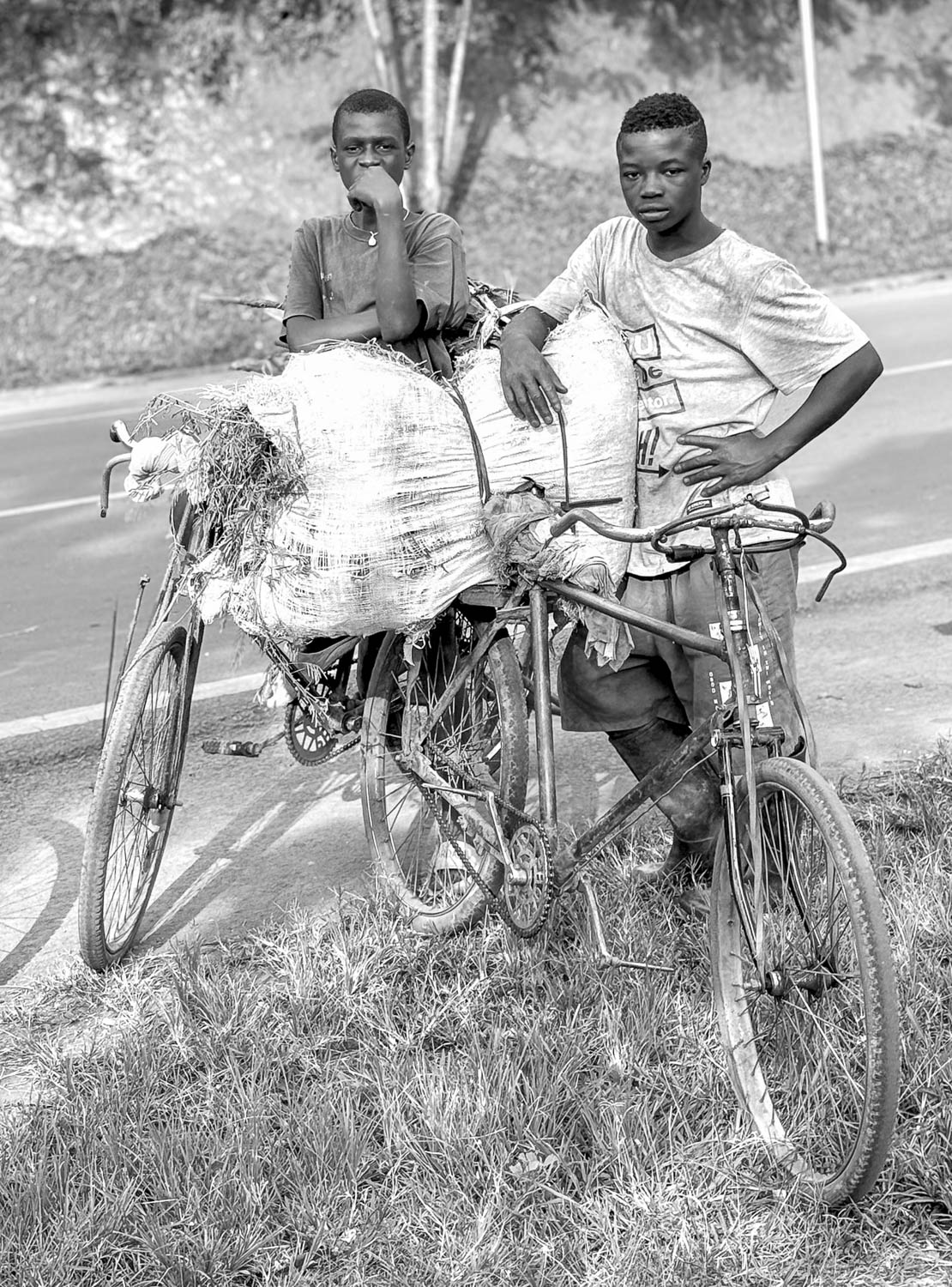
Some links below may earn us a small commission at no extra cost to you. We’re truly grateful for your support, as it allows us to continue sharing meaningful travel experiences and practical travel insights with you. Read our full disclosure here.
Planning your visit? We’ve gathered recommended tours and activities, along with trusted travel tools, to help you explore with confidence and ease.
Tours & Experiences
Prefer additional options? Click below to discover more incredible experiences tailored just for you!
Choose from top Attractions and Activities in Rwanda
Travel Essentials
Planning the rest of your trip? These are the platforms we personally use when organizing our travels. For more planning tools, visit our Travel Resources page or browse current promotions on our Travel Deals page.
Kigali: Rwanda’s Modern Side and A Model for the African Continent
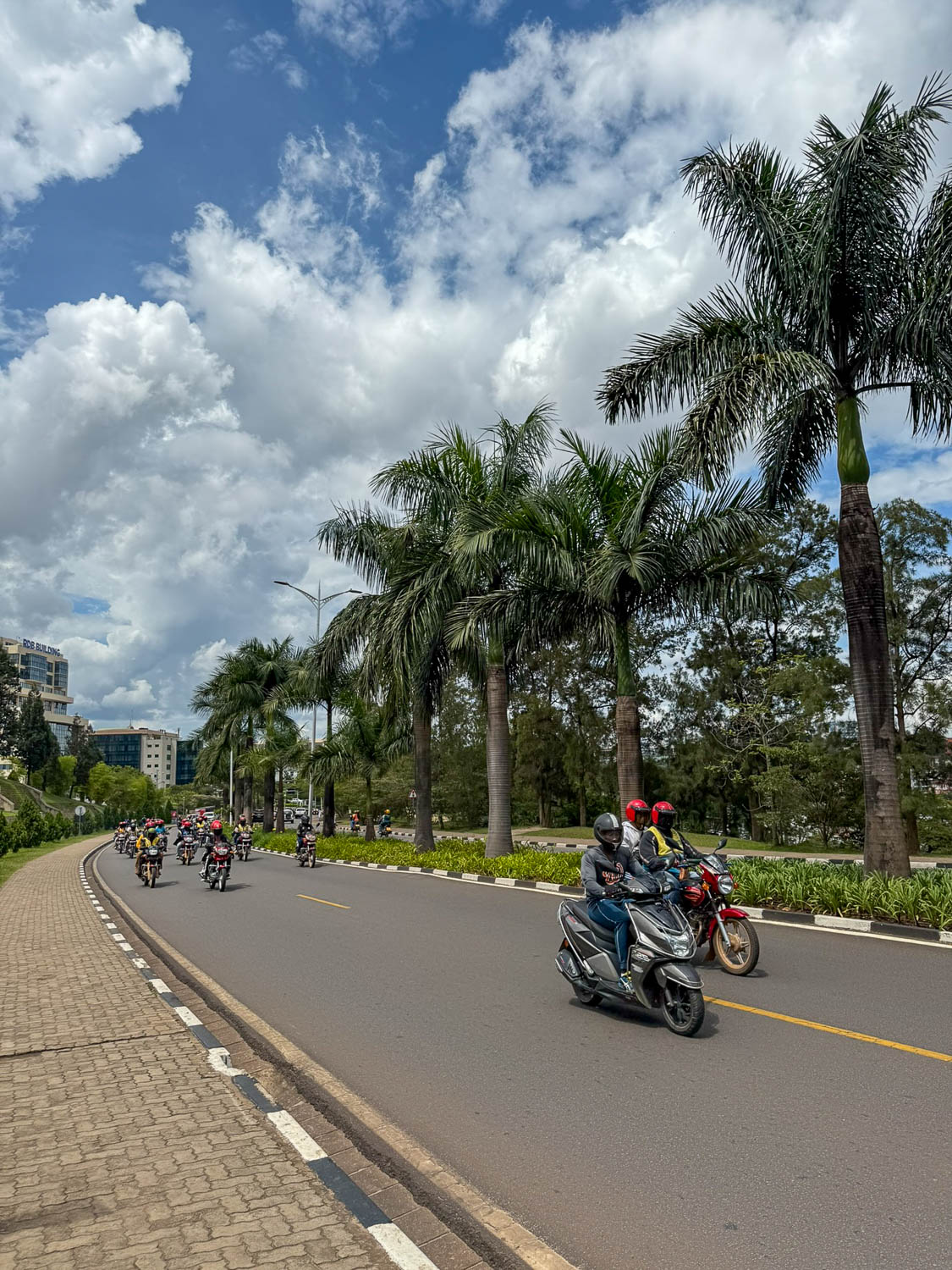
Kigali, Rwanda’s vibrant capital, is a city that blends beautifully modern development with a thriving cultural scene – and it’s definitely worth spending at least a couple of days here.
Known for its clean streets (we’re talking perhaps the cleanest city we’ve ever encountered – not just the cleanest city in Africa!), rolling hills, and welcoming atmosphere, Kigali offers travelers a gateway to the nation’s history and its contemporary life, as well as the plethora of attractions just beyond its boundaries.
Of course, Kigali is known not only for its incredible cleanliness, but also for safety and innovation. Highlights of any visit include bustling markets, art galleries, museums, lively cafes, impressive architectural landmarks (including the Kigali Convention Center) and memorials that honor Rwanda’s past. From its dynamic neighborhoods to panoramic city views, the capital certainly provides a unique introduction to Rwanda’s resilience, creativity, and forward-looking spirit.
Insider tip.Consider taking a Kigali city tour to make the most of your visit to the capital, affording you an opportunity to see both the new and the old faces of Rwanda.
For a deeper dive into how best to experience Kigali – all our most fabulous recommendations on what to see and do in the capital – be sure to navigate across to our article specifically on Kigali.
Insider tip. In case you hadn’t heard, plastic bags are banned in Rwanda. In fact, the country has earned global recognition for its strict environmental policies (including the nationwide ban on plastic bags, which was introduced in 2008). This progressive environmental policy reflects the country’s forward-thinking ethos, and is a commitment that has helped keep the country remarkably clean, with Kigali often noted as one of Africa’s greenest and tidiest capitals.
Discover Rwanda’s Culture and History
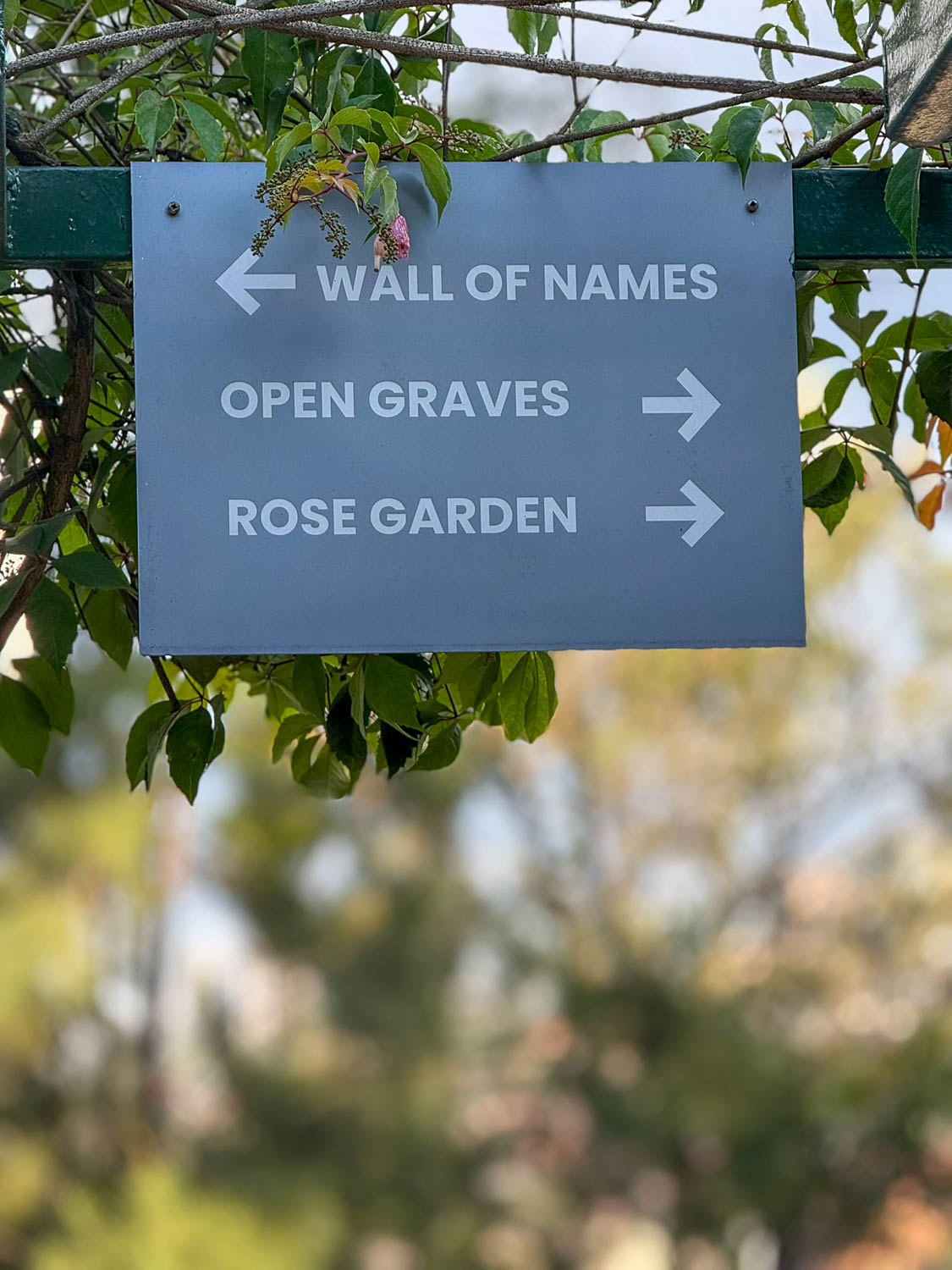
We feel it’s important to begin the journey into any new place – a city, a country, an experience – by first gaining a deeper understanding of it. For Rwanda, that means diving deeper into its identity, its storied past, its strength, and its creativity. Below we offer a brief glimpse into some of the best ways to gain this deeper understanding, with visits to the poignant Kigali Genocide Memorial, the reconstructed King’s Palace Museum, the engaging Iby’Iwacu Cultural Village, and the colorful Inema Arts Center. Together, these experiences paint a rich picture of a country that treasures its roots, whilst also embracing the future.
Kigali Genocide Memorial: Rwanda’s Healing Journey
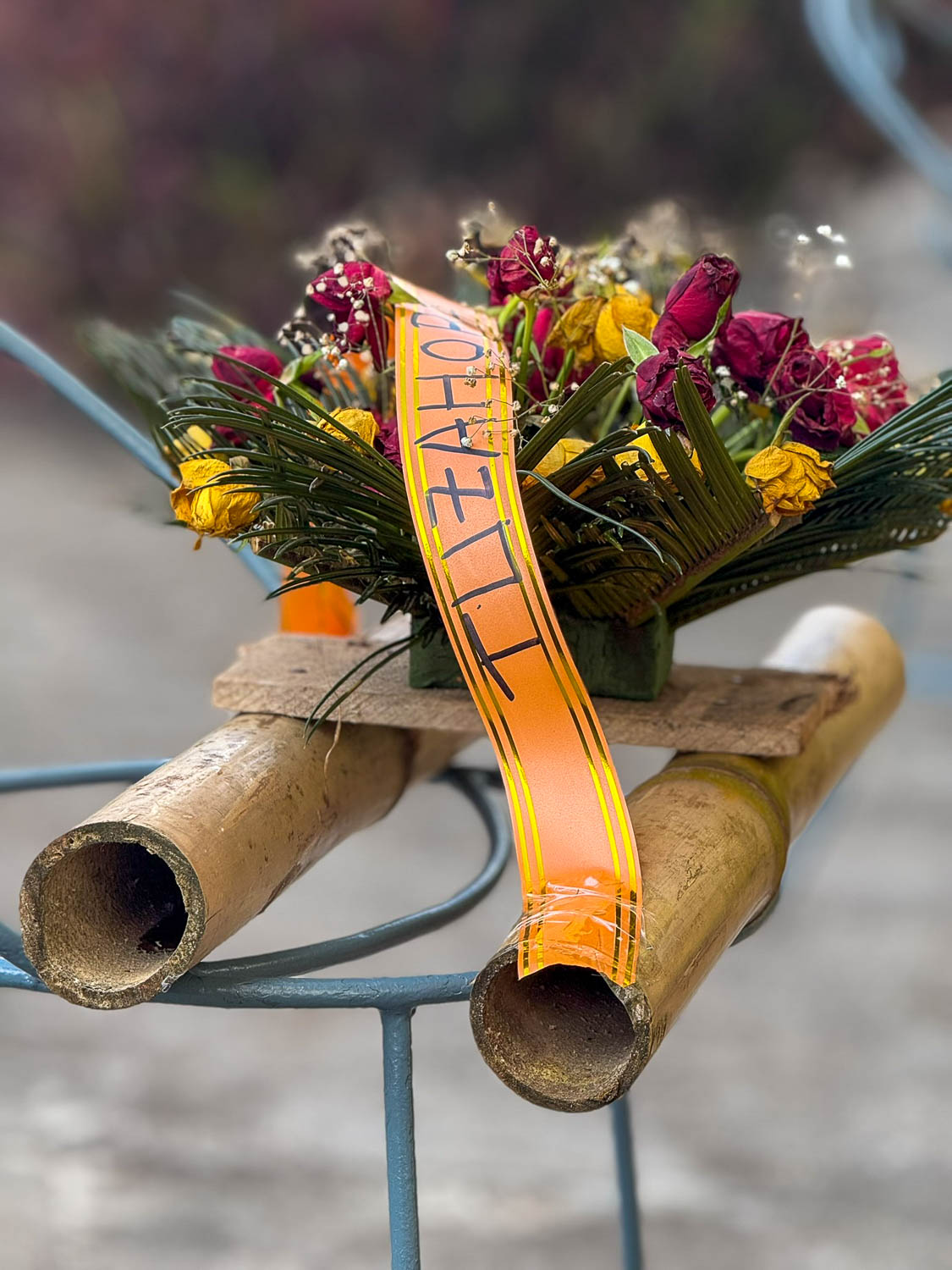
In case you weren’t yet born, or didn’t watch the news at the time, or were perhaps living under a rock, Rwanda suffered a devastating genocide in the mid 1990s that claimed the lives of hundreds of thousands in just 100 days. It was here in 1994 that extremist Hutu militias killed an estimated 800,000 people, mostly Tutsi and moderate Hutu: needless to say, the impact was profound, and the violence that occurred left deep, penetrating scars. But it’s hard to truly grasp the enormity of this event without a visit to the Kigali Genocide Memorial, where you’ll learn not only about the tragic genocide itself, but also how Rwanda has since focused on healing, reconciliation, remembrance, and rebuilding as a unified, hopeful nation – a resilience visitors can see and feel today.
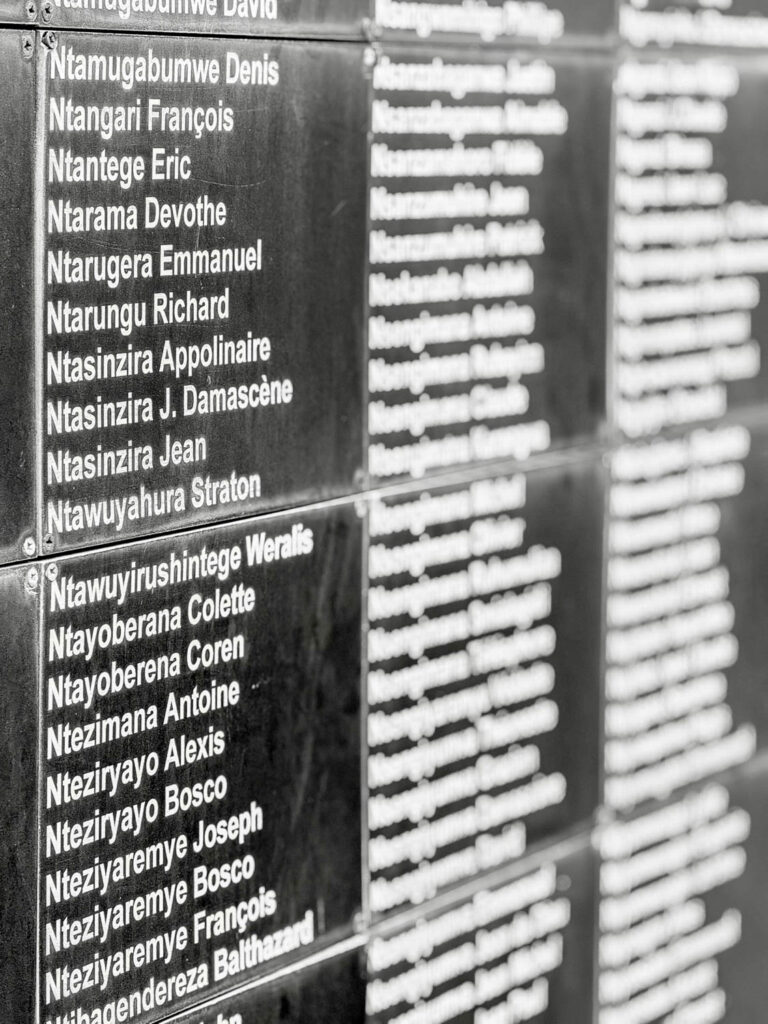
As such, a visit to the Kigali Genocide Memorial, located in the Gisozi area of Kigali, is both sobering and essential for truly understanding Rwanda’s history. The memorial tells the story of the Rwandan genocide through exhibits, photos, and mass graves, where today more than 250,000 victims of the genocide are buried. The site offers a profound reflection on the resilience and strength of the Rwandan people, whilst honoring lives lost and still focusing on unity and renewal.
The Kigali Genocide Memorial is open daily (except Christmas Day and New Year’s Day) from 9am through 5pm, with reduced hours on the last Saturday of the month (1pm-5pm), when Rwandans participate in their national community service day, Umuganda.
There is no fee to visit the Kigali Genocide Memorial, though a voluntary donation is suggested for all international visitors. Audio guides and tours are available, for an additional fee.
Inema Arts Center: Rwanda’s Creative Renaissance

Well, if this wasn’t a gem of a find, we aren’t sure what might be! Be prepared to spend at least a solid hour here to gain the most from your visit (and we promise it will be worth it, even for the not-so-arty-lovers out there!).
Also in Kigali – in the Kacyiru suburb on KG 563 Street – you’ll find the bright and enriching Inema Arts Center, a vibrant hub of Rwanda’s growing art scene. Founded in 2012 by brothers and self-taught local artists Emmanuel Nkuranga and Innocent Nkurunziza, Inema showcases contemporary African art that blends tradition with modernity.
It’s here you’ll find a quiet indoor and outdoor space that showcases and celebrates innovation and creativity in the heart of the city: admire (and even purchase!) paintings, mixed-media works, sculptures, and handmade crafts, including linens, jewelry, and leather goods. There are numerous galleries throughout, residency space for artists, and a variety of crafts and music workshops. Oh, and there’s also a small cafe onsite!
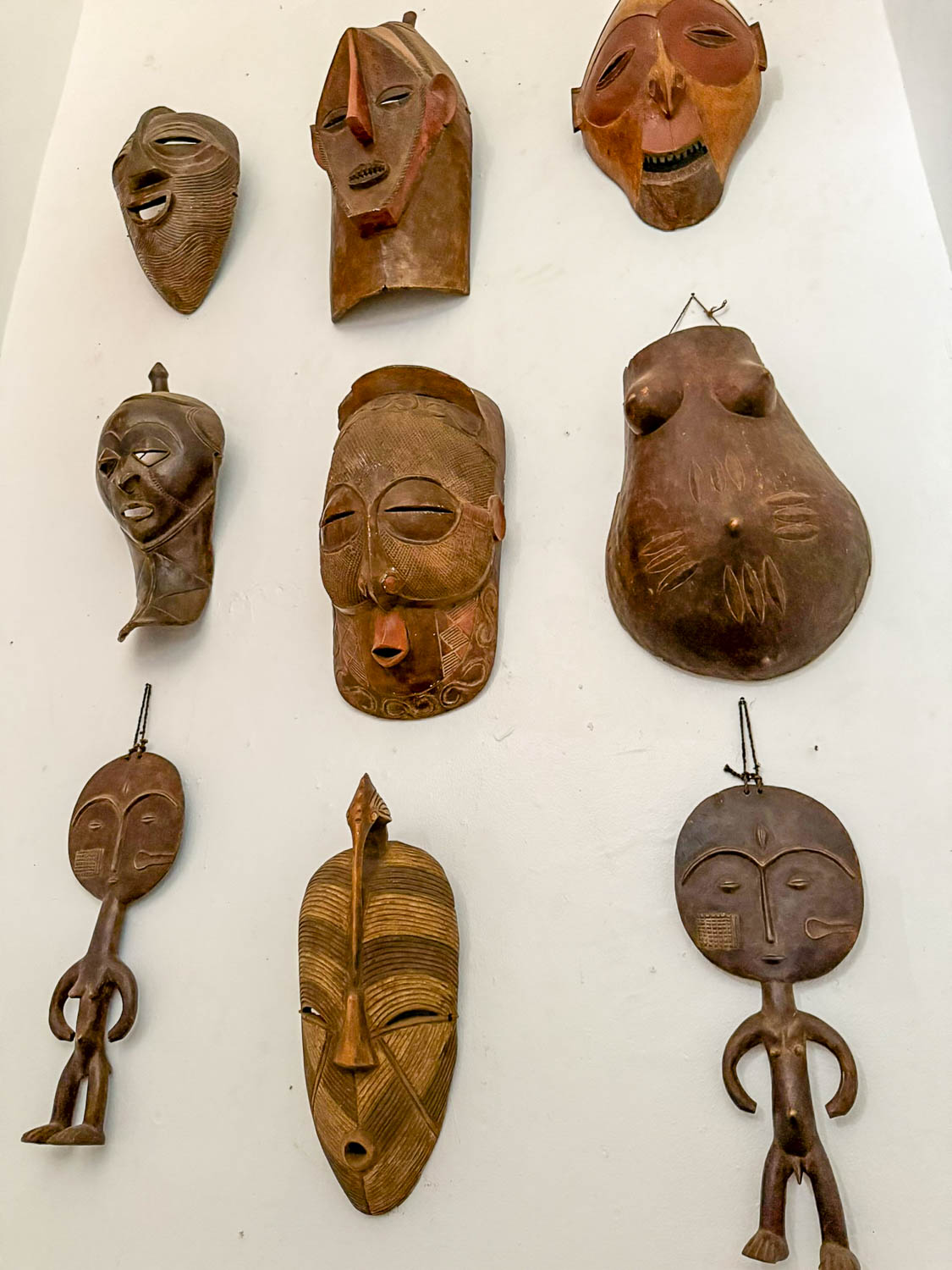
Fun fact. Inema’s mission is to harness art as a tool for personal, social and economic growth.
Inema is open daily from 8am through 8pm.
Insider tip. For something a little different, and if you have the time, consider either catching a show with Inema’s youth cultural dance troupe, Inema Dance, or even joining one of their weekly traditional dance classes.
Rwanda Art Museum (Presidential Palace Museum)
Also located in the capital city of Kigali, you may wish to also consider exploring the Rwanda Art Museum – formerly known as the Presidential Palace Museum until its renaming in May 2018 – another important cultural center that dives deep into Rwanda’s rich cultural heritage.
Situated in Kigali’s Kanombe suburb (near the Kigali International Airport), and housed within the former presidential residence of Juvénal Habyarimanathe (say that three times fast!), the Rwanda Art Museum showcases contemporary Rwandan and international art. The museum features the largest collection of post-genocide artworks in Rwanda, and visitors can also view the remains of an aircraft that crashed into the palace in 1994, marking a pivotal moment in the nation’s history.
For a deeper dive into what to see and do in Kigali, be sure to check out our sister article specifically on Kigali.
Insider tip. Have you seen the fabulous film Hotel Rwanda? It was famously portrayed in the Hôtel des Mille Collines at KN 6 Avenue. Be sure to check it out during your time in the capital!
Iby’Iwacu Cultural Village
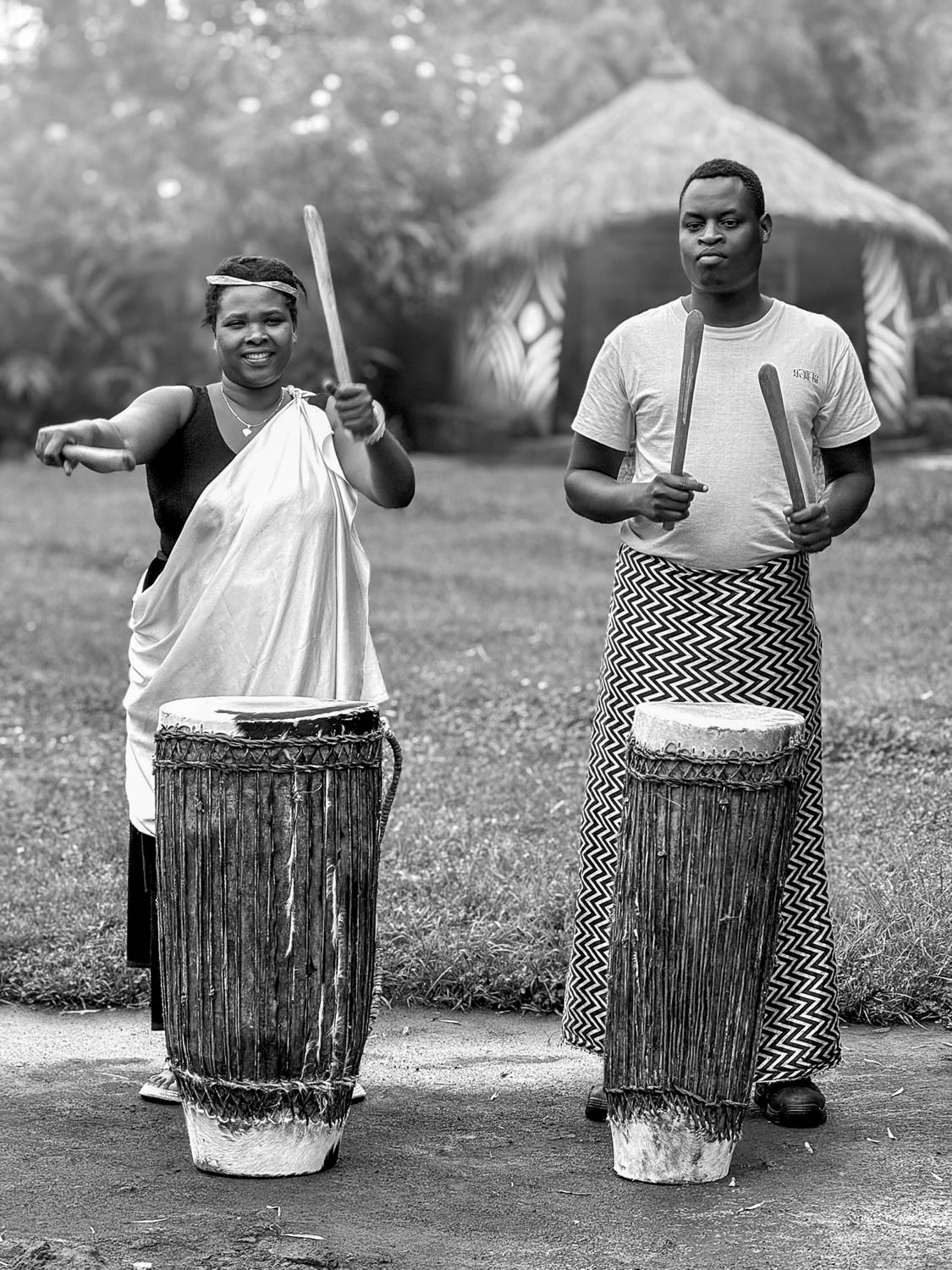
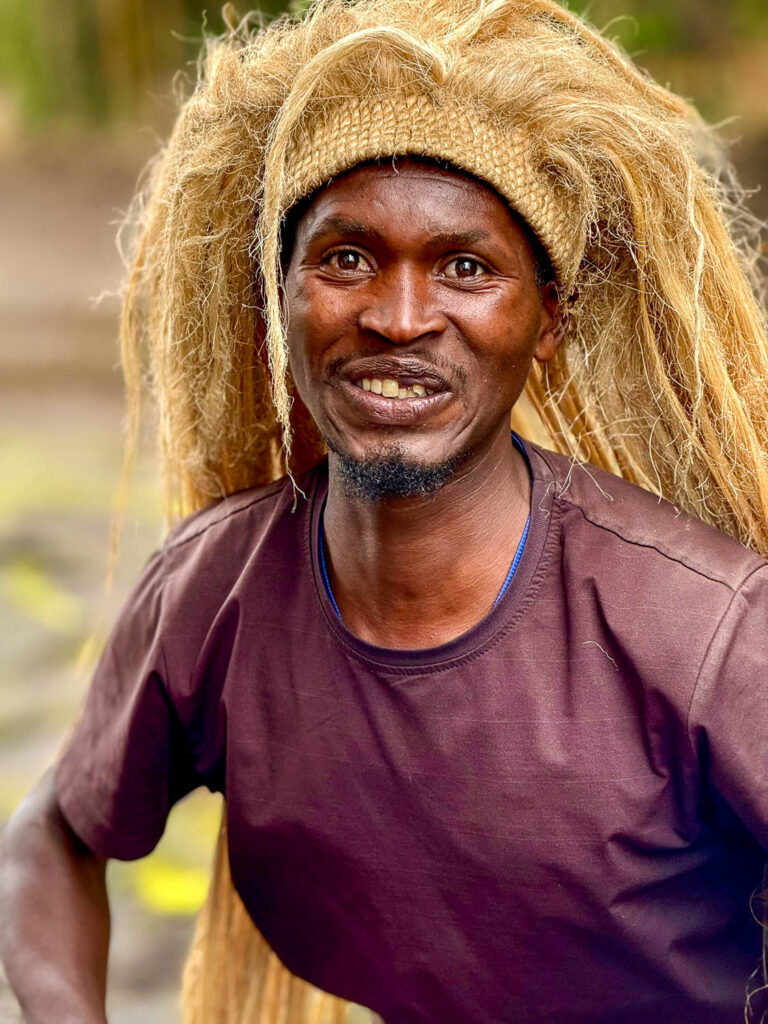
Another highlight of our trip to Rwanda was a visit to the Iby’Iwacu Cultural Village (also known as the Gorilla Guardians Village), located in Nyabigoma, Kinigi, just over two-and-a-half hours by road north-west of Kigali, and just a short hop, skip and a jump from the famous Volcanoes National Park. It’s here at Iby’Iwacu that you’ll be treated to a truly unique, authentic – and definitely immersive! – experience, showcasing traditional life and the customs of Rwandans, including those of reformed poachers.
A visit here is a truly educational and fun opportunity. Originally a local project aimed at providing alternative income to former poachers, Iby’Iwacu has today grown into a celebrated cultural tour that truly immerses visitors. Through traditional dances, musical performances, cooking and craft demonstrations, and storytelling – all in which you’ll be able to actively participate – you’ll learn more about local culture and gain wonderful insights into the diverse cultural heritage of Rwanda, its customs, and the significance of various cultural practices – whilst also supporting local communities and conservation efforts.
Insider tip. You can visit Iby’Iwacu as either part of a larger private or group tour, on your own, or even consider an overnight homestay here.
For a deeper dive into the fascinating Iby’iwacu Cultural Village, be sure to consult our article on Musanze.
King’s Palace Museum
Located just shy of 62 miles (100km) south-west of Kigali, in the southern township of Nyanza, you’ll find the King’s Palace Museum. Established in 2008, this museum offers a fascinating glimpse into pre-colonial Rwandan royalty, showcasing the evolution of the Rwandan monarchy, from traditional royal residences to colonial-era influences.
Marvel at a replica of the royal palace (it’s actually a meticulously reconstructed beehive-shaped thatched palace, reflecting the architectural style of the 15th-century Rwandan kings – pretty neat, eh?), discover the 1930s-era colonial palace (once home to King Mutara III Rudahigwa), and the Sacred Inyambo Cattle (these revered royal cows are descendants of the king’s herd and have truly massive horns!).
Fun fact. At the King’s Palace Museum you can experience the unique tradition of caretakers singing to the royal cattle during ceremonial parades.
The museum also offers cultural performances with traditional music and dance, bringing Rwanda’s royal history to life.
Insider tip. If you’re truly interested in gaining a profound understanding of Rwanda’s rich cultural and royal history, allow yourself ample time for a visit to the King’s Palace Museum. Aside the museum itself, the site’s grounds and gardens are also worth exploring.
The King’s Palace Museum is open daily (including Sundays and public holidays) from 9am through 5pm, with reduced hours on the last Saturday of the month (12pm-5pm), when Rwandans participate in their national community service day (Umuganda). The museum is closed on Genocide Memorial Day (April 7).
The museum’s entrance fee is 6,000-10,000 RWF (between US$4.25 and US$7, depending on your citizenship and residency), which includes a guided tour (1.5-2 hours, available in English, Kinyarwanda and French).
Insider tip. Interested in seeing an Inyambo royal cow parade? I mean, you’re there, so why not, right? Expect to pay an additional 3,000 RWF (about US$2) for this optional (but super cool) activity.
Ethnographic Museum of Rwanda
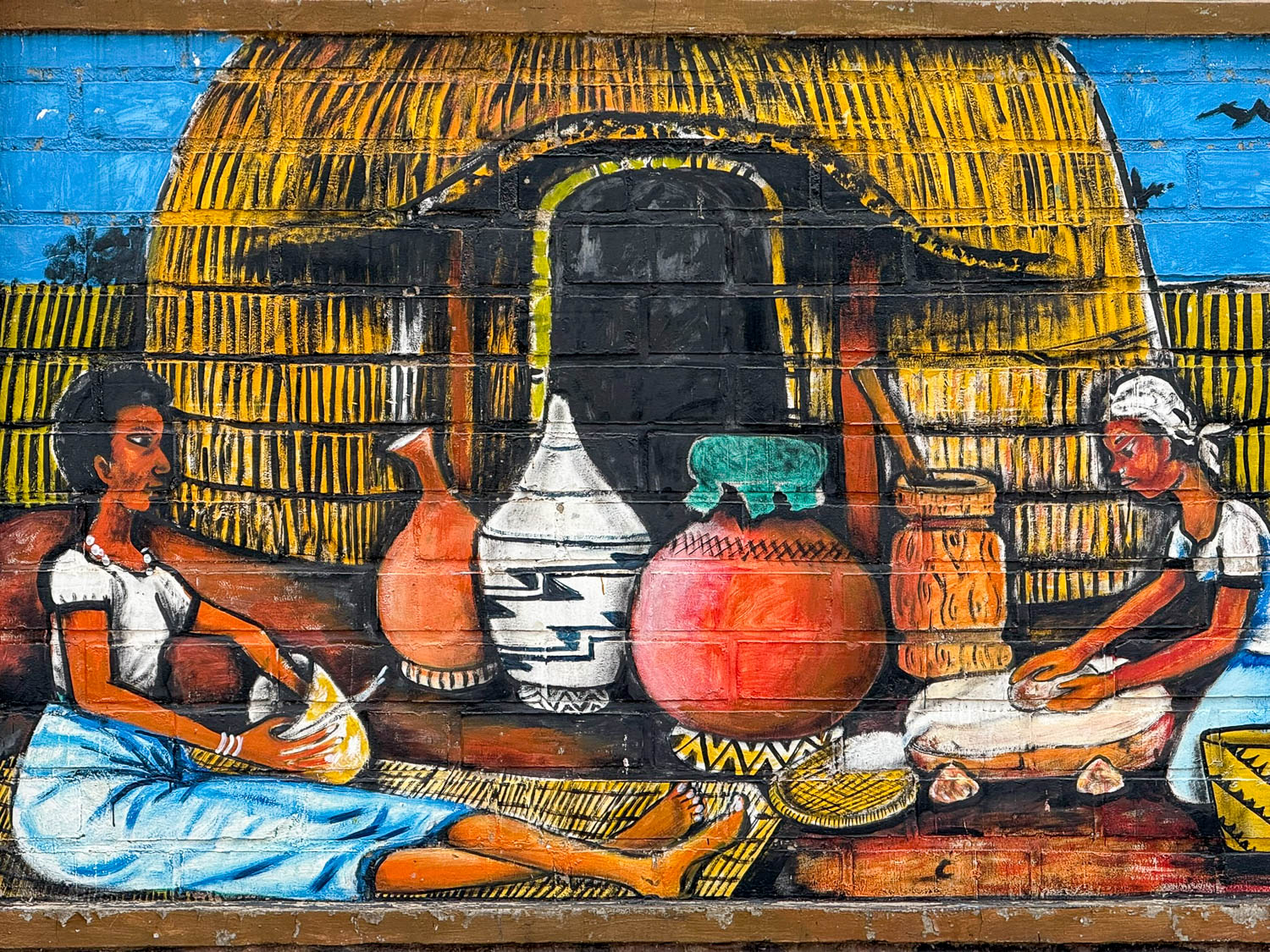
The country’s largest museum, the Ethnographic Museum of Rwanda, is another important cultural center that affords visitors a solid narrative into Rwanda’s rich cultural heritage. Situated in Huye, approximately 81 miles (130km) south of Kigali, it’s also one of Africa’s premier ethnological and archaeological collections.
Established in 1989 with assistance from the Belgian government, the museum offers a comprehensive journey through Rwanda’s history, culture, and traditions. Its seven galleries display artifacts ranging from traditional crafts and agricultural tools to musical instruments and ceremonial attire. There’s also a gift shop onsite, and a well-maintained outdoor area worth exploring.
Admission to the museum is approximately 17,000 RWF (US$12), with galleries open from 8am through 6pm. The museum closes early (at 11am) on Umuganda (the last Saturday of each month).
Rwanda’s Natural Beauty
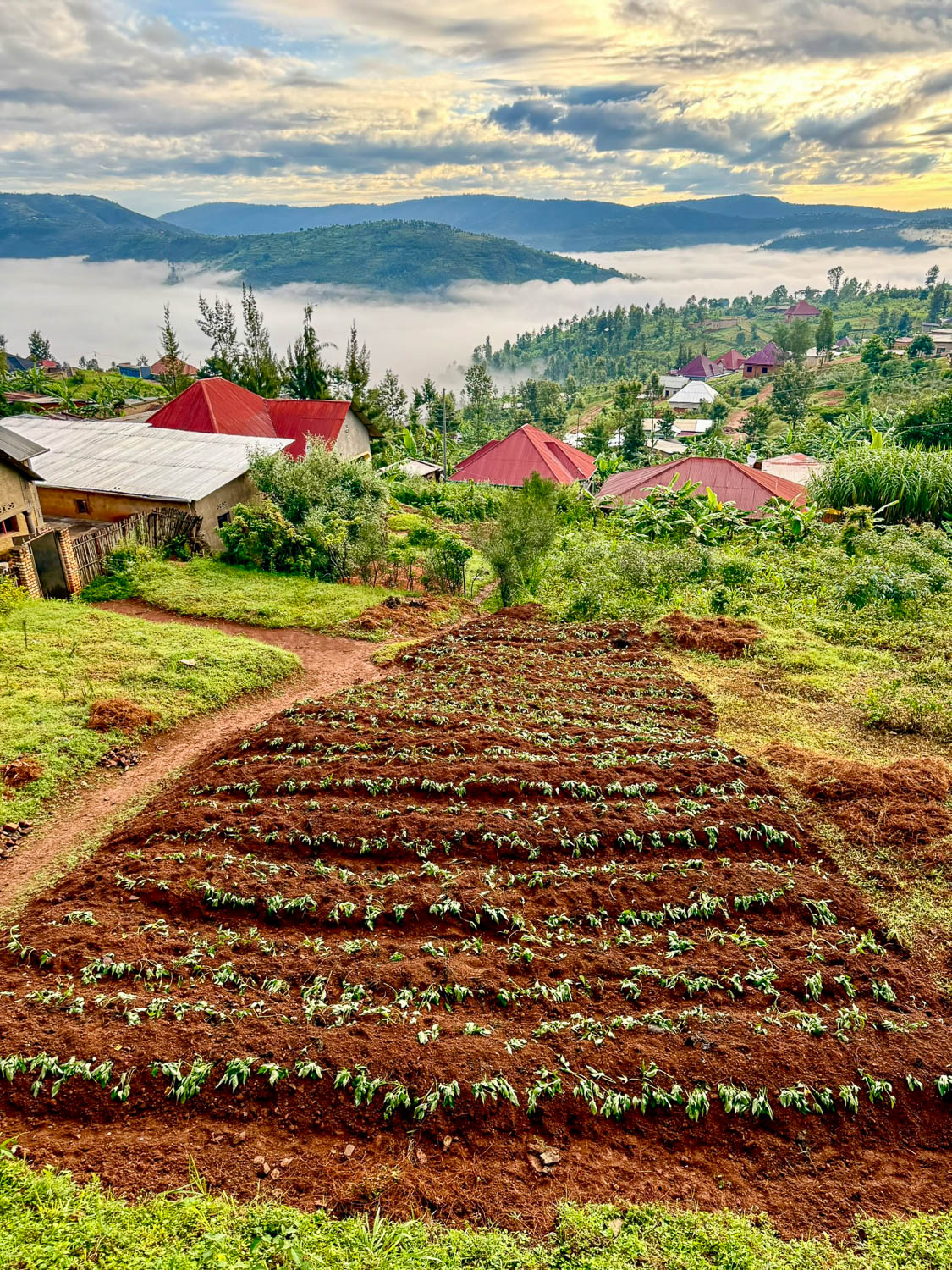
Rwanda’s natural beauty is defined by its rolling green hills, mist-covered mountains, and crystal-clear lakes – all seeming to appear around every bend in the road. The country’s compact size makes it easy to navigate, yet within its borders you’ll find an incredible range of ecosystems and a rich tapestry of natural attractions just waiting to be explored.
Volcanoes National Park: Gorilla Encounters in the Mist

If you haven’t yet heard, one of the most iconic things to do in Rwanda is to visit Volcanoes National Park, home to the critically-endangered mountain gorillas. Nestled within the Virunga Mountains, this national park offers a once-in-a-lifetime opportunity to embark on a gorilla trekking adventure. Accompanied by a local guide, you’ll hike through dense forests and steep slopes, where you may just find yourself face-to-face with a family of wild gorillas in their natural habitat. We know, pretty awesome, right?
The experience of a gorilla trek is nothing short of life-changing. As you watch these majestic creatures forage, groom one another, or care for their young, it’s impossible not to feel humbled to simply be in their presence.
Fun fact. Volcanoes National Park is home to roughly 300 gorillas, and is one of the few places on earth where you can stand eye-to-eye with these majestic creatures.
Other highlights of Volcanoes National Park include:
- Looking out for other primates, including golden monkeys.
- Visiting the Dian Fossey grave and research center at Karisoke, a moving tribute to the woman who devoted her life to saving mountain gorillas from extinction.
- Hiking any number of the well-maintained trails throughout the park that lead to Mount Bisoke and Mount Karisimbi, offering spectacular views over the region, and a more intense trekking experience.
For a deeper dive into Volcanoes National Park, be sure to consult our article on Musanze.
The Twin Lakes of Ruhondo and Burera
Located just outside Volcanoes National Park, the Twin Lakes of Ruhondo and Burera are volcanic in origin and are absolutely stunning. Here you’ll be surrounded by terraced hills and farming villages, and with both lakes fed by rivers descending from the volcanoes within the Virunga Mountains, the landscape provides breathtaking, postcard-worthy views.
Insider tip. A boat trip on either lake provides an immersive way to experience rural Rwanda, whilst taking in some of the most incredible views the country has to offer. Not up for a boat ride? No worries, because the lakes also afford visitors plenty of opportunities to bike, canoe, birdwatch, hike, and simply reflect on life as the world quietly passes by.
Insider tip. A visit to the Twin Lakes is often combined with gorilla trekking itineraries, making them a perfect complement to any adventure in the north of the country.
Looking for more information on the Twin Lakes? Be sure to check out our article on Musanze!
Akagera National Park: An African Safari Adventure
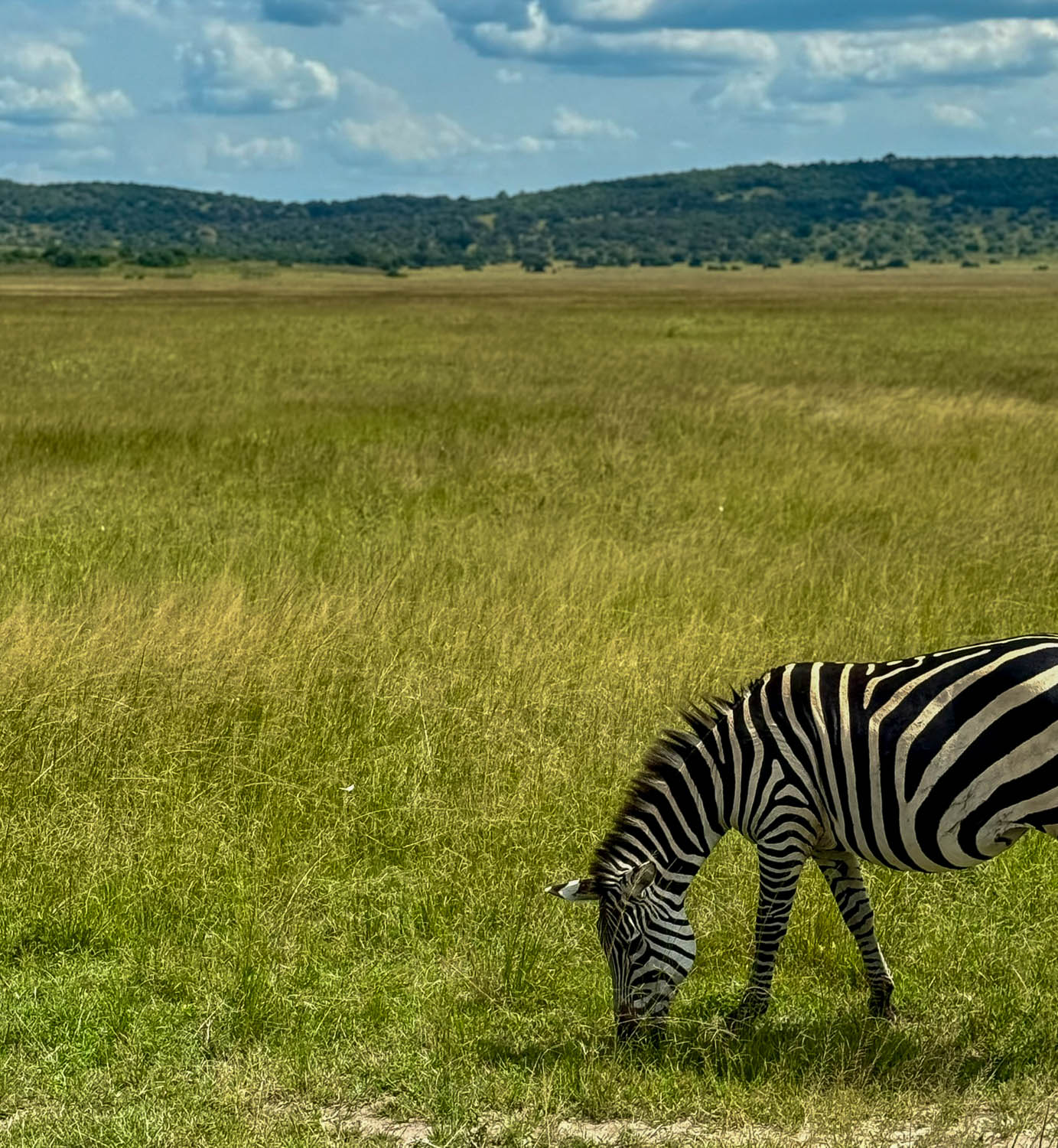
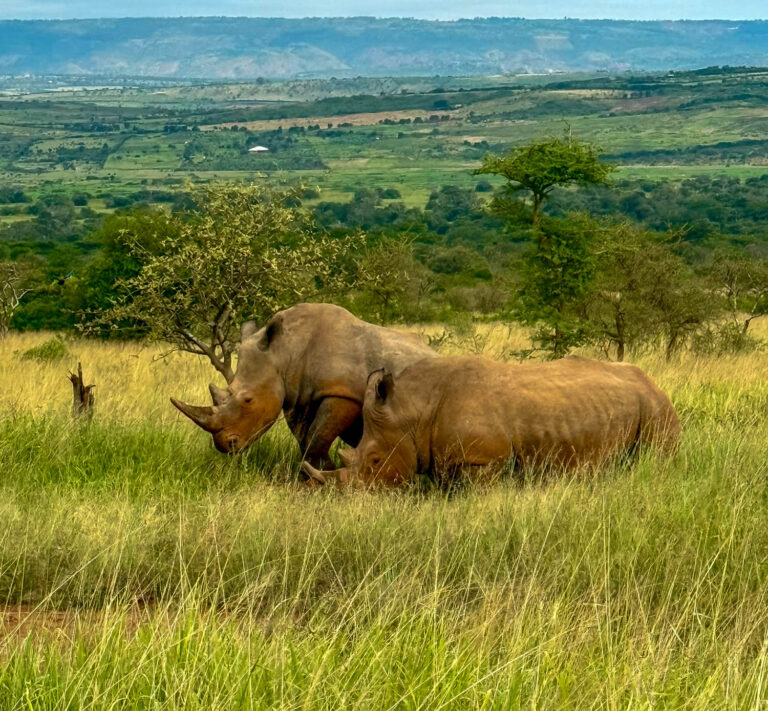
If you’re dreaming of a traditional safari experience in Rwanda, then head east from Kigali (for about two-and-a-half hours) to Akagera National Park. Akagera is the nation’s only savannah national park, and it has made a stunning conservation comeback. Thanks to successful conservation efforts, the Big Five (lion, leopard, rhino, elephant, and buffalo) roam freely here once again – and you have an opportunity to see them all, up close (but also from the safety of your safari vehicle)!
At Akagera you can enjoy day and/or night game drives, boat trips across Lake Ihema, and even guided bird-watching tours. Zebras, giraffes, and hippos are frequently spotted, along with hundreds of bird species, including the rare Shoebill Stork and the endangered Papyrus Gonolek.
Insider tip. Akagera combines a classic African safari with Rwanda’s peaceful and organized hospitality. It’s a popular destination for a day trip from the capital (though a very long one!), or for an overnight stay within the park itself.
For more information on Akagera National Park, be sure to check out our deep dive into this fascinating landscape, Akagera National Park.
Nyungwe Forest National Park: A Biodiversity Hotspot
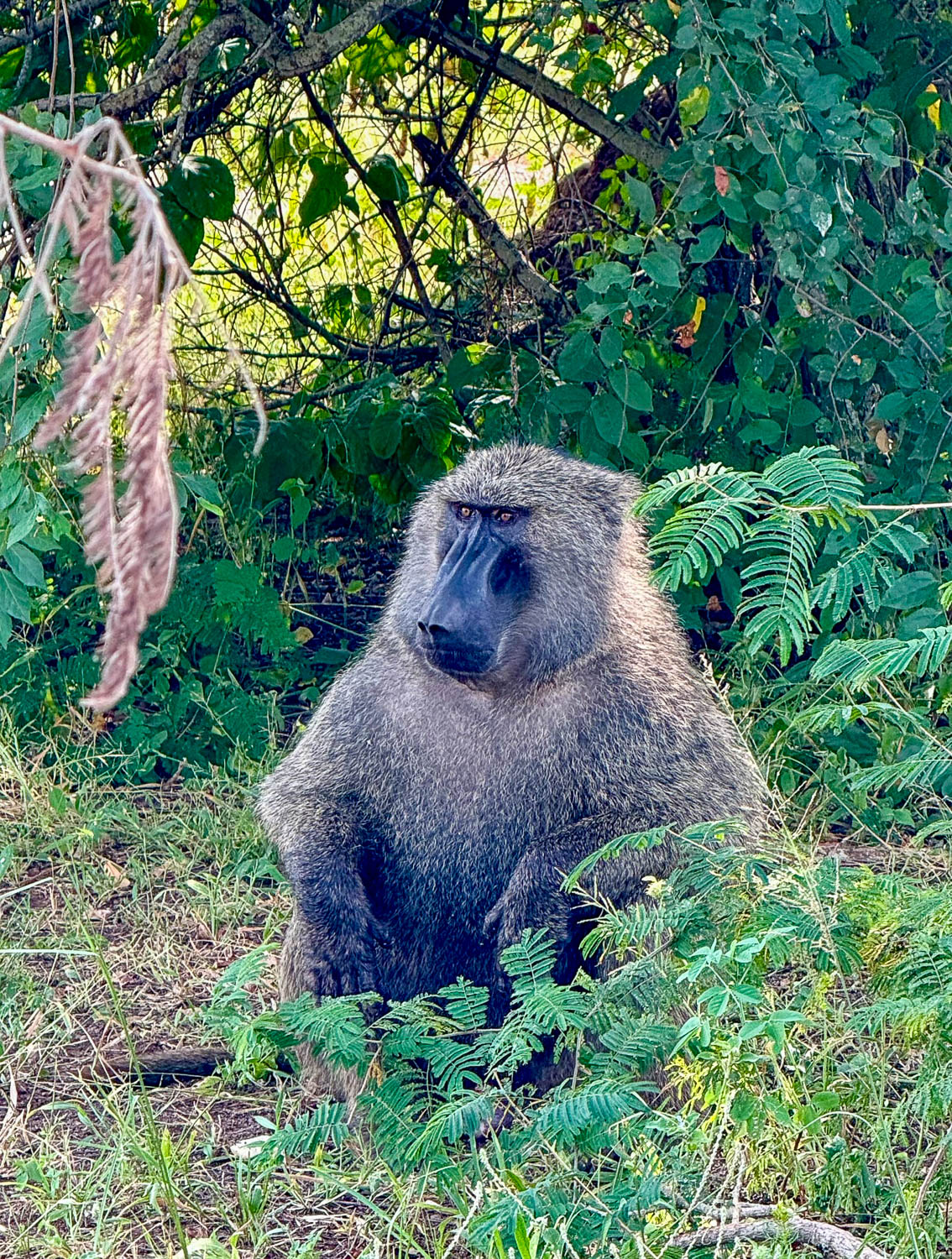
You may also wish to consider a visit to Nyungwe Forest National Park, a primeval rainforest rich in plant species, rare primates, and birdlife. This national park, located in southwest Rwanda – partly abutting the Burundi border and a solid 4 hours by road from Kigali – is home to colobus monkeys, chimpanzees, and more than 300 bird species, making it a paradise for nature-lovers and bird-watching enthusiasts alike.
Insider tip. A highlight of Nyungwe is the canopy walk, a suspended bridge that provides panoramic views over the forest and the sort of adrenaline rush we know Beck seeks on a regular basis.
Since you’re already in the area, you may also wish to consider a visit to the nearby Gisakura Tea Estate, scenic tea plantations where visitors can explore rolling tea fields, learn about sustainable tea production, and enjoy panoramic views of the surrounding hills and forests. This is an opportunity to experience a truly tranquil setting and garner a unique cultural insight into Rwanda’s agricultural traditions.
Looking for more things to do near Nyungwe Forest National Park? Be sure to check out our article on Lake Kivu. And speaking of Lake Kivu…
Lake Kivu: Where Unwinding Becomes the National Pastime
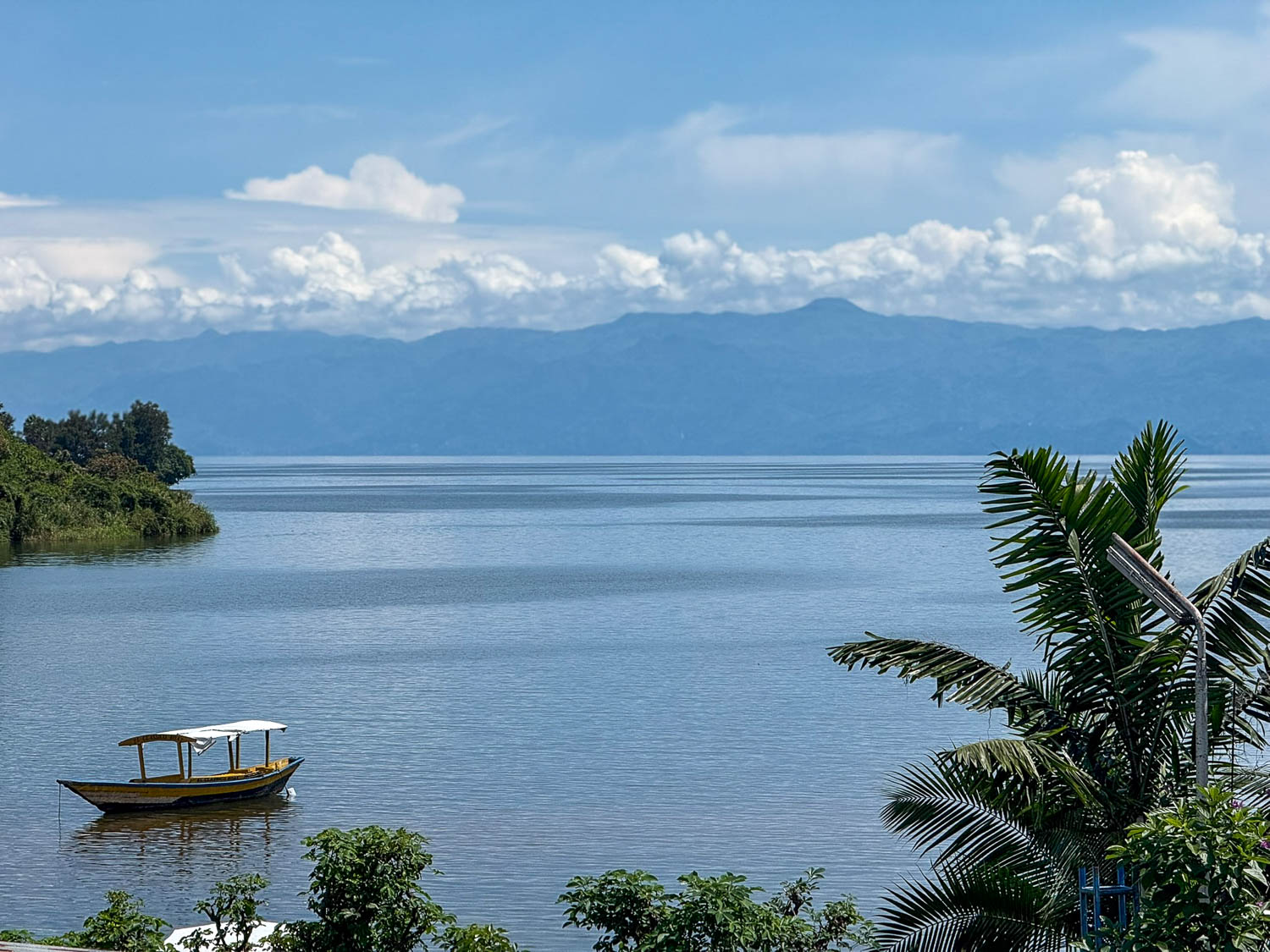
Looking for somewhere to truly relax for a day or two? Or perhaps you’re seeking to reconnect with nature’s quieter rhythms? Then look no further than Lake Kivu, a 3-hour drive west of Kigali.
Insider tip. We recommend allowing at least 5-6 hours to get from Kigali to Lake Kivu. The main road is windy (and incredibly scenic!), with numerous stops worth considering along the way.
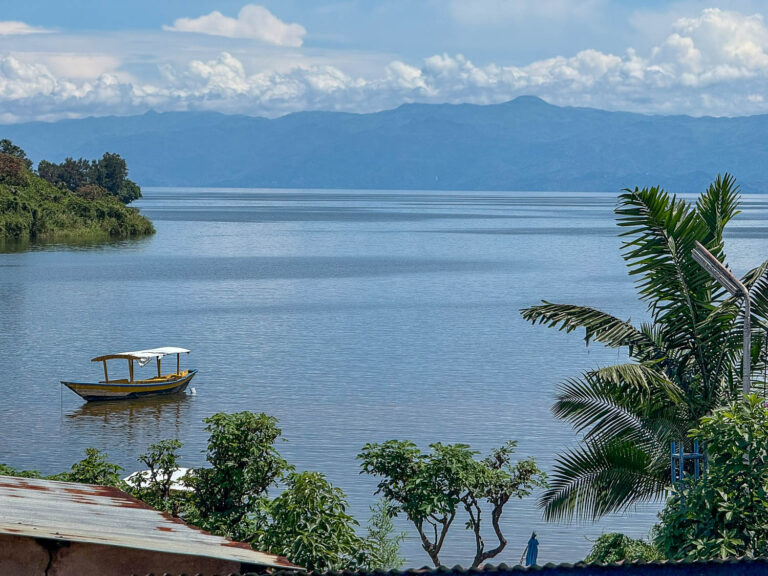
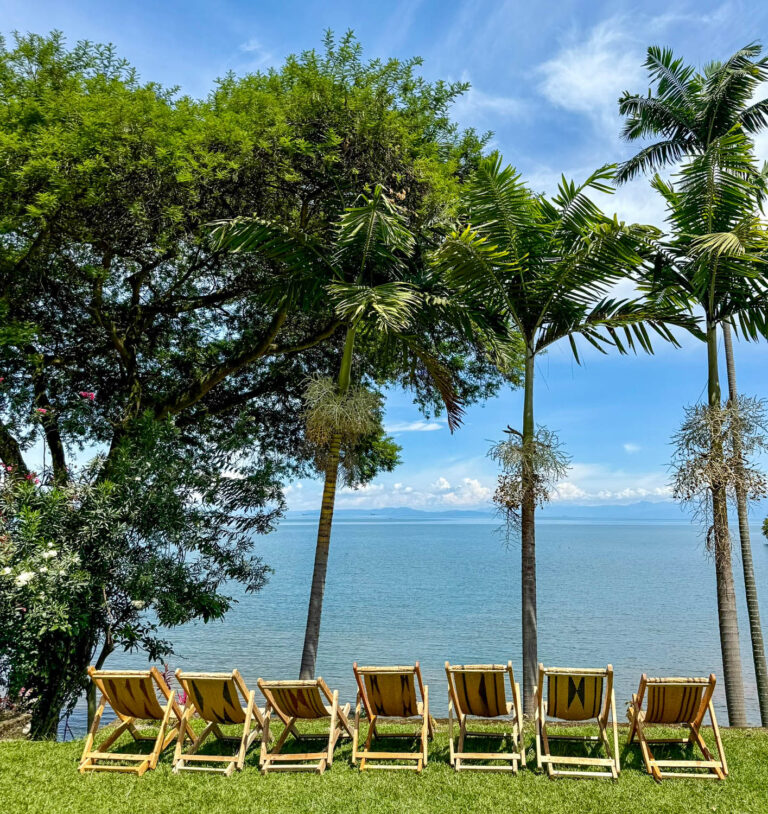
Majestic, freshwater Lake Kivu borders the Democratic Republic of the Congo, its shores dotted with charming towns that include Rubavu (formerly known as Gisenyi) and Kibuye. No matter where you arrive or choose to stay, you’ll be afforded stunning views of the lake, sandy beaches, and relaxing lakeside accommodations.
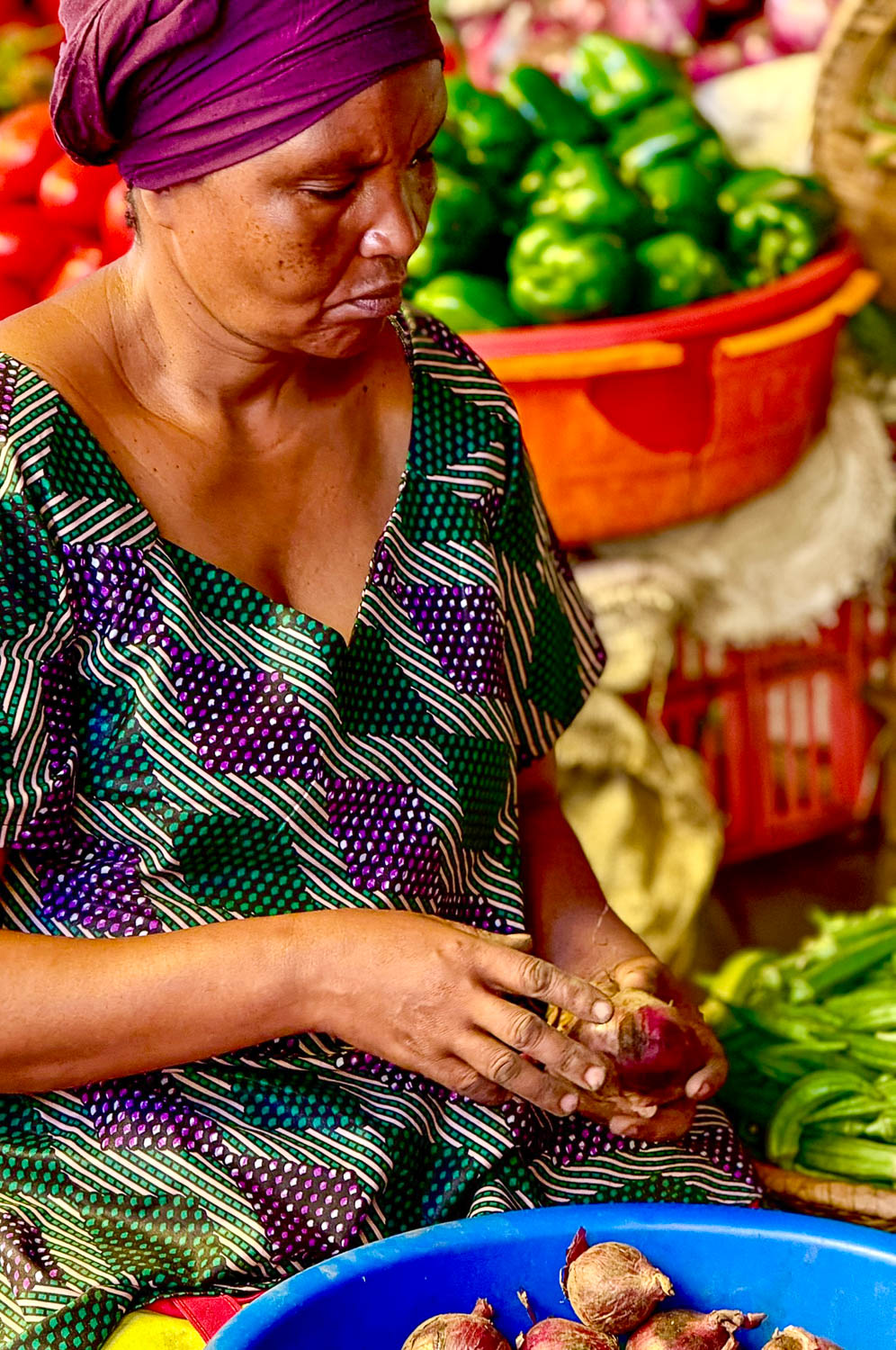
Insider tip. If staying overnight at Lake Kivu, consider basing yourself in the town of Kibuye, located about halfway between the most northern and most southern points of the lake. Kibuye is a wonderfully tranquil spot, perfect for visitors who want to slow down, enjoy fresh Rwandan food at local restaurants, shop at local markets, or simply lounge by the lake’s shores.
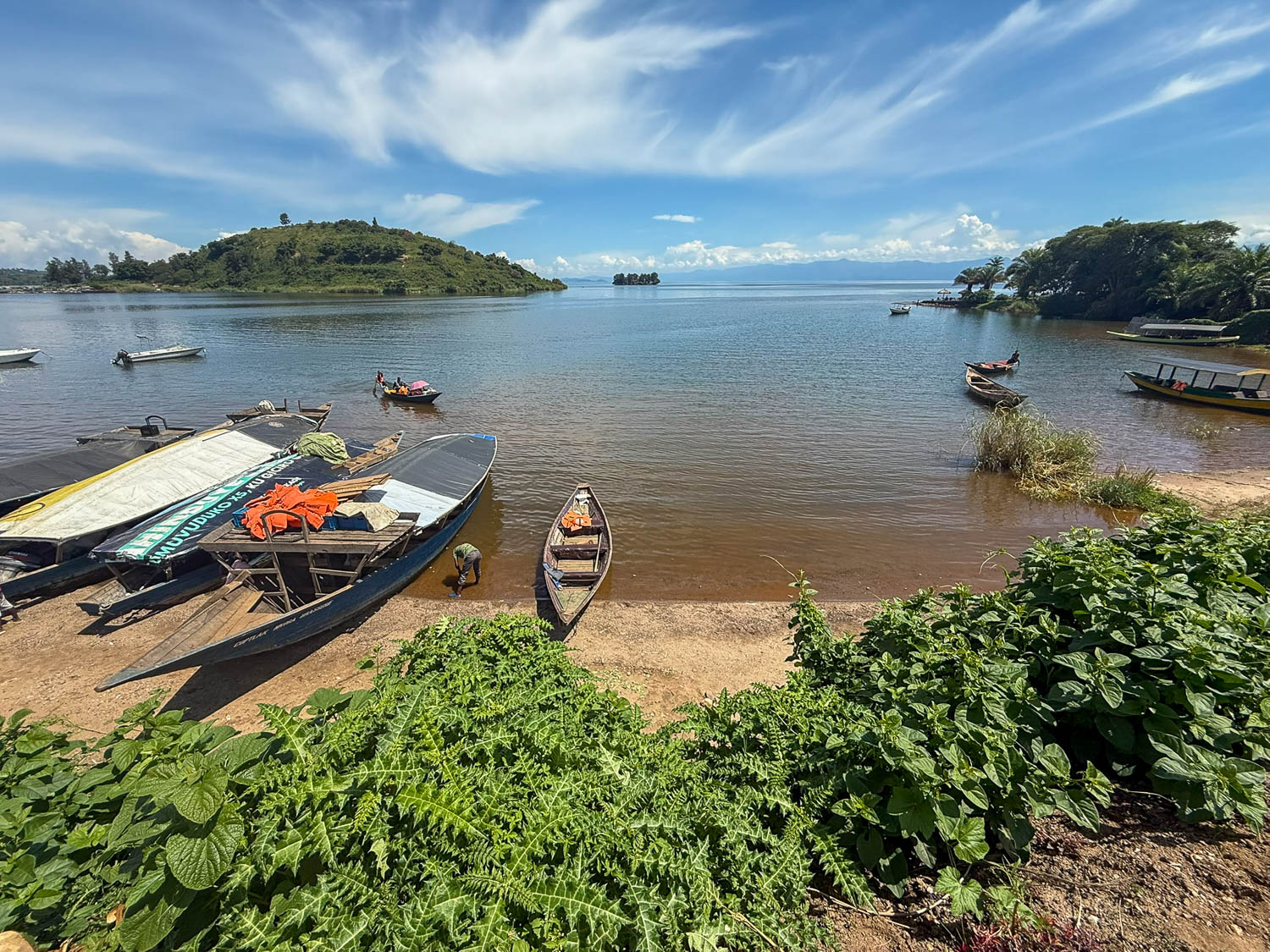
Take a boat trip across Lake Kivu to explore nearby islands, look for numerous bird species (some of the most colorful we’ve ever seen!), or simply soak in the beautiful scenery. Many visitors opt to kayak or swim, whilst others indulge in the tranquility of the lakeside spas and cafes. You’ll also be afforded front-row seats to magical sunsets over the hills in the distance.
Looking for more information on Lake Kivu? Don’t worry, we’ve got you covered! Be sure to check out our sister articles Lake Kivu, Rwanda: Top Things to Do And Travel Guide and Is Lake Kivu Safe? Rwanda’s Beautiful African Haven?
Hiking Rwanda’s Scenic Trails
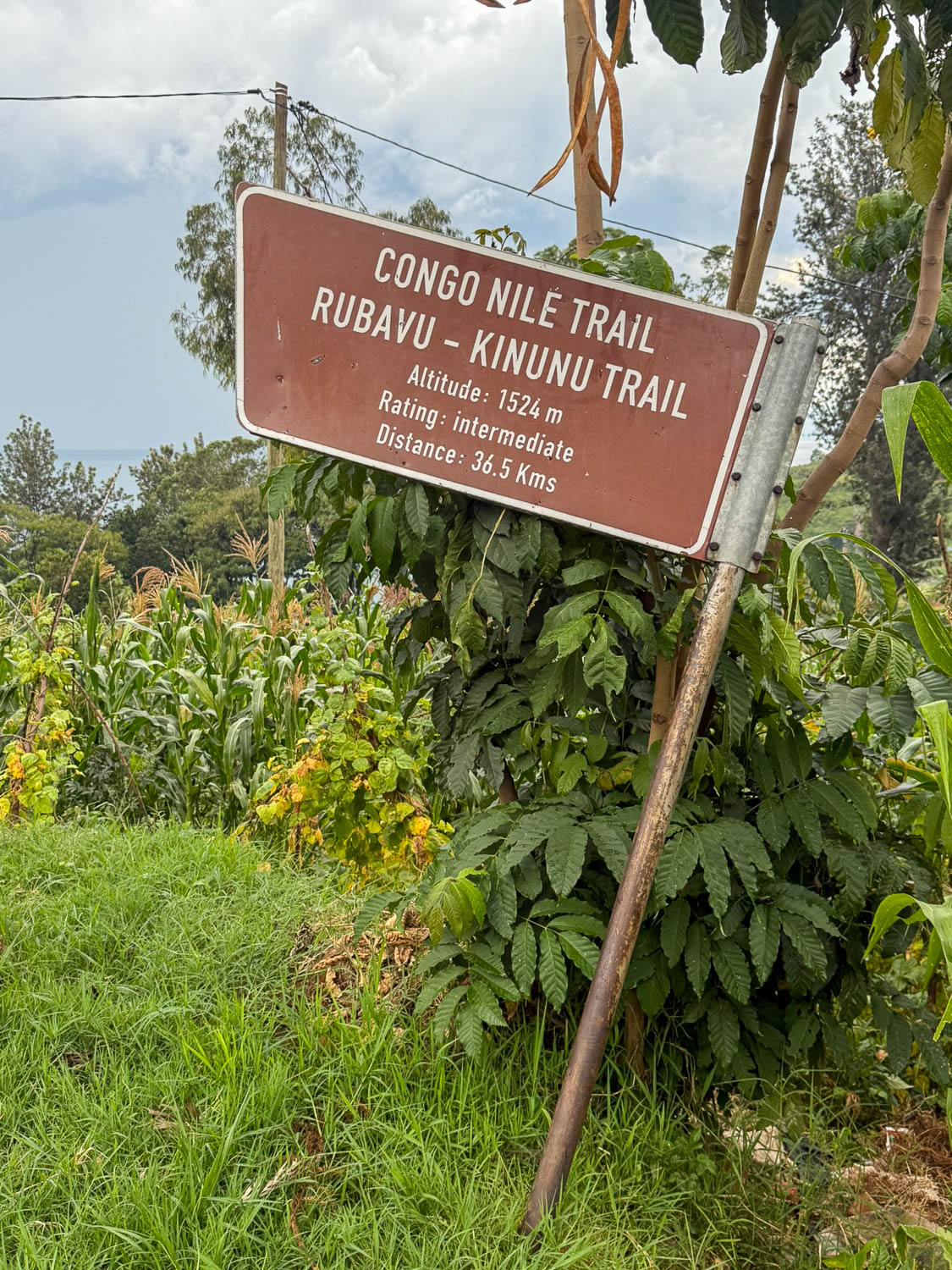
Whether you’re an experienced hiker or a casual walker, Rwanda’s well-marked hiking trails offer striking views and a close connection to nature in one of Africa’s most scenic countries.
With hikes ranging from easy walks to challenging treks, hiking in Rwanda is a wonderful way to experience the country’s stunning landscapes and its diverse ecosystems: trekkers can explore dense rainforests, crater lakes, and rolling hills alive with wildlife. And yet hiking here is more than just a physical activity — it’s a way to deeply connect with the land and its people.
Popular hikes include gorilla trekking through the misty peaks of the Virunga Mountains in Volcanoes National Park, chimpanzee tracking along the lush trails of Nyungwe Forest National Park, and scenic walks around, and along Lake Kivu. Some highlights worth considering include the following.
- The Congo-Nile Trail. Stretching for over 124 miles (200km) along the scenic shores of Lake Kivu, the Congo-Nile Trail offers hikers and cyclists a mix of lush hills, small villages, and panoramic lake views. The trail passes through coffee plantations, banana groves, and local communities, providing a glimpse into rural Rwandan life. It’s a superb way to combine an outdoor adventure with cultural experiences along one of the country’s most picturesque routes.
- The Virunga Mountains. For thrill-seekers, summiting Mount Bisoke or Mount Karisimbi offers a rewarding challenge with sweeping views of the Great Rift Valley. These hikes are led by experienced local guides and are amongst some of the top things to do in Rwanda for adventurous travelers.
Coffee and Beekeeping Tours: Two of Rwanda’s Most Beloved Traditions

Rwanda offers visitors immersive coffee and beekeeping tours, providing you an opportunity to engage directly with two of the country’s most important and thriving industries. But here, coffee and beekeeping are really more than just industries — they are deeply intertwined with the country’s land, its history, and the communities that nurture them.
In Rwanda, the fertile hills and valleys that define the nation’s landscape are alive with the rhythms of daily life, and nowhere is this more evident than in the cultivation of coffee and honey. Coffee plantations and beekeeping practices in Rwanda are rooted in the land and sustained by generations of local knowledge, reflecting the country’s resilience, creativity, and deep connection to nature. Exploring coffee and honey production affords visitors a subtle, yet meaningful glimpse into everyday life, traditions, and the sustainable ways locals connect with their environment, providing a meaningful backdrop to the country’s rural culture.
Coffee Plantation Tours
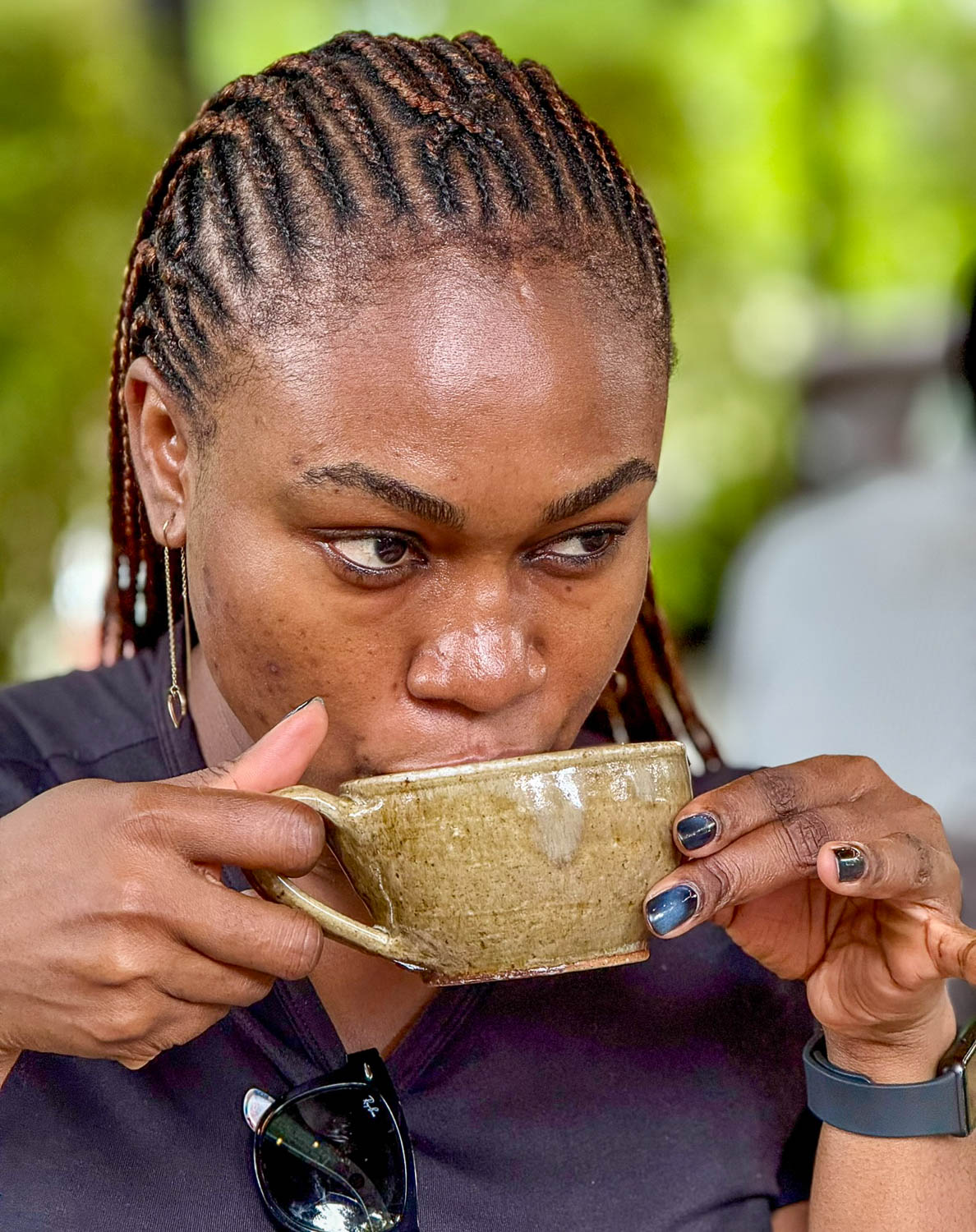
Rwanda’s hills produce some of the finest coffee in the world. Consider joining a guided tour of one of the country’s many coffee plantations to explore these vibrant fields, learn how the beans go from bush to brew, observe traditional and modern processing methods, and sample freshly-brewed Rwandan coffee known for its bright, fruity notes. If you’re a coffee-lover like Mike, be sure to savor a cup of Maraba coffee – and don’t forget to bring home a bag or two!
Fun fact. Some of the country’s best coffee-growing regions are concentrated in the high-altitude, volcanic areas of Rwanda, where there’s consistent rainfall and ideal growing temperatures. Think the lush hills surrounding Kigali, the Virunga Mountains in the north, and the greater Lake Kivu region in the west (be sure to check out Nyungwe in particular).
Another fun fact. Maraba coffee comes from high-altitude Bourbon Arabica beans grown in the fertile volcanic soils of southern Rwanda. This coffee is prized for its clean, balanced flavor and support of local farmers (many of them women), reinvesting production profits into the community and helping to uphold sustainable farming.
Beekeeping Tours
Not really into coffee (fun fact: Beck has never tried it)? Or perhaps you are, but would also like to learn more about Rwanda’s beekeeping traditions? Beekeeping tours in rural areas highlight the country’s growing honey industry, showcasing sustainable apiaries where visitors can see how local farmers care for their hives, learn about the crucial role of bees in the ecosystem, and sample pure, locally-produced honey. This is a wonderful opportunity to also support local communities, whilst experiencing an unexpected taste (see what we did there?) of Rwandan culture.
Savoring Rwanda’s Culinary Delights
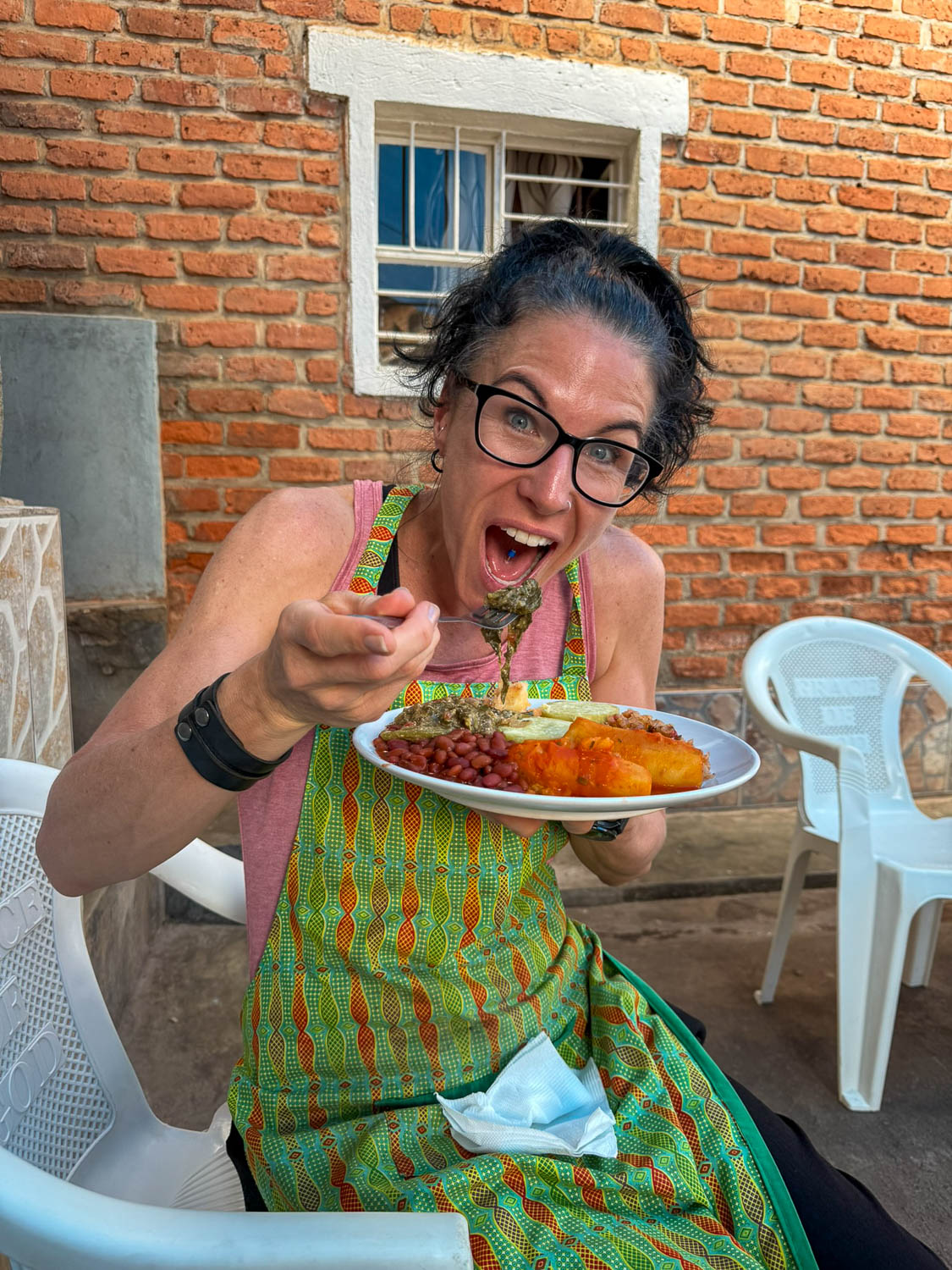
Food lovers (yup, that would definitely be us!) will absolutely love sampling traditional Rwandan food . With everything on offer from brochettes to Umutsima, and from Isombe to platters of fresh fruits – served in either local restaurants or cafes, or purchased from street vendors throughout the country – you certainly won’t go hungry.
Fun fact. Milk is also a cultural staple in Rwanda, and milk bars are popular with locals.
International cuisine is also widely available, including Kigali’s fine dining options at the likes of Hôtel des Mille Collines, the Kigali Serena Hotel, and Repub Lounge – all known for their fusion offerings, traditional flavors, modern presentation, and upscale settings.
For a deeper dive into the culinary delights of Rwanda, be sure to navigate across to our article Rwandan Cuisine.
Final Thoughts
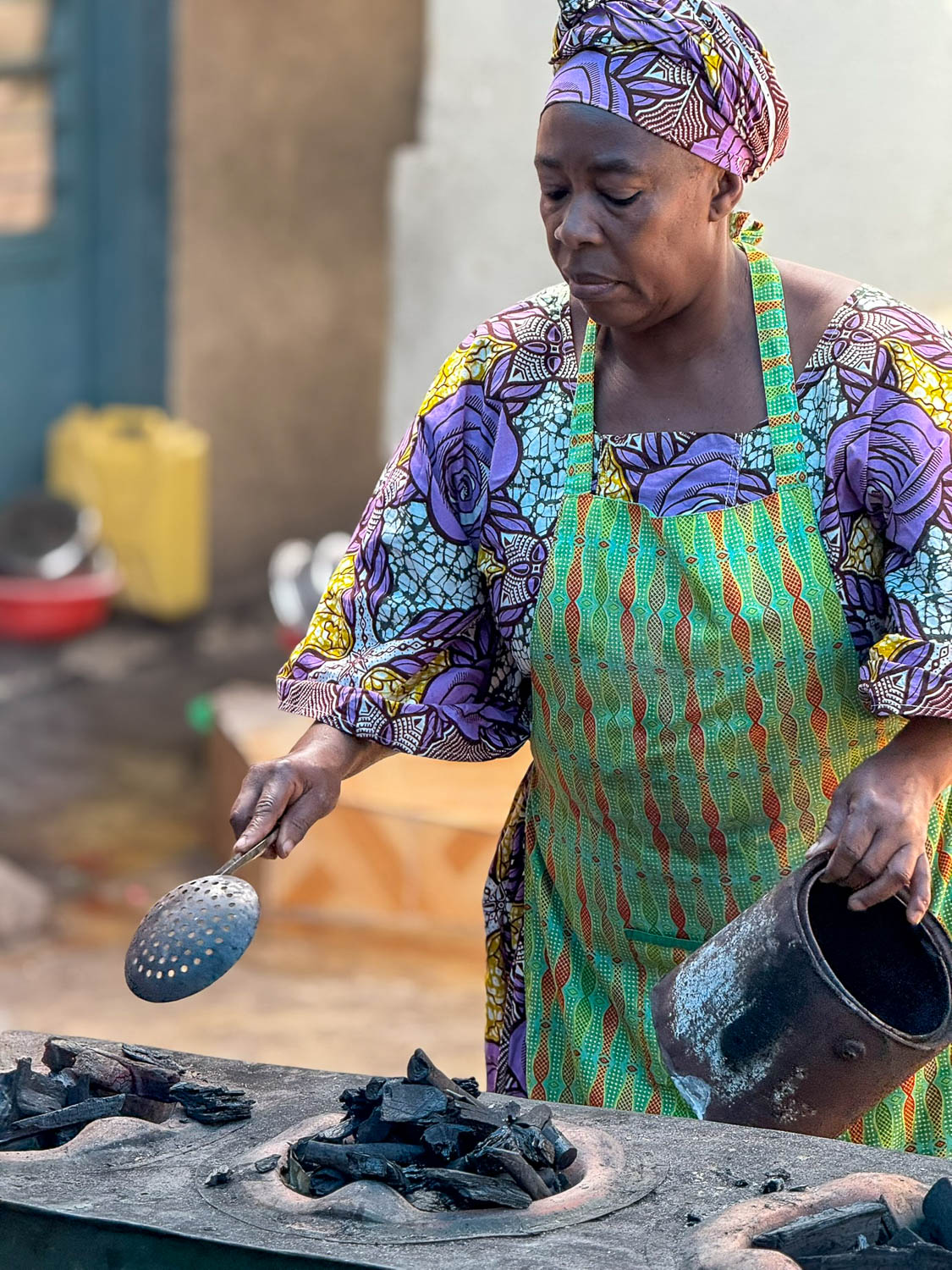
Rwanda is a country that leaves a lasting impression, not only for its breathtaking landscapes, but also for the warmth, resilience, and spirit of its people. For us, it was a country that touched our hearts: a land of striking contrasts, quiet strength, and unparalleled human connection.
In Kigali, visitors will be welcomed to a capital city that is clean and modern, yet reflective, with powerful remembrance sites alongside vibrant art galleries, bustling markets, and an evolving culinary scene. Museums, cultural villages, and creative centers that bring Rwandan traditions to life through music, dance, and storytelling – both within, and beyond, the city limits – continue to reveal the layers of Rwanda’s past and present, each one highlighting resilience, innovation, and a deep pride in heritage that continues to shape the nation today.
Beyond the cityscape of Kigali, Rwanda’s natural beauty unfolds in every direction: from opportunities for incredible wildlife encounters that include gorilla trekking in the misty Volcanoes National Park to birdwatching and chimpanzee tracking in Nyungwe Forest National Park, and from tranquil boat rides on Lake Kivu to searching for the Big Five in Akagera National Park. Further, traditions tied deeply to the land and its local communities afford visitors unique experiences through coffee and beekeeping tours, connecting travelers directly with these local communities and their longheld practices.
Rwanda has truly transformed itself over the decades — a country once scarred by tragedy, now known for resilience, renewal, and remarkable progress. Each site you visit adds a layer to your understanding of the country’s recent history and its inspiring comeback, and together these Rwandan encounters create for visitors a well-rounded journey that goes far beyond mere sightseeing. Whether you come for the wildlife, the immersive cultural experiences, or the warmth of the people, Rwanda offers travelers an opportunity to connect with a country that is as inspiring as it is beautiful.
Rwanda will invite you to see the world differently. Are you ready to embark on a transformative journey through one of Africa’s most compelling nations? Let’s help you start planning your adventure to Rwanda!
FAQs
What are the best things to do in Rwanda for first-time visitors?
The best things to do in Rwanda for first-time visitors include exploring Kigali, visiting the Kigali Genocide Memorial to understand the country’s history, going gorilla trekking in Volcanoes National Park, enjoying a safari in Akagera National Park, and relaxing along the shores of Lake Kivu. These experiences offer a powerful mix of culture, wildlife, and natural beauty that define Rwanda.
Is Rwanda safe for tourists to visit?
Yes, Rwanda is considered one of the safest countries in Africa for tourists. Cities like Kigali are known for their cleanliness, low crime rates, and well-maintained infrastructure. Travelers can feel comfortable exploring both urban areas and national parks, especially when following standard travel precautions and local guidance.
How much does gorilla trekking in Rwanda cost?
Gorilla trekking in Volcanoes National Park requires a permit that costs $1,500 per person as of now. While this is a significant investment, it supports conservation efforts and local communities, and offers a once-in-a-lifetime opportunity to see endangered mountain gorillas in their natural habitat.
When is the best time to visit Rwanda?
The best time to visit Rwanda is during the dry seasons, from June to September and December to February. These months provide the best conditions for gorilla trekking in Volcanoes National Park and wildlife viewing in Akagera National Park, with clearer trails and more predictable weather.
How many days do you need to explore Rwanda?
Most travelers need 5 to 7 days to experience the top things to do in Rwanda. This allows time to explore Kigali, go gorilla trekking in Volcanoes National Park, enjoy a safari in Akagera National Park, and unwind at Lake Kivu without feeling rushed.
Explore More Of Rwanda
-
Savor Traditional Rwandan Cuisine: Top Dishes to Try
Discover the rich flavors of Rwandan cuisine — from comforting staples to must-try dishes like Isombe, Agatogo, brochettes, and Mizuzu.
-
Your Guide to the Best Things to Do in Kigali, Rwanda
Kigali, Rwanda’s capital, blends history, culture, and modern energy. This guide to the best things to do in Kigali covers top attractions, vibrant neighborhoods, local markets, coffee culture, and day trips across Rwanda.
-
Is Lake Kivu Safe? Rwanda’s Beautiful African Haven
Is Lake Kivu safe to visit? Yes — this beautiful Rwanda lake is safe for swimming, boating, and relaxing, with expert monitoring ensuring a secure and enjoyable experience.
-
Akagera National Park: A Must Visit When In Rwanda
Explore Akagera National Park in Rwanda—home to the Big Five, scenic game drives, and Lake Ihema boat safaris. Discover top things to do and plan your perfect visit.
-
Lake Kivu, Rwanda: Top Things To Do and Travel Guide
Lake Kivu, Rwanda is one of Africa’s most scenic Great Lakes, known for its calm waters and lush hills. Discover the best things to do, from boat cruises and island visits to exploring lakeside towns like Gisenyi and Kibuye.
-
Musanze, Rwanda: Explore the Best Things To Do
Discover Musanze, Rwanda’s gateway to Volcanoes National Park. This guide covers gorilla trekking, the best things to do in Musanze, cultural experiences, lava caves, hiking, and the twin lakes.