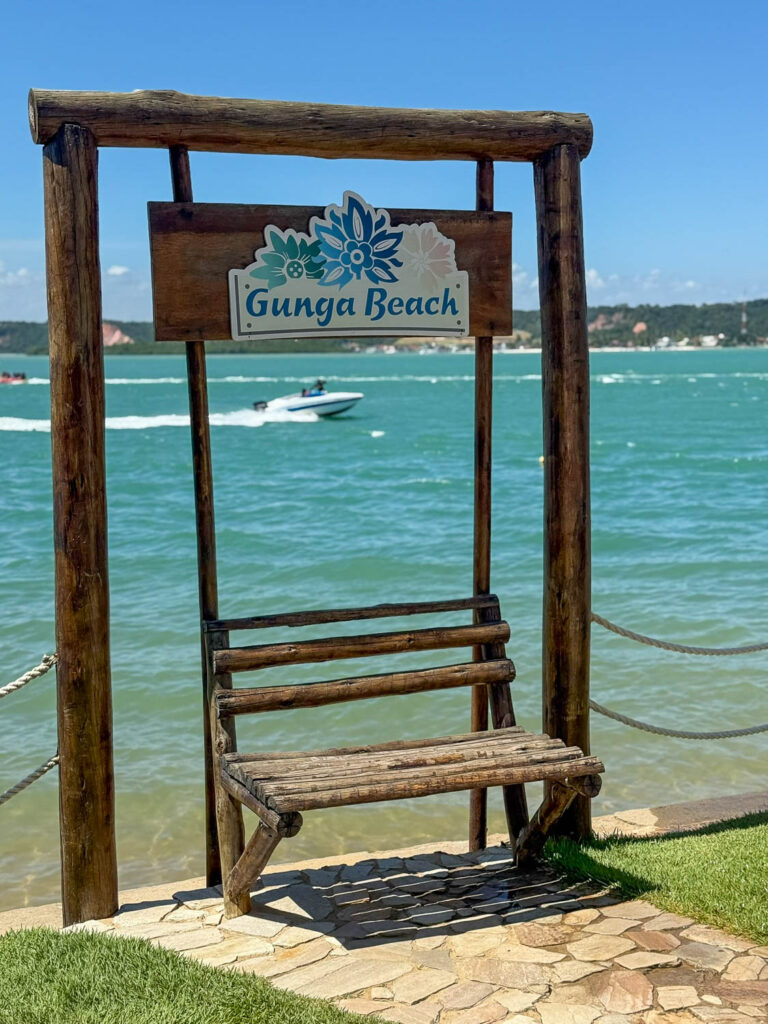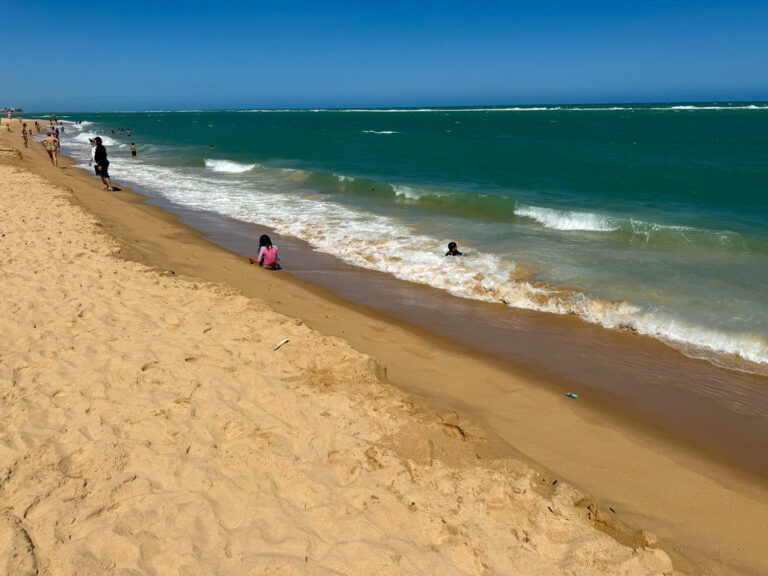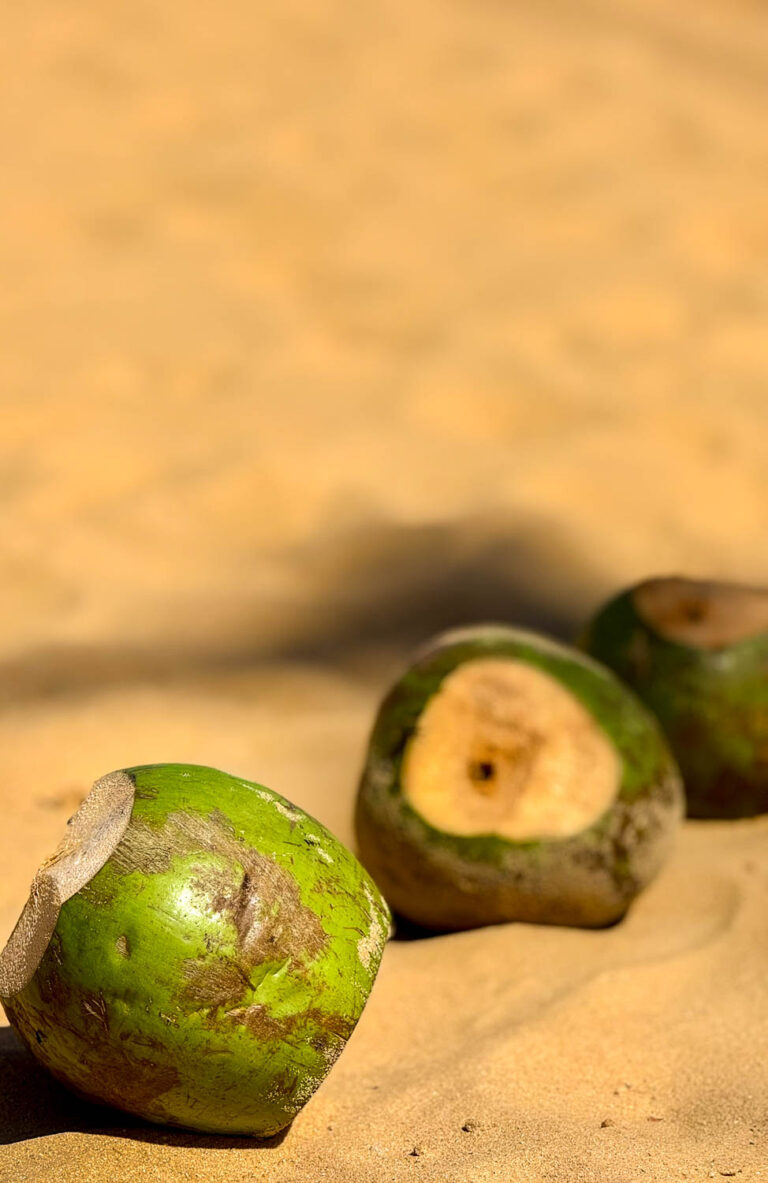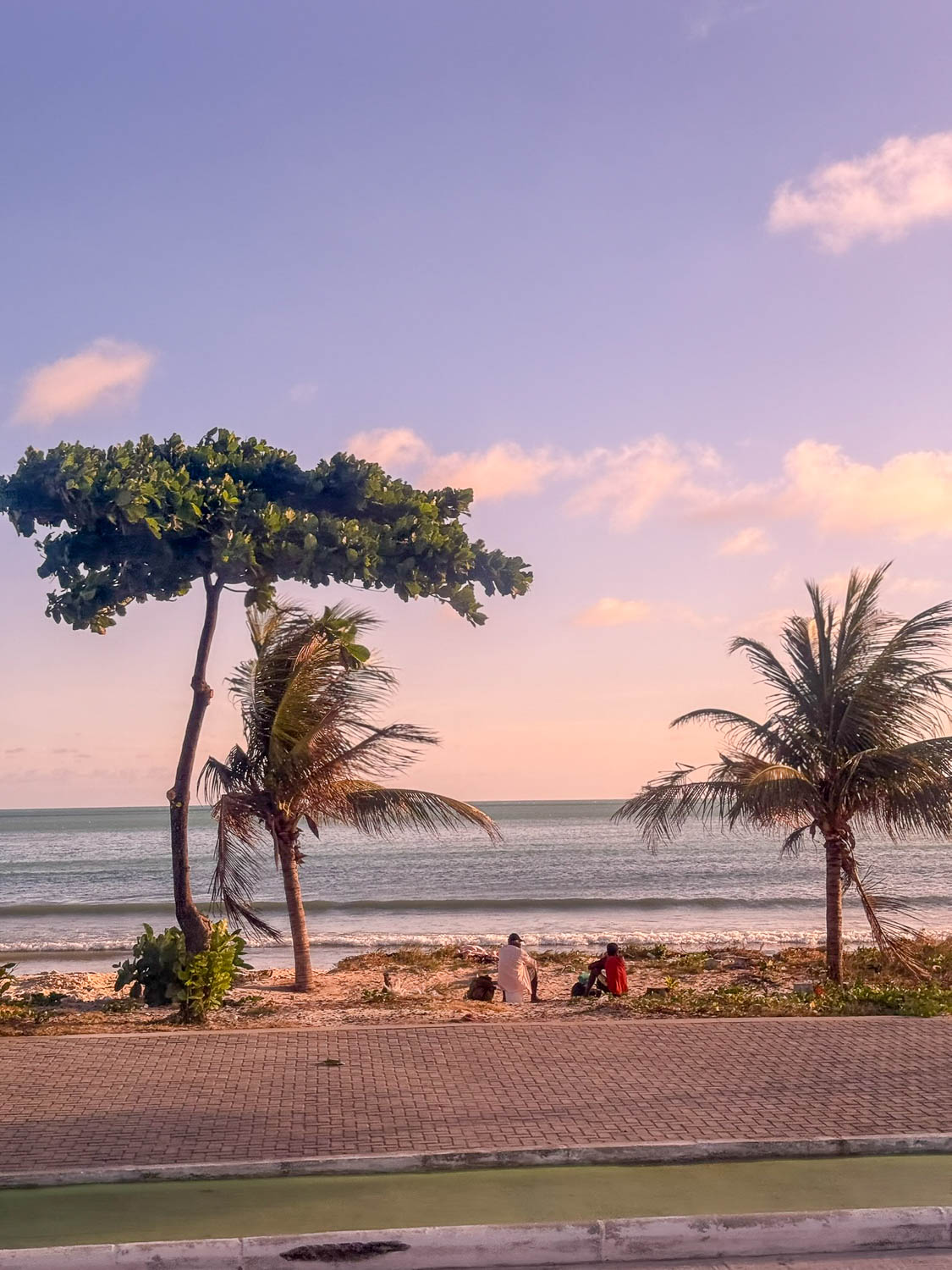
If there’s one thing you’ll first notice about Maceio, it’s how incredibly welcoming it can be. Known as maceioenses, the residents of Maceio are renowned for their friendliness. We guess this probably makes a lot of sense – I mean, who wouldn’t be happy when life is centered around white sand beaches and a vibrant culture, right?
The city center of Maceió itself is just as visitor-friendly: compact, walkable, and full of surprises. Maceió boasts a rich history as a former sugar mill town, and strolling through its historic center can feel like a step back into its colonial past. The city has carefully preserved much of its 17th-century heritage, with charming architecture that blends seamlessly with today’s vibrant northeastern Brazilian culture. It also serves as a cultural hub for the region and a center for local life, showcasing traditions through numerous museums and memorials.
Maceio Historic Center offers visitors a fascinating look at the cultural and historical heart of Brazil’s Alagoas capital. While many travelers come for Maceió’s famous beaches, the city’s compact old town reveals museums, historic landmarks, colorful architecture, and centuries of local history.
In this guide, we’ll explore some of the historic center’s most notable landmarks — from the grand Floriano Peixoto Palace Museum and the striking Deodoro Theater, to the city’s cathedral and the revitalized Jaraguá neighborhood, where Maceió’s old port district now reflects a new chapter in the city’s story.
Taken together, Maceió’s historic center offers more than just a collection of landmarks — it provides context. From former governor’s palaces and neoclassical theaters, to port-side chapels and museums preserving the region’s culture and traditions, this is where the city’s identity quietly unfolds.
Read on, fellow travelers, for a closer look at the historic center’s main attractions – and a chance to dive a little deeper into the “Caribbean of Brazil”, either before or after that all-important beach outing!
Quick Tips
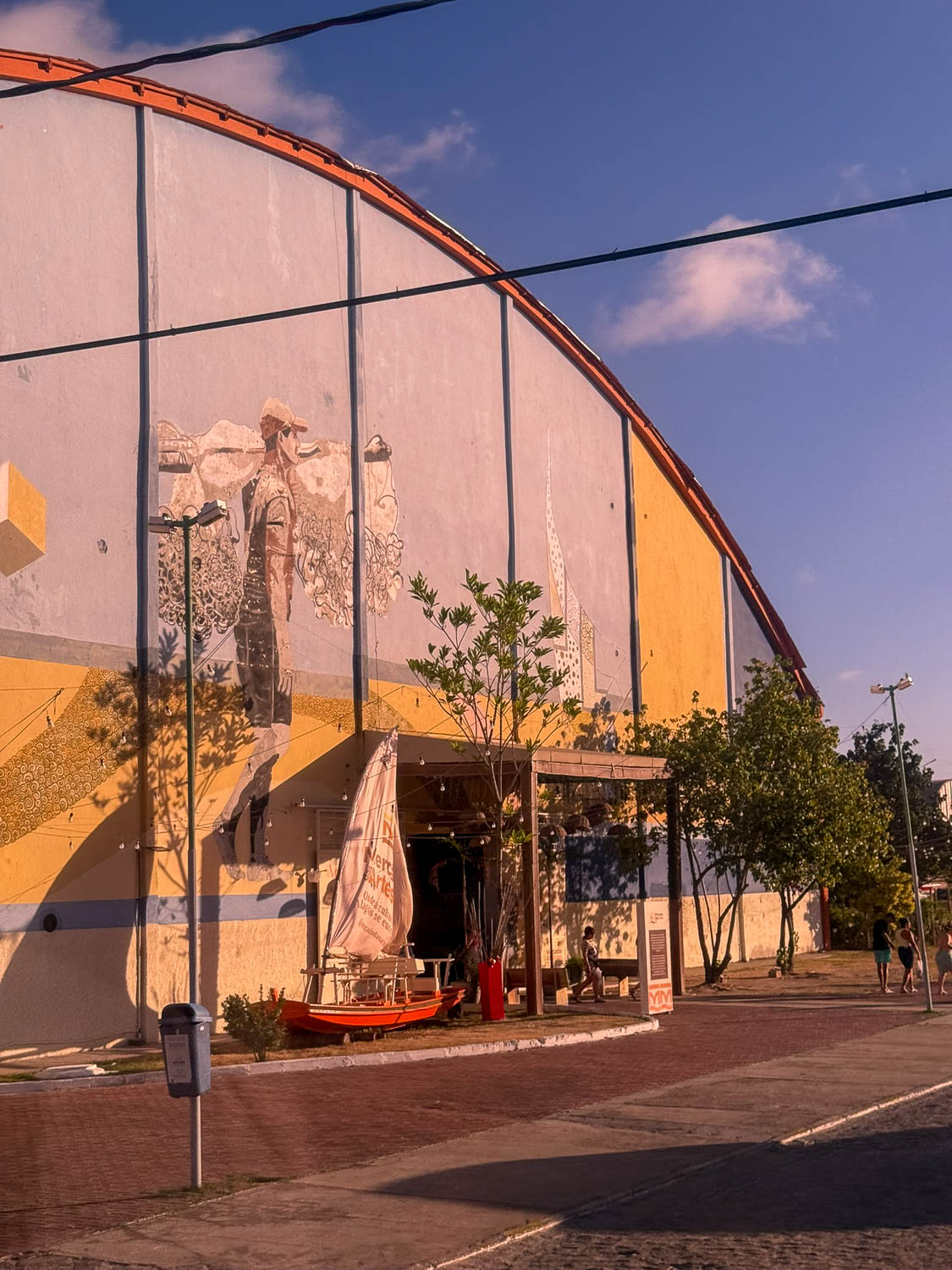
Here are some insider tips to help you make the most of your visit to Maceio, Brazil.
- It’s possible to visit Maceió at any time of year: it has a warm, tropical climate year-round and over 300 days of sunshine each year.
- Most visitors arrive into Maceió by way of Zumbi dos Palmares International Airport (MCZ).
- Exploring the city’s historic center affords visitors a shift in pace — and perspective – with numerous historic buildings, colorful markets, art galleries, and cultural spaces.
- The best way to explore Maceió’s compact city center is on foot.
- The historic center is home to several important museums, including the Floriano Peixoto Palace Museum, the Memorial to the Republic, the Théo Brandão Museum of Anthropology and Folklore, and the Museum of Image and Sound of Alagoas.
- Marvel at the 19th-century Maceió Cathedral, a significant religious landmark serving as a central hub for the Roman Catholic Archdiocese of Maceió.
- Catch a show at the Deodoro Theater, a protected state heritage site renowned for its stunning neoclassical architecture and its role as the premier venue within the city for performing arts.
- Head over to the Jaraguá neighborhood, an historic, formerly industrial waterfront area now most well-known for its nightlife, cafes, colorful buildings, and live music.
Follow these tips and you’ll be ready to visit Maceio, Brazil!
Plan Your Trip
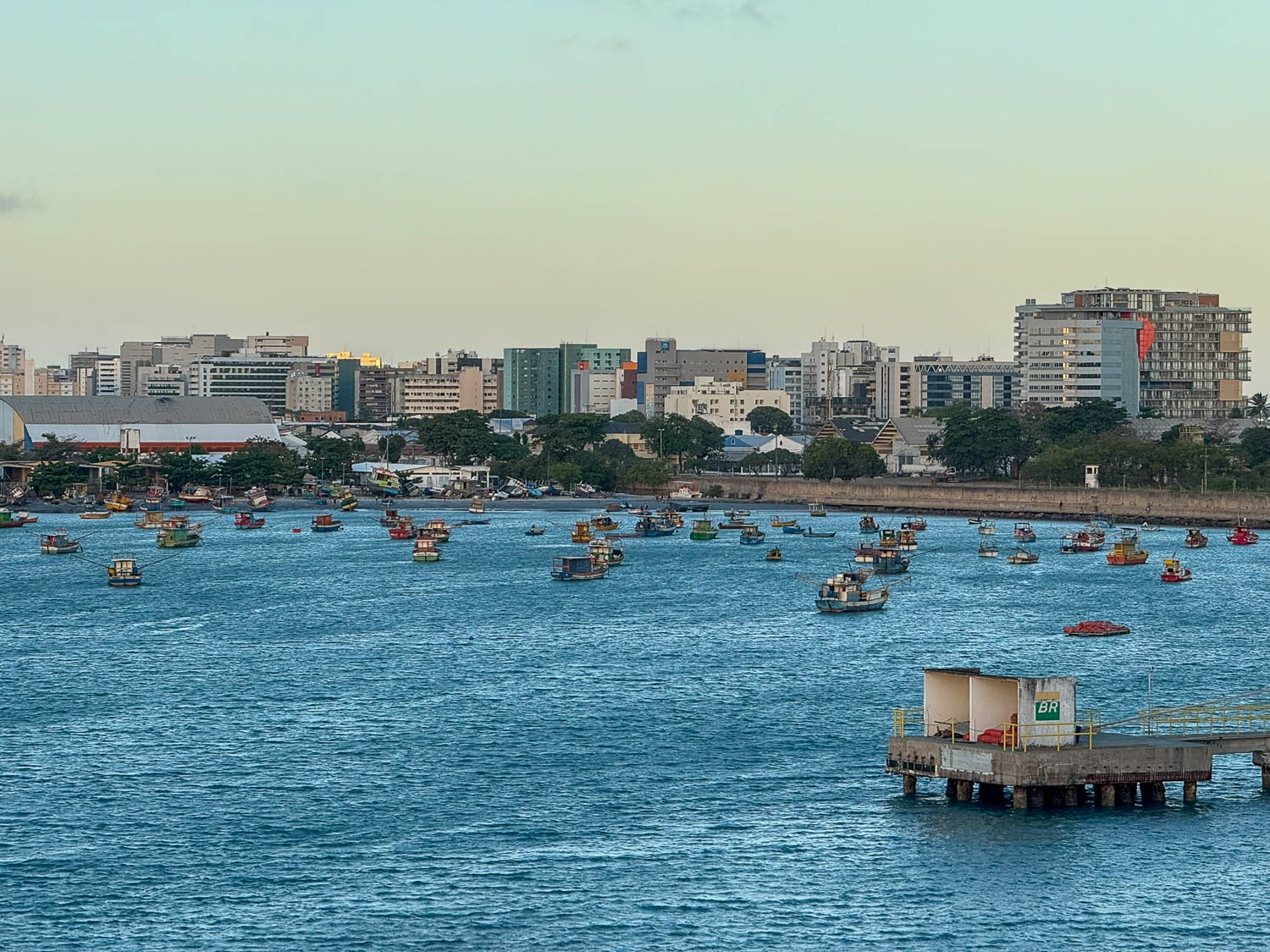
Some links below may earn us a small commission at no extra cost to you. We’re truly grateful for your support, as it allows us to continue sharing meaningful travel experiences and practical travel insights with you. Read our full disclosure here.
Best Way To Experience Maceio, Brazil
The best way to experience Maceió is to combine time on the city’s beautiful urban beaches with at least one or two day trips along the stunning Alagoas coastline. Most visitors spend their mornings enjoying natural pools and beach activities before exploring local cuisine, historic sites, and waterfront promenades later in the day.
For first-time visitors, the ideal visit usually includes:
Top Recommended Experiences (At A Glance)
Best Overall Experience:
Combining Maceió’s urban beaches with a full-day excursion to Maragogi.
→ Recommended: Maragogi Beach Gales Reef
Best For First-Time Visitors:
Private Tour to Praia do Francês, Barra de São Miguel, and Praia do Gunga
→ Recommended: Private Francês Barra de São Miguel and Gunga Beach
Best Natural Pools Experience:
Exploring the crystal-clear natural pools and reef-protected waters of Paripueira.
→ Recommended: Experience Paripueira Beach Sun Sea and Natural Pools
Best Customized Experience:
Create your own ideal Alagoas itinerary with a private driver and flexible schedule.
→ Recommended: Gunga Beach Private Tour
Short On Time? Do This:
Tours & Experiences
Prefer additional options? Click below to discover more incredible experiences tailored just for you!
Browse top attractions in Maceio, Brazil.
Travel Essentials?
Planning the rest of your trip? These are the platforms we personally use when organizing our travels. For more planning tools, visit our Travel Resources page or browse current promotions on our Travel Deals page.
The Best Time to Visit

If you’ve had a chance to read any of our other destination guides, you’ll know we are big believers that any global destination can be visited at almost any time of year. This could not be more true of Maceió: with a warm, tropical climate year-round (the average temperature is 77oF-81oF / 25oC-27oC) and over 300 days of sunshine each year, you’ll be hard pressed to run across poor weather at any time. Consider this a reliable sunny getaway in Brazil (and you know this made Beck very happy!).
That being said, Brazil still has its rainy and dry seasons in this part of the country. For more detailed information on how these different seasons may affect your time in the historic center, be sure to check out our main article, Maceió, Brazil: Best Things To Do + Travel Guide.
Insider tip. Cloud cover can be deceptive, and UV exposure remains high in Maceió year-round, even on overcast days. Make sure you’re wearing sun protection, no matter what time of year you visit.
Getting There and Away
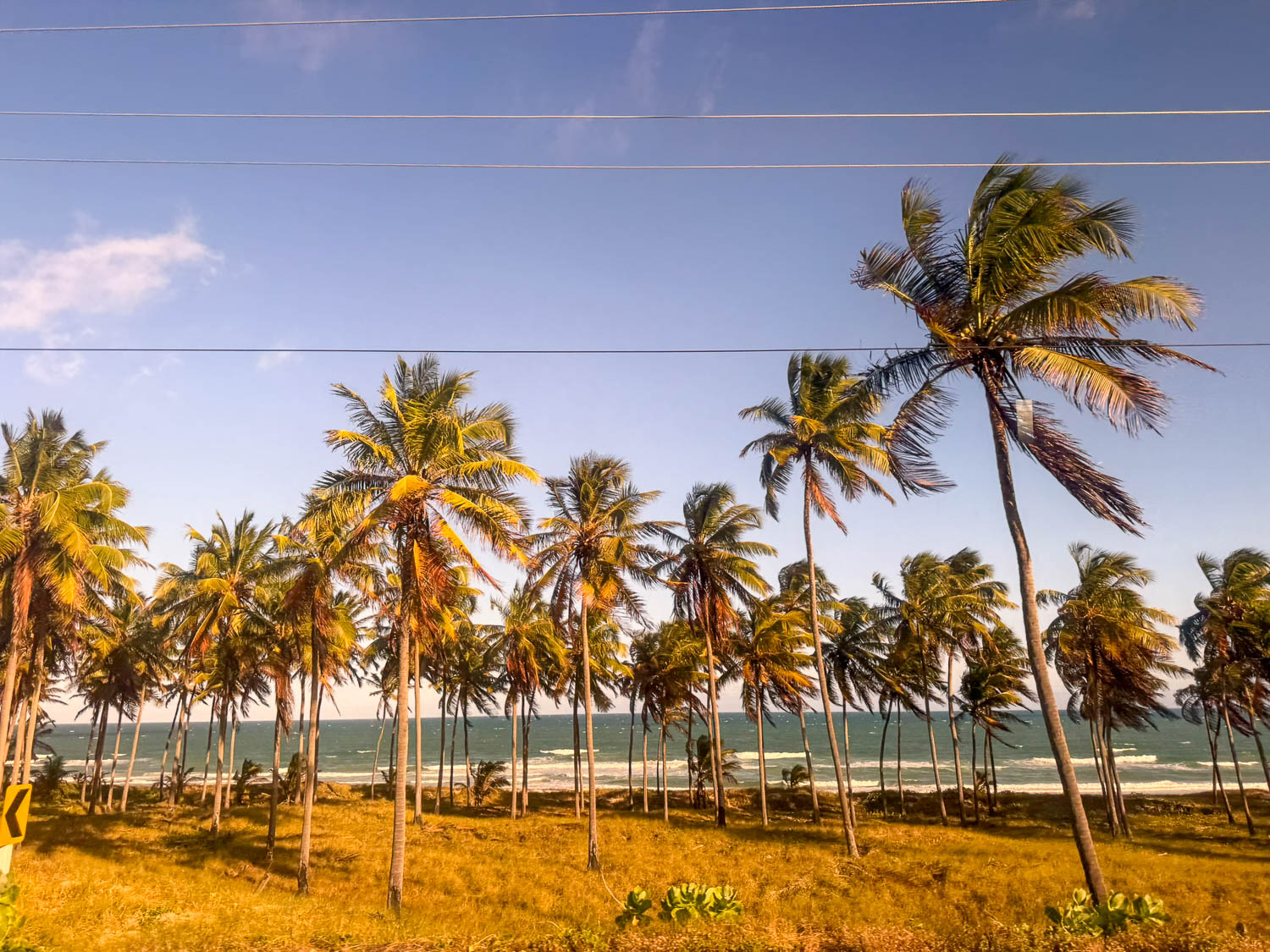
Most visitors arrive into Maceió by way of Zumbi dos Palmares International Airport (MCZ), located about 13 miles (21km) north of the city center. Private airport transfers, taxis and rideshare services (including Uber, which we used throughout our time in Brazil) are the best way to reach the city, though renting a car can always be handy if you want a little more freedom and plan to explore a little farther afield.
You can also reach Maceió by bus. For more information on traveling by public transport, head over to Maceió, Brazil: Best Things To Do + Travel Guide.
Getting Around the Historic Center
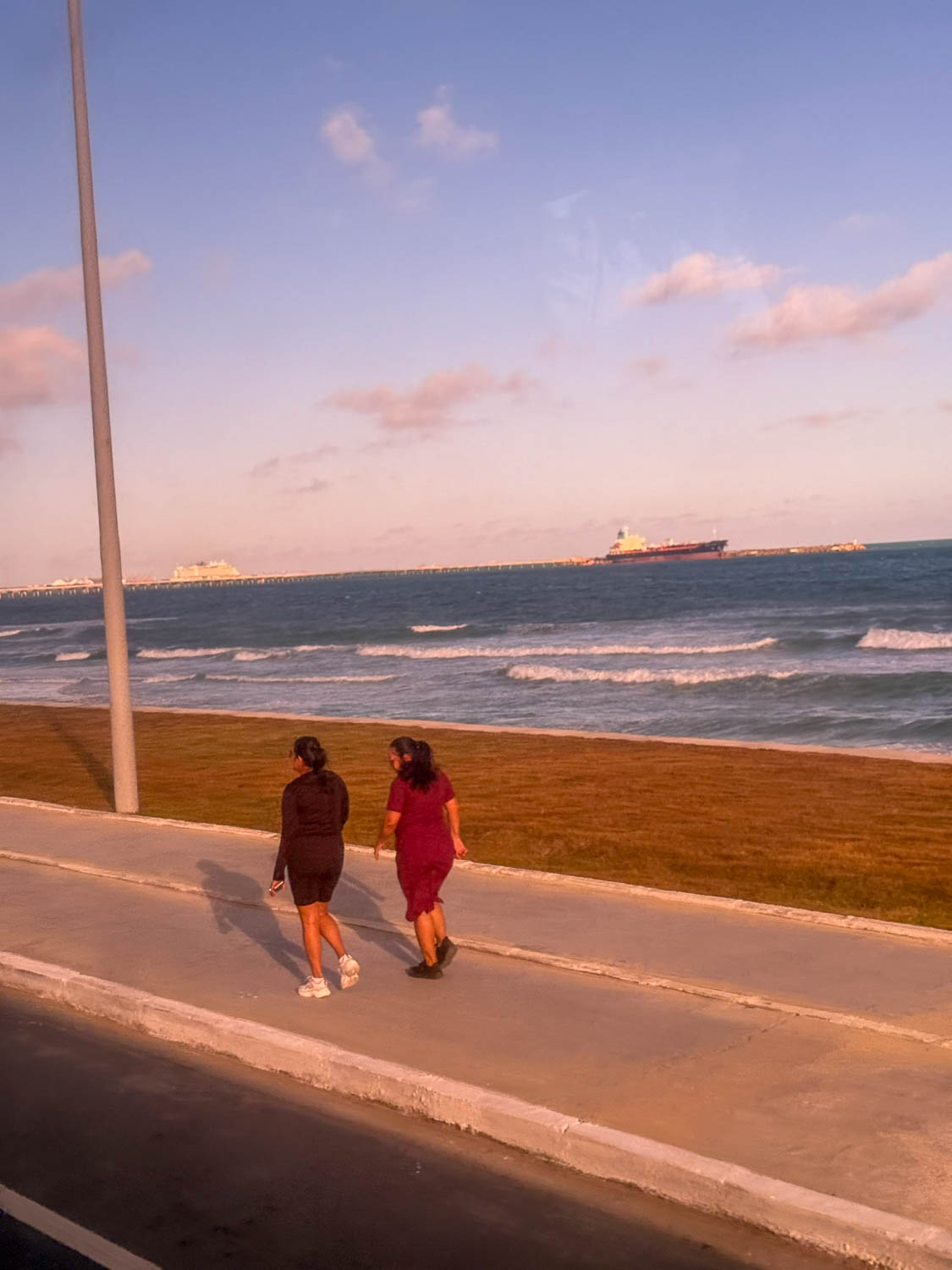
The best way to explore Maceió’s compact city center is on foot. However, if you’re planning to head a little farther afield – and don’t want to walk everywhere like Beck does – registered taxis and rideshare services (Uber and 99) are plentiful, convenient, and relatively inexpensive throughout the city.
Insider tip. Distances in Maceió can be deceptive. Whilst the city looks compact on a map, walking times quickly increase once heat and humidity come into play, especially in the middle of the day.
For those keen to see more of the region, or if you’re seeking a little more flexibility during your visit to Maceió, you may wish to consider renting a car. Maceió also boasts a public bus network, connecting neighborhoods across the city, including beach areas, markets, and residential districts. Buses are widely used by locals, generally run from early morning through evening, and are the cheapest way (aside walking!) to get around.
Inside Maceió’s Historic Center
Stepping into Maceió’s historic center offers a shift in pace — and perspective. Whilst the coastline may define the city’s global reputation, it’s here that you’ll find the layers of history, culture, and daily life that have shaped Maceió over time. Wandering its streets, you’ll come across historic buildings, colorful markets, art galleries, and cultural spaces, each offering a glimpse into the city’s rich heritage and local character.
This is a part of Maceió best explored slowly: streets open onto small squares, architectural details reveal themselves in passing, and cultural landmarks sit just a short walk from one another, making it easy to move between them without any set plan.
Below, we highlight a selection of key sites that offer a deeper understanding of Maceió — from grand civic buildings and cultural institutions, to places that reflect the rhythms of everyday life in the city.
The Museums of Maceió
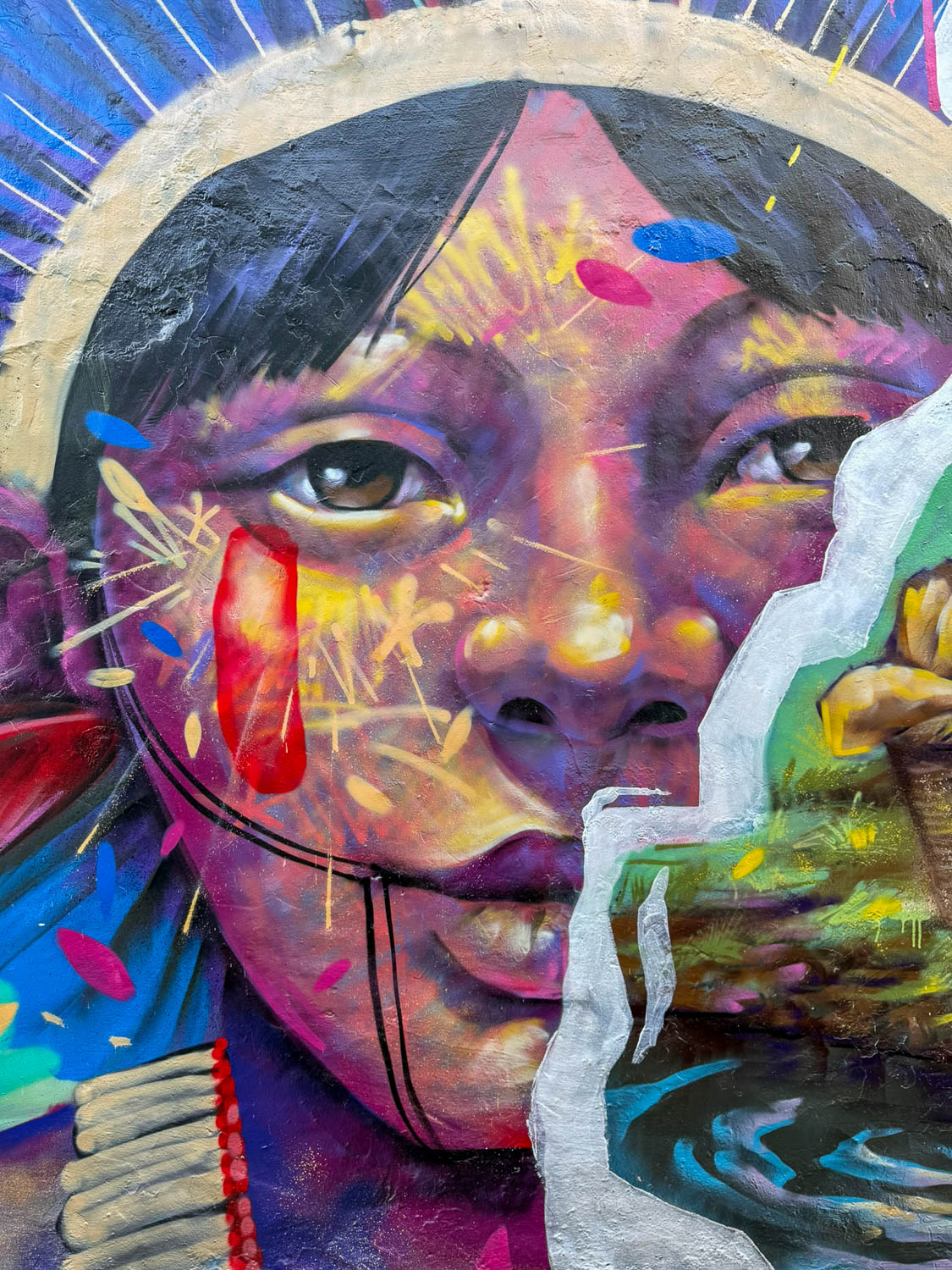
Maceió is home to several important museums, affording visitors thoughtful insight into the region’s history, culture, and artistic traditions, and providing a welcome change of pace from time spent along the coast. These smaller, locally-focused spaces highlight everything from social history to creative expression, and make for an easy and rewarding addition to any Maceio itinerary.
Insider tip. Weekday museum visits in Maceió are ideal: they tend to be quieter and feel less hurried during the week, making them easier to explore at your own pace.
Insider tip. Although we’ve listed them here, we highly recommend you verify both operating hours and entry fees in advance of any visit. Local museum schedules can change for holidays or maintenance, and entry fees can fluctuate.
Insider tip. Whilst the museums below offer visitors an incredible glimpse into the history of Maceió and the surrounding region, most exhibits are presented primarily in Portuguese. We found a translation app (our Portuguese kinda sucks) to be incredibly useful, and highly recommend Translator Go, which allows users to take a photo of signage in the local language, and translates them in real time into your preferred language. Game-changer!
Floriano Peixoto Palace Museum (Museu Palácio Floriano Peixoto (MUPA))
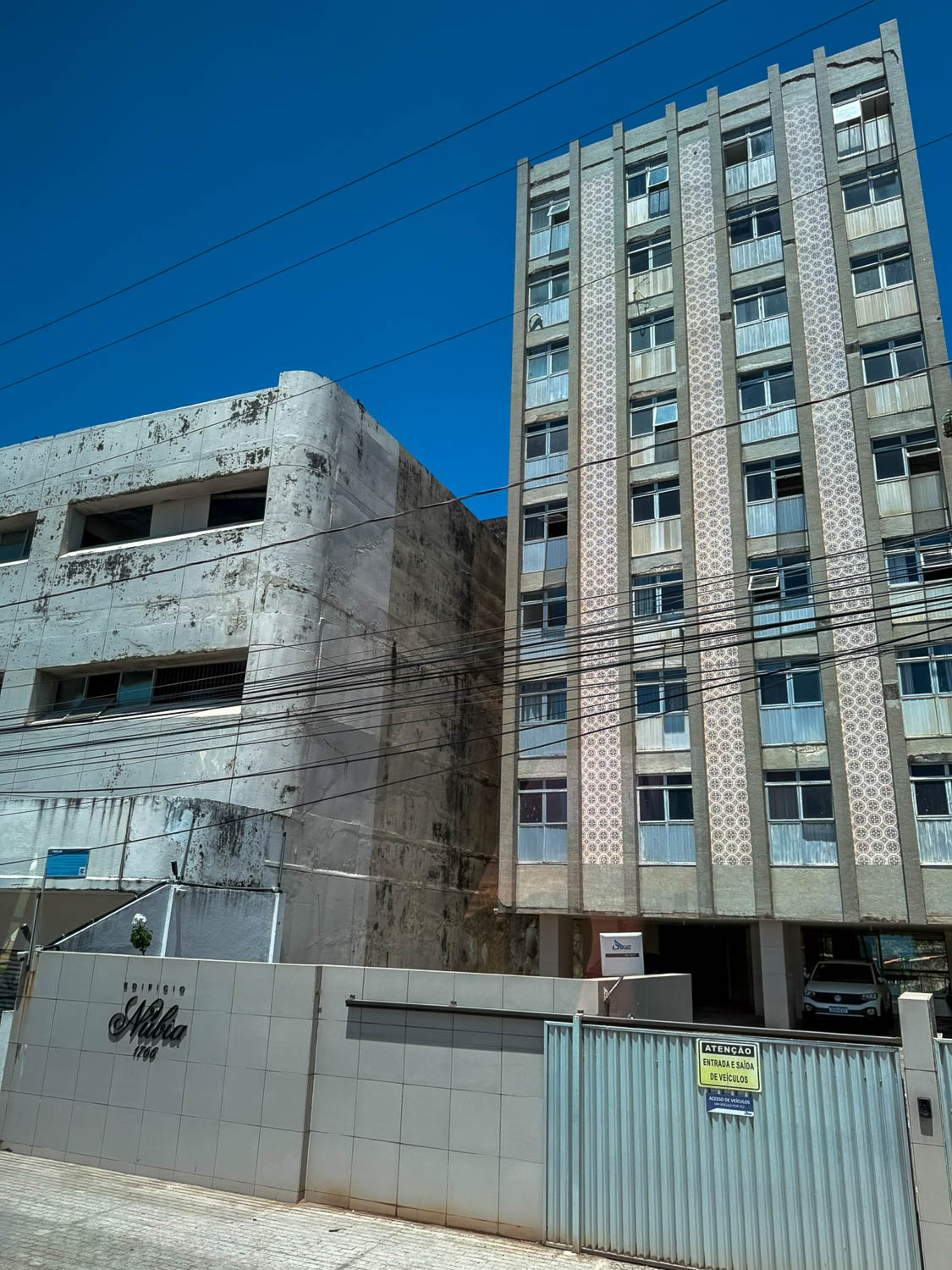
You’ll find the Floriano Peixoto Palace Museum located in Marechal Floriano Peixoto Square (Praça dos Martírios, 517), toward the northern end of Maceió’s historic center. Housed inside a majestic building dating to 1893 – a building that once served as the governor’s residence and seat of parliament – the museum showcases 19th- and 20th-century Belle Époque-era furniture, fine art by local Alagoas artists, and decorative objects.
Fun fact. The Floriano Peixoto Palace Museum today still contains original furniture in rooms that once hosted official state functions, political negotiations and formal receptions.
The Floriano Peixoto Palace Museum is generally open weekdays from 9am through 4pm (closed on the weekends). Admission is free (yay!), and museum staff are happy to provide escorted tours through the exhibits – an excellent way to gain additional context on the building’s political history and the significance of its rooms.
Insider tip. If you can, allow a little extra time to explore the surrounding Praça dos Martírios, where several other historic buildings sit within easy walking distance.
Insider tip. Photography is typically permitted inside the museum, but flash may be restricted (especially in rooms with original furnishings and artwork).
Memorial to the Republic (Memorial à República)
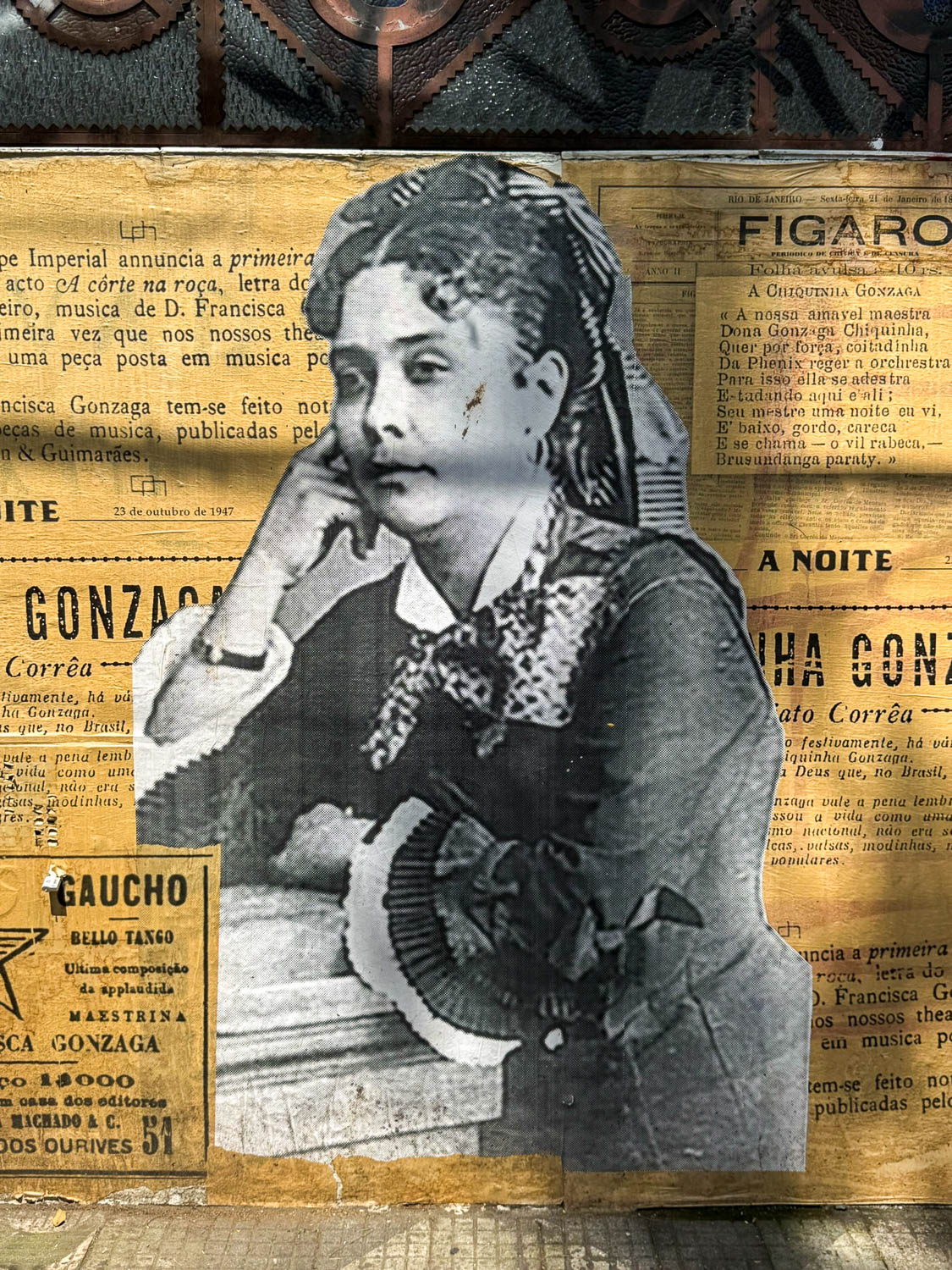
Located just over 2km (1.36mi) south-east of the Floriano Peixoto Palace Museum – near Maceió’s waterfront – you’ll find the Memorial à República, a monument and exhibition space. Unlike many historic landmarks rooted in colonial or imperial Brazil, this monument is dedicated to a relatively recent chapter in the country’s history: Brazil’s transition from a monarchy to a republic – a political shift that took place in 1889.
The area around the Memorial à República can be explored freely at any time, but access to the interior exhibition space is limited to set hours (which can vary, depending on the events scheduled). The monument is free to visit and you may occasionally find monitored or guided tours available.
Fun fact. Brazil’s transition from monarchy to republic occurred without a major popular uprising — a relatively quiet shift compared to many other political revolutions around the world.
Insider tip. You really only need a short visit here – but as the memorial is located along the waterfront, it’s easy to pair with a coastal walk or a visit to other nearby historic sites.
Théo Brandão Museum of Anthropology and Folklore (Museu Théo Brandão de Antropologia e Folclore)
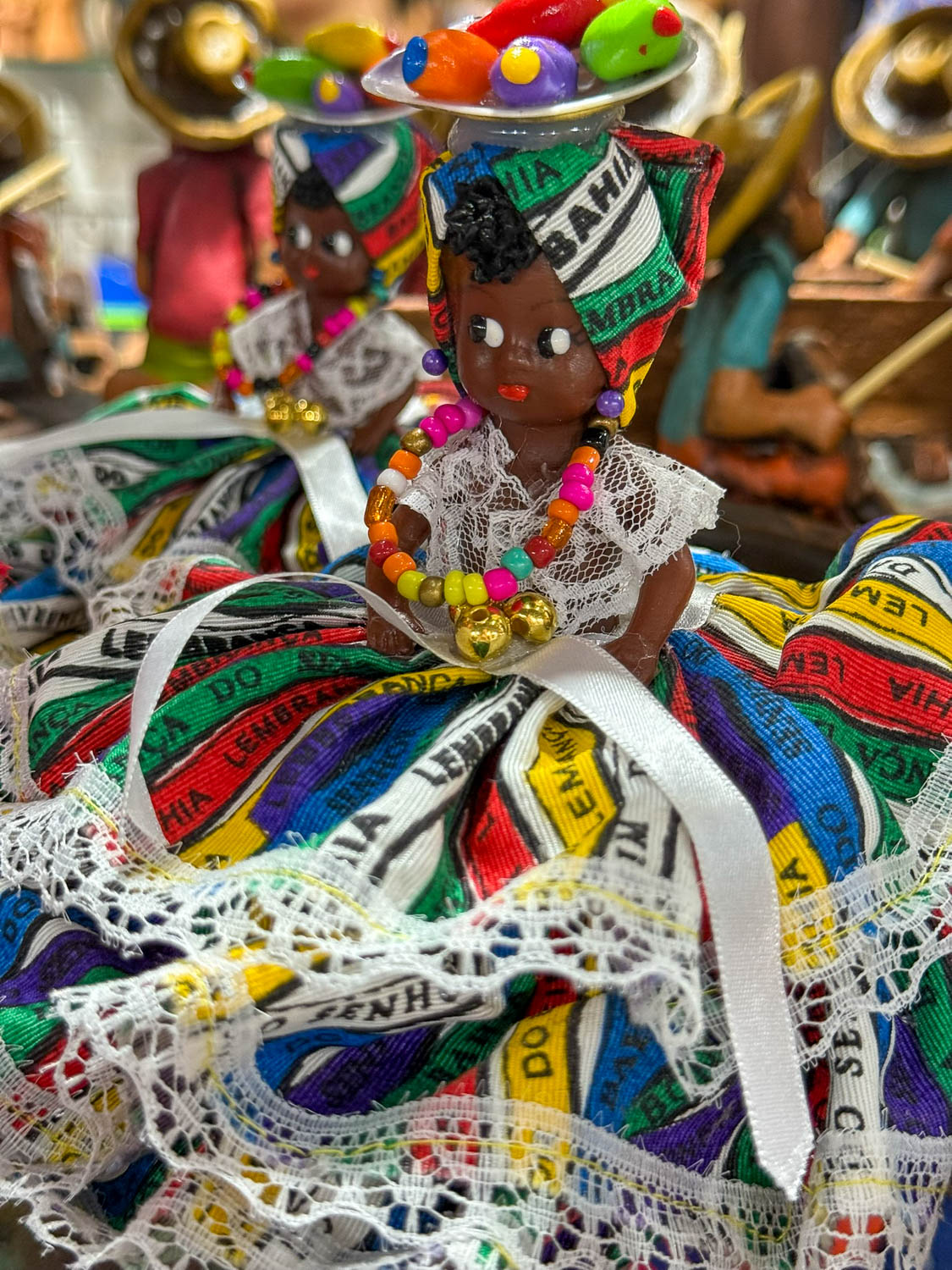
Less than a 10-minute walk west along the waterfront from Memorial à República – at Avenida da Paz, 1490 in the Jaraguá neighborhood – you’ll find the Théo Brandão Museum of Anthropology and Folklore (MUSBET). This museum, a major Maceió cultural institution housed in a fabulously restored 19th-century beachfront mansion, focuses on preserving and showcasing the anthropology, art and folklore of the Alagoas region.
Within the museum you’ll find a vast collection of local crafts, folk art, ceramics, religious artifacts, traditional dolls, and costumes curated by researcher and folklorist Théo Brandão, offering deep insight into regional identity. Théo Brandão spent decades documenting everyday traditions and popular culture across Alagoas before donating his work to the Federal University of Alagoas (UFAL). Ultimately, this cultural institution serves as a center for studying Alagoan identity under the UFAL.
Fun fact. Alongside the usual collections, MUSBET also houses recordings of regional music, as well as film and photographic archives, documenting regional festivals and traditions over time. In effect, this captures sights and sounds of Alagoas that you won’t “see” in most museums.
The MUSBET is open from Tuesday through Friday from 9am to 5pm, though hours may vary and we highly recommend consulting the UFAL news for updates. Note also that the museum has undergone periods of closure for restoration, and access can vary – the UFAL news website will have the most recent information available.
Entry costs to the museum are generally quite low, often under R$10 (US$2) for general admission. As the MUSBET is managed by the UFAL, you may find reduced pricing (or even free entry!) for students, teachers, and seniors. Free entry is also generally offered on International Museum Day (May 18).
Insider tip. If guided tours are available, they’re definitely worth joining. These tours provide context behind the objects and traditions within the museum, adding significantly to the experience.
Museum of Image and Sound of Alagoas (Museu da Imagem e do Som de Alagoas)

Instead of turning west after you’ve visited Memorial à República, you have the option to turn east instead – and about 2km (1.36mi) by road or a less-than-one-kilometer walk (about 15 minutes) along the coastline you’ll come across the Museum of Image and Sound of Alagoas (MISA).
Located in an historic building at Rua Sá e Albuquerque, 275, this technology-focused, multi-media museum is dedicated to preserving, documenting, celebrating, and showcasing the history, culture, and identity of the Alagoas state. This repository for regional memory is where you’ll find photography, film and audio archives capturing the daily life and traditions of the region, often highlighting local artists and historical events.
Fun fact. At MISA, archived recordings capture regional accents, musical styles, and radio broadcasts that no longer exist in modern programming.
The generally cited opening hours for MISA are Monday through Friday from 8am to 5pm. Entry is often free, though a nominal donation may be requested. Be sure to check the official MISA Instagram page for updates.
Metropolitan Cathedral (Catedral Metropolitana de Maceió or Catedral Metropolitana de Nossa Senhora dos Prazeres)
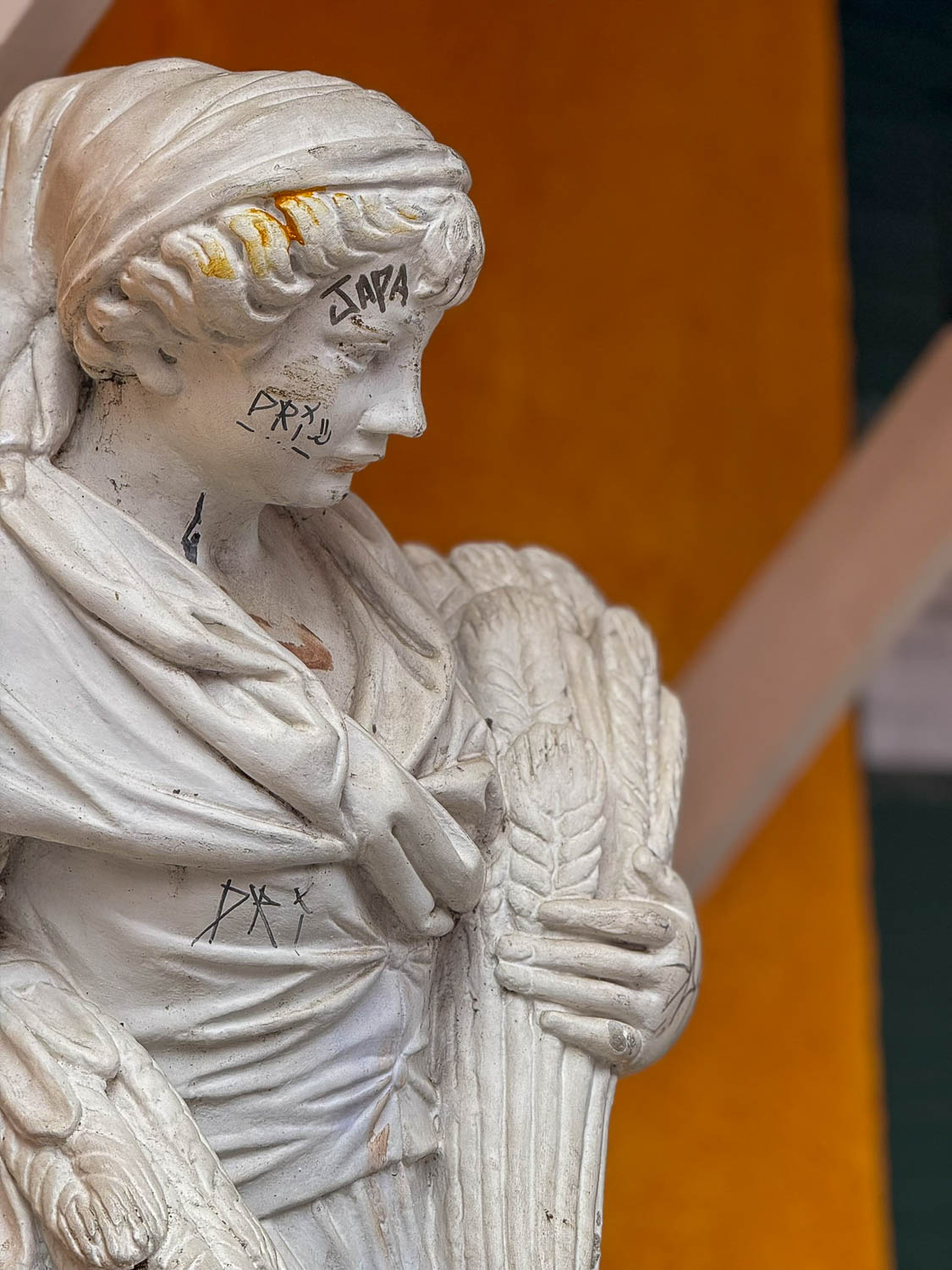
Situated in the heart of the city – only a 15-minute walk northwest of MISA, on the eastern side of Praça Dom Pedro II – you’ll come across Maceio’s 19th-century Metropolitan Cathedral (or Maceió Cathedral), a significant religious landmark serving as a central hub for the Roman Catholic Archdiocese of Maceió.
The Maceió Cathedral is known for its classic, elegant, and often bright, airy aesthetics, and – aside being an active, working church with a regular mass – is often featured in wedding photography and used for major religious ceremonies. In addition, the cathedral bells continue to ring daily, weaving religious tradition directly into the soundscape of the surrounding neighborhood.
Fun fact. The cathedral’s twin towers are amongst the most recognizable vertical features in central Maceió, anchoring the skyline of the downtown district and commonly used as a visual reference point when navigating the area.
Insider tip. Photography is permitted within the cathedral, but as with any religious site, discretion is appreciated when services or private prayer are underway.
The cathedral is generally open daily during daylight hours and entry is free. We recommend visiting between 8am and 5pm to avoid peak mass times. During Holy Week, the cathedral features special celebrations – if you can visit during this time and have any interest, it’s really quite something!
Deodoro Theater (Teatro Deodoro)
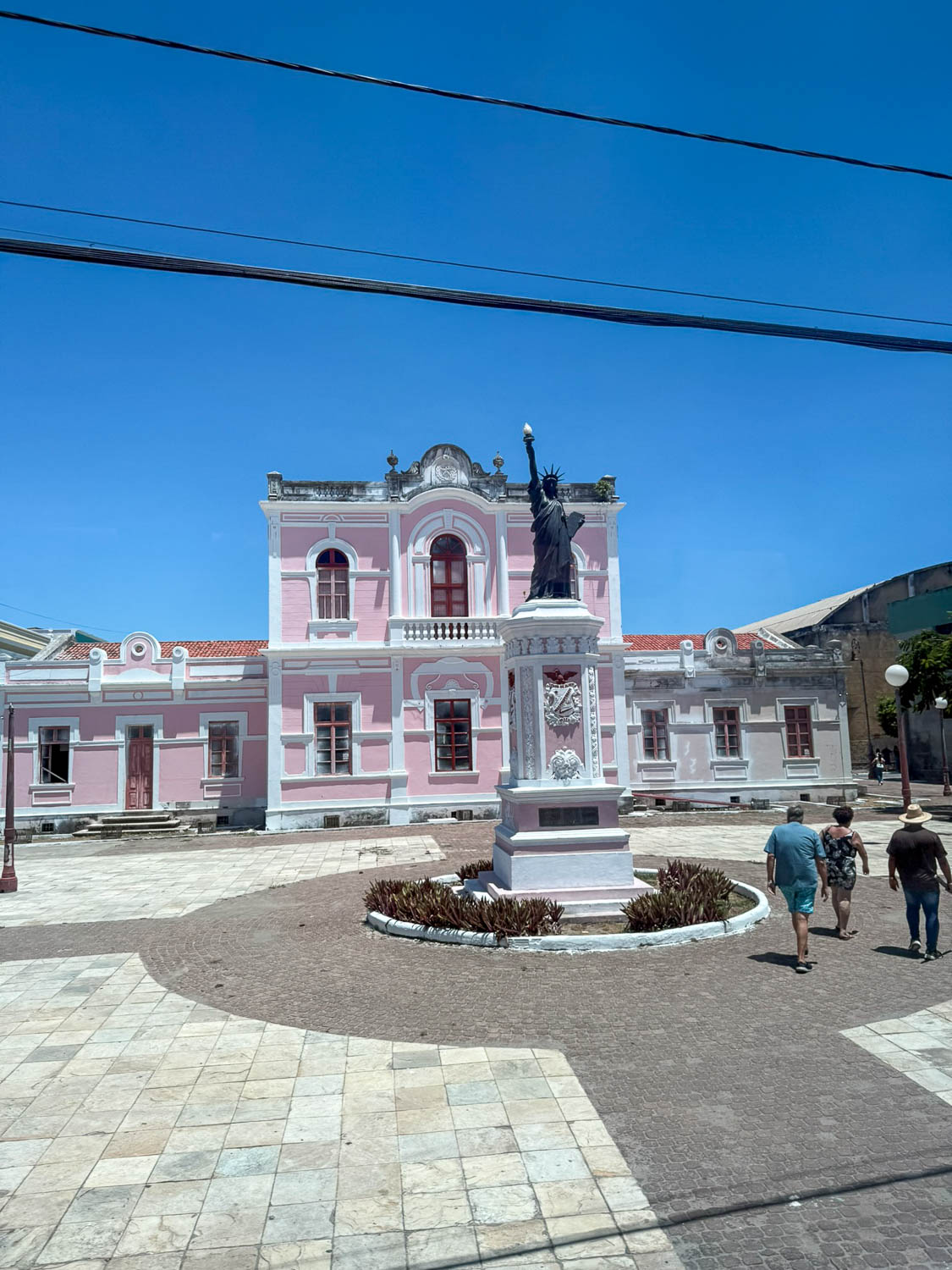
Another historic cultural landmark, about a 10-minute walk directly west from the Maceió Cathedral, is the Deodoro Theater. Designed by Italian architect Luiz Lucarini and established in 1910, this protected state heritage site is renowned for its stunning neoclassical architecture (check out that pink façade!) and its role as the premier venue within the city for performing arts, both local and international (be sure to check out its intimate, 650-seat neoclassical concert hall!). Indeed, the theater has been the heart of artistic life in Alagoas for well over a century. For many locals, attending a performance at Teatro Deodoro is a rite of passage, tied closely to school outings, first concerts, and community events.
Fun fact. Teatro Deodoro was designed as a cultural statement piece, with its ornate façade signaling Maceió’s early embrace of the performing arts.
Fun fact. The theater has hosted everything from classical concerts to political gatherings, with its main stage doubling as both an artistic and civic platform over the decades.
Insider tip. Don’t have time to see a show whilst you’re in town? No worries! Daytime rehearsals, exhibitions, and other cultural events are occasionally open to the public during the day, so be sure to consult the theater’s program in advance.
Insider tip. If you do have time to take in a performance here, be sure to arrive early, especially for evening shows. The surrounding area becomes quite lively before curtain time, and doors often open well ahead of the show’s advertised start time.
Jaraguá Neighborhood
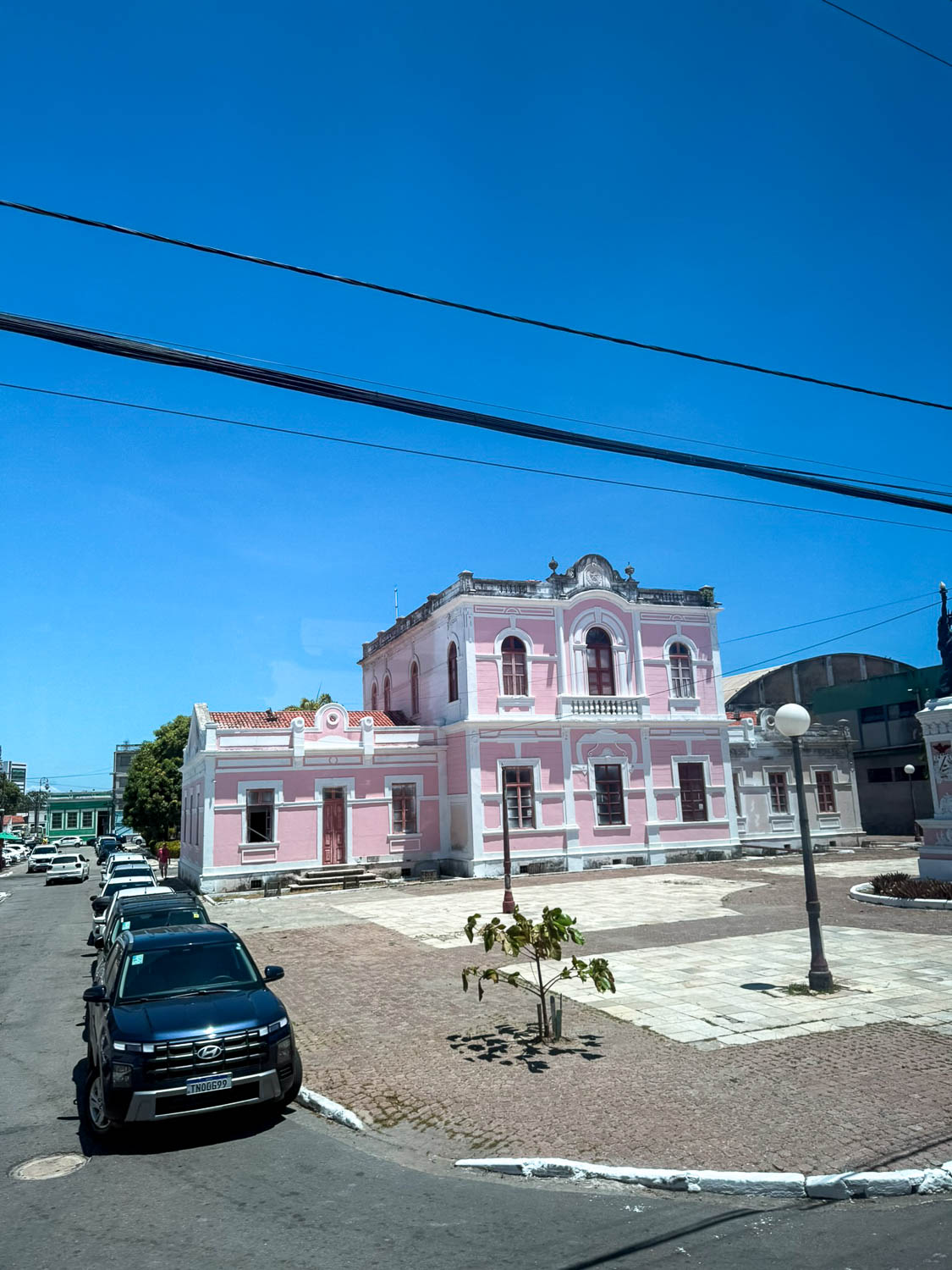
If your itinerary permits, consider making time to visit the Jaraguá neighborhood, known for its nightlife, cafes, and live music. Just over 1km (.75mi) from the Maceió Cathedral, this historic, formerly industrial waterfront neighborhood, has transformed into a trendy cultural and arts hub, with colorful, well-preserved 19th- and early-20th-century buildings that today house various art galleries, studios and workshops, and other cultural spaces.
Fun fact. Many of Jaraguá’s historic façades conceal surprisingly large interior courtyards, a legacy of 19th-century design focused on airflow and shade.
At night, Jaraguá often shifts in character, with cultural venues, live music, and informal gatherings bringing the district to life after business hours. Jaraguá’s weekends are especially vibrant, when Friday and Saturday nights truly come alive thanks to major nightlife revitalization efforts.
Insider tip. Pop-up exhibitions, concerts, and festivals frequently take place in Jaraguá’s historic buildings – be sure to check out local event calendars in the lead-up to your visit.
One of the highlights of any visit to Jaraguá is the Capelinha de Jaraguá, a small, iconic – and very picturesque! – chapel located right on the water’s edge (location, location, location!). Come here for that famous Insta-worthy snap, or for some quiet contemplation.
Fun fact. Capelinha de Jaraguá is often used as a backdrop for wedding ceremonies due to its strategic (and did we mention very picturesque?) location.
Final Thoughts
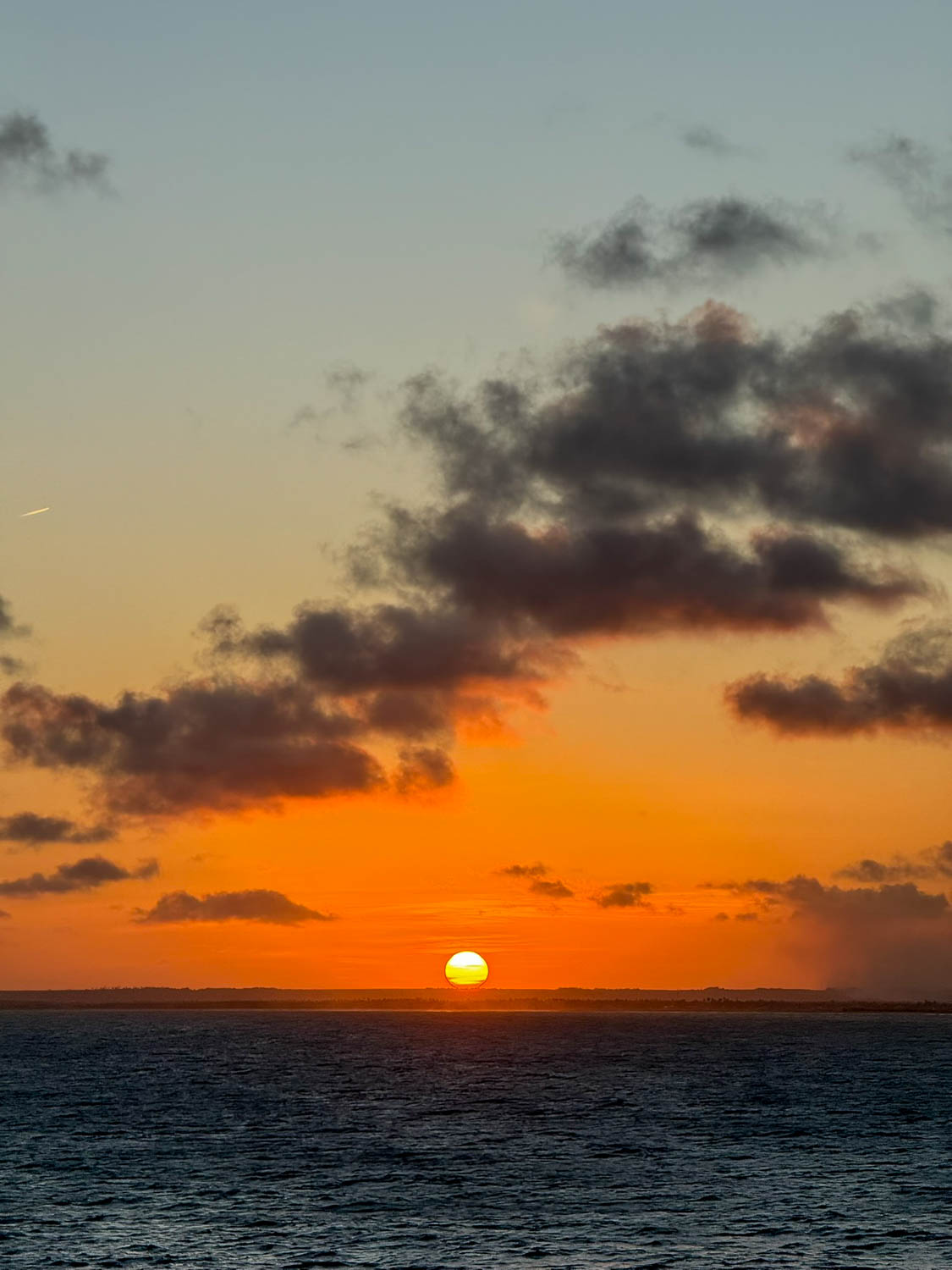
Spanning the Centro district and stretching toward the old port area of Jaraguá, Maceió’s historic heart blends colonial roots, Belle Époque architecture, and modern northeastern Brazilian culture — all within a setting that feels genuinely welcoming. Whether you’re starting your day here or winding down after time at the beach, the historic center is easy to explore on foot, with charming streets, open squares, and quiet waterfront areas all within walking distance.
From the grand Floriano Peixoto Palace Museum to the iconic Maceió Cathedral, the city’s old town showcases Maceió’s rich culture and 19th-century architecture. Most sites sit close to one another, making it simple to shape a relaxed half-day or full-day wander – and if you include Jaraguá, the revitalized old port district, you can finish with a sunset snap of the Capelinha de Jaraguá with a cool caipirinha in hand.
What emerges from a visit to Maceió’s historic core isn’t just a series of individual sights, but a clearer sense of how the city has evolved over time — shaped by politics, culture, and everyday life along the coast. And once you’ve wandered its streets and absorbed a little of its story, there’s only one direction left to head: toward the sea.
Maceió’s historic center is packed with cultural sights worth some extra attention. When you’re ready to wander between museums and memorials, step inside Maceió’s grand buildings, catch a show at the Deodoro Theater, and see how the city’s story comes together, let us know – because we’ll be right here to help you start planning.
FAQs
Is Maceio Historic Center worth visiting?
Yes. While many visitors come to Maceió for its beaches, Maceio Historic Center offers a different perspective on the city through its museums, historic architecture, cultural landmarks, and the revitalized Jaraguá waterfront district. It is one of the best places to learn about the history and culture of Alagoas.
What are the top attractions in Maceio Historic Center?
Some of the most popular attractions in Maceio Historic Center include the Floriano Peixoto Palace Museum, Maceió Cathedral, Deodoro Theater, the Memorial to the Republic, the Théo Brandão Museum of Anthropology and Folklore, and the historic Jaraguá neighborhood.
Can you walk around Maceio Historic Center?
Yes. Maceio Historic Center is relatively compact and easy to explore on foot. Many of the area’s museums, churches, plazas, and historic buildings are located within walking distance of one another, making it ideal for a half-day or full-day self-guided visit.
How much time should I spend in Maceio Historic Center?
Most visitors can see the main highlights of Maceio Historic Center in half a day. However, travelers interested in museums, architecture, local culture, or spending time in Jaraguá may prefer to dedicate a full day to exploring the area.
What is the Jaraguá neighborhood in Maceió?
Jaraguá is Maceió’s historic waterfront district and former port area. Today, it is known for its colorful architecture, cultural attractions, cafes, live music, and landmarks such as the picturesque Capelinha de Jaraguá. It is one of the most interesting areas to visit near Maceio Historic Center.
Explore More Of Maceio, Brazil
-
Beaches in Maceio, Brazil: Your Guide to the Best Coastal Escapes
Beaches in Maceio are among Brazil’s most spectacular, offering everything from calm natural pools and vibrant waterfront promenades to world-famous Gunga Beach. This guide explores the best beaches in Maceió, highlighting what makes each unique, the best times to visit, tide advice, and insider tips to help you choose the perfect stretch of coastline.
-
Maceio Day Trips: Beaches, Natural Wonders, and Nearby Escapes
Maceio Day Trips offer the perfect way to experience more of Alagoas beyond the city. Discover pristine beaches, coral reefs, charming fishing villages, the São Francisco River, and unforgettable coastal adventures, all within an easy drive of Maceió.
-
Shopping in Maceio, Brazil: A Guide to Markets, Malls, and Local Finds
Looking for the best shopping in Maceio? Explore artisan markets, traditional Alagoas handicrafts, beachfront stalls, and modern shopping malls throughout Brazil’s beautiful coastal capital.
-
Is Maceio Safe for Tourists? Beach and Street Smart Tips
Is Maceió safe? Discover what travelers should know about safety in Maceió, including the safest areas to stay, beach and street-smart tips, and simple precautions that help visitors enjoy one of Brazil’s most beautiful coastal destinations with confidence.
-
Maceio Brazil: Best Things To Do + Travel Guide
Maceio, Brazil is one of the country’s most beautiful coastal destinations, known for turquoise waters, natural pools, palm-lined beaches, and easy access to the stunning Coral Coast. This guide covers the best things to do, top beaches, day trips, local cuisine, where to stay, and practical travel tips for planning your visit.