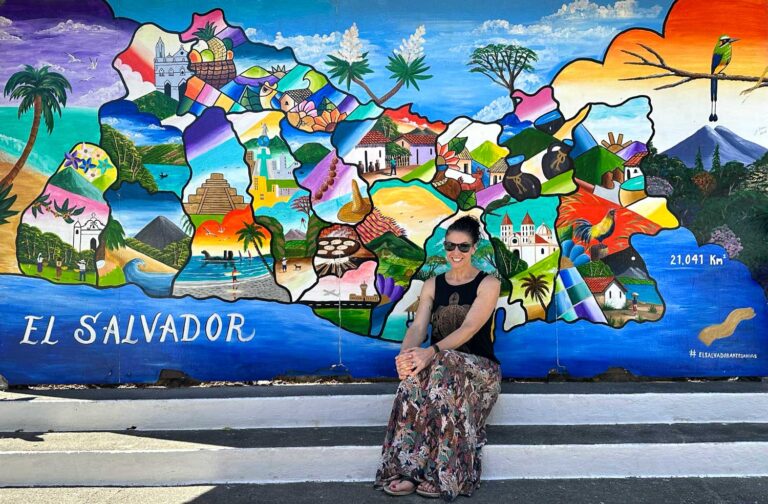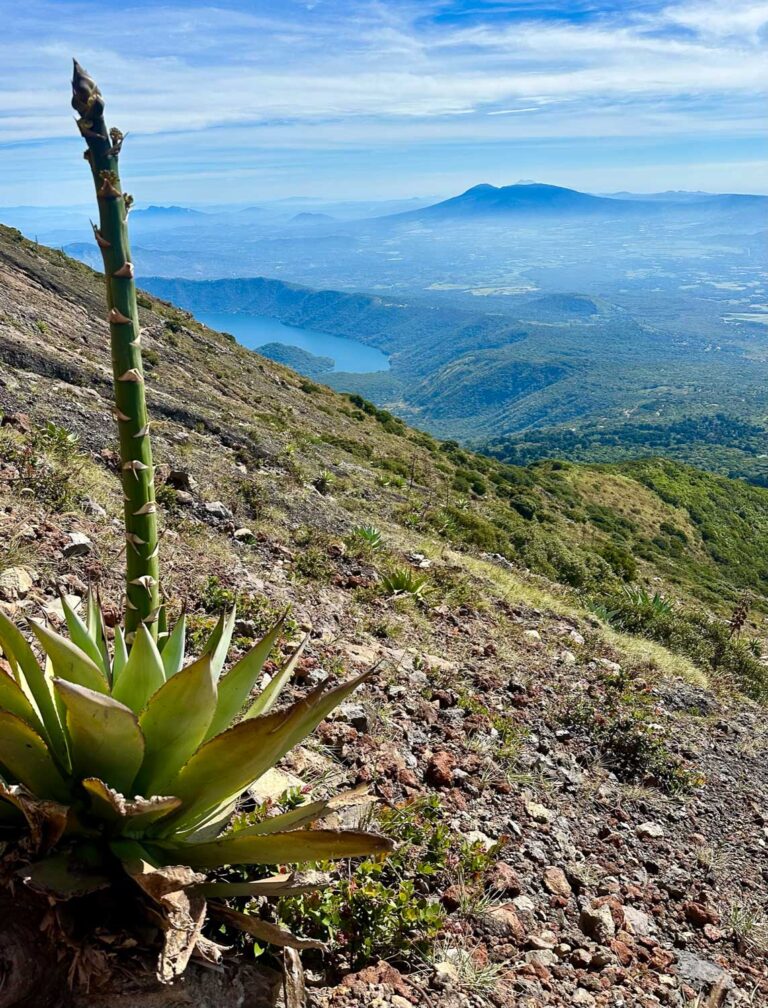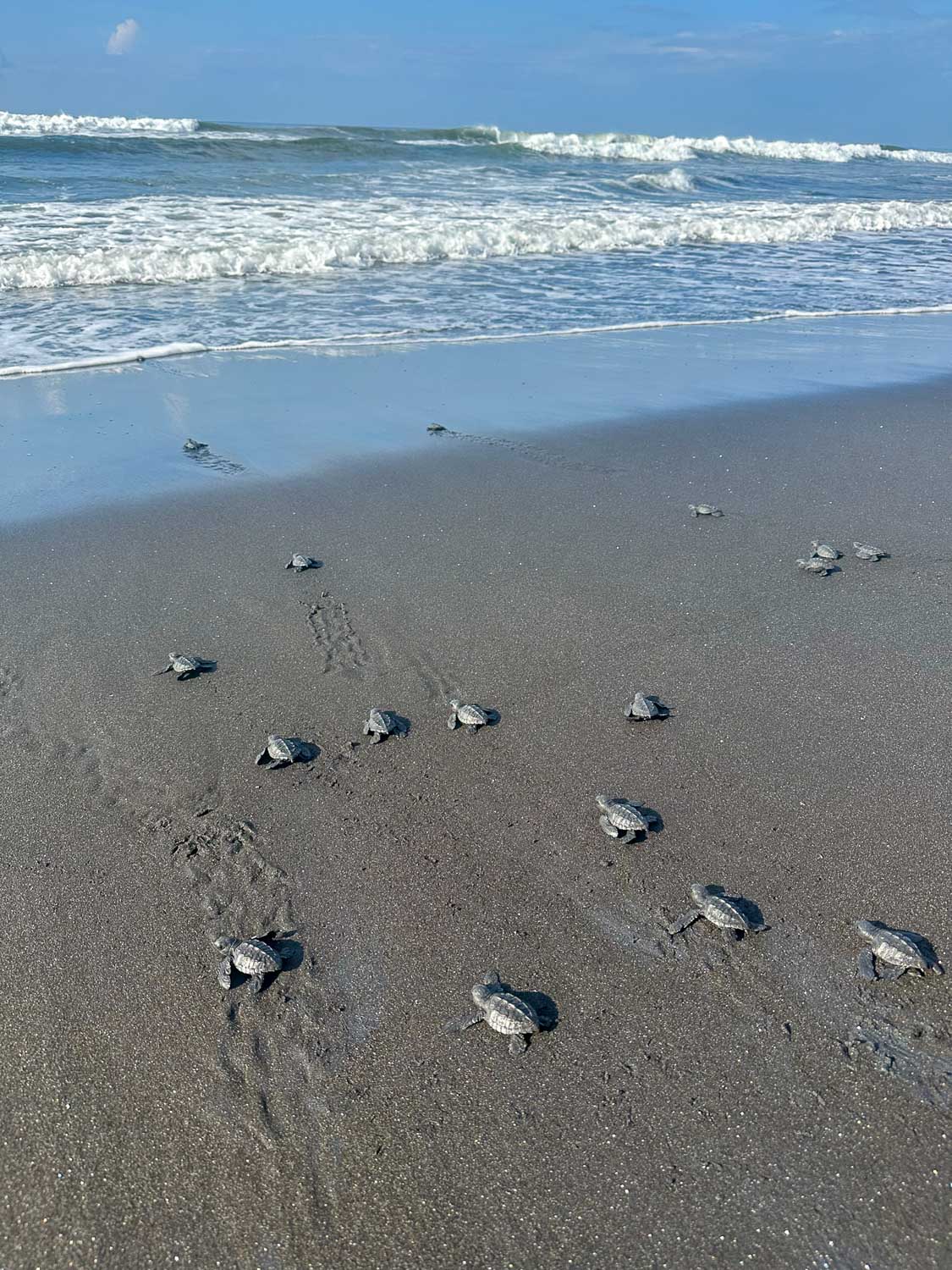
El Salvador may be the smallest country in Central America, but its charm lies in its unassuming, unspoiled natural beauty and its vibrant mix of adventure, culture, and historical intrigue. Whilst many travelers focus on exploring neighboring destinations, El Salvador quietly offers visitors unique experiences and authentic local encounters, providing a more less-touristy vibe compared to the crowded tourist scenes in Costa Rica and Mexico.
Whilst we encourage all intrepid adventurers to consider visiting the Top Things to Do in El Salvador, if you’re seeking to wander a little bit further off the beaten path (as we all know Beck loves to do!), this spirited Central American nation is brimming with treasures simply waiting to be explored. Below, you’ll find insights into lesser-known destinations and unique experiences within El Salvador, attracting visitors seeking authentic and adventurous travel that helps paint a more vivid picture of El Salvador’s soul.
Let’s take a deeper look into El Salvador Hidden Gems.
Quick Tips
El Salvador is a destination filled with some incredible off-the-beaten-path places well worth including in your itinerary. Here are some insider tips to help you make the most of your visit to El Salvador:
- Like many countries in the region, El Salvador has two distinct seasons: wet and dry. Make sure to plan your visit accordingly!
- Getting around the country is easy: transportation options include everything from local “chicken buses” to taxis to private cars and drivers.
- Consider visiting the charming colonial town of Suchitoto, swimming in the emerald green waters of Laguna del Alegría, exploring the incredible biodiversity in Parque Nacional El Imposible, or taking a leisurely stroll to El Boqueroncito, one of the most accessible volcanoes in El Salvador.
- If you’re an avid hiker and have a little extra time, definitely plan on visiting Parque Nacional Montecristo, where you can set foot in three different countries at the same time (neat, right?).
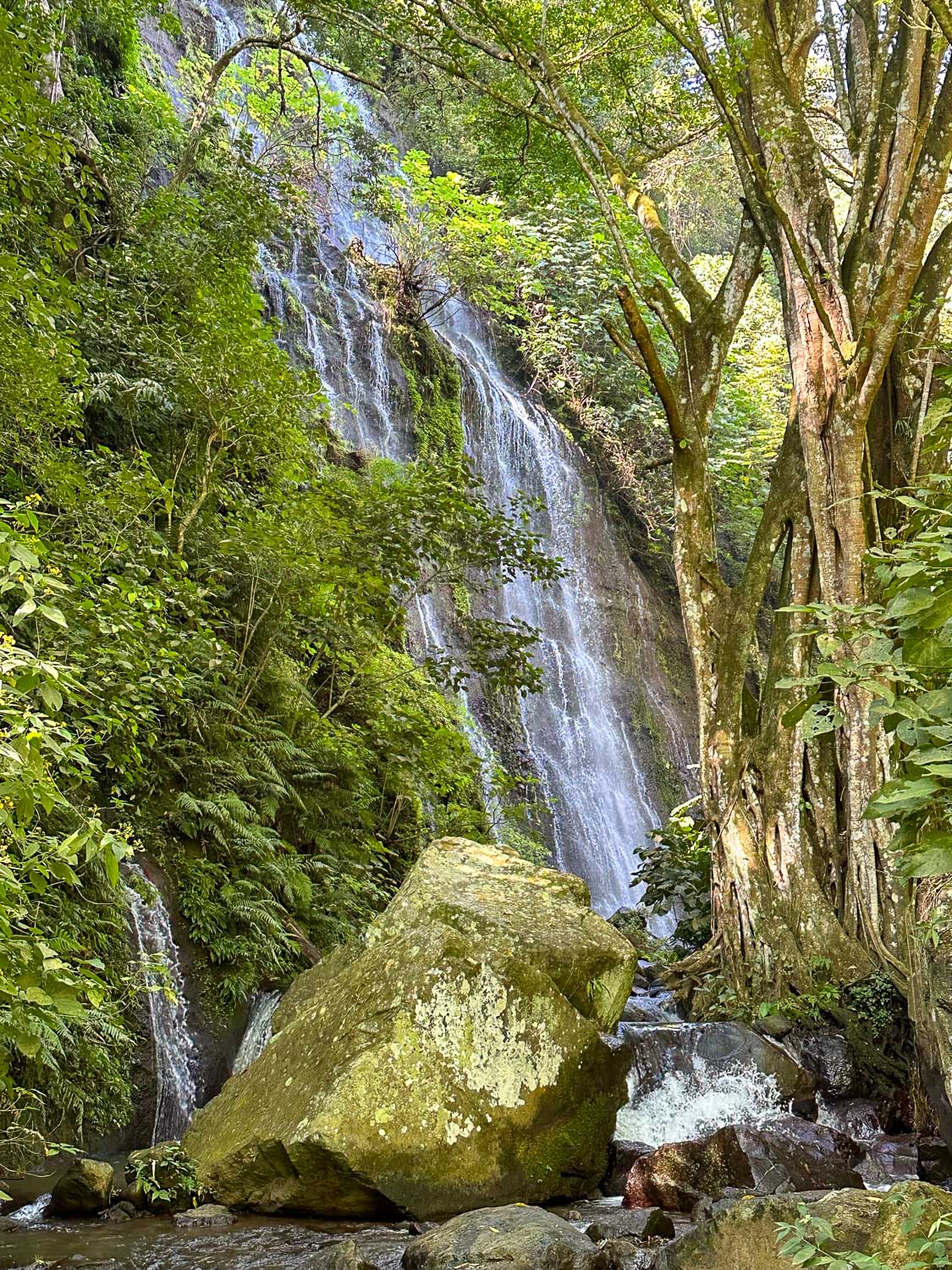
- Venture through lush landscapes to hidden waterfalls on the hike to Las Siete Cascadas (Seven Waterfalls), just outside of Juayúa.
- Visit Cascadas El Chorrerón, near Honduras, to take in the thundering waters of these 40-meter-high waterfalls.
- Take a city tour of El Salvador’s vibrant city, San Salvador.
Follow these tips, and you’ll be ready to visit El Salvador and enjoy.
Plan Your Trip
Some of the links in this post might earn us a small commission if you make a purchase – but don’t worry, it won’t cost you anything extra! Supporting us this way helps us continue sharing our best travel content and tips. See our full disclosures for details. Thanks a million, and happy travels!
Planning to visit El Salvador? Take advantage of the following resources curated just for you.
Book Your El Salvador Adventure Now!
Prefer additional options? Click below to discover more incredible experiences tailored just for you!
Choose from the Top 15 attractions in El Salvador!
Looking for more travel essentials?
Check out our top picks below. For additional trusted tools, gear, and resources we personally use, visit our Travel Resources page to make planning your adventure effortless.
Why El Salvador Should Be on Your Travel List
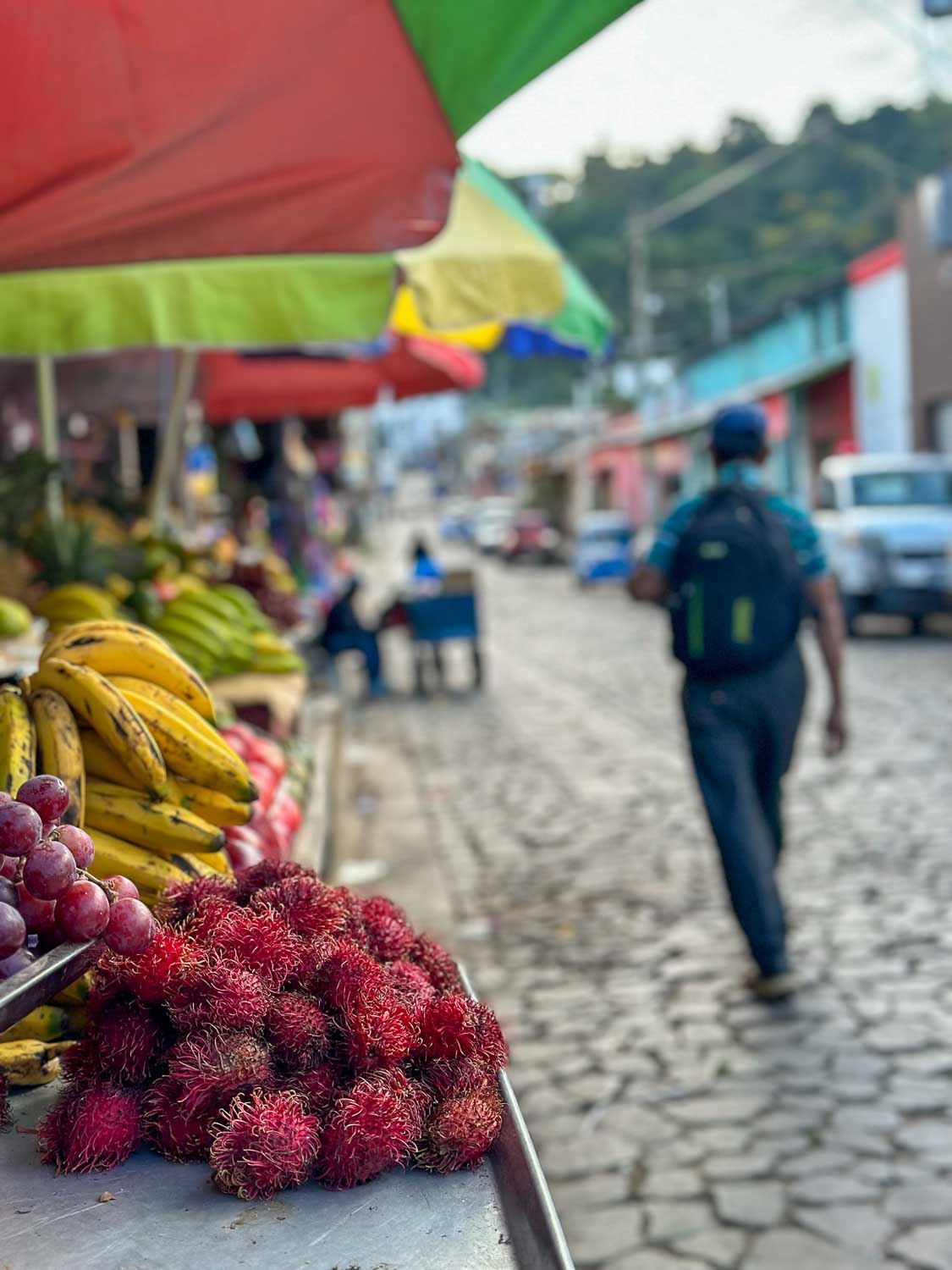
El Salvador boasts a rich history and cultural heritage that often surprises those who take the time to discover it. Once a country with a bad reputation for crime, gang-related violence, and a nasty civil war, today, visitors will feel safe traveling throughout this land within Central America. They will be greeted in El Salvador with open arms by warm, hospitable Salvadorans keen to share the beauty of their homeland with you.
From Mayan ruins preserved in volcanic ash to colonial towns with cobblestone streets and vibrant markets, this fascinating country within Central America offers an array of experiences that capture the hearts of most visitors. Whether you’re a nature lover, a history buff, or simply seeking an unforgettable adventure, El Salvador promises a journey filled with unique stories and warm hospitality. We genuinely believe that El Salvador should be near the top of your bucket list!
Let’s explore this country more with an insider’s guide to our top tips and recommendations for exploring some of El Salvador’s best-kept secrets.
Let’s start by looking …
Off the Beaten Path: Hidden Gems in El Salvador
Suchitoto: The Cultural Heart of El Salvador
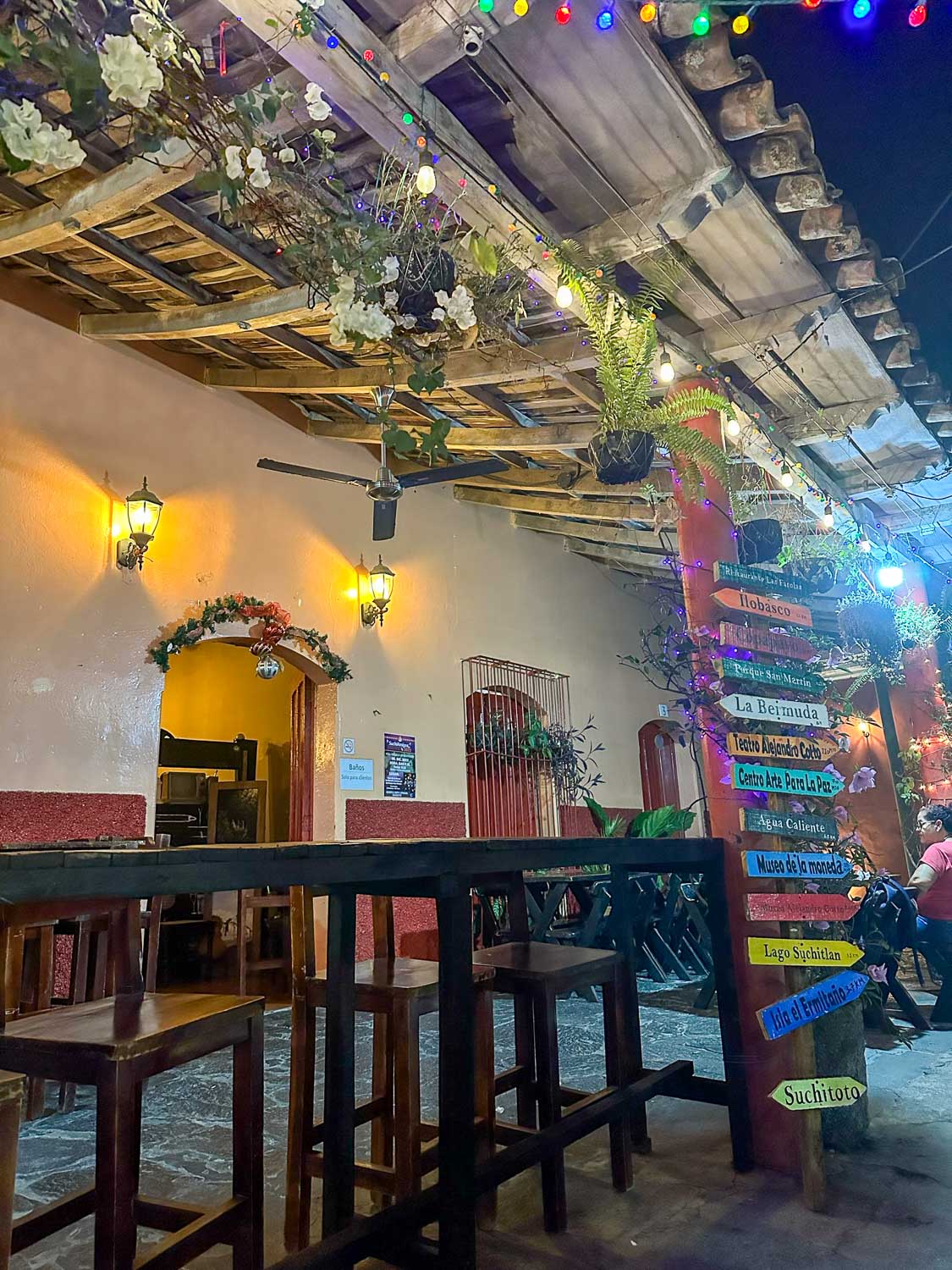
Less than an hour and a half by road northeast of San Salvador is the charming colonial town of Suchitoto. Nestled in the mountains and known for its cobblestone streets, artsy vibe, and proximity to Lake Suchitlán, Suchitoto has seen continuous human habitation long before the Spanish conquest of El Salvador in the early 1500s. Suchitoto is home to some of El Salvador’s best local markets, boutique hotels, picturesque cafes, and incredible, well-preserved colonial architecture. It is, without question, a town that offers visitors an artistic and historical escape from modernity.
Some highlights for your visit to Suchitoto might include:
Iglesia Santa Lucía (Santa Lucía Church)
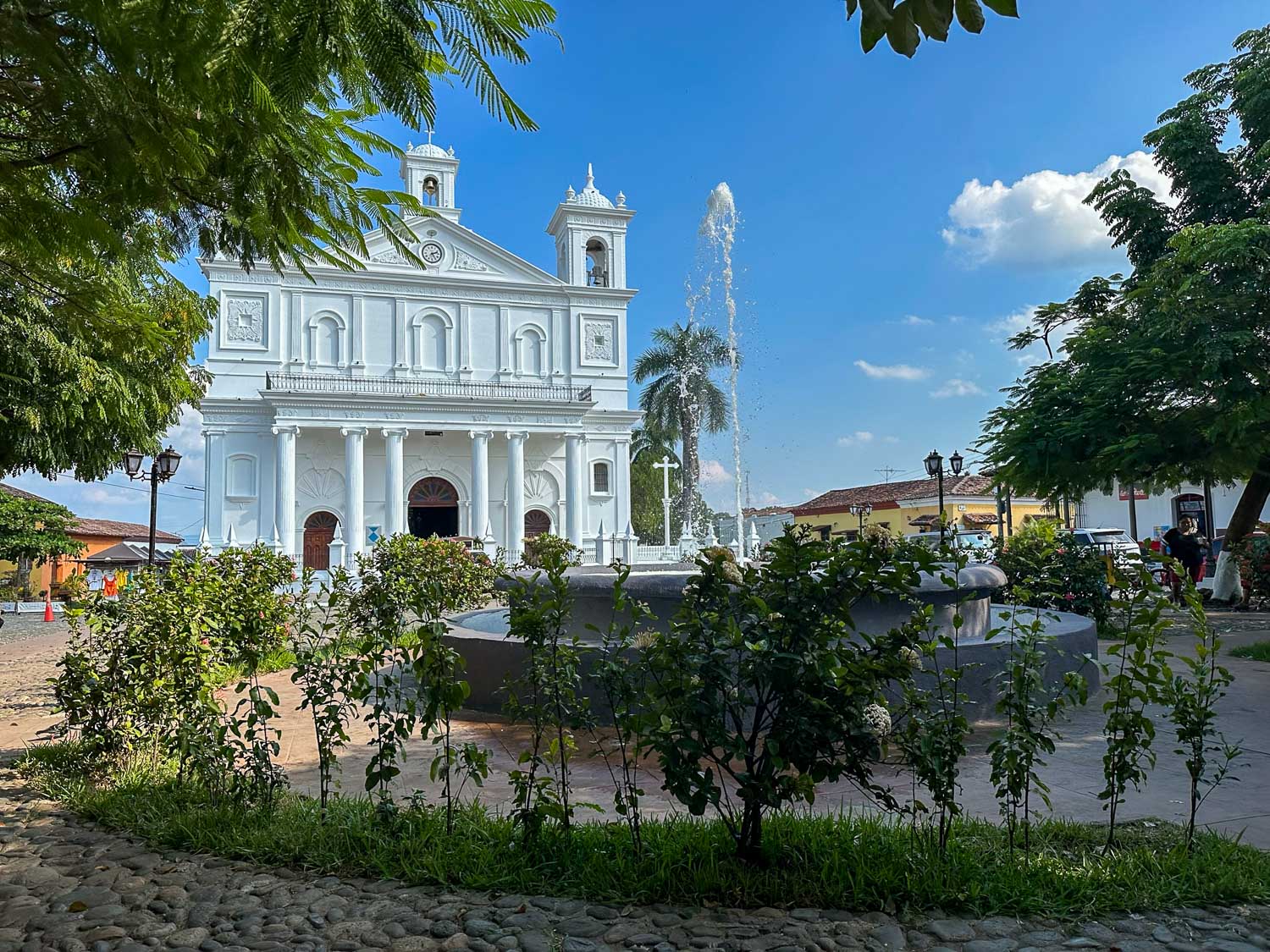
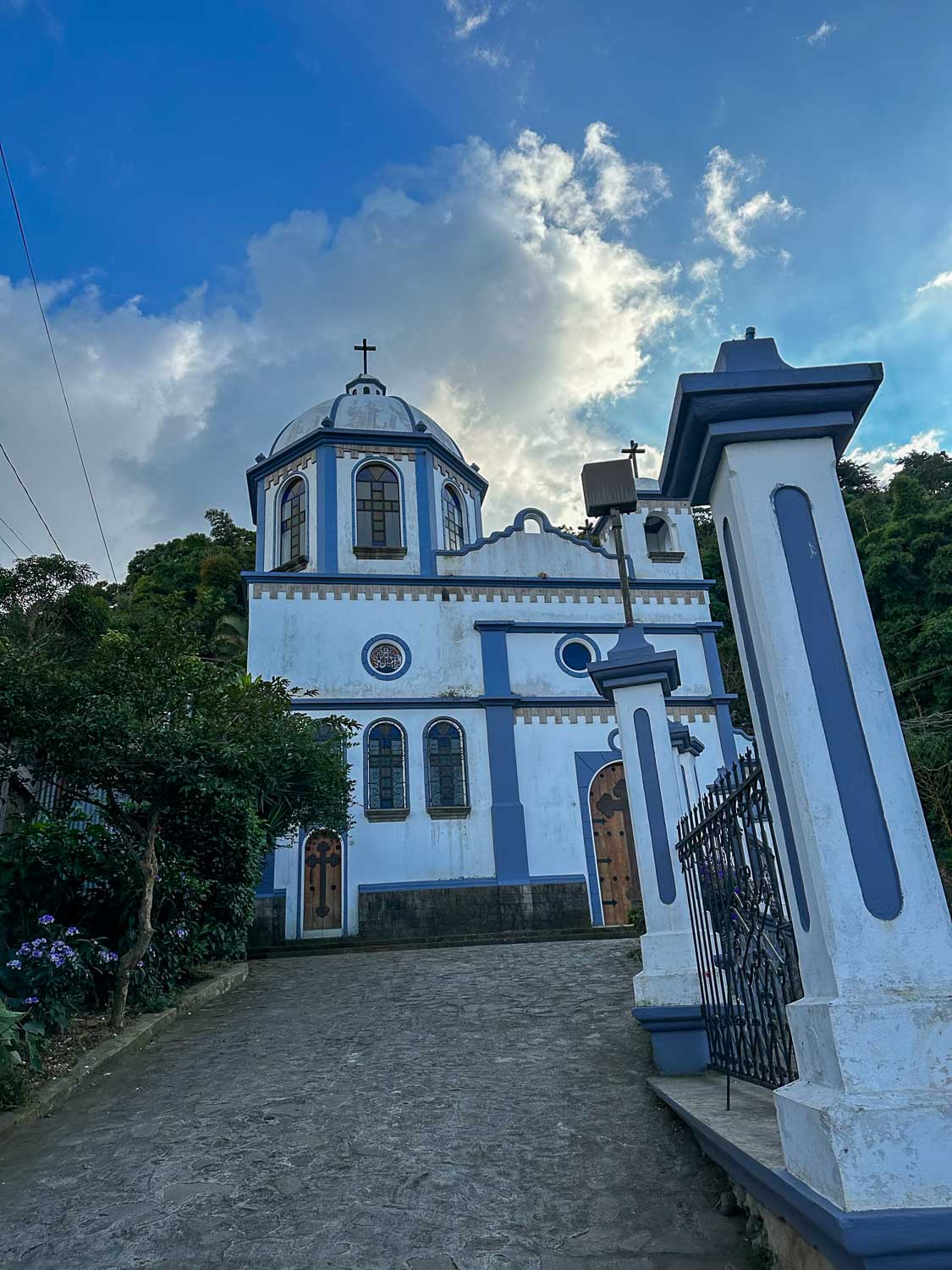
Dominating the central plaza of Suchitoto and beautiful during both day and night, this stunning colonial Catholic church features a Baroque façade and a dark, rich wood interior. Built in 1853 after nine years of solid labor, the church recently underwent a much-anticipated restoration through government support. It is definitely worth visiting: the stunning backdrop of the lush green mountains makes for superb photography, and peeking inside the church provides a tranquil respite from the often blistering heat of Suchitoto.
Local Handicrafts and Markets
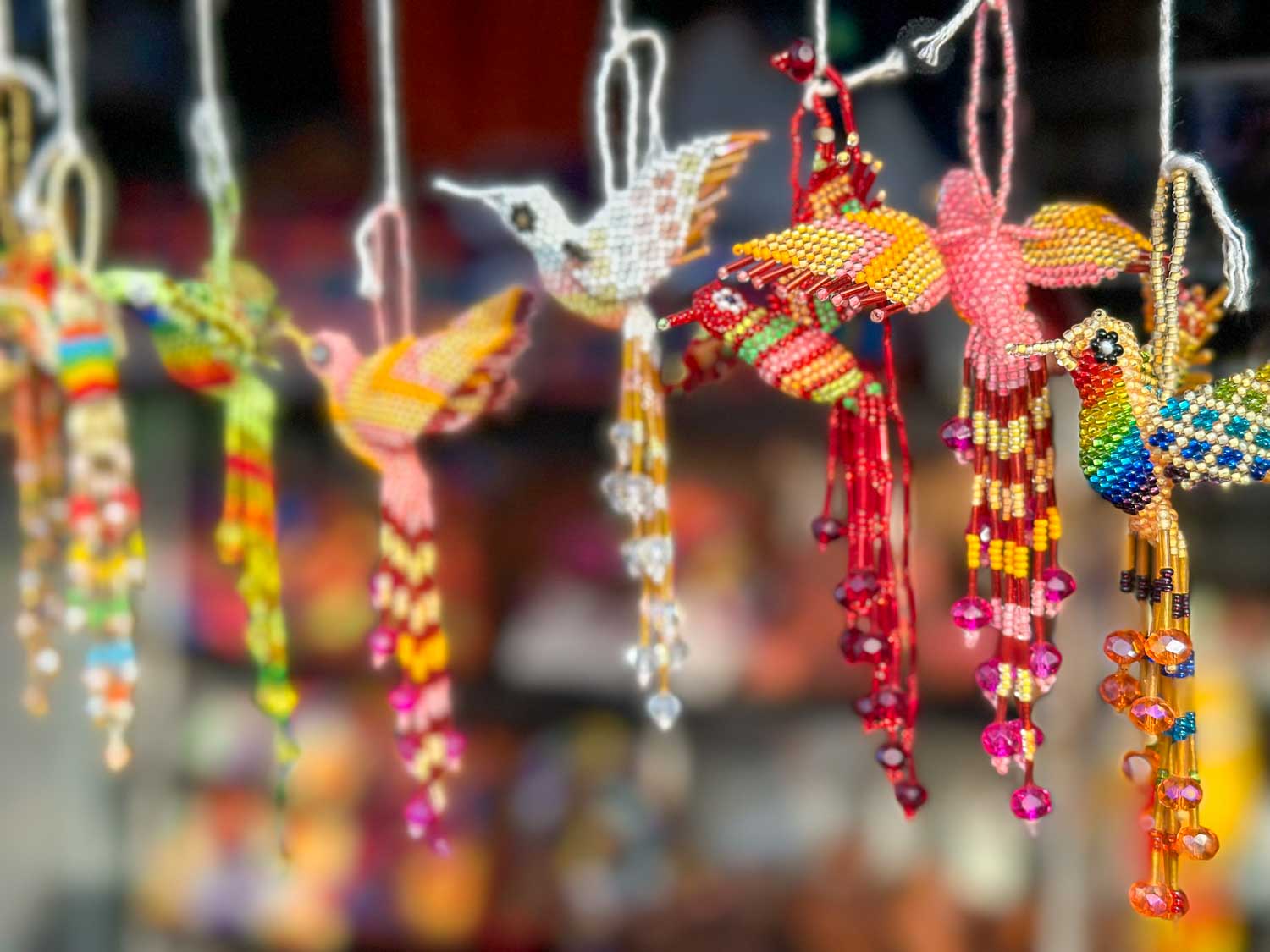
Explore artisanal markets to find handmade goods and learn about Suchitoto’s history of traditional indigo production. Consider also visiting the Suchitoto Municipal Market, a lively hub of activity that captures the essence of Salvadoran culture and community. Open daily, here you’ll find stalls full of fresh fruit and vegetables, artisan goods, and local delicacies, enticing visitors to indulge as the delicious smell of traditional Salvadoran foods fills the air. Make sure to stop and connect with some of the friendly vendors during your visit to exchange stories and learn more about the warmth and authenticity of the Salvadoran people.
Lago Suchitlán
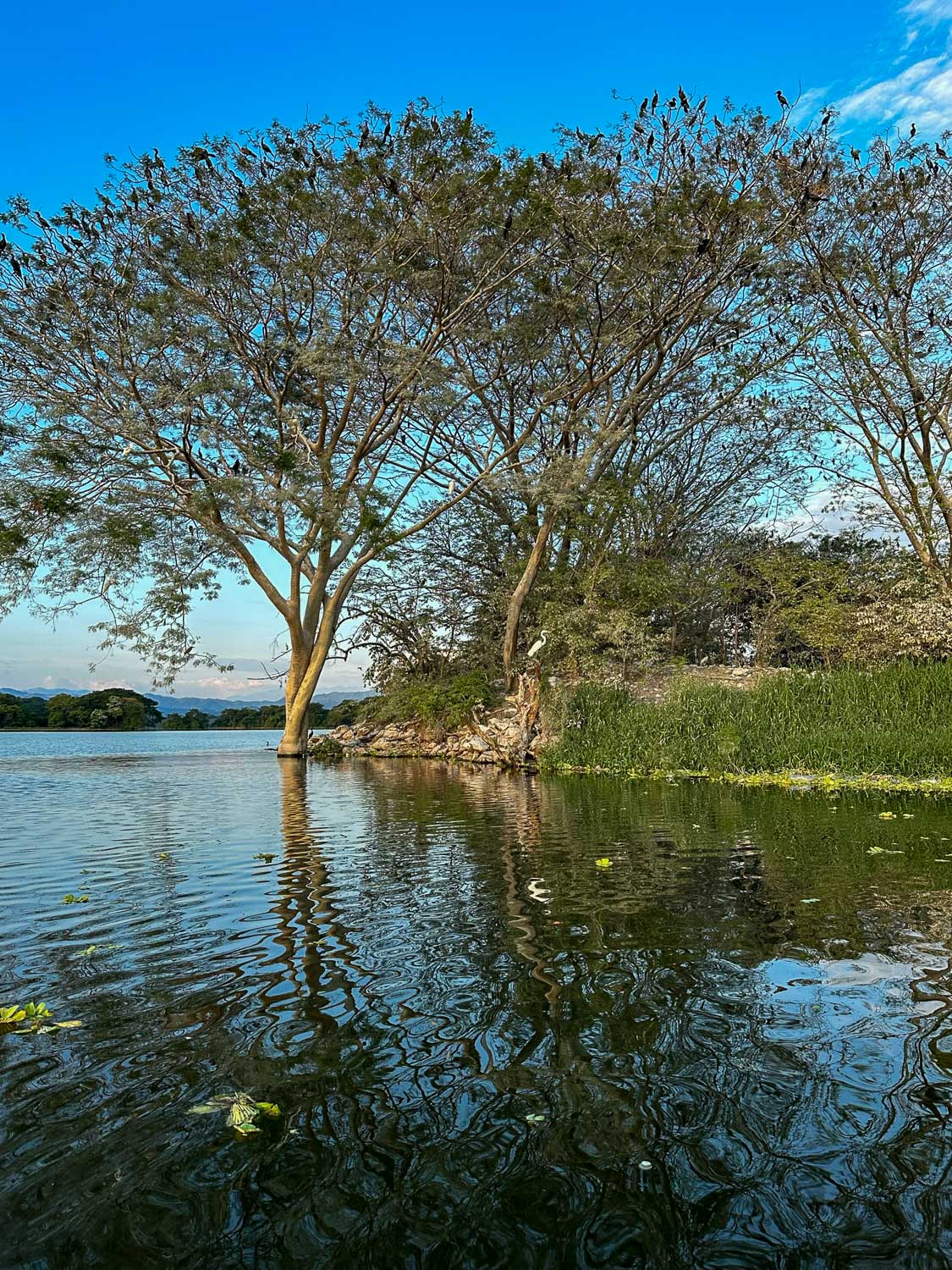
Also known as the Cerrón Grande Reservoir, Lago Suchitlán sits just outside Suchitoto and spans 52 square miles, making it the largest body of fresh water in El Salvador. Despite its size, it is unfortunately one of the most polluted lakes in Central America. The name comes from the Nahuatl word for “place of flowers,” and the lake is popular for birdwatching, fishing, boating, and kayaking. It’s home to 12 of El Salvador’s 14 native fish species, along with a wide range of bird and plant life.
We took an early evening boat ride to Bird Island and witnessed one of the most beautiful sunsets we’ve ever seen. The scenery was incredible—once we managed to overlook the amount of trash in the water.
Despite the population dropping from over 34,000 in 1971 to just under 14,000 by the end of the country’s civil war in 1992, Suchitoto continues to prosper, thanks in part to increased tourism to the area. As a result of this increase in tourism, numerous arts, and cultural spaces have begun to pop up in Suchitoto, many of which are providing positive alternative opportunities for youth within the local community. We thoroughly enjoyed exploring the winding cobblestone streets and visiting some of the youth projects currently up and running.
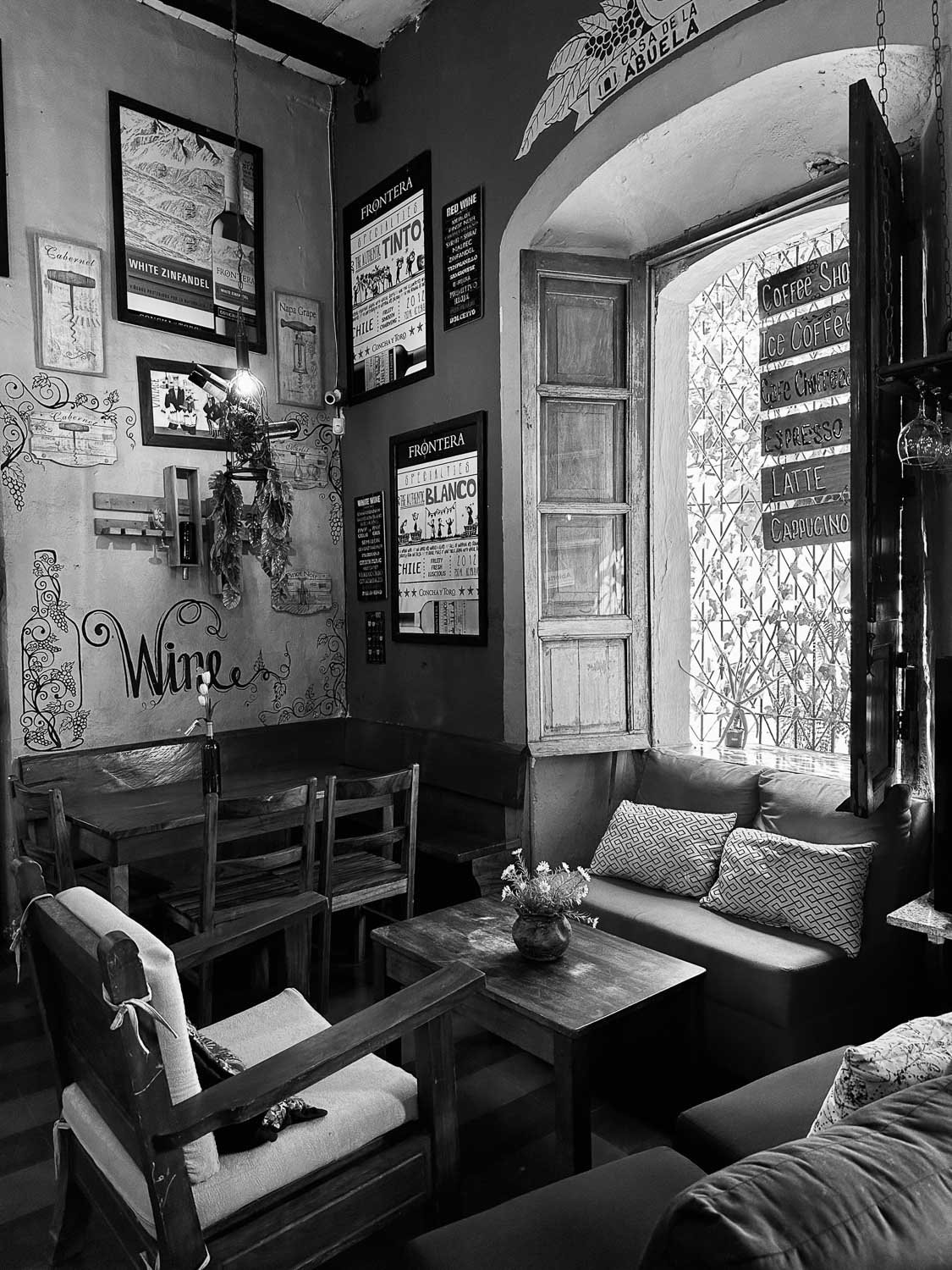
Suchitoto’s vibrant arts scene and historical significance make it a must-visit for travelers seeking an enriching cultural experience during their time in El Salvador. The cobblestone streets and colonial architecture offer a picturesque setting that feels like stepping back in time: consider taking a walking tour with a local guide to help enhance your experience.
Fun fact: Suchitoto is a sister city to Prescott in Arizona.
Laguna del Alegría (Alegría Crater): The Emerald Gem
Just over 120km (75mi) south-east of Suchitoto, in the Usulután region, lies Laguna del Alegría, often referred to as the “Emerald of El Salvador”. This emerald green crater lake with striking green waters (thanks to its high sulfur content), lies just 2km (1.24mi) outside of the town of Alegría, and is a haven for wildlife enthusiasts. This hidden gem also offers visitors breathtaking views over the surrounding area and a serene atmosphere.
The scenic road leading to the lake is quite something too, with its vibrant colors and lush landscapes, providing a welcome change for travelers seeking some tranquility. Make sure you take a small amount of cash for the wee entrance fee to the lake upon arrival. The hike that loops around the sulphur-infused, turquoise water can be challenging, but provides visitors numerous vantage points and the reward for the hike is an unforgettable experience (especially if you’re visiting on a day that the local school is in session!). Laguna del Alegría is certainly an enchanting place, capturing the imagination of all who visit.
Fun fact: Alegría means “cheerfulness” (or “joy” or “happiness”) in Spanish, though the town that bears the same name as the lake gained its name not from its sunny disposition, but rather from a Latin professor who founded a philosophy school in the town in the late 1800s.
Another fun fact: According to local legend, a mermaid inhabits the lake, adding a touch of mystique to the area.
Parque Nacional El Imposible: A Wonderland of Biodiversity
Best known for its rugged terrain and incredible biodiversity, Parque Nacional El Imposible provides visitors to El Salvador some excellent hiking options.
Relatively new (it was only opened in 1989), and covering an expanse of some 5,000 hectares, this park was once up for consideration for the list of UNESCO World Heritage Sites. Today, it offers numerous hiking trails with breathtaking panoramic views through lush primary forest, along rivers, and with stops at some pretty impressive waterfalls that provide visitors options for swimming and rappelling. Parque Nacional El Imposible is also home to over 500 species of plants, more than 100 species of mammals and, incredibly, over 5,000 species of butterflies! There are also options to seek out small Mayan ruins throughout the park.
If you’re craving some true wilderness and biodiversity, El Imposible National Park is a must-visit for you. The park’s rugged terrain and ecological significance make it a standout destination for eco-tourists, with its rich volcanic soils and lush forests providing a unique perspective on El Salvador’s natural wonders.
You may also wish to consider visiting Cerro Verde National Park (also known as Parque Nacional Los Volcanes), home to three of El Salvador’s iconic volcanoes (Cerro Verde, Izalco and Santa Ana). A nature-lover’s must-visit, this national park offers visitors the opportunity for hiking and rainforest exploration.
El Boquerón National Park: Tranquility Just Outside of San Salvador
Just minutes from the hustle and bustle of the nation’s capital, San Salvador, El Boquerón National Park is a protected area with great diversity in fauna and flora. Located on the crater of the San Salvador Volcano, it’s also one of the most accessible places in El Salvador and makes for an excellent day trip from the capital.
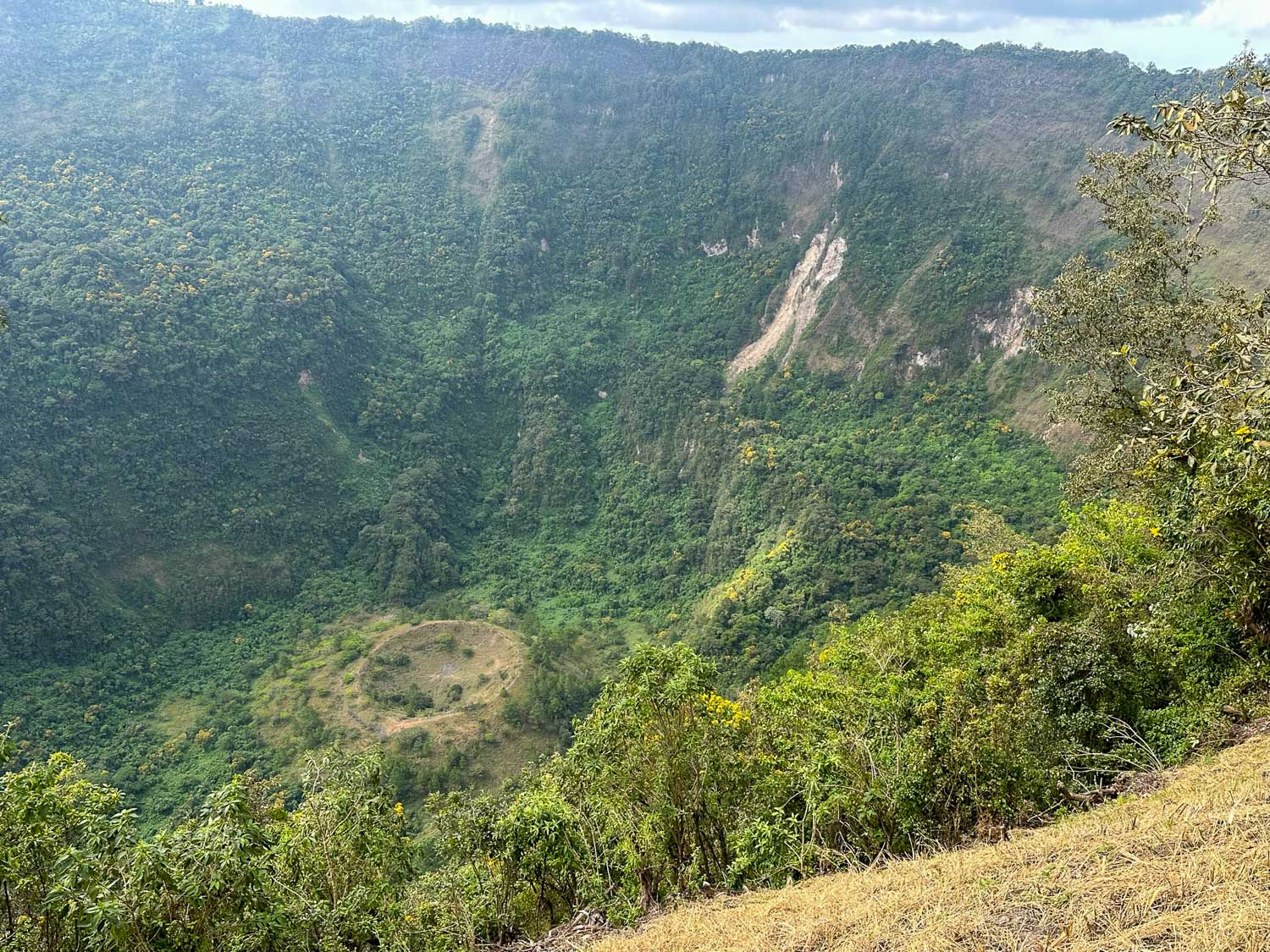
Trails are well-marked, restrooms are relatively new, and it takes just 20 to 25 minutes to walk to the rim of the crater. Here you’ll find three different viewpoints, providing different angles of the volcano, El Boqueroncito, and a wonderful view of the volcanic slopes where temperate climate flowers and fruits flourish.
El Boquerón National Park is open daily from 8am through 5pm, and the entrance fee for foreigners is just US$2. As with most places in El Salvador, it is cheaper for nationals to visit.
Along the road to El Boqueron National Park from San Salvador, you’ll find more viewpoints, restaurants, and cafes, all offering spectacular views of the surrounding area.
Parque Nacional Montecristo: Standing at the Apex of Three Countries
A haven for birdwatchers with its migratory birds and cloud forests, Parque Nacional Montecristo is another large, protected park in north-western El Salvador. Founded in 2008, and centered around the Montecristo cloud forest–cloaked mountains in Mesoamerica, this park covers an area of almost 2,000 hectares. Well maintained and home to an abundance of flora and fauna, this national park is a magnet for nature-lovers and researchers alike, providing opportunities for camping and hiking – and it even houses an orchid garden!
Together with Montecristo Trifinio National Park in Honduras and Trifinio Biosphere Reserve in Guatemala, these three parks form the Trifinio Fraternidad Transboundary Biosphere Reserve, a protected area where the borders of the three countries meet. It’s even possible to hike the 7km (4.35mi) up to El Trifinio (which stands at 2,418m above sea level), the point where the borders of El Salvador, Honduras and Guatemala meet. And whilst you’ll need a 4WD vehicle to reach Los Planes (the start of the trek to the top of El Trifinio), if you make it to the top, you could end up standing in three different countries at the same time!
The trail from Los Planes to El Trifinio is closed from May to November during the main breeding season for local wildlife, but Los Planes itself remains open year-round. Drivers from nearby Metapán typically charge US$80–$100 for the round trip, and you’ll need to start early to reach the summit and return before the park closes at 3pm.
Camping is allowed with advance permission from the Ministry of Environment and Natural Resources. Because daily visitors are limited, it’s best to reserve ahead—especially on weekends—to avoid being turned away.
With this in mind, the cool climate in Parque Nacional Montecristo is perfect for hiking and taking in the amazing views over the tops of the trees – it really is a very special place to visit.
Las Siete Cascadas (Seven Waterfalls): Hiking Through Lush Landscapes to Hidden Cascadas
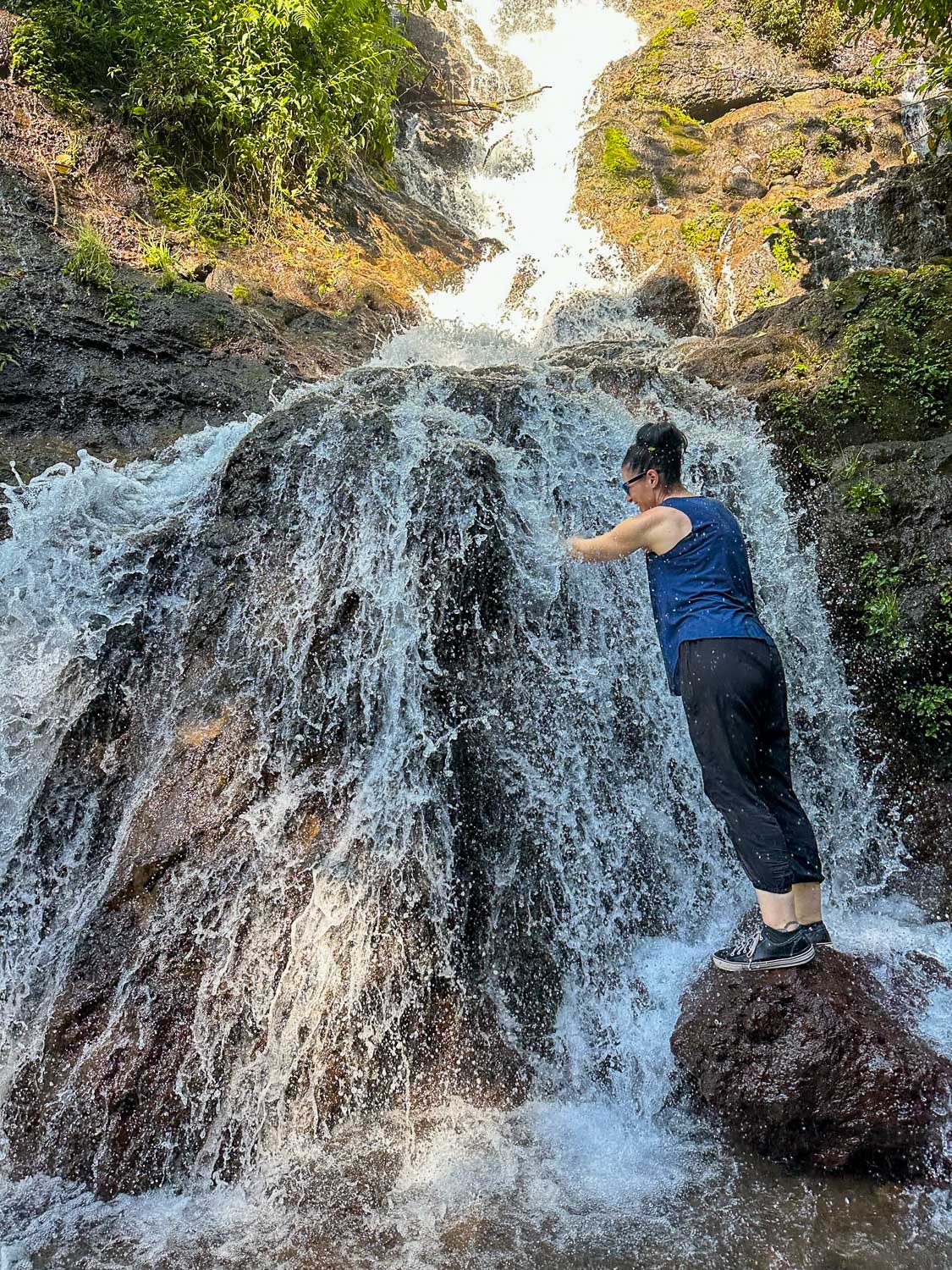
Without question, this was our favorite waterfall hike of our entire visit to El Salvador! In part because it’s more than just your typical “hike” along a well-worn trail to reach your typical waterfall viewpoint. After picking up our guide, Ellie, along the way to the entrance, this was a decent 4-hour adventure that had us wading through rivers, scrambling up rock faces, and cooling off under thundering torrents of water.
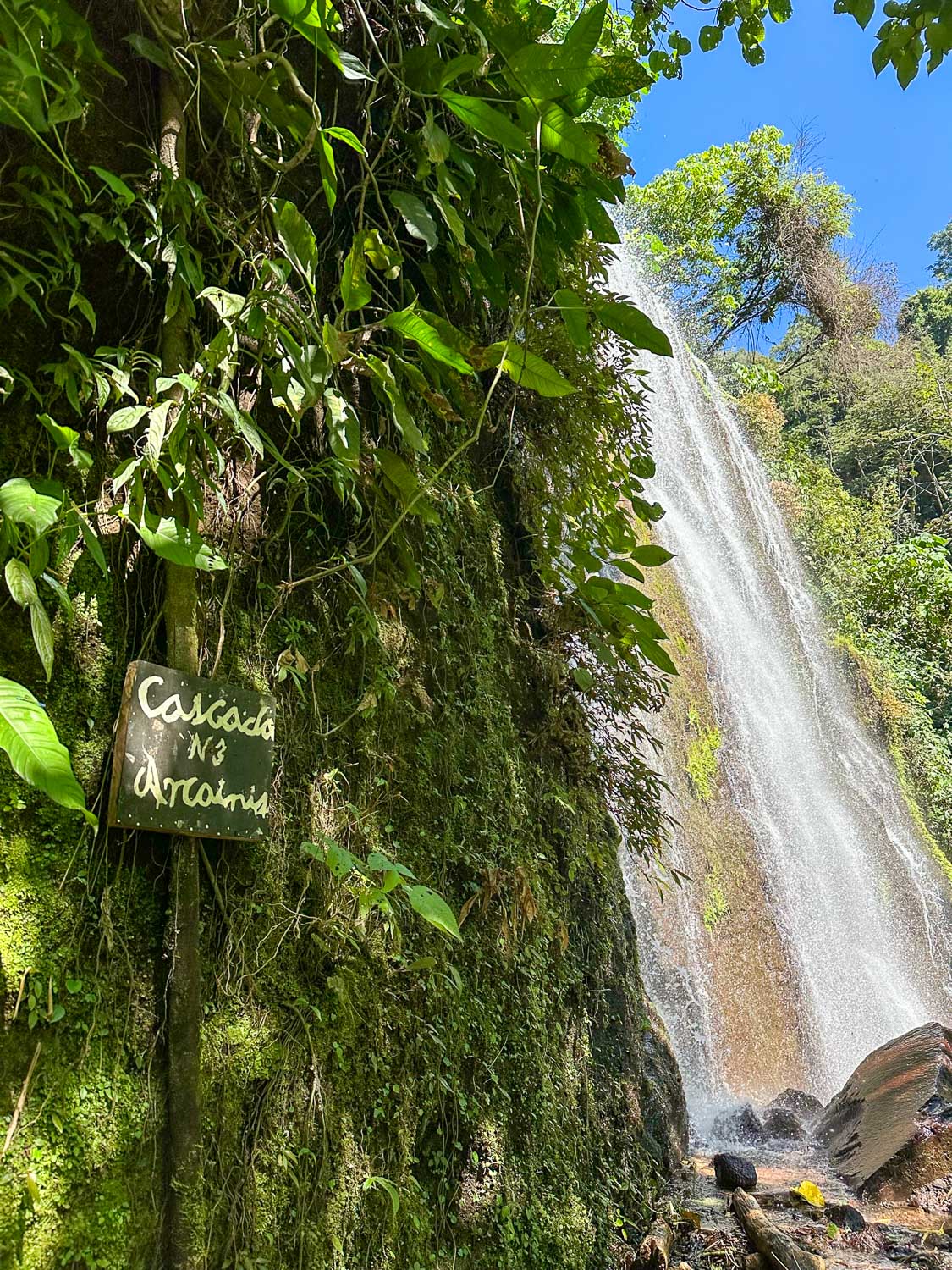
This series of (yup, you guessed it, seven!) waterfalls just east of Juayúa starts with a steep descent into the jungle before you’ll quickly find yourself wading through shallow water upstream. Make sure you dress appropriately! Whilst not all seven of the waterfalls are mind-blowing (we’re not talking Niagara or Victoria Falls here), it’s the complete set that make the adventure worth it. Our main guide, Alfredo, had visited the Seven Waterfalls at least a hundred times before, but none of his clients had even made it to the very end: so we took him up on the challenge to visit all seven waterfalls, and we highly recommend you do too!
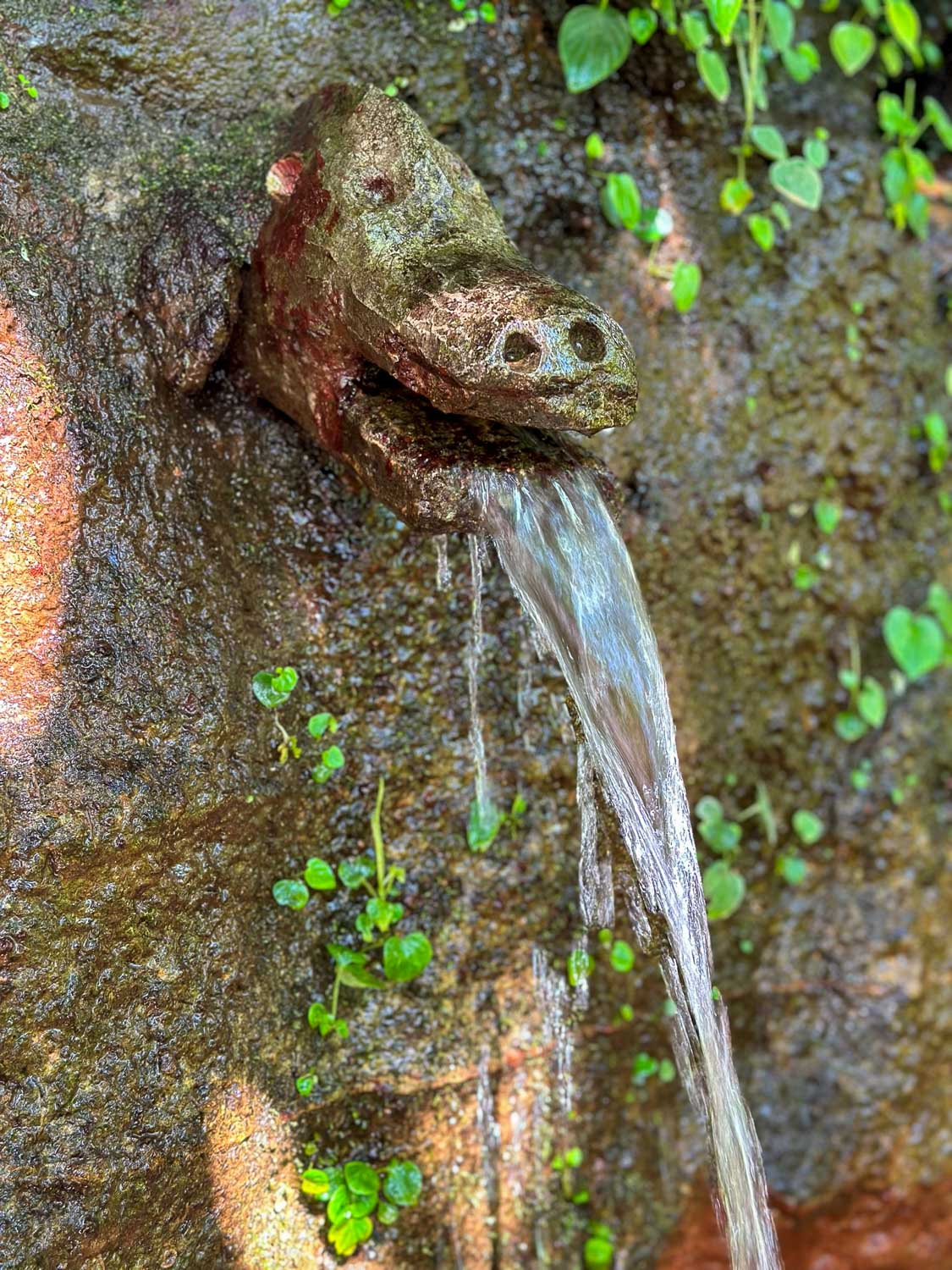
There is no cost to visit Juayúa’s Seven Waterfalls, but it is highly recommended you hire a guide and pay them accordingly. You can join a group tour from Juayúa, which will cost you less than US$15 per person for a full day guided tour. An excursion out to the falls definitely makes for a wonderful day trip that combines physical activity with natural beauty.
Cascadas El Chorrerón: A Hidden Oasis
A solid day’s drive from San Salvador, you’ll find San Fernando, a small municipality in the Morazán department of El Salvador – and tucked neatly just inside the border with Honduras, lies the 40-meter-high Cascadas El Chorrerón, a secluded waterfall surrounded by lush, pristine forests and brightly colored vegetation.
Dominated by pine and oak trees, and accessible only by a short hike (no more than a half hour at a leisurely pace), the imposing Chorrerón waterfall offers a quiet retreat far from the crowds. It’s also a sanctuary for various bird species and other wildlife. This rural area offers visitors an opportunity to swim in the refreshing, crystal clear waters at the foot of the falls (the pool is about 5m deep), or simply soak in the tranquil surroundings. Those a tad more adventurous can further explore the area along trails that wind through the adjacent forest, leading to hidden pools. Make sure to wear comfortable walking shoes!
Entrance fee to the waterfall is US$1, payable at a local home near the parking area. Rustic bathrooms are available at the falls, alongside a few picnic tables – but not much else (and that’s okay!). If you plan to picnic in the area, make sure to bring your own food (and carry out anything and everything you take in with you that you don’t consume).
San Salvador: Immerse Yourself in the El Salvadoran Capital’s Culture
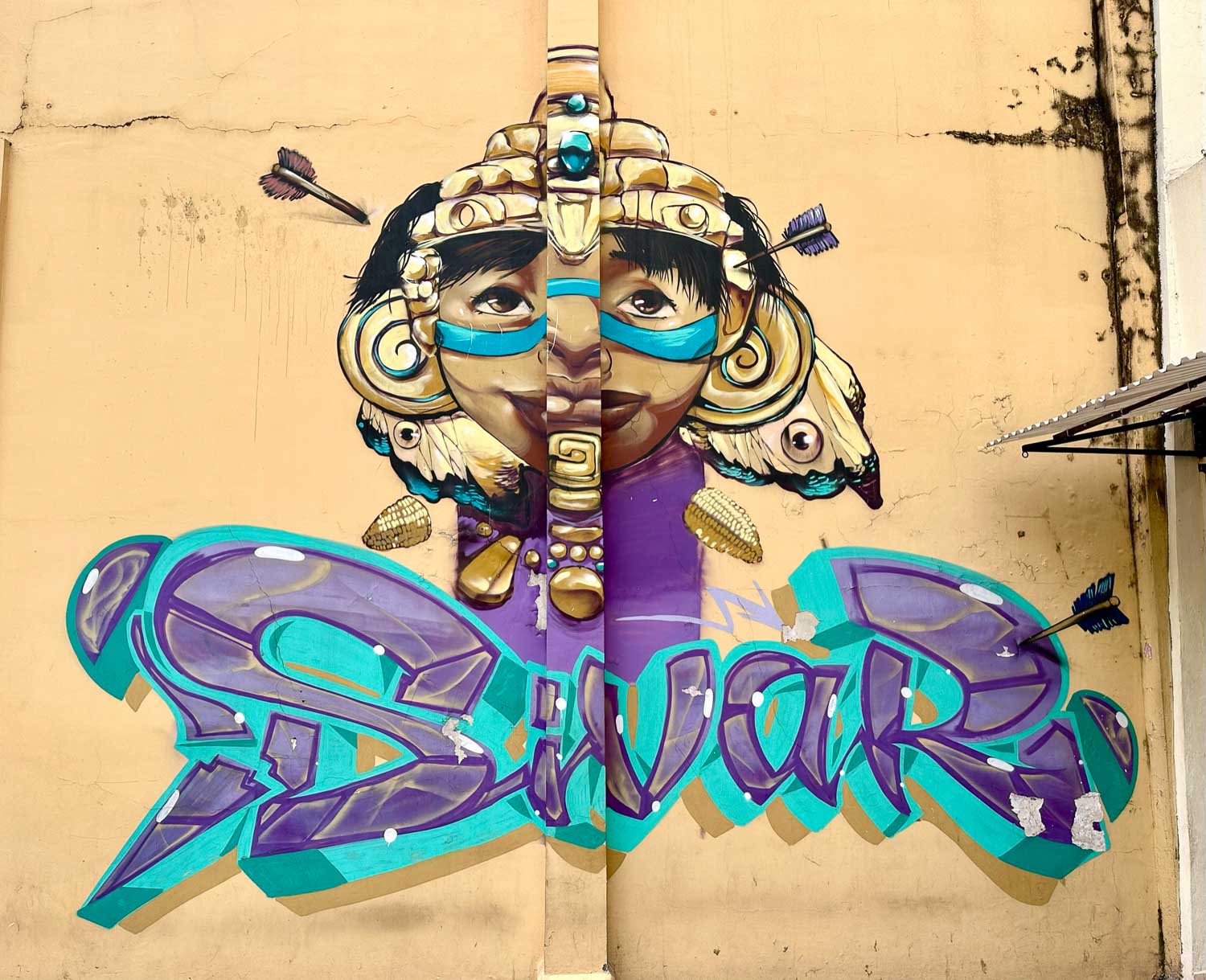
Whilst not truly off the beaten path – or really even a hidden gem – we highly encourage visitors to El Salvador to take some time to explore the country’s capital city, San Salvador. It’s a bustling treasure trove of activity, offering visitors a solid mix of historical sites and modern attractions, a plethora of local eating options, and a vibrant culture – and if truth be told, we were pleasantly surprised by this large, modern city (hence why we’re adding it here to be considered a hidden gem!).
San Salvador City Tour
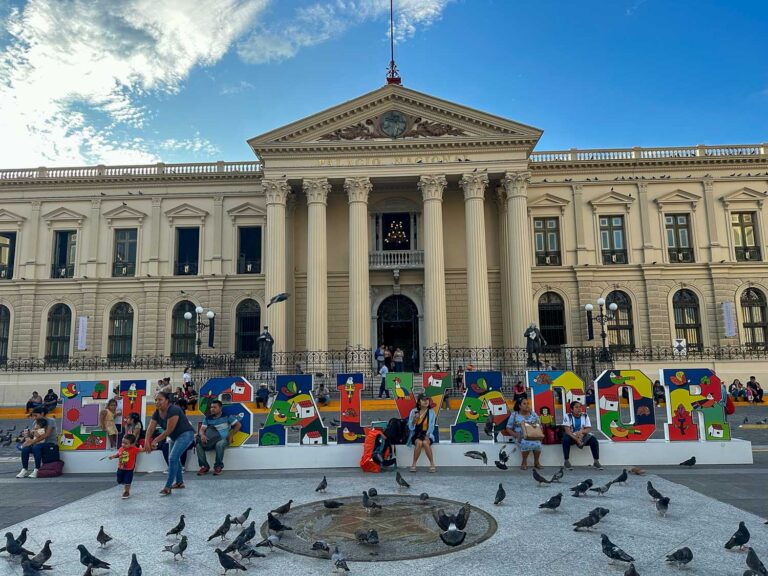
Start your tour of San Salvador in the heart of downtown at the Museo Nacional de Antropología (National Museum of Anthropology). The museum offers the most comprehensive look at Salvadoran history, from ancient cultures and agricultural traditions to the role of ritual worship and indigenous life. Founded in 1883, it features five exhibit halls, rotating displays, artists’ showcases, and a specialized library focused on the nation’s political, economic, and cultural past. Exhibits are curated in Spanish with some English translations, and many full-day tours include a stop here.
Art lovers will appreciate the Museum of Art of El Salvador, which showcases contemporary and traditional Salvadoran art in a modern, clean and well-lit space. Staff are welcoming and knowledgeable, and there are workshops and other educational programs available for visitors of all ages. Entrance to the museum is US$5 for foreigners (we were told it’s free on Sundays!) and it’s a great way to spend an hour or so in San Salvador.
Located on the northern side of Plaza Barrios, the Catedral Metropolitana de San Salvador (Metropolitan Cathedral of the Holy Savior) is also worth a visit during your time in the city. Replacing not one, but two, cathedrals that originally stood here (one destroyed by an earthquake in 1873, the next destroyed by fire in 1951), the current Catedral Metropolitana de San Salvador was completed and inaugurated in 1999.
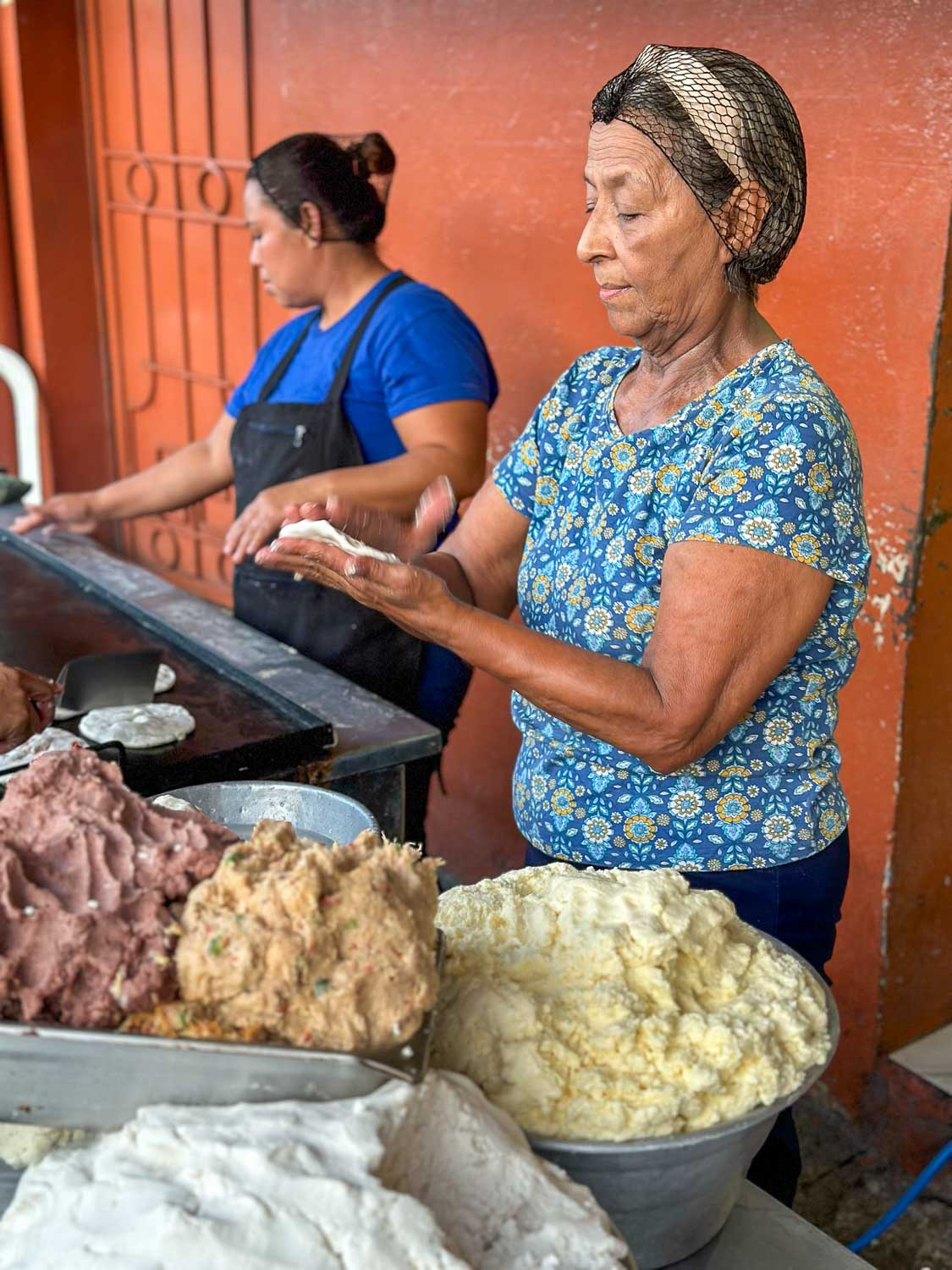
Once you’ve taken in some of the sites listed above, consider taking a stroll through the historic center of San Salvador, a district that has long been the political, economic and religious heart of El Salvador. Here you’ll find bustling markets full of local handicrafts, fresh produce and delicious street food. Don’t miss the opportunity to try pupusas – the iconic national dish of El Salvador – and other local delicacies like tamales and quesadillas.
Without question San Salvador will surprise you, with its unusual mix of the modern and the traditional, and is a must-visit for any traveler to El Salvador. Whether you’re choosing to spend your time walking through the bright exhibit halls of museums, eating local street food, or simply soaking up the vibrant atmosphere all around you, San Salvador will leave you with a positive, lasting impression.
Planning Your Trip to El Salvador
When to Visit El Salvador
El Salvador is a year-round destination, but the best time to visit depends on your preferred type of travel and what you plan to do whilst there.
The dry season, from November to April, is ideal for those who prefer sunshine and hot, dry weather. This is also the peak tourist season in El Salvador, with many festivals and other events being hosted, and generally greater opportunities for outdoor activities and busy local markets. Whether you choose to wander the streets of San Salvador or catch some waves at El Tunco Beach, the dry season is the perfect time for your adventure.
And then we have the rainy season, from May to October, bringing cooler temperatures and green landscapes. This is the best time to visit for a more relaxed, peaceful adventure. The rains turn El Salvador’s countryside into a lush green paradise, perfect for hiking in El Imposible National Park or exploring the Ruta de las Flores. And with fewer tourists around at this time of year, you’ll find better prices and often a more authentic experience.
Getting Around El Salvador
As the smallest country in continental America, El Salvador offers a lot to see in a short time. It’s also easy to get around, with a well-developed transportation system that offers visitors various options to help them explore and maximize their time in the country.
- Local Buses: For a truly authentic experience in El Salvador, consider taking local buses through a country-wide network that covers major cities and towns. These buses may be slower than a private vehicle, but they are cheap and a great way to experience daily life in El Salvador.
- Private Drivers: For a bespoke and (generally!) hassle-free experience getting around El Salvador, consider hiring a private car and driver. This is an especially great choice if you’re traveling in a group or are seeking a more customized itinerary that you can revise along the way. Private drivers will be able to whisk you from the streets of San Salvador to the countryside of Santa Ana and beyond in a matter of hours.
- Taxis: Available in major cities like San Salvador and Santa Ana, taxis are another good option for getting around. Make sure your driver uses the taximeter, else agree on a fare, before you start the ride, to avoid any surprises.
- Ride-Sharing: Uber operates in El Salvador, especially in larger urban areas. Uber is often a convenient – and cheaper – option than taking a taxi.
- Tourist Shuttles: Planning to hang in one spot for awhile? Many tour operators offer tourist shuttles to popular tourist places like El Tunco and Santa Ana. This is a great way to connect with fellow travellers and travel in comfort.
Note that if you’re planning to venture into the countryside or into remote areas, you may wish to consider renting a 4×4, as some roads can be in poor condition – especially during the rainy season.
Final Thoughts
Discovering the Hidden Gems of El Salvador
El Salvador is a country worth adding to your travel bucket list, with one of its most compelling features being its unspoiled nature. With fewer crowds and commercialized attractions, visitors to this magical country can enjoy a more personal connection to its stunning landscapes and cultural landmarks. Indeed, for the intrepid traveler, El Salvador’s hidden gems provide an opportunity to step away from crowded tourist trails and embrace authentic local Salvadoran life, whilst also showcasing the country’s incredible diversity and depth.
Whether you’re seeking to explore colonial towns, hike to secluded waterfalls, or relax by a tranquil crater lake, El Salvador’s off-the-beaten-path adventures most certainly provide visitors an unforgettable experience and a deeper connection to this vibrant country.
So pack your bags and get ready to step off the well-trodden tourist path to uncover the true essence of El Salvador. Its hidden gems are waiting to be discovered, promising adventures that will leave you inspired and longing for more.
Now … it’s time to plan your trip!
FAQs
Is El Salvador safe for travelers visiting lesser-known destinations?
Yes. El Salvador is significantly safer than in past decades, and most travelers feel comfortable exploring both popular and lesser-known destinations. Using local guides, traveling during daylight hours, following posted park guidance, and relying on reputable transportation providers helps ensure a smooth and safe experience.
What are the best hidden gems to visit in El Salvador?
Some of the best hidden gems in El Salvador include Suchitoto, Laguna del Alegría, Parque Nacional El Imposible, Parque Nacional Montecristo, Las Siete Cascadas near Juayúa, Cascadas El Chorrerón, and El Boquerón National Park just outside San Salvador.
When is the best time to explore El Salvador’s hidden gems?
The dry season from November to April is ideal for hiking, sightseeing, and outdoor adventures, while the rainy season from May to October brings lush green landscapes, dramatic waterfalls, fewer crowds, and better prices for travelers seeking a quieter experience.
How do you get around El Salvador to reach off-the-beaten-path places?
Travelers can get around El Salvador using local buses, taxis, Uber, private drivers, or organized tourist shuttles. For rural areas and national parks, especially during the rainy season, renting a 4×4 vehicle or hiring a local driver is recommended.
What outdoor activities can you do at El Salvador’s hidden gems?
Outdoor activities at El Salvador’s hidden gems include hiking crater lakes, trekking cloud forests, exploring waterfalls, birdwatching, kayaking, visiting colonial towns, and joining guided eco-adventures in national parks and protected areas.
Explore More Of El Salvador
-
El Salvador Travel Tips: What to Know Before You Go
El Salvador travel tips to help you plan a safe, confident, and rewarding trip. This guide covers visas, health precautions, safety advice, transportation, money, food, language, and the best time to visit—plus practical insights for exploring both popular highlights and off-the-beaten-path destinations across El Salvador.
-
Sea Turtle Release El Salvador: A Heartfelt Adventure
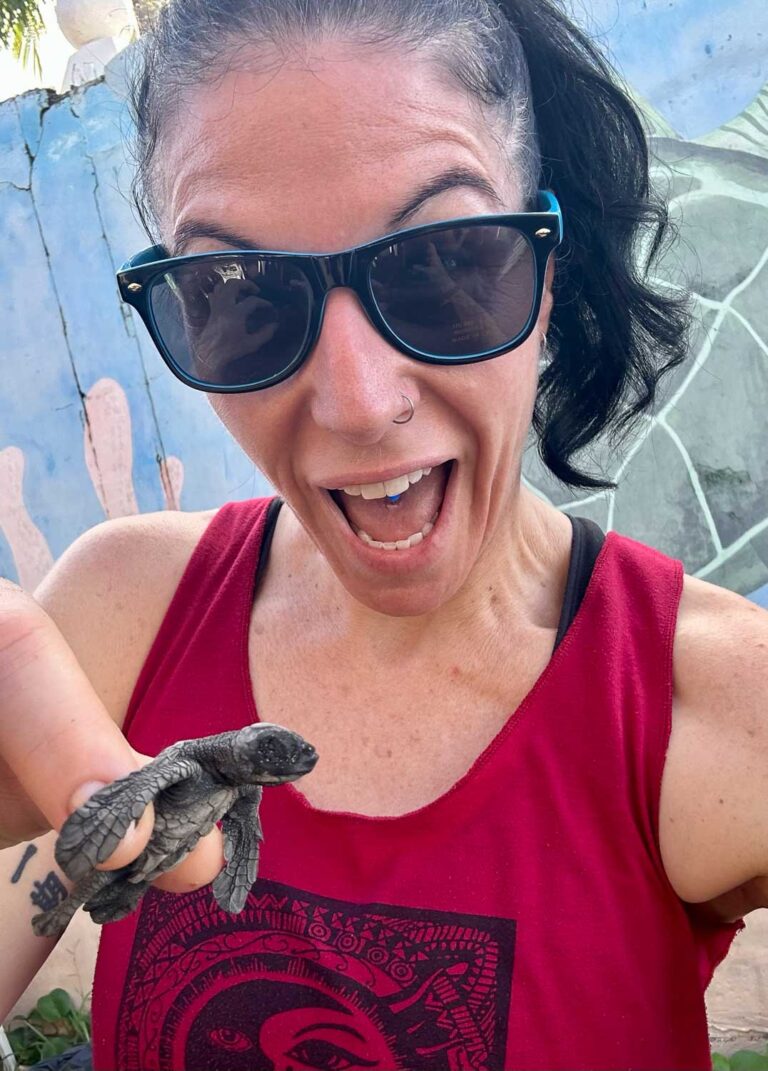
This article documents a Sea Turtle Release in El Salvador at Playa San Blas, explaining hatchling season, local hatchery conservation efforts, ethical eco-tourism practices, and what visitors can expect during the release experience.
-
Why El Salvador Should Top Your Travel Bucket List
Why El Salvador belongs on your travel bucket list. Drawing from firsthand experience, this guide explains why El Salvador is safe, affordable, easy to explore, and rich in culture, food, beaches, volcanoes, and unforgettable local experiences.
-
Cafe Albania, El Salvador: Ride the Rainbow Slide
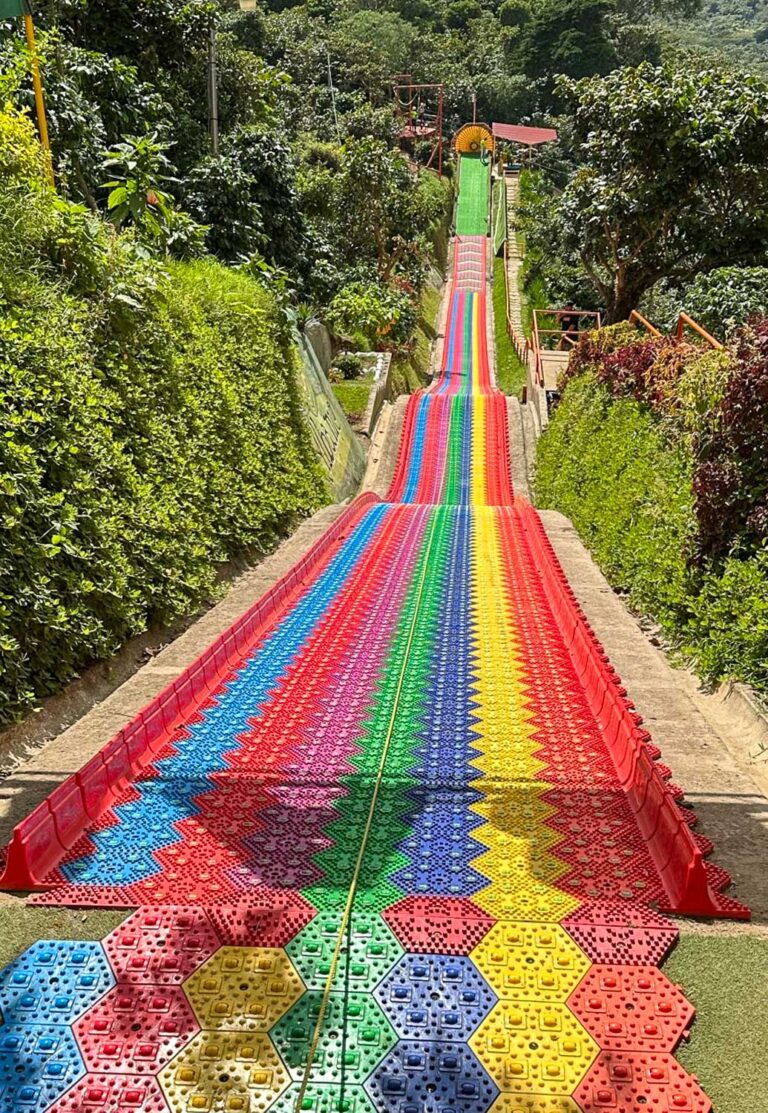
Café Albania is a popular adventure park in Apaneca, El Salvador, located along the Ruta de las Flores. Known for its Rainbow Slide, bicycle and surfboard ziplines, scenic mountain views, and locally grown coffee, Café Albania is one of the top day trips from San Salvador and Santa Ana.
-
Things To Do In El Salvador: Your Ultimate Guide
El Salvador is a compact Central American country known for volcano hikes, Pacific surf beaches, Mayan ruins, crater lakes, and vibrant local culture. This guide highlights the top Things To Do In El Salvador, from Ruta de las Flores and Santa Ana Volcano to surfing El Tunco, exploring San Salvador, and tasting iconic pupusas and locally grown coffee.