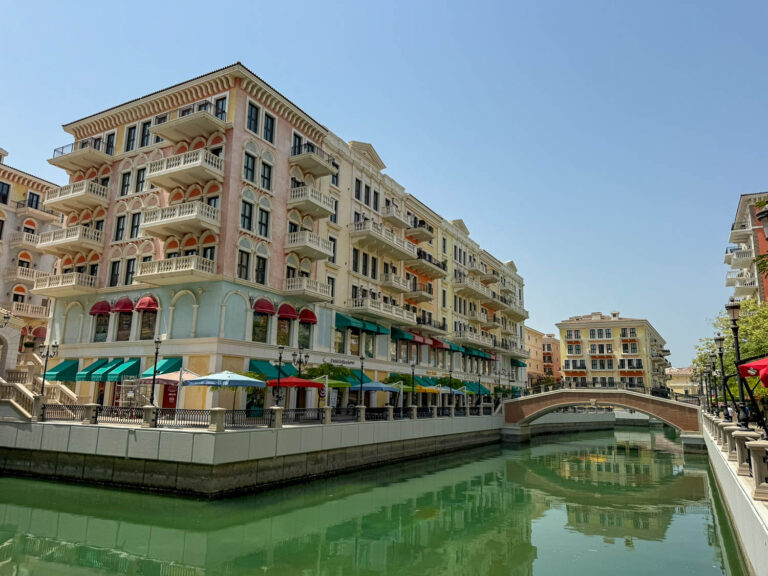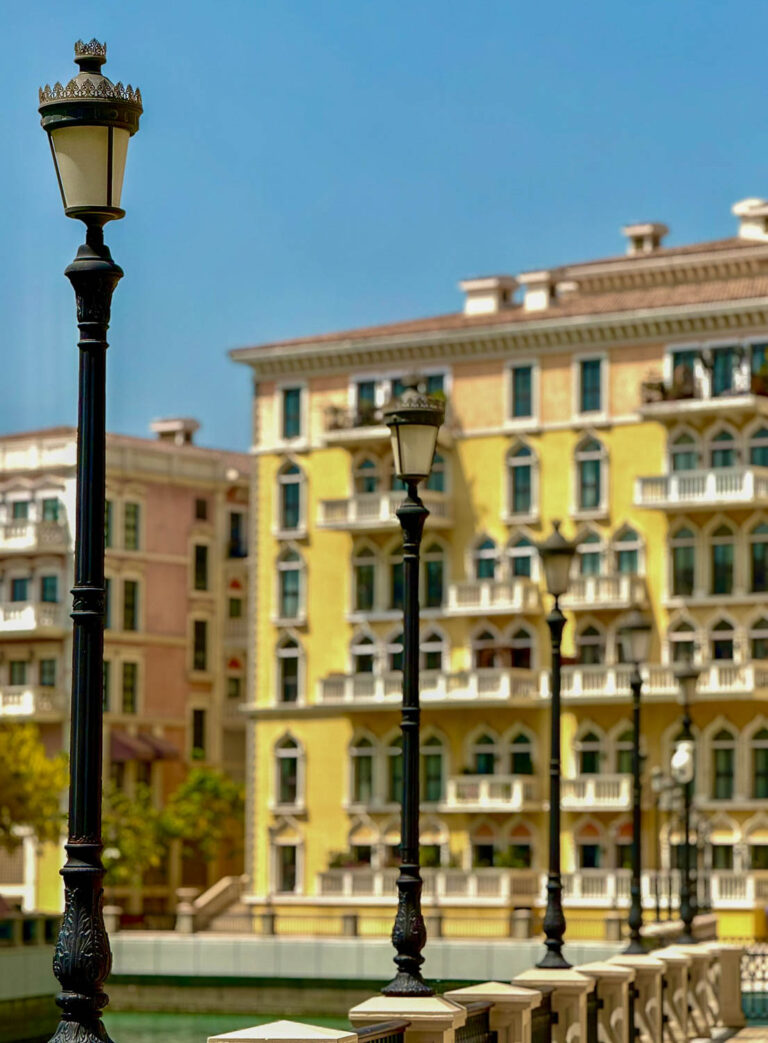
In the heart of Doha, Qatar, nestled between the modern skyline of West Bay to the south and the exclusive residences of The Pearl to the north-east, lies a destination that’s redefining what it means to experience culture in the Middle East. Welcome to Katara Cultural Village — a place where tradition meets innovation, where art and architecture weave rich narratives, and where Qatar’s character reveals itself at every turn.
Whether you’re visiting Qatar for the first time, or returning to explore more deeply, a stop at the Katara Cultural Village is more than just a sightseeing detour — it’s an invitation to delve into Qatari heritage, participate in multi-cultural activities, and soak in a place where human connection is celebrated through expression, performance, and creativity.
Ready to explore – or re-visit – this incredible art hub and site of cultural reservation? Let’s take a deep dive into what the Katara Cultural Village can truly offer you!
Quick Tips
Here are some insider tips to help you make the most of your visit to Katara Cultural Village, Doha.
- Katara Cultural Village is easily reached by Doha Metro (Red Line), taxi, or ride-share, with Katara Station providing direct access to the village.
- Entry to Katara’s outdoor public spaces is free, though some attractions, events, workshops, and beach activities may require tickets or separate fees.
- October through April offers the most comfortable weather for exploring the village on foot, especially during evenings.
- Evening visits provide the best atmosphere for photography, dining, illuminated architecture, and cooler temperatures.
- Wear modest clothing when visiting mosques or cultural areas within the village.
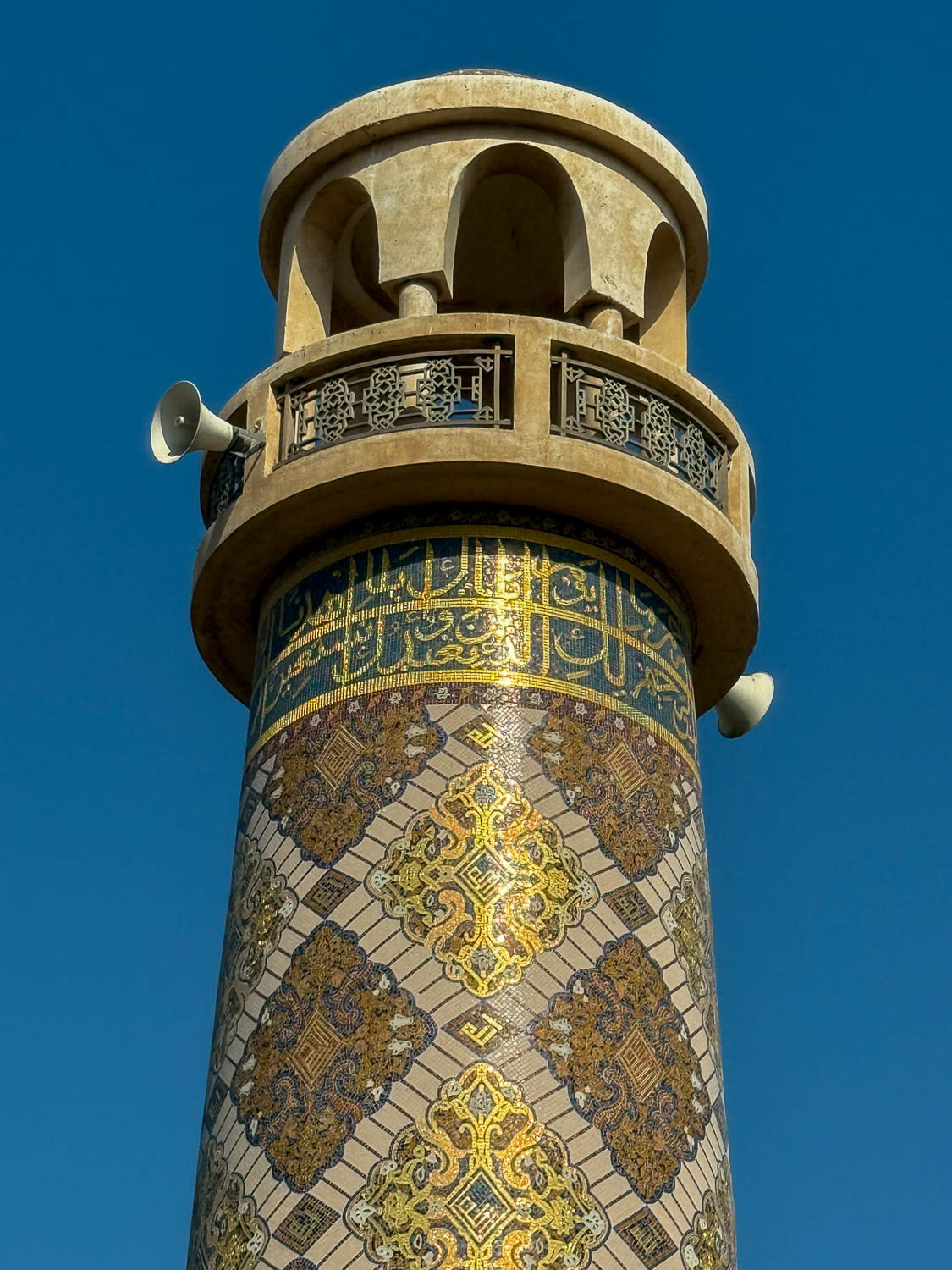
- Katara Mosque and the Golden Masjid are among Doha’s most photogenic architectural landmarks.
- Katara Beach offers water sports, beach rentals, and family-friendly recreation along the Arabian Gulf.
- The Al Thuraya Planetarium is free to enter and especially popular with families and astronomy enthusiasts.
- 21 High Street combines luxury shopping, outdoor air-conditioning, cafes, and public art installations.
- Tasty Street is one of the best spots inside Katara for casual dining, desserts, coffee, and quick bites.
Follow these tips and you’ll be ready to visit Katara Cultural Village, Doha!
Plan Your Trip

Some links below may earn us a small commission at no extra cost to you. We’re truly grateful for your support, as it allows us to continue sharing meaningful travel experiences and practical travel insights with you. Read our full disclosure here.
Best Way To Experience Katara Cultural Village
The best way to experience Katara Cultural Village is to explore slowly during the late afternoon and evening, when the architecture glows under soft lighting and the village becomes especially lively. Most visitors enjoy combining the mosques, public art, galleries, waterfront areas, and dining into one relaxed cultural outing.
For first-time visitors, the ideal visit usually includes:
Top Recommended Experiences (At A Glance)
Best Overall Experience:
An evening visit combining the mosques, amphitheater, galleries, beach promenade, and dinner offers the best overall Katara experience.
→ Recommended: Doha City Tour and Dhow Boat Cruise
Best For First-Time Visitors:
A guided Doha city tour including Katara Cultural Village, Souq Waqif, and the Corniche offers the best introduction to Doha.
→ Recommended: Doha: Guided City Tour with Airport and Hotel Pickup
Best Cultural Experience:
Exploring Katara’s galleries, public art, workshops, and mosques provides the strongest connection to Qatar’s cultural identity.
→ Recommended: Doha City Cultural Tour
Best Photography Experience:
Sunset around the amphitheater, Golden Masjid, and Katara Beach offers some of Doha’s best photography locations.
→ Recommended: Doha Night City Tour
Best Relaxed Evening:
Waterfront dining, coffee, and evening strolls through the illuminated village create one of Doha’s most relaxing experiences.
→ Recommended: Doha City Tour To All Main Attractions
Short On Time? Do This:
Tours & Experiences
Browse additional top-rated tours, city experiences, and cultural activities with things to do in Doha, Qatar.
Travel Essentials
Planning the rest of your trip? These are the platforms we personally use when organizing our travels. For more planning tools, visit our Travel Resources page or browse current promotions on our Travel Deals page.
A Cultural Beacon in the Middle East
Located on the eastern coast of Qatar, situated between the West Bay financial hub to the south, and the opulent residential area of The Pearl only a hop, skip and a jump away, and bordered by a large, white sand beach and the twin Katara Hills, you’ll find Katara Cultural Village.
What’s All The Fuss About?
Officially opened in 2010, Katara Cultural Village was launched under the Cultural Village Foundation as part of the Qatar National Vision 2030 — a long-term development plan that values cultural development, preservation, sustainability, and accessibility. It’s known as the most multidimensional cultural project within Qatar, and with good reason.
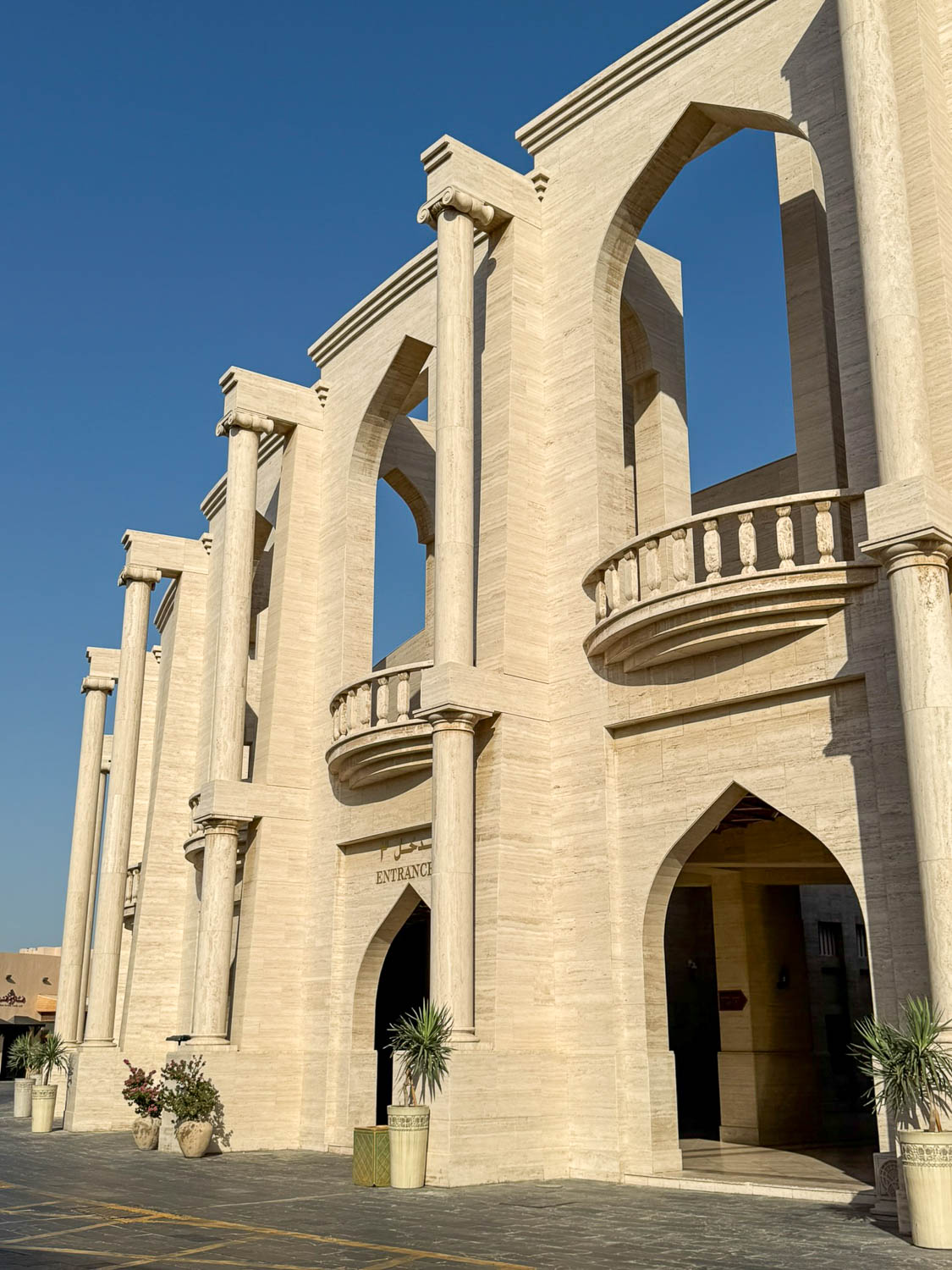
Blending Qatari culture with a broader global mission, Katara represents a place where cultural exchange, dialogue, and collaboration flourish. It’s renowned for its international artists, rich artistic community, and as a host of world-class cultural events. Its programming supports human development through visual art, literature, music, performance, festivals, exhibitions, and hands-on workshops. And all of this in an accessible, architecturally-magnificent setting.
What’s In A Name?
The word Katara itself is something to behold, believed to be the oldest recorded name for the Qatar Peninsula, symbolizing historical depth and cultural identity.
Why Should I Visit?
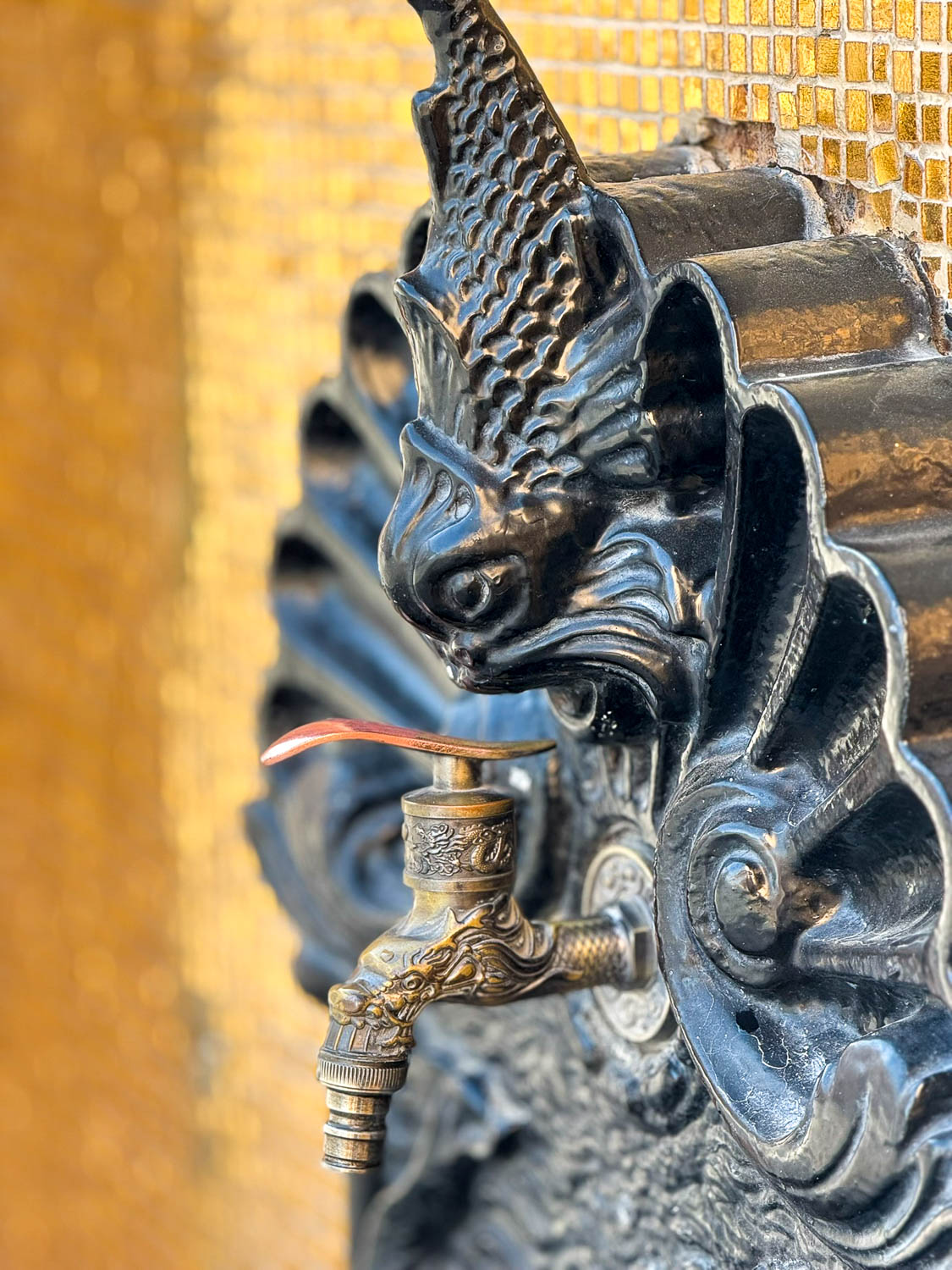
A top destination for visitors and locals alike, highlights at the Katara Cultural Village include the Katara Art Center, Katara Mosque, Golden Masjid (Gold Mosque), a large open-air Greek amphitheater, an ultra-luxe High Street, a planetarium, a beach, and numerous art galleries.
Landmarks and Architecture
Katara Mosque and the Golden Masjid
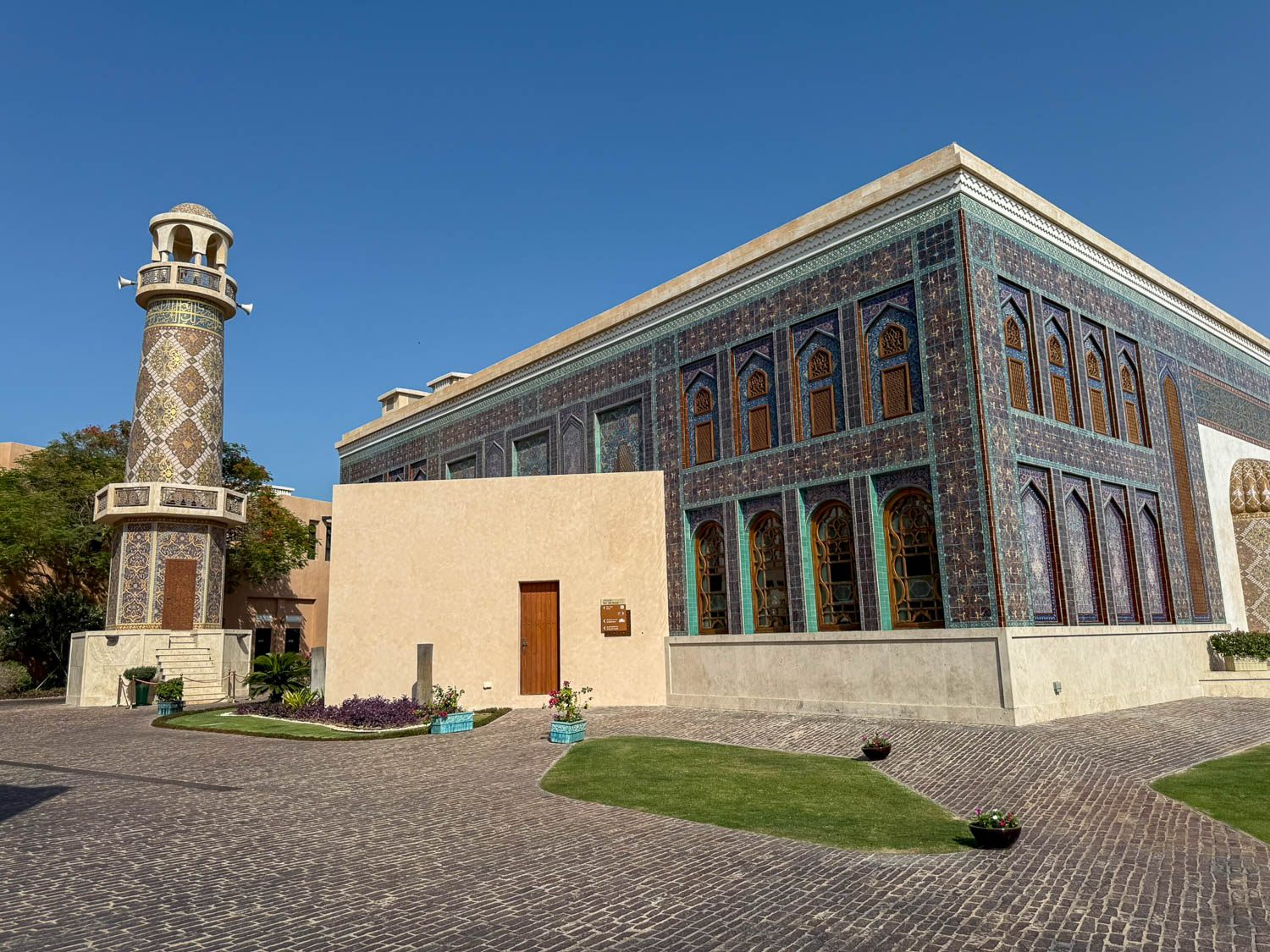
A great place to consider starting your visit to Katara is at either the blue-tiled Katara Mosque, or the shimmering Golden Masjid, two of Doha’s most iconic religious landmarks. Both are architectural marvels, deeply rooted in Islamic tradition, with minarets that pierce the sky as symbols of spiritual heritage and visual grace. Friday prayers draw many faithful locals and travelers alike, and even non-Muslim visitors will appreciate the artistry and reverence infused in every detail — a masterclass in mosque design.
The Katara Mosque
Renowned for its distinctive, colorful exterior of intricate mosaic tiles, and blending architectural elements from across the Islamic world, the Katara Mosque features a standalone minaret and a distinctive sandy hue that mirrors the Qatari desert’s beauty (the distinctive texture is actually designed to resemble untouched desert sand – pretty neat, eh?). It’s both a sacred place for prayer and reflection, and a striking visual centerpiece within the Katara Cultural Village.
Fun fact. The Katara Mosque was designed by the first female to specialize in mosque architecture, Turkish-born Zeynap Fadıllıoğlu.
Fun fact. The design of the Katara Mosque showcases intricate Persian and Turkish tile and enamel artistry, inspired by iconic landmarks such as Istanbul’s Dolmabahçe Palace.
The Golden Masjid
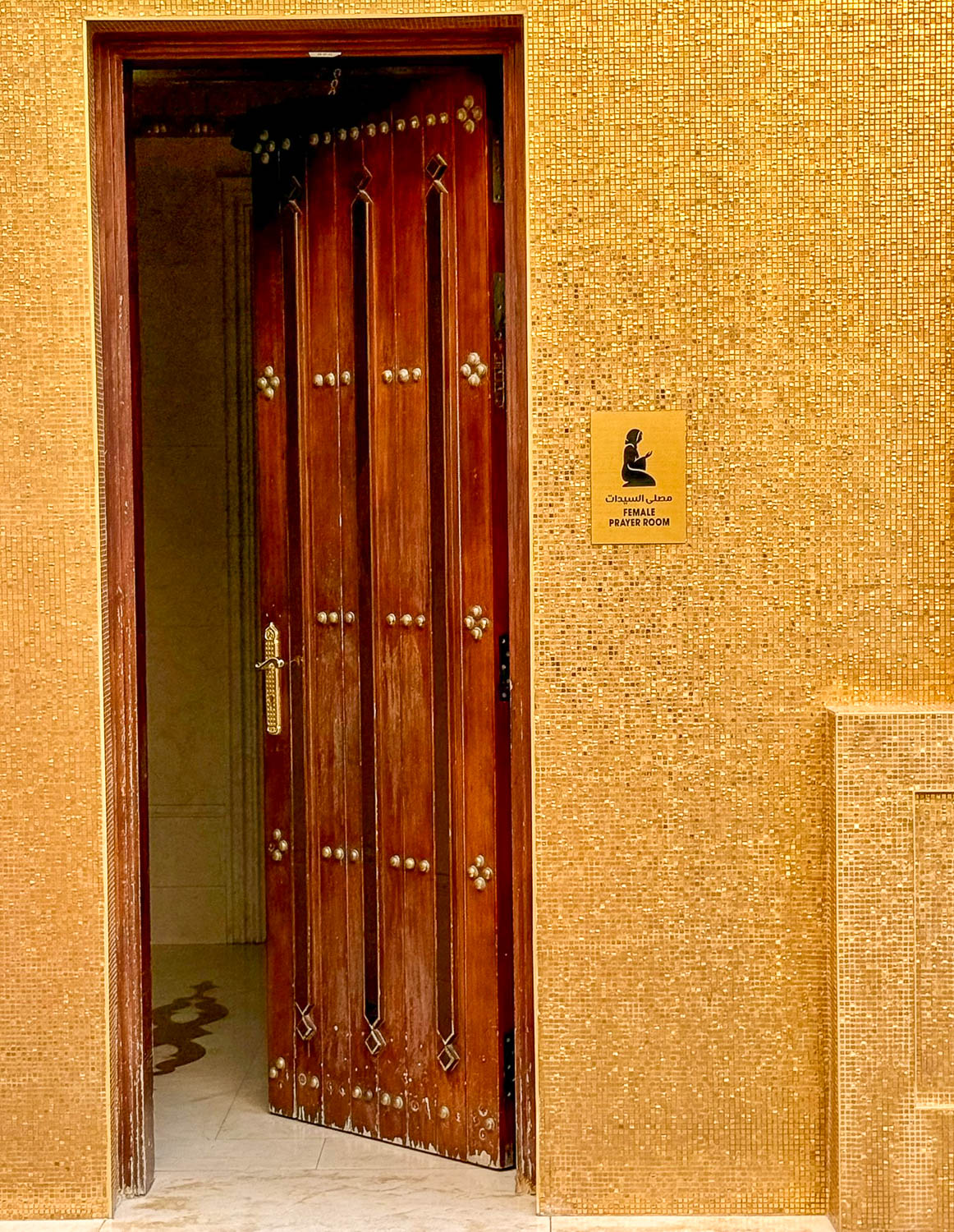
The Gold Mosque is renowned for its exquisite Ottoman-inspired design and striking exterior, covered entirely in thousands of tiny, shimmering golden mosaic tiles — giving the mosque its name. Though smaller than the nearby Katara Mosque, the Golden Masjid captivates visitors with its intricate craftsmanship, unique architecture – it’s quite the masterpiece, really! – and a serene, intimate atmosphere ideal for reflection and prayer.
Insider tip. Non-Muslim visitors are invited to appreciate the Gold Mosque’s stunning exterior outside of prayer times, whilst interior access is reserved for worshippers.
Katara Amphitheater
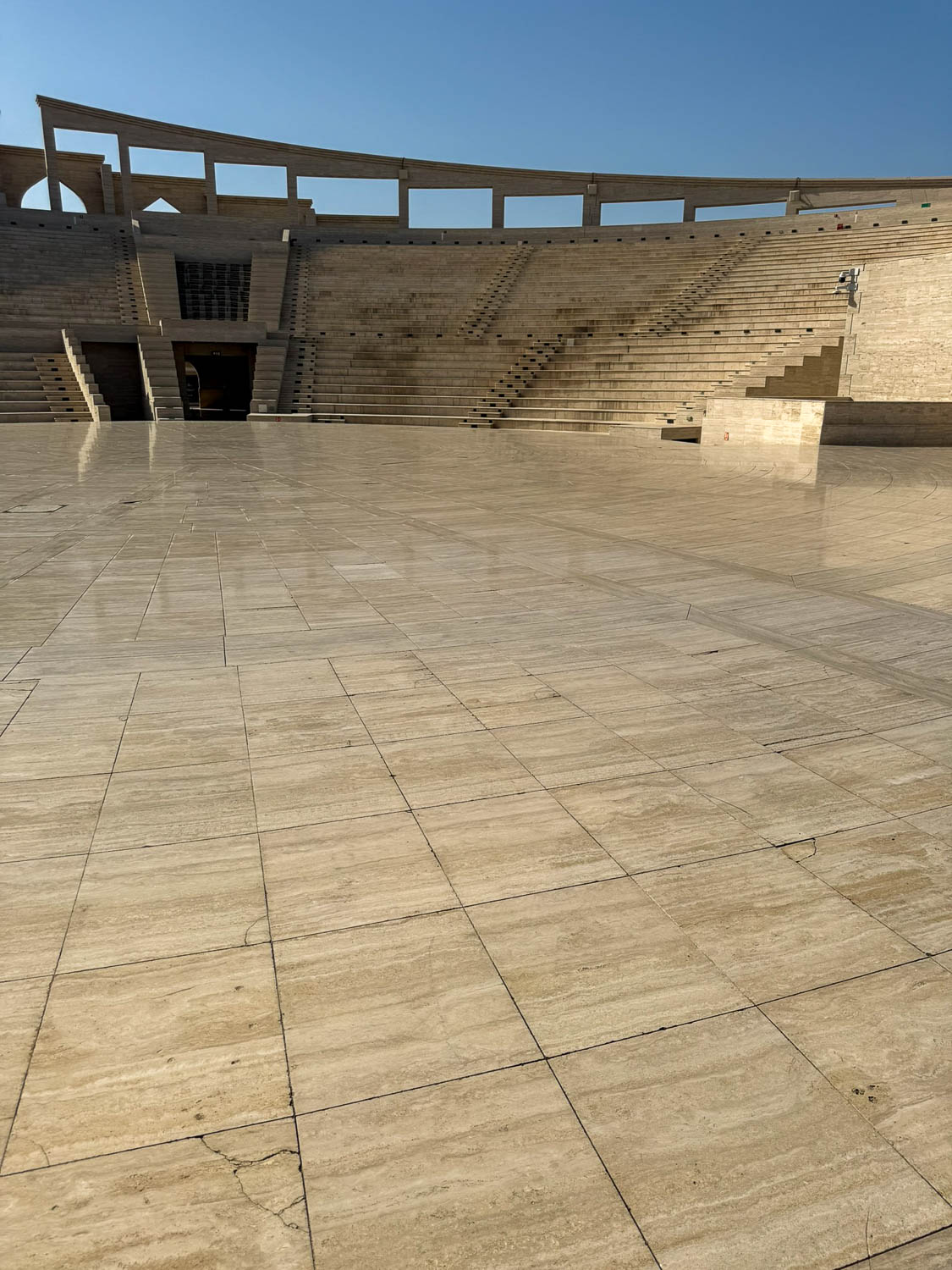
The Katara Amphitheater is a striking fusion of classical Greek theater design and traditional Islamic architectural elements, creating a unique and captivating space and offering a distinctive blend of tradition and classical style.
With seating arranged in an arc, this open-air venue can accommodate up to 5,000 spectators and benefits from its stunning coastal location, where the Persian Gulf provides a dramatic backdrop for the sea-facing stage. This Greco-Islamic concert hall has become a cultural focal point, regularly hosting global festivals, international concerts, exhibitions, theatrical productions, and other diverse performances that enrich Doha’s vibrant arts scene.
Fun fact. Completed in 2008, but not open to the public until three years later, the opening event at the amphitheater was a supposedly very memorable concert by the Greek musician and composer Vangelis.
Art Galleries and Exhibitions
Katara Art Center
The Katara Art Center is the beating heart of the Katara Cultural Village art scene, standing out as a premier independent platform for contemporary art in Doha. The center offers a unique environment where local and international talent converge, fostering collaboration and community engagement through diverse exhibitions, visual art workshops, and events that support both emerging and established artists.
Dedicated to interdisciplinary projects and socially relevant themes, the Katara Art Center serves as an incubator for creativity, providing artists with exhibition opportunities and a vibrant space for dialogue, expression, critique, cultural heritage preservation, and cultural exchange: in essence, connecting art enthusiasts to creators from all over the world. Visitors can explore a dynamic program of exhibitions, artist talks, art galleries, film screenings, and hands-on workshops, making it a vital hub that inspires both novices and seasoned art lovers alike.
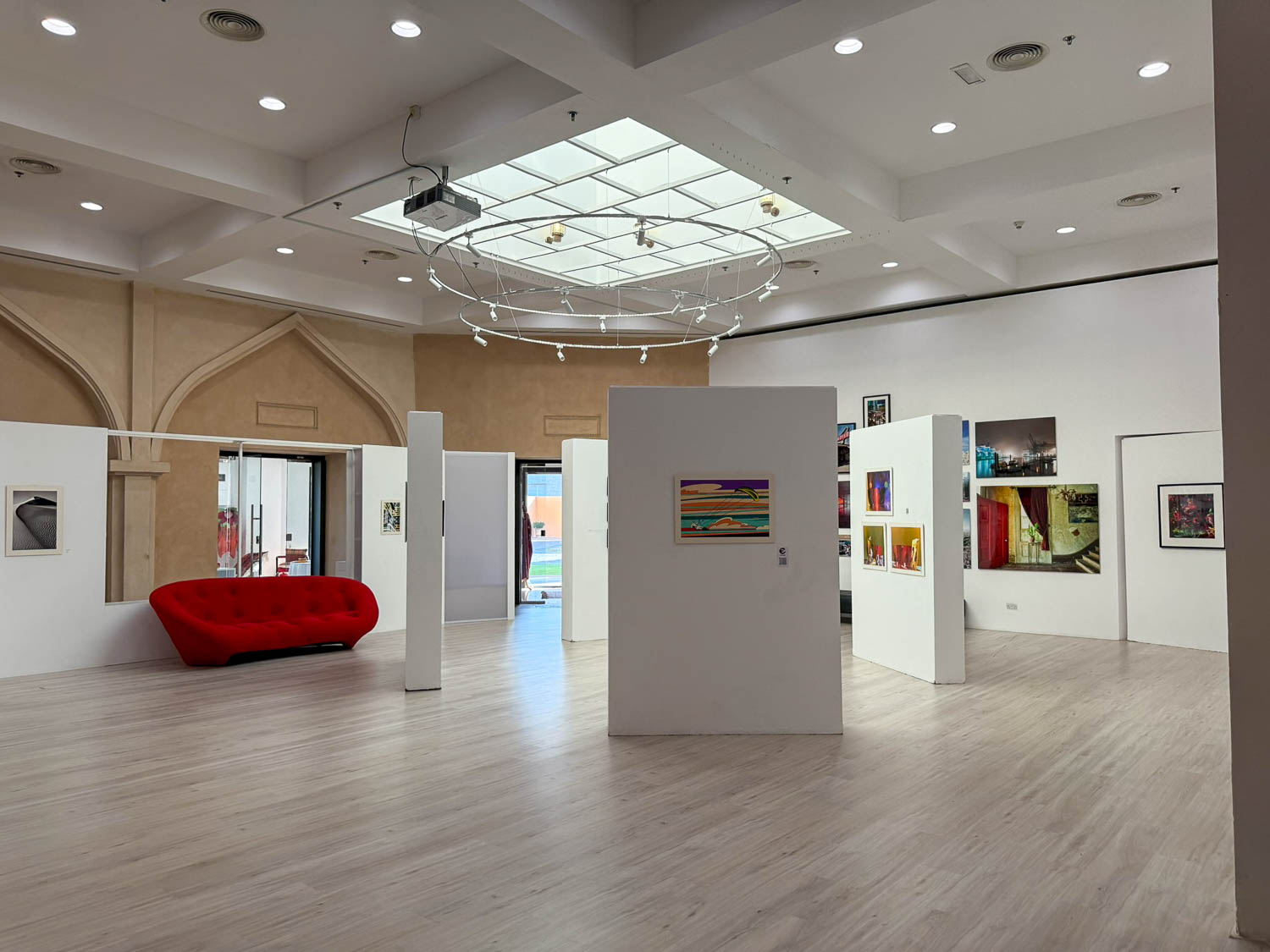
Fun fact. Exhibitions within the Katara Art Center are curated with thoughtful precision, often themed around Qatari heritage, regional history, or pressing global narratives.
Katara’s Other Artistic Corners
Beyond the well-known Katara Art Center, the Katara Cultural Village is home to several other creative spaces that celebrate both local and global artistry. Chief among them is the Qatar Museums Gallery – Katara, a curated exhibition space established in 2010. The QM Gallery regularly features rotating displays that explore human-centered themes and showcases works from Qatari and international artists.
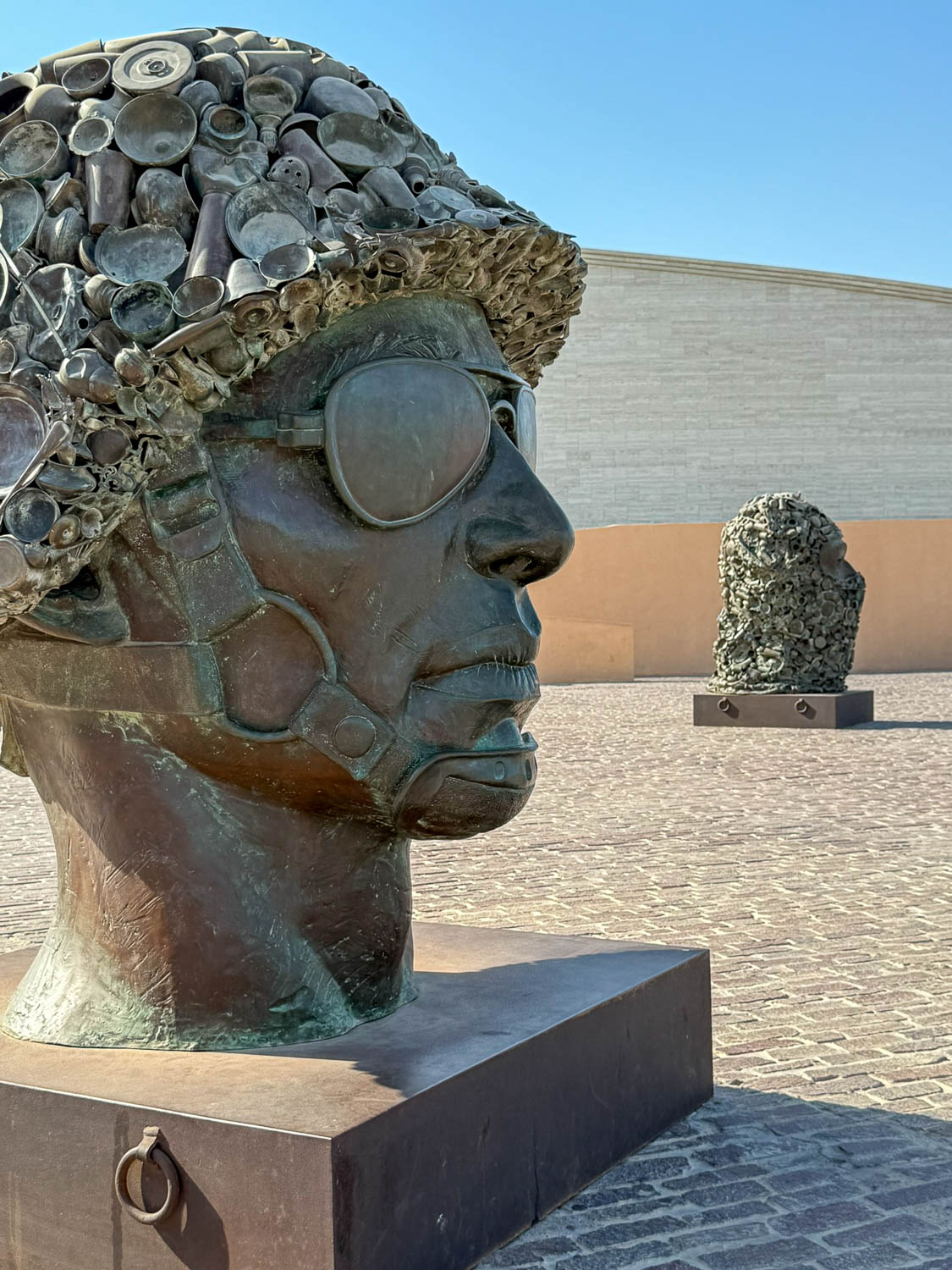
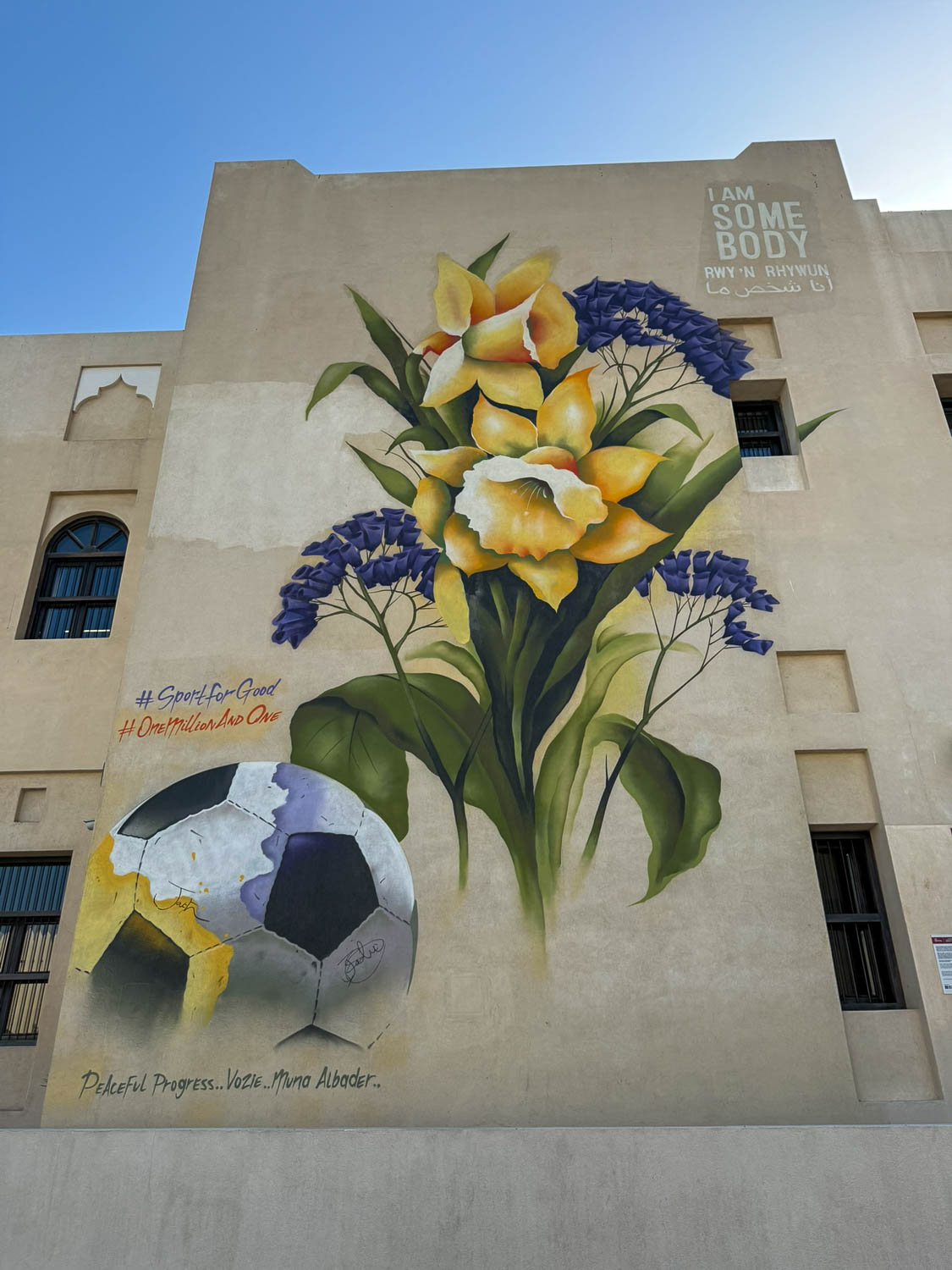
Scattered throughout the village you’ll also find smaller halls and open-air venues where temporary art shows, cultural installations, and photography exhibits frequently appear. These range from numerous contemporary outdoor sculptures that include Gandhi’s Three Monkeys and Force of Nature (Beck’s absolute favorite in the entire village complex!), to community-driven art events organized by local associations. Together, these creative pockets highlight Katara’s role as a living gallery — one where culture, heritage, and imagination intertwine.
Activities and Other Attractions
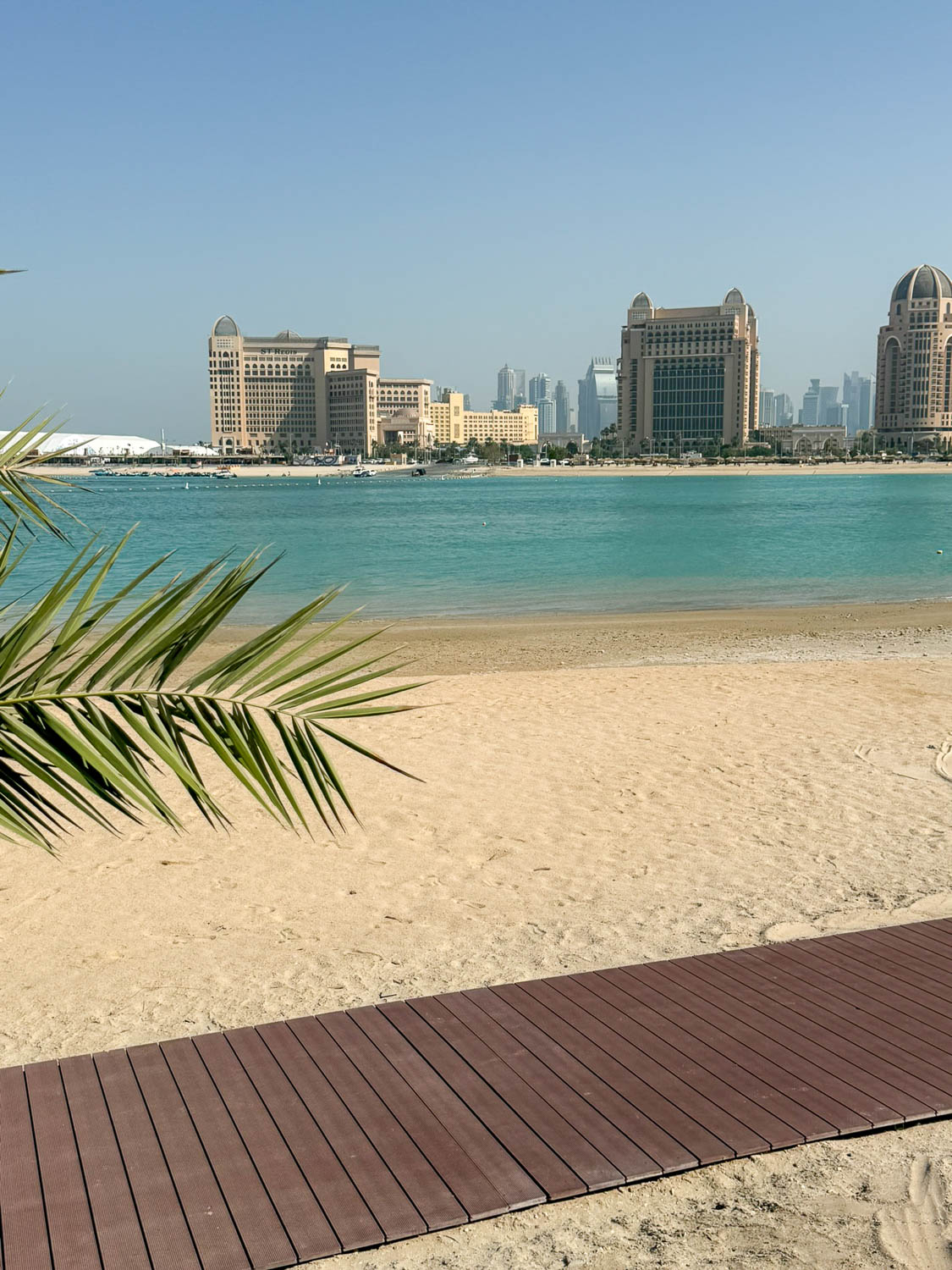
Katara Beach
Katara Beach is the Katara Cultural Village’s family-friendly public beach, offering visitors a perfect blend of relaxation and activities against the stunning backdrop of the Arabian Gulf and Katara’s iconic architecture.
Equipped with a children’s playground, umbrellas, sunbeds, and traditional Bedouin tents, the beach provides a plethora of activities and a welcoming environment for all. Visitors can enjoy water sports rentals that include kayaking, water-skiing, jet-skiing, paddleboarding, and parasailing, as well as browse kiosks featuring local handicrafts and food.
With its scenic coastline, accessible layout, and vibrant cultural setting, Katara Beach is a standout destination for both leisure and cultural immersion in Doha.
Insider tip. Modest swimwear is recommended in the public areas of Katara Beach. Some designated zones may allow standard beachwear, but it’s definitely best to bring a light cover-up once you’re off the sand.
Insider tip. Swimming at Katara beach is prohibited after sunset.
Hubs of Knowledge and Connection at Katara Cultural Village

Katara Cultural Village also serves as a vibrant center for education and community engagement, aligned with Qatar’s National Vision 2030. It offers diverse programs that promote cultural understanding, heritage preservation, and skill development for residents and visitors alike.
Al Thuraya Planetarium
The Al Thuraya Planetarium is a family-favorite, offering an engaging blend of education and entertainment for visitors. The planetarium features a state-of-the-art Digital Dome Theater with immersive 3D projections powered by a full-dome digital system and Sega Flux Star Projector (fancy stuff, right?). Visitors feel transported through space thanks to stunning visuals and sound, whilst interactive exhibits — including solar system models, historical NASA spacesuit displays, and hands-on activities that include calculating your weight on other planets (Mike weighs much more on Jupiter, but far less on Mars – who knew?) — make learning fun for all ages. This is definitely the place to bring out the curious kid in all of us!
Insider tip. It’s free to enter the planetarium, making it an accessible and captivating destination for families, students, and astronomy enthusiasts alike.
Insider tip. We think astronomy enthusiasts will especially love the stargazing exhibitions.
Artistic Workshops and Heritage Programs
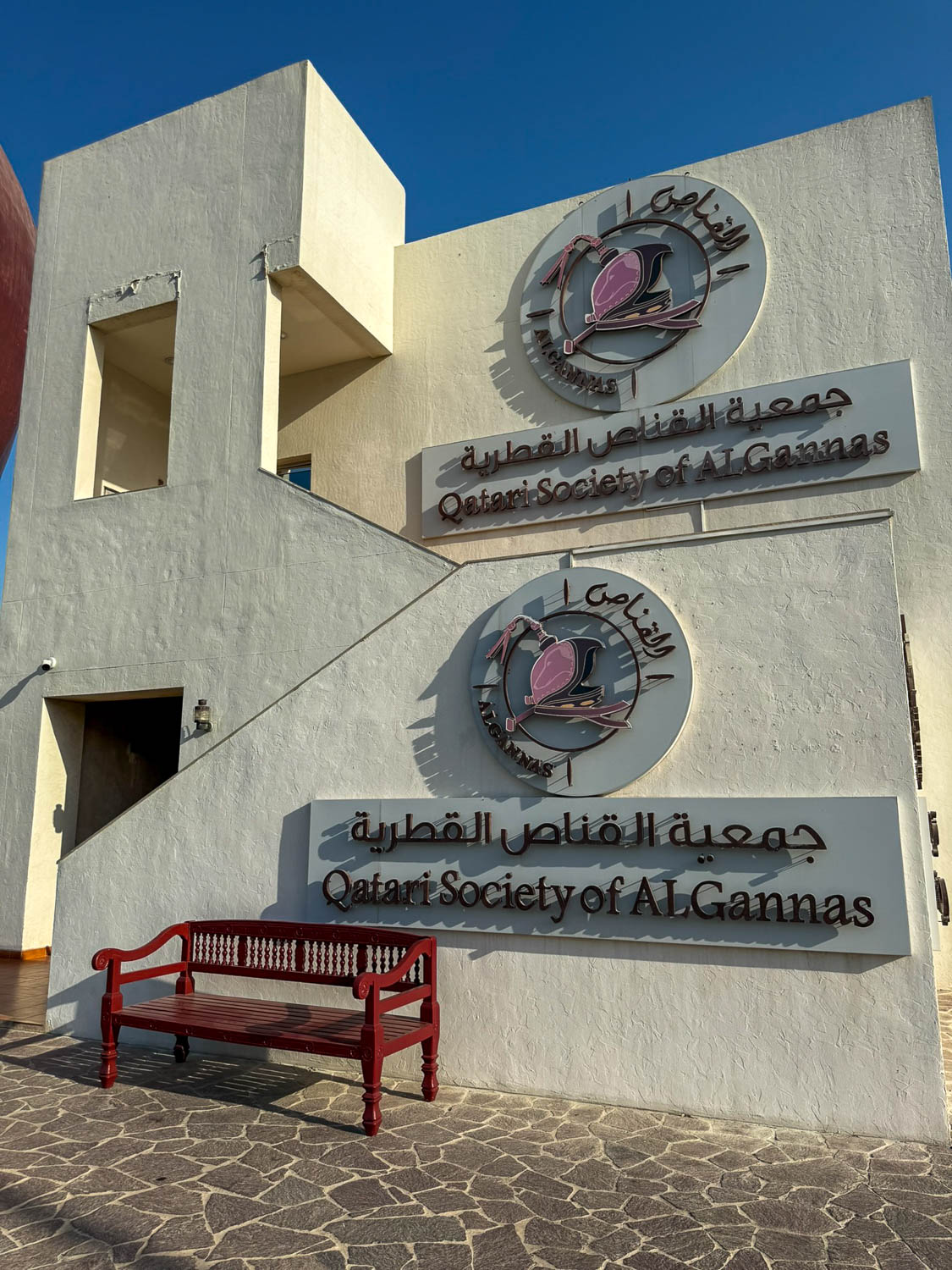
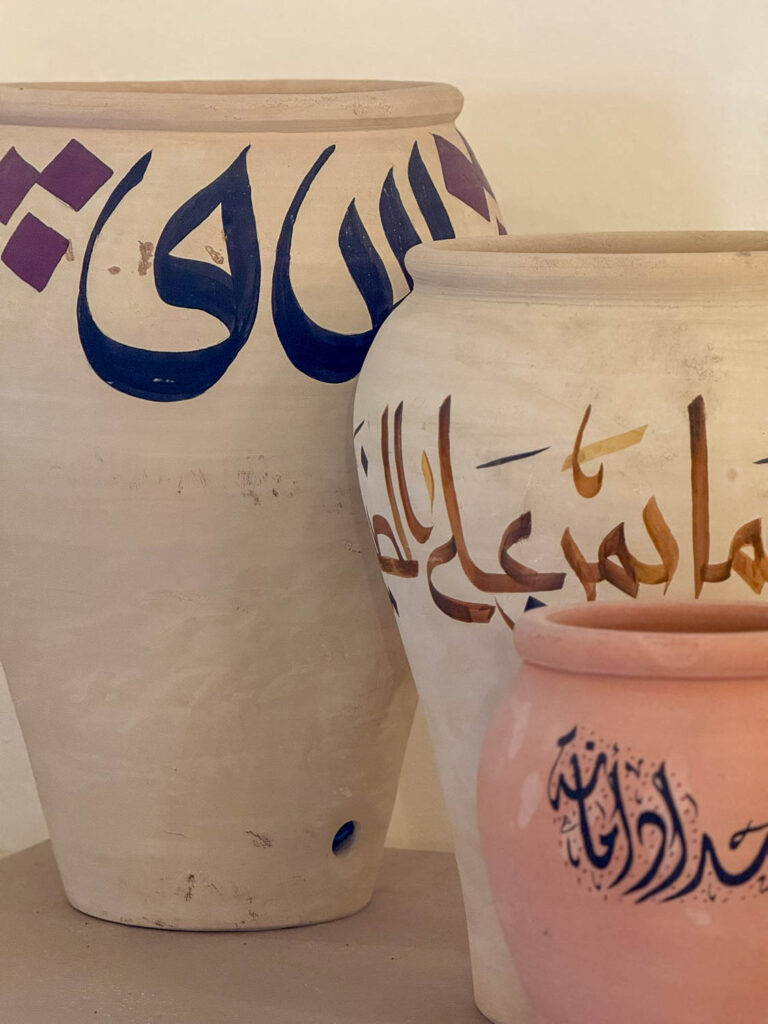
Katara hosts various regular artistic workshops, each offered to deepen cultural understanding and connection. Workshops range from calligraphy, music and painting, to drawing and gypsum engraving (don’t worry, we had to Google that one too!), and from traditional dance to time-honored crafts that include Al Nakdah (or An-Naqdah) needlework.
Fun fact. Although culturally significant, the art of Al Nakdah faces the threat of fading away amid modern sewing techniques. To preserve this traditional form of hand embroidery, initiatives that include Qatar’s Ministry of Culture’s Qudrat program offer training that connects younger Qatari women with skilled artisans, helping to sustain the craft for future generations.
The numerous arts and crafts workshops available through Katara encourage creativity across all ages: many of these emphasize cultural education, with initiatives that include “Schools Enrich Our Culture” (educational programming and interactive heritage tours for Qatari school children) and festivals that include The Senyar Championship (or Senyar Festival) (an annual Qatari event celebrating the nation’s rich maritime heritage through traditional fishing and pearl-diving competitions) and The Traditional Dhow Festival (also aiming to highlight and honor the country’s maritime traditions).
Diplomacy Training and Community Engagement
Through the Katara Public Diplomacy Center, in partnership with the Doha Institute for Graduate Studies, Katara Cultural Village offers training in educational and popular diplomacy, helping community members develop communication and diplomatic skills. Katara also fosters community spirit through various exhibitions, concerts, lectures, and religious events that unite individuals from diverse backgrounds.
Partnerships and Sustainability
Katara collaborates with both local and international organizations to enhance its educational offerings, including partnerships with the Gulf Organization for Research and Development (GORD) for sustainability training, and with the International Public Relations Association to build public relations expertise within the community.
Shopping and Dining Within the Katara Cultural Village
Feeding Your Need For Retail Therapy
When it comes to shopping at Katara, High Street – also known as 21 High Street – is where it’s at. High Street stands out within Katara Cultural Village as a distinctive, outdoor luxury shopping, dining and entertainment destination: a unique open-air shopping experience in a refined and vibrant setting, boasting features that are unprecedented in Qatar and even globally.
This elegant street combines high-end retail — featuring international luxury brands and exclusive boutiques that include Cartier and Elie Saab — with a rich integration of art and culture, reflecting Katara’s broader mission to blend commerce with creative expression.
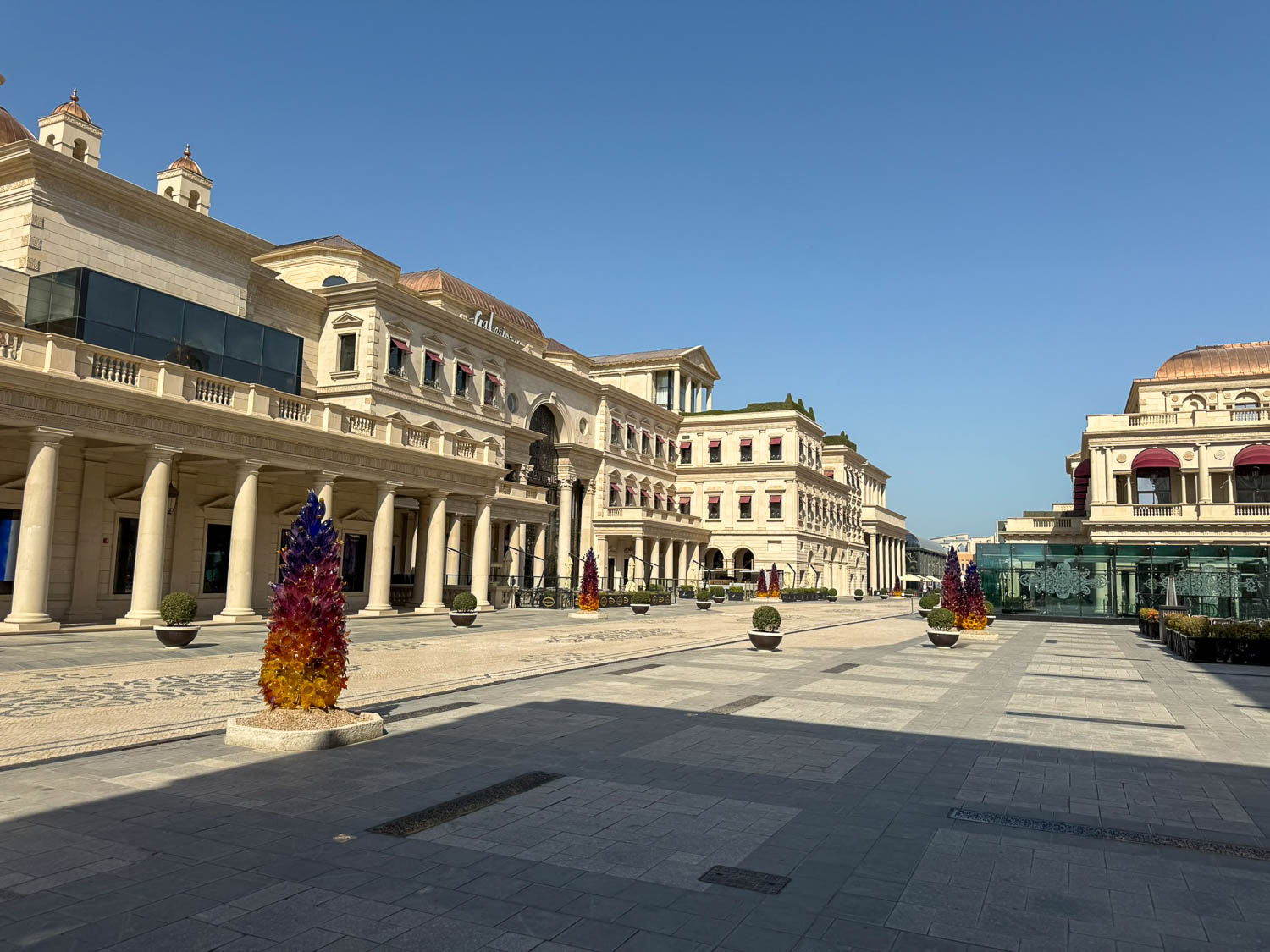
Fun fact. 21 High Street is notable for its innovative outdoor air-conditioning system that ensures a comfortable atmosphere year-round, despite Qatar’s heat. When Beck first stepped foot over one of these air-conditioning plates, she was a bit confused about from where the cool air was emanating – but considering it was 104oF (40oC) outside, also very happy!
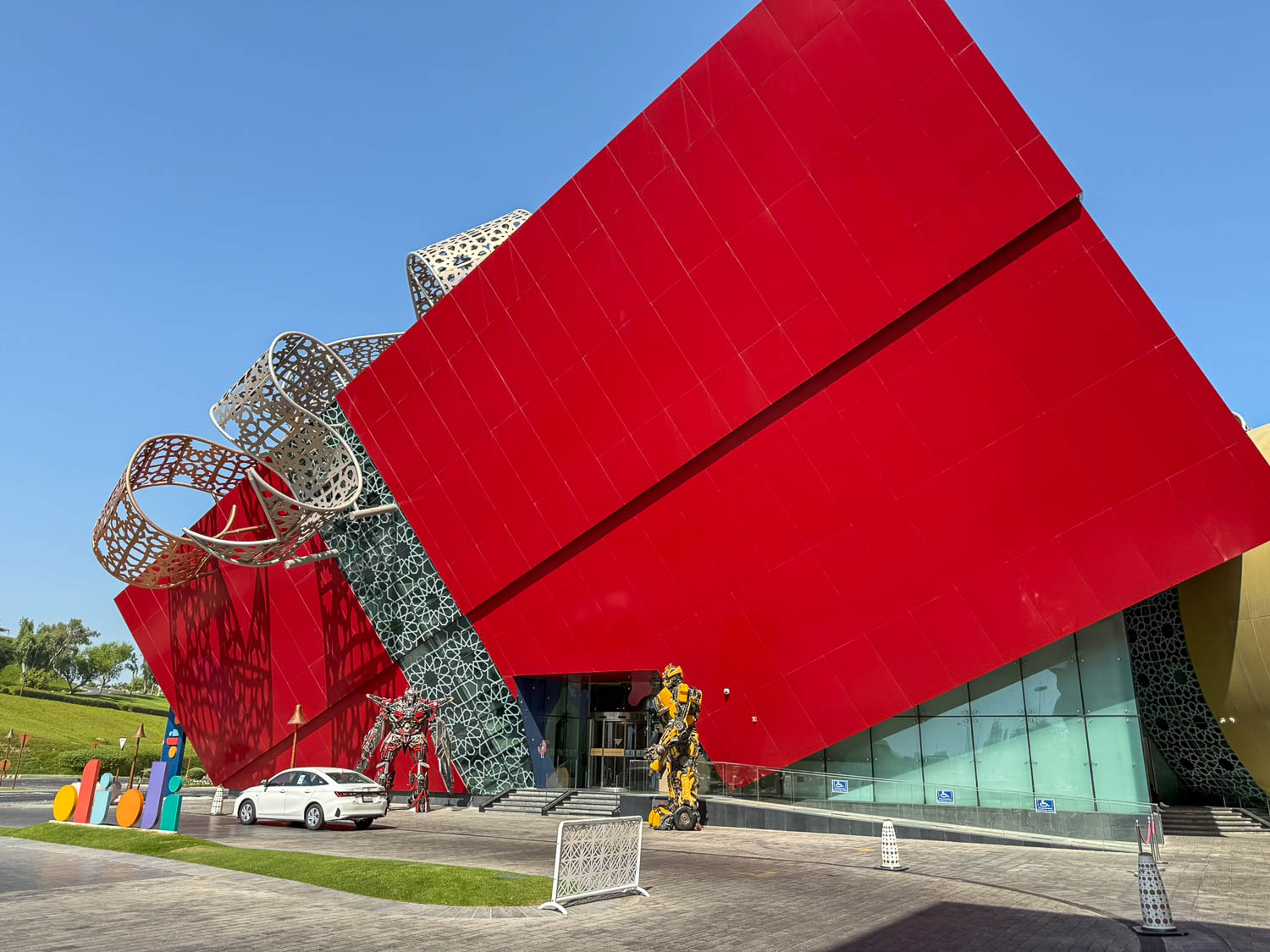
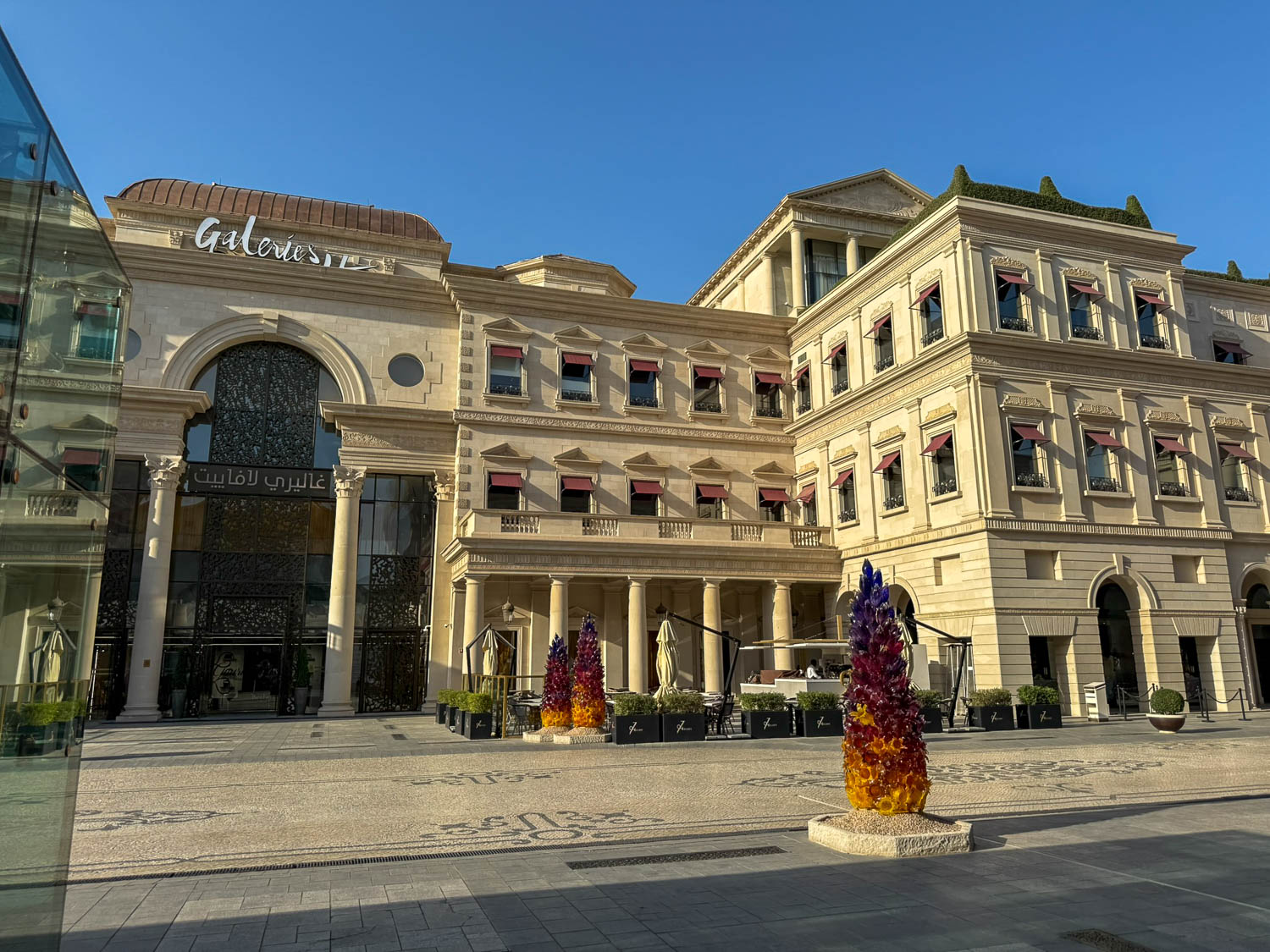
Beyond the upscale 21 High Street, Katara Cultural Village also offers a diverse shopping experience that caters to a variety of tastes. A key highlight is Galeries Lafayette Doha, a luxurious Parisian-style department store featuring high-end fashion, beauty products, and accessories. For families and collectors, you may wish to consider a visit to Rondvill Toy Shop, known for its large gift box exterior and life-sized figures from franchises that include Transformers and Star Wars.
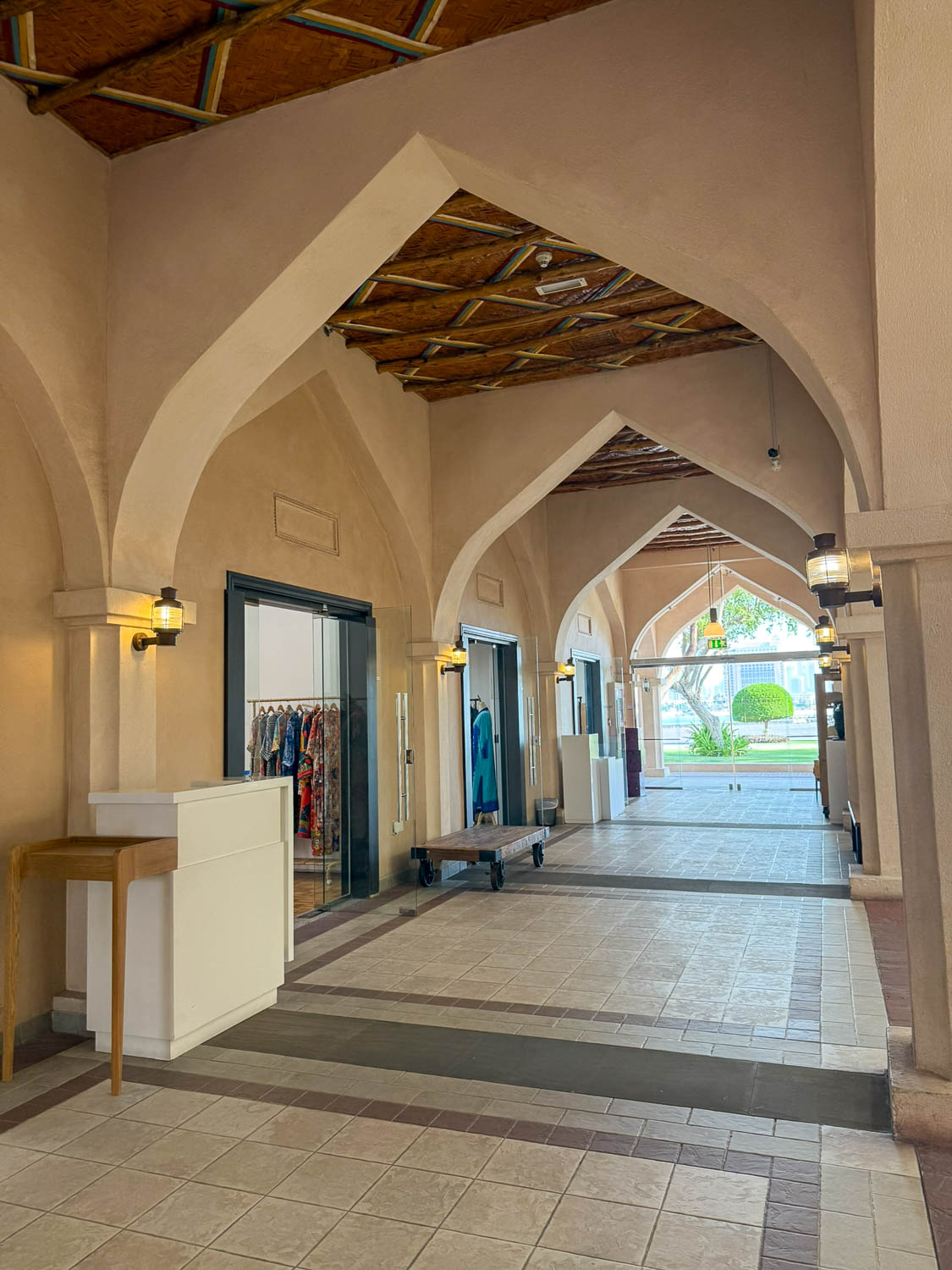
Food lovers and gourmet seekers will no doubt enjoy Snan Food Hall – right next door to Rondvill – which combines specialty grocery items with a range of culinary delights.
Throughout Katara, pop-up shops and stalls reflecting the rich cultural tapestry of Qatar further offer traditional handicrafts, artwork, ceramics, textiles, and jewelry, providing visitors an opportunity to take home authentic cultural keepsakes.
Fun fact. Most shops within the village are thoughtfully operated by local families and talented regional artists, offering visitors a genuine opportunity to connect with, and support, Qatar’s vibrant creative communities. By shopping here, you’re not only discovering unique, handcrafted treasures, but also contributing directly to the livelihoods and traditions of local artisans, helping to preserve and celebrate Qatar’s rich cultural heritage.
Feeding Your Grumbling Stomach
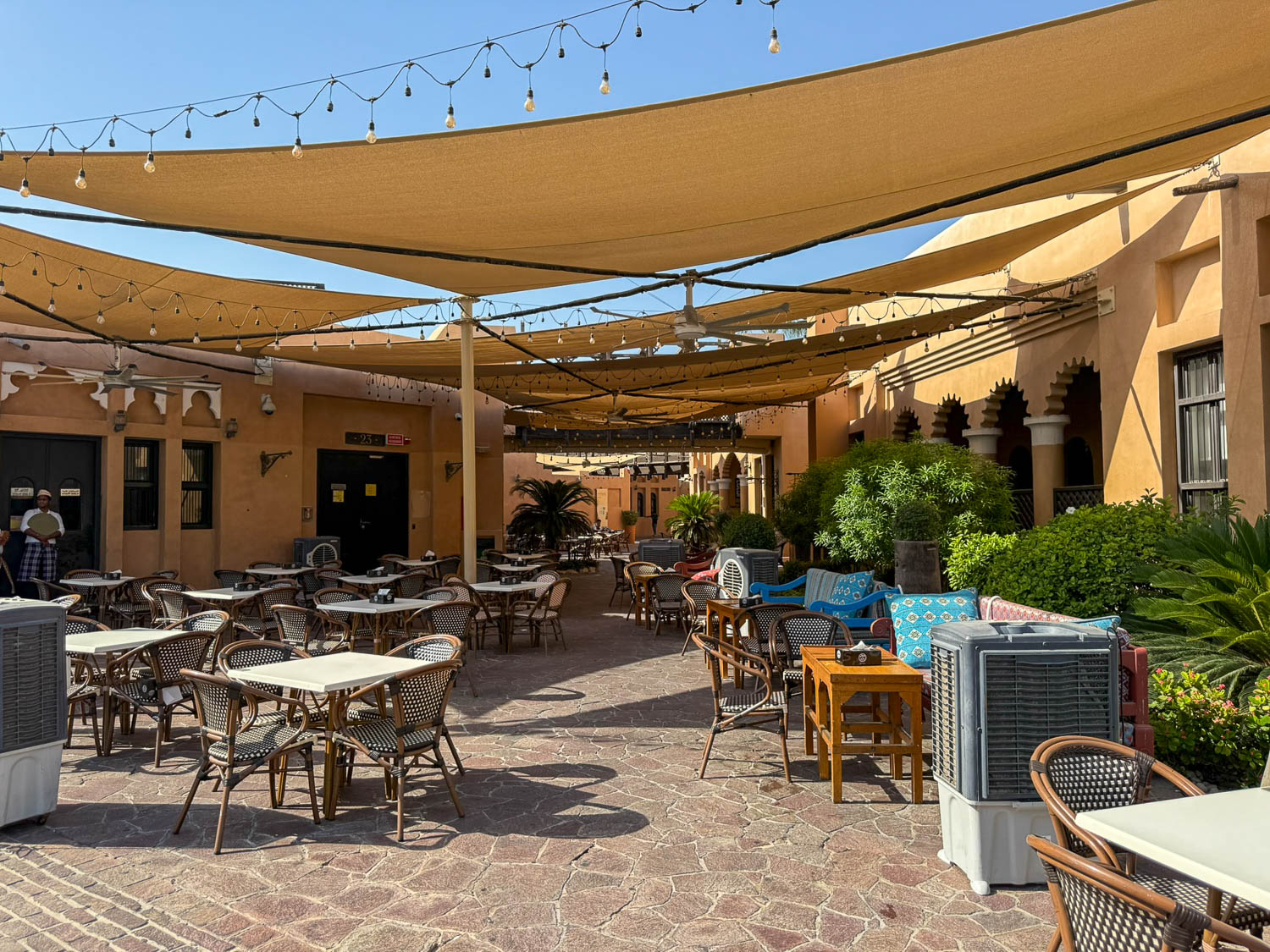
Katara Cultural Village offers visitors an eclectic culinary landscape, with dining options ranging from quick bites to fine dining – and a decent amount in between. Explore cafes and eateries serving international cuisines from Asia to Europe … and beyond. Below are some options you may wish to consider during your visit.
Coffee Shops
- Juan Valdez. An international café chain established by the Colombian National Federation of Coffee Growers to showcase premium 100% Colombian coffee. A clean, welcoming space on High Street.
- Brewed Coffee by Mazaji. Located right opposite Katara Beach, this cafe is stylish and welcoming, blending modern design with Qatari hospitality. The menu features a diverse selection of expertly crafted specialty coffees, teas, and seasonal beverages, complemented by tasty snacks and desserts.
Quick Bites
The best place for some quick bites with Katara is, without question, Tasty Street – basically, a fabulous collection of gourmet food stands.
Insider tip. Somewhat confusingly, Tasty Street is actually located on Shakespeare Street, in the northeastern corner of the village. But fear not, directional signage is excellent – and if you can’t seem to find it, simply ask any of the locals and they’ll point you in the right direction!
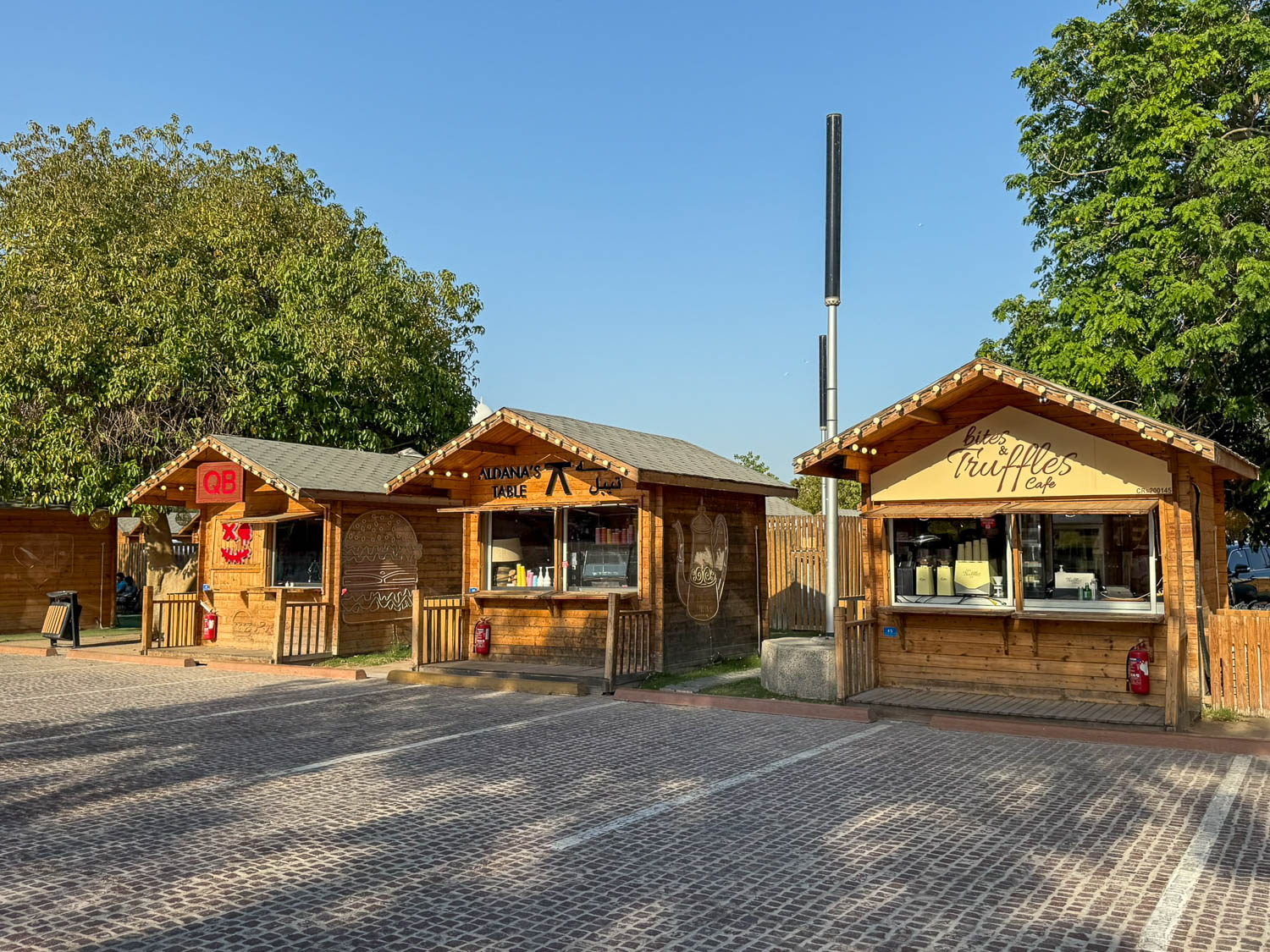
Tasty Street is an open-air gastronomic attraction and focal point for visitors, offering an exciting blend of food stalls and cafes in a unique drive-thru and walk-up setting. This lively spot caters to food lovers with an extensive variety of options — from juicy burgers and sandwiches, to pastries, sweets, specialty coffees, fresh juices, and smoothies.
Insider tip. Tasty Street doesn’t open until the afternoon, but does stay open late into the night!
Fine Dining
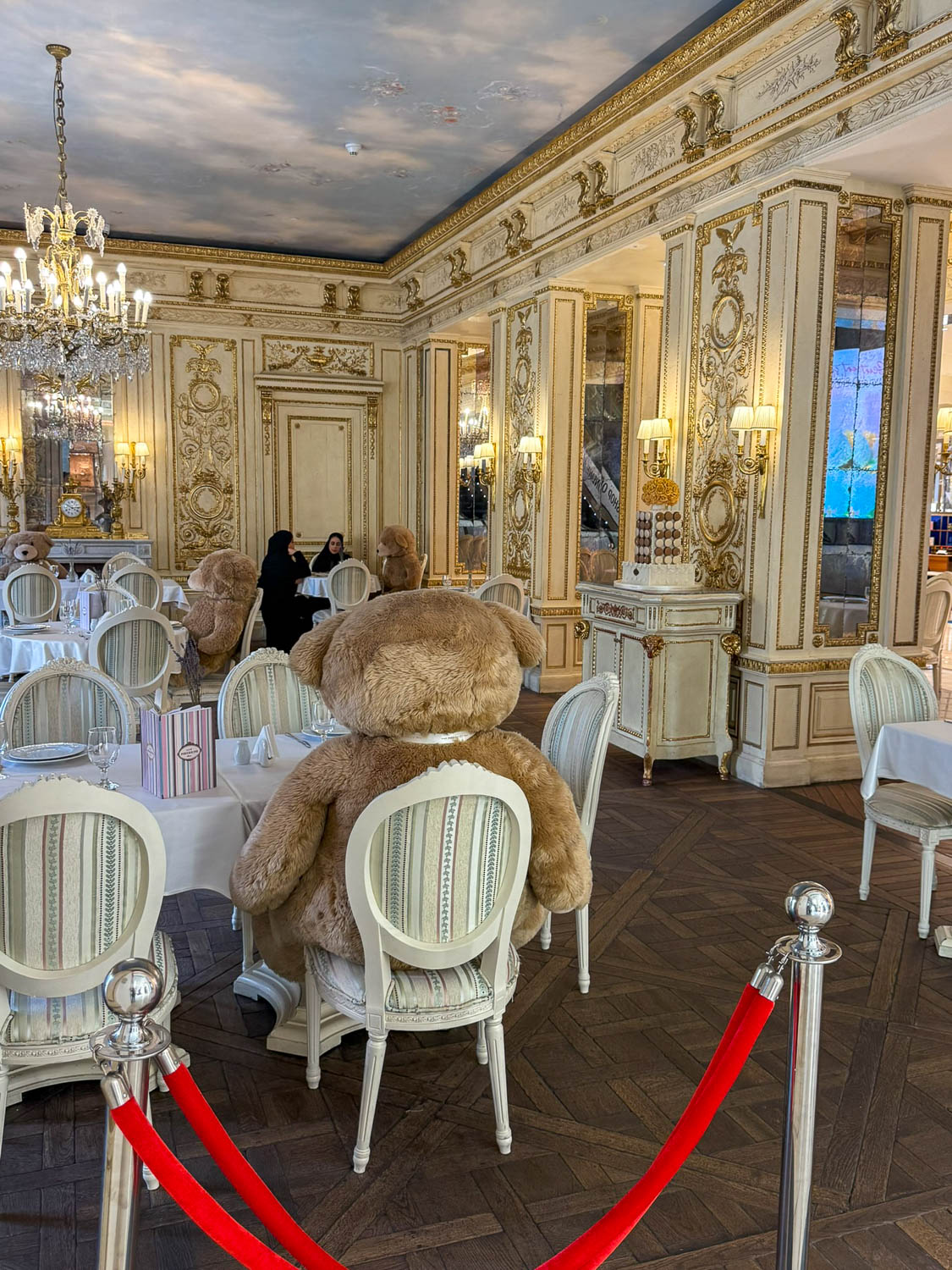
Katara Cultural Village also boasts a diverse array of fine dining establishments, each offering unique culinary experiences that reflect the rich cultural tapestry of the region. Two stand-out options we recommend follow below.
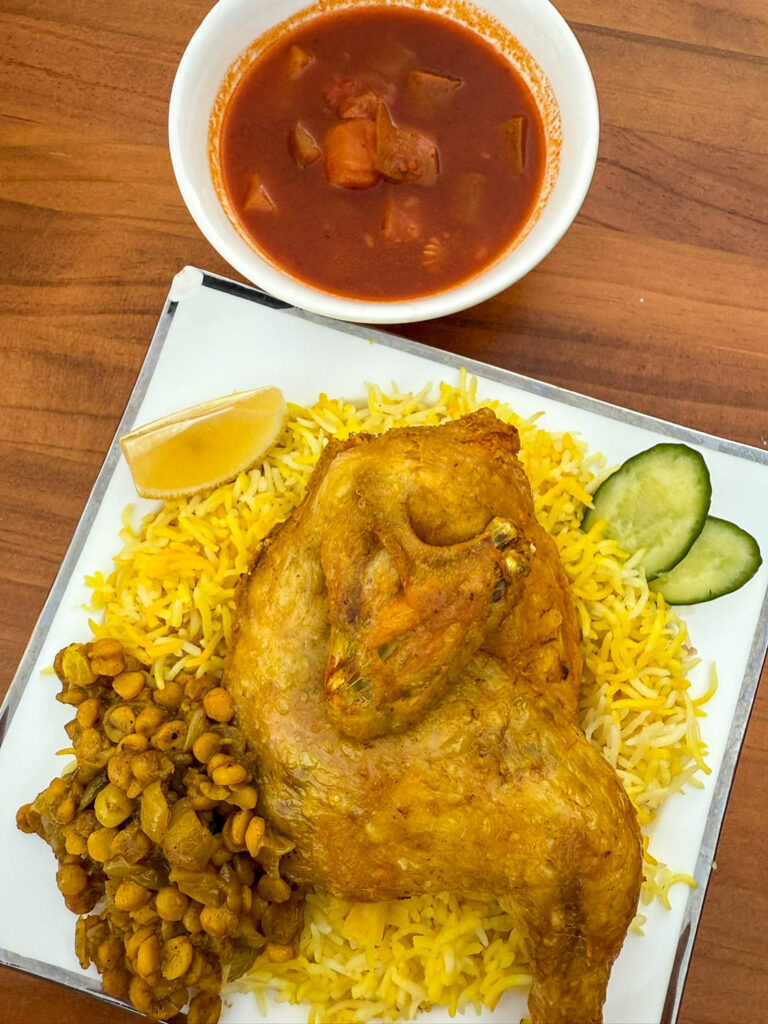
- Ard Canaan Restaurant. Located just south of the amphitheater, and only a few steps from Katara Beach, this restaurant offers a diverse menu featuring traditional, authentic Palestinian and Levantine dishes made from fresh ingredients. Meals are served in generous portions, the ambiance is elegant, and the hospitality is warm and friendly. Come here for deep cultural authenticity and hearty flavors.
Insider tip. Be sure to try the beetroot paste and Qedrah at Ard Canaan!
- La Marsa. Located at the end of a thin strip of land sticking out from the Chedi Katara Hotel & Resort at the far northeastern end of Katara, you’ll find this sophisticated over-water restaurant offering Mediterranean and Middle Eastern classics. Panoramic views of the Doha skyline and Pearl Island included with all meals, free of charge!
Other options for fine dining include The Restaurant at the Chedi Katara, Morimoto Doha, and L’wzaar Seafood Market.
Practical Tips For Your Visit
Getting to Katara Cultural Village
Katara is easily accessed by public transport, taxi, private vehicle, or ride-share. Once inside, you’ll find the village pedestrian-friendly and easy to navigate on foot.
By public transport, you’ll need to jump on Doha metro’s Red line: it stops at the Katara Station, with an exit leading directly to the village through the connected shopping mall.
Insider tip. If you’re beginning your journey on either the Yellow or Green metro lines, you can transfer to the Red line at Msheireb Station. Make sure to take the Red line heading to Lusail.
Parking
If you’re driving yourself to Katara, several parking options exist. You’ll find ample parking available in large, clearly marked lots, the largest being on the south side of the village. Indoor parking lots are also available. For added convenience, valet services operate near the main entrances to the village.
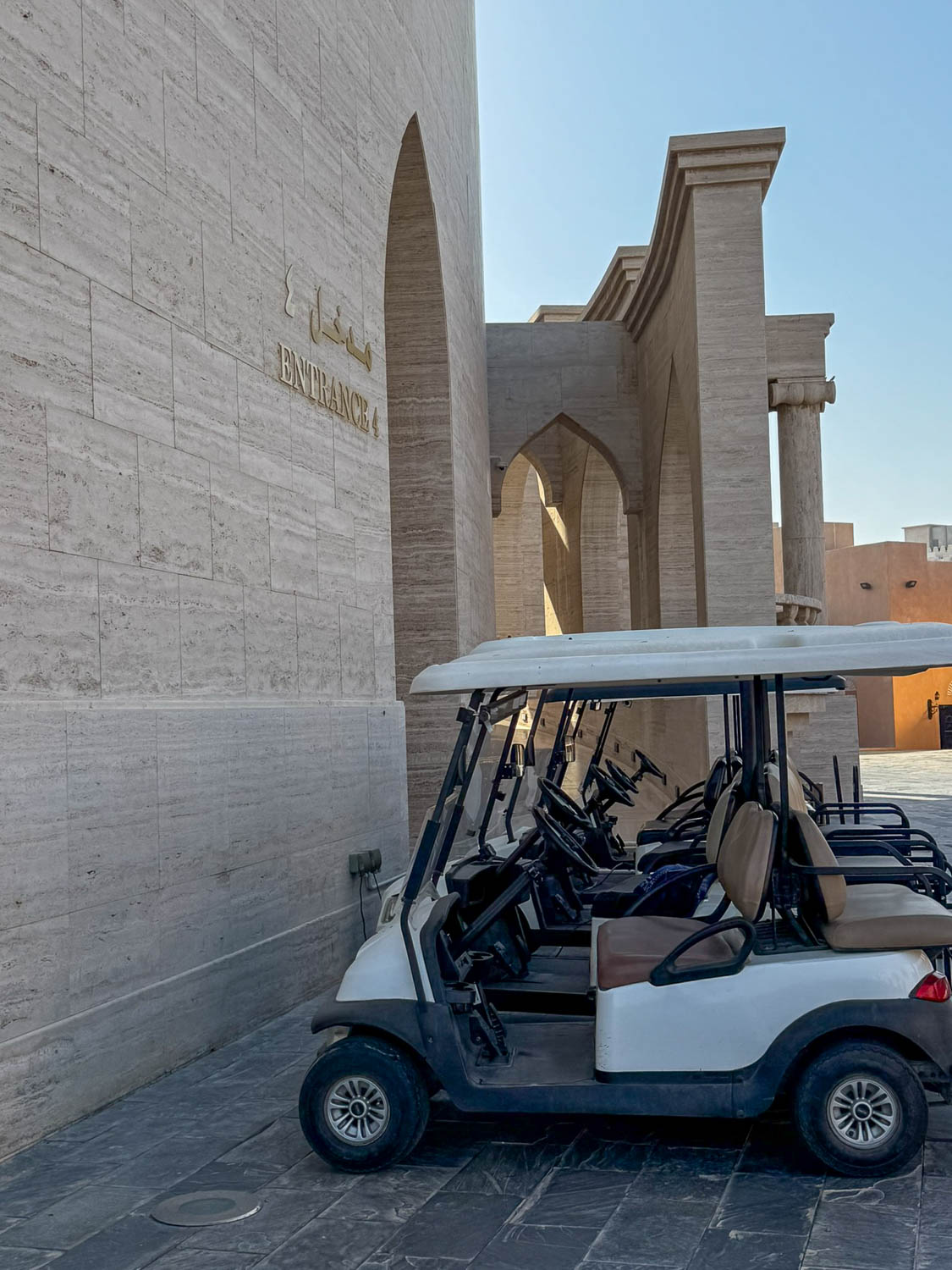
Insider tip. During busy times or special events, vehicle access to Katara may be restricted. It’s always a good idea to check for any temporary access rules prior to your visit. In great news, the village offers golf cart shuttles to help visitors get around (such fun!).
Best Time to Visit
The best time to visit Katara Cultural Village is during October and November, when the village lights up with local festivals, musical performances, and cultural events. Temperatures are also (slightly more!) comfortable at this time of year.
Insider tip. No matter what month you choose to visit, consider visiting Katara in the evening. Sunset in particular offers ideal lighting for photos, especially around the spectacular amphitheater and stunning mosques.
Opening Hours
Katara is typically accessible 24 hours a day, affording visitors the flexibility to explore its public spaces at any time. Note, however, that individual venues – think restaurants, galleries, shops, and other attractions – each follow their own distinct opening hours. In general, most sites open from mid-morning until late evening.
Some examples of opening hours for individual venues include the following.
- Katara Mosque: open daily from 10am through 6pm
- Al Thuraya Planetarium: typically operates from 9am to 4.30pm
Insider tip. Make sure to verify in advance the operating times for the specific attractions within the village you intend to visit. For information on up-to-date event listings and opening hours, we found Visit Qatar a great place to start.
Entrance Fees
Visiting Katara Cultural Village is free of charge, permitting guests to explore its open-air art installations, traditional architecture, scenic walkways, and public exhibitions without any entrance fees. Note, however, certain experiences within Katara, such as film screenings, seasonal events, festivals and workshops, may require a ticket purchase.
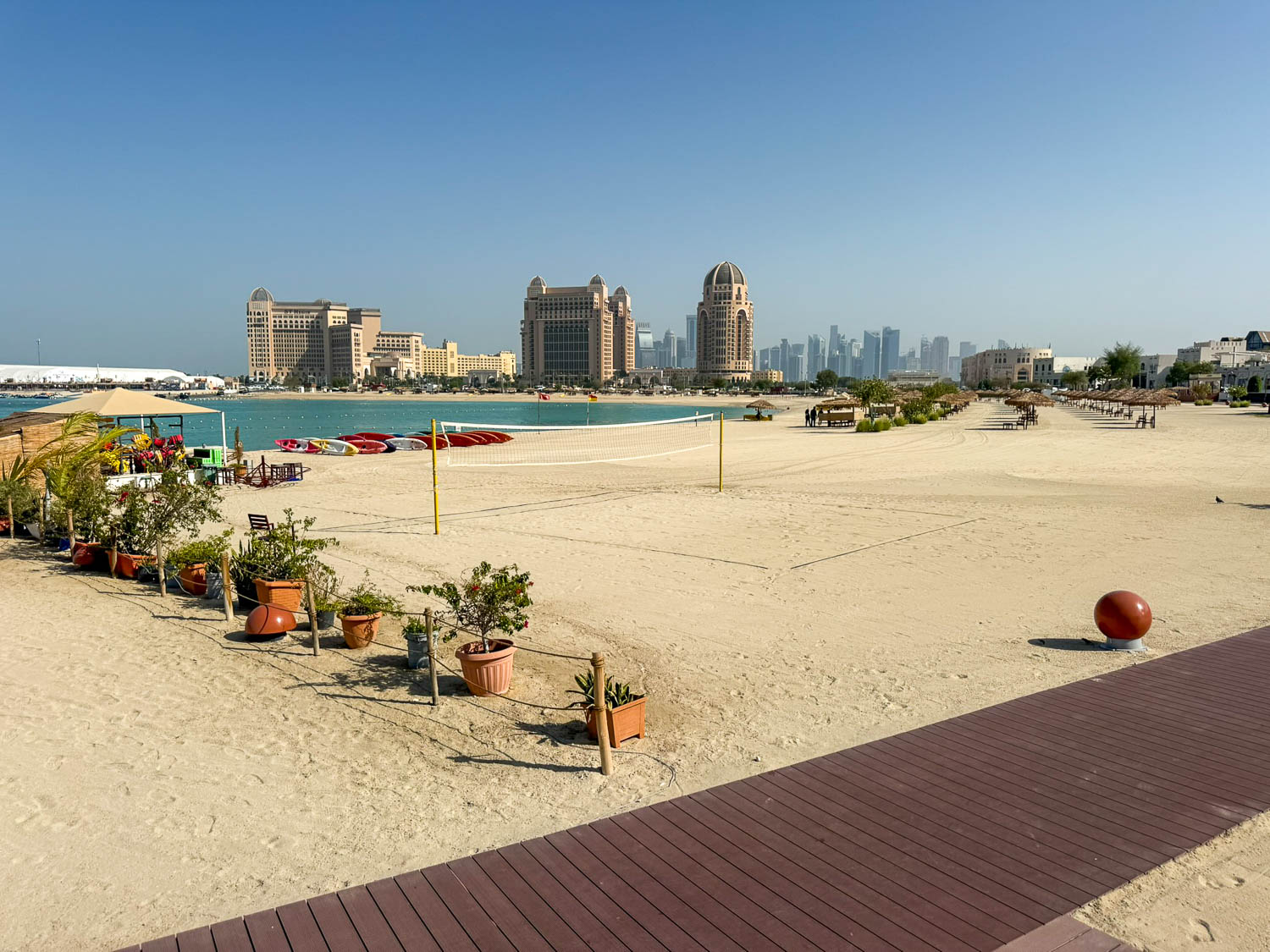
For example, access to Katara Beach, including rentals that include beach chairs and umbrellas, as well as water sports activities, comes with a cost. And of course, dining at the diverse culinary options throughout the village will incur separate charges.
Insider tip. For the most accurate and up-to-date information (including entry fees) on specific events or attractions, it’s advisable to check online listings or contact the venue directly.
Insider tip. Entrance to Al Thuraya Planetarium is generally free, but you may need to book ahead for specific shows.
Comfort and Convenience Inside the Village
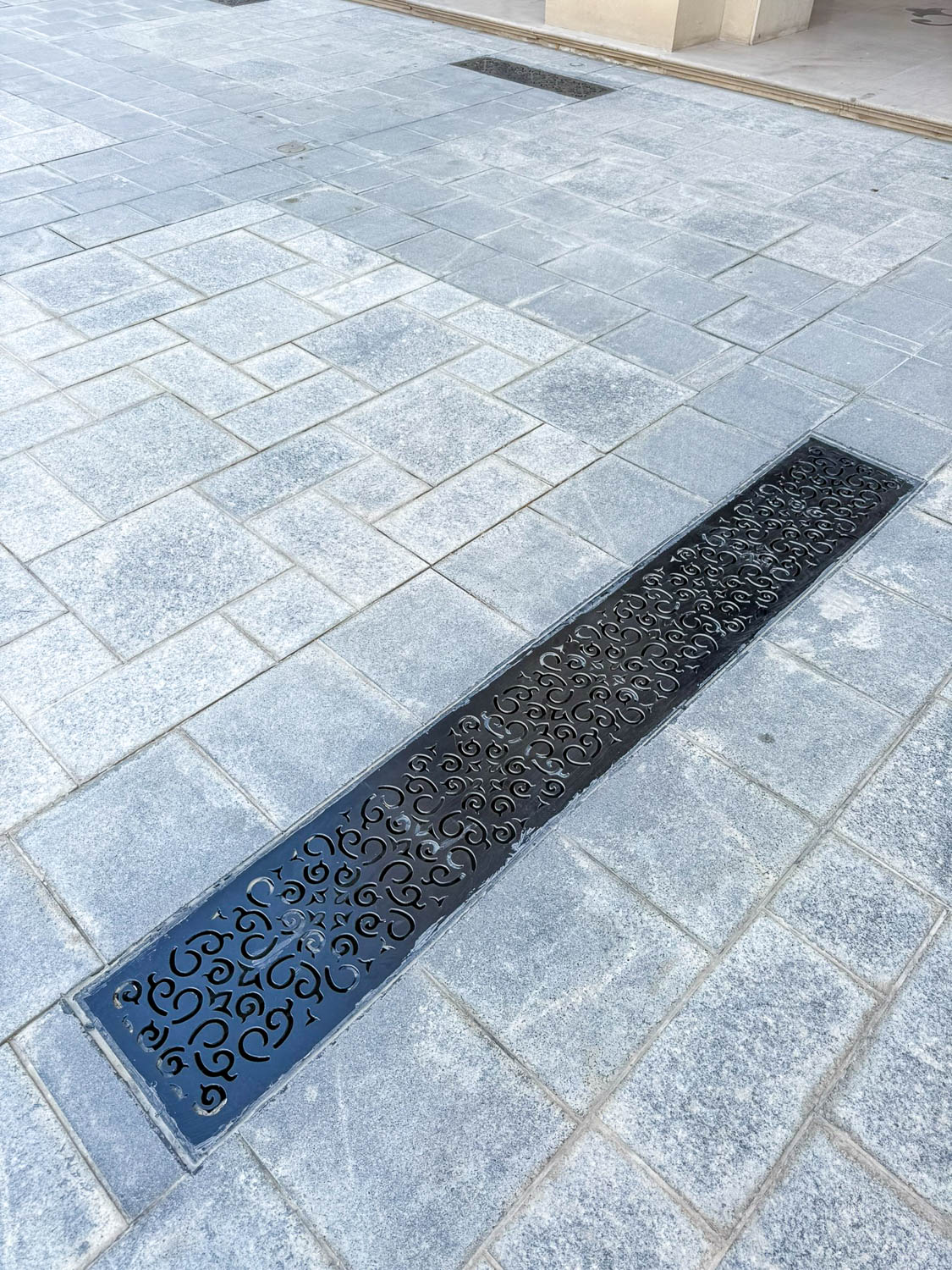
Whilst Katara is generally an outdoor attraction, indoors (restaurants, galleries etc) are air-conditioned – but there’s also outdoor air-conditioning (pretty neat, right?)! You’ll find this unique feature across walkways and public areas, making Katara Cultural Village one of the most climate-conscious destinations in the Middle East.
Clean, comfortable and well-maintained restrooms are located throughout Katara Cultural Village. Given the size of the village and its wide range of attractions, restroom facilities are built to handle a high volume of visitors. Accessible toilets are also available, ensuring convenience for all guests.
Accessibility
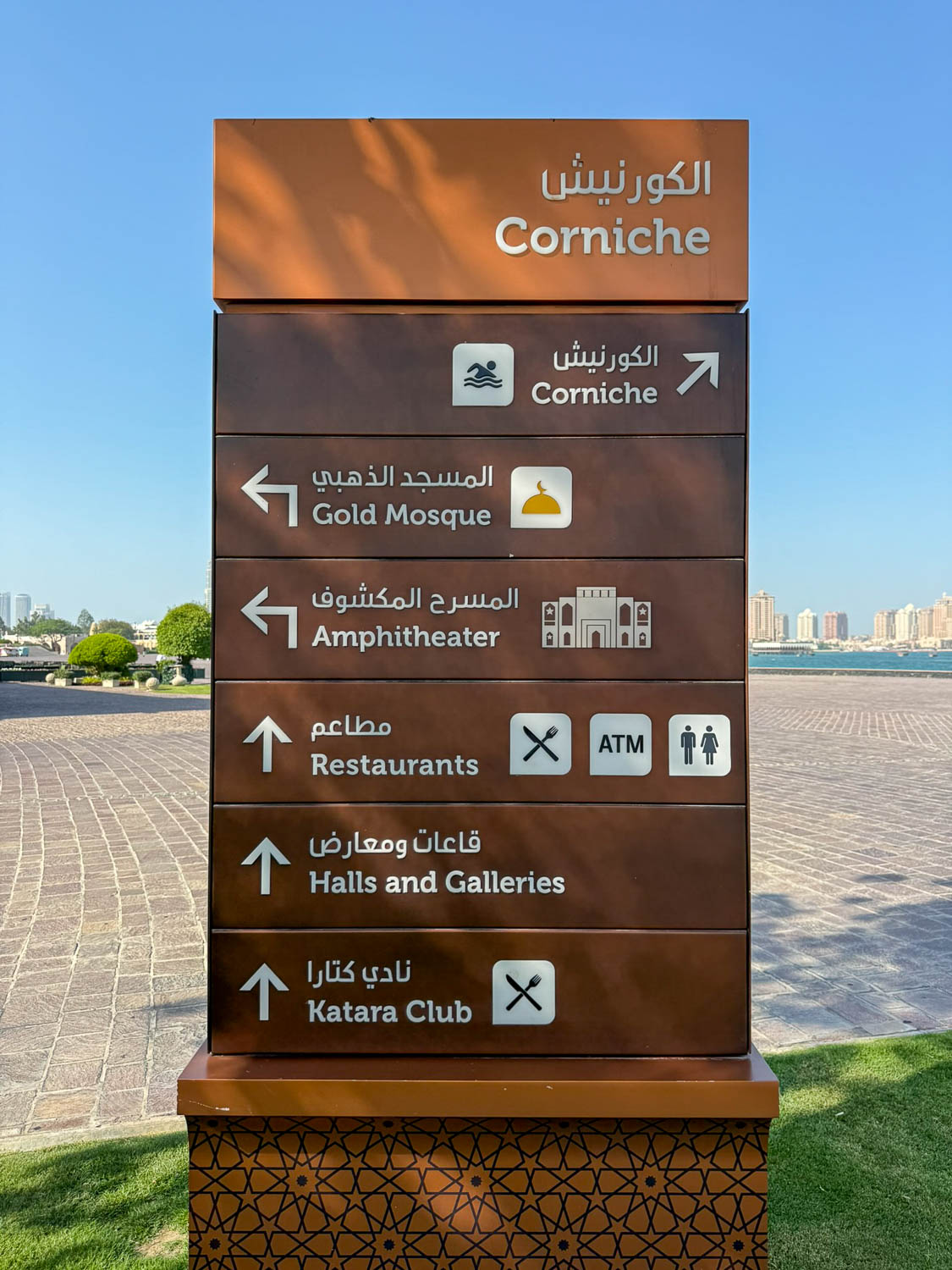
Katara Cultural Village’s professional management ensures clean, accessible, and multilingual services throughout the complex. Whether you’re using beach cabanas, public restrooms, or checking out at the gift shop, the experience is streamlined, comfortable and welcoming for most visitors.
Accessible Qatar, a platform focused on sharing accessibility details for public and tourist sites across the country, has recognized Katara Cultural Village as one of the most frequented destinations in Qatar, citing Katara as wheelchair accessible, with elevators and sliding doors throughout. We also found ease of navigation – thanks to superb directional signage – a highlight of our visit.
Insider tip. Whilst Katara is designed with accessibility in mind, it does get busier during peak times and special events. This can make it a tad bit more challenging to move around comfortably, particularly for visitors with mobility needs.
Final Thoughts
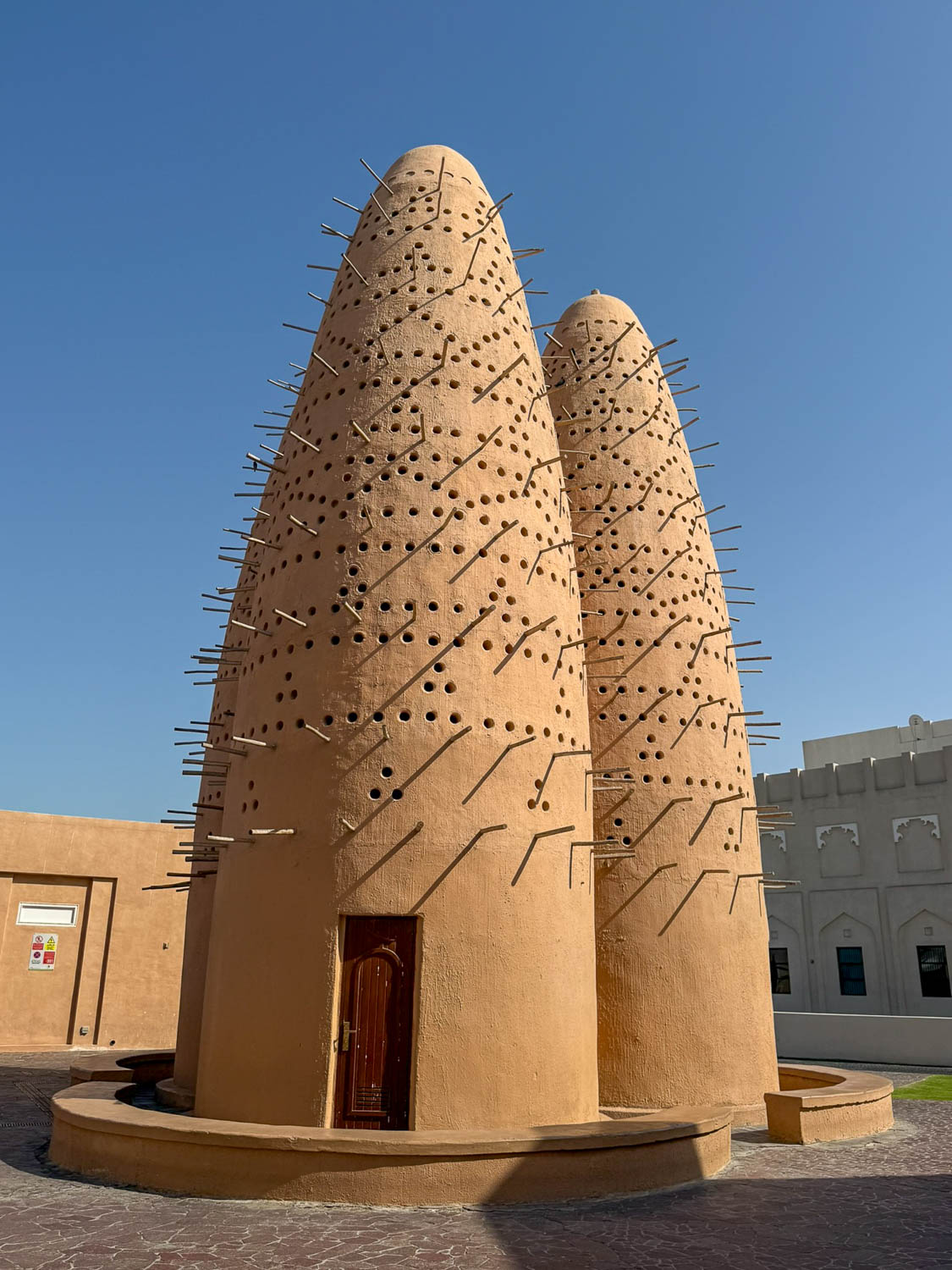
A visit to Katara Cultural Village is more than just a stop on a Qatari itinerary — it’s an experience that captures the very soul of Qatar. Blending tradition with modernity, Katara offers travelers a rare chance to immerse themselves in art, music, cuisine, and architecture, all in one breathtaking setting by the sea.
Whether you’re wandering through its galleries, savoring global flavors at world-class restaurants, or simply soaking in the striking blend of classical and contemporary design, every corner of the Katara Cultural Village feels like an invitation to discover, reflect, and connect.
But what makes Katara truly unforgettable is the way it brings people together. It’s a place where culture is not only preserved, but lived — through festivals, performances, exhibitions, and everyday moments of hospitality. For visitors, Katara offers both beauty and meaning: a deeper appreciation of Qatari heritage alongside the vibrancy of global creativity.
There is no question that Katara Cultural Village is well worth a visit during your time in Doha. Indeed, it is one of Doha’s most popular, fulfilling and accessible attractions: a location designed for exploration, expression, and exchange.
Are you ready to visit the Katara Cultural Village and be inspired by all it has to offer? Let’s start planning your trip!
FAQs
Is Katara Cultural Village worth visiting in Doha?
Yes — Katara Cultural Village is one of Doha’s most rewarding cultural attractions. It combines architecture, art, dining, beaches, galleries, and cultural experiences into one walkable waterfront destination.
What is the best time to visit Katara Cultural Village?
Late afternoon and evening are generally the best times to visit. Temperatures are cooler, the village becomes more lively, and the lighting around the mosques and amphitheater is excellent for photography.
How much time should I spend at Katara Cultural Village?
Most visitors spend between 2–4 hours exploring Katara Cultural Village. Travelers interested in dining, galleries, shopping, or beach activities may easily spend a full evening there.
What should first-time visitors prioritize at Katara Cultural Village?
First-time visitors should prioritize Katara Mosque, the Golden Masjid, the amphitheater, outdoor sculptures, galleries, and an evening walk along the waterfront areas.
What makes Katara Cultural Village unique?
Katara Cultural Village uniquely blends Qatari heritage, Islamic architecture, international art, public performances, luxury shopping, and waterfront leisure into one destination designed around cultural exchange and creativity.
Explore More Of Qatar
-
Cuisine of Qatar: A Traditional Culinary Exploration
Cuisine of Qatar reflects the country’s rich cultural heritage through dishes like Machboos, Harees, Thareed, and Luqaimat. This guide explores traditional Qatari food, popular beverages, dining customs, and the culinary experiences that help define modern Qatar.
-
Explore National Qatar Museums: Best Things To Do
Learn which Qatar museums are worth visiting, from the National Museum of Qatar and Museum of Islamic Art to modern galleries, sports museums, and family-friendly attractions across Doha.
-
The Pearl Qatar: Family Friendly Activities on This Island in Doha
Discover family-friendly things to do at The Pearl-Qatar including canal walks, marina dining, indoor entertainment, beaches, and kid-friendly activities in Doha.
-
The Pearl Qatar: Things To Do On This Island in Doha
Explore The Pearl Qatar, Doha’s luxurious man-made island of marinas, cafés, and waterfront charm—where culture, comfort, and adventure meet.
-
Dhow Harbour, Doha Qatar: A Serene Maritime Experience
Dhow Harbour in Doha showcases Qatar’s maritime heritage through traditional wooden dhows, sunset cruises, waterfront views, and cultural experiences along Doha Bay near the Corniche and Souq Waqif.
-
Discover Doha Corniche: An Iconic Qatari Experience
They say a city’s soul is often revealed at its edges — and nowhere is that more true than…
-
Souq Waqif Opening Hours: When to Visit for the Best Experience
Souq Waqif opening hours shape the entire experience—from peaceful morning alleyways to lively nighttime crowds. Here’s the best time to visit Doha’s famous market.
-
Souq Waqif Festivals: Cultural Celebrations in Qatar
Discover the best Souq Waqif festivals in Doha, Qatar, from Ramadan celebrations and Arabian horse shows to flower exhibitions, cultural events, and family-friendly entertainment.
-
Souq Waqif: Your Guide to the Doha Marketplace
Souq Waqif is the cultural heart of Doha and one of the Middle East’s most iconic marketplaces. This guide covers the best things to do in Souq Waqif, including the Falcon Souq, Gold Souq, shopping, dining, family-friendly activities, and local tips to help you plan your visit with confidence.