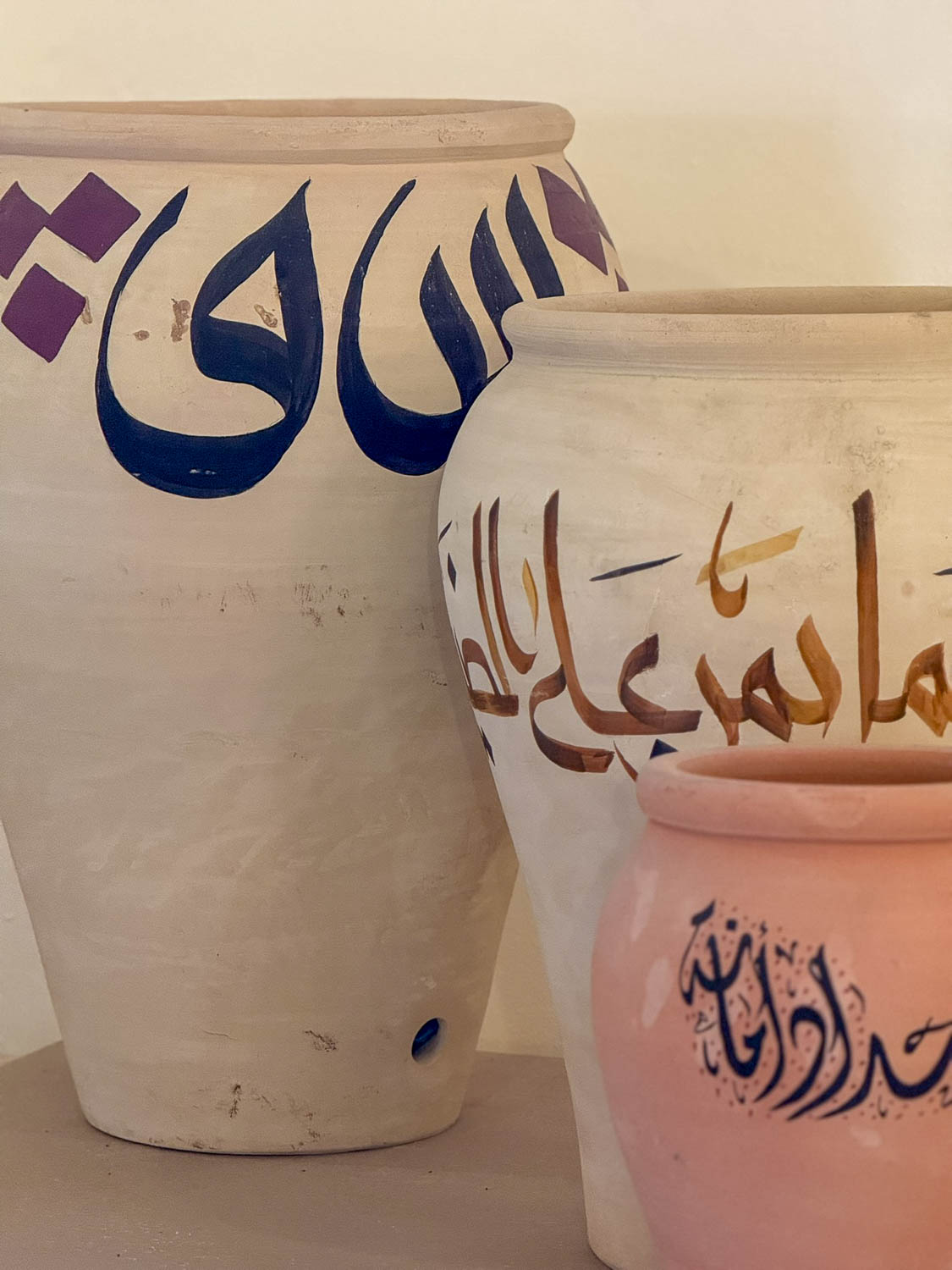
Welcome to a country where culture meets cutting-edge design, and history lives alongside futuristic ambition. If you’re dreaming of a travel experience that celebrates the essence of a place — its traditions, its culture, its history, its artistry, and its vision for the future — then consider a visit to some (or even just one!) of Doha’s inspiring museums.
Take seriously this call — an invitation to immerse yourself in the cultural experiences that shape this country, to marvel at the brilliance of Islamic craftsmanship and modern art, and to walk through the doors of world-famous galleries that reveal the transformative story of Qatar like never before.
Whether you’re a traveller seeking a deeply enriching tour, an art lover chasing architectural marvels, or a small group seeking some of the best family-friendly activities Doha has to offer, the following guide highlights several of Qatar’s key museums, alongside practical tips to help you plan a smooth and meaningful visit.
Feel free to use our insights to compare museum themes, visitor amenities, opening hours, entrance fees, and special experiences, before building a Qatari itinerary that best aligns with your interests and travel style.
Let’s see what’s on show (literally), fellow wanderers!
Quick Tips
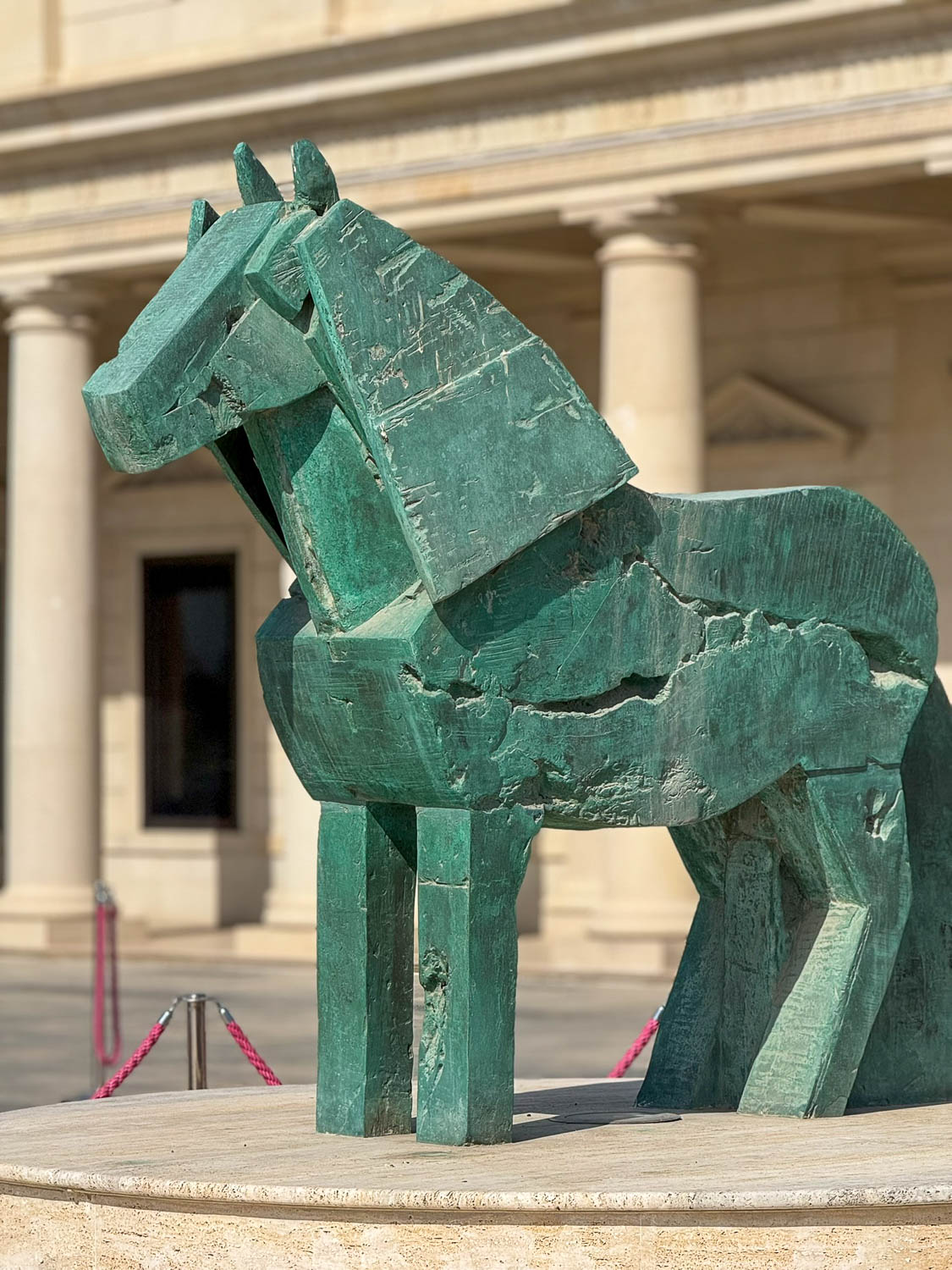
Here are some insider tips to help you make the most of your visit tothe museums of Qatar.
- Qatar museums combine world-class architecture, interactive storytelling, and deep cultural heritage, making Doha one of the Middle East’s leading cultural destinations.
- Most major museums are located within 15–25 minutes of central Doha, making it easy to combine multiple museums in one itinerary.
- Top museums in Qatar include the National Museum of Qatar, the Museum of Islamic Art (MIA), Mathaf: Arab Museum of Modern Art, the 3-2-1 Qatar Olympic and Sports Museum, and the Sheikh Faisal Bin Qassim Al Thani Museum. National Museum of Qatar Museum of Islamic Art.
- Most Qatar museums open from morning through early evening, though weekly closure days vary by museum. Always verify current opening hours before visiting.
- Standard admission pricing is typically around QAR50 for adults and QAR25 for students, with free admission often available for children and Qatari residents.
- Family-friendly attractions such as the Museum of Illusions, Al Thuraya Planetarium, and Dadu Gardens provide excellent interactive experiences for children and multigenerational travelers.
- Many museums offer strong accessibility support including elevators, ramps, sensory-friendly areas, wheelchairs, multilingual guides, and family facilities.
- Seasonal exhibitions, cultural festivals, workshops, and photography events regularly rotate throughout Qatar’s museums, adding extra value for repeat visitors.
Follow these tips and you’ll be ready to visit the museums of Qatar!
Plan Your Trip
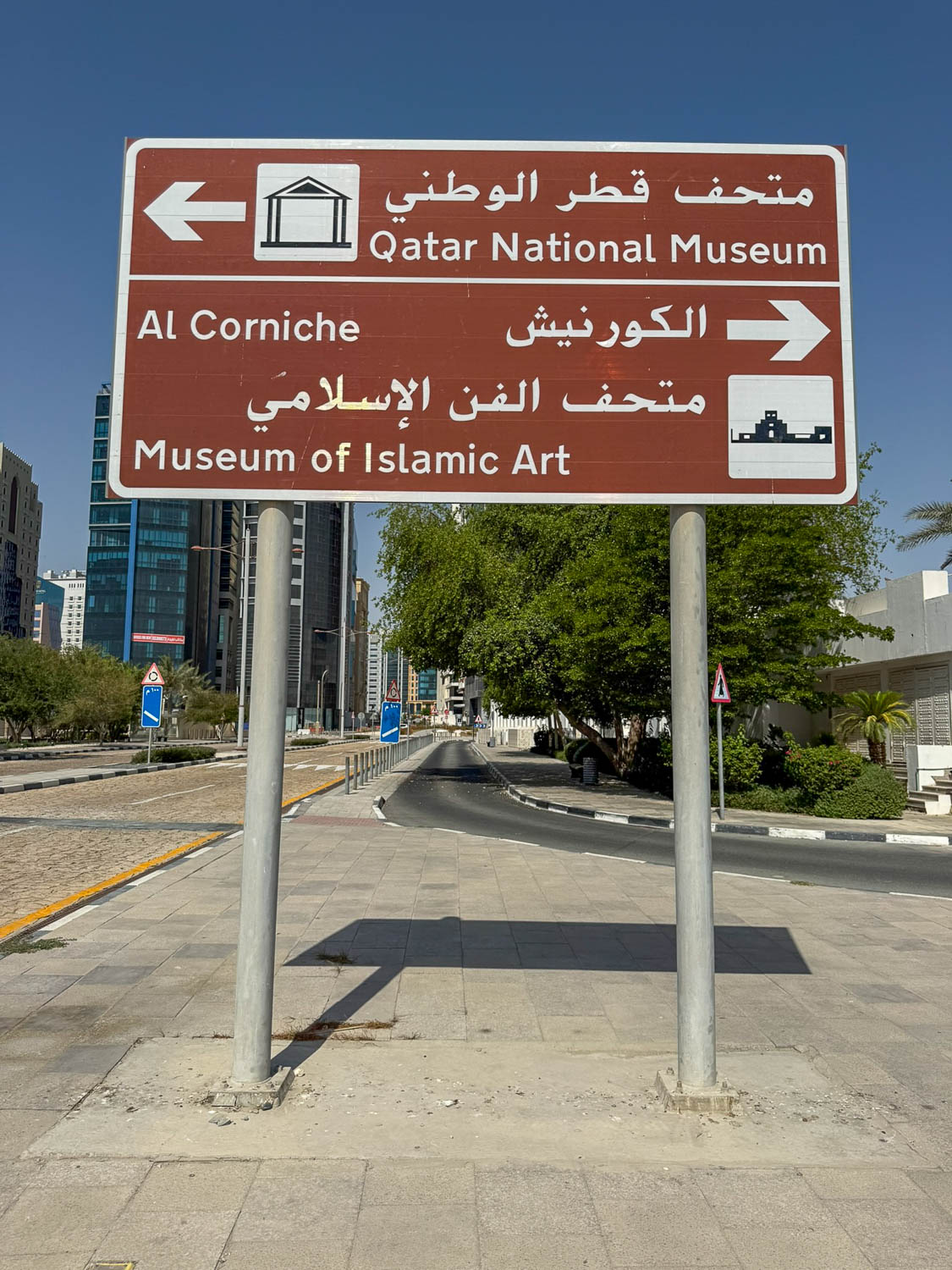
Some links below may earn us a small commission at no extra cost to you. We’re truly grateful for your support, as it allows us to continue sharing meaningful travel experiences and practical travel insights with you. Read our full disclosure here.
Best Way To Experience Qatar Museums
The best way to experience Qatar museums is to combine two or three museums across a full day or relaxed evening itinerary rather than rushing through them all at once. Most visitors begin with the National Museum of Qatar or the Museum of Islamic Art before expanding into modern art, sports, or family-focused museums depending on their interests.
For first-time visitors, the ideal museum experience in Doha usually includes:
Top Recommended Experiences (At A Glance)
Best Overall Experience:
A full-day cultural journey combining the National Museum of Qatar, Museum of Islamic Art, and Doha Corniche.
→ Recommended: Doha City Tour
Best For First-Time Visitors:
A guided city tour covering Doha’s major cultural and architectural highlights.
→ Recommended: Doha Iconic Sights
Best Photography Experience:
Museum of Islamic Art, MIA Park, and the National Museum of Qatar at sunset.
→ Recommended: Doha Sightseeing Tour with Optional Sunset Dhow Cruise
Best Cultural Experience:
Exploring the National Museum of Qatar and Museum of Islamic Art together.
→ Recommended: 4 Hour Private Museum of Islamic Art in Qatar Tour
Short On Time? Do This:
Tours & Experiences
Browse additional top-rated tours, city experiences, and cultural activities with things to do in Doha, Qatar.
Travel Essentials
Planning the rest of your trip? These are the platforms we personally use when organizing our travels. For more planning tools, visit our Travel Resources page or browse current promotions on our Travel Deals page.
Qatari Museums: An Overview
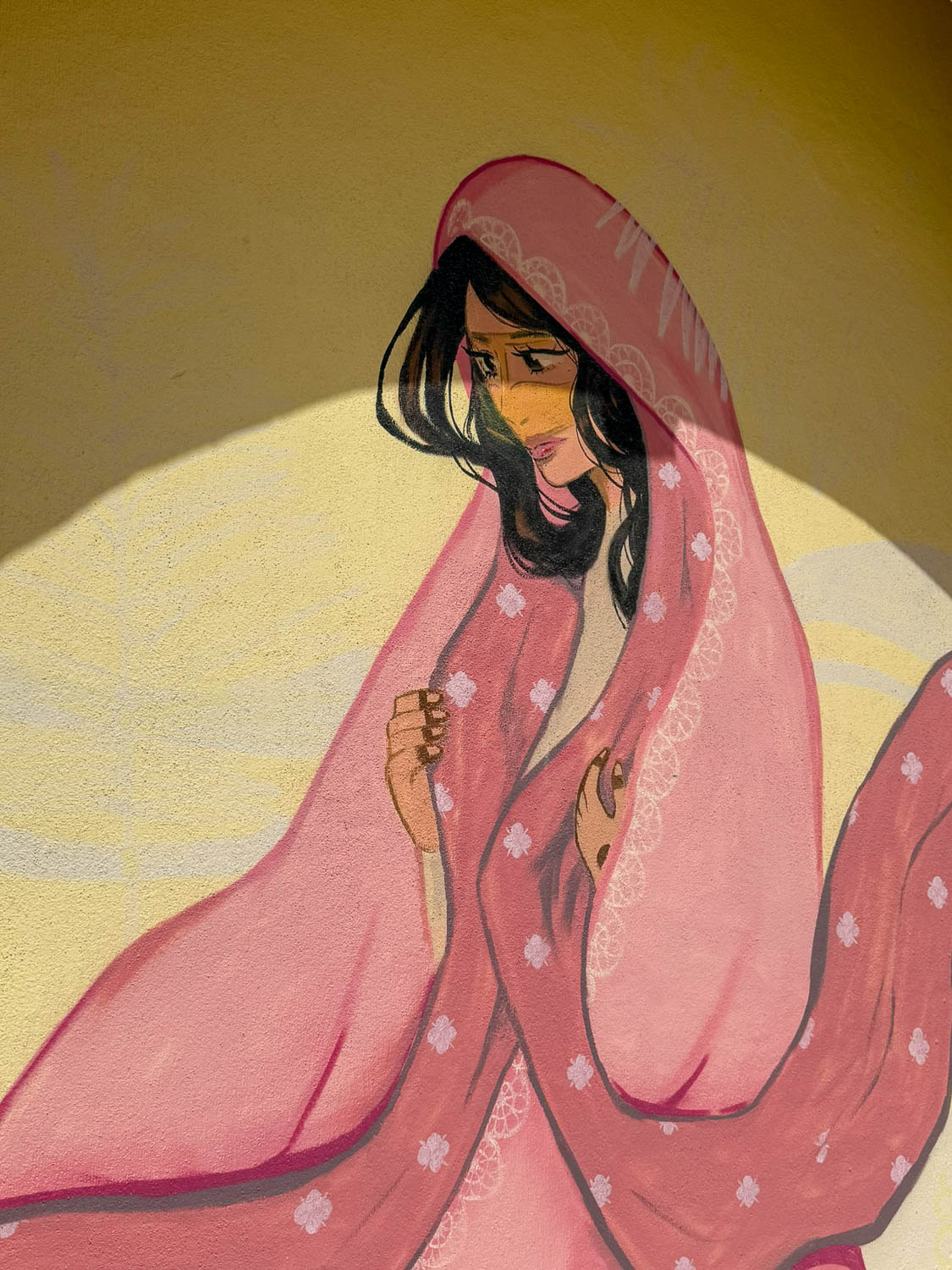
Museums in Qatar play a central role in the country’s efforts to preserve its heritage whilst showcasing its ambitions on the world stage. Over the past few decades, the country has invested heavily in cultural institutions, transforming Doha into a hub where traditional Arabian history meets cutting-edge design and global dialogue. From collections that trace the region’s ancient roots to contemporary art spaces, these museums highlight both Qatar’s past and its vision for the future.
Today, the museum scene is concentrated mostly in and around Doha, with landmark institutions designed by world-renowned architects sitting alongside smaller, more specialized collections. Together, they offer visitors a window into Qatar’s identity — one that values tradition yet embraces innovation, positioning the country as a crossroads of history, culture, and modern creativity.
Qatar’s most iconic cultural sites within its dynamic museum network include:
- the National Museum of Qatar
- the Museum of Islamic Art
- Mathaf: Arab Museum of Modern Art,
- the 3-2-1 Qatar Olympic and Sports Museum (such a cool name!)
- the Sheikh Faisal Bin Qassim Al Thani Museum, and
- the Katara Cultural Village
From interactive experiences to architectural feats, each museum serves as a creative hub where the local Qatari culture is preserved and projected onto the global stage.
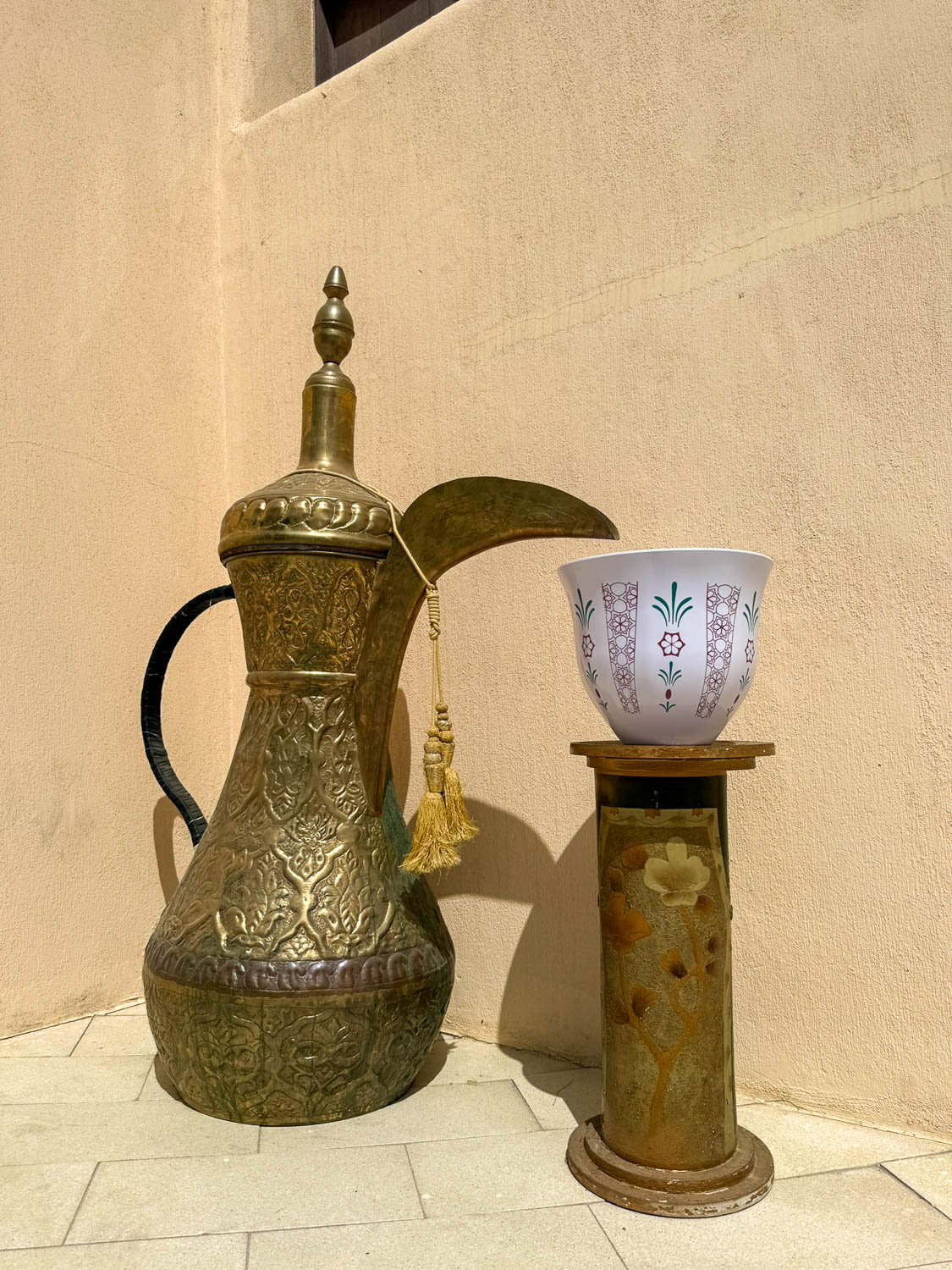
Insider tip. Whilst we have done our best to provide up-to-date information on facilities, opening hours and entrance fees for each museum listed below, we encourage all visitors to consult the official websites for each museum, in case of special schedules (for example, reduced hours during Ramadan), refurbishment closures, and price increases. Qatar Museums is a great place to start your research.
Insider tip. Most museums close their doors on a different day each week, which actually helps planning your visits to these cultural spaces a lot easier.
Insider tip. You may have heard about Qatar’s One Pass, a digital ticketing option that permits visitors to access multiple museums and other cultural attractions within the country with a single entry pass (ultimately at discounted prices and with added benefits). Note, however, that despite what some websites might tell you, the One Pass is no longer available – this program ended in 2023. As such, we list in this article admission prices separately for each museum.
National Museum of Qatar: Where the Story Begins
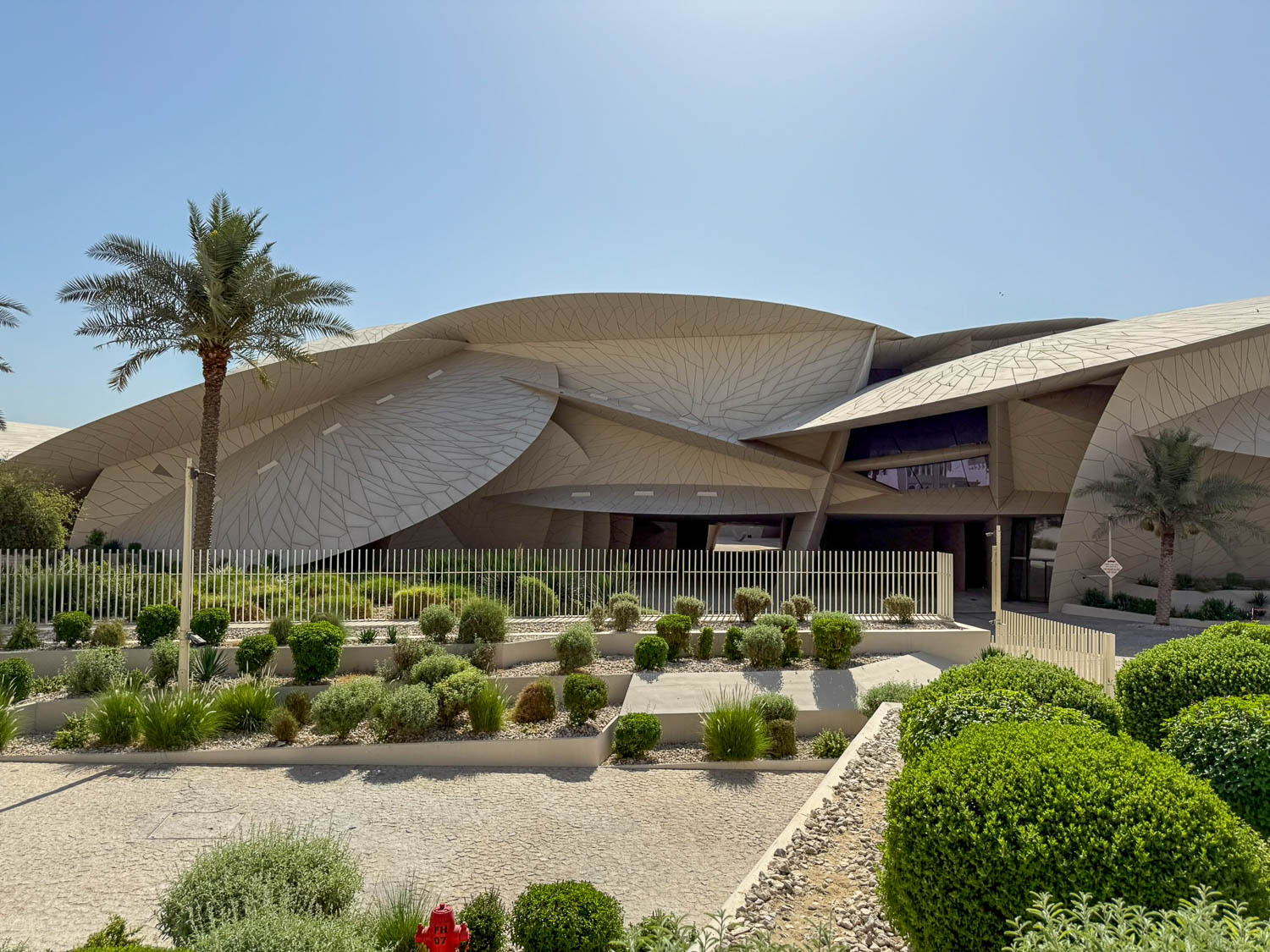
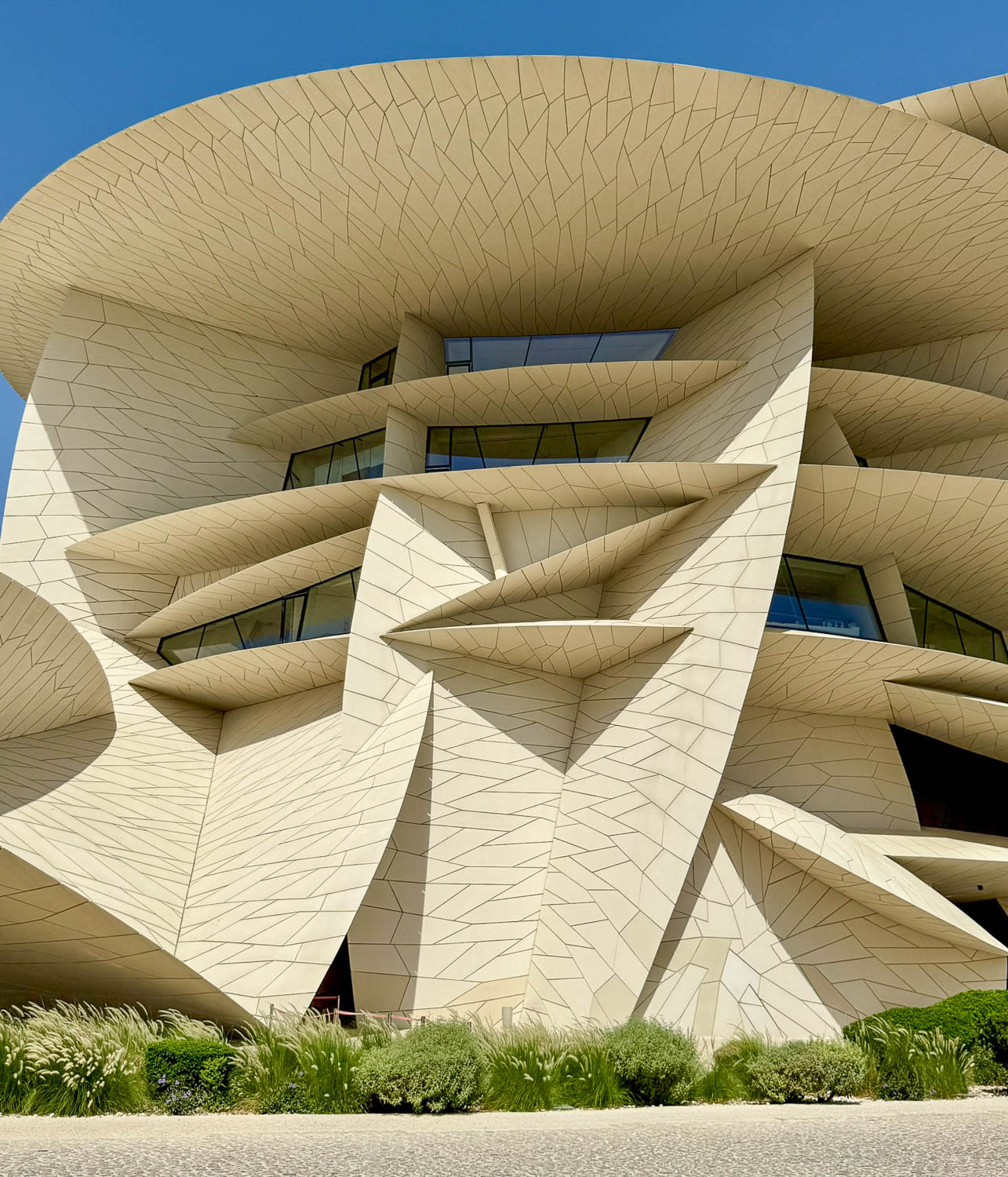
Inspired by the desert rose, Frenchman Jean Nouvel’s dynamic architectural design of the National Museum of Qatar is nothing short of breathtaking. Its unique shape — symbolizing a crystal found in the sands of Qatar — is more than just a marvel. It’s a statement.
Fun fact. What exactly is a desert rose? We weren’t too sure either! It’s apparently a natural crystal formation of gypsum (we won’t go too deep into the science behind gypsum itself…) that develops in Qatar’s arid soil. It’s unique to desert climates like Qatar’s, making it a powerful emblem of the country’s natural environment.
Inside, this heritage site invites visitors to journey through time. Galleries and exhibits flow chronologically, from prehistoric fossils to Qatar’s ambitious present and projected future. It’s a visceral and moving walk through Qatar’s history, guided by dramatic audiovisuals, priceless artifacts, and interactive displays.
Fun fact. All five of your senses will gain a true understanding of Qatari history at the National Museum of Qatar – they even have certain aromas (“smell design”) that will draw you right in! We found this really helped to make history “feel alive”.
Some highlights from our visit to the National Museum of Qatar included the following.
- The museum’s gallery showcasing Qatar’s diverse aquatic life (a stunning celebration of marine biodiversity!).
- The Pearl Carpet of Baroda (one of the museum’s signature pieces, with over 1.5 million Gulf pearls and other dazzling precious gems – quite impressive indeed).
- The Life on the Coast exhibit (detailing Qatar’s rich pearling history).
- The building itself! (our photos tell a thousand words……interlocking discs, dramatic curves, organic textures, and natural light)
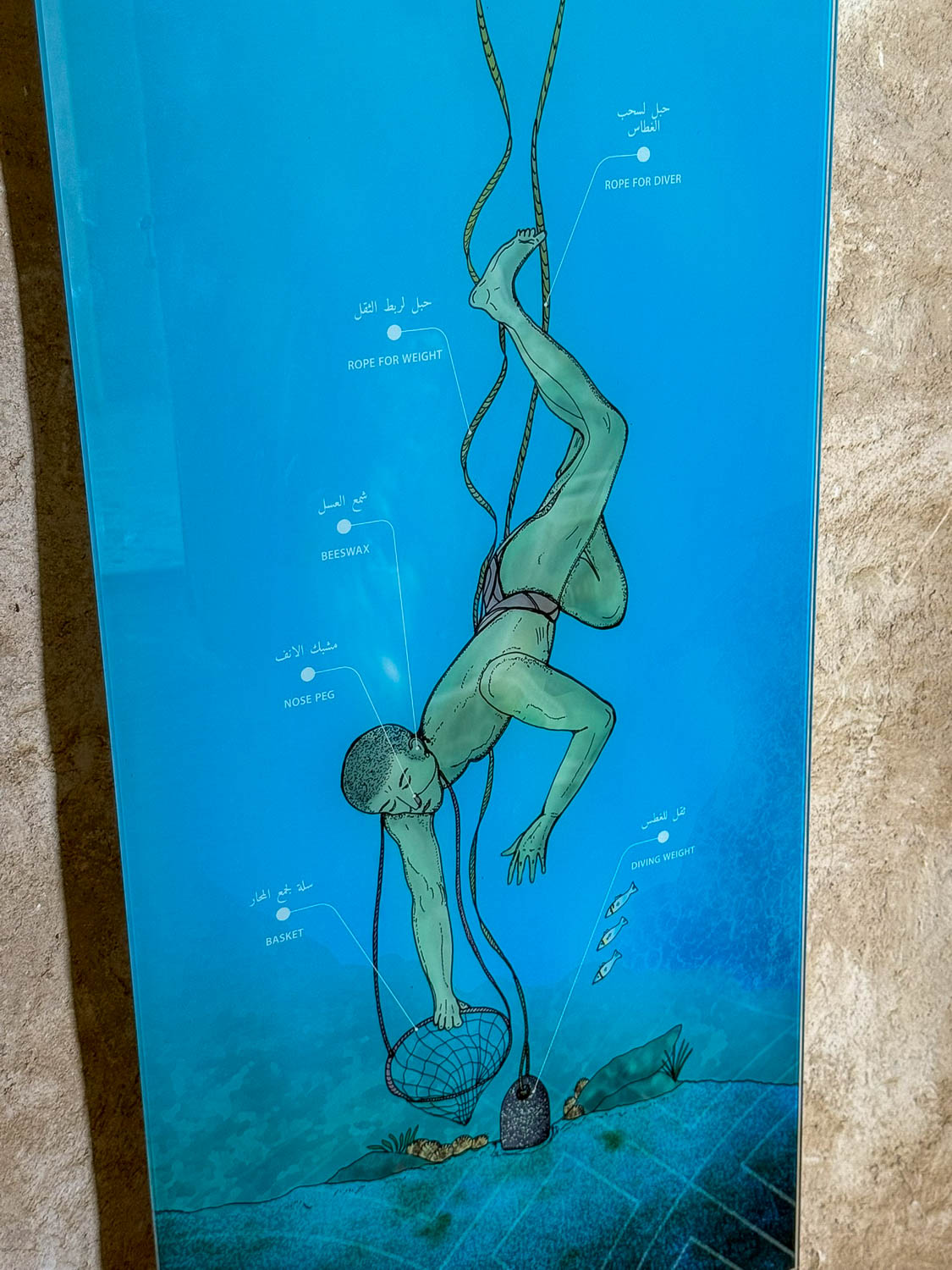
The National Museum of Qatar is also one of the best family activities in Doha, with immersive interactive exhibits for all ages. It further provides audio guide tours, has two gift shops onsite (the main gift shop and a children’s gift shop), offers numerous dining options for visitors, and includes restrooms, prayer rooms, a children’s playground, a garden (the Heritage Garden), an auditorium for special events, and a library and research center – and (drum roll please…) even has free WiFi throughout the museum complex.
Fun fact. The National Museum of Qatar is on UNESCO’s tentative list for World Heritage designation, signifying its potential future inscription.
Opening Hours and Entrance Costs
At the time of our visit, the National Museum of Qatar was open Saturday through Monday, and Wednesday, from 9am to 7pm, with extended hours on Thursdays (through 9pm). It’s also open from 1.30pm through 7pm on Fridays, with the last entry on any day 45 minutes before closing time.
The cost of admission is QAR50 (~US$14) for non-resident adults and QAR25 (~US$7) for non-resident students. Entrance is free for Qatari residents and children aged 16 and younger.
Museum of Islamic Art (MIA): A Beacon of Tradition
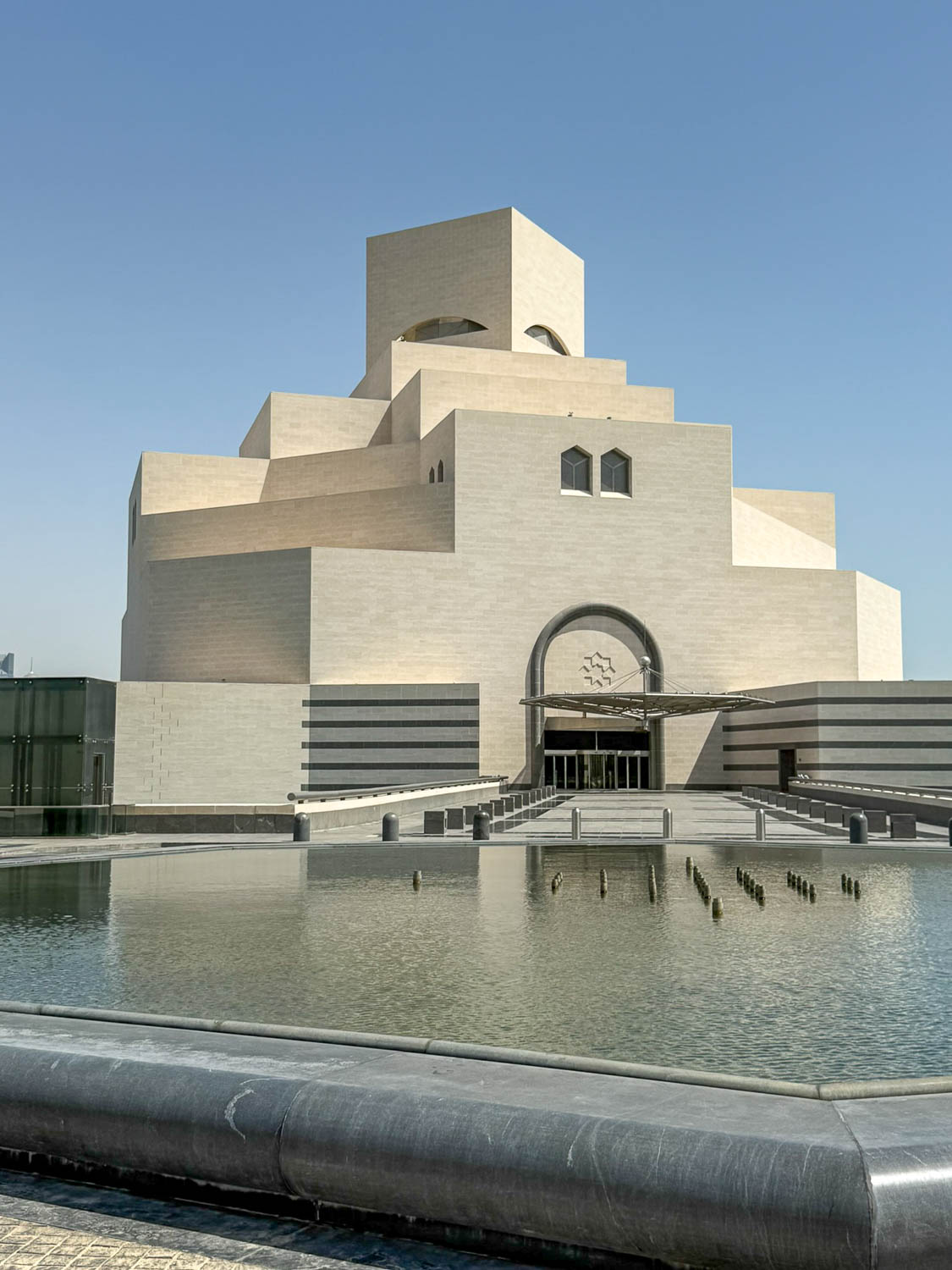
Designed by architect I.M. Pei, the Museum of Islamic Art (MIA) sits like a jewel on Doha’s waterfront. This geometric marvel offers not just one of the world’s finest collections of Islamic art, but a breathtaking architectural journey into the Islamic world.
Inside, an incredibly diverse, vast collection of ceramics, manuscripts, jewelry, metalwork, and textiles from across three continents traces the evolution of Islamic creativity, spanning almost 1,500 years.
Fun fact. Since its reopening in 2022, the MIA has truly enhanced its storytelling: the galleries have been reorganized by theme, geography, and periods. Nice work, Qatar!
Some highlights from our visit to the MIA included the following.
- Early Qur’an folios and rare manuscript works, including the Blue Qur’an and fragments from the Timurid Baysunghur Qur’an (one of the largest Qur’ans in the world).
- The Sitara of the Ka‘ba, a textile once adorning the Holy Ka‘aba (a stone building at the center of Islam’s most important mosque and holiest site in Mecca).
- The Doha Hind, a 10th-century Umayyad period bronze fountainhead in the shape of a female deer (Beck sure does love her wild animals – and this one is particularly neat!).
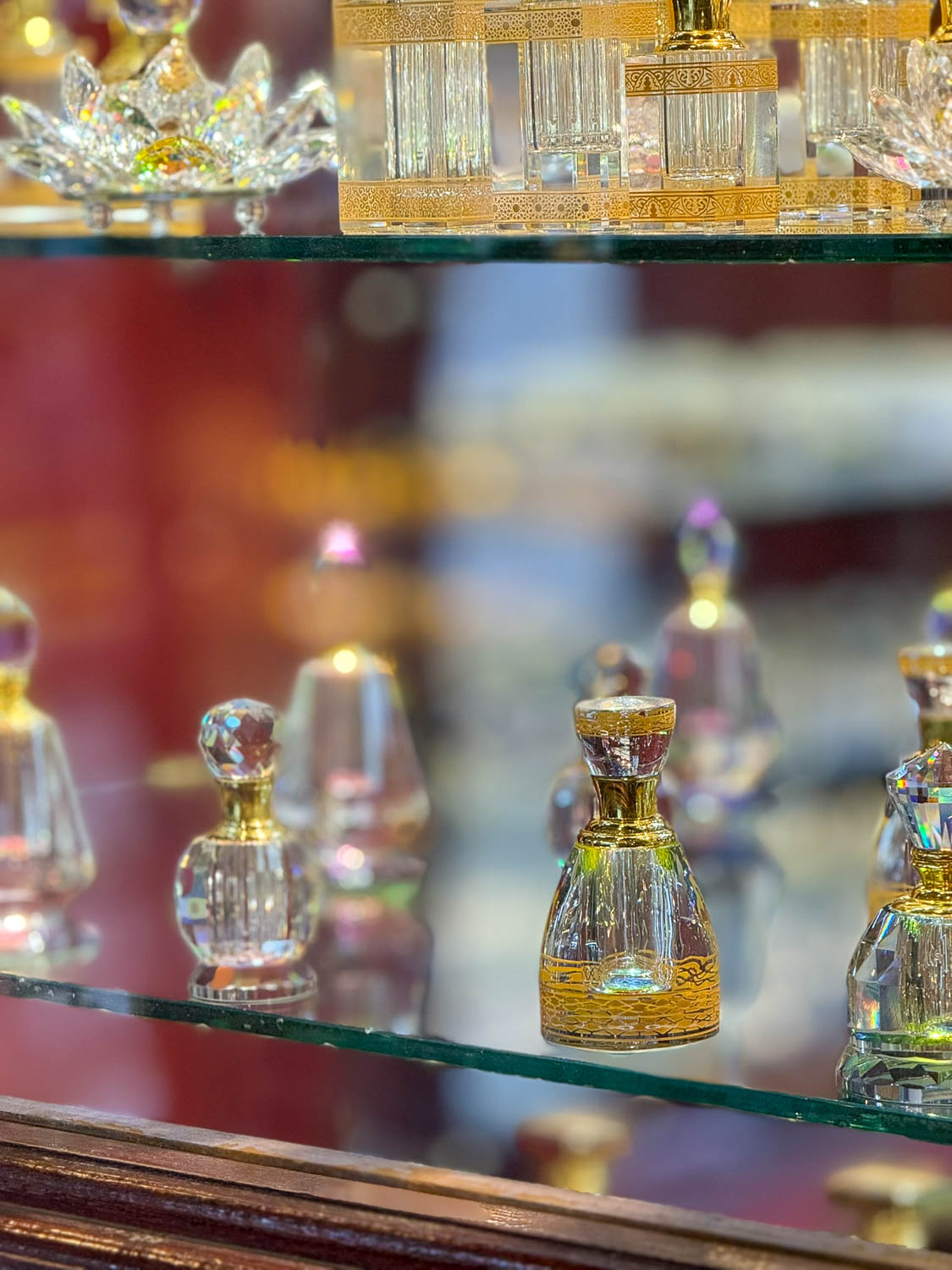
- The Cavour Vase, a famous Mamluk-era blown glass vessel from the Middle East made of cobalt-blue and decorated with incredible intricacy (it really is quite striking, especially the color!).
- Some of the pieces from ancient Mesopotamia, the region in southwestern Asia where the world’s earliest civilization developed (and let’s be honest, Mesopotamia is simply a really cool word to try to say).
- The delicate and colorful mosque lamps.
- The building itself, as well as its scenic setting (you’ll get fabulous waterfront views from all angles!).
Onsite you’ll also find the MIA gift shop, two dining options (the MIA Cafe and the Michelin-star restaurant IDAM by Alain Ducasse), prayer rooms, a library, complimentary WiFi, and clean restrooms. The museum also hosts special exhibitions, cultural events, and interactive, educational workshops.
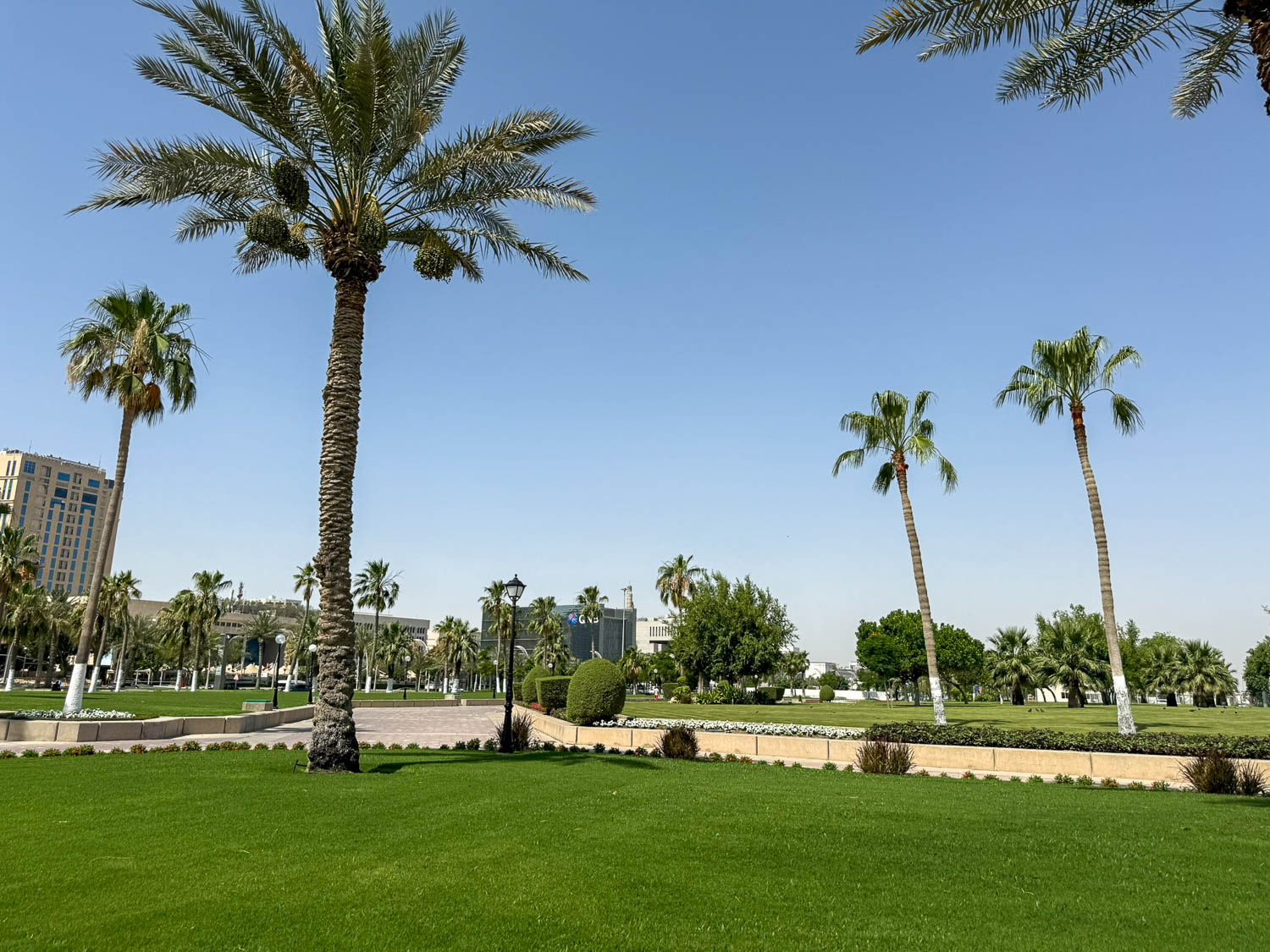
Insider tip. During your visit to the MIA, be sure to also spend some time in the family-friendly MIA Park, adjacent to the main building. It’s a fabulous outdoor space that features green lawns, a children’s playground, and fantastic views across the Gulf and back toward the Doha skyline. Certainly an excellent place to relax after all that museum-ing!
Opening Hours and Entrance Costs
At the time of our visit, the Museum of Islamic Art was open Saturday through Tuesday, and again on Thursday, from 9am to 7pm, and from 1.30pm through 7pm on Fridays (the museum is closed on Wednesdays). MIA Park, adjacent to the museum, is open 24 hours a day, 365 days a year.
Insider tip. If you’re planning to drive yourself to the MIA, note that parking is limited. We recommend arriving early, especially on weekends, as spaces tend to fill up quickly.
The cost of admission to MIA is QAR50 (~US$14) for non-resident adults and QAR25 (~US$7) for non-resident students. Entrance is free for Qatari residents and children aged 16 and younger. This entrance fee covers access to permanent collections as well as any special, temporary exhibitions.
Mathaf: Arab Museum of Modern Art

Located about 20 minutes by car directly west of downtown Doha, Mathaf: Arab Museum of Modern Art holds one of the world’s most comprehensive collections of modern and contemporary art from the Arab world, with over 9,000 pieces on display.
Exhibitions and interactive experiences, digital installations, and rotating temporary exhibits at Mathaf address migration, memory, war, and resistance. As part of Qatar’s expanding network of museums, Mathaf pushes boundaries and encourages cross-cultural dialogue: it is an ideal space for reflection, creativity, and bold commentary on the region’s evolving identity.
Some highlights from our visit to Mathaf: Arab Museum of Modern Art included the following.
- The oil painting Untitled (The Letter Ein) by Madiha Umar, which showcases her pioneering approach to modern Arabic calligraphy (Beck has always been fascinated by calligraphy and handwriting in general, so this was a big wow moment for her).
- The use of diverse mediums throughout the different galleries, reflecting the dynamic evolution of Arab art.
- The temporary exhibit Your Ghosts Are Mine: Expanded Cinemas, Amplified Voices (an exhibit that really struck a chord with Beck in particular, as it showcased works by filmmakers and artists across three different continents, exploring themes of community life, exile and transnational experiences).
- The museum’s vibrant sculpture park, located at its main entrance.
Within Mathaf: Arab Museum of Modern Art you’ll also find a gift shop full of art-inspired items, a cafe offering light refreshments, prayer rooms, a library, and indoor and outdoor event spaces.
Opening Hours and Entrance Costs
At the time of our visit, Mathaf: Arab Museum of Modern Art was open Saturday to Thursday (but closed on Mondays) from 9am to 7pm, and then on Fridays from 1.30pm to 7pm.
The cost of admission is QAR50 (~US$14) for non-resident adults and QAR25 (~US$7) for non-resident students. Entrance is free for Qatari residents and children aged 16 and younger.
3-2-1 Qatar Olympic and Sports Museum: Where Passion Meets Precision
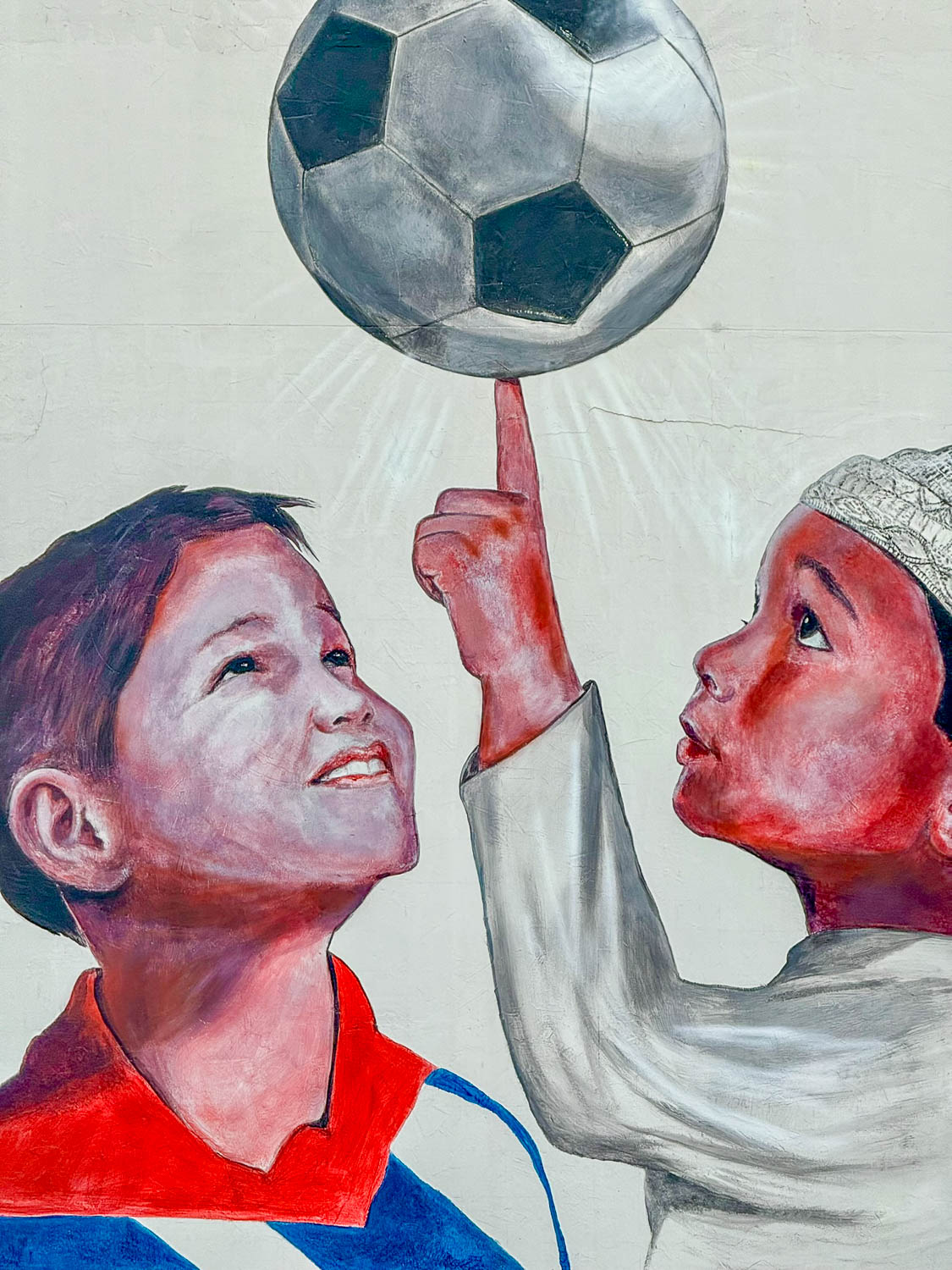
Calling all sports fans! If there’s one place you don’t want to miss in Qatar, it’s the 3-2-1 Qatar Olympic and Sports Museum, inaugurated in March 2022 and the first sports-related museum in the Middle East. Needless to say, these two sports fanatics absolutely loved it!
Spanning 19,000 square meters (almost 205,000 square feet) and connected to Khalifa International Stadium (about 20 minutes by car southwest of downtown Doha), 3-2-1 (let’s just call it that for now) is an architectural and interactive wonder, celebrating the history and culture of athletic achievement (from ancient origins to modern Olympic glory), both globally and within Qatar.
Whether exploring the feats of global sports icons, tracing Qatar’s rise as a world sports hosting nation, or testing your own skills in the interactive zones, the 3-2-1 museum offers an engaging experience that inspires movement, curiosity, and a deeper appreciation for the universal language of sport – and we certainly found it to be a genuine tribute to the human spirit.
Some of the highlights (amongst many!) of our visit to the 3-2-1 museum included the following.
- The gallery featuring the global history of sport.
- The Olympic Games gallery, showcasing memorabilia from every Summer and Winter Olympic Games since 1936 (did you know Beck has worked at two different Olympic Games over the years?).
- The Hall of Athletes (hello, Michael Jordan’s jersey and Michael Schumacher’s Formula 1 racing car!).
- Learning more about traditional Qatari sports.
- The inspiring large-scale chandelier (“Sports Ball Galaxy”), featuring sports balls suspended from the ceiling. This unique piece of art reflects the artist’s personal struggle with color blindness and adds a contemporary artistic touch to the museum’s ambiance.
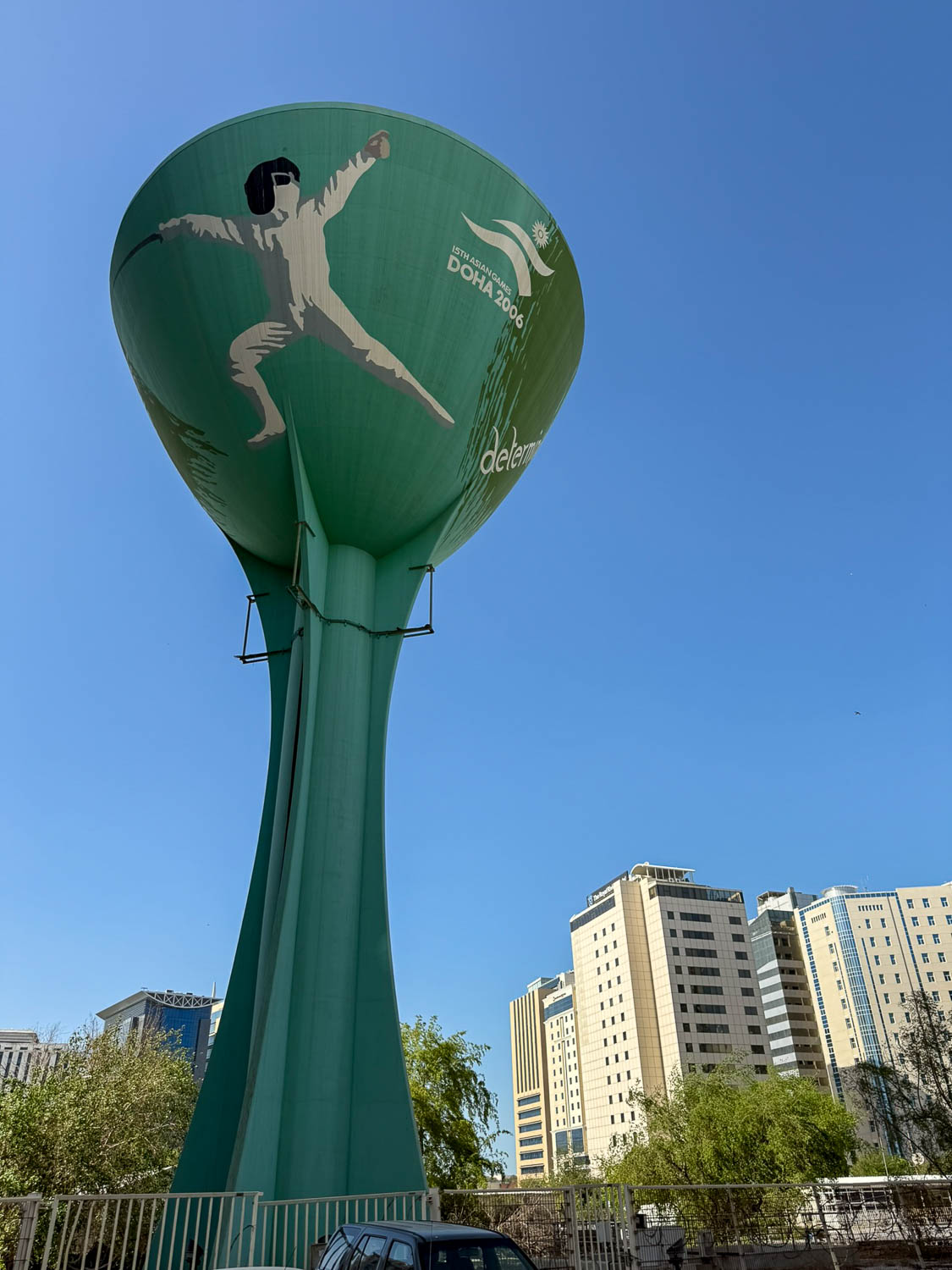
Insider tip. Be sure to check out the museum’s state-of-the-art Activation Zone, on the 5th floor. This interactive area, comprising 18 different stations, encourages visitors to explore physical activity and healthy lifestyles through engaging, hands-on challenges. Each station provides real-time feedback, allowing visitors to track their performance and receive personalized profiles upon completion. We really enjoyed the paddle board simulation (evaluating core body control and balance) and the “jeep push” (which tests one’s upper body strength by pushing a jeep through faux desert sand). Super fun!
The 3-2-1 museum also hosts numerous temporary exhibitions, so be sure to check out the QOSM website for ongoing updates and listings.
Additional amenities throughout the 3-2-1 museum include a gift shop that sells sports-themed apparel and memorabilia, the 3-2-1 cafe and Naua Restaurant, prayer rooms, a library, themed workshops, clean restrooms, and free WiFi throughout the museum complex. You can also make use of the available multilingual audio guides to help enhance the visitor experience.
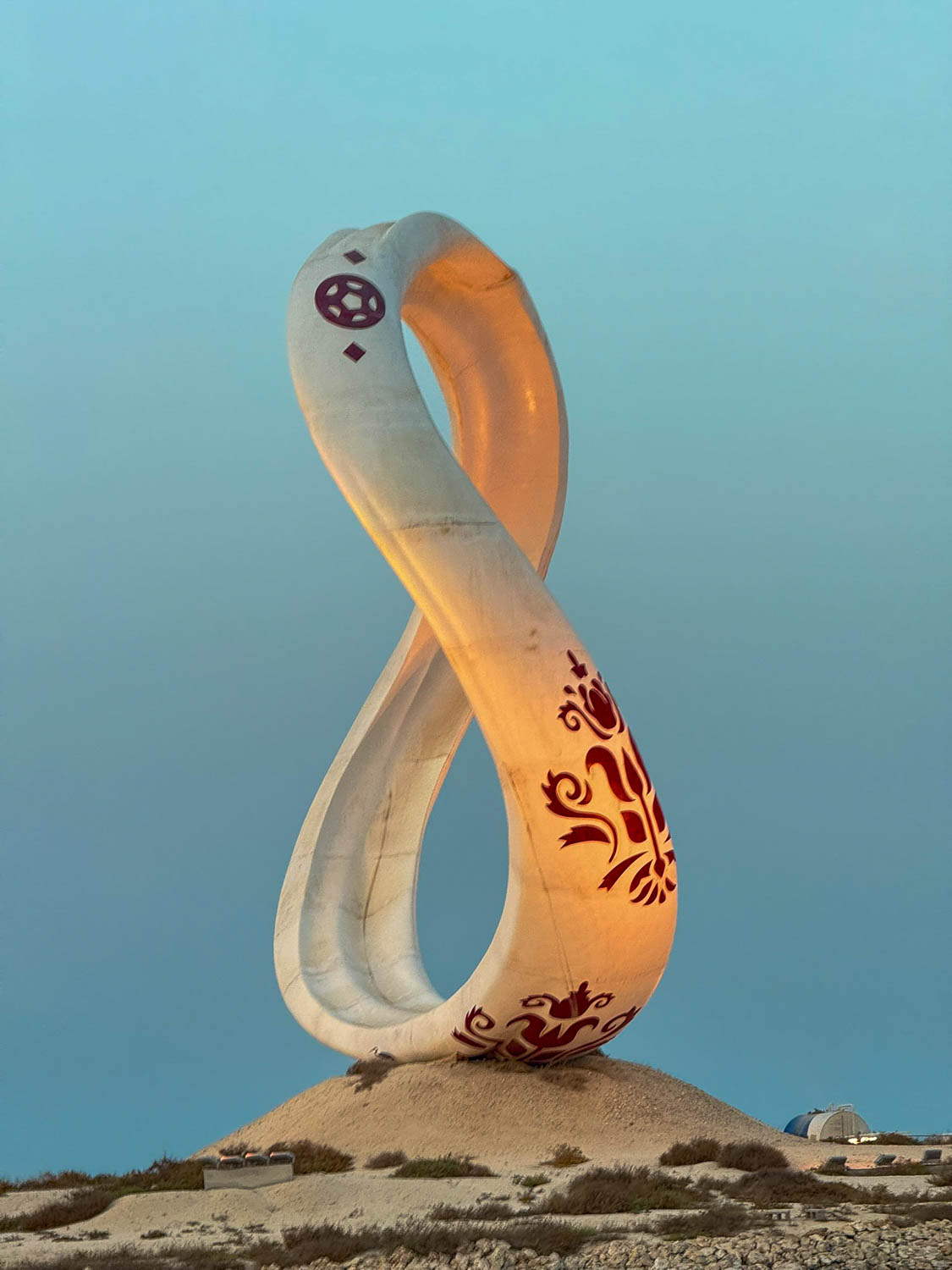
Fun fact. The name “Naua” is derived from the Arabic word meaning “nucleus of the seed”, and symbolizes the museum restaurant’s commitment to using high-quality, seasonal ingredients throughout its menu, in turn promoting mindful, healthy eating. The menu was crafted by Michelin-starred chef Tom Aikens, who is himself an avid marathon runner.
Opening Hours and Entrance Costs
At the time of our visit, the 3-2-1 Qatar Olympic and Sports Museum was open daily: from 9am through 7pm Saturday to Thursday, and from 1.30pm through 7pm on Fridays.
The cost of admission is QAR50 (~US$14) for non-resident adults and QAR25 (~US$7) for non-resident students. Entrance is free for Qatari residents and children aged 16 and younger.
Sheikh Faisal Bin Qassim Al Thani Museum (FBQ Museum)
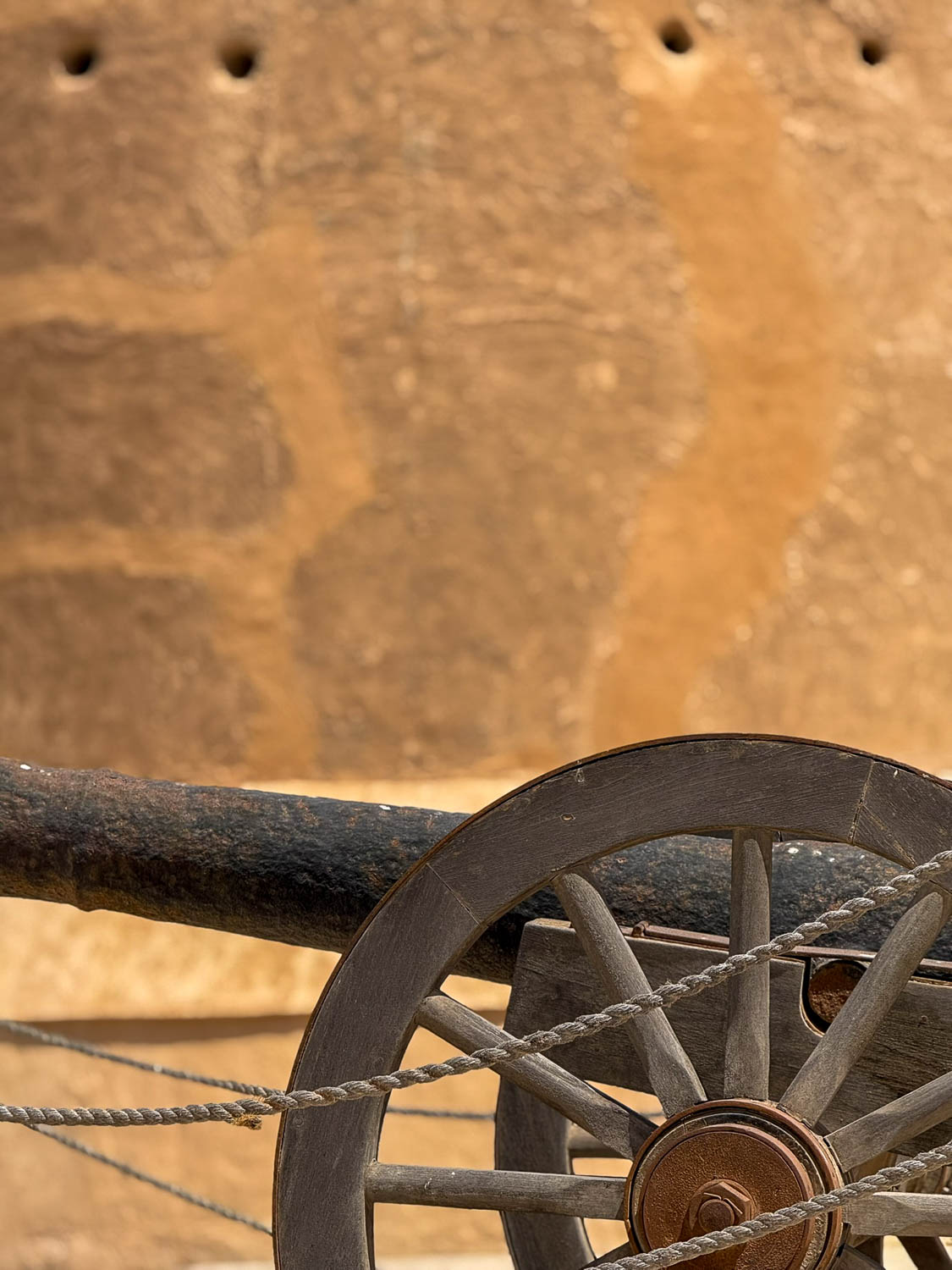
Just over half an hour northwest of downtown Doha you’ll find the eclectic and captivating FBQ Museum, a private collection of over 30,000 items curated by Sheikh Faisal Bin Qassim Al Thani. Established in 1998, this treasure trove museum is arranged into four main themes: Islamic art, Qatari heritage, international artifacts, and vintage cars (a tad random, right?). Within the galleries you’ll find rare manuscripts, weapons, coins, carpets, and even a full Syrian house reassembled piece by piece – each affording visitors a unique glimpse into a rich tapestry of global cultures and histories, and reflecting the Sheikh’s passion for preserving and showcasing cultural heritage from around the world.
Fun fact. The FBQ Museum is housed within the grounds of an historic Qatari fort at Al Samriya.
Fun fact. This cultural gem proves that history can be intimate, surprising, and profoundly personal.
Insider tip. Not all museums permit photography within the museum walls. The FBQ Museum, however, does! Just make sure you’re not using flash. Videos are also permitted, though we understand that professional photography requires prior approval from the FBQ Museum management.
Some highlights for your visit to the FBQ Museum might include the following.
- The remarkable collection of over 600 vintage vehicles, ranging from early 20th-century automobiles to classic motorcycles (you know Beck loves these in particular!).
- The eight (yes, 8!) halls dedicated solely to Islamic art.
- The comprehensive collection of ancient and modern coins and currency (another favorite of Beck’s – she probably could have added her own hoard of global currencies to the Sheikh’s!).
- A fully furnished traditional Syrian home, meticulously reassembled within the museum (pretty neat, right?).
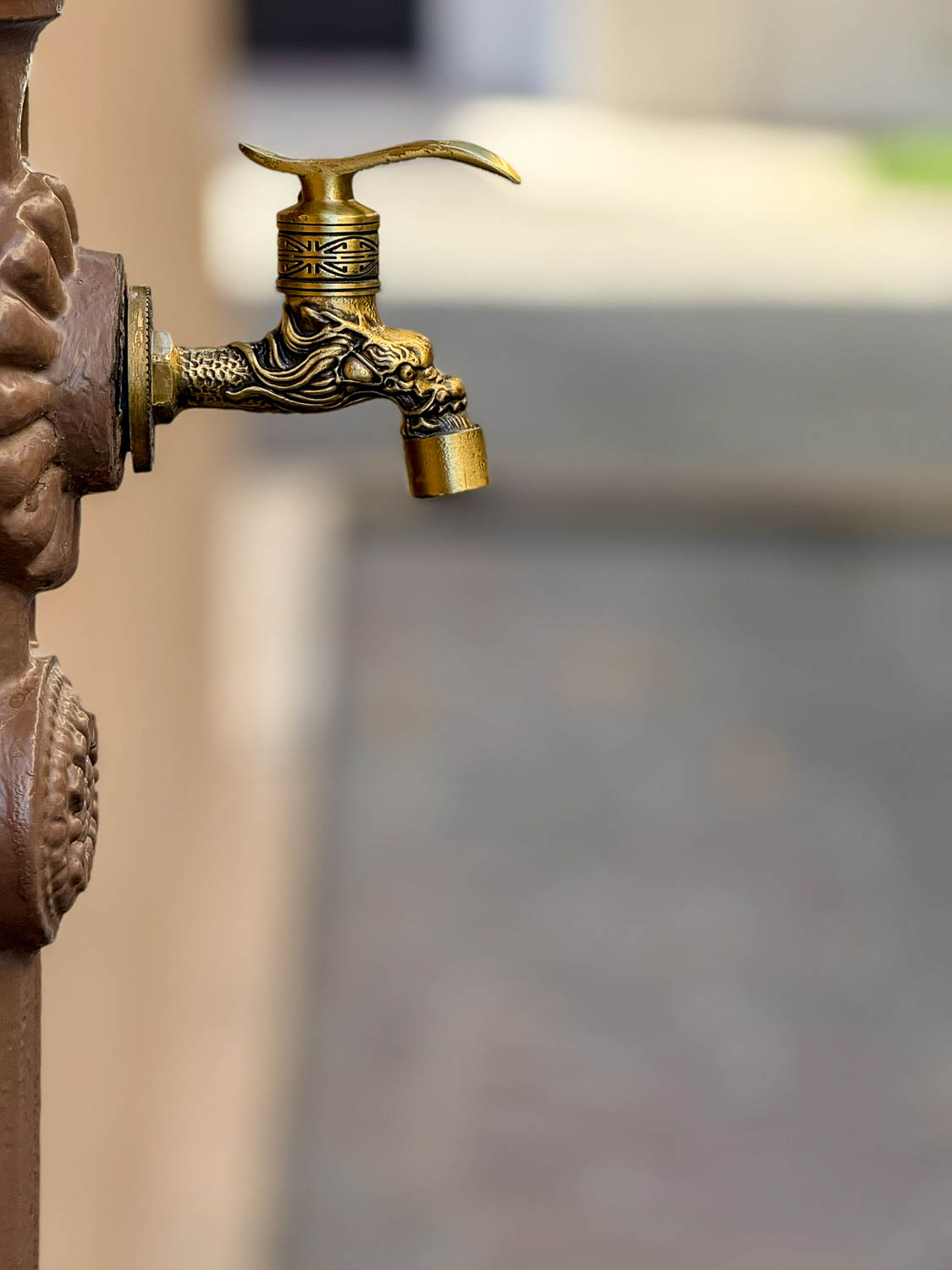
Insider tip. Guided tours of the FBQ Museum are available, but should be booked in advance.
Fun fact. The FBQ Museum hosted the Artists in the Time of COVID-19 exhibition in 2020, a poignant three-part series featuring artwork from more than 30 Qatar-based artists, reflecting on their experiences during the pandemic. The emotional and social impacts of the pandemic were highlighted through paintings, photography and videos, art installations, and mixed media pieces, capturing themes of isolation, resilience, and transformation.
Along with the above highlights, the FBQ Museum has numerous additional amenities to help enhance the visitor experience: a cozy onsite cafe with both indoor and outdoor seating, a gift shop, clean restrooms, free parking, international exhibitions, cultural programs and events.
Insider tip. Want to grab something from the cafe during your visit? The final call for food and drink orders is half an hour prior to the museum’s closing.
Opening Hours and Entrance Costs
At the time of writing, the FBQ Museum was open on Saturdays from 10am-6pm, Monday through Thursday from 9am-5pm, and Fridays from 2pm-7pm.
The cost of admission is QAR50 (~US$14) for non-resident adults and QAR30 (~US$8.25) for students, seniors, teachers and museum professionals. Entrance is free for Qatari residents and children aged 12 and younger. Special group rates are also available.
Insider tip. Admission is free for visitors with disabilities and their caretakers.
Katara Cultural Village: Art in Action
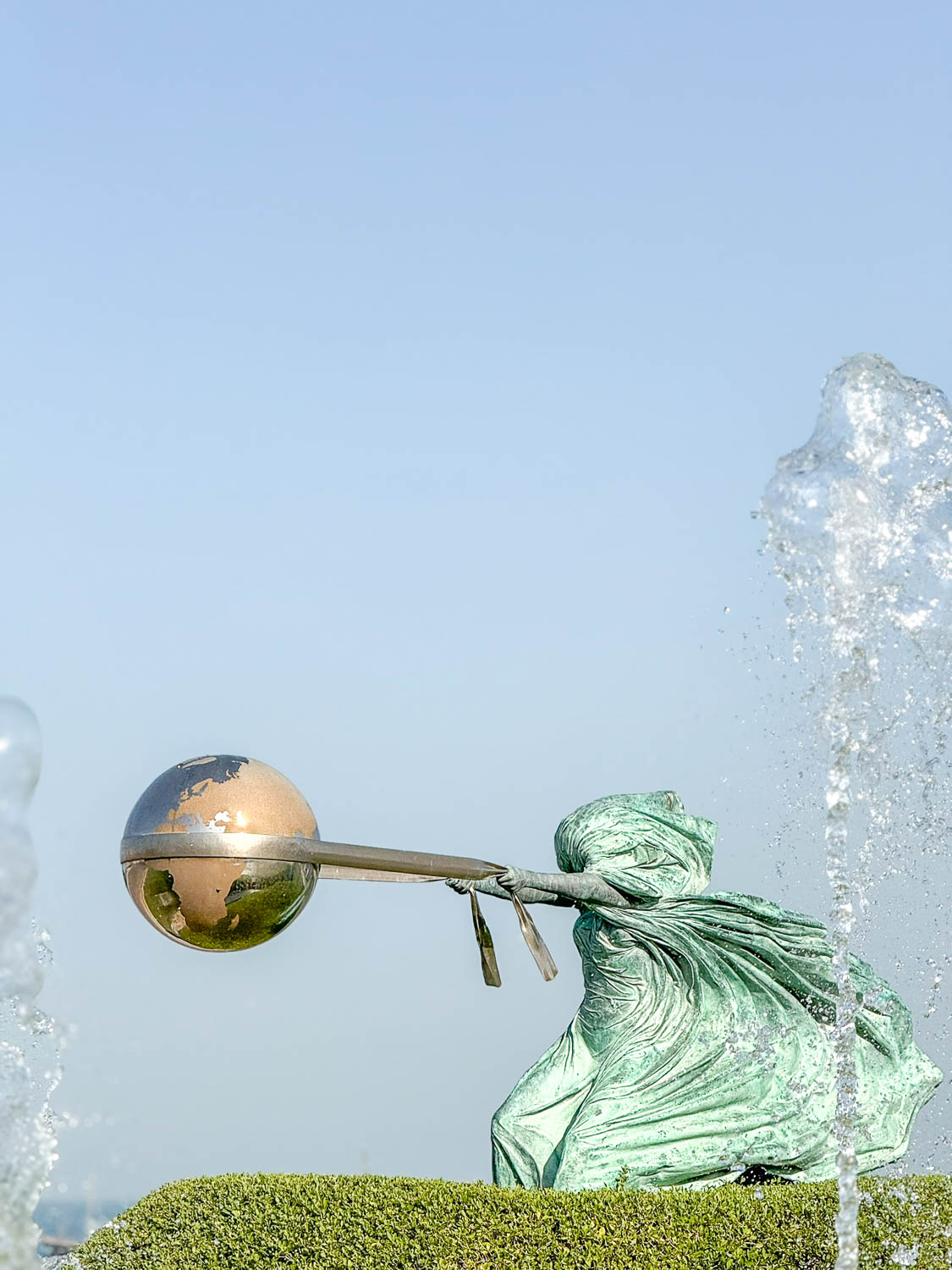
No visit to Doha is complete without exploring the Katara Cultural Village, a visionary space built to foster cultural exchange and artistic collaboration. Nestled about 15-20 minutes by road directly north of downtown Doha, Katara is a vibrant, sprawling complex that celebrates Qatar’s rich artistic, cultural, and culinary heritage.
Stroll through open-air galleries, see performances at the opera house or within the large, 5000-spectator amphitheater, admire public art and visit traditional mosques, and enjoy contemporary exhibitions, all in one place.
We’ve written a detailed article that covers everything you’ll need to know for a visit to Katara Cultural Village – be sure to check it out!
Opening Hours and Entrance Costs
Katara is typically accessible 24 hours a day, affording visitors the flexibility to explore its public spaces at any time. Note, however, that individual venues – think restaurants, galleries, shops, and other attractions – each follow their own distinct opening hours. In general, however, most sites are open from mid-morning until late evening.
There is no fee to visit Katara Cultural Village, though certain experiences and venues within the village – including film screenings, seasonal events, festivals and workshops – may require a ticket purchase.
Specialized and Family-Friendly Museums
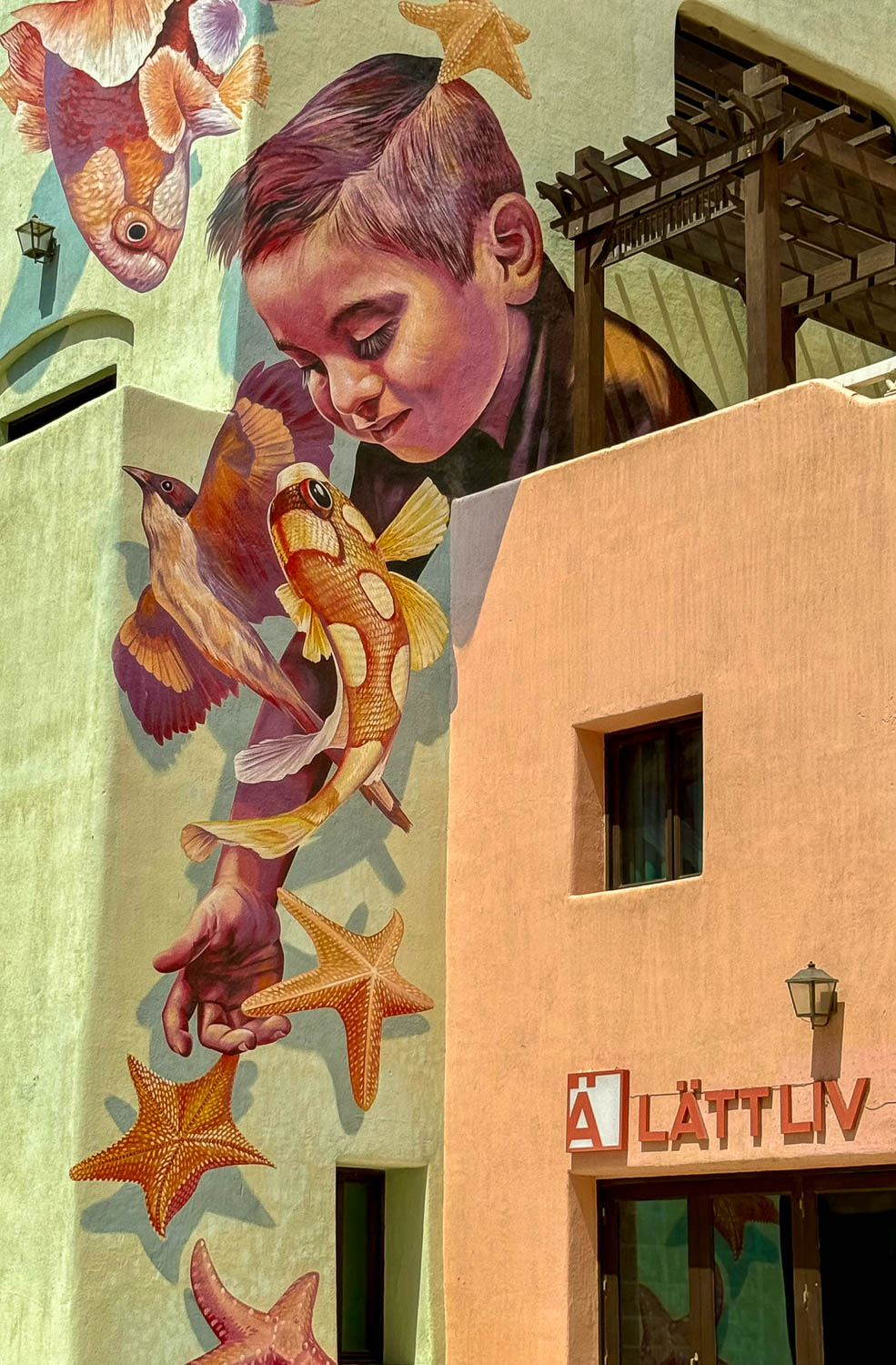
In addition to the major institutions listed above, Qatar is also home to a growing list of niche attractions perfect for kids and curious minds of all ages. During your time in Doha, you may also wish to consider visiting the following, especially if you have little ones in tow.
Museum of Illusions
Located in the Gate Mall in Doha’s West Bay, this is a popular destination that utilizes optical illusions, hands-on interactive displays, and visually-engaging installations to teach visitors about perception, vision science, and how our brain interprets the world. An excellent choice for kids (big and small!) who enjoy immersive, playful, sensory-focused learning.
Al Thuraya Planetarium
Qatar’s first astronomical dome and planetarium, kids and adults alike can enjoy immersive space shows (in both 2D and 3D), and interactive exhibits about astronomy, geology, weather, and even atmospheric science. The planetarium is located within the Katara Cultural Village complex.
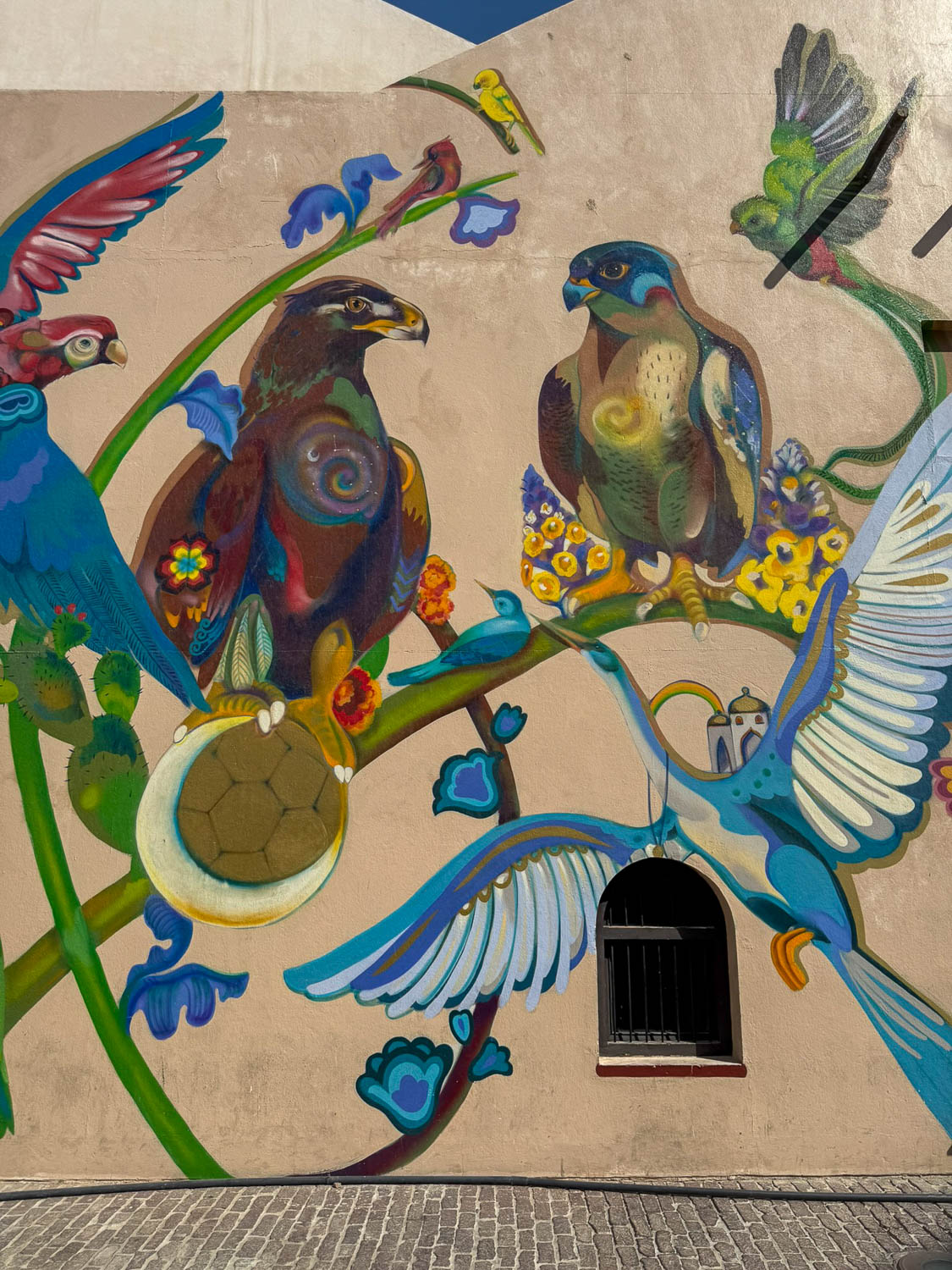
Dadu, Children’s Museum of Qatar
Just a hop, skip and a jump from the Corniche Metro Station, you’ll find the Dadu Gardens. A museum of the same name is currently under development and set to open in 2026. The Dadu museum is being designed to foster creativity and learning in children, through interactive play and discovery.
Fun fact. “Dadu” means play or fun in Arabic.
Are you heading to Doha before this museum opens? No worries, as the signature Dadu Gardens are already open and serve as a “living classroom”: think playgrounds, activity rooms, gardens, water features, and spaces for creative and nature-based play, all with the aim to help promote compassion, generosity, and social responsibility.
Mobility and Accessibility at Qatari Museums
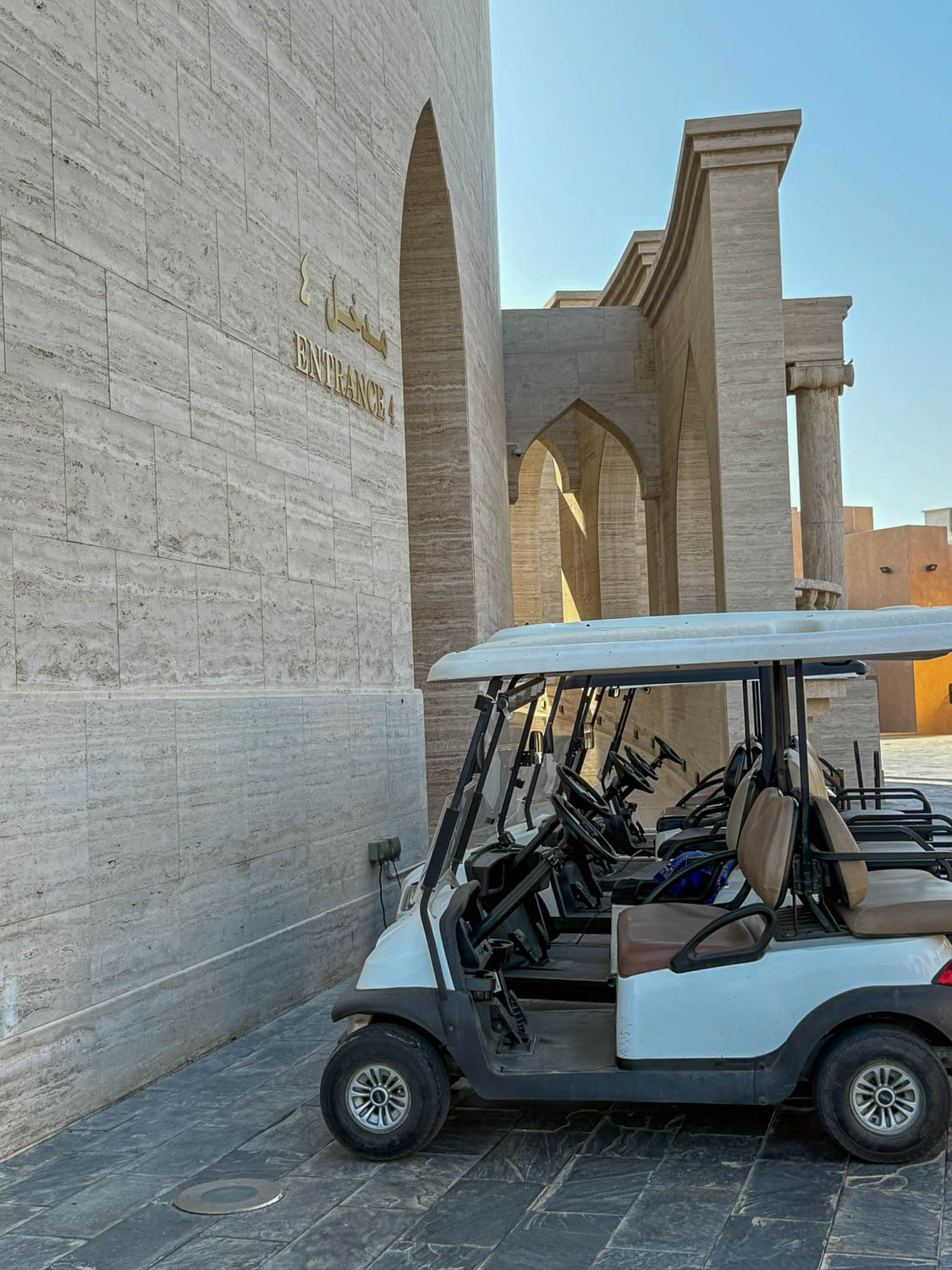
At most museums throughout Qatar you’ll find plenty to support visits from individuals who may have additional needs. The following is a sample of some of the additional amenities available.
- Wheelchair ramps, lifts and elevators
- Wheelchairs for visitor use
- Accessible parking spaces
- Audio guides and tours for visually-impaired visitors
- Sign Language tours and hearing-assist devices
- Braille labeling
- Visitor guides, maps, and sometimes exhibition texts in multiple languages, including English and Arabic
- Tactile models
- Smell and multi-sensory activities and displays
- Safe/Sensory rooms and resources for visitors with sensory processing disorders
- Stroller-friendly paths
- Playgrounds and outdoor parks adjoining museums
- Restrooms with baby-changing facilities
- Nursing rooms
- Affordable or free access for certain groups
Insider tip. Most museums in Qatar provide guidelines about accessibility on their websites, enabling you to plan ahead. Be sure to consult these websites ahead of time, should you or anyone with whom you’re traveling require additional assistance.
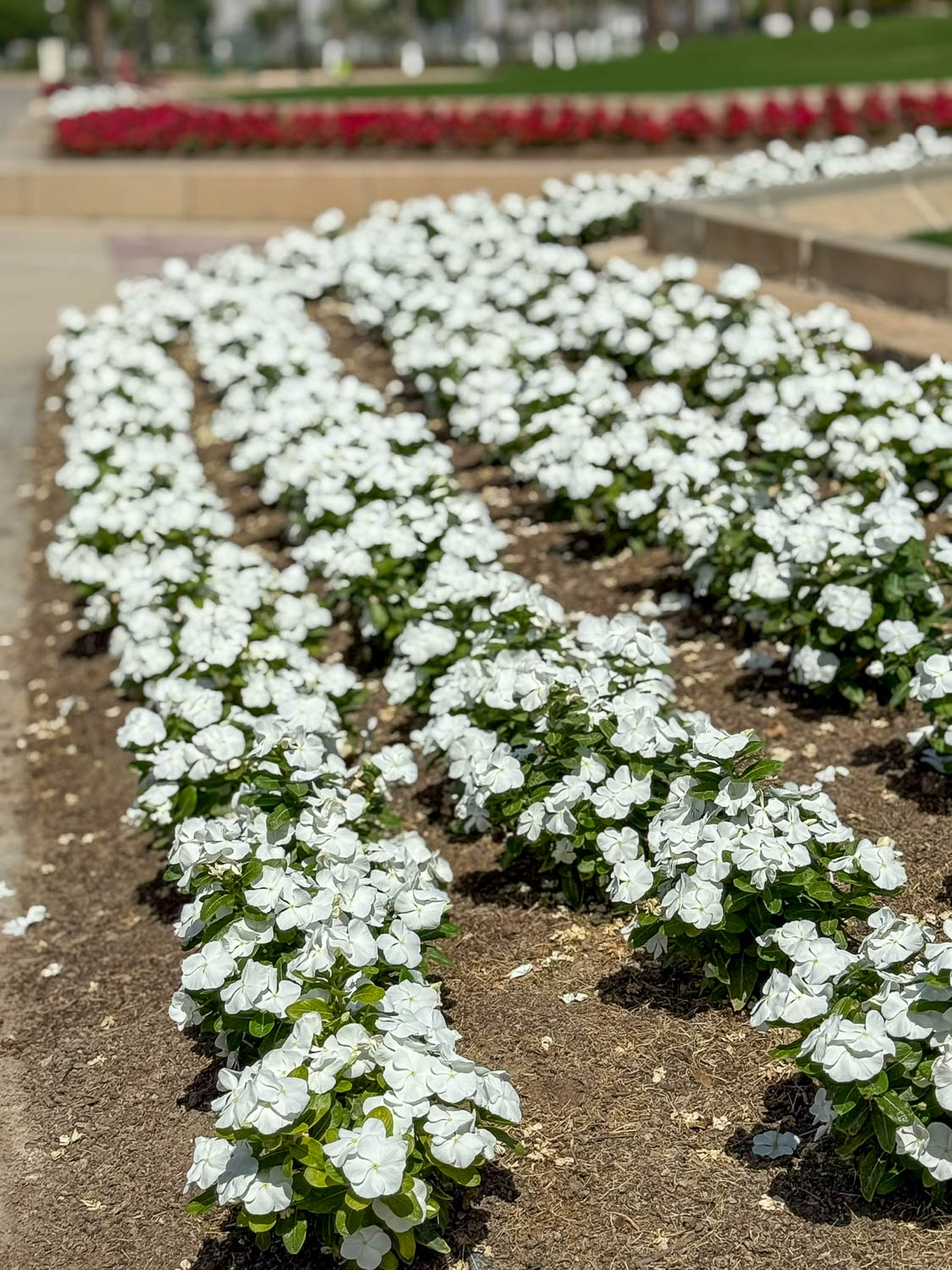
Insider tip. Some outdoor museum areas have cobblestones or uneven surfaces, which may be challenging for strollers and wheelchairs, or for those with mobility concerns.
Insider tip. Weather or other seasonal impacts on outdoor playgrounds or gardens (for example, excessive heat – this is Qatar, after all!) may limit usability or hours (fun fact: Dadu Gardens closes when the weather outside reaches above a certain temperature).
What’s On: Museum Events
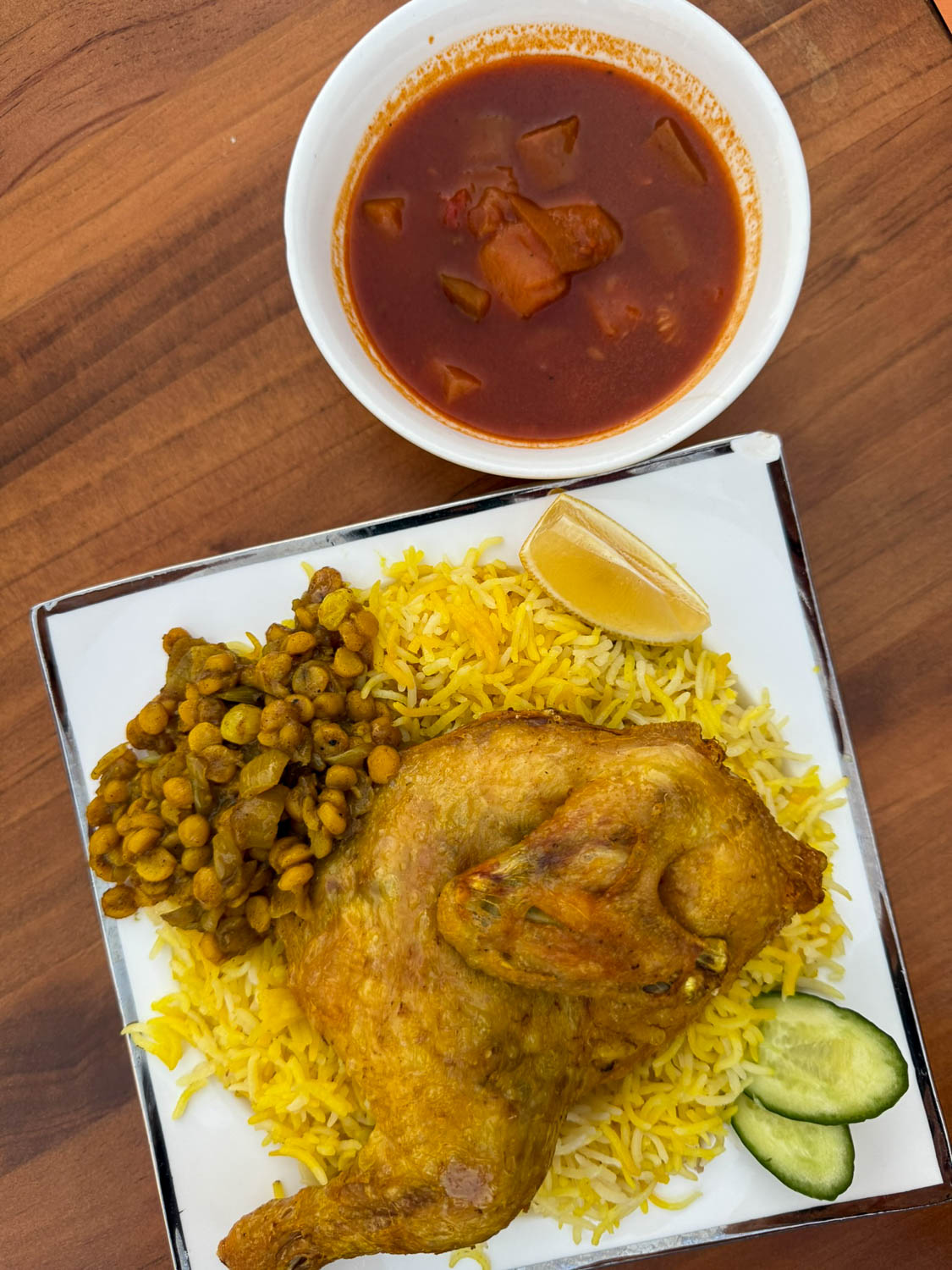
Aside the incredible permanent exhibitions you’ll find at each museum throughout the country, there’s always something happening at Qatar’s fabulous cultural institutions. These dynamic events and initiatives highlight a commitment to fostering creativity, cultural exchange, and community engagement.
For example, the Museum of Islamic Art ran A Seat at the Table: Food & Feasting in the Islamic World through November 2025, an exhibition blending art, culture, and culinary history. Delving into the role food plays in Islamic traditions and offering insights into cultural culinary practices, you know this was one event our resident foodie, Mike, would have loved!
Whenever your travels bring you to Qatar, and regardless of the season, you’ll likely encounter something extra at the museums you choose to visit. These annual and temporary events and initiatives underscore Qatar’s vibrant cultural scene, offering diverse opportunities for artists, visitors and locals to engage with art and heritage.
Insider tip. We recommend staying up-to-date with seasonal events, pop-up exhibitions, festivals and performances through the official Visit Qatar website.
Some examples of Qatar’s museums that offer “a little extra” are listed below.
Cultural Workshops
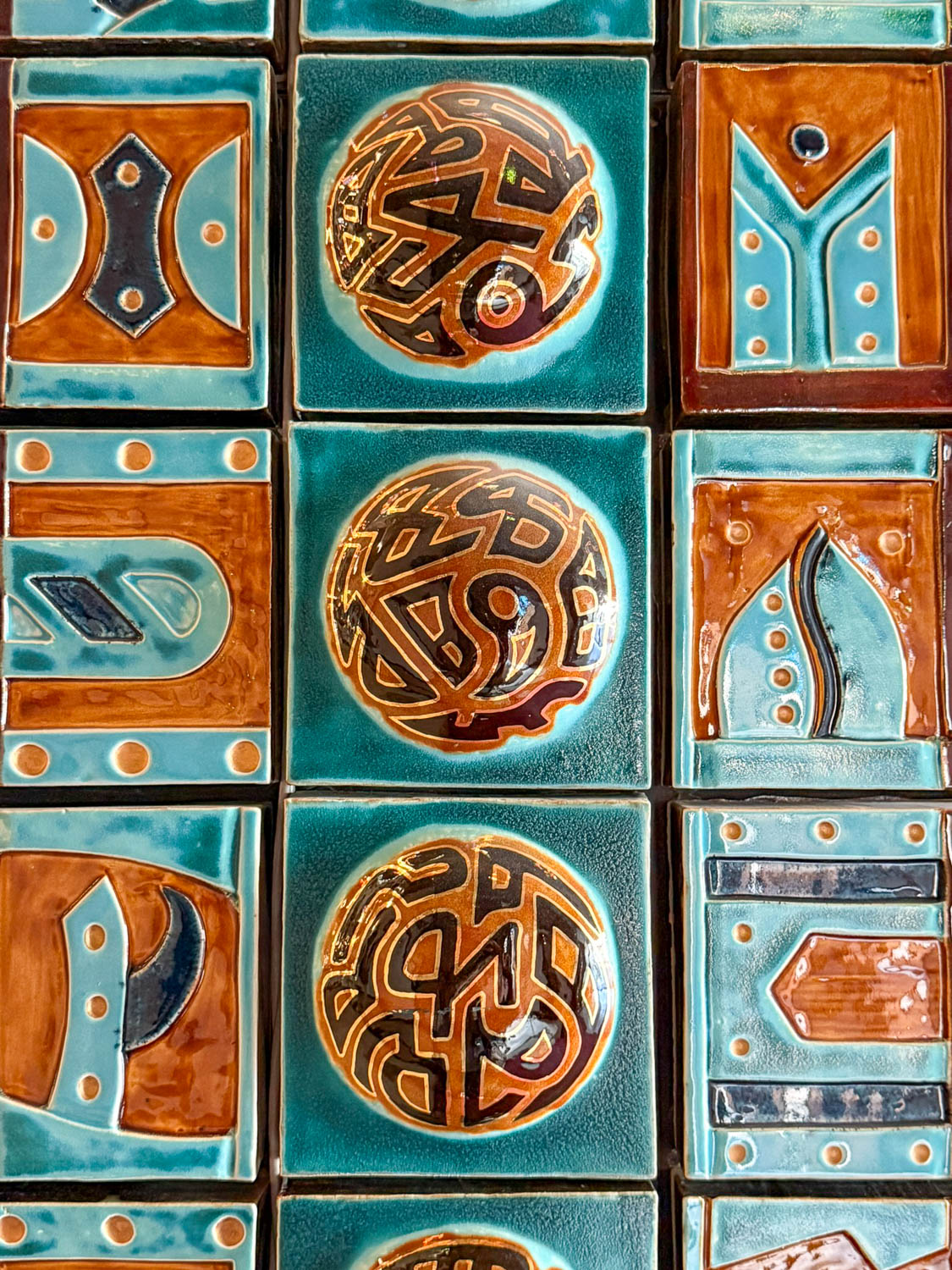
Across Qatar’s museums, visitors can join thoughtfully designed workshops that introduce them to everything from traditional art techniques to family storytelling, helping visitors connect with Qatari culture beyond the display cases.
Workshops are regularly offered at Qatar’s museums, with some examples including the following.
- The Museum of Islamic Art offers calligraphy workshops in scripts that include Ruq’ah, for both adults and young learners of all skill levels.
- Within its artistic programming, the MIA also runs thematic workshops (for example, Materials in Islamic Art) that dive into how pieces within their vast collection are made.
- MIA’s My Plate at the Table series links dining and cultural identity with art-making, permitting participants the opportunity to design ceramic plates inspired by their permanent collection of artwork and artifacts.
- At both MIA and Mathaf: Arab Museum of Modern Art families can join storytime sessions: bilingual, gallery-based, and with a hands-on activity component.
- Mathaf also hosts more experimental workshops that include Realms of Rhythm, blending movement, sound and visual art, and generally appealing to teens and adults.
Annual Festivals
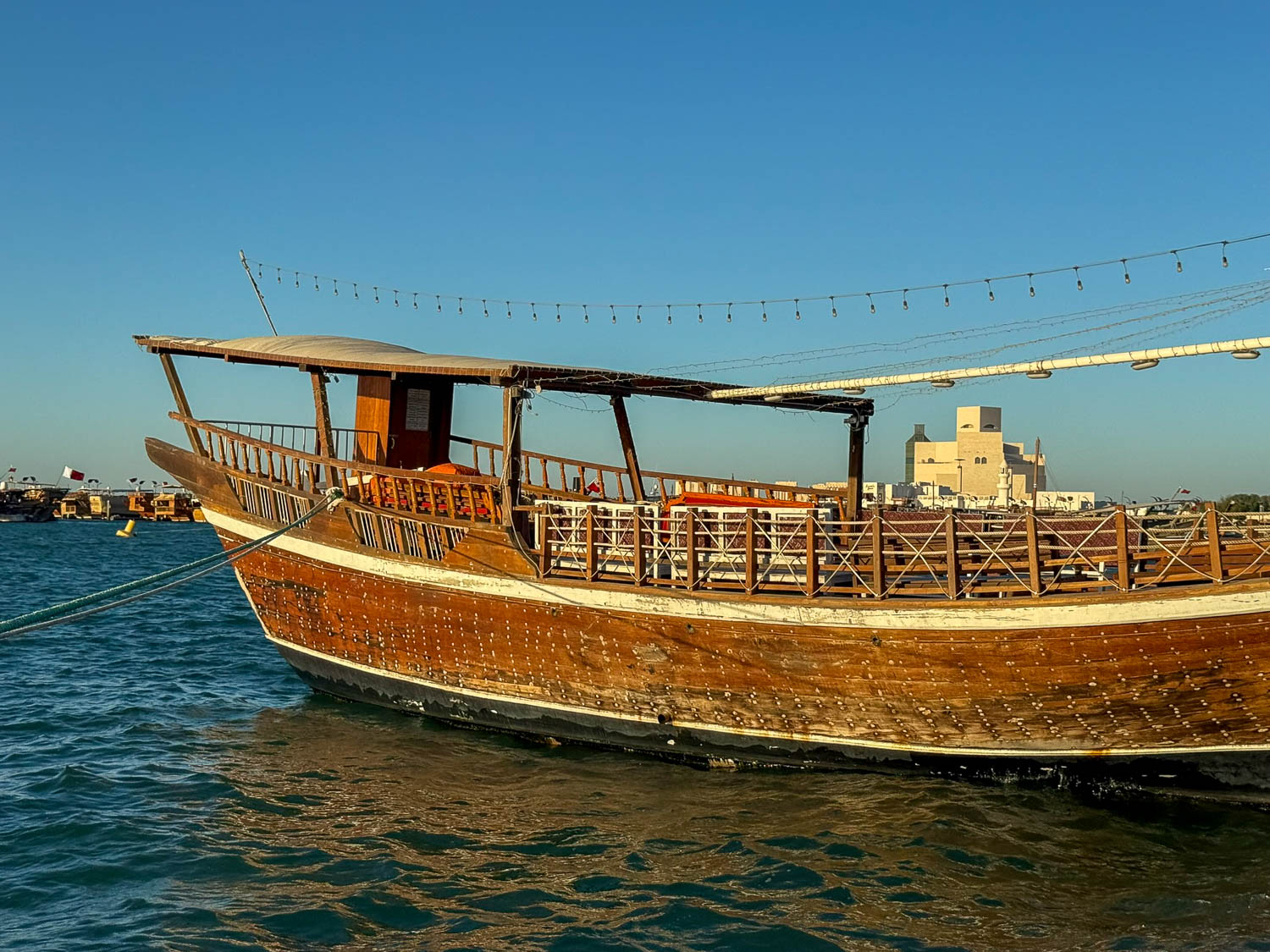
Beyond permanent displays, exhibitions and workshops, many museums in Qatar also bring their grounds to life with festivals, seasonal events and cultural celebrations throughout the year. These occasions invite visitors and residents to connect through art, food, music, and shared creative experiences, adding a lively community element to the museum experience.
For example, Katara Cultural Village hosts several annual festivals, including the following.
- The Senyar Championship (or Senyar Festival), celebrating the nation’s rich maritime heritage through traditional fishing and pearl-diving competitions.
- The Traditional Dhow Festival, which also aims to highlight and honor the country’s maritime traditions.
- The Qatar International Art Festival, featuring live performances, exhibitions, workshops (and more!) that bring together artists from across the globe.
And then there’s the Tasweer Photo Festival Qatar, a biennial celebration of photography that brings together exhibitions, awards, workshops, and collaborations that shine a spotlight on photographers from Qatar and across the wider Western Asia and North Africa region. This festival is an inspiring event for travelers who enjoy exploring diverse perspectives and creative storytelling through the lens (you know this is definitely one for Beck!). The Tasweer Photo Festival is held at multiple venues around Doha, including within the Katara Cultural Village and Mathaf: Arab Museum of Modern Art.
Final Thoughts
Throughout Qatar’s vibrant capital city you’ll find numerous museums showcasing not only art and artifacts, but the essence of Qatar. These museums are not simply a collection of buildings — they’re a living tribute to the region’s creative evolution, spiritual heritage, and artistic ambition. They represent a conscious effort to preserve the past, celebrate the present, and inspire the future.
Together, these cultural institutions highlight Qatar’s growing role as a cultural hub in the region. They invite visitors of all ages to learn, reflect, and connect, making them not simply stops on a sightseeing tour, but essential experiences in understanding the nation today. For visitors, Qatar’s museums provide a perfect balance of discovery, inspiration, and a true sense of place. From ancient artifacts and Islamic masterpieces to bold contemporary installations, each museum tells a different chapter of Qatar’s journey, blending tradition with innovation.
Whether you’re wandering through the desert-rose inspired halls of the National Museum, admiring global treasures at the Museum of Islamic Art, marveling at public art along the Doha corniche, or engaging with modern voices at Mathaf, the experience is both enriching and deeply personal. Like us, you’ll no doubt find yourself falling for the captivating world that is housed within Qatar’s museums.
Are you ready to be challenged, to be uplifted, and to be surprised? The museums of Qatar can do all this and more — through architecture, storytelling, hospitality, and bold cultural vision. So go ahead, fellow wanderers — book that flight, pack your sense of curiosity and appetite for knowledge, and prepare to experience a destination where every museum is a window into the soul of a nation. We’ll see you in the galleries.
FAQs
What are the best museums in Qatar for first-time visitors?
Most first-time visitors to Qatar should prioritize the National Museum of Qatar and the Museum of Islamic Art. Together, they provide the strongest introduction to Qatari history, Islamic culture, architecture, and modern Doha.
Are Qatar museums worth visiting?
Yes — Qatar museums are among the country’s top cultural attractions. Beyond the exhibits themselves, many museums feature world-famous architecture, interactive experiences, waterfront settings, and family-friendly activities that make them worthwhile even for casual museum visitors.
Which Qatar museum is best for families?
The 3-2-1 Qatar Olympic and Sports Museum is one of the best family-friendly museums in Doha thanks to its interactive exhibits and activity zones. Families may also enjoy the Museum of Illusions and the outdoor Dadu Gardens experience.
How much time should I spend visiting museums in Doha?
Most visitors spend between 2–4 hours at a single major museum. A full museum-focused day in Doha often includes two museums plus nearby attractions such as the Corniche, MIA Park, Katara Cultural Village, or Souq Waqif.
Which museum in Qatar has the best architecture?
The National Museum of Qatar and the Museum of Islamic Art are widely considered the most architecturally impressive museums in the country. The National Museum’s desert rose-inspired design and the MIA’s geometric waterfront setting are both major highlights for visitors and photographers alike.
Explore More Of Qatar
-
Cuisine of Qatar: A Traditional Culinary Exploration
Cuisine of Qatar reflects the country’s rich cultural heritage through dishes like Machboos, Harees, Thareed, and Luqaimat. This guide explores traditional Qatari food, popular beverages, dining customs, and the culinary experiences that help define modern Qatar.
-
The Pearl Qatar: Family Friendly Activities on This Island in Doha
Discover family-friendly things to do at The Pearl-Qatar including canal walks, marina dining, indoor entertainment, beaches, and kid-friendly activities in Doha.
-
The Pearl Qatar: Things To Do On This Island in Doha
Explore The Pearl Qatar, Doha’s luxurious man-made island of marinas, cafés, and waterfront charm—where culture, comfort, and adventure meet.
-
Katara Cultural Village, Doha: Top Things To Do
Discover why Katara Cultural Village is one of Doha Qatar’s top attractions. Explore stunning mosques, public art, galleries, Katara Beach, dining, shopping, and cultural experiences in this complete visitor guide.
-
Dhow Harbour, Doha Qatar: A Serene Maritime Experience
Dhow Harbour in Doha showcases Qatar’s maritime heritage through traditional wooden dhows, sunset cruises, waterfront views, and cultural experiences along Doha Bay near the Corniche and Souq Waqif.
-
Discover Doha Corniche: An Iconic Qatari Experience
They say a city’s soul is often revealed at its edges — and nowhere is that more true than…
-
Souq Waqif Opening Hours: When to Visit for the Best Experience
Souq Waqif opening hours shape the entire experience—from peaceful morning alleyways to lively nighttime crowds. Here’s the best time to visit Doha’s famous market.
-
Souq Waqif Festivals: Cultural Celebrations in Qatar
Discover the best Souq Waqif festivals in Doha, Qatar, from Ramadan celebrations and Arabian horse shows to flower exhibitions, cultural events, and family-friendly entertainment.
-
Souq Waqif: Your Guide to the Doha Marketplace
Souq Waqif is the cultural heart of Doha and one of the Middle East’s most iconic marketplaces. This guide covers the best things to do in Souq Waqif, including the Falcon Souq, Gold Souq, shopping, dining, family-friendly activities, and local tips to help you plan your visit with confidence.