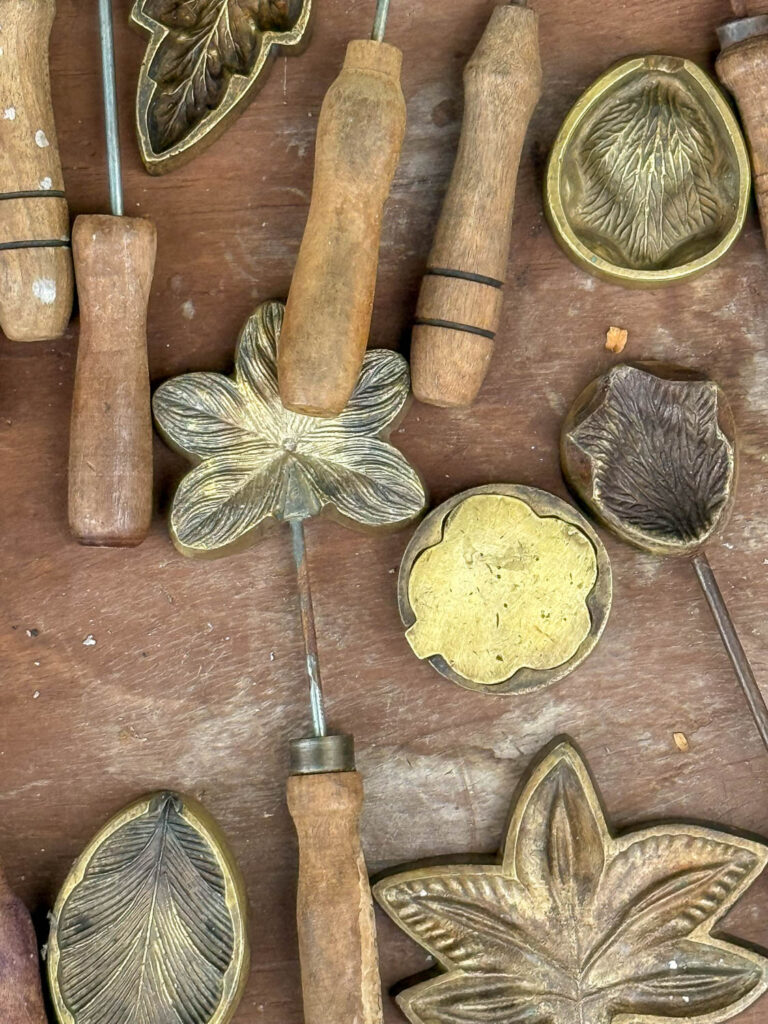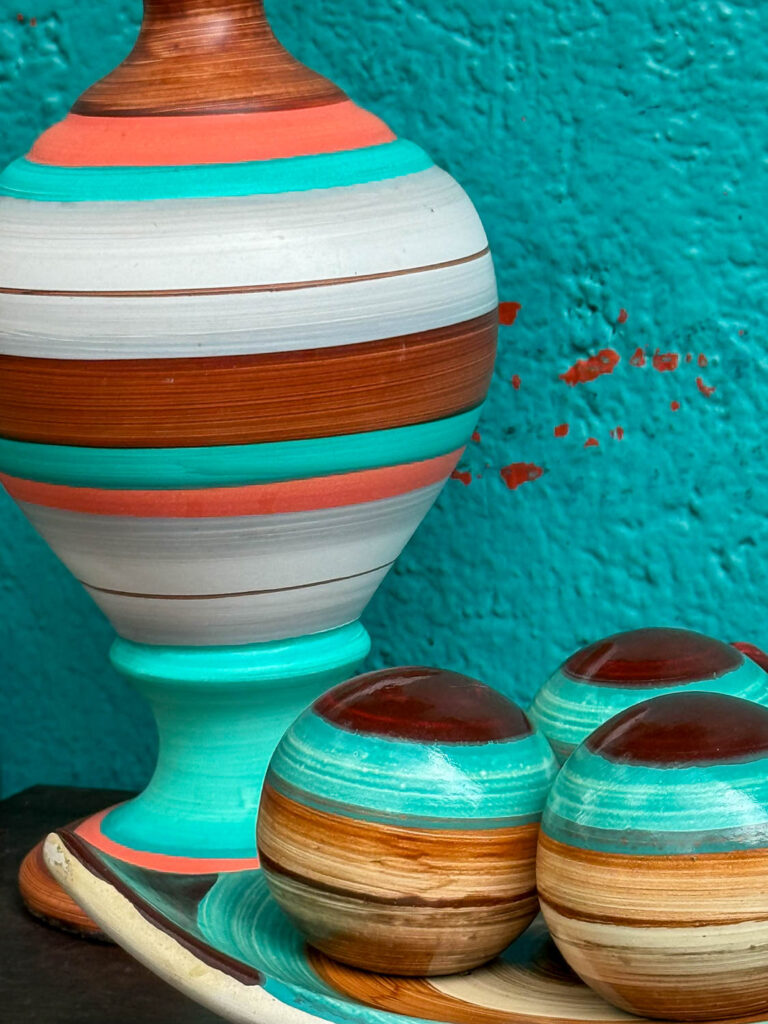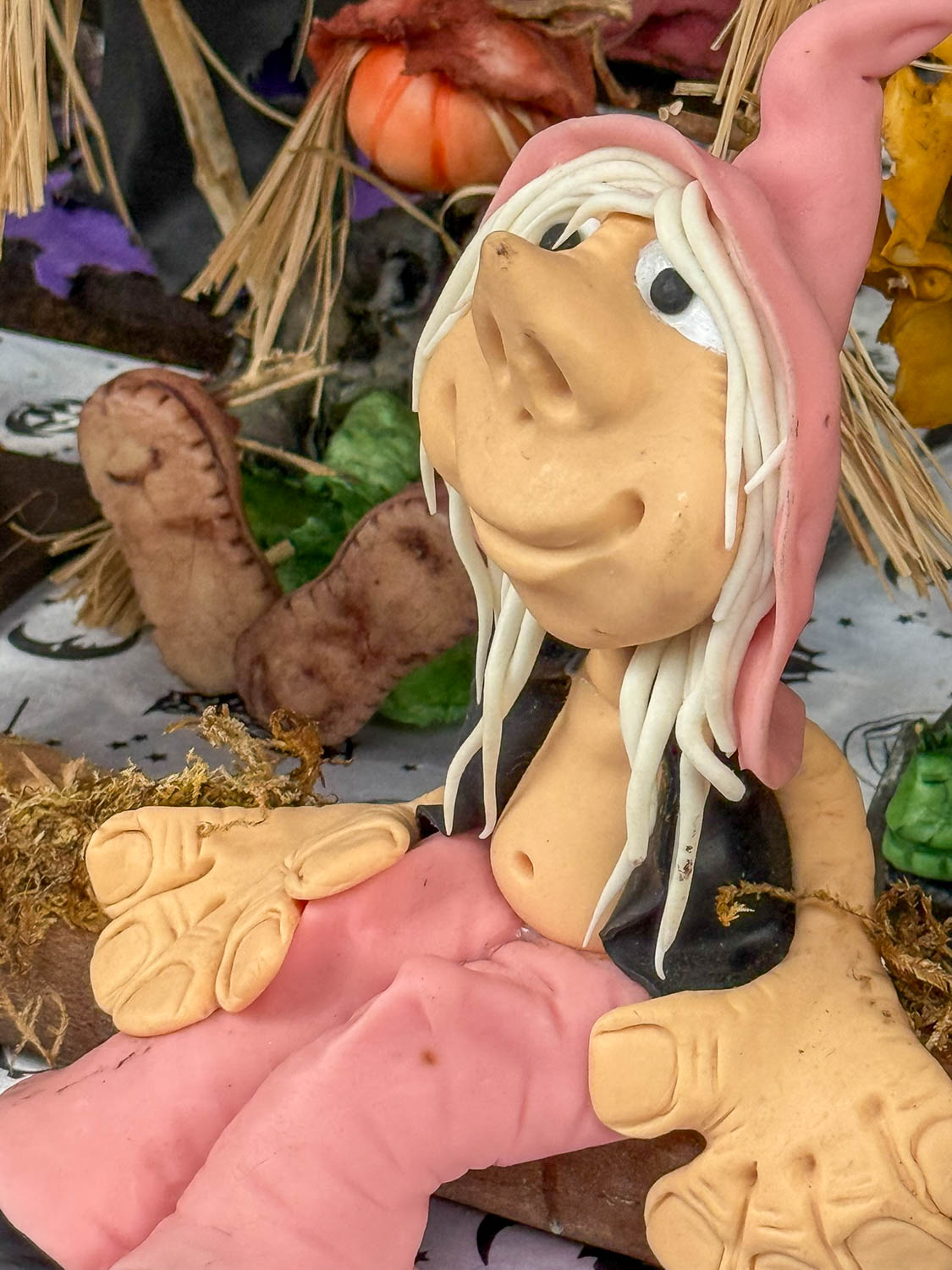
The heart of Embu das Artes’ creative identity beats strongest at the Feira de Artes – or, if we’re being very official, the Feira de Arte e Artesanato de Embu das Artes.
This famous open-air arts market transforms the historic center each weekend and during national holidays – and in all honesty, it was the number one reason we chose to visit Embu, arriving into the town directly from the airport in São Paulo on a Saturday morning. More than simply a place to shop, the Feira de Artes offers visitors the chance to connect directly with local artists and artisans, learn about traditional handicraft techniques, and hear the stories behind many of the pieces on display. If you’re visiting on a weekend, the Feira de Artes will be the experience that anchors your time in Embu.
Read on, fellow wanderers, to discover what makes this market so special, along with tips on how to get there, when to visit, what to expect, and how to make the most of your time at Embu das Artes’ iconic Feira de Artes.
Quick Tips
Here are some insider tips to help you make the most of your visit to Embu das Artes, Brazil.
- The Feira de Artes de Embu das Artes takes place in the historic center of Embu das Artes, approximately 30 km (18 miles) southwest of São Paulo.
- The market is typically held on weekends and national holidays, with Sundays offering the largest selection of vendors and the liveliest atmosphere.
- Arrive before mid-morning for easier parking, lighter crowds, and the best browsing experience.
- Most visitors spend 3–5 hours exploring the market, galleries, artisan shops, and restaurants around the historic center.
- Embu das Artes is easy to visit as a day trip from São Paulo by car, bus, rideshare, or guided tour.
- Wear comfortable walking shoes, as cobblestone streets and uneven sidewalks are common throughout the historic center.
- Bring some Brazilian Reais in cash for smaller purchases, snacks, and vendors who may not accept cards.
- Walk the entire market before buying. Many handmade items are unique, and prices can vary between vendors.
Follow these tips and you’ll be ready to visit Embu das Artes, Brazil!
Plan Your Visit
Some links below may earn us a small commission at no extra cost to you. We’re truly grateful for your support, as it allows us to continue sharing meaningful travel experiences and practical travel insights with you. Read our full disclosure here.
Best Way To Experience Embu das Artes
The best way to experience Embu das Artes is to spend a leisurely day exploring the historic center, browsing artisan shops, enjoying the Feira de Artes, and stopping frequently for coffee, street food, and conversations with local artists. Unlike many destinations, Embu rewards travelers who slow down and wander.
For first-time visitors, the ideal visit usually includes:
Top Recommended Experiences (At A Glance)
Best Overall Experience:
A full day exploring the Feira de Artes, artisan galleries, museums, cafés, and historic center streets.
→ Recommended: Private 4-hour Tour of Embu das Artes with Handicraft Market
Best For First-Time Visitors:
A guided day trip from São Paulo that combines transportation with free time to explore the market and historic center.
→ Recommended: Private Brazilian Art Tour Experience
Best Relaxed Experience:
Gallery hopping, coffee stops, and people-watching around the central squares and market streets.
→ Recommended: Historical Town Of Embu Das Artes – Art Galleries, Artisan Shops
Short On Time? Do This:
Tours & Experiences
Prefer additional options? Click below to discover more incredible experiences tailored just for you!
Browse top attractions in Sao Paulo, Brazil.
Travel Essentials?
Planning the rest of your trip? These are the platforms we personally use when organizing our travels. For more planning tools, visit our Travel Resources page or browse current promotions on our Travel Deals page.
Feira de Artes: Then and Now
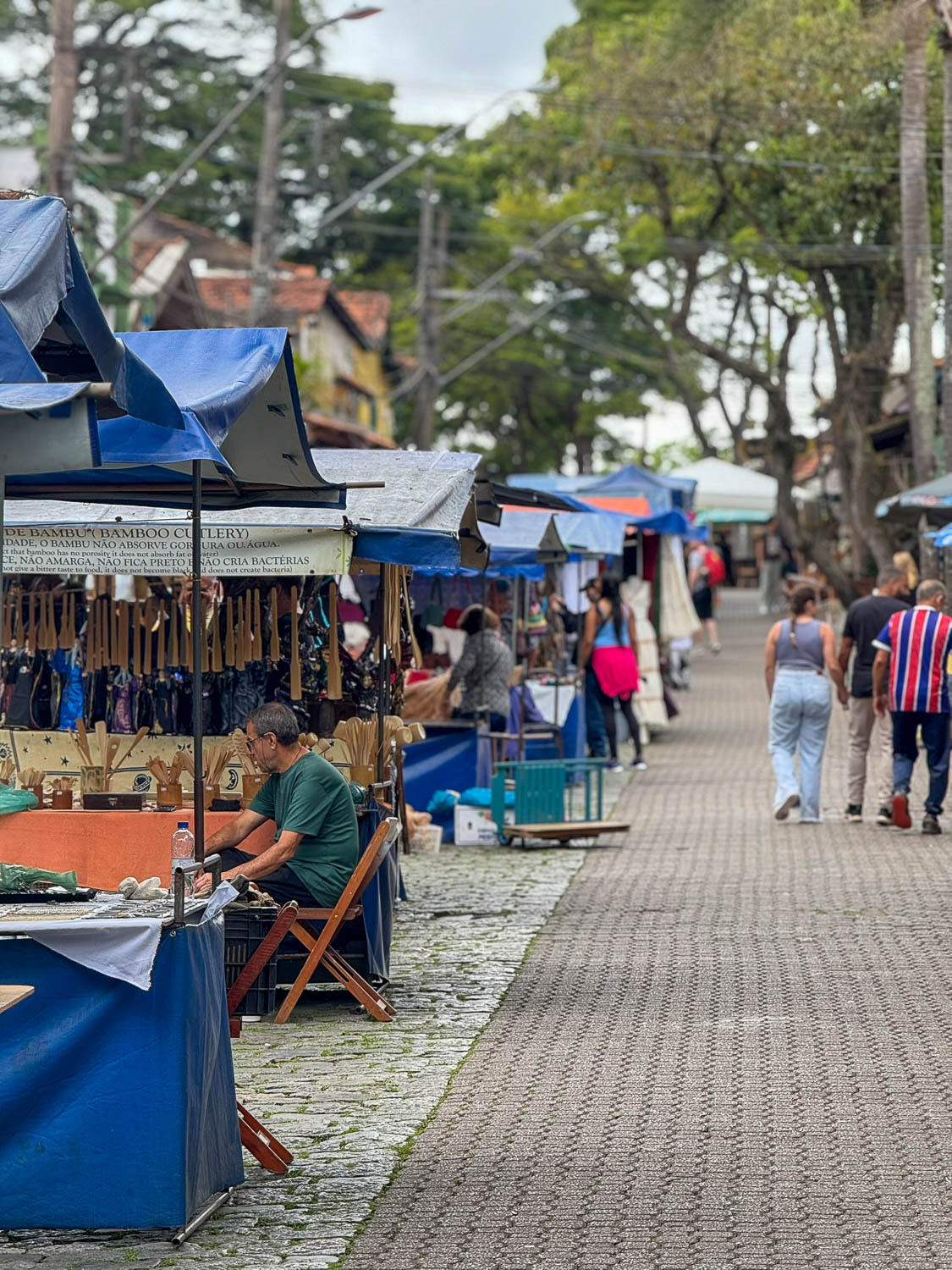
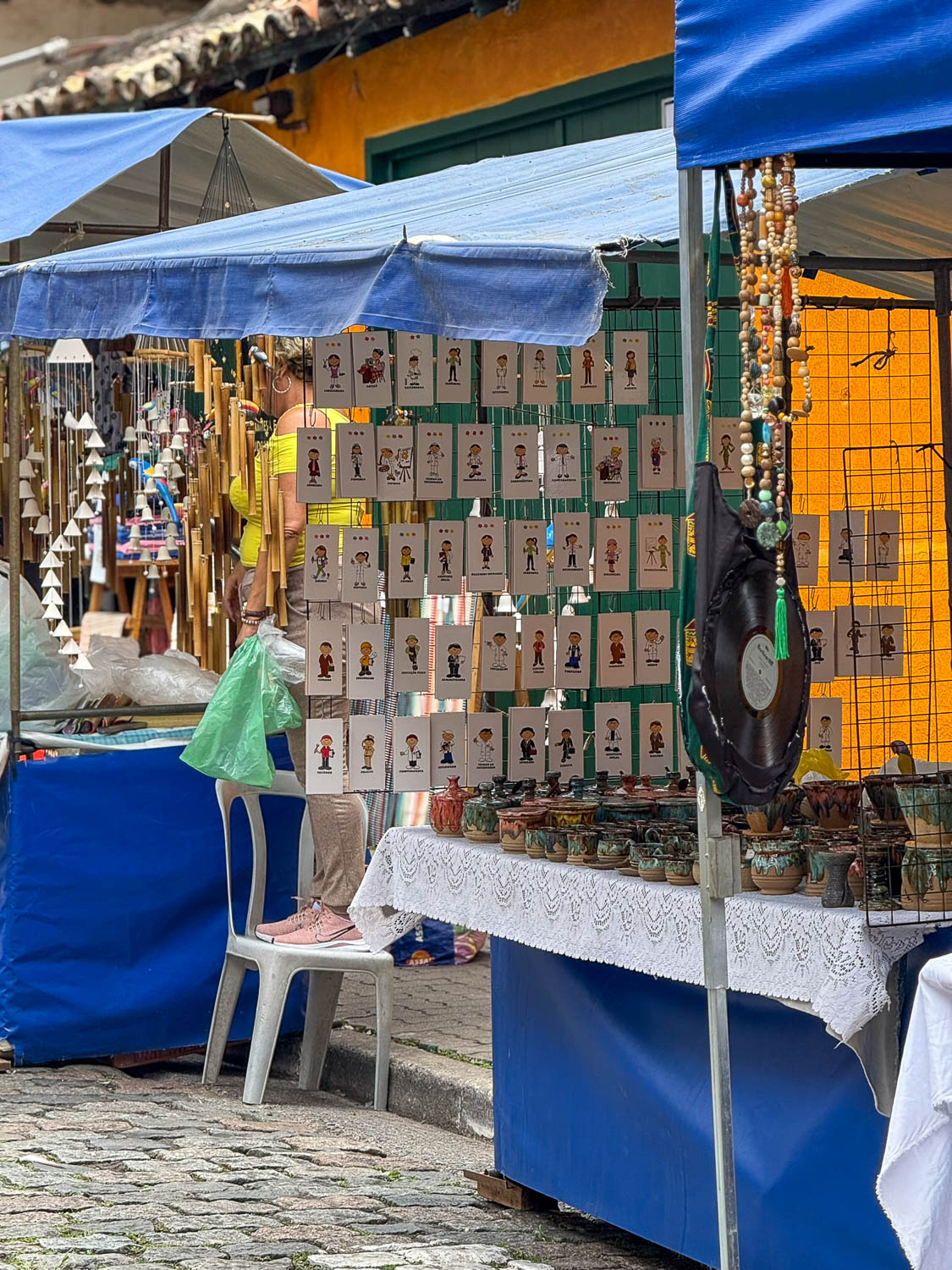
The Feira de Artes dates back to the 1960s, when local artists began selling their works directly in the streets of Embu. What began decades ago as a small gathering of artisans, has since grown today into one of the most recognized handicraft markets in the state of São Paulo. When the Feira de Artes is in full swing, the cobbled streets of the city transform into an outdoor gallery where hundreds of local artists and craftspeople display their works. Indeed, the Feira de Artes is renowned as the largest arts and crafts market in the São Paulo region, with over 800 exhibitors onsite on any given weekend.
Fun fact. Some artists today still sell their wares in the same general areas of the city that their families have used for decades.
At the Feira de Artes you’ll find a truly wonderful assortment of handmade handicraft items, all spilling from outdoor stalls whilst the air fills with the sound of live music and the rich, savory aromas of feijoada.
Where Exactly is the Feira de Artes?
The Feira de Artes is located in the historic center (Centro Histórico) of Embu das Artes, just 25-30km (15-18 miles) southwest of central São Paulo – no more than 30 minutes by road (along BR-116, the Régis Bittencourt Highway) or about 1.5 hours if you’re coming directly from the São Paulo-Guarulhos International Airport (GRU) (as we did). Its location makes it perfect for a day trip and getting there is easy.
The market itself is concentrated primarily around Largo dos Jesuítas (the historic heart of the town), Praça da República, Viela das Lavadeiras, and the surrounding cobbled streets.
Insider tip. Be sure to look down the side streets during your market visit — some of the most unique artists set up just off the main flow.
Getting to Embu das Artes
Technically a part of the greater São Paulo metropolitan region, Embu das Artes often feels like an easy extension of the city, despite its distinct character and pace.
Most travelers arrive by car from São Paulo, or via buses that run frequently between the city and Embu. To catch a bus to Embu das Artes from São Paulo, head to Terminal do Metrô Vila Sônia, the western terminus of São Paulo’s Line 4 (Yellow Line) in the Butantã district. From there, take EMTU lines 032 or 033 to Embu, a journey that typically takes 1-1.5 hours, depending on traffic.
Insider tip. For those of you seeking to use public transportation within Brazil, we highly recommend using Busbud.com. This English-language booking platform allows travelers to search, compare, and book long-distance bus tickets across Brazil (and beyond). We found it incredibly easy to navigate, with excellent customer service when Beck accidentally booked our first bus for the wrong date (woops!). Our bus from Morretes to Curitiba with Viação Graciosa was incredibly comfortable and excellent value-for-money.
Other options for getting to Embu include catching an Uber (as we did) or joining a private or group tour. Many visitors choose the guided tour option from Sao Paulo – for either a half- or full-day – which will often include round-trip transportation.
Insider tip. Getting to Embu via Uber is usually easy. Getting back to Sao Paulo can take longer mid-afternoon, when many independent day-trippers request rideshares at the same time. If you plan to leave Embu between 3pm and 5pm, start checking ride availability 20–30 minutes before these surge times.
Tips for Driving to Embu das Artes
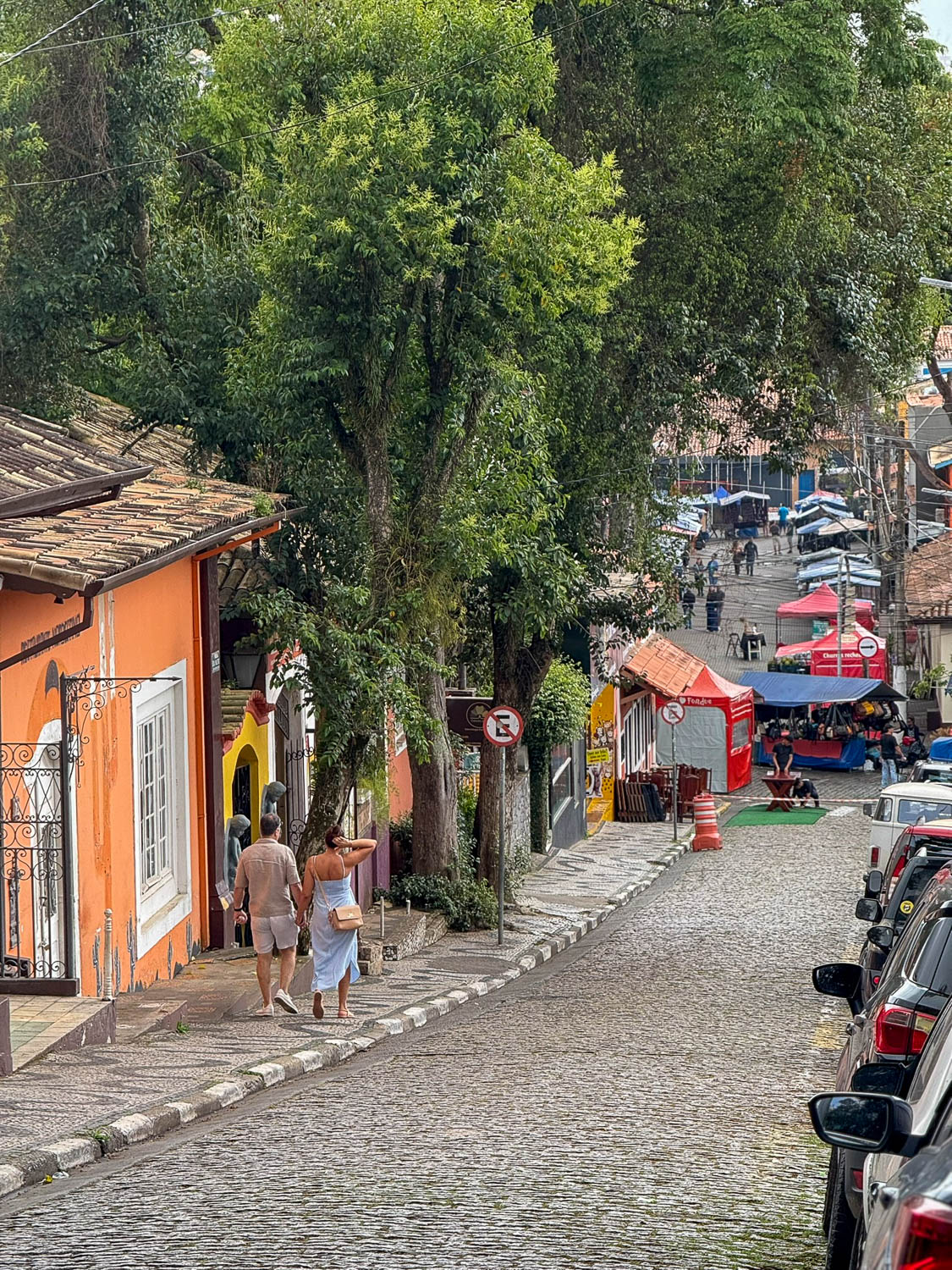
If you’re planning to drive to Embu, note that weekend traffic heading into the town from São Paulo can get heavy late morning, especially on Sundays when Feira de Artes is at its busiest. We recommend leaving São Paulo before 9am to help cut travel time significantly and arrive before peak crowds fill the historic center parking areas.
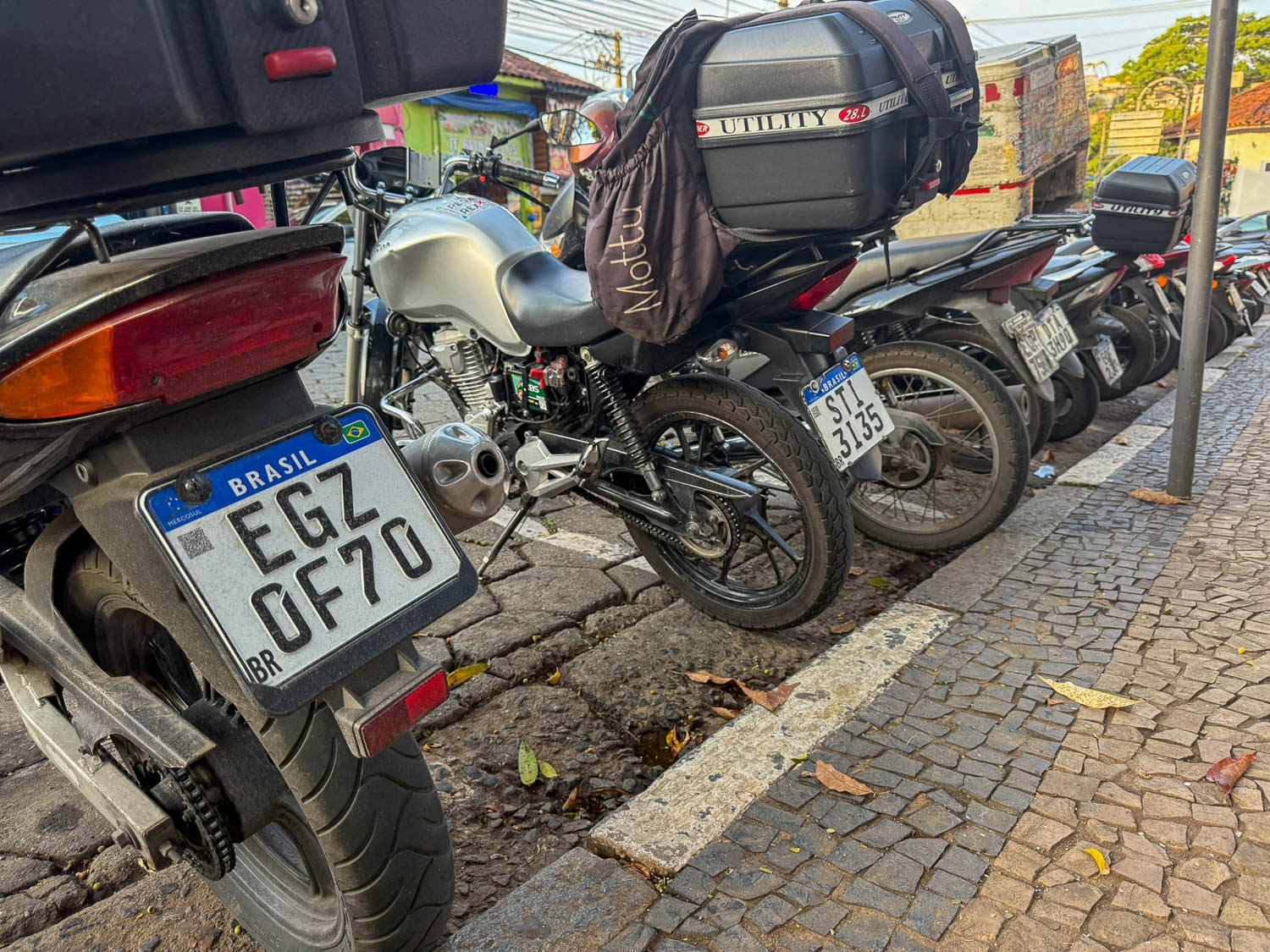
Note also that street parking near the historic center fills up fast on market days. Look out for private parking lots (estacionamentos) just a few blocks away, and park once and then explore on foot – there’s no need to move the car midway through your visit.
Getting Around Embu das Artes
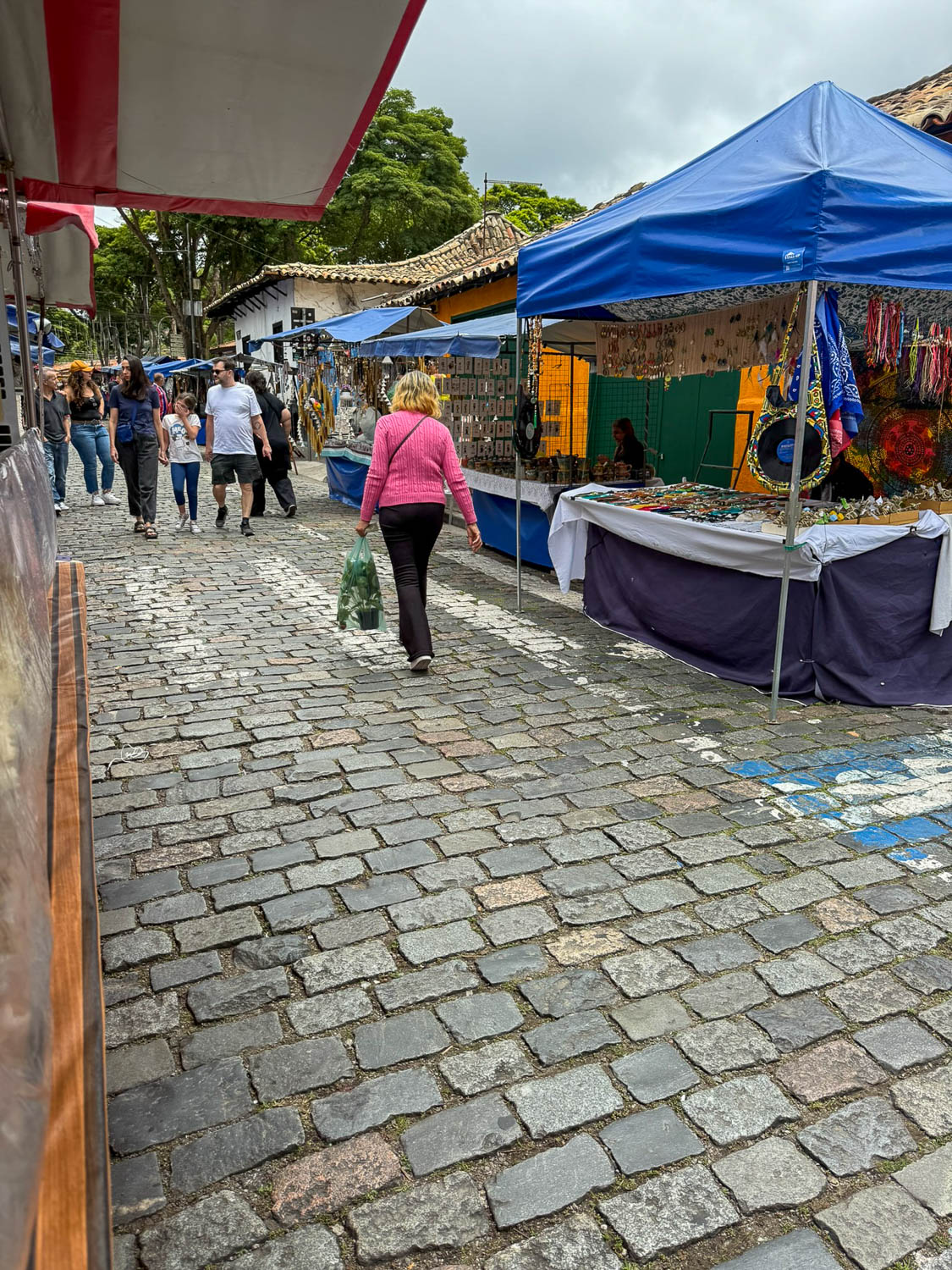
Once you’ve arrived, Embu das Artes is wonderfully walkable. Most visitors spend their time within the historic center, where the market streets, artisan shops, galleries, museums, cafes and restaurants sit within a compact, easy-to-navigate area.
Insider tip. Embu is best explored at a slow pace – many streets near the market become pedestrian-heavy, especially on weekends.
Insider tip. Wear comfortable shoes during your time in Embu. Cobblestones, steep streets, and uneven sidewalks are common, especially in the historic center.
When Is the Best Time to Visit?
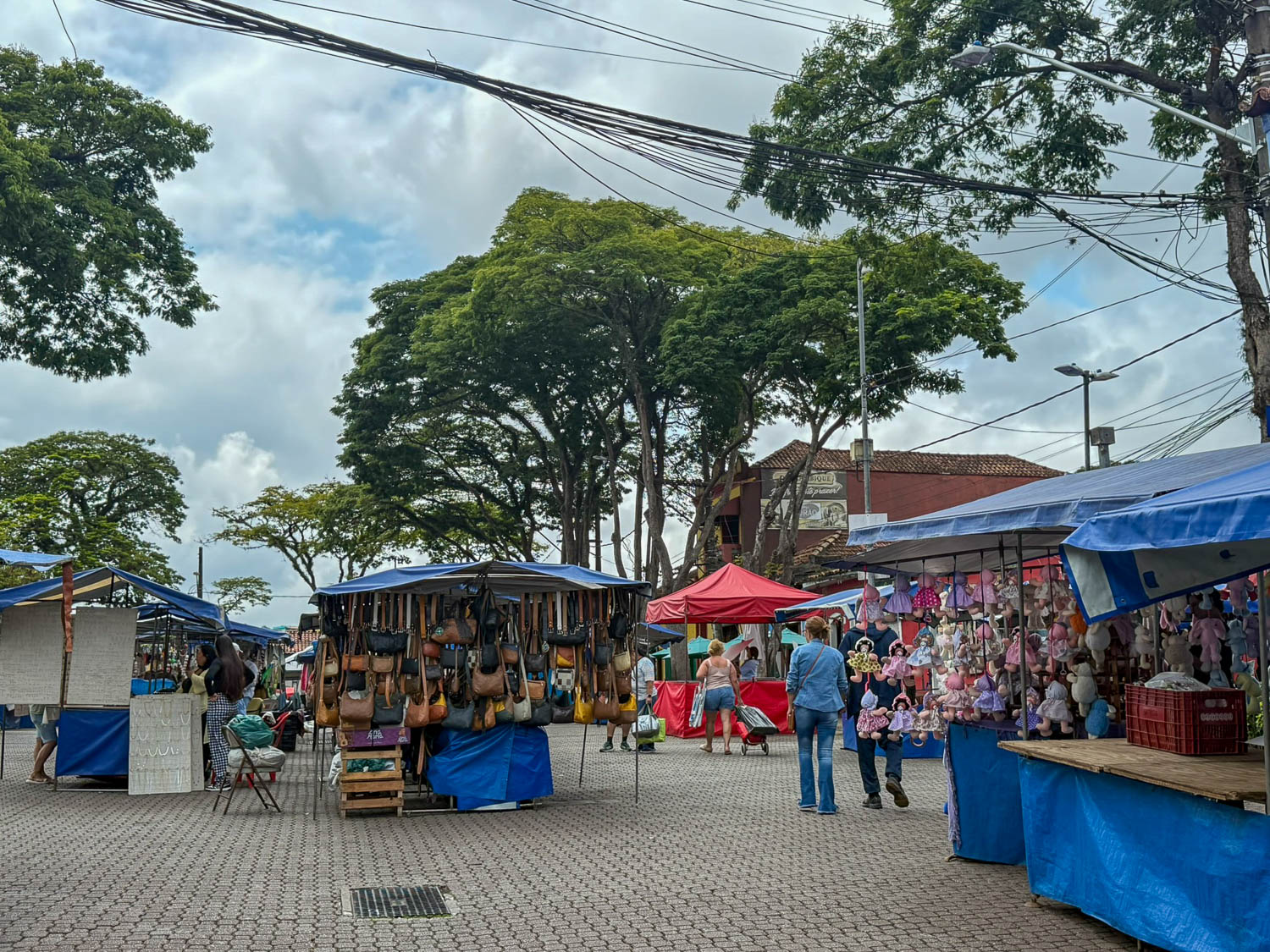
Open year-round, the Feira de Artes typically runs from morning through late afternoon on the weekend. Sundays typically bring the largest number of vendors and the liveliest atmosphere to Embu, whilst Saturdays offer a similar energy with slightly lighter crowds.
Late morning through early afternoon is typically the busiest time in Embu’s market streets. Visiting early in the day or later in the afternoon can make walking and browsing much easier. Weekdays are also generally quieter, perfect for those who prefer to explore Embu’s historic center – complete with its museums, artisanal stores, and restaurants and cafes – without the crowds.
Insider tip. If you’re on a day trip to Embu, consider arriving early (before mid-morning) for less crowded browsing, easier parking, and shorter lines at street food stalls. This is especially the case if you plan to visit on a Sunday.
Insider tip. We discovered most market vendors start to pack up around 4.30pm-5pm.
What Can I Find at the Feira de Artes?
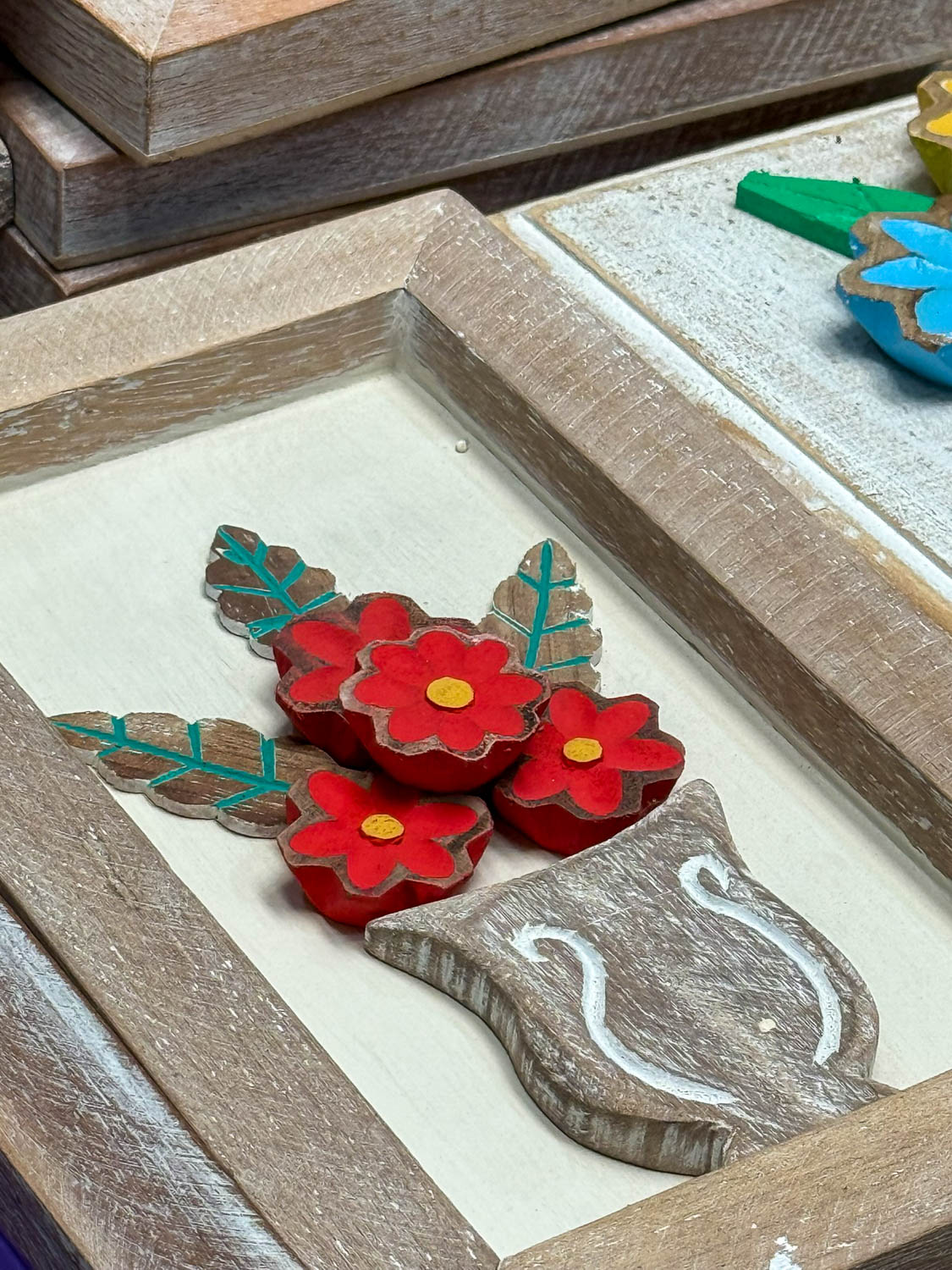
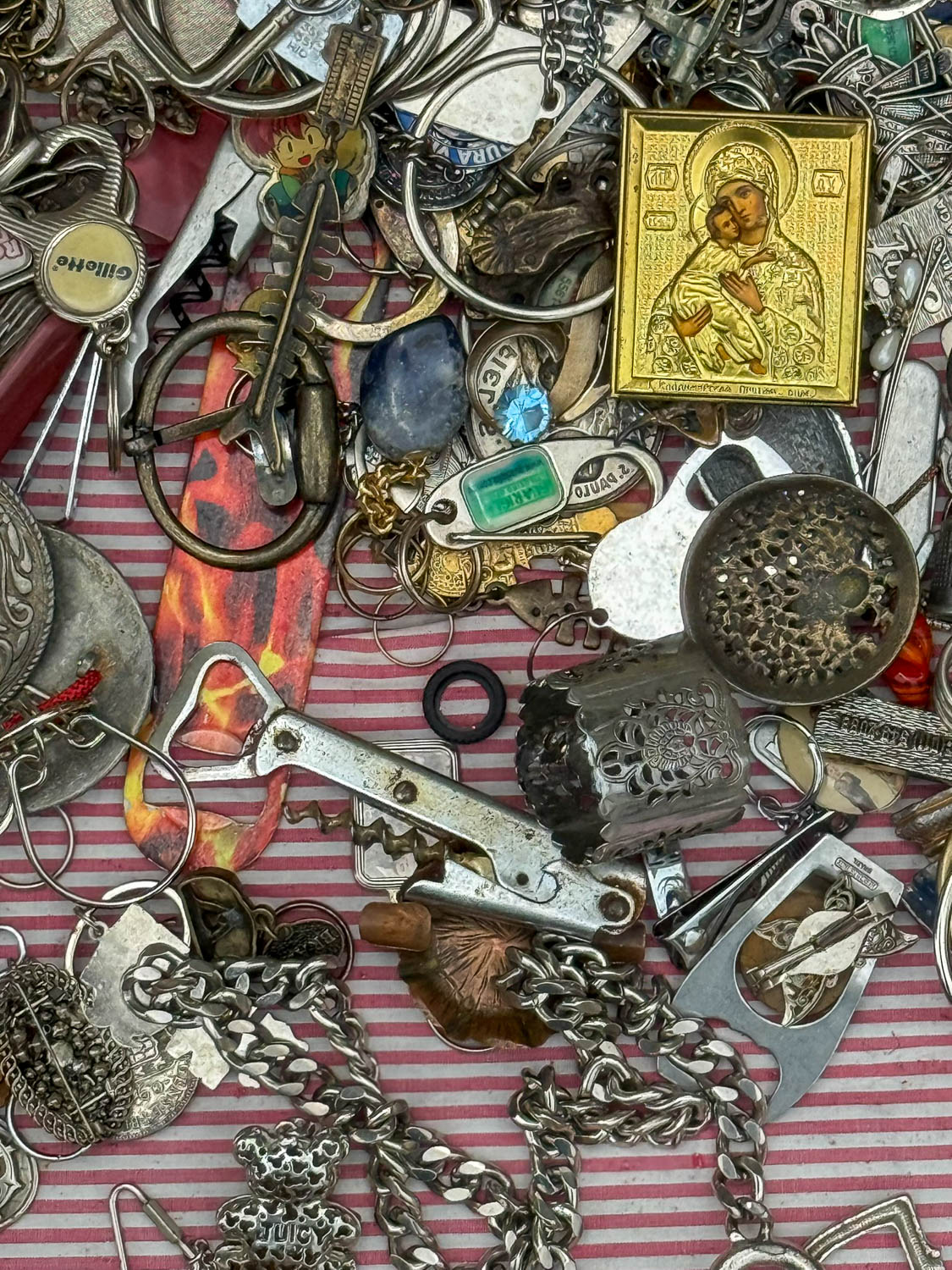
From handmade jewelry and paintings, to regional souvenirs and artisan snacks – and everything in between! – the Feira de Artes showcases the creative spirit that defines this colorful colonial town.
During your visit, be sure to look out for the following.
- wood carvings: often echoing indigenous culture and Portuguese colonial styles, or depicting religious or folkloric themes
- ceramics: from earthy, hand-thrown pottery to modern decorative art
- colorful textiles: many showcasing traditional Brazilian patterns
- jewelry: often crafted using semi-precious stones and other natural materials sourced from across Brazil
- metalwork: be sure to check out some of the incredible use of recycled materials in town!
- leather goods: including handcrafted bags, belts, and sandals
- paintings and artwork: showcasing everything from traditional scenes and cultural motifs to abstract pieces and bold, contemporary works
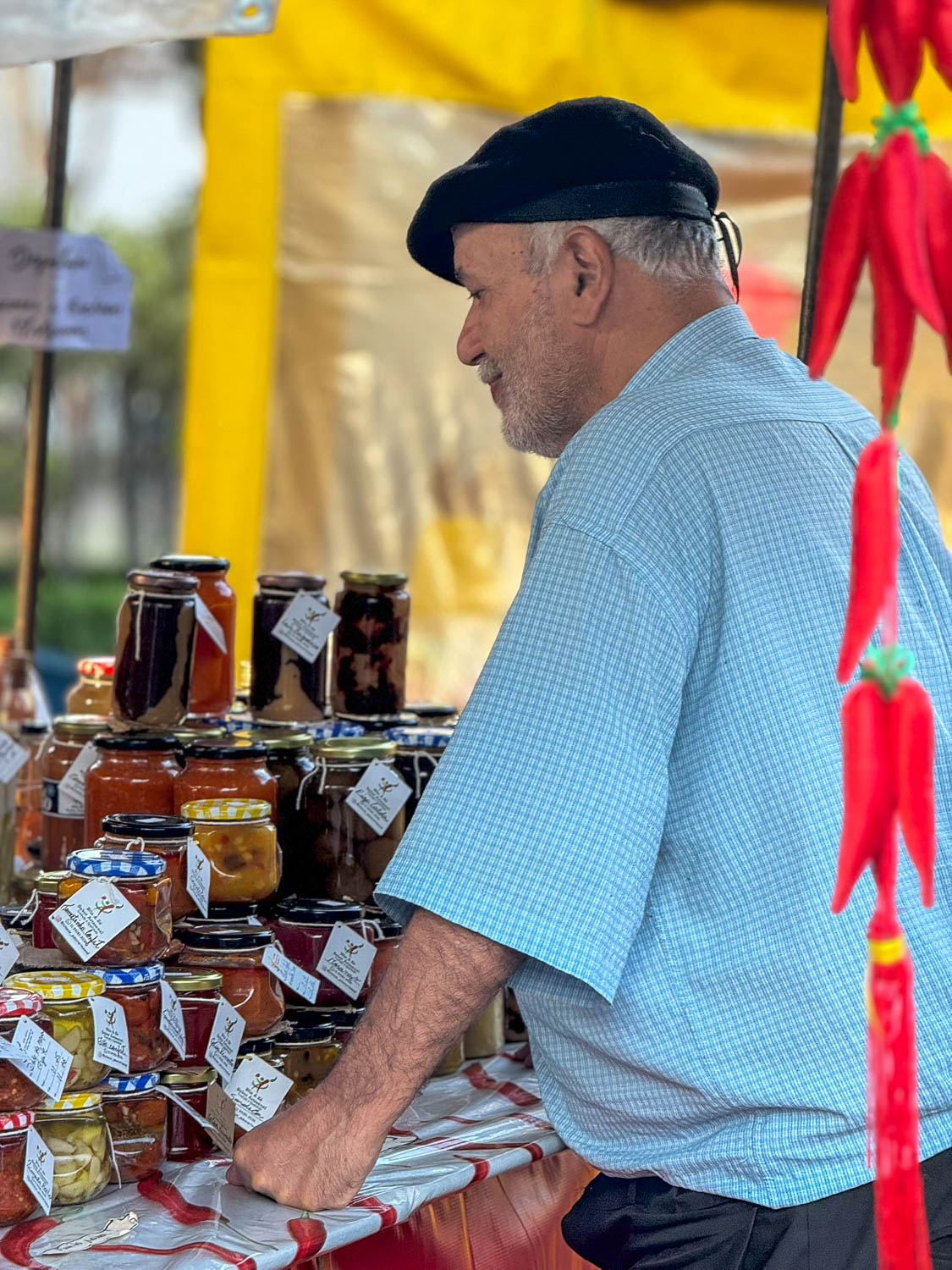
- artisan foods: from handmade sweets and preserves to other local delicacies and regional specialties, many of which make popular souvenirs and gifts for loved ones back home
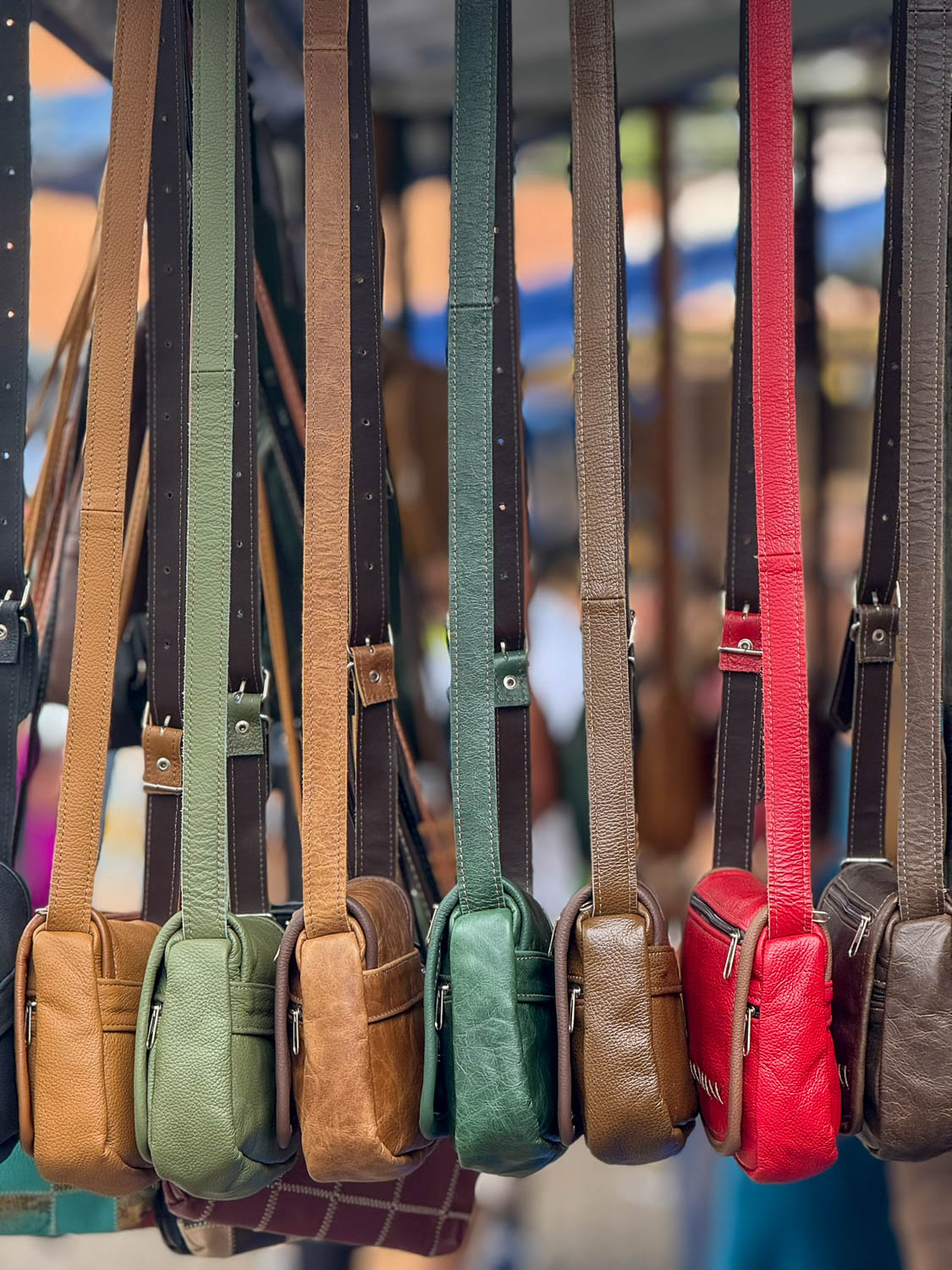
Insider tip. Do a full walk-through of the market before making any purchases – prices and styles vary by street and vendor. At the same time, if you see something you love, don’t wait too long — one-of-a-kind pieces sell fast!
Insider tip. Bring small bills in the local currency (Brazilian Reais), as some vendors may not accept cards (or may simply prefer cash). Small bills are also handy for tips and quick street food stops.
Final Thoughts
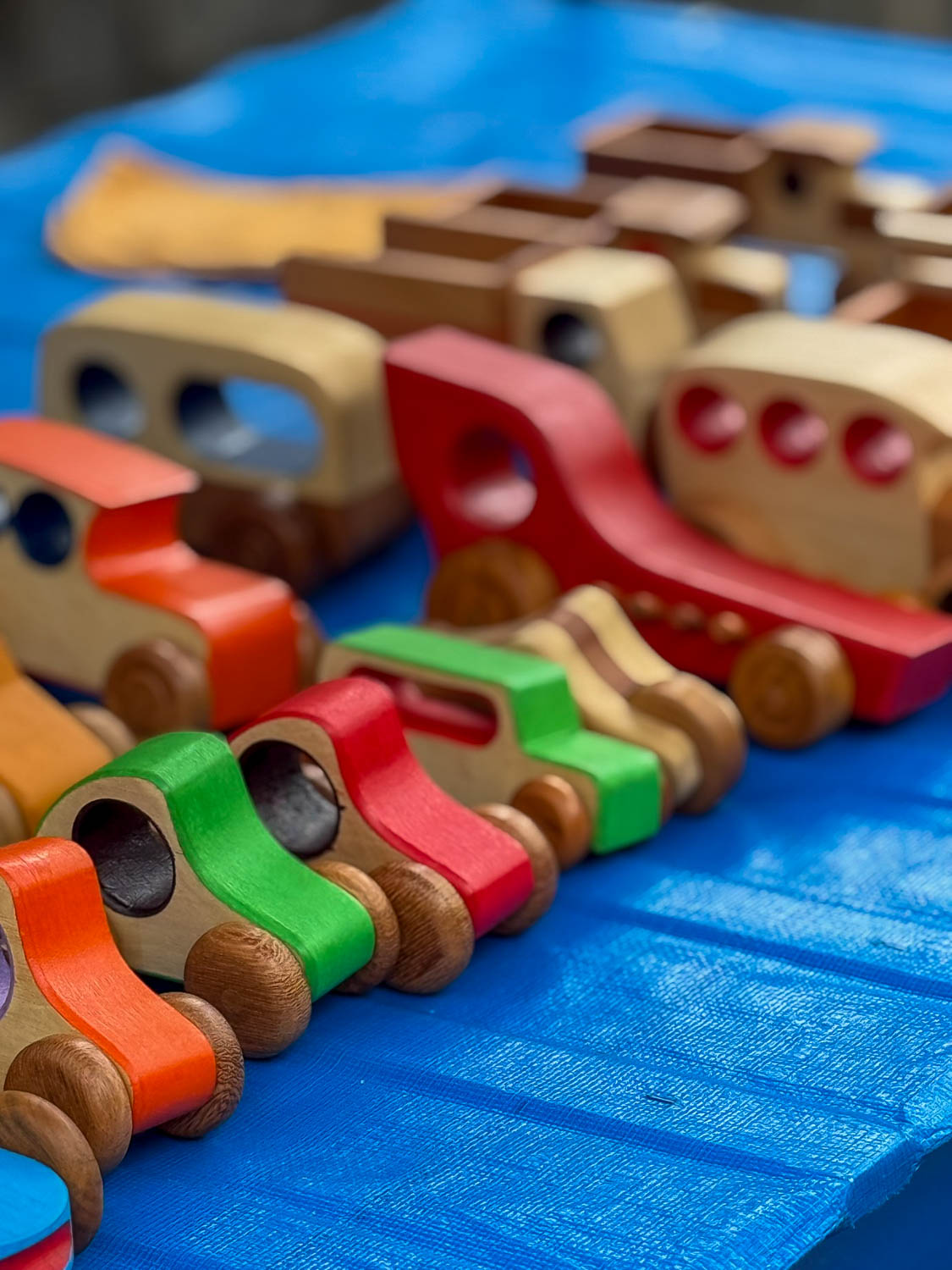
If you love cultural authenticity, the Feira de Artes is where Brazilian culture feels truly alive. It’s perhaps the biggest factor in transforming Embu das Artes from a quiet town into a major weekend cultural destination – a place where you can meet and connect more deeply with artists, learn about their handicraft techniques, and often hear the personal stories behind their creations.
Walking through these markets isn’t just about shopping — it’s about experiencing the living creative culture that helped put Embu on the map, and where Embu’s reputation as Brazil’s “City of the Arts” feels most present. Especially on the weekends and national holidays, when the town’s historic center fills with lively music, vibrant colors, and hundreds of local artisan stalls, ready to welcome you with open arms.
Whether you’re browsing for handmade treasures, chatting with local artists, or simply soaking up the atmosphere, the Feira de Artes is one experience well worth building into your São Paulo itinerary. And if you’d like help planning your visit to this iconic market, we’re here to help you get started.
FAQs
Is the Feira de Artes de Embu das Artes worth visiting?
Yes. The Feira de Artes de Embu das Artes is one of the largest and most famous arts and crafts markets in the São Paulo region, offering visitors the opportunity to browse handmade products, meet local artists, and experience Brazilian culture in a historic setting.
What is the Feira de Artes de Embu das Artes known for?
The market is known for its large collection of handmade arts and crafts, including ceramics, paintings, jewelry, textiles, leather goods, wood carvings, and artisan foods created by local artists and craftspeople.
How much time should I spend at the Feira de Artes de Embu das Artes?
Most visitors spend between three and five hours exploring the market, galleries, artisan shops, and restaurants in the historic center of Embu das Artes.
Can you visit the Feira de Artes de Embu das Artes as a day trip from São Paulo?
Absolutely. Embu das Artes is located about 30 km (18 miles) from São Paulo and is one of the easiest and most popular cultural day trips from the city.
What makes the Feira de Artes de Embu das Artes unique?
Unlike many souvenir markets, the Feira de Artes de Embu das Artes allows visitors to interact directly with artists and artisans, learn about their work, and purchase handmade pieces that reflect Brazil’s diverse cultural traditions.
Explore More Of Embu das Artes
-
Festivals and Events in Embu das Artes: A Guide to the Town’s Cultural Calendar
Discover the best Festivals and Events in Embu das Artes, from Festival de Inverno and Festas Juninas to holiday markets, live music, and Christmas celebrations.
-
Museums of Embu das Artes: A Guide to the Town’s Cultural and Artistic Highlights
Museums of Embu das Artes reveal the fascinating stories behind Brazil’s City of the Arts. Discover sacred art, local legends, and hidden cultural treasures beyond the famous artisan market.
-
Best Things To Do in Embu das Artes: Travel Guide
Embu das Artes, just outside São Paulo in Brazil, is a colorful colonial town known as the “City of the Arts.” Famous for its weekend Feira de Artes market, galleries, artisan shops, and museums, it’s one of the most creative cultural day trips from São Paulo.