Throughout the year, Festivals and Events in Embu das Artes transform this artistic town into one of the most vibrant cultural destinations near São Paulo. From the famous Festival de Inverno and colorful Festas Juninas celebrations to holiday editions of the Feira de Arte e Artesanato and the magical Natal Iluminado, Embu’s calendar is filled with opportunities to experience Brazilian culture, music, food, and creativity.
Whether you’re planning a weekend visit or a day trip from São Paulo, timing your trip around one of Embu’s signature celebrations can add an entirely new dimension to your experience. In this guide, we’ll explore the most important festivals and events in Embu das Artes, when they take place, what to expect, and how to make the most of your visit.
Quick Tips
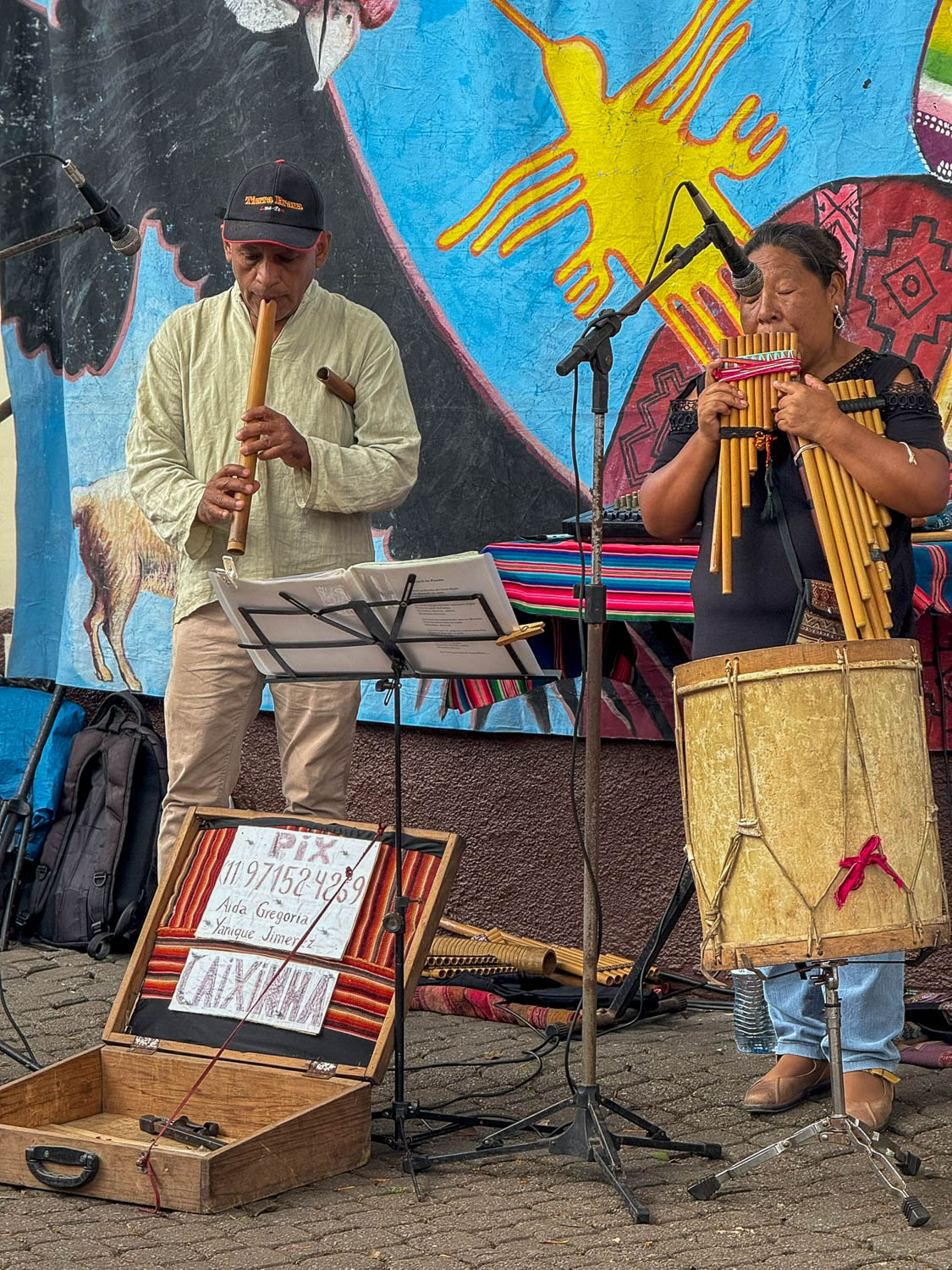
Here are some insider tips to help you make the most of your Embu das Artes, Brazil experience.
- The best time to visit Embu das Artes is when the town is at its most animated – holidays, weekends, and especially during festival periods.
- Located just 25-30km (15-18 miles) southwest of central São Paulo, Embu das Artes is perfect for a day trip and getting there by car, bus, or private/group tour is easy.
- Embu is perfectly walkable: most visitors spend their time within the historic center, where the market streets, artisan shops, galleries, museums, cafes and restaurants sit within a compact, easy-to-navigate area.
- Whilst Embu’s creative spirit is certainly present year-round, its calendar of festivals and seasonal events bring an added rhythm to the city.
- Held between late July and mid-August each year, Embu’s Winter Festival (Festival de Inverno) is one of the town’s more consistent seasonal cultural events.
- Visiting on a major holiday weekend? These often bring expanded vendors, live music, and cultural programming to the famous Feira de Arte e Artesanato de Embu das Artes.
- Embu das Artes’ anniversary celebrations, typically held in May, honor the town’s founding in 1559, and its rich cultural history and artistic legacy.
- Christmas is also a very special time in Embu, when the town’s artistic spirit blends beautifully with seasonal traditions. The town is most well noted for its Natal Iluminado (Illuminated Christmas) festival.
- Festas Juninas is another highlight of any visit to Embu: each June a series of traditional Brazilian events celebrate rural (caipira) life, seasonal traditions, and harvest culture.
Follow these tips and you’ll be ready to enjoy the Embu das Artes, Brazil!
Plan Your Trip

Some links below may earn us a small commission at no extra cost to you. We’re truly grateful for your support, as it allows us to continue sharing meaningful travel experiences and practical travel insights with you. Read our full disclosure here.
Best Way To Experience Embu das Artes
The best way to experience Embu das Artes is to spend a leisurely day exploring the historic center, browsing artisan shops, enjoying the Feira de Artes, and stopping frequently for coffee, street food, and conversations with local artists. Unlike many destinations, Embu rewards travelers who slow down and wander.
For first-time visitors, the ideal visit usually includes:
Top Recommended Experiences (At A Glance)
Best Overall Experience:
A full day exploring the Feira de Artes, artisan galleries, museums, cafés, and historic center streets.
→ Recommended: Private 4-hour Tour of Embu das Artes with Handicraft Market
Best For First-Time Visitors:
A guided day trip from São Paulo that combines transportation with free time to explore the market and historic center.
→ Recommended: Private Brazilian Art Tour Experience
Best Relaxed Experience:
Gallery hopping, coffee stops, and people-watching around the central squares and market streets.
→ Recommended: Historical Town Of Embu Das Artes – Art Galleries, Artisan Shops
Short On Time? Do This:
Tours & Experiences
Prefer additional options? Click below to discover more incredible experiences tailored just for you!
Browse top attractions in Sao Paulo, Brazil.
Travel Essentials?
Planning the rest of your trip? These are the platforms we personally use when organizing our travels. For more planning tools, visit our Travel Resources page or browse current promotions on our Travel Deals page.
When To Visit Embu Das Artes
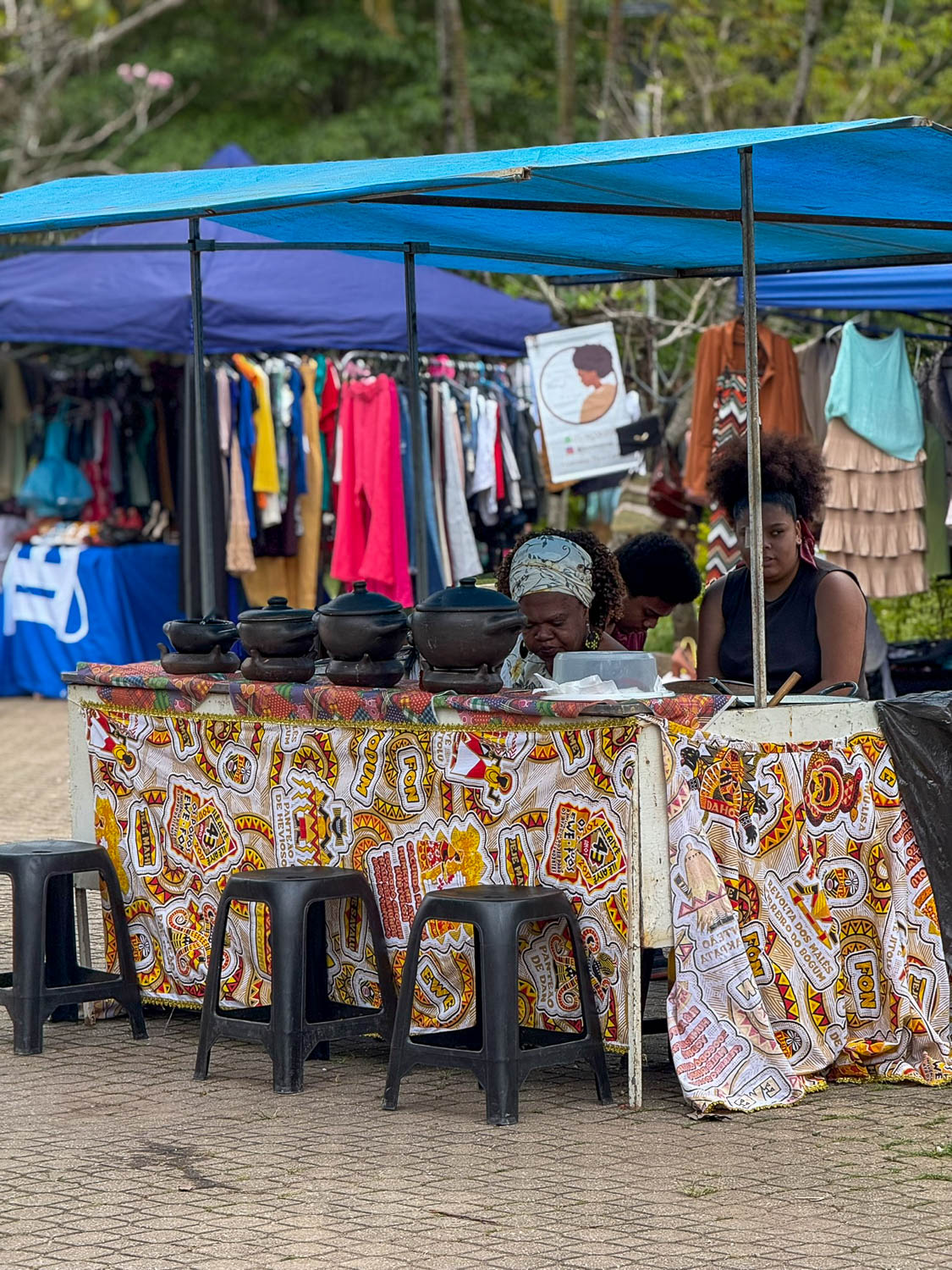
If you’ve had a chance to read other destination guides we’ve written, you’ll know we are big believers that any global destination can be visited at almost any time of year. In Embu das Artes, however, the best time to visit is when the town is at its most animated – holidays, weekends, and especially during festival periods. It’s during these times that the famous Feira de Artes fills the streets with craft vendors, live music, and the smell of delicious local food, often enhanced by seasonal celebrations taking place alongside its stalls.
The seasons in southern Brazil can also shape one’s visit to Embu. And whilst the town doesn’t experience extreme weather, the summer (late December through late March) is warmer, with possible afternoon rain showers. The winter (late June through late September) brings cooler mornings and affords excellent walking weather — and often coincides with some of the town’s most notable events, including the Festival de Inverno and traditional Festas Juninas.
Insider tip. If your schedule permits, try to align your visit with one of Embu’s festivals or special market editions — these bring an added layer of energy, together with cultural performances and local traditions, that you wouldn’t experience on a standard weekend.
Getting to Embu das Artes
Technically a part of the greater São Paulo metropolitan region, Embu often feels like an easy extension of the city, despite its distinct character and pace.
Located just 25-30km (15-18 miles) southwest of central São Paulo – no more than 30 minutes by road (along BR-116, the Régis Bittencourt Highway) or about 1.5 hours if you’re coming directly from the São Paulo-Guarulhos International Airport (GRU) (as we did) – Embu das Artes is perfect for a day trip and getting there by car, bus, or private or group tour is easy.
For more detailed information on getting to Embu, be sure to check out our main article, Best Things To Do in Embu das Artes: Travel Guide.
Getting Around Embu das Artes
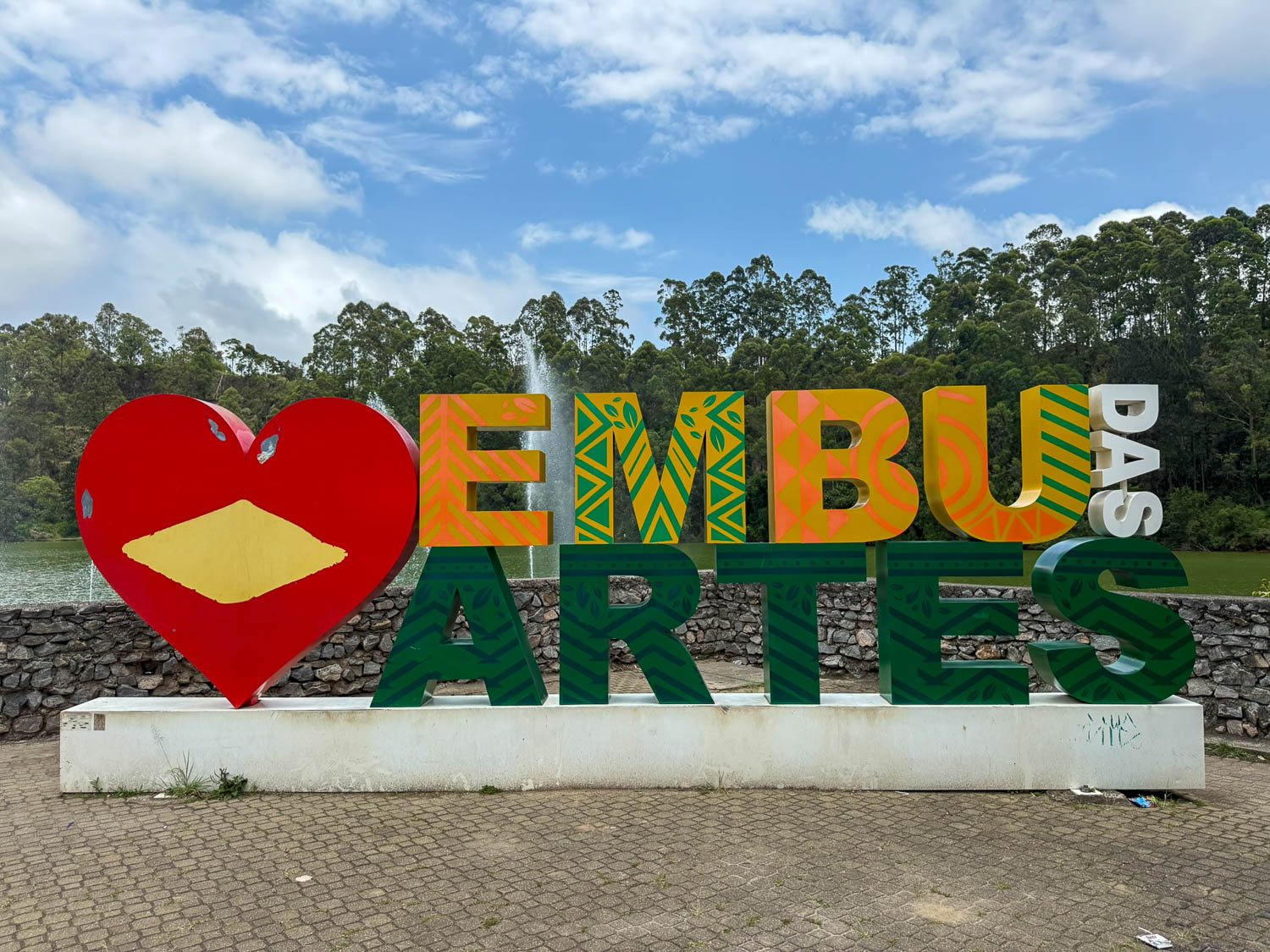
Once you’ve arrived, Embu das Artes is wonderfully walkable. Most visitors spend their time within the historic center, where the market streets, artisan shops, galleries, museums, cafes and restaurants sit within a compact, easy-to-navigate area. Even during Embu’s festivals and special events, everything remains within easy walking distance across the historic center.
Insider tip. Expect heavier foot traffic and occasional street closures in the historic center during festivals and peak weekends. Walking is definitely the way to go during these visits – and plan to arrive early if you can!
For additional insider tips on how to best navigate Embu on foot, head over to our sister article, Best Things To Do in Embu das Artes: Travel Guide.
A Closer Look at Embu das Artes’ Cultural Calendar
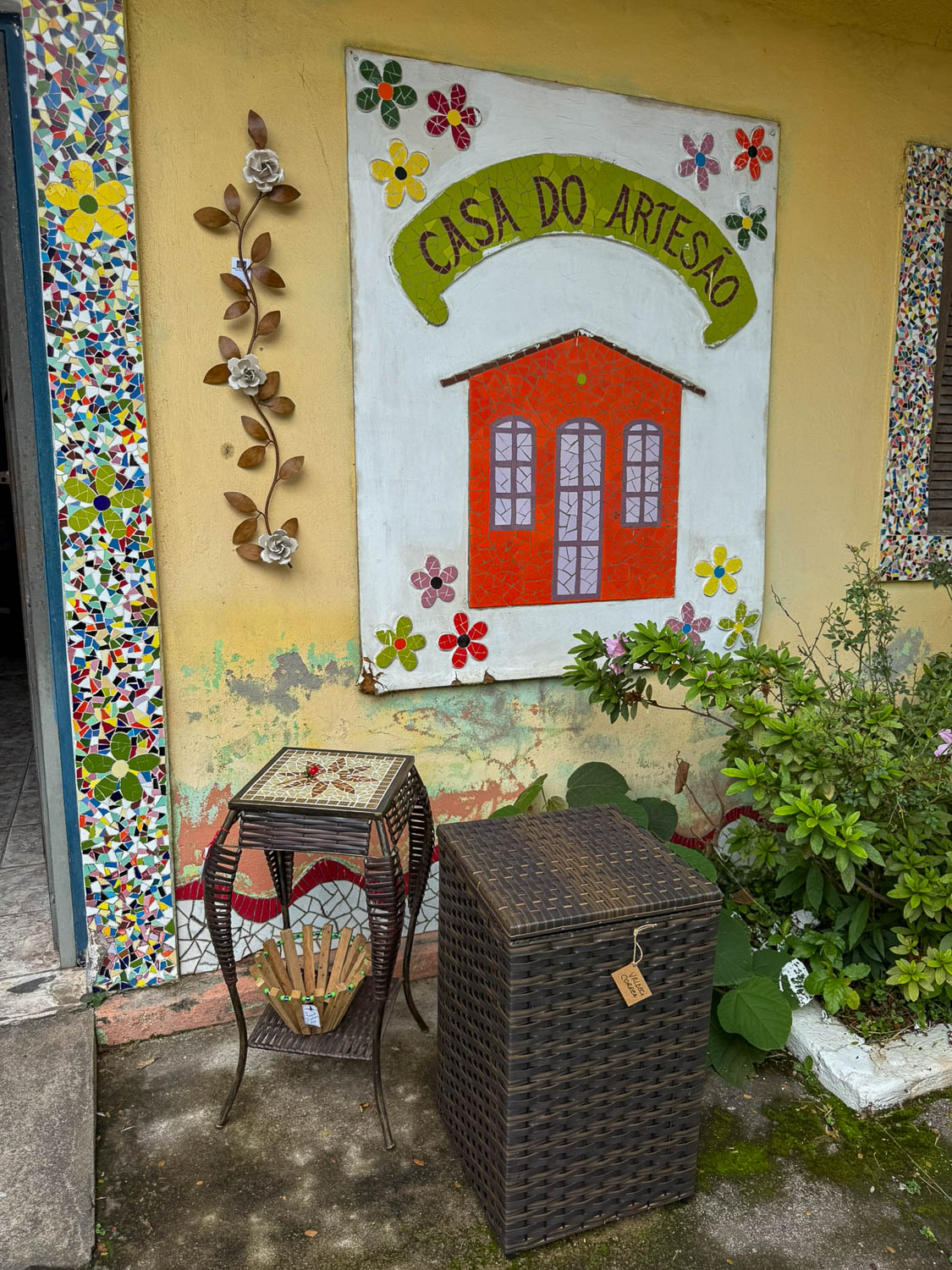
Whilst Embu’s creative spirit is certainly present year-round, its calendar of festivals and seasonal events bring an added rhythm to the town — moments when its streets, squares, and cultural spaces take on a different kind of energy. From seasonal celebrations to long-standing local traditions, these events offer a deeper look at what defines Embu das Artes beyond the everyday. Highlights on Embu’s cultural calendar include the following.
Festival de Inverno (Winter Festival)
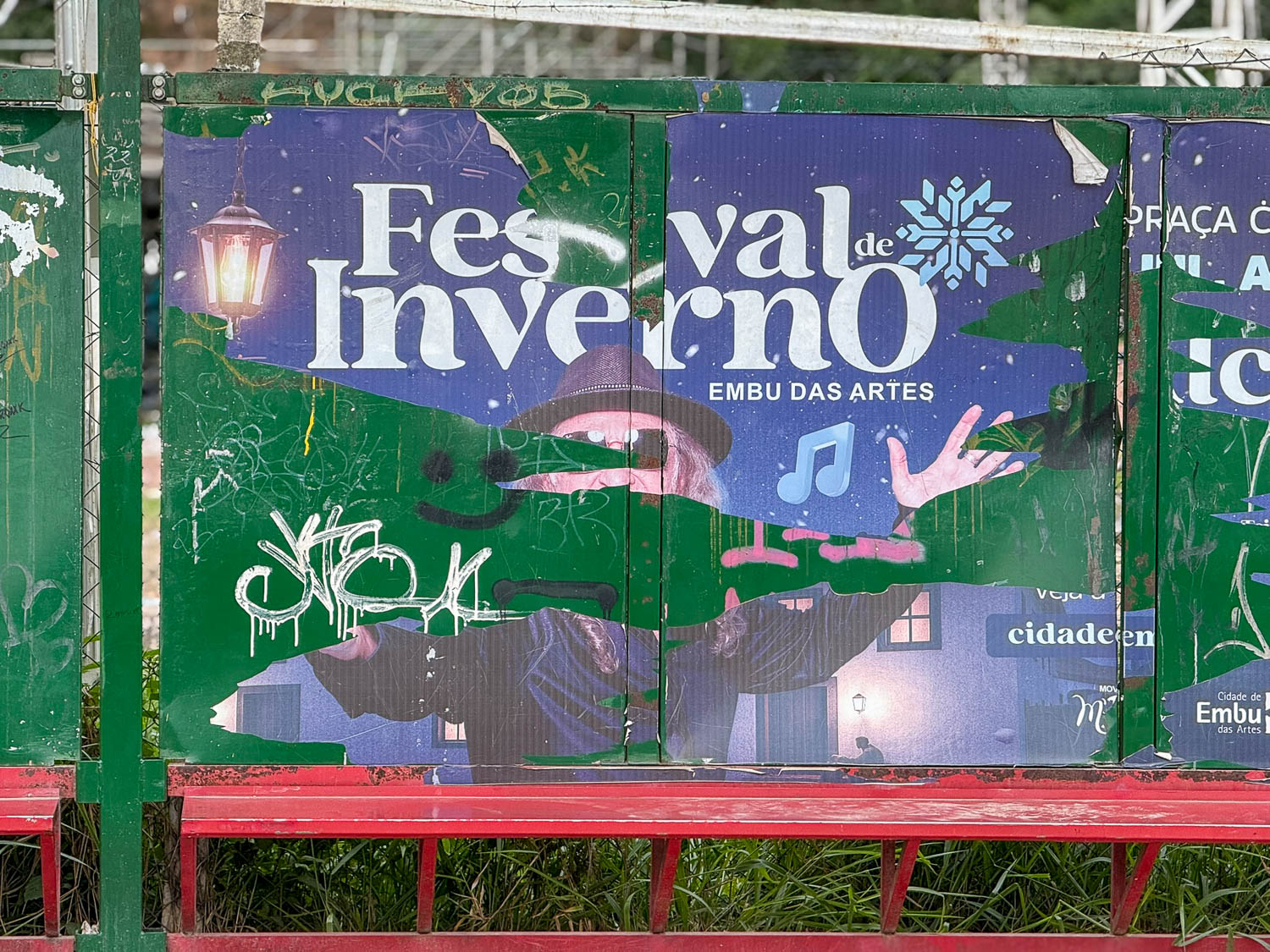
Held between late July and mid-August each year, Embu’s Winter Festival (Festival de Inverno) is one of the town’s more consistent seasonal cultural events. Complete with free live concerts, cultural performances, art exhibitions, and food vendors spread throughout Embu’s historic center, this festival blends cultural, artistic, and gastronomic experiences – whilst still preserving the relaxed, creative atmosphere for which Embu is known.
Insider tip. Whilst the Festival de Inverno takes place across various locations within Embu, the most utilized spaces include the main stage in Praça Central (Palco Principal) and the Museum Stage (located within Jesuit Square).
Insider tip. Festival de Inverno brings together a diverse musical line-up, from high-profile local country and international jazz artists to the likes of Brazilian singer-songwriters Alceu Valença and Renato Teixeira.
Fun fact. Brazil’s winter is mild in Embu das Artes, with average daily highs hovering around 23oC (73oF). An excellent season with the perfect weather for walking around and enjoying a Winter Festival atmosphere!
Feira de Artes: Special Holiday Editions
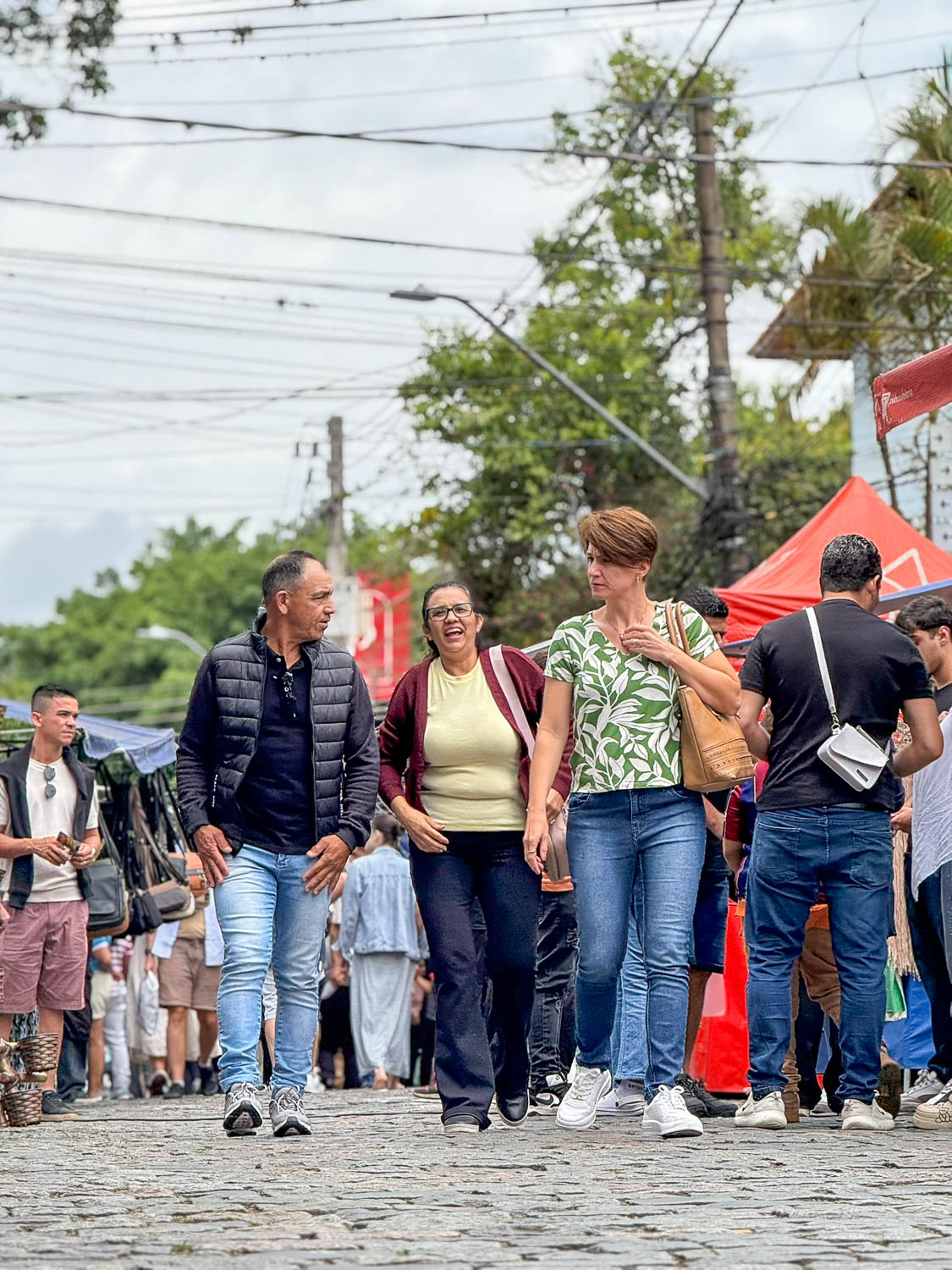
Major holiday weekends in Embu – think the Carnival period, Easter holidays, Brazil’s Independence Day (September 7), and the Christmas season – often bring expanded vendors, live music, and cultural programming to the famous Feira de Arte e Artesanato de Embu das Artes. These are certainly some of the most vibrant times of the year to visit Embu.
Embu’s bustling holiday markets often run extended hours and showcase unique, thematic goods. Beyond the regular weekly offerings of wood carvings, art, jewelry and ceramics, holiday editions of the Feira de Artes bring a wider selection of specialized, festive, and traditional Brazilian handicrafts, sweets, and street food, not always available at other times of year. Holiday versions of the market also frequently attract local musicians, adding yet another layer of festive atmosphere, with live music filling the streets.
Fun fact. You’ll often hear a subtle shift in the music during festive editions of the market — from casual street performers to more seasonal or traditional Brazilian holiday sounds.
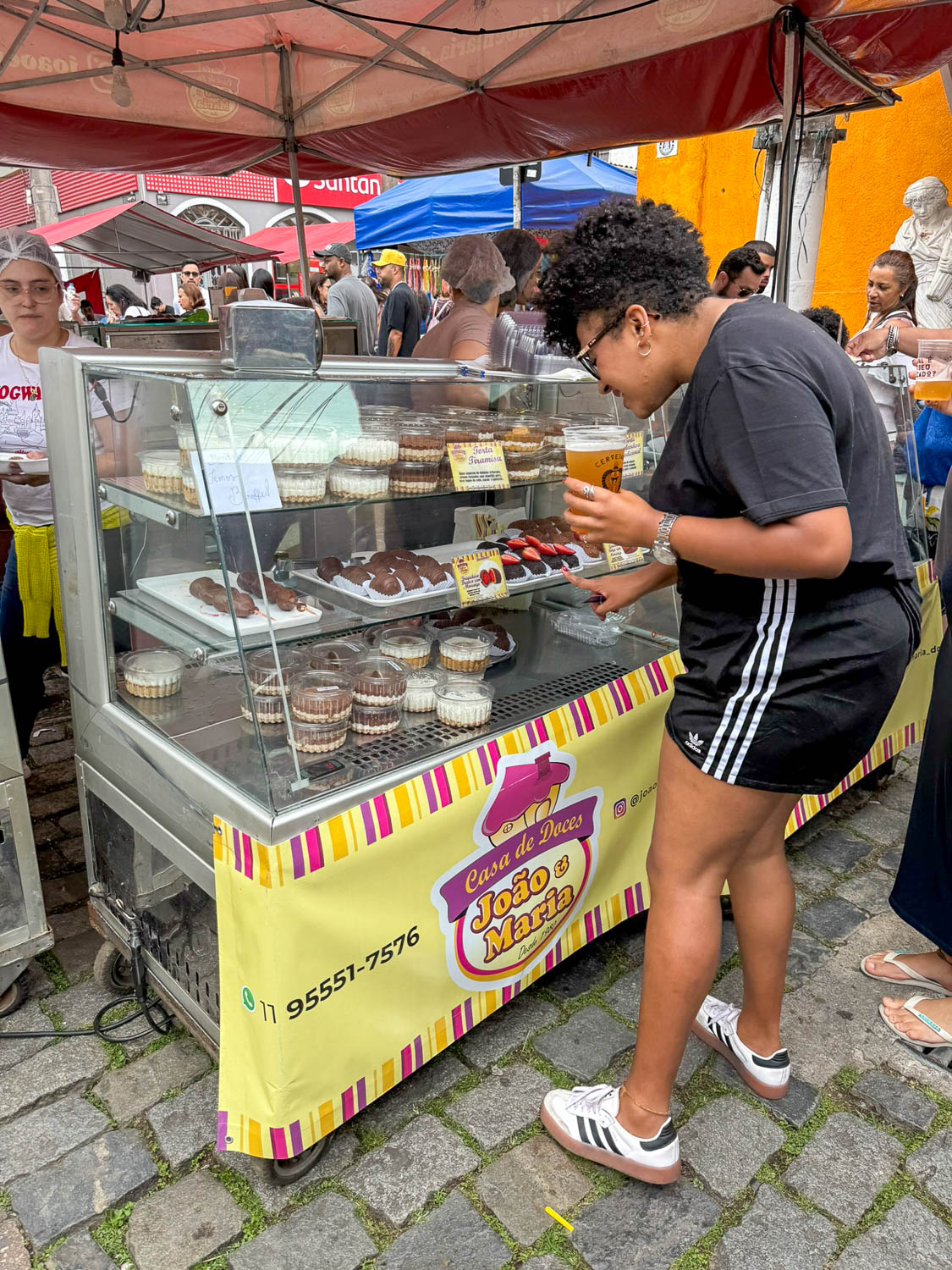
Insider tip. If you’re visiting Embu during a holiday edition, we recommend making a full loop of the market before purchasing anything. Seasonal items tend to vary more widely in style and price than the regular weekly offerings.
Fun fact. During holiday editions of the Feira de Artes, some vendors decorate their entire stalls to match the season. Look out for simple market setups turned mini festive displays in their own right.
Insider tip. Arrive earlier in the day during holiday editions of the market. The most unique seasonal pieces (especially decorations and specialty foods) tend to sell out well before late afternoon.
Embu das Artes Anniversary Celebrations
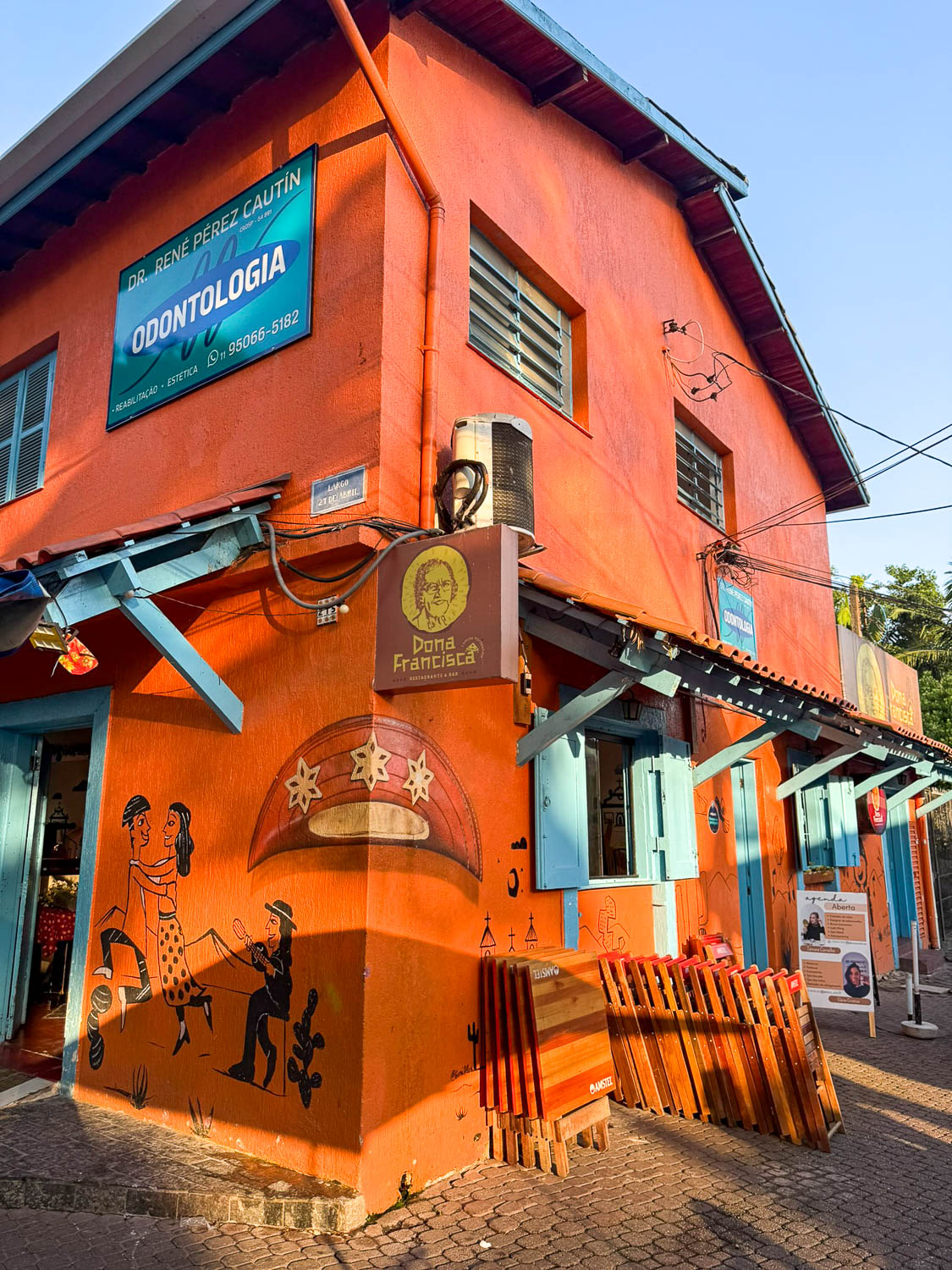
Embu das Artes’ anniversary celebrations, typically held in May (with exact dates varying slightly each year), honor the town’s founding in 1559, and its rich cultural history and artistic legacy. During this period, visitors can expect a mix of live performances, community events, and expanded arts programming and market offerings throughout the colonial-era, cobblestone center.
Insider tip. Anniversary celebrations in Embu can draw larger local crowds than a typical weekend. If you prefer a more relaxed pace, we recommend taking part in the festivities earlier in the day.
Whilst more locally-focused and community-driven than most large-scale Brazilian festivals (and we know Brazil likes to go big!), these anniversary celebrations offer a meaningful glimpse into Embu’s identity, often highlighting local artists, traditional music, regional cuisine, and cultural storytelling that reflect the town’s evolution from a small historic settlement into one of the region’s most recognizable artistic hubs. Indeed, local artists – music, dance, theater and poetry – are often front and center during anniversary events, reinforcing Embu’s reputation as a town shaped by its creative community.
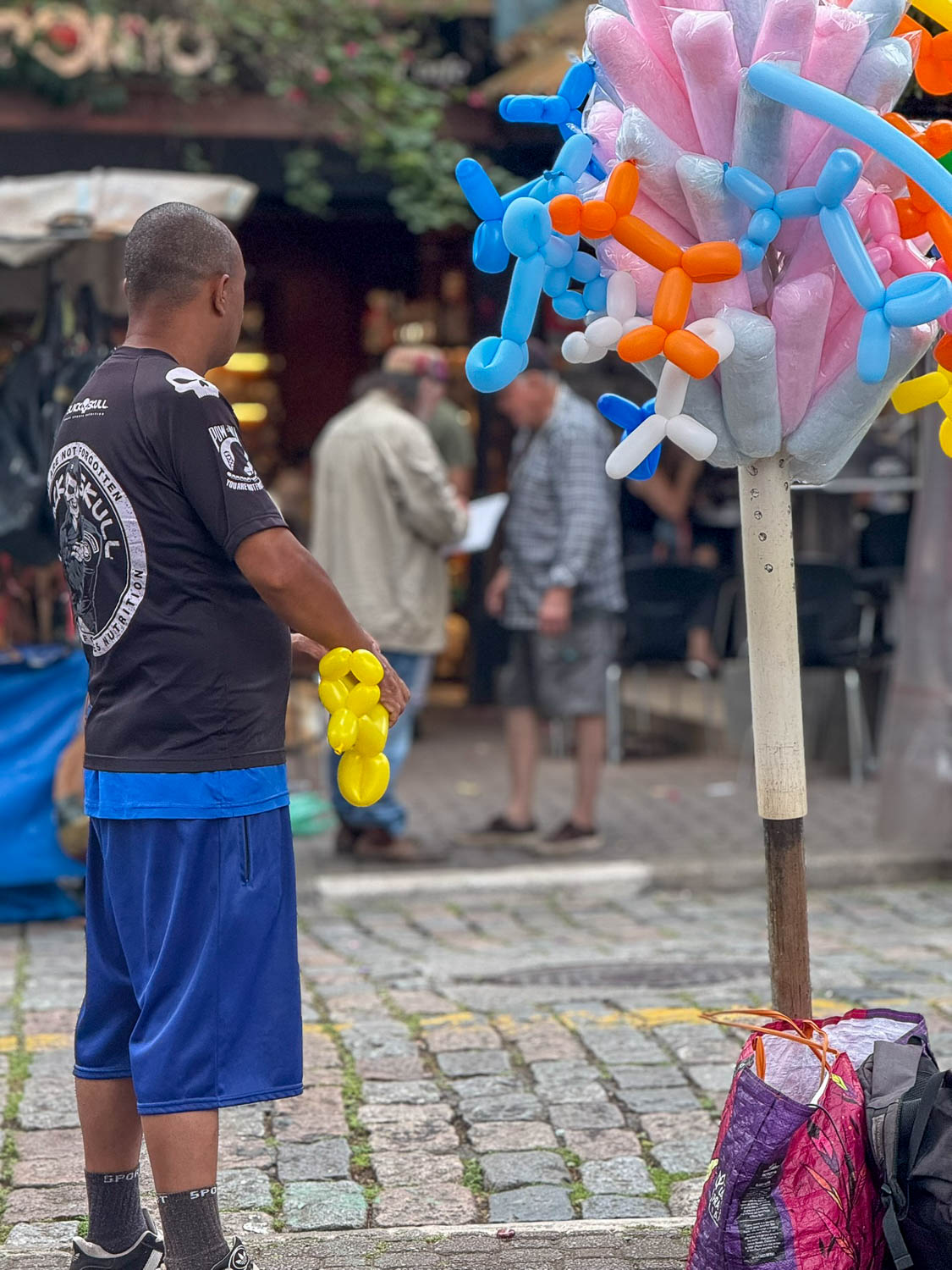
Fun fact. Some of the town’s anniversary celebrations highlight Embu’s Jesuit-era roots, connecting back to its 17th-century religious and colonial history.
Fun fact. It’s not unusual to see a mix of generations taking part in these celebrations — from long-time artisans who’ve been part of Embu’s creative scene for decades, to younger artists continuing the tradition.
Insider tip. Keep an eye out for pop-up performances or small cultural presentations. These aren’t always heavily advertised, but are also often some of the most memorable moments.
Christmas in Embu das Artes
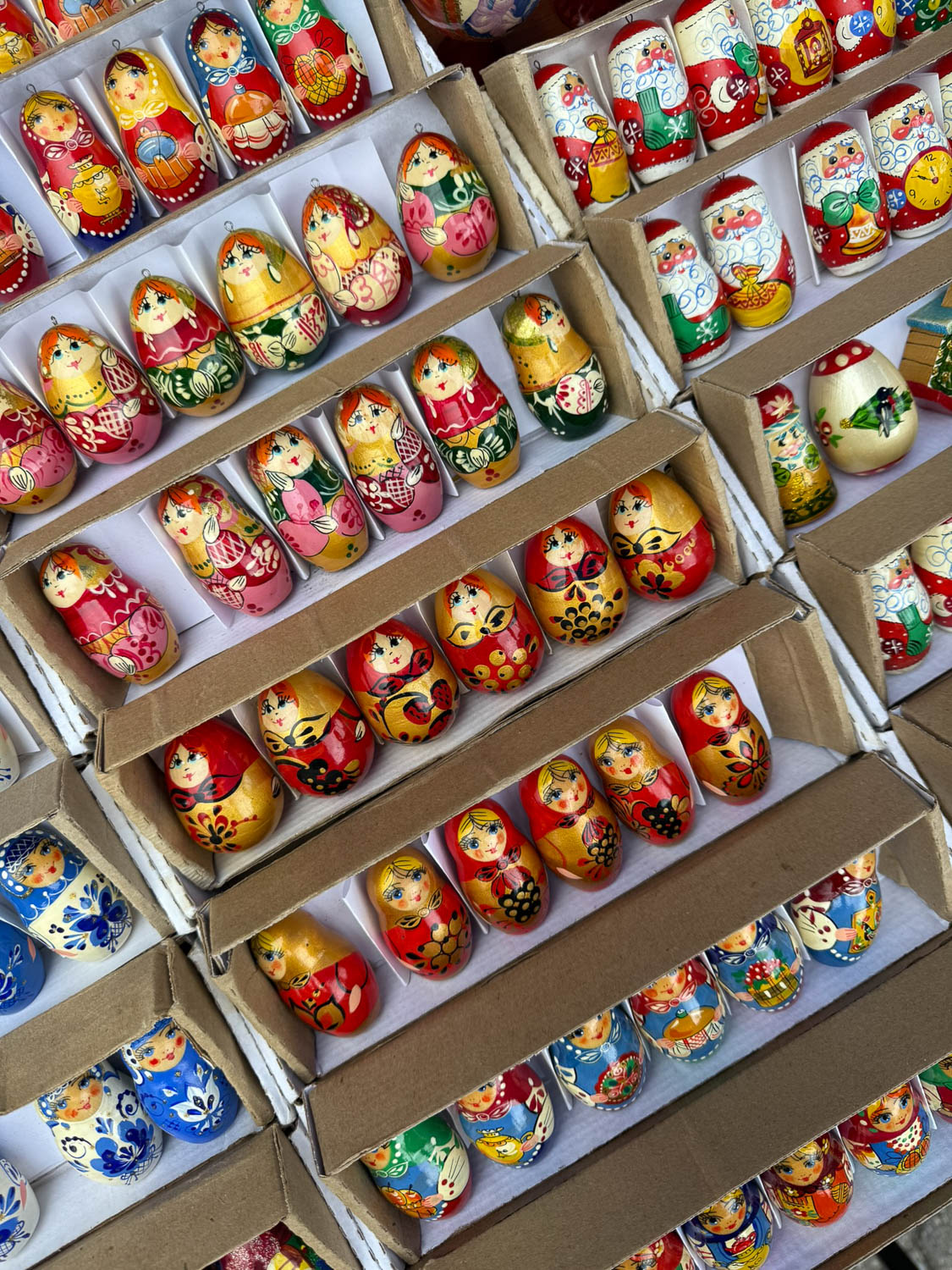
Christmas is a very special time indeed in Embu, when the town’s artistic spirit blends beautifully with seasonal traditions. Throughout the historic center, visitors will find festive lights, handcrafted decorations, small seasonal markets, and local cultural performances that reflect both Brazilian holiday traditions and Embu’s creative identity.
Fun fact. Holiday decorations in Embu often reflect the town’s artistic flair. Expect handmade ornaments, locally crafted nativity scenes, and creative displays you won’t find in more commercialized settings.
Similar to the town’s anniversary celebrations, these Christmas festivities are smaller in scale than those generally found in major Brazilian cities – but this is very much part of their charm. The atmosphere feels local, relaxed, and community-focused, offering visitors a chance to experience the holidays through artisan craftsmanship, live music, special, seasonal dishes, and intimate cultural events woven into the town’s everyday rhythm.
Check out this video for a glimpse into what to expect from “Christmas time in Embu”.
Fun fact. Christmas in Embu das Artes falls right in the middle of summer. You may find festive lights, holiday music, and decorated trees paired with warm evenings, flip-flops and short sleeves. Beck’s happy place, without question (and indeed memories of her childhood in Australia…)!
Natal Iluminado (Illuminated Christmas)
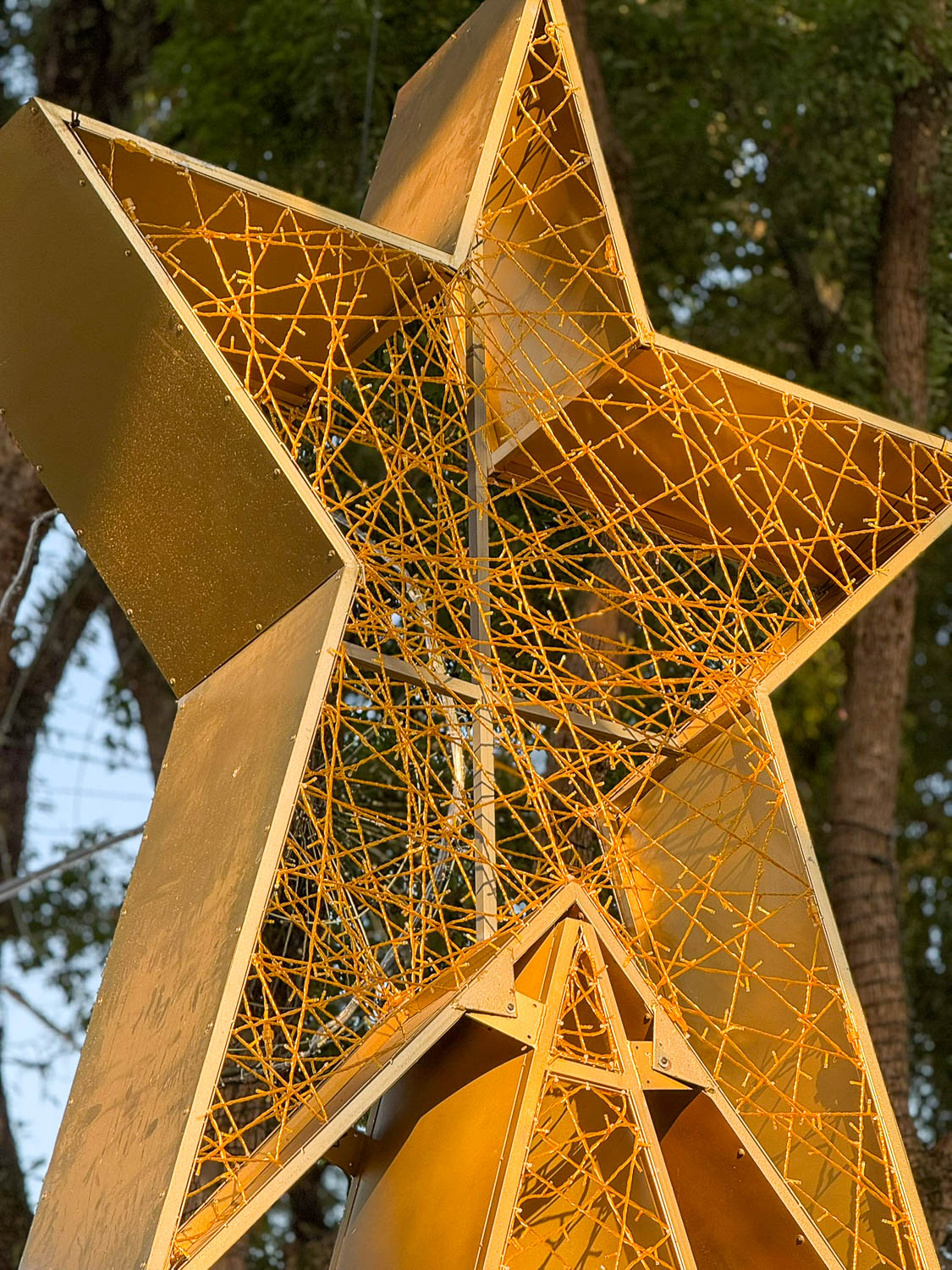
Christmas in Embu das Artes is perhaps most well noted for its Natal Iluminado, which typically runs from early December through early January. During this time, the historic center is transformed into a magical, brightly-lit setting with specialized decorations, extensive festive lighting, free live concerts featuring popular Brazilian singers and local artists, and even family-friendly activities that include ice-skating (in the Brazilian summer … we know!?).
Insider tip. Consider visiting Natal Iluminado after sunset. The atmosphere shifts completely once the lights are on – and this is when the experience feels most immersive. Maybe even combine an early evening visit with dinner in the historic center of Embu — you’ll catch the transition from daylight to fully illuminated streets without needing to backtrack.
Other Festivals and Ongoing Events in Embu das Artes
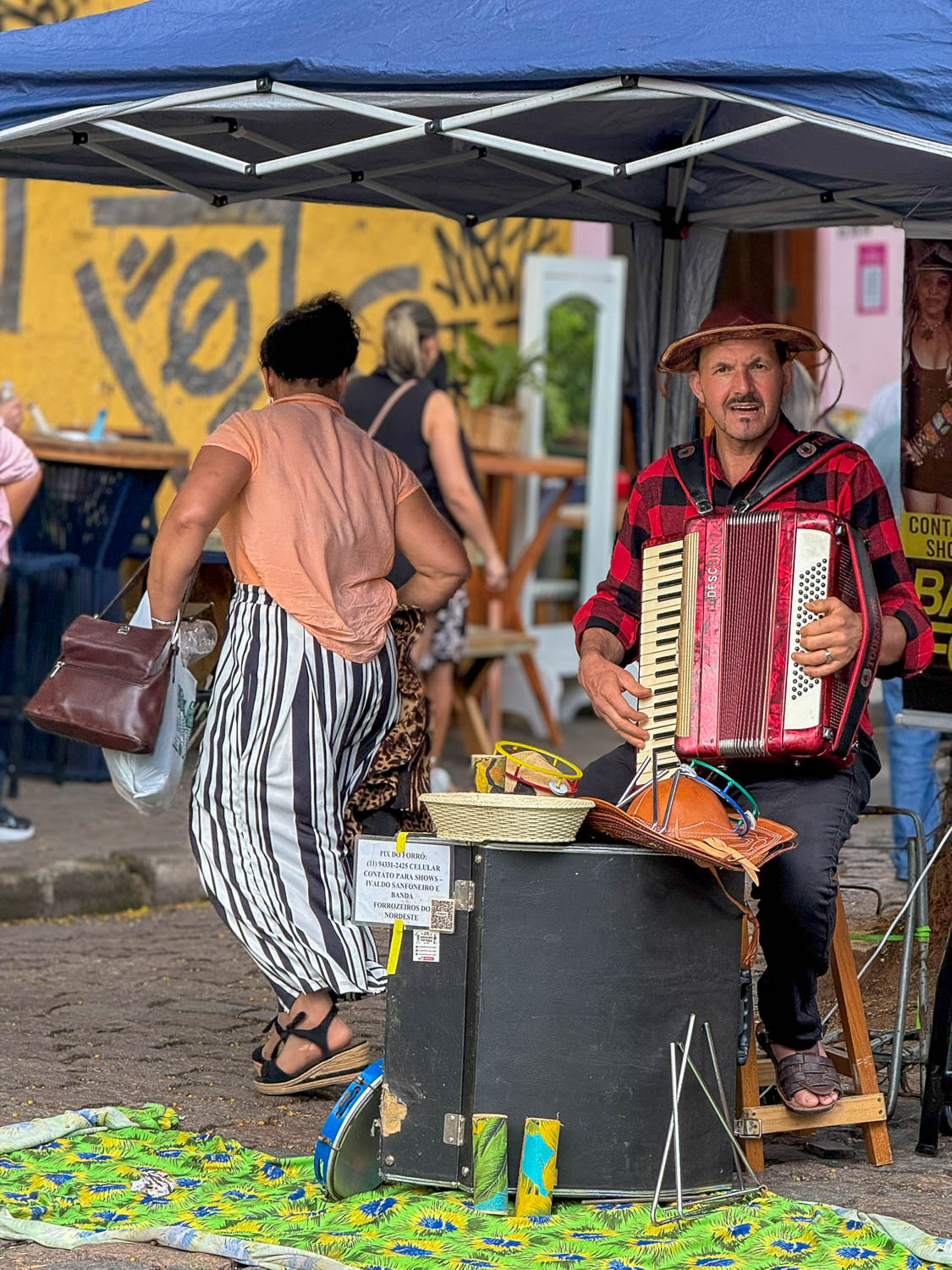
Beyond its headline major events, Embu das Artes also marks the seasons with additional festivals, bringing more traditional music, dance, and classic Brazilian festival foods to this historic town. Throughout the year, these smaller cultural and religious events take place around the city center — particularly near the historic churches and sacred art spaces — reinforcing Embu’s deep connection to both artistic and spiritual heritage. One such festival is Festas Juninas (traditional Brazilian June festivals).
Festas Juninas
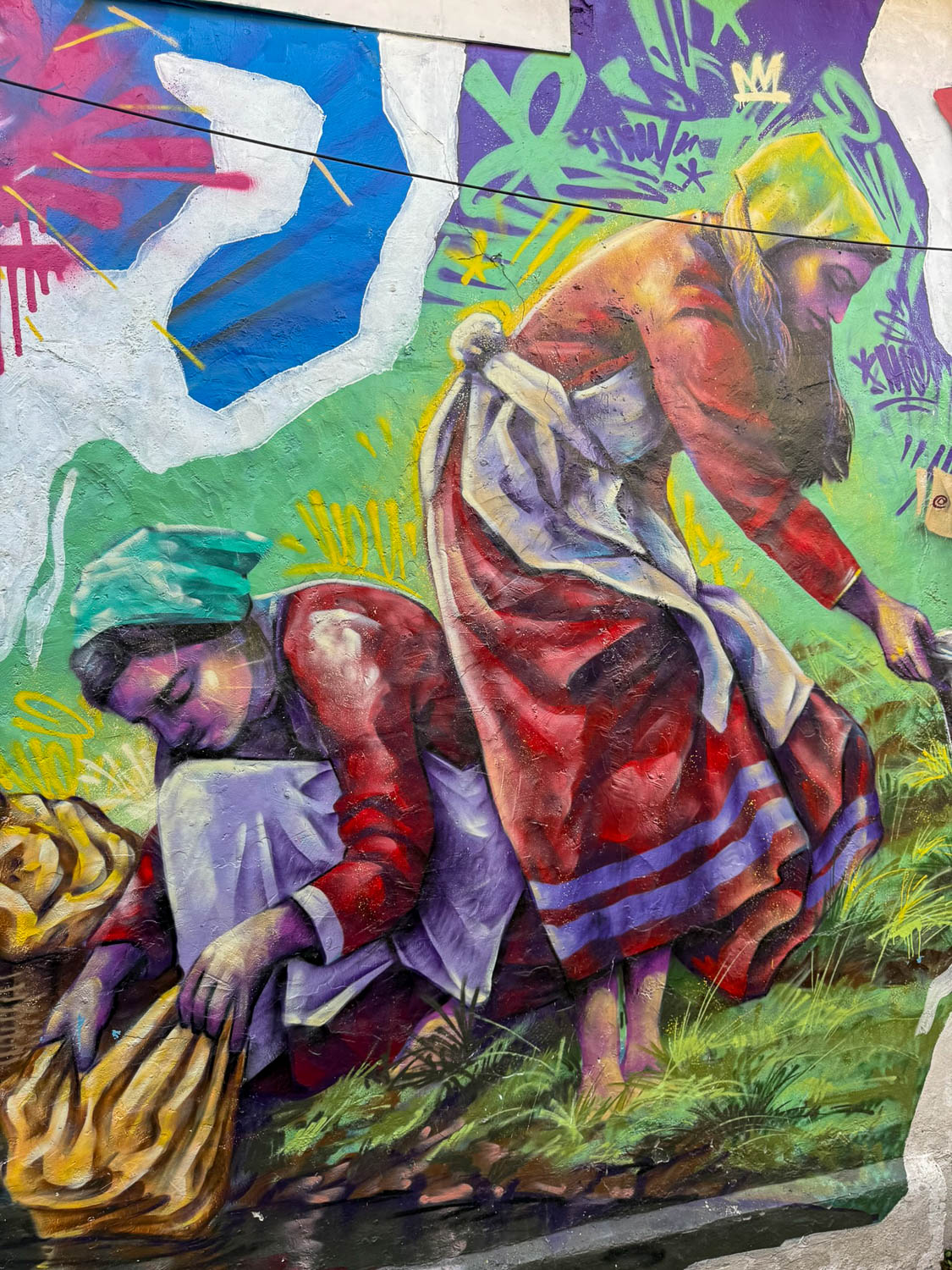
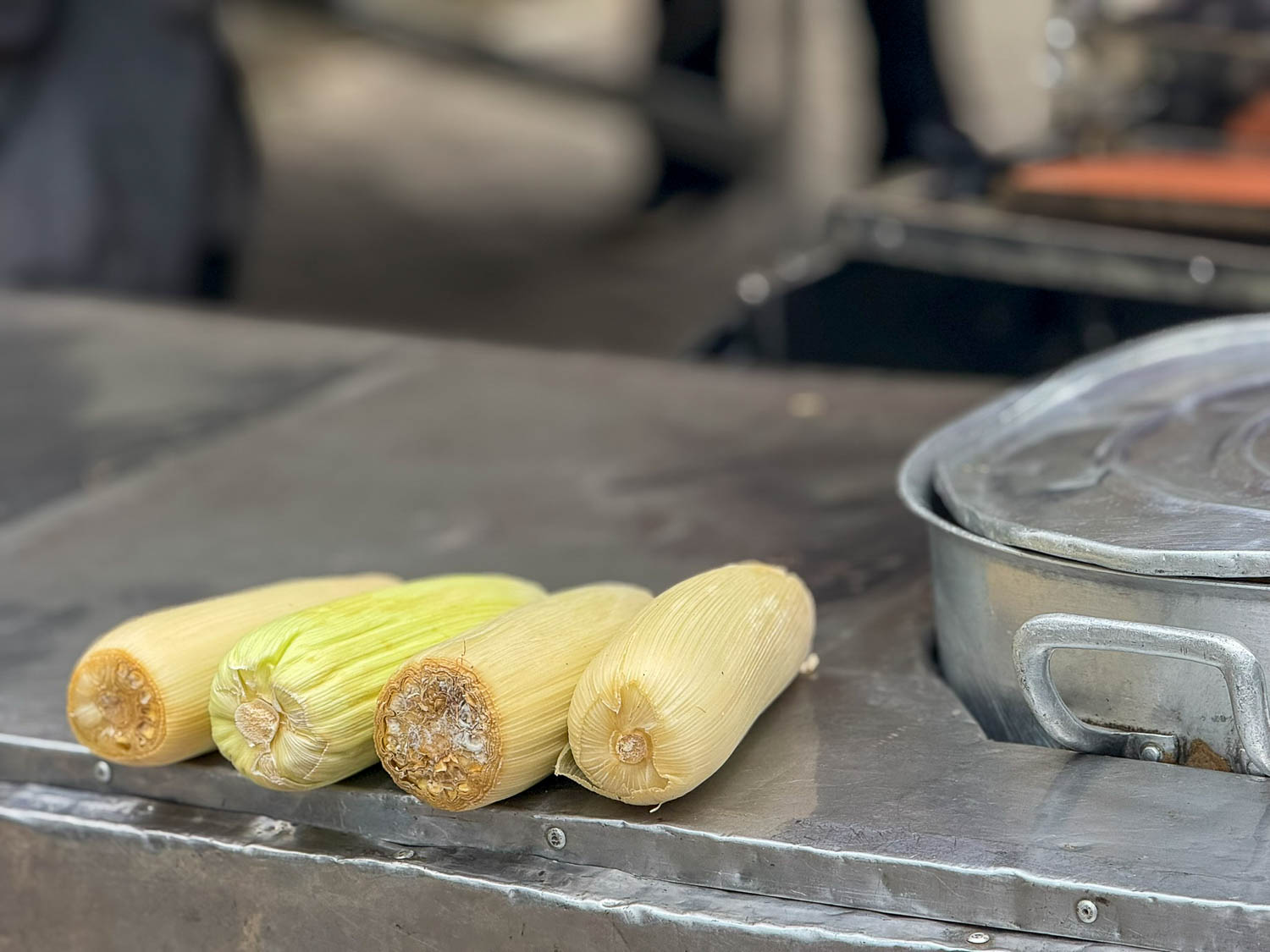
Each June (and sometimes into July) a series of traditional Brazilian events celebrate rural (caipira) life, seasonal traditions, and harvest culture in Embu. During this time, the town’s famous artist colony enhances the classic rural-themed party with high-quality local crafts, traditional cozy food (corn, popcorn and cakes are very popular at this time of year!), and authentic, community-driven performances. Think added charm and a rustic touch, including the following.
- Quadrilha. Traditional Brazilian folk dancing, often performed in pairs with creative, peasant-style costumes.
Fun fact. During Festas Juninas, entire spaces are transformed into arraiais. These festively decorated fairgrounds are where you’ll find plaid shirts, straw hats, traditional food, and live music setting the scene for a countryside-style celebration.
- Pescaria. Although this translates directly to “fishing” or “fishery” in English, pescaria is actually a traditional game of chance or skill, designed for entertainment. It typically involves a small, themed setup — sometimes a water-filled tank, other times a decorated sandpit — where plastic fish, each fitted with a small ring, are “caught” using simple fishing rods. Each fish has a number, with each number corresponding to a small prize.
- Prisão. Also know as “the jail”, this playful Festa Juninas tradition involves festival-goers paying to have friends or family “arrested” and held in a mock jail until they “earn” their release. Release is often only granted once the “prisoner” pays a small fine or completes a lighthearted task (think singing or dancing – super fun!).
Fun fact. The prisão isn’t just for laughs. This game is often run by local schools, churches, or community groups as a creative way to raise funds during the festival.
Fun fact. The “police” running the prisão are usually volunteers or actors in costume. You’ll often see them playing up the role for comedic effect (super fun!).
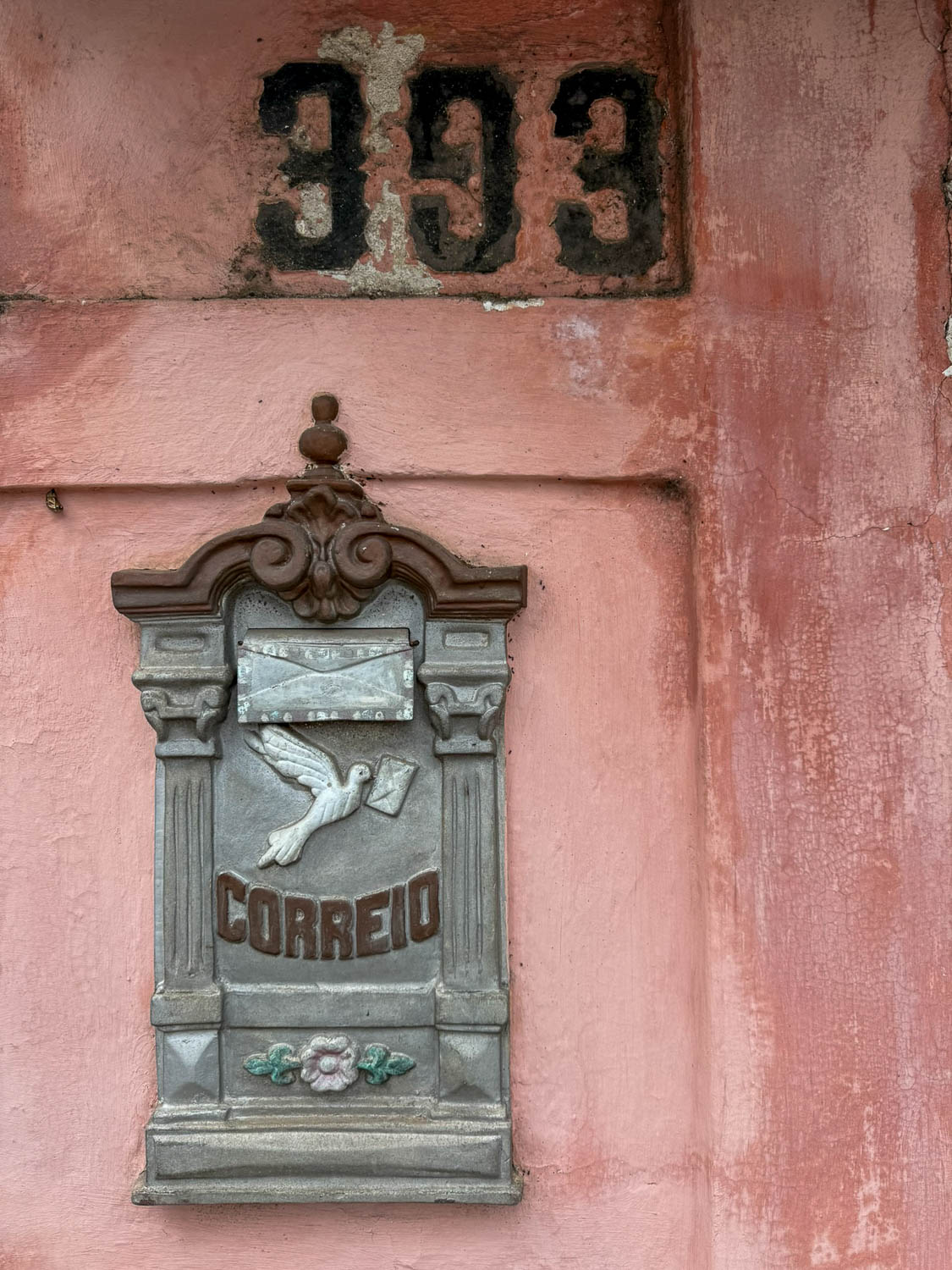
- Correio elegante. This popular, playful tradition is a festive messaging service, which essentially translates to “elegant mail”. During the festivities, individuals send anonymous – often flirty or friendly – decorated notes to one another, delivered by roaming “messengers”.
Fun fact. Some correio elegante messages are intentionally humorous or exaggerated. Expect dramatic declarations of love, playful teasing, and the occasional inside joke.
Fun fact. The delivery of these messages themselves can be half the fun! Messengers often read the notes aloud or add their own flair, turning a simple message into a small theatrical performance.
At this time of year, the festivities also often feature a wide range of authentic, corn-based treats and pine nuts that include the following, reflecting the intended harvest theme.
- Pamonha. Similar to a tamale, pamonha is a steamed or boiled dumpling made from fresh, grated sweet corn and coconut milk, wrapped in corn husks. Beck says, “Absolutely delicious!”.
- Canjica. A sweet porridge or pudding made from white or yellow corn kernels cooked with milk, sugar, coconut milk, and various spices
- Quentão. A traditional warm, sweet, spicy – and deeply warming –alcoholic beverage made by heating cachaça (Brazilian sugarcane rum) or red wine with various spices, and sometimes caramelized sugar and citrus.
Fun fact. Quentão translates to “big heat” or “very hot” and is the staple drink of winter festivities in Brazil, usually served to warm up cold nights. There are two main versions of this drink: Quentão de Cachaça (common throughout Brazil, this version uses cachaça, ginger, cloves, cinnamon, and caramel) and Quentão de Vinho (more popular in southern Brazil, this version uses red wine, spices, and citrus).
Are you interested in learning more about regional food from this part of Brazil? Be sure to check out our detailed guide to Brazilian Regional Cuisine: A Guide To Flavors Across Brazil.
Final Thoughts
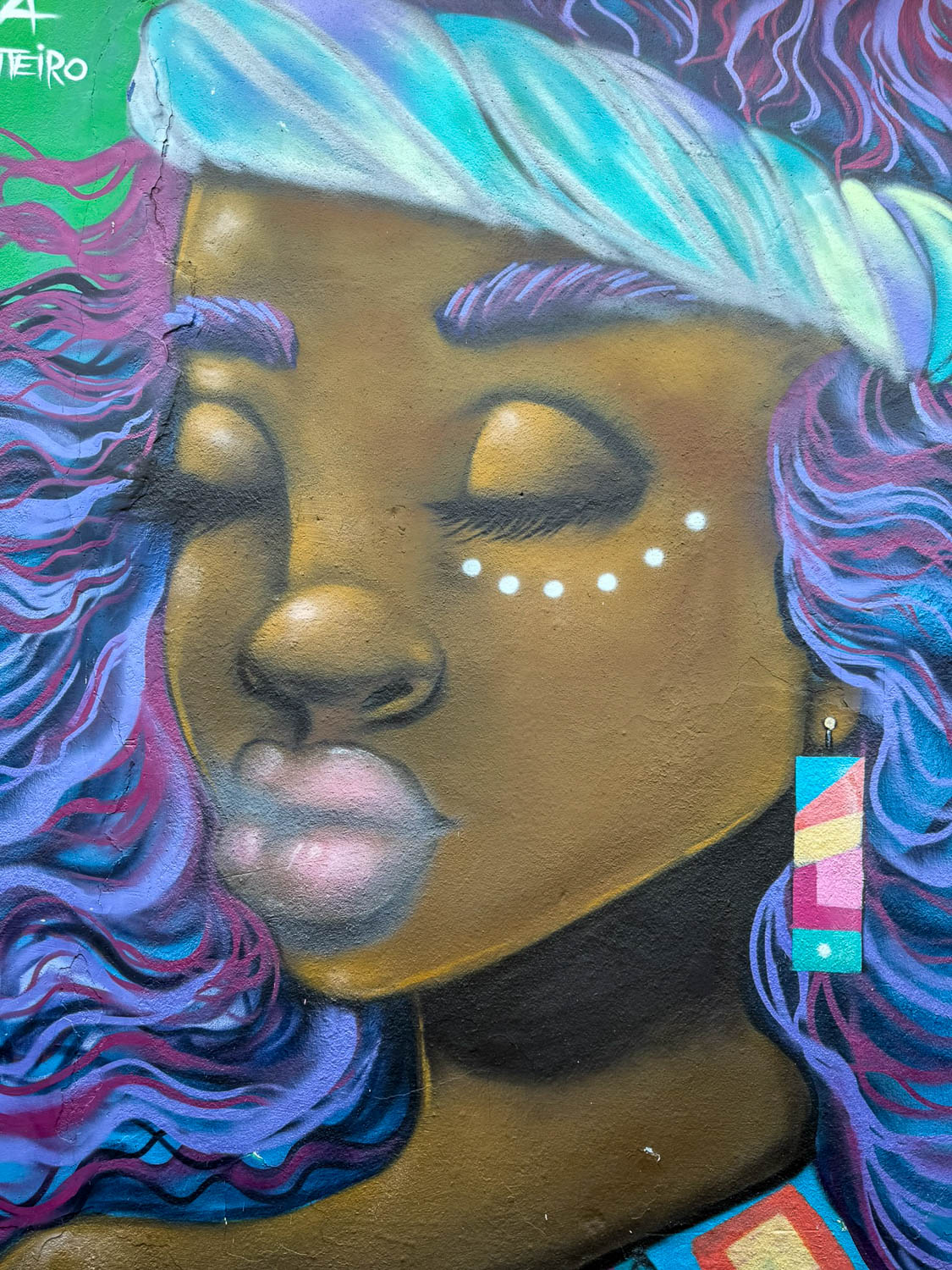
Throughout the year, Embu das Artes builds on its artistic identity through a series of cultural events and seasonal festivals that bring added energy to the historic center. Whilst the weekly Feira de Artes draws consistent weekend visitors, these special celebrations offer another lens through which to experience the town’s creative culture — one shaped not only by its artists, but also by its traditions, rhythms, and sense of community.
From the music-filled evenings of the Festival de Inverno and the expanded holiday editions of the Feira de Artes, to the locally-rooted anniversary celebrations, the warmth of Christmas and Natal Iluminado, and the playful traditions of Festas Juninas, each event adds its own character to Embu’s cultural calendar. No two visits feel quite the same — and that’s very much part of the appeal of the festivals and events in Embu das Artes.
If you’re planning your itinerary for Embu das Artes, consider timing your visit to coincide with one of these celebrations — and arrive prepared to experience the town in a slightly different light (‘scuse the pun if you’re planning a visit around Natal Iluminado!).
Are you ready to pack your dancing shoes, follow the music, send a private love note or two, and even add “I was once arrested in Brazil!” to your list of things most travelers never get to experience? When you are, we’ll be right there alongside you, ready to help you get started.
FAQs
What are the most popular festivals and events in Embu das Artes?
The most popular festivals and events in Embu das Artes include Festival de Inverno, Festas Juninas, Natal Iluminado, the town anniversary celebrations, and special holiday editions of the Feira de Arte e Artesanato.
When is the best time to visit Embu das Artes for festivals?
Many visitors consider July through August one of the best periods because Festival de Inverno takes place during this time. June is also popular for Festas Juninas, while December offers the festive atmosphere of Natal Iluminado.
Is Embu das Artes worth visiting during festival season?
Yes. Festival periods bring additional live music, cultural performances, food vendors, artisan displays, and community celebrations that provide a deeper experience than a typical weekend visit.
Are Festivals and Events in Embu das Artes family-friendly?
Absolutely. Most events are designed for all ages and include live entertainment, local food, artisan markets, cultural activities, and festive public spaces that appeal to both adults and children.
Can I visit Embu das Artes as a day trip from São Paulo during a festival?
Yes. Embu das Artes is one of the easiest day trips from São Paulo, and many visitors specifically plan their visit around major festivals, holiday weekends, or special editions of the artisan market.
Explore More Of Embu das Artes
-
Museums of Embu das Artes: A Guide to the Town’s Cultural and Artistic Highlights
Museums of Embu das Artes reveal the fascinating stories behind Brazil’s City of the Arts. Discover sacred art, local legends, and hidden cultural treasures beyond the famous artisan market.
-
Feira de Artes de Embu das Artes: Your Guide to São Paulo’s Famous Arts & Crafts Market
The heart of Embu das Artes’ creative identity beats strongest at the Feira de Artes – or, if we’re…
-
Best Things To Do in Embu das Artes: Travel Guide
Embu das Artes, just outside São Paulo in Brazil, is a colorful colonial town known as the “City of the Arts.” Famous for its weekend Feira de Artes market, galleries, artisan shops, and museums, it’s one of the most creative cultural day trips from São Paulo.