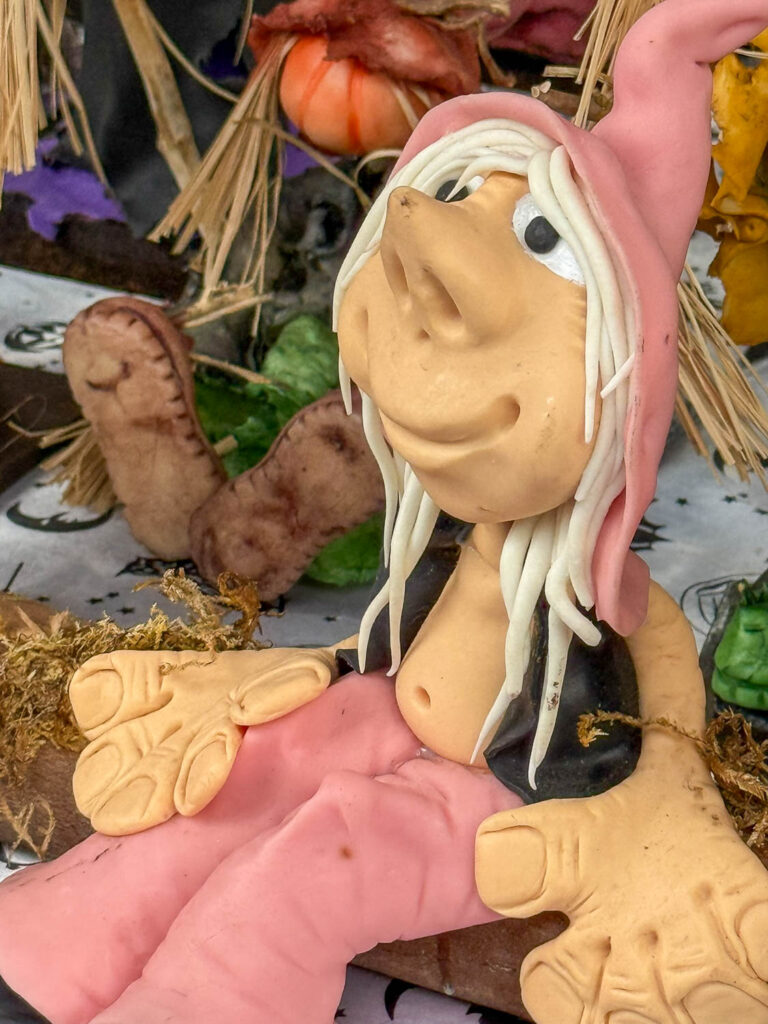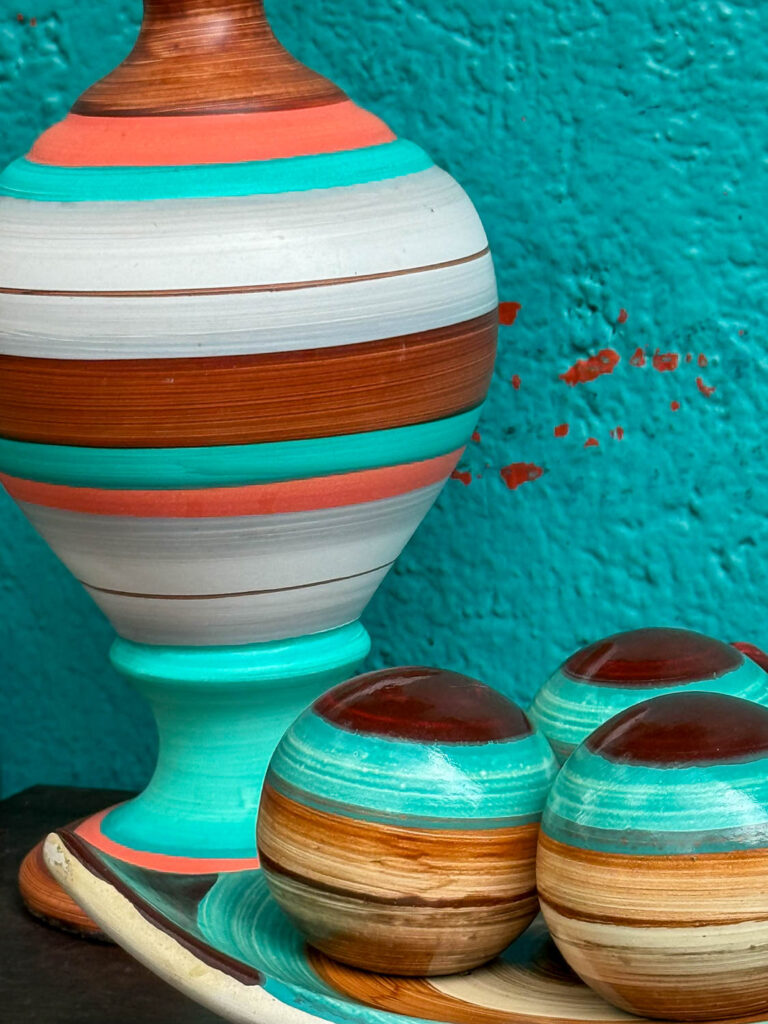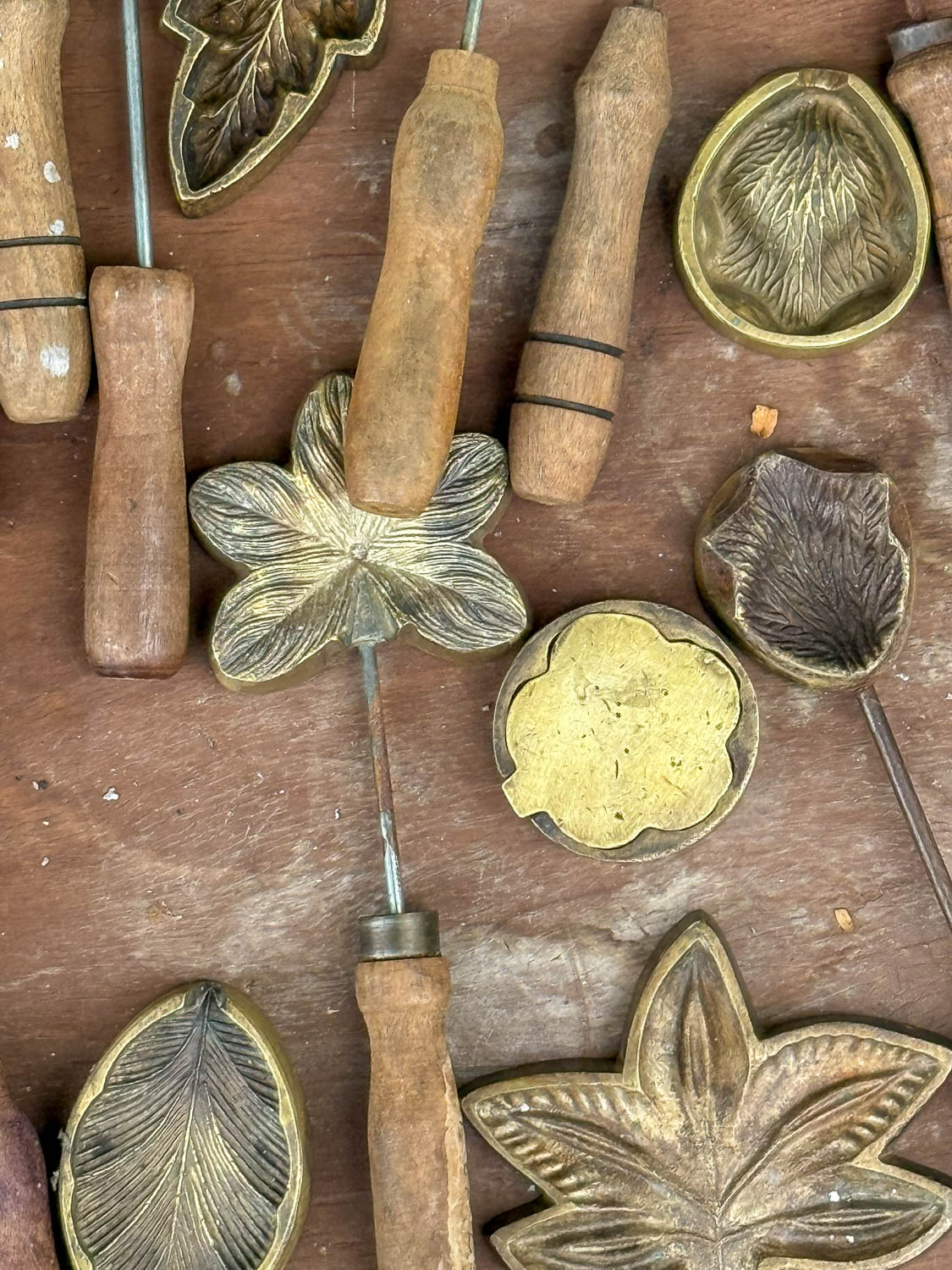
Beyond the energy of the weekend Feira de Artes, Embu das Artes also preserves its artistic and cultural stories through a small but meaningful collection of museums. These spaces, tucked throughout the historic center, afford a quieter – but sometimes also deeper – glimpse into the traditions, craftsmanship, and history that has helped shape the town into the creative hub you see today.
Through carefully preserved collections and local narratives, these cultural spaces offer continuity and a greater appreciation for the creativity that defines modern-day Embu. For travelers looking to understand the town beyond its famous market stalls, these museums provide valuable insight – a clearer sense of where it all began.
Read on, fellow travelers, to discover the key museums and cultural sites worth visiting, and what each reveals about Embu das Artes’ rich cultural identity. Here, we share highlights ranging from sacred art spaces and local legacy, to contemporary cultural venues.
Quick Tips

Here are some insider tips to help you make the most of your visit to Embu das Artes, Brazil.
- The best time to visit Embu das Artes is when the main markets are open and at their most vibrant: holidays and weekends.
- The best time to visit the Museums of Embu das Artes is on weekends and holidays when the famous Feira de Artes is also operating.
- Embu das Artes is located about 30 minutes from central São Paulo, making it an easy day trip.
- Most museums, galleries, artisan shops, and attractions are concentrated within the historic center and can be explored on foot.
- The Museu de Arte Sacra dos Jesuítas is the town’s most historically significant museum and should be a priority for first-time visitors.
- Memorial Sakai offers insight into the artistic legacy of Japanese-Brazilian sculptor Tadakiyo Sakai and is typically free or very low cost.
- Centro Cultural Mestre Assis showcases rotating exhibitions featuring local artists and cultural events.
- Allow 2–4 hours to comfortably visit the major museums while also exploring the surrounding historic center.
- Museum schedules and admission fees occasionally change, so verify current information before visiting.
- Guided tours can provide valuable cultural context and help connect the museums with Embu’s broader artistic heritage.
Follow these tips and you’ll be ready to visit Embu das Artes, Brazil!
Plan Your Visit
Some links below may earn us a small commission at no extra cost to you. We’re truly grateful for your support, as it allows us to continue sharing meaningful travel experiences and practical travel insights with you. Read our full disclosure here.
Best Way To Experience Embu das Artes
The best way to experience Embu das Artes is to spend a leisurely day exploring the historic center, browsing artisan shops, enjoying the Feira de Artes, and stopping frequently for coffee, street food, and conversations with local artists. Unlike many destinations, Embu rewards travelers who slow down and wander.
For first-time visitors, the ideal visit usually includes:
Top Recommended Experiences (At A Glance)
Best Overall Experience:
A full day exploring the Feira de Artes, artisan galleries, museums, cafés, and historic center streets.
→ Recommended: Private 4-hour Tour of Embu das Artes with Handicraft Market
Best For First-Time Visitors:
A guided day trip from São Paulo that combines transportation with free time to explore the market and historic center.
→ Recommended: Private Brazilian Art Tour Experience
Best Relaxed Experience:
Gallery hopping, coffee stops, and people-watching around the central squares and market streets.
→ Recommended: Historical Town Of Embu Das Artes – Art Galleries, Artisan Shops
Short On Time? Do This:
Tours & Experiences
Prefer additional options? Click below to discover more incredible experiences tailored just for you!
Browse top attractions in Sao Paulo, Brazil.
Travel Essentials?
Planning the rest of your trip? These are the platforms we personally use when organizing our travels. For more planning tools, visit our Travel Resources page or browse current promotions on our Travel Deals page.
When To Visit Embu Das Artes
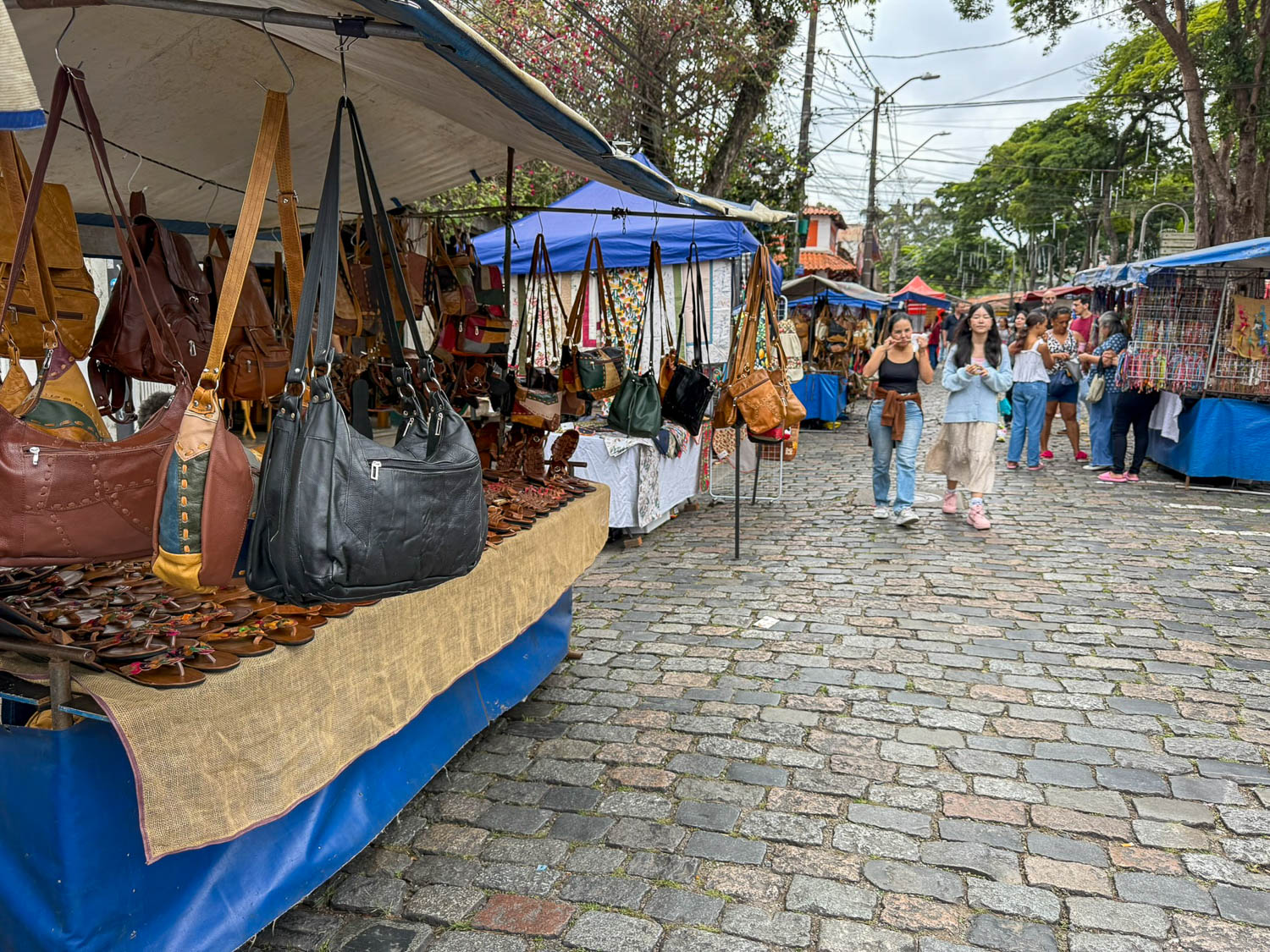
If you’ve had a chance to read other destination guides we’ve written, you’ll know we are big believers that any global destination can be visited at almost any time of year. In Embu das Artes, however, the best time to visit is most certainly when the main markets are open and at their most vibrant: holidays and weekends. It’s during this time that the famous Feira de Arte e Artesanato de Embu das Artes fills the streets with craft vendors, live music, and the smell of delicious local food.
The seasons in southern Brazil can also shape one’s visit to Embu. And whilst the town doesn’t experience extreme weather, the summer (late December through late March) is warmer, with possible afternoon rain showers. The winter (late June through late September) brings cooler mornings and affords excellent walking weather.
Insider tip. The dry season – Brazil’s winter – also often brings special events and festivals to Embu, adding extra color and energy to any visit.
Getting to Embu das Artes
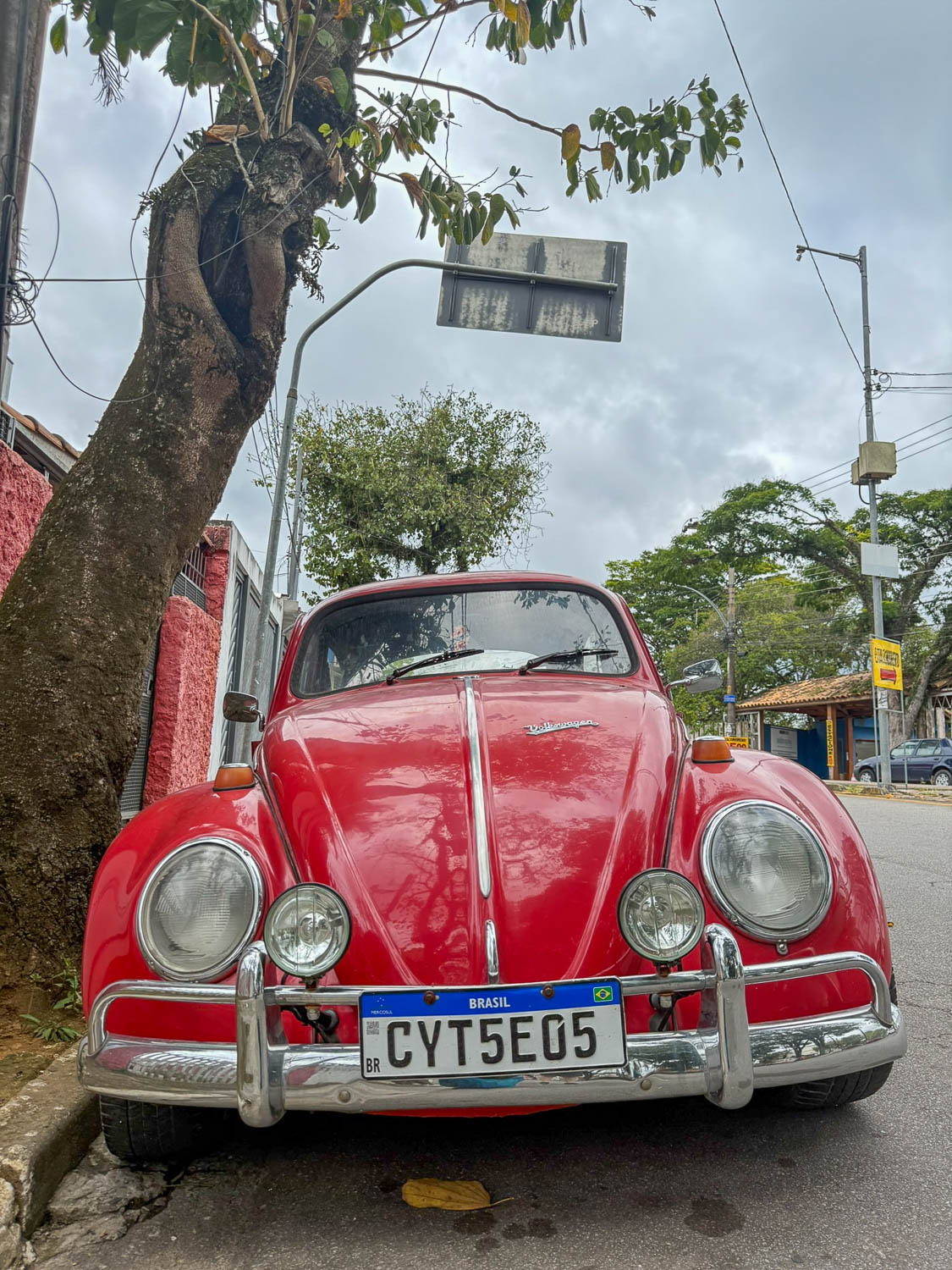
Technically a part of the greater São Paulo metropolitan region, Embu often feels like an easy extension of the city, despite its distinct character and pace.
Located just 25-30km (15-18 miles) southwest of central São Paulo – no more than 30 minutes by road (along BR-116, the Régis Bittencourt Highway) or about 1.5 hours if you’re coming directly from the São Paulo-Guarulhos International Airport (GRU) (as we did) – Embu das Artes is perfect for a day trip and getting there by car, bus, or private or group tour is easy.
For more detailed information on getting to Embu, be sure to check out our main article, Best Things To Do in Embu das Artes: Travel Guide.
Getting Around Embu das Artes

Once you’ve arrived, Embu das Artes is wonderfully walkable. Most visitors spend their time within the historic center, where the market streets, artisan shops, galleries, museums, cafes and restaurants sit within a compact, easy-to-navigate area.
For insider tips on how to best navigate Embu on foot, head over to our sister article, Best Things To Do in Embu das Artes: Travel Guide.
Insider tip. Are you considering a guided tour of Embu to help you make the most of your time in the town? If you have a tour guide with you, definitely ask them to stop by one or two of the small museums listed here in this article. Your guide will be able to not only translate signs and museum curator stories (if needed), but also provide for you context around the museum’s cultural significance.
Exploring the Museums of Embu das Artes
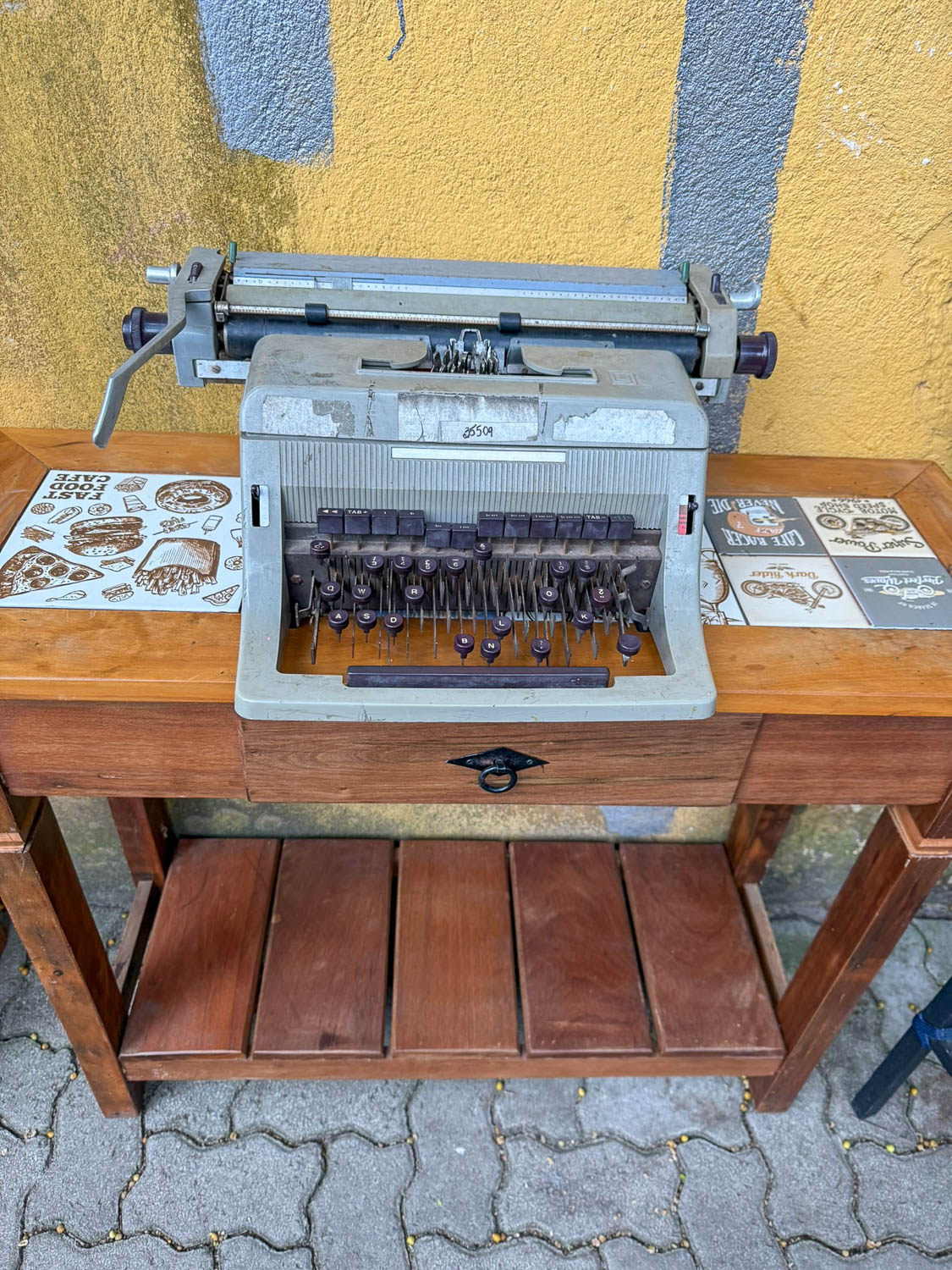
Whilst the Feira de Artes showcases Embu’s creativity in motion, its museums help tell the stories behind it, and afford the visitor a quieter, more reflective way to connect with the town. Scattered throughout the historic center, these spaces trace the artistic traditions, influences, and individuals that have shaped Embu over time — adding context to the vibrant scene you experience on the streets.
Insider tip. Consider a visit to one or more of the following cultural spaces on a weekend, when the town’s famous arts and crafts fair – the Feira de Arte e Artesanato de Embu das Artes – is in full swing.
Note. Entrance fees and opening times listed here are subject to change. We highly recommend confirming these with updated online sources for each museum before planning your visit.
Museu de Arte Sacra dos Jesuítas (Jesuit Sacred Art Museum)
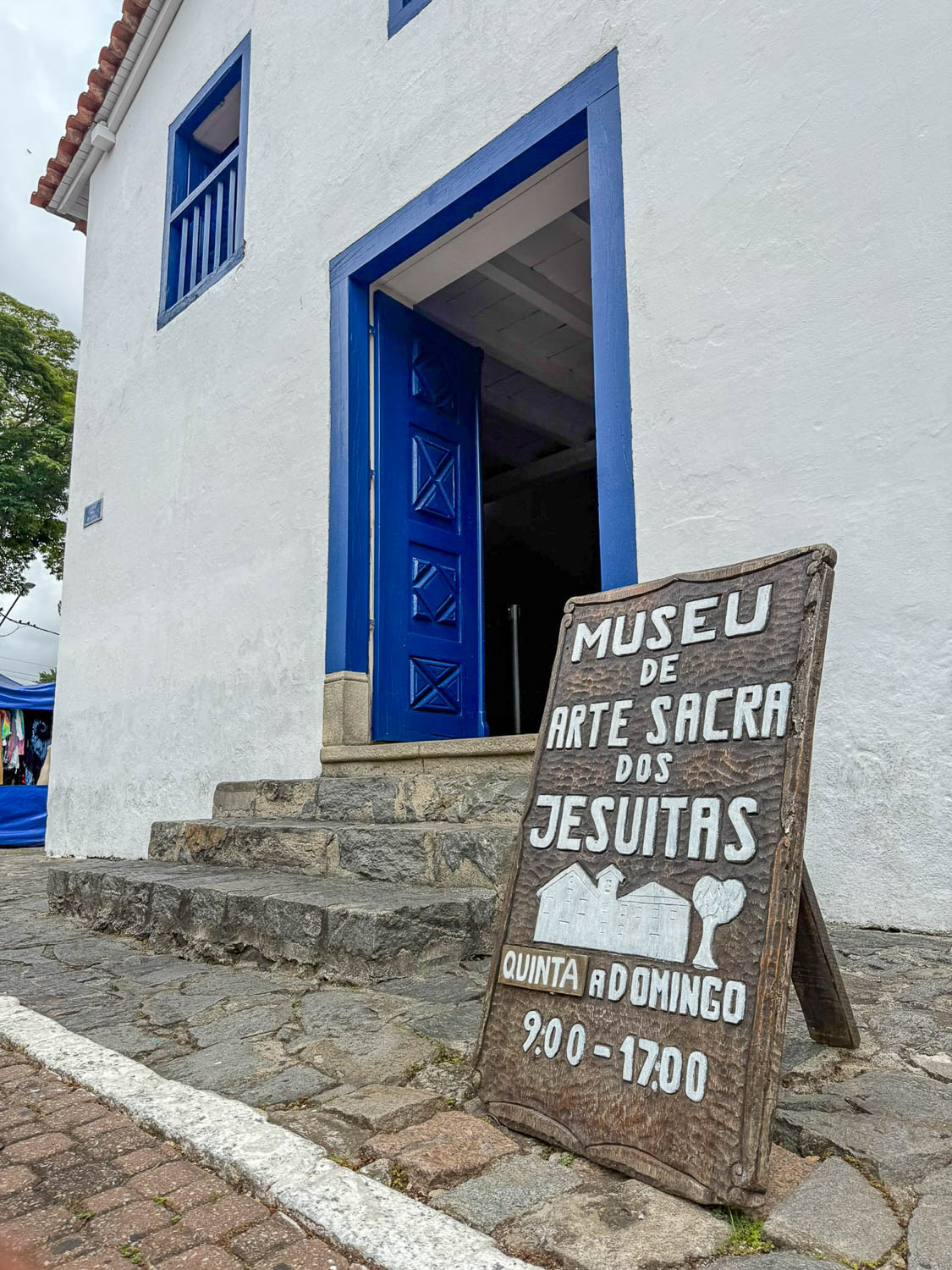
Located inside an historic 17th-century Jesuit priests’ building, the Museu de Arte Sacra dos Jesuítas (MASJ) houses one of the most important collections of colonial-era sacred art in the São Paulo region. It includes religious art, sculptures, paintings, and furniture from the 17th through 20th centuries, revealing how faith and artistry intertwined to shape this historical town.
Fun fact. The Jesuit Sacred Art Museum houses the oldest organ in Brazil. And with some parts of the complex dating back to the 1600s, it’s one of the oldest preserved sites in the area.
Insider tip. Visit this museum earlier in the day (or indeed during the week) for a quieter experience. The space is relatively small, and it’s much easier to appreciate the details without weekend afternoon foot traffic.
Where Exactly is the Museu de Arte Sacra dos Jesuítas?
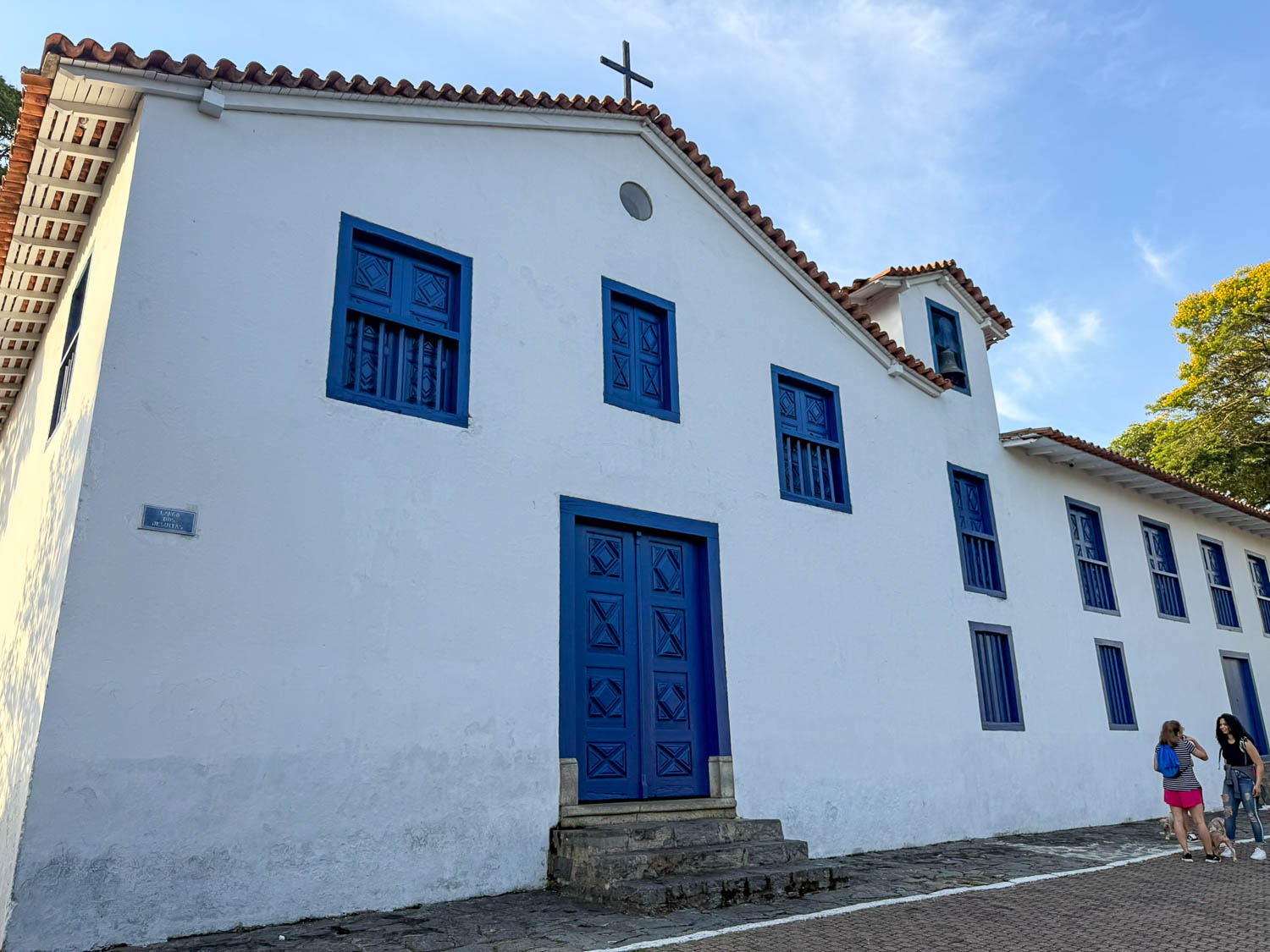
The Museu de Arte Sacra dos Jesuítas can be found at Largo dos Jesuítas (Jesuit Square), number 67, in the historic center of Embu das Artes. Look for a large white building with dark blue doors and windows, and a traditional tiled roof – you really can’t miss it! – which forms part of the historic Igreja de Nossa Senhora do Rosário (Church of Our Lady of the Rosary) complex.
Insider tip. In case you find it first, the museum complex is also adjacent to the alleyway with the overhang of colorful umbrellas.
Insider tip. Once you’ve spent some time within the Jesuit Sacred Art Museum, take a moment to step outside into Largo dos Jesuítas (the square right outside the museum’s front door) — the setting itself helps bring the museum’s history into context.
What Are the Opening Hours for the Museu de Arte Sacra dos Jesuítas?
The Museu de Arte Sacra dos Jesuítas is open to the public from Thursday to Sunday, from 9am through 5pm.
Insider tip. The museum sometimes closes for an hour over the lunch break, between 12pm and 1pm.
What Are the Entry Fees for the Museu de Arte Sacra dos Jesuítas?
The Museu de Arte Sacra dos Jesuítas costs R$20 (less than US$4) for general admission, and R$10 (less than US$10) for students, teachers, the elderly, and visitors with disabilities. Museum entry is free for those under the age of 7.
Memorial Sakai de Embu das Artes
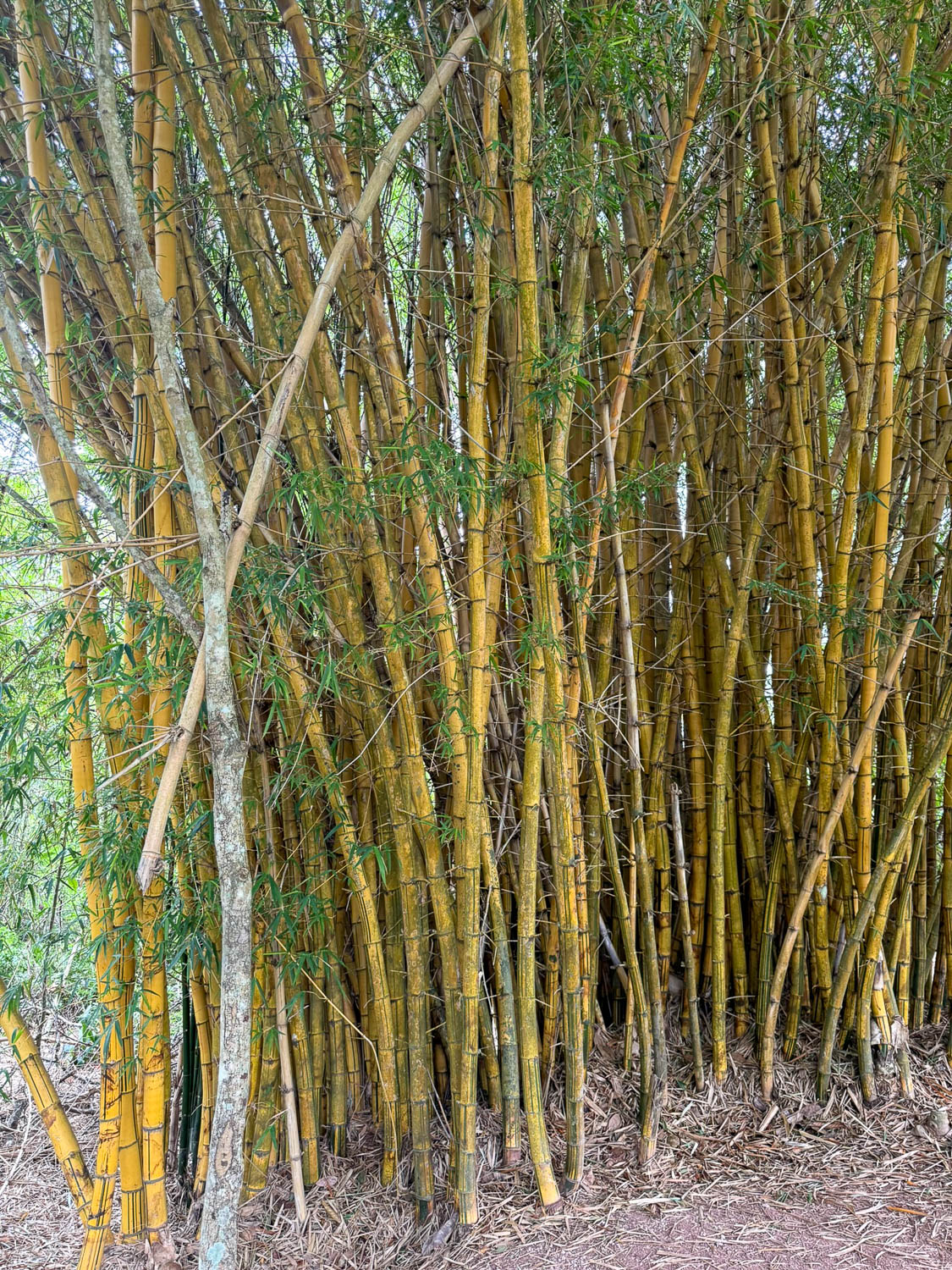
About a 15-minute walk north of the Jesuit Sacred Art Museum, through a nice residential area, you’ll find the Memorial Sakai de Embu das Artes, an art museum celebrating the works of Japanese-Brazilian sculptor Tadakiyo Sakai and other artists.
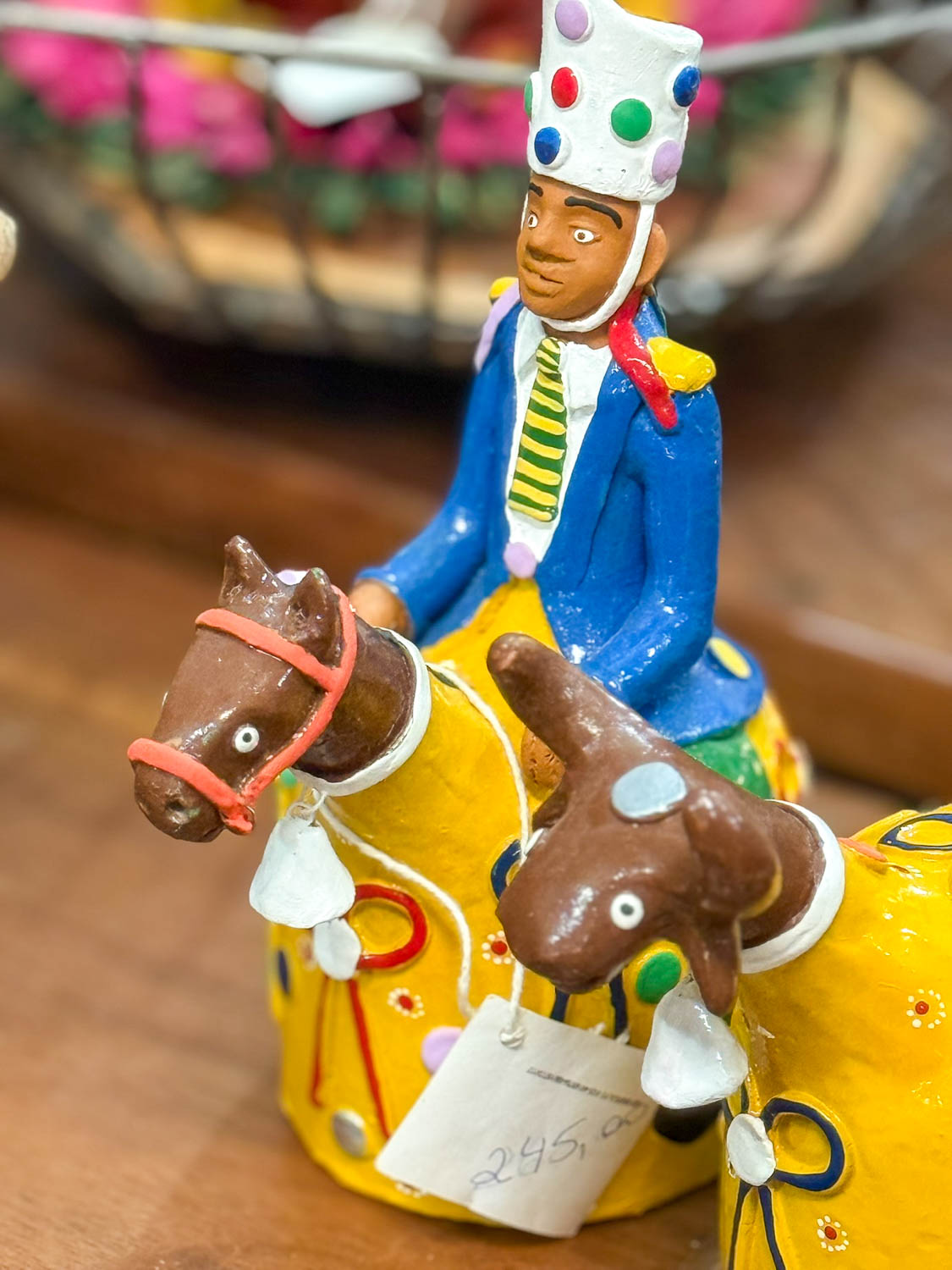
Fun fact. You’ll notice a strong focus here on traditional Japanese-influenced terracotta sculpting. Sakai primarily worked with terracotta, creating sculptures often influenced by Black traditions and Afro-Brazilian culture.
Insider tip. Even if you’re short on time, this is a quick and worthwhile stop, offering a meaningful glimpse into one of Embu’s most influential artists.
Insider tip. Pair your visit to the Memorial Sakai de Embu das Artes with a walk through the surrounding streets. Many of the nearby galleries reflect the same artistic spirit Sakai helped cultivate.
Where Exactly is the Memorial Sakai de Embu das Artes?
The Memorial Sakai de Embu das Artes is located at R. Rebolo Gonzáles, 185, Vila Cercado Grande. It’s just over 2km (1.37mi) from the Museu de Arte Sacra dos Jesuítas – about a 9-minute drive depending on traffic conditions, or a pleasant 15-minute walk (only a kilometer if you go by foot!).
What Are the Opening Hours for the Memorial Sakai de Embu das Artes?
The Memorial Sakai de Embu das Artes is open daily from 9am through 4pm. On weekends, the museum may close for an hour (12pm-1pm) for lunch.
What Are the Entry Fees for the Memorial Sakai de Embu das Artes?
In exciting news, it’s historically free (or incredibly low cost – no more than R$3 (about 60 U.S. cents)) to visit Memorial Sakai de Embu das Artes!
Centro Cultural Mestre Assis
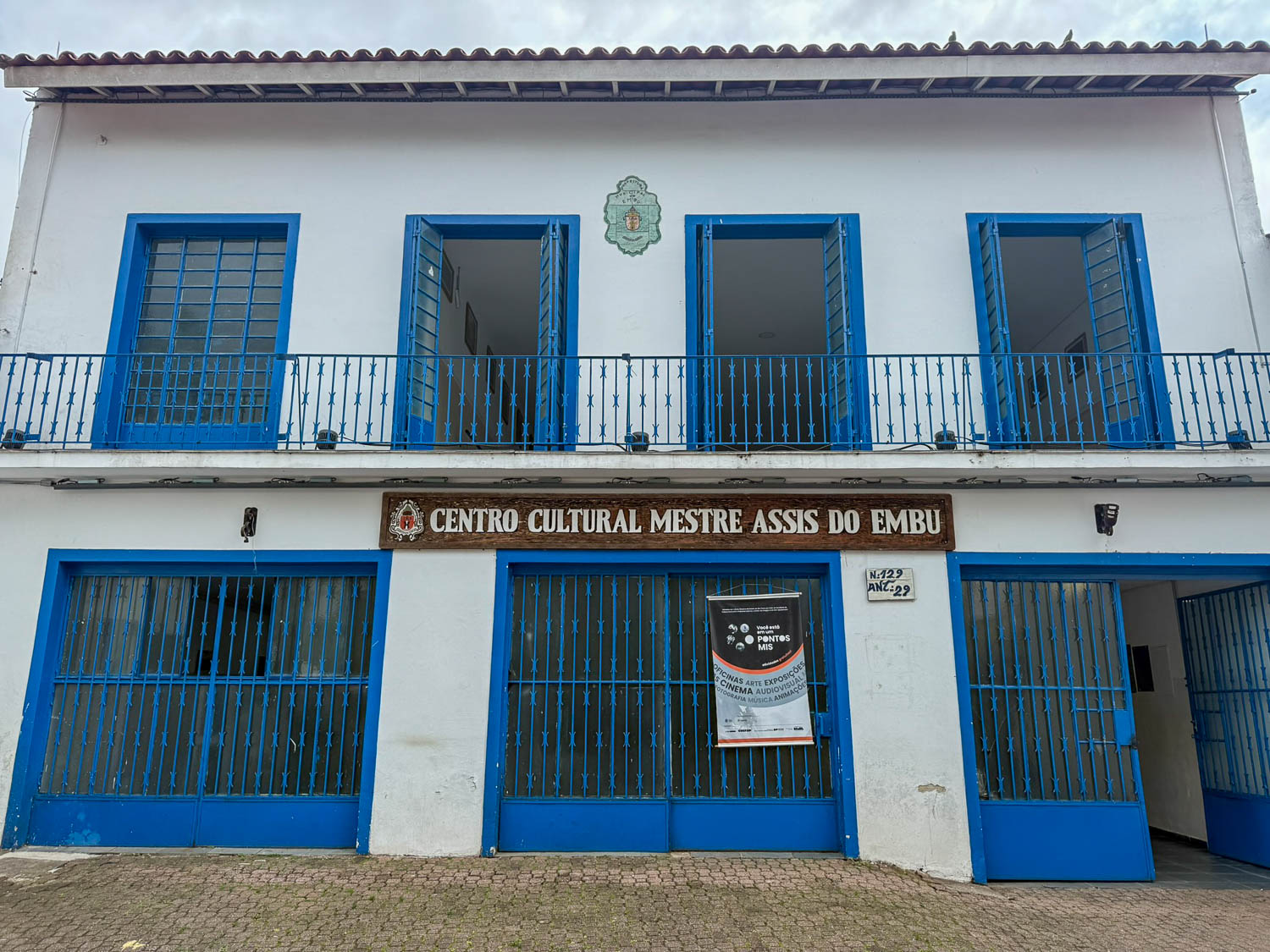
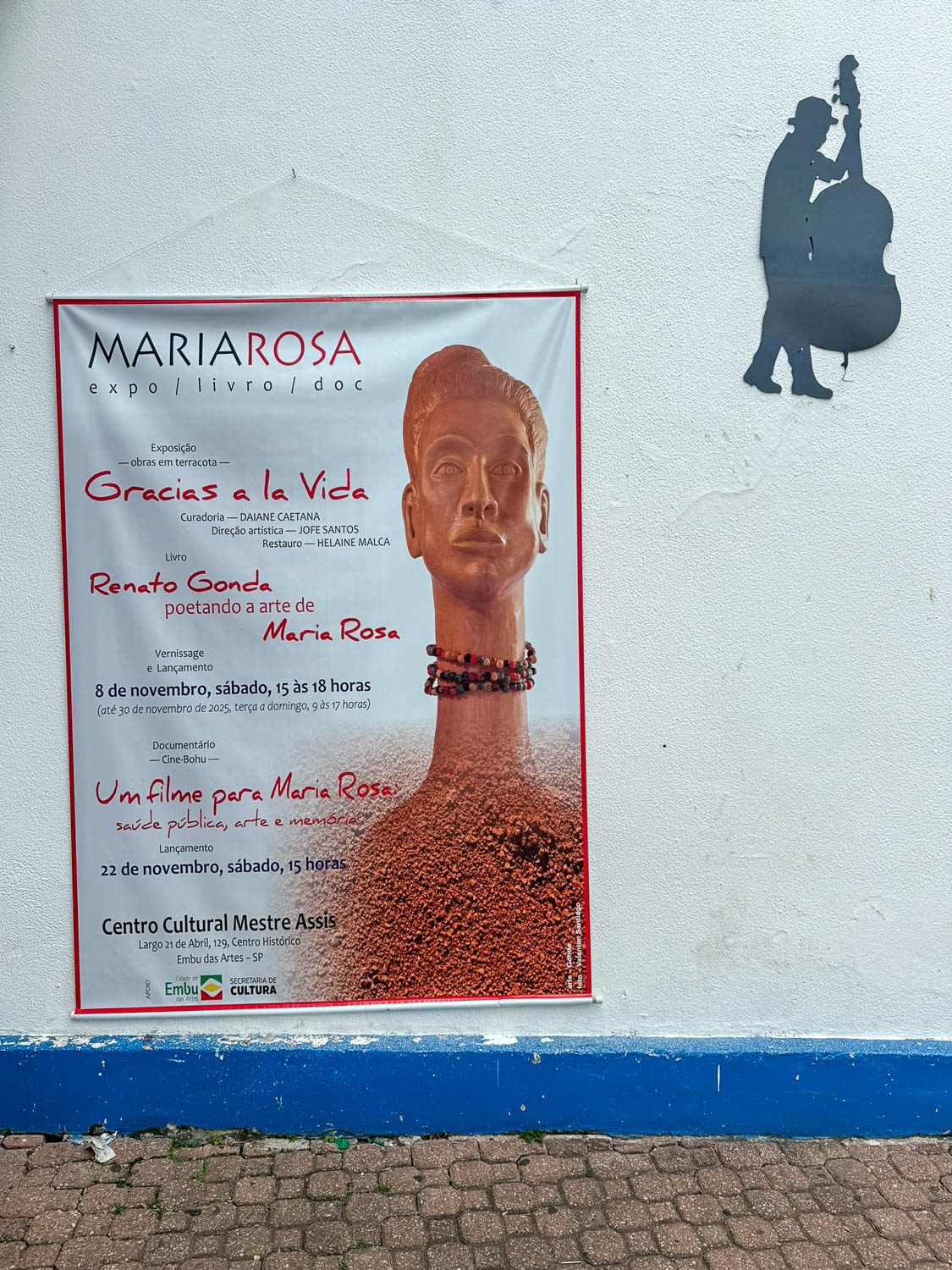
Less than 100m from the Jesuit Sacred Art Museum, the Centro Cultural Mestre Assis (CCMA) is a central hub for visual art, serving as a rotating showcase for Embu’s local artists and cultural programming, and highlighting the city’s artistic heritage. Easily accessed from the main tourist areas of Embu, the center includes a 100-seat auditorium – a versatile space designed to host concerts, theater performances, musical recitals, and lectures.
Fun fact. Many of the featured works in the CCMA are by artists still actively selling in Embu’s weekend market.
Insider tip. Be sure to check locally for any temporary exhibitions or community events being hosted at the CCMA. Programming can vary, and you may be able to catch something unexpected and quite special!
Insider tip. The CCMA is a great choice for a visit later in your day, perhaps once you’ve explored the market. A visit here helps add an even more contemporary layer to Embu’s creative scene.
Where Exactly is the Centro Cultural Mestre Assis?
The CCMA is located at Largo 21 de Abril, number 129, in the central historic district of Embu das Artes. You’ll find it situated in the former city hall building, adjacent to Embu’s famous Feira de Artes and only about a minute’s walk northeast from the Museu de Arte Sacra dos Jesuítas.
What Are the Opening Hours for the Centro Cultural Mestre Assis?
The CCMA is generally open to the public from Tuesday through Sunday, from 8am to 5pm.
What Are the Entry Fees for the Centro Cultural Mestre Assis?
Admission to the CCMA and its exhibitions and art spaces is generally free of charge.
Final Thoughts
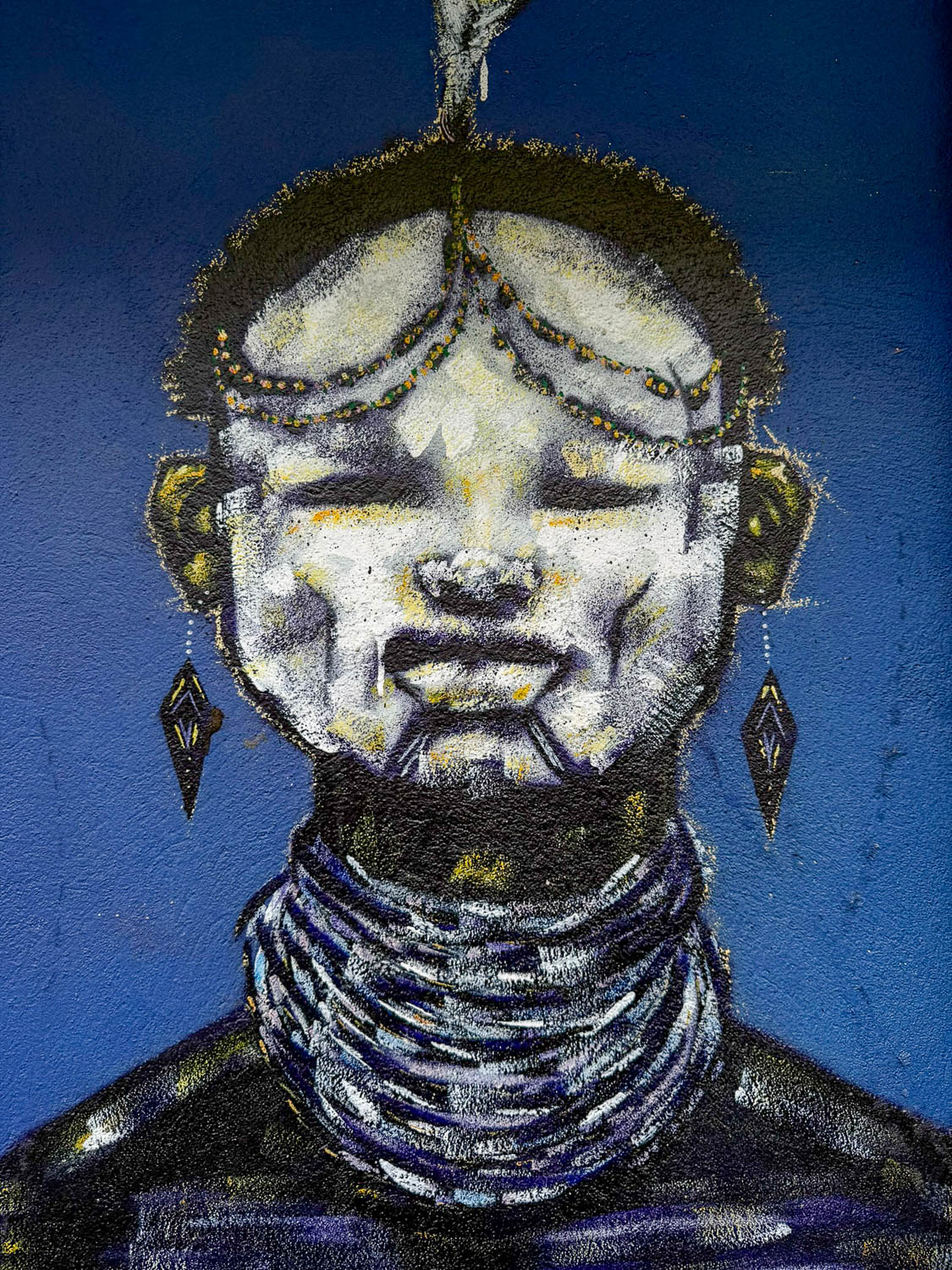
The creativity you see across Embu das Artes today didn’t emerge overnight. Its museums afford the visitor a closer look at the traditions, influences, and stories that have helped shape the town into the artistic hub it is today. Stepping into Embu’s museums offers a different perspective for visitors, ultimately adding depth to what you already experienced in its lively streets.
Beyond the market stalls and vibrant cobblestone streets, Embu’s museums – small, quiet, thoughtfully curated spaces – reveal the deeper story of how this town became Brazil’s “City of the Arts”. They offer insight into the history, artistry, and cultural influences that continue to shape Embu as one of the São Paulo region’s most enduring artistic communities – each just a short stroll from the buzz of the Feira de Artes.
Take a moment to step inside the Museu de Arte Sacra dos Jesuítas, the Memorial Sakai de Embu das Artes, or the Centro Cultural Mestre Assis, where you’ll find artistic legacies preserved for all to witness.
Have we piqued your interest? Are you ready to pack your curiosity, step beyond the market stalls, and carve out some time to explore the museums and cultural sites of Embu das Artes? If so, we’re here to help you get started.
FAQs
What is the most important museum in Embu das Artes?
The Museu de Arte Sacra dos Jesuítas is generally considered the most important museum in Embu das Artes. It houses one of the São Paulo region’s most significant collections of colonial sacred art and is located within a historic Jesuit complex dating back to the 1600s.
Are the Museums of Embu das Artes worth visiting?
Yes. The Museums of Embu das Artes provide valuable insight into the town’s artistic heritage, religious history, and cultural identity. They add context and depth to a visit beyond the famous artisan market.
How much time should I spend visiting the Museums of Embu das Artes?
Most visitors can comfortably explore the major museums in two to four hours. Those interested in art, history, and local culture may wish to spend a half day combining museums with galleries and the Feira de Artes.
Can you visit the Museums of Embu das Artes without a tour?
Absolutely. The museums are easy to visit independently and are located close to one another. However, guided tours can provide additional historical and cultural context.
What makes the Museums of Embu das Artes unique?
The museums reflect the diverse artistic influences that shaped Embu das Artes, from colonial religious art and Jesuit history to Japanese-Brazilian sculpture and contemporary local creativity.
Explore More Of Embu das Artes
-
Festivals and Events in Embu das Artes: A Guide to the Town’s Cultural Calendar
Discover the best Festivals and Events in Embu das Artes, from Festival de Inverno and Festas Juninas to holiday markets, live music, and Christmas celebrations.
-
Feira de Artes de Embu das Artes: Your Guide to São Paulo’s Famous Arts & Crafts Market
The heart of Embu das Artes’ creative identity beats strongest at the Feira de Artes – or, if we’re…
-
Best Things To Do in Embu das Artes: Travel Guide
Embu das Artes, just outside São Paulo in Brazil, is a colorful colonial town known as the “City of the Arts.” Famous for its weekend Feira de Artes market, galleries, artisan shops, and museums, it’s one of the most creative cultural day trips from São Paulo.